Filter
1881
Text search:
tertiary
care
Featured
179
613
Language
1839
29
28
16
13
11
8
5
3
2
2
2
2
2
2
2
2
1
1
1
1
1
1
1
1
1
1
1
1
1
1
1
1
Document type
1161
299
218
85
68
19
17
10
3
1
Countries
187
85
79
74
55
54
52
48
46
46
45
40
40
38
32
29
28
26
26
25
23
17
17
17
16
13
13
12
12
10
9
9
8
8
8
7
7
7
6
6
6
6
6
5
5
5
5
5
5
4
4
4
4
3
3
3
3
3
3
2
2
2
2
2
2
2
2
2
2
2
2
2
2
2
2
2
2
2
1
1
1
1
1
1
1
1
1
1
1
1
1
1
1
1
1
1
1
1
1
1
1
1
1
1
1
1
1
1
1
1
Authors & Publishers
216
75
71
69
52
31
26
25
24
23
16
15
15
13
12
11
11
11
11
10
10
9
8
8
8
8
8
8
8
8
8
8
7
7
7
7
7
6
6
6
6
6
6
6
6
6
6
6
5
5
5
5
5
5
5
5
5
5
4
4
4
4
4
4
4
4
4
4
4
4
4
4
4
4
4
4
3
3
3
3
3
3
3
3
3
3
3
3
3
3
3
3
3
3
3
3
3
3
3
3
3
3
3
3
3
3
3
3
3
3
3
3
3
3
3
3
3
2
2
2
2
2
2
2
2
2
2
2
2
2
2
2
2
2
2
2
2
2
2
2
2
2
2
2
2
2
2
2
2
2
2
2
2
2
2
2
2
2
2
2
2
2
2
2
2
2
2
2
2
2
2
2
2
2
2
2
2
2
2
2
2
2
2
2
2
2
2
2
2
2
2
2
2
2
2
2
2
2
2
2
2
2
2
2
2
2
2
2
2
2
2
2
2
2
2
2
2
2
2
2
2
2
2
2
2
2
2
2
2
2
2
2
2
2
1
1
1
1
1
1
1
1
1
1
1
1
1
1
1
1
1
1
1
1
1
1
1
1
1
1
1
1
1
1
1
1
1
1
1
1
1
1
1
1
1
1
1
1
1
1
1
1
1
1
1
1
1
1
1
1
1
1
1
1
1
1
1
1
1
1
1
1
1
1
1
1
1
1
1
1
1
1
1
1
1
1
1
1
1
1
1
1
1
1
1
1
1
1
1
1
1
1
1
1
1
1
1
1
1
1
1
1
1
1
1
1
1
1
1
1
1
1
1
1
1
1
1
1
1
1
1
1
1
1
1
1
1
1
1
1
1
1
1
1
1
1
1
1
1
1
1
1
1
1
1
1
1
1
1
1
1
1
1
1
1
1
1
1
1
1
1
1
1
1
1
1
1
1
1
1
1
1
1
1
1
1
1
1
1
1
1
1
1
1
1
1
1
1
1
1
1
1
1
1
1
1
1
1
1
1
1
1
1
1
1
1
1
1
1
1
1
1
1
1
1
1
1
1
1
1
1
1
1
1
1
1
1
1
1
1
1
1
1
1
1
1
1
1
1
1
1
1
1
1
1
1
1
1
1
1
1
1
1
1
1
1
1
1
1
1
1
1
1
1
1
1
1
1
1
1
1
1
1
1
1
1
1
1
1
1
1
1
1
1
1
1
1
1
1
1
1
1
1
1
1
1
1
1
1
1
1
1
1
1
1
1
1
1
1
1
1
1
1
1
1
1
1
1
1
1
1
1
1
1
1
1
1
1
1
1
1
1
1
1
1
1
1
1
1
1
1
1
1
1
1
1
1
1
1
1
1
1
1
1
1
1
1
1
1
1
1
1
1
1
1
1
1
1
1
1
1
1
1
1
1
1
1
1
1
1
1
1
1
1
1
1
1
1
1
1
1
1
1
1
1
1
1
1
1
1
1
1
1
1
1
1
1
1
1
1
1
1
1
1
1
1
1
1
1
1
1
1
1
1
1
1
1
1
1
1
1
1
1
1
1
1
1
1
1
1
1
1
1
1
1
1
1
1
1
1
1
1
1
1
1
1
1
1
1
1
1
1
1
1
1
1
1
1
1
1
1
1
1
1
1
1
1
1
1
1
1
1
1
1
1
1
1
1
1
1
1
1
1
1
1
1
1
1
1
1
1
1
1
1
1
1
1
1
1
1
1
1
1
1
1
1
1
1
1
1
1
1
1
1
1
1
1
1
1
1
1
1
1
1
1
1
1
1
1
1
1
1
1
1
1
1
1
1
1
1
1
1
1
1
1
1
1
1
1
1
1
1
1
1
1
1
1
1
1
1
1
1
1
1
1
1
1
1
1
1
1
1
1
1
1
1
1
1
1
1
1
1
1
1
1
1
1
1
1
1
1
1
1
1
1
1
1
1
1
1
1
1
1
1
1
1
1
1
1
1
1
1
1
1
1
1
1
1
1
1
1
1
1
1
1
1
1
1
1
1
1
1
1
1
1
1
1
1
1
1
1
1
1
1
1
1
1
1
1
1
1
1
1
1
1
1
1
1
1
1
1
1
1
1
1
1
1
1
1
1
1
1
1
1
1
1
1
1
1
1
1
1
1
1
1
1
1
1
1
1
1
1
1
1
1
1
1
1
1
1
1
1
1
1
1
1
1
1
1
1
1
1
1
1
1
1
1
1
1
1
1
1
1
1
1
1
1
1
1
1
1
1
1
1
1
1
1
1
1
1
1
1
1
1
1
1
1
1
1
1
1
1
1
1
1
1
1
1
1
1
1
1
1
1
1
1
1
1
1
1
1
1
1
1
1
1
1
1
1
1
1
1
1
1
1
1
1
1
1
1
1
1
1
1
1
1
1
1
1
1
1
1
1
1
1
1
1
1
1
1
1
1
1
1
1
1
1
1
1
1
1
1
1
1
1
1
1
1
1
1
1
1
1
1
1
1
1
1
1
1
1
1
1
1
1
1
1
1
1
1
1
1
1
1
1
1
1
1
1
1
1
1
1
1
1
1
1
1
1
1
1
1
1
1
1
1
1
1
1
1
1
1
1
1
1
1
1
1
1
1
1
1
1
1
1
1
1
1
1
1
1
1
1
1
1
1
1
1
1
1
1
1
1
1
1
1
1
1
1
1
1
1
1
1
1
1
1
1
1
1
1
1
1
1
1
1
1
1
1
1
1
1
1
1
1
1
1
1
1
1
1
1
1
1
1
1
1
1
1
1
1
1
1
1
1
1
1
1
1
1
1
1
1
1
1
1
1
1
1
1
1
1
1
1
1
1
1
1
1
1
1
1
1
1
1
1
1
1
1
1
1
1
1
1
1
1
1
1
1
1
1
1
1
1
1
1
1
1
1
1
1
1
1
1
1
1
1
1
1
1
1
1
1
1
1
1
1
1
1
1
1
1
1
1
1
1
1
1
1
1
1
1
1
1
1
1
1
1
1
1
1
1
1
1
1
1
1
1
1
1
1
1
1
1
1
1
1
1
1
1
1
1
1
1
1
1
1
1
1
1
1
1
1
1
1
1
1
1
1
1
1
1
1
1
1
1
1
1
1
1
1
1
1
1
1
1
1
1
1
1
1
1
1
1
1
1
1
1
1
1
1
1
1
1
1
1
1
1
1
1
1
1
1
1
1
1
1
1
1
1
1
1
1
1
1
1
1
1
1
1
1
1
1
1
1
1
1
1
1
1
1
1
1
1
1
1
1
1
1
1
1
1
1
1
1
1
1
1
1
1
1
1
1
1
1
1
1
1
1
1
1
1
1
1
1
1
1
1
1
1
1
1
1
1
1
1
1
1
1
1
1
1
1
1
1
1
1
1
1
1
1
1
1
1
1
1
1
1
1
1
1
1
1
1
1
1
1
1
1
1
1
1
1
1
1
1
1
1
1
1
1
1
1
1
1
1
1
1
1
1
1
1
1
1
1
1
1
1
1
1
1
1
1
1
1
1
1
1
1
1
1
1
1
1
1
1
1
1
1
1
1
1
1
1
1
1
1
1
1
1
1
1
1
1
1
1
1
1
1
1
1
1
1
1
1
1
1
1
1
1
1
1
1
1
1
1
1
1
1
1
1
1
1
1
1
1
1
1
1
1
1
1
1
1
1
1
1
1
1
1
1
1
1
1
1
1
1
1
1
1
1
1
1
1
1
1
1
1
1
1
1
1
1
1
1
1
1
1
1
1
1
1
1
1
1
1
1
1
1
1
1
1
1
1
1
Publication Years
443
1262
171
4
1
Category
1044
144
113
68
38
18
13
2
Toolboxes
124
113
94
89
80
75
69
52
44
38
37
30
29
29
26
20
9
7
6
4
4
4
2
2
1
HIV/AIDS in Tajikistan
U. Laukamm-Josten; L. Khotenashvili; B. Akkazieva; et al.
World Health Organization (Europe)
(2014)
C_WHO
Mid-term review of The National AIDS Programme 2011-15
October 2013
Assessment of the implementation of the national policy on orphans and vulnerable children in Benin City, Edo State, Nigeria
Y. W. Olagbuji; O. H. Okojie
Academic Journals; International Journal of Sociology and Anthropology
(2015)
C2
Full Length Research Paper
Received 23 March, 2015; Accepted 5 August, 2015
Vol.7(9), pp. 204-213, September, 2015 DOI: 10.5897/IJSA2015.0604
Article Number: F0D0DDC54848
ISSN 2006- 988x

A Guideline for Healthcare Professionals From the American Heart Association/American Stroke Association
AHA/ASA Guideline
DOI: 10.1161/STR.0000000000000158
The Bolivarian Republic of Venezuela has been facing a sociopolitical and economic situation that has negatively impacted social and health indicators. There have been intensified population movements both within the country and to other countries, particularly to Argentina, Brazil, Chile, Colombia,
...
Costa Rica, Curaçao, Dominican Republic, Ecuador, Guyana, Mexico, Panama, Paraguay, Peru, Trinidad and Tobago, and Uruguay. Since 2017, an estimated 5.2 million Venezuelans have migrated to other countries, including an estimated 4.3 million who have gone to countries in Latin America and the Caribbean.
more
Bioethics - Medical, Ethical and Legal Perspectives
There’s evidence that implementing the four medical ethics principles may be challenging especially in low income country contexts with extreme resource scarcity and limited capacity to facilitate deliberations on the different ethical dilemmas.
...
These challenges can partly be explained by the social, economic, and political contexts in which the decisions are made, as well as the limited time, training and guidance to facilitate ethical decision making. Based on current literature, and using the example of bedside rationing; this chapter synthesizes the challenges clinicians face when operationalizing the four principle; identifying the opportunities to address them. We suggest that clinicians’ ability to implement the four principles are constrained by meso‐ and macro‐level decision making as well as their lack of training, explicit guidelines, and peer support. To ameliorate this situation, current efforts to strengthen the clinicians’ capacity to make ethical decisions should be complimented with developing of context relevant guidelines for ethical clinical decision making. The renewed global commitment to the sustainable development goals and universal healthcare coverage should be recognized as an opportunity to leverage resources and champion the integration of equity and justice as a core value in resource allocation at the bedside, meso-, macro- and global levels.
more

Available in English, French, Spanish and Russian from the website https://apps.who.int/iris/handle/10665/344562
The Department of Health (DOH) has developed a National Integrated Sexual and Reproductive Health and Rights (SRHR) Policy.1 This policy addresses the many cross-cutting issues relating to SRH service provision, drawing together the principles, rights, and guidance for planning and implementation th
...
at underpin the provision of quality, comprehensive, and integrated SRHR services in South Africa. The National Integrated SRHR Policy is supported by several clinical and service delivery guidelines covering related programmatic
areas, including the National Contraception Clinical Guidelines.
more

Brazil ́s response is taking place in strict compliance with the International Health Regulations (IHR) 2005.
Brazil created the Emergency Operations Center (COE) and immediately notified WHO when the first case in Brazilian territory
was confirmed on February 26.

The HHFA Comprehensive guide serves as the main reference document for planning and implementing a country HHFA. This guide will promote understanding of:
What the HHFA is and the information it can and cannot provide.
The HHFA modules, questionnaires and CSPro electronic data collection tool.
Th
...
e HHFA indicators, indices and their organization within the HHFA indicator inventory platform.
The HHFA data analysis platform.
The HHFA sampling and data collection methodologies.
The detailed steps involved in planning and implementing an HHFA.
Key concepts in review, interpretation and communication of HHFA findings.
more
Recommandations formalisées d'experts
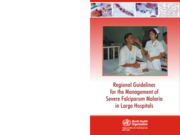
hese are two parallel guidelines, one for small hospitals and another one for large hospitals. In view of heavy burden of malaria and prevalence of drug resistant falciparum malaria in the South-East Asia Region, the guidelines were developed for use by medical personnel who treat severe malaria pat
...
ients, referred from lower-level health facilities. The guidelines were developed by the WHO Regional Office for South-East Asia and the WHO Collaborating Centre for the Clinical Management of Malaria, Faculty of Tropical Medicine, Mahidol University, Thailand. The guidelines are based on a review of current evidence, existing WHO guidelines and experience in the management of malaria in the Region
more
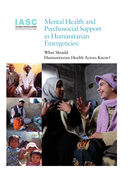
Mental Health and Psychosocial Support in Humanitarian Emergencies: What Should Humanitarian Health Actors Know?
recommended
IASC Reference Group for Mental Health and Psychosocial Support
Inter-Agency Standing Committee
(2010)
C1
This document is for humanitarian health actors working at national and sub-national level in countries facing humanitarian emergencies. It applies to Health Cluster partners, including governmental and non-governmental health service providers.
Based on the IASC Guidelines on Mental Health and Psy
...
chosocial Support in Emergency Settings (IASC, 2007), it gives an overview of essential knowledge that humanitarian health actors should have about mental health and psychosocial support (MHPSS) in humanitarian emergencies.
This document by the IASC Reference Group for Mental Health and Psychosocial Support was developed in consultation with the IASC Global Health Cluster.
more
Guidelines for operationalising first referral units
Maternal Health Division Department of Family Welfare Ministry of Health & Family Welfare Government of India
Maternal Health Division Department of Family Welfare Ministry of Health & Family Welfare Government of India
(2004)
C1
The occurrence of a high percentage of couterfeit medicines on the global medicines market is often attributed to a lack of effective regulation and a weak enforcement capacity. This review, while focusing on counterfeit medicines and medical devices in developing countries, will present information
...
on their impact and how these issues can be addressed by regulation and control of the supply chain using technology appropriate to the developing world.
more

Promoting People's Health to Enhance Social-economic Development