
Filter
1239
Text search:
cultural
perceptions
Featured
87
343
Language
Document type
821
175
97
79
30
21
9
3
2
Countries
41
37
37
34
30
28
26
24
24
23
22
20
19
19
17
17
17
16
15
14
13
12
11
10
10
9
9
8
7
7
6
6
6
6
6
6
5
5
5
5
5
5
5
5
4
4
4
4
4
4
4
3
3
3
3
3
3
2
2
2
2
2
2
2
2
2
2
2
2
2
2
2
1
1
1
1
1
1
1
1
1
1
1
1
1
1
1
1
1
1
1
1
1
1
1
1
1
1
1
1
Authors & Publishers
Publication Years
Category
397
85
83
75
49
31
3
2
1
Toolboxes
152
111
83
77
53
43
35
34
28
24
23
18
15
14
13
13
11
9
8
6
4
4
1
1
This Global Plan builds on the previous edition, which laid out priority actions for 2018-2022, informed by global commitments member states endorsed at the 2018 United Nations High-Level Meeting (UNHLM) on TB. The resource needs estimates from this Global Plan include resources needed for implement
...
Suggested language and usage for tuberculosis communications
First edition
Accessed November 2017
Advocacy, communication and social mobilization for TB control
This research report provides results from the study of living conditions
among people with disabilities in Lesotho. Comparisons are made
between disabled and non-disabled in household level and individual
level. Disability was defined as limitation to perform certain activities that
was measure
...
The study is based on in-depth, semi-structured qualitative interviews with 60 Syrians who arrived in Spain between 2015 and 2017.
Learning from the Use of Data, Information, and Digital Technologies in the West Africa Ebola Outbreak Response
Updated to Reflect the 2009 Medical Eligibility Criteria of the World Health Organization
Capacity Project Gender Research Brief | In Lesotho, as in many other countries, the HIV and AIDS care burden falls on the shoulders of women and girls in unpaid, invisible household and community work. This gender inequity in HRH needs to be addressed to ensure fair and sustainable responses to the
...
Scant data exists on the prevalence of violence against children worldwide. However, available information, including the United Nations Secretary-General’s Study on Violence against Children, shows that violence against children is a global problem. This desktop study aims to glean from published
...
This study, and similar studies in Kenya, Mozambique, Swaziland, Uganda, and Zambia is the outcome of close collaborative by a team in Swaziland, with technical and financial support from the UNAIDS Regional Support Team for Eastern and Southern Africa, UNAIDS Geneva, and the World Bank's Global HIV
...

Strategy for Increasing the use of Modern Contraceptives in Nigeria


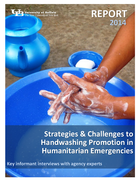
Summary of key informant interviews with representatives of organizations providing, funding, or supporting WASH services to refugee populations
