Filter
3811
Text search:
severe
infections
Featured
441
972
Language
3598
152
99
86
59
44
26
23
11
8
8
7
7
7
6
5
5
4
3
3
3
3
3
3
2
2
2
2
2
2
2
2
2
2
2
1
1
1
1
1
1
1
1
1
1
1
1
1
1
1
1
1
1
1
1
1
1
1
1
1
1
Document type
2007
644
589
180
131
119
72
29
12
12
8
7
1
Countries
209
153
90
90
83
77
76
66
65
63
63
60
58
56
55
52
51
44
41
41
37
37
36
32
31
30
29
27
27
27
26
26
25
25
24
23
23
18
18
18
17
17
17
15
13
13
13
11
10
9
9
9
8
8
8
8
7
7
6
6
6
6
6
5
5
5
4
4
4
4
4
4
4
3
3
3
3
3
3
3
3
3
3
3
3
2
2
2
2
2
2
2
2
2
2
2
2
2
2
2
2
1
1
1
1
1
1
1
1
1
1
1
1
1
1
1
1
1
1
1
1
1
1
1
Authors & Publishers
636
210
178
98
90
89
79
61
42
35
25
23
22
22
21
19
19
19
19
18
16
16
16
16
15
15
14
14
13
13
13
12
12
12
12
12
12
11
11
11
11
11
10
10
10
10
9
9
9
9
9
9
9
9
9
9
9
8
8
8
8
8
8
8
8
8
8
8
8
7
7
7
7
7
7
7
7
7
7
7
7
7
6
6
6
6
6
6
6
6
6
6
6
6
6
5
5
5
5
5
5
5
5
5
5
5
5
5
5
5
5
5
5
5
5
5
5
5
4
4
4
4
4
4
4
4
4
4
4
4
4
4
4
4
4
4
4
4
4
4
4
4
4
4
4
4
4
4
4
4
4
4
3
3
3
3
3
3
3
3
3
3
3
3
3
3
3
3
3
3
3
3
3
3
3
3
3
3
3
3
3
3
3
3
3
3
3
3
3
3
3
3
3
3
3
3
3
3
3
3
3
3
3
3
3
3
3
3
3
3
3
3
3
3
3
3
3
3
3
3
3
3
3
3
3
3
3
3
3
3
3
3
3
3
3
3
3
3
3
3
3
3
3
3
3
3
2
2
2
2
2
2
2
2
2
2
2
2
2
2
2
2
2
2
2
2
2
2
2
2
2
2
2
2
2
2
2
2
2
2
2
2
2
2
2
2
2
2
2
2
2
2
2
2
2
2
2
2
2
2
2
2
2
2
2
2
2
2
2
2
2
2
2
2
2
2
2
2
2
2
2
2
2
2
2
2
2
2
2
2
2
2
2
2
2
2
2
2
2
2
2
2
2
2
2
2
2
2
2
2
2
2
2
2
2
2
2
2
2
2
2
2
2
2
2
2
2
2
2
2
2
2
2
2
2
2
2
2
2
2
2
2
2
2
2
2
2
2
2
2
2
2
2
2
2
2
2
2
2
2
2
2
2
2
2
2
2
2
2
2
2
2
2
2
2
2
2
2
2
2
2
2
2
2
2
2
2
2
2
2
2
2
2
2
2
2
2
2
2
2
2
2
2
2
2
2
2
2
2
2
2
2
1
1
1
1
1
1
1
1
1
1
1
1
1
1
1
1
1
1
1
1
1
1
1
1
1
1
1
1
1
1
1
1
1
1
1
1
1
1
1
1
1
1
1
1
1
1
1
1
1
1
1
1
1
1
1
1
1
1
1
1
1
1
1
1
1
1
1
1
1
1
1
1
1
1
1
1
1
1
1
1
1
1
1
1
1
1
1
1
1
1
1
1
1
1
1
1
1
1
1
1
1
1
1
1
1
1
1
1
1
1
1
1
1
1
1
1
1
1
1
1
1
1
1
1
1
1
1
1
1
1
1
1
1
1
1
1
1
1
1
1
1
1
1
1
1
1
1
1
1
1
1
1
1
1
1
1
1
1
1
1
1
1
1
1
1
1
1
1
1
1
1
1
1
1
1
1
1
1
1
1
1
1
1
1
1
1
1
1
1
1
1
1
1
1
1
1
1
1
1
1
1
1
1
1
1
1
1
1
1
1
1
1
1
1
1
1
1
1
1
1
1
1
1
1
1
1
1
1
1
1
1
1
1
1
1
1
1
1
1
1
1
1
1
1
1
1
1
1
1
1
1
1
1
1
1
1
1
1
1
1
1
1
1
1
1
1
1
1
1
1
1
1
1
1
1
1
1
1
1
1
1
1
1
1
1
1
1
1
1
1
1
1
1
1
1
1
1
1
1
1
1
1
1
1
1
1
1
1
1
1
1
1
1
1
1
1
1
1
1
1
1
1
1
1
1
1
1
1
1
1
1
1
1
1
1
1
1
1
1
1
1
1
1
1
1
1
1
1
1
1
1
1
1
1
1
1
1
1
1
1
1
1
1
1
1
1
1
1
1
1
1
1
1
1
1
1
1
1
1
1
1
1
1
1
1
1
1
1
1
1
1
1
1
1
1
1
1
1
1
1
1
1
1
1
1
1
1
1
1
1
1
1
1
1
1
1
1
1
1
1
1
1
1
1
1
1
1
1
1
1
1
1
1
1
1
1
1
1
1
1
1
1
1
1
1
1
1
1
1
1
1
1
1
1
1
1
1
1
1
1
1
1
1
1
1
1
1
1
1
1
1
1
1
1
1
1
1
1
1
1
1
1
1
1
1
1
1
1
1
1
1
1
1
1
1
1
1
1
1
1
1
1
1
1
1
1
1
1
1
1
1
1
1
1
1
1
1
1
1
1
1
1
1
1
1
1
1
1
1
1
1
1
1
1
1
1
1
1
1
1
1
1
1
1
1
1
1
1
1
1
1
1
1
1
1
1
1
1
1
1
1
1
1
1
1
1
1
1
1
1
1
1
1
1
1
1
1
1
1
1
1
1
1
1
1
1
1
1
1
1
1
1
1
1
1
1
1
1
1
1
1
1
1
1
1
1
1
1
1
1
1
1
1
1
1
1
1
1
1
1
1
1
1
1
1
1
1
1
1
1
1
1
1
1
1
1
1
1
1
1
1
1
1
1
1
1
1
1
1
1
1
1
1
1
1
1
1
1
1
1
1
1
1
1
1
1
1
1
1
1
1
1
1
1
1
1
1
1
1
1
1
1
1
1
1
1
1
1
1
1
1
1
1
1
1
1
1
1
1
1
1
1
1
1
1
1
1
1
1
1
1
1
1
1
1
1
1
1
1
1
1
1
1
1
1
1
1
1
1
1
1
1
1
1
1
1
1
1
1
1
1
1
1
1
1
1
1
1
1
1
1
1
1
1
1
1
1
1
1
1
1
1
1
1
1
1
1
1
1
1
1
1
1
1
1
1
1
1
1
1
1
1
1
1
1
1
1
1
1
1
1
1
1
1
1
1
1
1
1
1
1
1
1
1
1
1
1
1
1
1
1
1
1
1
1
1
1
1
1
1
1
1
1
1
1
1
1
1
1
1
1
1
1
1
1
1
1
1
1
1
1
1
1
1
1
1
1
1
1
1
1
1
1
1
1
1
1
1
1
1
1
1
1
1
1
1
1
1
1
1
1
1
1
1
1
1
1
1
1
1
1
1
1
1
1
1
1
1
1
1
1
1
1
1
1
1
1
1
1
1
1
1
1
1
1
1
1
1
1
1
1
1
1
1
1
1
1
1
1
1
1
1
1
1
1
1
1
1
1
1
1
1
1
1
1
1
1
1
1
1
1
1
1
1
1
1
1
1
1
1
1
1
1
1
1
1
1
1
1
1
1
1
1
1
1
1
1
1
1
1
1
1
1
1
1
1
1
1
1
1
1
1
1
1
1
1
1
1
1
1
1
1
1
1
1
1
1
1
1
1
1
1
1
1
1
1
1
1
1
1
1
1
1
1
1
1
1
1
1
1
1
1
1
1
1
1
1
1
1
1
1
1
1
1
1
1
1
1
1
1
1
1
1
1
1
1
1
1
1
1
1
1
1
1
1
1
1
1
1
1
1
1
1
1
1
1
1
1
1
1
1
1
1
1
1
1
1
1
1
1
1
1
1
1
1
1
1
1
1
1
1
1
1
1
1
1
1
1
1
1
1
1
1
1
1
1
1
1
1
1
1
1
1
1
1
1
1
1
1
1
1
1
1
1
1
1
1
1
1
1
1
1
1
1
1
1
1
1
1
1
1
1
1
1
1
1
1
1
1
1
1
1
1
1
1
1
1
1
1
1
1
1
1
1
1
1
1
1
1
1
1
1
1
1
1
1
1
1
1
1
1
1
1
1
1
1
1
1
1
1
1
1
1
1
1
1
1
1
1
1
1
1
1
1
1
1
1
1
1
1
1
1
1
1
1
1
1
1
1
1
1
1
1
1
1
1
1
1
1
1
1
1
1
1
1
1
1
1
1
1
1
1
1
1
1
1
1
1
1
1
1
1
1
1
1
1
1
1
1
1
1
1
1
1
1
1
1
1
1
1
1
1
1
1
1
1
1
1
1
1
1
1
1
1
1
1
1
1
1
1
1
1
1
1
1
1
1
1
1
1
1
1
1
1
1
1
1
1
1
1
1
1
1
1
1
1
1
1
1
1
1
1
1
1
1
1
1
1
1
1
1
1
1
1
1
1
1
1
1
1
1
1
1
1
1
1
1
1
1
1
1
1
1
1
1
1
1
1
1
1
1
1
1
1
1
1
1
1
1
1
1
1
1
1
1
1
1
1
1
1
1
1
1
1
1
1
1
1
1
1
1
1
1
1
1
1
1
1
1
1
1
1
1
1
1
1
1
1
1
1
1
1
1
1
1
1
1
1
1
1
1
1
1
1
1
1
1
1
1
1
1
1
1
1
1
1
1
1
1
1
1
1
1
1
1
1
1
1
1
1
1
1
1
1
1
1
1
1
1
1
1
1
1
1
1
1
1
1
1
1
1
1
1
1
1
1
1
1
1
1
1
1
1
1
1
1
1
1
1
1
1
1
1
1
1
1
1
1
1
1
1
1
1
1
1
1
1
1
1
1
1
1
1
1
1
1
1
1
1
1
1
1
1
1
1
1
1
1
1
1
1
1
1
1
1
1
1
1
1
1
1
1
1
1
1
1
1
1
1
1
1
1
1
1
1
1
1
1
1
1
1
1
1
1
1
1
1
1
1
1
1
1
1
1
1
1
1
1
1
1
1
1
1
1
1
1
1
1
1
1
1
1
1
1
1
1
1
1
1
1
1
1
1
1
1
1
1
1
1
1
1
1
1
1
1
1
1
1
1
1
1
1
1
1
1
1
1
1
1
1
1
1
1
1
1
1
1
1
1
1
1
1
1
1
1
1
1
1
1
1
1
1
1
1
1
1
1
1
1
1
1
1
1
1
1
1
1
1
1
1
1
1
1
1
1
1
1
1
1
1
1
1
1
1
1
1
1
1
1
1
1
1
1
1
1
1
1
1
1
1
1
1
1
1
1
1
1
1
1
1
1
1
1
1
1
1
1
1
1
1
1
1
1
1
1
1
1
1
1
1
1
1
1
1
1
1
1
1
1
1
1
1
1
1
1
1
1
1
1
1
1
1
1
1
1
1
1
1
1
1
1
1
1
1
1
1
1
1
1
1
1
1
1
1
1
1
1
1
1
1
1
1
1
1
1
1
1
1
1
1
1
1
1
1
1
1
1
1
1
1
1
1
1
1
1
1
1
1
1
1
1
1
1
1
1
1
1
1
1
1
1
1
1
1
1
1
1
1
1
1
1
1
1
1
1
1
1
1
1
1
1
1
1
1
1
1
1
1
1
1
1
1
1
1
1
1
1
1
1
1
1
1
1
1
1
1
1
1
1
1
1
1
1
1
1
1
1
1
1
1
1
1
1
1
1
1
1
1
1
1
1
1
1
1
1
1
1
1
1
1
1
1
1
1
1
1
1
1
1
1
1
1
1
1
1
1
1
1
1
1
1
1
1
1
1
1
1
1
1
1
1
1
1
1
1
1
1
1
1
1
1
1
1
1
1
1
1
1
1
1
1
1
1
1
1
1
1
1
1
1
1
1
1
1
1
1
1
1
1
1
1
1
1
1
1
1
1
1
1
1
1
1
1
1
1
1
1
1
1
1
1
1
1
1
1
1
1
1
1
1
1
1
1
1
1
1
1
1
1
1
1
1
1
1
1
1
1
1
1
1
1
1
1
1
1
1
1
1
1
1
1
1
1
1
1
1
1
1
1
1
1
1
1
1
1
1
1
1
1
1
1
1
1
1
1
1
1
1
1
1
1
1
1
1
1
1
1
1
1
1
1
1
1
1
1
1
1
1
1
1
1
1
1
1
1
1
1
1
1
1
1
1
1
1
1
1
1
1
1
1
1
1
1
1
1
1
1
1
1
1
1
1
1
1
1
1
1
1
1
1
1
1
1
1
1
1
1
1
1
1
1
1
1
1
1
1
1
1
1
1
1
1
1
1
1
1
1
1
1
1
1
1
1
1
1
1
1
1
1
1
1
1
1
1
1
1
1
1
1
1
1
1
1
1
1
1
1
1
1
1
1
1
1
1
1
1
1
1
1
1
1
1
1
1
1
1
1
1
1
1
1
1
1
1
1
1
1
1
1
1
1
1
1
1
1
1
1
1
1
1
1
1
1
1
1
1
1
1
1
1
1
1
1
1
1
1
1
1
1
1
1
1
1
1
1
1
1
1
1
1
1
1
1
1
1
1
1
1
1
1
1
1
1
1
1
1
1
1
1
1
1
1
1
1
1
1
1
1
1
1
1
1
1
1
1
1
1
1
1
1
1
1
1
1
1
1
1
1
1
1
1
1
1
1
1
1
1
1
1
1
1
1
1
1
1
1
1
1
1
1
1
1
1
1
1
1
1
1
1
1
1
1
1
1
1
1
1
1
1
1
1
1
1
1
1
1
1
1
1
1
1
1
1
1
1
1
1
1
1
1
1
1
1
1
1
1
1
1
1
1
1
1
1
1
1
1
1
1
1
1
1
1
1
1
1
1
1
1
1
1
1
1
1
1
1
1
1
1
1
1
1
1
1
1
1
1
1
1
1
1
1
1
1
1
1
1
1
1
1
1
1
1
1
1
1
1
1
1
1
1
1
1
1
1
1
1
1
1
1
1
1
1
1
1
1
1
1
1
1
1
1
1
1
1
1
1
1
1
1
1
1
1
1
1
1
1
1
1
1
1
1
1
1
1
1
1
1
1
1
1
1
1
1
1
1
1
1
1
1
1
1
1
1
1
1
1
1
1
1
1
1
1
1
1
1
1
1
1
1
1
1
1
1
1
1
1
1
1
1
1
1
1
1
1
1
1
1
1
1
1
1
1
1
1
1
1
1
1
1
1
1
1
1
1
1
1
1
1
1
1
1
1
1
1
1
1
1
1
1
1
1
1
1
1
1
1
1
1
1
1
1
1
1
1
1
1
1
1
1
1
1
1
Publication Years
1206
2149
425
29
2
Category
1441
442
276
181
117
92
36
2
Toolboxes
577
293
168
149
140
133
130
129
103
103
78
70
66
64
62
41
40
39
23
20
16
13
2
1
1
access free courses in more than 60 languages
The OIE has been working on the AMR issue for a long
time. In undertaking its role as a standard- setting organisation*
for animal health, including zoonoses, the OIE has developed
a wide range of international standards on antimicrobial
agents, in particular on responsible and prudent use.
The
...
se standards are regularly reviewed and updated
through the transparent and inclusive process of expert
advice and member consultation before presentation for
adoption to the World Assembly of Delegates from our
180 Member Countries each year. The OIE also works with
its Member countries in a comprehensive and continuous
capacity building process for their Veterinary Services.
more
Information note of the Global Leaders Group on Antimicrobial Resistance.
Available in English, French, Spanish, Russian, Chinese and Arabic
As the nation’s public health leader, the Centers for Disease Control and Prevention (CDC) is actively engaged in a national effort to protect the public’s health from the harmful effects of climate change. Scientists from CDC’s National Center for Emerging and Zoonotic Infectious Diseases (NC
...
EZID) are at the forefront of many of these efforts. This report highlights some of that work and also looks ahead to the important work yet to come.
more
In the light of the transmissibility of coronaviruses, and the global experience with MERS-CoV (ongoing) and SARS in 2003 which were also caused by coronaviruses, South African authorities have compiled this guideline document to support surveillance, case finding, diagnosis, management and public h
...
ealth responses to cases under investigation.
*Please note*
The interim guidelines are based on what is currently known about the Coronavirus Disease 2019 (COVID-19). The National Department of Health (NDOH) and National Institute for Communicable Diseases will update these interim guidelines as needed and as additional information becomes available.
more
Cases of monkeypox (MPX) acquired in the EU have recently been reported in nine EU Member States (Austria, Belgium, France, Germany, Italy, Portugal, Spain, Sweden, and the Netherlands).
Monkeypox (MPX) does not spread easily between people. Human-to-human transmission occurs through close contact
...
with infectious material from skin lesions of an infected person, through respiratory droplets in prolonged face-to-face contact, and through fomites. The predominance, in the current outbreak, of diagnosed human MPX cases among men having sex with men (MSM), and the nature of the presenting lesions in some cases, suggest transmission occurred during sexual intercourse
more
Where are the outbreaks? What is monkeypox? Recongnizing monkeypox and more. An update on the monkeypox outbreak including protection, diagnosis, treatment.
Cryptococcal disease, particularly cryptococcal meningitis is a significant cause of morbidity and mortality among people living with HIV with advanced HIV disease. It is estimated that it is responsible for nearly 19% of AIDS-related mortality, second only to tuberculosis. Rapid screening, diagnosi
...
s and linking to appropriate treatment are critical actions national programs must take to reduce the burden of disease.
WHO in 2022 introduced updated guidelines for diagnosing, preventing, and managing cryptococcal disease among adults, adolescents and children living with HIV. This policy brief provides a summary of the key recommendations, clinical considerations, and also stresses the importance of ensuring access to life-saving antifungals. There is an urgent need for countries to scale-up management for not just cryptococcal meningitis, but address cryptococcal disease in the context of a package of care for advanced HIV disease as recommended by WHO.
more
Front Chem. 2021; 9: 622286.
Published online 2021 Mar 12. doi: 10.3389/fchem.2021.622286
Human schistosomiasis, a parasitic and often chronic illness, is one of the major neglected tropical diseases worldwide. It is estimated that 240 million people suffer from schistosomiasis, with more than 200000 fatalities recorded each year. Schistosomiasis is caused by an infection of the blood fl
...
uke Schistosoma and is transmitted to humans through direct contact with infected water.
more
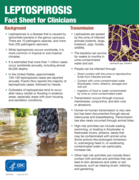
• Leptospirosis is a disease that is caused by
spirochete bacteria in the genus Leptospira.
There are 10 pathogenic species, and more
than 250 pathogenic serovars.
• While leptospirosis occurs worldwide, it is
more common in tropical or sub-tropical
climates.
Chromoblastomycosis (CBM), represents one of the primary implantation mycoses caused by melanized fungi widely found in nature. It is characterized as a Neglected Tropical Disease (NTD) and mainly affects populations living in poverty with significant morbidity, including stigma and discrimination.
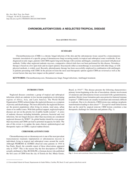
Chromoblastomycosis (CMB) is a chronic fungal infection of the skin and the subcutaneous tissue caused by a transcutaneous traumatic inoculation of a specific group of dematiaceous fungi occurring mainly in tropical and subtropical zones worldwide. If not diagnosed at early stages, patients with CBM
...
require long term therapy with systemic antifungals, sometimes associated with physical methods. Unlike other neglected endemic mycoses, comparative clinical trials have not been performed for this disease. Nowadays, therapy is based on a few open trials and on expert opinion. Itraconazole either as monotherapy or associated with other drugs, or with physical methods, is widely used. Recently, photodynamic therapy has been successfully employed in combination with antifungals in patients presenting with CBM. In the present revision the most used therapeutic options against CBM are reviewed as well as the several factors that may have impact on the patient's outcome.
more

Scabies is a global health concern disproportionately affecting vulnerable populations such as refugees and asylum seekers. Greece is a main point of entry in Europe for refugees, but epidemiological data on scabies in this population are scarce. We aimed to describe the epidemiology of scabies, inc
...
luding trends over the study period.
more
A step-by-step guide for teachers on how to conduct a school deworming day!
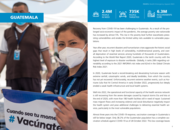
Recovery from COVID-19 has been challenging in Guatemala. As a result of the prolonged socio-economic impact of the pandemic, the average poverty rate nationwide has increased by almost 5%. This rise in the poverty level further exacerbates preexisting vulnerabilities and erodes the limited safety n
...
ets available to vulnerable populations. Year after year, recurrent disasters and humanitarian crises aggravate the historic social gaps that result in high levels of vulnerability, multidimensional poverty, and overall deprivation of essential services among hundreds of thousands of Guatemalans. According to the World Risk Report 2020, Guatemala is the tenth country with the highest level of exposure to disaster worldwide. Globally, it ranks 28th regarding vulnerability according to the 2021 INFORM’s risk index and 62nd in the Global Climate Risk Index 2021.
In 2020, Guatemala faced a record-breaking and devastating hurricane season with extreme rainfall, catastrophic winds, and deadly landslides, from which the country has not yet recovered. Unfortunately, recurrent extreme weather events, such as Hurricane Julia that hit Central America in early October 2022, progressively but deeply eroded a weak health infrastructure and local health systems.
more
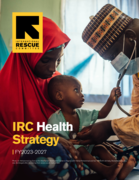
The International Rescue Committee (IRC) is a leading humanitarian agency dedicated to helping people whose lives have been shattered by conflict and disaster to survive, recover, and gain control of their future. Health comprises nearly half of IRC’s program portfolio globally and encompasses thr
...
ee sectors: 1) Primary Health (including child health, sexual and reproductive health and rights, and mental health); 2) Nutrition; and 3) Environmental Health. IRC health programming across its portfolio, in terms of the size and breadth, responds to significant needs in crisis affected settings, improving health and wellbeing while reducing causes of ill-health.
This five-year Health Strategy sharpens our focus on where we can have the most impact. It guides our efforts in planning, technical assistance, business development, advocacy, and internal and external collaboration. Through this strategy, we will invest and grow in areas that will help us achieve high impact at scale for our clients. For the next five years these priorities will include: Nutrition; Immunization: Infectious Disease Prevention and Control; Last Mile Delivery of Primary Health Care: Clean Water.
Our strategy aligns with Strategy 100 (S100) and Strategy Action Plans (SAPs). It lays out how IRC, through health, nutrition, and Environmental Health (EH) programming, will advance the IRC’s S100 ambitions, respond to global trends, and capitalize on our value add. The strategy will be complemented by delivery plans that detail investments, actions, and roles and responsibilities to advance our priorities. At the end of FY24, we will take stock of the implementation of the strategy, measure progress towards achieving our goals, and review if it continues to be fit for purpose.
more
In April 2020, Gavi and COVAX joined the Access to COVID-19 Tools Accelerator (ACT-A) to provide equitable global access to COVID-19 vaccines to tackle the pandemic. In June 2020, the Gavi COVAX Advance Market Commitment (AMC) was launched to finance equitable access in 92 lower-income countries. Si
...
nce then, US$ 10 billion has been raised for the AMC to procure vaccines and support delivery. Despite a challenging supply situation, COVAX has now shipped one billion doses to 144 countries, including over 870 million to AMC economies.
more
Beat the heat: child health amid heatwaves in Europe and Central Asia finds that half of these children died from heat-related illnesses in their first year of life. Most children died during the summer months.
"Around half of children across Europe and Central Asia – or 92 million children –
...
are already exposed to frequent heatwaves in a region where temperatures are rising at the fastest rate globally. The increasingly high temperatures can have serious health complications for children, especially the youngest children, even in a short space of time. Without care, these complications can be life-threatening,” said Regina De Dominicis UNICEF Regional Director for Europe and Central Asia.
Heat exposure has acute effects on children, even before they are born, and can result in pre-term births, low birth weight, stillbirth, and congenital anomalies. Heat stress is a direct cause of infant mortality, can affect infant growth and cause a range of paediatric diseases. The report also notes that extreme heat caused the loss of more than 32,000 years of healthy life among children and teenagers in the region.
As the temperatures continue to rise, UNICEF urges governments across Europe and Central Asia to:
- Integrate strategies to reduce the impact of heatwaves including through National Determined Contributions (NDC), National Adaptation Plans (NAP), and disaster risk reduction and disaster management policies with children at the centre of these plans
Invest in heat health action plans and primary health care to more adequately support heat-related illness among children
- Invest in early warning systems, including heat alert systems
- Adapt education facilities to reduce the temperatures in the areas children play in and equip teachers with skills to respond to heat stress
- Adapt urban design and infrastructure including ensuring buildings, particularly those housing the most vulnerable communities are equipped to minimize heat exposure
- Secure the provision of safe water, particularly in countries with deteriorating water quality and availability.
UNICEF works with governments, partners and communities across the region to build resilience against heatwaves. This includes equipping teachers, community health workers and families with the skills and knowledge to respond to heat stress.
more