
Filter
2895
Text search:
gender
gaps
Featured
224
870
Language
2830
63
57
42
37
23
21
11
4
4
4
4
3
3
3
3
3
3
3
3
2
2
2
2
2
2
1
1
1
1
1
1
1
1
1
1
1
1
1
1
1
Document type
1678
547
265
179
114
32
27
26
8
5
5
1
1
Countries
153
98
71
70
69
66
66
62
62
57
56
52
52
52
52
49
47
47
45
44
38
35
35
31
28
24
23
22
21
21
21
19
18
18
17
17
14
14
13
13
13
13
12
12
11
11
11
11
11
10
10
8
8
8
7
7
7
7
7
7
6
6
6
6
6
5
5
5
5
5
4
4
3
3
3
3
3
3
3
3
3
2
2
2
2
2
2
2
2
2
2
2
2
2
2
2
2
2
2
2
2
2
2
2
1
1
1
1
1
1
1
1
1
1
1
1
1
1
1
1
1
1
1
1
1
1
1
Authors & Publishers
314
130
113
102
96
94
71
41
39
26
24
22
19
18
18
18
18
17
17
17
16
14
14
14
13
12
12
12
12
11
11
11
11
10
10
10
10
10
10
9
9
9
9
9
9
9
8
8
8
8
8
8
7
7
7
7
7
7
7
7
7
7
7
6
6
6
6
6
6
6
6
6
6
6
6
6
6
6
5
5
5
5
5
5
5
5
5
5
5
5
5
5
5
5
4
4
4
4
4
4
4
4
4
4
4
4
4
4
4
4
4
4
4
4
4
4
4
4
4
4
4
4
4
4
4
4
4
4
4
4
4
3
3
3
3
3
3
3
3
3
3
3
3
3
3
3
3
3
3
3
3
3
3
3
3
3
3
3
3
3
3
3
3
3
3
3
3
3
3
3
3
3
3
3
3
3
3
3
3
3
3
3
3
3
3
3
3
3
3
3
3
3
3
3
3
3
3
2
2
2
2
2
2
2
2
2
2
2
2
2
2
2
2
2
2
2
2
2
2
2
2
2
2
2
2
2
2
2
2
2
2
2
2
2
2
2
2
2
2
2
2
2
2
2
2
2
2
2
2
2
2
2
2
2
2
2
2
2
2
2
2
2
2
2
2
2
2
2
2
2
2
2
2
2
2
2
2
2
2
2
2
2
2
2
2
2
2
2
2
2
2
2
2
2
2
2
2
2
2
2
2
2
2
2
2
2
2
2
2
2
2
2
2
2
2
2
2
2
2
2
2
2
2
2
2
2
2
2
2
2
2
2
2
2
2
2
2
2
2
2
2
2
2
2
2
2
2
2
2
2
2
2
2
2
2
2
2
2
2
2
2
2
2
2
2
2
2
2
2
2
2
2
2
2
2
2
1
1
1
1
1
1
1
1
1
1
1
1
1
1
1
1
1
1
1
1
1
1
1
1
1
1
1
1
1
1
1
1
1
1
1
1
1
1
1
1
1
1
1
1
1
1
1
1
1
1
1
1
1
1
1
1
1
1
1
1
1
1
1
1
1
1
1
1
1
1
1
1
1
1
1
1
1
1
1
1
1
1
1
1
1
1
1
1
1
1
1
1
1
1
1
1
1
1
1
1
1
1
1
1
1
1
1
1
1
1
1
1
1
1
1
1
1
1
1
1
1
1
1
1
1
1
1
1
1
1
1
1
1
1
1
1
1
1
1
1
1
1
1
1
1
1
1
1
1
1
1
1
1
1
1
1
1
1
1
1
1
1
1
1
1
1
1
1
1
1
1
1
1
1
1
1
1
1
1
1
1
1
1
1
1
1
1
1
1
1
1
1
1
1
1
1
1
1
1
1
1
1
1
1
1
1
1
1
1
1
1
1
1
1
1
1
1
1
1
1
1
1
1
1
1
1
1
1
1
1
1
1
1
1
1
1
1
1
1
1
1
1
1
1
1
1
1
1
1
1
1
1
1
1
1
1
1
1
1
1
1
1
1
1
1
1
1
1
1
1
1
1
1
1
1
1
1
1
1
1
1
1
1
1
1
1
1
1
1
1
1
1
1
1
1
1
1
1
1
1
1
1
1
1
1
1
1
1
1
1
1
1
1
1
1
1
1
1
1
1
1
1
1
1
1
1
1
1
1
1
1
1
1
1
1
1
1
1
1
1
1
1
1
1
1
1
1
1
1
1
1
1
1
1
1
1
1
1
1
1
1
1
1
1
1
1
1
1
1
1
1
1
1
1
1
1
1
1
1
1
1
1
1
1
1
1
1
1
1
1
1
1
1
1
1
1
1
1
1
1
1
1
1
1
1
1
1
1
1
1
1
1
1
1
1
1
1
1
1
1
1
1
1
1
1
1
1
1
1
1
1
1
1
1
1
1
1
1
1
1
1
1
1
1
1
1
1
1
1
1
1
1
1
1
1
1
1
1
1
1
1
1
1
1
1
1
1
1
1
1
1
1
1
1
1
1
1
1
1
1
1
1
1
1
1
1
1
1
1
1
1
1
1
1
1
1
1
1
1
1
1
1
1
1
1
1
1
1
1
1
1
1
1
1
1
1
1
1
1
1
1
1
1
1
1
1
1
1
1
1
1
1
1
1
1
1
1
1
1
1
1
1
1
1
1
1
1
1
1
1
1
1
1
1
1
1
1
1
1
1
1
1
1
1
1
1
1
1
1
1
1
1
1
1
1
1
1
1
1
1
1
1
1
1
1
1
1
1
1
1
1
1
1
1
1
1
1
1
1
1
1
1
1
1
1
1
1
1
1
1
1
1
1
1
1
1
1
1
1
1
1
1
1
1
1
1
1
1
1
1
1
1
1
1
1
1
1
1
1
1
1
1
1
1
1
1
1
1
1
1
1
1
1
1
1
1
1
1
1
1
1
1
1
1
1
1
1
1
1
1
1
1
1
1
1
1
1
1
1
1
1
1
1
1
1
1
1
1
1
1
1
1
1
1
1
1
1
1
1
1
1
1
1
1
1
1
1
1
1
1
1
1
1
1
1
1
1
1
1
1
1
1
1
1
1
1
1
1
1
1
1
1
1
1
1
1
1
1
1
1
1
1
1
1
1
1
1
1
1
1
1
1
1
1
1
1
1
1
1
1
1
1
1
1
1
1
1
1
1
1
1
1
1
1
1
1
1
1
1
1
1
1
1
1
1
1
1
1
1
1
1
1
1
1
1
1
1
1
1
1
1
1
1
1
1
1
1
1
1
1
1
1
1
1
1
1
1
1
1
1
1
1
1
1
1
1
1
1
1
1
1
1
1
1
1
1
1
1
1
1
1
1
1
1
1
1
1
1
1
1
1
1
1
1
1
1
1
1
1
1
1
1
1
1
1
1
1
1
1
1
1
1
1
1
1
1
1
1
1
1
1
1
1
1
1
1
1
1
1
1
1
1
1
1
1
1
1
1
1
1
1
1
1
1
1
1
1
1
1
1
1
1
1
1
1
1
1
1
1
1
1
1
1
1
1
1
1
1
1
1
1
1
1
1
1
1
1
1
1
1
1
1
1
1
1
1
1
1
1
1
1
1
1
1
1
1
1
1
1
1
1
1
1
1
1
1
1
1
1
1
1
1
1
1
1
1
1
1
1
1
1
1
1
1
1
1
1
1
1
1
1
1
1
1
1
1
1
1
1
1
1
1
1
1
1
1
1
1
1
1
1
1
1
1
1
1
1
1
1
1
1
1
1
1
1
1
1
1
1
1
1
1
1
1
1
1
1
1
1
1
1
1
1
1
1
1
1
1
1
1
1
1
1
1
1
1
1
1
1
1
1
1
1
1
1
1
1
1
1
1
1
1
1
1
1
1
1
1
1
1
1
1
1
1
1
1
1
1
1
1
1
1
1
1
1
1
1
1
1
1
1
1
1
1
1
1
1
1
1
1
1
1
1
1
1
1
1
1
1
1
1
1
1
1
1
1
1
1
1
1
1
1
1
1
1
1
1
1
1
1
1
1
1
1
1
1
1
1
1
1
1
1
1
1
1
1
1
1
1
1
1
1
1
1
1
1
1
1
1
1
1
1
1
1
1
1
1
1
1
1
1
1
1
1
1
1
1
1
1
1
1
1
1
1
1
1
1
1
1
1
1
1
1
1
1
1
1
1
1
1
1
1
1
1
1
1
1
1
1
1
1
1
1
1
1
1
1
1
1
1
1
1
1
1
1
1
1
1
1
1
1
1
1
1
1
1
1
1
1
1
1
1
1
1
1
1
1
1
1
1
1
1
1
1
1
1
1
1
1
1
1
1
1
1
1
1
1
1
1
1
1
1
1
1
1
1
1
1
1
1
1
1
1
1
1
1
1
1
1
1
1
1
1
1
1
1
1
1
1
1
1
1
1
1
1
1
1
1
1
1
1
1
1
1
1
1
1
1
1
1
1
1
1
1
1
1
1
1
1
1
1
1
1
1
1
1
1
1
1
1
1
1
1
1
1
1
1
1
1
1
1
1
1
1
1
1
1
1
1
1
1
1
1
1
1
1
1
1
1
1
1
1
1
1
1
1
1
1
1
1
1
1
1
1
1
1
1
1
1
1
1
1
1
1
1
1
1
1
1
1
1
1
1
1
1
1
1
1
1
1
1
1
1
1
1
1
1
1
1
1
1
1
1
1
1
1
1
1
1
1
1
1
1
1
1
1
1
1
1
1
1
1
1
1
1
1
1
1
1
1
1
1
1
1
1
1
1
1
1
1
1
1
1
1
1
1
1
1
1
1
1
1
1
1
1
1
1
1
1
1
1
1
1
1
1
1
1
1
1
1
1
1
1
1
1
1
1
1
1
1
1
1
1
1
1
1
1
1
1
1
1
1
1
1
1
1
1
1
1
1
1
1
1
1
1
1
1
1
1
1
1
1
1
1
1
1
1
1
1
1
1
1
1
1
1
1
1
1
1
1
1
1
1
1
1
1
1
1
1
1
1
1
1
1
1
1
1
1
1
1
1
1
1
1
1
1
1
1
1
1
1
1
1
1
1
1
1
1
1
1
1
1
1
1
1
1
1
1
1
1
1
1
1
1
1
1
1
1
1
1
1
1
1
1
1
1
1
1
1
1
1
1
1
1
1
1
1
1
1
1
1
1
1
1
1
1
1
1
1
1
1
1
1
1
1
1
1
1
1
1
1
1
1
1
1
1
1
1
1
1
1
1
1
1
1
1
1
1
1
1
1
1
1
1
1
1
1
1
1
1
1
1
1
1
1
1
1
1
1
1
1
1
1
1
1
1
1
1
1
1
1
1
1
1
1
1
1
1
1
1
1
1
1
1
1
1
1
1
1
1
1
1
1
1
1
1
1
1
1
1
1
1
1
1
1
1
1
1
1
1
1
1
1
1
1
1
1
1
1
1
1
1
1
1
1
1
1
1
1
1
1
1
1
1
1
1
1
1
1
1
1
1
1
1
1
1
1
1
1
1
1
1
1
1
1
1
1
1
1
1
1
1
1
1
1
1
1
1
1
1
1
1
1
1
1
1
1
1
1
1
1
1
1
1
1
1
1
1
1
1
1
1
1
1
1
1
1
1
1
1
1
1
1
1
1
1
1
1
1
1
1
1
1
1
1
1
1
1
1
1
1
1
1
1
1
1
1
1
1
1
1
1
1
1
1
1
1
1
1
1
1
1
1
1
1
1
1
1
1
1
1
1
1
1
1
1
1
1
1
1
1
1
1
1
1
1
1
1
1
1
1
1
1
1
1
1
1
1
1
1
1
1
1
1
1
1
1
1
1
1
1
1
1
1
1
1
1
1
1
1
1
1
1
1
1
1
1
1
1
1
1
1
1
1
1
1
1
1
1
1
1
1
1
1
1
1
1
1
1
1
1
1
1
1
1
1
1
1
1
1
1
1
1
1
1
1
1
1
1
1
1
1
1
1
1
1
1
1
1
1
1
1
1
1
1
1
1
1
1
1
1
1
1
1
1
1
1
1
1
1
1
1
1
1
1
1
1
1
1
1
1
Publication Years
1
1
885
1832
170
5
1
Category
1154
203
174
162
121
64
8
2
2
1
Toolboxes
311
224
184
172
148
110
89
84
67
65
54
47
45
45
37
36
31
11
10
8
4
3
3
1
1
1
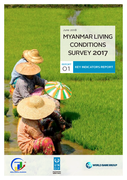
The survey is representative of the Union Territory, its states and regions and urban and rural areas. It was conducted in all the districts and in 296 of the 330 townships of Myanmar. A total of 13,730 households were interviewed. It collects data on the occupations of people, how much income they
...
earn, and how they use this to meet the food, housing, health, education and other needs of their families. The main focus of the survey is to produce estimates of poverty and living conditions, to provide core data inputs into the System of National Accounts and the Consumer Price Index and to support monitoring of the Sustainable Development Goals.
more
Report of the Global Thematic Consultation on Population Dynamics
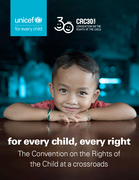
Thirty years ago, the United Nations General Assembly adopted the Convention on the Rights of the Child at a moment of rapid global change marked by the end of apartheid, the fall of the Berlin Wall and the birth of the World Wide Web. These developments and more brought momentous and lasting evolut
...
ion, as well as a sense of renewal and hope for future generations. In a reflection of that hopeful spirit, the Convention has since become the most widely ratified human rights treaty in history.
more
A new publication - Waste Management during the COVID-19 Pandemic: from response to recovery - reviews current practices for managing waste from healthcare facilities, households and quarantine locations accommodating people with confirmed or suspected cases of COVID-19. Jointly produced by UNEP, th
...
e Institute for Global Environmental Strategies and the International Environmental Technology Centre, the report considers various approaches, identifies best practices and technologies, and provides recommendations for policy-makers and practitioners to improve waste management, over the long term.
more
Measuring progress towards universal health coverage.
This sixth edition of Health at a Glance Asia/Pacific presents a set of key indicators of health status, the determinants of health, health care resources and utilisation, health care expenditure and financing and quality of care across 27 Asia-
...
Pacific countries and territories. It also provides a series of dashboards to compare performance across countries and territories, and a thematic analysis on the impact of the COVID-19 outbreak on Asia/Pacific health systems.
more
International health regulations (2005): state party self-assessment annual reporting tool, 2nd ed
Second edition.
AVailable in English, French, Spanish, Russian, Chinese and Portuguese
HIV and social protection assessment tool
UNAIDS (Joint United Nations Programme on HIVAIDS); Unicef; World Health Organization; et al.
(2017)
C2
UNAIDS 2017 / Reference
Generating evidence for policy and action on HIV and social protection
The pandemic presents tough choices for governments, local communities, health and school systems, as well as families and businesses: How to re-open safely? How to safeguard people’s lives and protect their livelihoods? Where to allocate scarce resources? How to protect those unable to protect th
...
emselves? Answers to questions like these will affect our short-term success in battling the spread of the virus and could have impacts for generations to come.
More than ever, the world needs reliable and trustworthy data and statistics to inform these important decisions. The United Nations and all member organizations of the Committee for the Coordination of Statistical Activities (CCSA) collect and make available a wealth of information for assessing the multifaceted impacts of the pandemic. This report updates some of the global and regional trends presented in Volume I and offers a snapshot of how COVID-19 continues to affect the world today across multiple domains.
more
UNICEF's 2021 World AIDS Day report provides global and regional statistical updates on children, adolescents and pregnant women. It further provides a brief history of the HIV epidemic and response for children together with a series of human interest stories that shine light on inequalities faced
...
by children and adolescents, especially in HIV treatment and prevention services.
more

Unmet mental health needs in the Region of the Americas are a leading source of morbidity and mortality, which result in tremendous health, social, and economic consequences. The COVID-19 pandemic has exacerbated the mental health crisis in the Region, necessitating urgent action at the highest leve
...
ls of government and across sectors to build back better mental health now and for the future. This landmark report is the result of the PAHO High-Level Commission on Mental Health and COVID-19. It provides an analysis of the mental health situation in the Region, followed by a series of recommendations and corresponding actions to support countries in the Americas to prioritize and advance mental health using human rights- and equity-based approaches.
more
The Camp Managment Toolkit
recommended
Applicable to both IDP and refugee scenarios, the Toolkit incorporates a wide range of relevant information on managing displaced populations living in communal settings (collective centres, spontaneous sites, established camps, etc.). Large scale displacements caused by recent conflict and natural
...
disaster events have created a high demand for the Toolkit, which has proven an invaluable resource for field practitioners, government actors and displaced populations since its original release in 2004.
Available in other languages
more
A practical tool for field based humanitarian workers. It provides up-to-date, clear and succint guidance on topics accross the humanitarian sector including references to current, relevant resources and practical tools.
Links to the Humanitarian Charter and international law
IASC Guidelines on Mental Health and Psychosocial Support in Emergency Settings. Checklist
recommended
Armed conflicts and natural disasters cause significant psychological and social suffering to affected populations. The psychological and social impacts of emergencies may be acute in the short term, but they can also undermine the long-term mental health and psychosocial well-being of the affected
...
population. These impacts may threaten peace, human rights and development. One of the priorities in emergencies is thus to protect and improve people’s mental health and psychosocial well-being.
more
Revision for Field Review
Online version of the manual: https://iawgfieldmanual.com/manual
