
Filter
3543
Text search:
disability
and
development
Featured
303
816
Language
3366
130
91
66
43
36
27
25
12
8
7
7
6
5
5
5
5
5
5
5
4
4
4
4
4
4
4
4
3
3
3
3
3
3
3
3
3
3
3
3
2
2
2
2
2
2
2
2
1
1
1
1
1
1
1
1
1
1
1
1
Document type
2201
565
313
187
145
55
34
23
7
6
5
2
Countries
178
166
93
71
70
69
68
64
61
59
54
50
49
47
45
44
42
39
38
37
36
35
32
29
29
28
27
25
23
23
22
21
18
16
16
16
15
13
13
12
12
12
11
11
10
10
10
10
9
8
8
8
8
8
8
7
7
7
7
7
6
6
6
6
5
5
5
5
5
4
4
4
4
4
4
3
3
3
3
3
3
3
2
2
2
2
2
2
2
2
2
2
2
2
2
2
2
2
2
2
2
2
1
1
1
1
1
1
1
1
1
1
1
1
1
1
1
1
1
1
1
1
1
1
1
1
1
1
1
1
1
1
1
Authors & Publishers
434
162
134
121
104
83
81
52
49
41
37
31
29
29
27
24
22
21
20
17
17
16
16
16
15
13
13
12
12
12
12
12
11
11
11
11
11
10
10
10
9
9
9
9
9
9
9
8
8
8
8
8
8
8
8
8
7
7
7
7
7
7
7
7
7
7
7
7
7
7
6
6
6
6
6
6
6
6
6
6
6
6
6
6
6
6
6
5
5
5
5
5
5
5
5
5
5
5
5
5
5
5
5
5
5
5
4
4
4
4
4
4
4
4
4
4
4
4
4
4
4
4
4
4
4
4
4
4
4
4
4
4
4
4
4
4
4
4
4
4
4
4
4
4
4
4
4
4
4
4
3
3
3
3
3
3
3
3
3
3
3
3
3
3
3
3
3
3
3
3
3
3
3
3
3
3
3
3
3
3
3
3
3
3
3
3
3
3
3
3
3
3
3
3
3
3
3
3
3
3
3
3
3
3
3
3
3
3
3
3
3
3
3
3
3
3
3
3
3
2
2
2
2
2
2
2
2
2
2
2
2
2
2
2
2
2
2
2
2
2
2
2
2
2
2
2
2
2
2
2
2
2
2
2
2
2
2
2
2
2
2
2
2
2
2
2
2
2
2
2
2
2
2
2
2
2
2
2
2
2
2
2
2
2
2
2
2
2
2
2
2
2
2
2
2
2
2
2
2
2
2
2
2
2
2
2
2
2
2
2
2
2
2
2
2
2
2
2
2
2
2
2
2
2
2
2
2
2
2
2
2
2
2
2
2
2
2
2
2
2
2
2
2
2
2
2
2
2
2
2
2
2
2
2
2
2
2
2
2
2
2
2
2
2
2
2
2
2
2
2
2
2
2
2
2
2
2
2
2
2
2
2
2
2
2
2
2
2
2
2
2
2
2
2
2
2
2
2
2
2
1
1
1
1
1
1
1
1
1
1
1
1
1
1
1
1
1
1
1
1
1
1
1
1
1
1
1
1
1
1
1
1
1
1
1
1
1
1
1
1
1
1
1
1
1
1
1
1
1
1
1
1
1
1
1
1
1
1
1
1
1
1
1
1
1
1
1
1
1
1
1
1
1
1
1
1
1
1
1
1
1
1
1
1
1
1
1
1
1
1
1
1
1
1
1
1
1
1
1
1
1
1
1
1
1
1
1
1
1
1
1
1
1
1
1
1
1
1
1
1
1
1
1
1
1
1
1
1
1
1
1
1
1
1
1
1
1
1
1
1
1
1
1
1
1
1
1
1
1
1
1
1
1
1
1
1
1
1
1
1
1
1
1
1
1
1
1
1
1
1
1
1
1
1
1
1
1
1
1
1
1
1
1
1
1
1
1
1
1
1
1
1
1
1
1
1
1
1
1
1
1
1
1
1
1
1
1
1
1
1
1
1
1
1
1
1
1
1
1
1
1
1
1
1
1
1
1
1
1
1
1
1
1
1
1
1
1
1
1
1
1
1
1
1
1
1
1
1
1
1
1
1
1
1
1
1
1
1
1
1
1
1
1
1
1
1
1
1
1
1
1
1
1
1
1
1
1
1
1
1
1
1
1
1
1
1
1
1
1
1
1
1
1
1
1
1
1
1
1
1
1
1
1
1
1
1
1
1
1
1
1
1
1
1
1
1
1
1
1
1
1
1
1
1
1
1
1
1
1
1
1
1
1
1
1
1
1
1
1
1
1
1
1
1
1
1
1
1
1
1
1
1
1
1
1
1
1
1
1
1
1
1
1
1
1
1
1
1
1
1
1
1
1
1
1
1
1
1
1
1
1
1
1
1
1
1
1
1
1
1
1
1
1
1
1
1
1
1
1
1
1
1
1
1
1
1
1
1
1
1
1
1
1
1
1
1
1
1
1
1
1
1
1
1
1
1
1
1
1
1
1
1
1
1
1
1
1
1
1
1
1
1
1
1
1
1
1
1
1
1
1
1
1
1
1
1
1
1
1
1
1
1
1
1
1
1
1
1
1
1
1
1
1
1
1
1
1
1
1
1
1
1
1
1
1
1
1
1
1
1
1
1
1
1
1
1
1
1
1
1
1
1
1
1
1
1
1
1
1
1
1
1
1
1
1
1
1
1
1
1
1
1
1
1
1
1
1
1
1
1
1
1
1
1
1
1
1
1
1
1
1
1
1
1
1
1
1
1
1
1
1
1
1
1
1
1
1
1
1
1
1
1
1
1
1
1
1
1
1
1
1
1
1
1
1
1
1
1
1
1
1
1
1
1
1
1
1
1
1
1
1
1
1
1
1
1
1
1
1
1
1
1
1
1
1
1
1
1
1
1
1
1
1
1
1
1
1
1
1
1
1
1
1
1
1
1
1
1
1
1
1
1
1
1
1
1
1
1
1
1
1
1
1
1
1
1
1
1
1
1
1
1
1
1
1
1
1
1
1
1
1
1
1
1
1
1
1
1
1
1
1
1
1
1
1
1
1
1
1
1
1
1
1
1
1
1
1
1
1
1
1
1
1
1
1
1
1
1
1
1
1
1
1
1
1
1
1
1
1
1
1
1
1
1
1
1
1
1
1
1
1
1
1
1
1
1
1
1
1
1
1
1
1
1
1
1
1
1
1
1
1
1
1
1
1
1
1
1
1
1
1
1
1
1
1
1
1
1
1
1
1
1
1
1
1
1
1
1
1
1
1
1
1
1
1
1
1
1
1
1
1
1
1
1
1
1
1
1
1
1
1
1
1
1
1
1
1
1
1
1
1
1
1
1
1
1
1
1
1
1
1
1
1
1
1
1
1
1
1
1
1
1
1
1
1
1
1
1
1
1
1
1
1
1
1
1
1
1
1
1
1
1
1
1
1
1
1
1
1
1
1
1
1
1
1
1
1
1
1
1
1
1
1
1
1
1
1
1
1
1
1
1
1
1
1
1
1
1
1
1
1
1
1
1
1
1
1
1
1
1
1
1
1
1
1
1
1
1
1
1
1
1
1
1
1
1
1
1
1
1
1
1
1
1
1
1
1
1
1
1
1
1
1
1
1
1
1
1
1
1
1
1
1
1
1
1
1
1
1
1
1
1
1
1
1
1
1
1
1
1
1
1
1
1
1
1
1
1
1
1
1
1
1
1
1
1
1
1
1
1
1
1
1
1
1
1
1
1
1
1
1
1
1
1
1
1
1
1
1
1
1
1
1
1
1
1
1
1
1
1
1
1
1
1
1
1
1
1
1
1
1
1
1
1
1
1
1
1
1
1
1
1
1
1
1
1
1
1
1
1
1
1
1
1
1
1
1
1
1
1
1
1
1
1
1
1
1
1
1
1
1
1
1
1
1
1
1
1
1
1
1
1
1
1
1
1
1
1
1
1
1
1
1
1
1
1
1
1
1
1
1
1
1
1
1
1
1
1
1
1
1
1
1
1
1
1
1
1
1
1
1
1
1
1
1
1
1
1
1
1
1
1
1
1
1
1
1
1
1
1
1
1
1
1
1
1
1
1
1
1
1
1
1
1
1
1
1
1
1
1
1
1
1
1
1
1
1
1
1
1
1
1
1
1
1
1
1
1
1
1
1
1
1
1
1
1
1
1
1
1
1
1
1
1
1
1
1
1
1
1
1
1
1
1
1
1
1
1
1
1
1
1
1
1
1
1
1
1
1
1
1
1
1
1
1
1
1
1
1
1
1
1
1
1
1
1
1
1
1
1
1
1
1
1
1
1
1
1
1
1
1
1
1
1
1
1
1
1
1
1
1
1
1
1
1
1
1
1
1
1
1
1
1
1
1
1
1
1
1
1
1
1
1
1
1
1
1
1
1
1
1
1
1
1
1
1
1
1
1
1
1
1
1
1
1
1
1
1
1
1
1
1
1
1
1
1
1
1
1
1
1
1
1
1
1
1
1
1
1
1
1
1
1
1
1
1
1
1
1
1
1
1
1
1
1
1
1
1
1
1
1
1
1
1
1
1
1
1
1
1
1
1
1
1
1
1
1
1
1
1
1
1
1
1
1
1
1
1
1
1
1
1
1
1
1
1
1
1
1
1
1
1
1
1
1
1
1
1
1
1
1
1
1
1
1
1
1
1
1
1
1
1
1
1
1
1
1
1
1
1
1
1
1
1
1
1
1
1
1
1
1
1
1
1
1
1
1
1
1
1
1
1
1
1
1
1
1
1
1
1
1
1
1
1
1
1
1
1
1
1
1
1
1
1
1
1
1
1
1
1
1
1
1
1
1
1
1
1
1
1
1
1
1
1
1
1
1
1
1
1
1
1
1
1
1
1
1
1
1
1
1
1
1
1
1
1
1
1
1
1
1
1
1
1
1
1
1
1
1
1
1
1
1
1
1
1
1
1
1
1
1
1
1
1
1
1
1
1
1
1
1
1
1
1
1
1
1
1
1
1
1
1
1
1
1
1
1
1
1
1
1
1
1
1
1
1
1
1
1
1
1
1
1
1
1
1
1
1
1
1
1
1
1
1
1
1
1
1
1
1
1
1
1
1
1
1
1
1
1
1
1
1
1
1
1
1
1
1
1
1
1
1
1
1
1
1
1
1
1
1
1
1
1
1
1
1
1
1
1
1
1
1
1
1
1
1
1
1
1
1
1
1
1
1
1
1
1
1
1
1
1
1
1
1
1
1
1
1
1
1
1
1
1
1
1
1
1
1
1
1
1
1
1
1
1
1
1
1
1
1
1
1
1
1
1
1
1
1
1
1
1
1
1
1
1
1
1
1
1
1
1
1
1
1
1
1
1
1
1
1
1
1
1
1
1
1
1
1
1
1
1
1
1
1
1
1
1
1
1
1
1
1
1
1
1
1
1
1
1
1
1
1
1
1
1
1
1
1
1
1
1
1
1
1
1
1
1
1
1
1
1
1
1
1
1
1
1
1
1
1
1
1
1
1
1
1
1
1
1
1
1
1
1
1
1
1
1
1
1
1
1
1
1
1
1
1
1
1
1
1
1
1
1
1
1
1
1
1
1
1
1
1
1
1
1
1
1
1
1
1
1
1
1
1
1
1
1
1
1
1
1
1
1
1
1
1
1
1
1
1
1
1
1
1
1
1
1
1
1
1
1
1
1
1
1
1
1
1
1
1
1
1
1
1
1
1
1
1
1
1
1
1
1
1
1
1
1
1
1
1
1
1
1
1
1
1
1
1
1
1
1
1
1
1
1
1
1
1
1
1
1
1
1
1
1
1
1
1
1
1
1
1
1
1
1
1
1
1
1
1
1
1
1
1
1
1
1
1
1
1
1
1
1
1
1
1
1
1
1
1
1
1
1
1
1
1
1
1
1
1
1
1
1
1
1
1
1
1
1
1
1
1
1
1
1
1
1
1
1
1
1
1
1
1
1
1
1
1
1
1
1
1
1
1
1
1
1
1
1
1
1
1
1
1
1
1
1
1
1
1
1
1
1
1
1
1
1
1
1
1
1
1
1
1
1
1
1
1
1
1
1
1
1
1
1
1
1
1
1
1
1
1
1
1
1
1
1
1
1
1
1
1
1
1
1
1
1
1
1
1
1
1
1
1
1
1
1
1
1
1
1
1
1
1
1
1
1
1
1
1
1
1
1
1
1
1
1
1
1
1
1
1
1
1
1
1
1
1
1
1
1
1
1
1
1
1
1
1
1
1
1
1
1
1
1
1
1
1
1
1
1
1
1
1
1
1
1
1
1
1
1
1
1
1
1
1
1
1
1
1
1
1
1
1
1
1
1
1
1
1
1
1
1
1
1
1
1
1
1
1
1
1
1
1
1
1
1
1
1
1
1
1
1
1
1
1
1
1
1
1
1
1
1
1
1
1
1
1
1
1
1
1
1
1
1
1
1
1
1
1
1
1
1
1
1
1
1
1
1
1
1
1
1
1
1
1
1
1
1
1
1
1
1
1
1
1
1
1
1
1
1
1
1
1
1
1
1
1
1
1
1
1
1
1
1
1
1
1
1
1
1
1
1
1
1
1
1
1
1
1
1
1
1
1
1
1
1
1
1
1
1
1
1
1
1
1
1
1
1
1
1
1
1
1
1
1
1
1
1
1
1
1
1
1
1
1
1
1
1
1
1
1
1
1
1
1
1
1
1
1
1
1
1
1
1
1
1
1
1
1
1
1
1
1
1
1
1
1
1
1
1
1
1
1
1
1
1
1
1
1
1
1
1
1
1
1
1
1
1
1
1
1
1
1
1
1
1
1
1
1
1
1
1
1
1
1
1
1
1
1
1
1
1
1
1
1
1
1
1
1
1
1
1
1
1
1
1
1
1
1
1
1
1
1
1
1
1
1
1
1
1
1
1
1
1
1
1
1
1
1
1
1
1
1
1
1
1
1
1
1
1
1
1
1
1
1
1
1
1
1
1
1
1
1
1
1
1
1
1
1
1
1
1
1
1
1
1
1
1
1
1
1
1
1
1
1
1
1
1
1
1
1
1
1
1
1
1
1
1
1
1
1
1
1
1
1
1
1
1
1
1
1
1
1
1
1
1
1
1
1
1
1
1
1
1
1
1
1
1
1
1
1
1
1
1
1
1
1
1
1
1
1
1
1
1
1
1
1
1
1
1
1
1
1
1
1
1
1
1
1
1
1
1
1
1
1
1
1
1
1
1
1
1
1
1
1
1
1
1
1
1
1
1
1
1
1
1
1
1
1
1
1
1
1
Publication Years
1
880
2313
334
14
1
Category
1229
269
245
208
115
56
10
5
2
Toolboxes
596
515
189
137
122
117
107
95
86
83
74
66
43
39
30
27
25
17
15
11
9
4
3
1
Infectious diseases like COVID-19 can disrupt the environments in which children grow and develop. Disruptions to families, friendships, daily routines and the wider community can have negative cons
...
equences for children’s well-being, development and protection. In addition, measures used to prevent and control the spread of COVID-19 can expose children to protection risks. Home-based, facility-based and zonal-based quarantine and isolation measures can all negatively impact children and their families.
The aim of this brief is to support child protection practitioners to better respond to the child protection risks during a COVID-19 pandemic. Part 1 presents the potential child protection risks COVID-19 can pose to children. Part 2 presents programmatic options in line with the 2019 Minimum Standards for Child Protection in Humanitarian Action (CPMS) and the Guidance Note: Protection of Children During Infectious Disease Outbreaks.
more
In 2009, WHO’s Second International Conference on Buruli Ulcer Control and Research resolved to strengthen the capacity of national laboratories to confirm cases of the disease, but advised that “efforts are still needed to develop simple diagno
...
stic tools usable in the field as well as disability prevention methods”.
In 2013, WHO and the Foundation for Innovative New Diagnostics convened a meeting of Buruli ulcer experts in Geneva, Switzerland (9) at which two priority unmet needs in diagnosis were identified:
a diagnostic test for early detection of Buruli ulcer in symptomatic patients with sufficient positive predictive value to put patients on appropriate treatment; and
a screening test at the primary health care or community level for symptomatic patients with ulcer
more
The 2019-2023 Strategy for UNU-IIGH, developed in
2018, built on UNU-IIGH’s strategic advantage and
position vis-à-vis the UN and global health ecosystem.
The Strategy set a goal to advance ev
...
idencebased policy on key issues related to sustainable
development and health and shifted the Institute’s
body of work from investigator-driven global health
projects to three priority-driven, policy-relevant pillars
of work, each reflecting UNU-IIGH’s unique value
position.
When the COVID-19 pandemic hit in 2020, the
Institute adapted and reprioritised its areas of work
while continuing to deliver on the main strategic
objectives of translating evidence to policy, generating
policy-relevant analyses on gender and health, and
strengthening capacity for local decision making
especially in the Global South.
The new strategic plan encompasses four work packages:
1. Gender Equality and Intersectionality: through this work, we will aim to improve the quality of health care through a human-centred approach, by ensuring the health system is responsive to the needs of structurally excluded individuals and communities; and by advancing a positive and enabling environment for the frontline health workforce—e.g. addressing the experience of gender-based violence.
2. Power and Accountability: through this work, we will catalyse equitable shifts in power and address key accountability deficits that prevent the equitable and effective functioning of the global health system and prevent adequate responsiveness to the needs of states and populations in the Global South.
3. Digital Health Governance: through this work, we will address the colonial legacies and power asymmetries that negatively impact robust digital health governance, identify ways to strengthen health data governance with a particular focus on SRHR and promote diversity in technology design and development.
4. Climate Justice and Determinants of Health: through this work we will leverage UNU-IIGH's position within the UN and network of UNU institutes, network experts, practitioners, policy-makers, and academics to advance evidence-based policy on the different dimensions of the climate emergency and its impact on health.
more
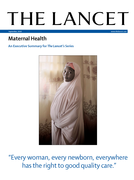
Each year, about 210 million women become pregnant and about 140 million newborn babies are delivered. The sheer scale of maternal health issues makes maternal well being and survival vital concerns
...
. A decade after The Lancet published a Series on maternal survival, a new Series of six papers brings our knowledge of maternal health, its epidemiology, successes, and current failings together, and at a crucial time within the sustainable development framework to 2030. The Series concludes with a call to action setting out five key targets which need to be met to ensure the progression of broader sustainable development goals (SDGs).
Open Access
more

The Fifty-first World Health Assembly,
Recalling resolutions WHA22.29, WHA25.55 and WHA28.54 on the prevention of blindness, and
WHA45.10 on disability
...
prevention and rehabilitation;
Aware of previous efforts and progress made in the global fight against infectious eye diseases, in particular
trachoma;
Noting that blinding trachoma still constitutes a serious public health problem amongst the poorest
populations in 46 endemic countries.
more

In the course of implementing a recently funded network of hubs for building capacities in mental health service development, training, and research (RedeAmericas), the peer support workers are bein
...
g introduced into the mental health workforce in three Latin American countries for the very first time. They will be part of a team, along with community mental health workers, that provides a modified Critical Time Intervention to individuals with severe psychiatric disorders living in the community. This article reviewed the background of this increasingly widespread development, and discussed its merits, as well as potential obstacles within local contexts.
more

The Africa Health Transformation Programme 2015–2020 - A Vision for Universal Health Coverage
WHO Regional Office for Africa
(2015)
C_WHO
The new five-year agenda of WHO in Africa, The Africa Health Transformation Programme, 2015–2020: a vision for universal health coverage, is the strategic framework that will guide WHO’s contribution to the emerging sustainable development platf
...
orm in Africa. It articulates a vision for health and development that aims to address the unacceptable inequalities and inequities that have kept our region lagging far behind others in terms of health indices and enjoyment of the highest attainable standard of life.
more
"This is the final report of the six-year collaboration between the WHO Department of Mental Health and Substance Abuse and the Gulbenkian Global Mental Health Platform, an initiative of the Caloust
...
e Gulbenkian Foundation aimed at reducing the global burden of mental health through the development and application of evidence and good practices to global mental health."
more

Purpose: This research study aimed to investigate the effectiveness of the services provided by CBR programmes in Jordan.
Method: This was a mixed- methods investigation. A survey was carried out with 47 participants (stakeholders and volunteers) f
...
rom four CBR centres in Jordan. It comprised 18 questions that collected both qualitative and quantitative data with both closed- and open-ended questions. The quantitative data were analysed using SPSS Version 22.0. Qualitative data were analysed through thematic content analysis and open coding to identify emergent themes.
Results: 40.4% of the participants evaluated the effectiveness of CBR services as low. This mainly stemmed from the lack of efforts to increase the local community’s knowledge about CBR, disability and the role of CBR programmes towards people with disabilities.
Conclusions: A proposal was offered concerning the priorities of CBR programmes in Jordan. Efforts need to be directed at promoting livelihood and empowerment components in order to actualise the principles of CBR, mainly by promoting multispectral collaboration as a way of operation.
Implications: This study was inclusive of all types of disability. Barriers to the effectiveness of services may stem from accessibility issues to the families of persons with disabilities (hard to reach) or from CBR services themselves (hard to access). The culturally specific evaluative tool in this study was of “good” specificity and sensitivity, this evaluative instrument can be transferrable to measure the impact of CBR programmes in other settings.
more
The World Health Organization's fourth Country Cooperation Strategy 2022-2026 is an outcome of a consultative process with inputs from the Ministry of Health, various agencies in the health sector, and other relevant stakeholders. It has been develo
...
ped to provide strategic direction and support toward achieving the priorities of the Government of the Kingdom of Eswatini.
It is designed to support the strengthening of health systems and services toward the attainment of Universal Health
Coverage (UHC) and the Sustainable Development Goals targets. The CCS 2022-2026 also presents the collaborative
agenda between the Kingdom of Eswatini and the three levels of WHO, aligns with the strategic priorities of WHO’s
13th General Programme of Work (2019 – 2025), as well as Eswatini’s United Nations Sustainable Development Cooperation Framework (UNSDCF) 2021-2025
more

The majority of developing countries will fail to achieve their targets for Universal Health Coverage (UHC)1 and the health- and poverty-related Sustainable
...
Development Goals (SDGs) unless they take urgent steps to strengthen their health financing. Just over a decade out from the SDG deadline of 2030, 3.6 billion people do not receive the most essential health services they need, and 100 million are pushed into poverty from paying out-of-pocket for health services. The evidence is strong that progress towards UHC, core to SDG 3, will spur inclusive and sustainable economic growth, yet this will not happen unless countries achieve high-performance health financing, defined here as funding levels that are adequate and sustainable; pooling that is sufficient to spread the financial risks of ill-health; and spending that is efficient and equitable to assure desired levels of health service coverage, quality, and financial protection for all people— with resilience and sustainability.
more
This manual provides guidance for policymakers on the issue of prehospital trauma care systems. The main areas covered include the organisation of the prehospital trauma care system, capacity development, data collection, transportation
...
and communication, as well as ethical and legal considerations
more
The Health Systems in Transition (HiT) series consists of country-based reviews that provide a detailed description of a health system and of reform and policy initiatives in progress or under
...
development in a specific country.
more
The following technical report outlines the rationale, process and results of a joint research study, coordinated by the World Health Organization (WHO) and the Pan-American Health Organization (PAH
...
O), co-chaired by the Ministry of Health and Social Protection and the Ministry of Environment and Sustainable Development in collaboration with the Climate and Climate Air Coalition, the Stockholm Environment Institute, the Clean Air Institute and leading international and national experts. A rationale section describes the links between greenhouse gas (GHG) emissions, short-lived climate pollutants, air pollution and adverse health outcomes. A summary of the research study describes how scenarios were modelled to examine the health and economic implications of raising ambition in Colombia’s Nationally Determined Contribution (NDC) to the United Nations Framework Convention on Climate Change (UNFCCC)
more
The Quality Criteria for Health National Adaptation Plans (HNAPs) presents examples of good practice in HNAP development to assist countries in developing a comprehensive, feasible and implementable
...
plan. The criteria are also intended to guide countries in setting the foundation for a long-term iterative HNAP process. The proposed criteria are not prescriptive and should be adapted to dynamic country contexts, uncertain and changing climatic conditions, and new knowledge and technologies.
9 February 2021
more

In the last decade, Timor-Leste has made remarkable progress in strengthening its health system and improving the health status of its population. This has resulted in an increased life expectancy, and
...
the achievement of Millennium Development Goals such as a reduction in infant and under-five mortality, an improvement in maternal and child health outcomes, and an increase in immunization coverage. Further, the country has successfully eliminated infectious diseases such as polio, measles, and maternal and neonatal tetanus. There is full political commitment to reducing the incidence of tuberculosis (TB) by 80% and the number of deaths due to TB by 90% by 2030. The country has made great progress in the context of the pandemic, having established numerous quarantine facilities/isolation centres; trained health-care workers; streamlined the procurement and supply of medicines, consumables, personal protective equipment and other equipment; and strengthened the capacity in critical care across secondary and tertiary health care, to better respond to future pandemics and other disaster situations.
more
The chapter Fostering Health Systems’ Monitoring to Better Serve Older Populations is part of the publication series entitled Decade of Healthy Aging: Situation and Challenges. The publications are designed to favor the prioritization of effective
...
actions at the local level as well as the monitoring of data and public health policies, and providing evidence-based information. Along with the objective of presenting the available updated knowledge about the situation of health and aging at the beginning of the Decade of Healthy Aging in the Americas, this publication gives information about health systems’ monitoring to better serve the needs of older adults and emphasizes the need for societies and health systems to better adapt to an aging population. It introduces the 360-tool as a guide to adapt health systems through monitoring tracers/indicators and highlighting the data and information that is readily available, disaggregated by age. This information can aid in decision-making and resource allocation to support older adults’ needs. Concerning the 360-tool development, a consensus has been reached on seven tracer indicators with high relevance to informing policy, and case studies in selected countries have assessed the feasibility of this approach. The list of indicators and the process related to the development of the tool are presented in this publication. The Decade of Healthy Aging 2021-2030 is a period to guide action towards the transformation of societies by fostering the inclusion of older people in every decision. This publication intends to contribute to this strategy and highlight the upcoming challenges and opportunities on healthy aging.
more
This document is an output of a WHO cross-programme initiative aiming to improve the prevention, diagnosis and management of anaemia and thereby accelerate reduction in its prevalence. It comes at a
...
n important time, midway through the era of the Sustainable Development Goals, when progress in reducing anaemia has stagnated. This framework is based on the core principles of primary health care: meeting people’s health needs through comprehensive promotive, protective, curative, and rehabilitative care along the life course; systematically addressing the broader determinants of health; and empowering individuals, families, and communities to optimize their health
more
Guideline ‒ Alternative mass drug administration regimens to eliminate lymphatic filariasis
recommended
Lymphatic filariasis is a vector-borne neglected tropical disease that causes damage of the lymphatic system and can lead to lymphoedema (elephantiasis) and hydrocele in infected individuals. The gl
...
obal baseline estimate of persons affected by lymphatic filariasis is 25 million men with hydrocele and over 15 million people with lymphoedema. At least 36 million persons remain with these chronic disease manifestations. The disease is endemic in 72 countries. In 2016, an estimated total population of 856 million were living in areas with ongoing transmission of the causative filarial parasites and requiring mass drug administration (MDA). Lymphatic filariasis disfigures and disables, and often leads to stigmatization and poverty. Hundreds of millions of dollars are lost annually due to reduced productivity of affected patients. WHO has ranked the disease as one of the world’s leading causes of permanent and long-term disability.
more

Rwanda’s fourth health sector strategic plan (HSSP4) is meant to provide the health sector with a Strategic Plan that will highlight its commitments and priorities for the coming 6 years. It will be fully integrated in the overall economic
...
development plan of the Government. HSSP4 will fulfill the country’s commitment expressed in the national constitution, National Strategy for Transformation (NST) and the aspirations of the Health Sector Policy 2015. The strategies herein adhere to the Universal Health Coverage (UHC) principles towards realisation of the Sustainable Development Goals (SDGs). HSSP4 therefore lays a foundation for Vision 2050 (“The Rwanda We Want”), which will transform Rwanda into a high-income country by 2050. HSSP4 anticipates the epidemiological transition of the country, the increase in population and life expectancy and the expected increase of the health needs of the elderly, notably in Non Communicable Diseases (NCDs). HSSP4 also anticipates a decrease in external financial inflows, hence it is imperative to build secure / resilient health systems.
more
