Filter
795
Text search:
Conflict
Dynamics
International
Featured
Recommendations
66
New Publications
243
Language
Document type
No document type
431
Studies & Reports
200
Guidelines
63
Manuals
38
Strategic & Response Plan
35
Training Material
14
Situation Updates
7
Fact sheets
4
Resource Platforms
2
Online Courses
1
Countries / Regions
Global
52
Syria
28
Myanmar / Burma
28
Sierra Leone
22
Liberia
21
Nepal
18
Kenya
17
Congo, Democratic Republic of
16
South Sudan
14
Bangladesh
13
Ukraine
13
South Africa
12
Western and Central Europe
12
Africa
12
India
11
Uganda
10
Yemen
10
Nigeria
9
Ethiopia
9
West and Central Africa
9
Guinea
8
Central African Republic
7
Philippines
6
Indonesia
6
Colombia
6
East and Southern Africa
6
Latin America and the Carribbean
6
Ghana
5
Zambia
5
Tanzania
5
Malawi
5
Middle East and North Africa
5
Venezuela
5
Afghanistan
4
Germany
4
Lebanon
4
Rwanda
4
Mozambique
4
Namibia
4
Senegal
3
Haiti
3
Sudan
3
Brazil
3
Libya
3
Asia
3
Moldova
3
Niger
2
Zimbabwe
2
Somalia
2
Pakistan
2
Iraq
2
Jordan
2
Turkey
2
China
2
Croatia
2
South–East Asia Region
2
Eastern Europe and Central Asia
2
Poland
2
Eastern Europe
2
Palestine
2
Italy
2
Tajikistan
2
Russia
2
Romania
2
Iran
2
Vietnam
2
Burkina Faso
1
Guinea-Bissau
1
Côte d’Ivoire / Ivory Coast
1
Egypt
1
Chad
1
Cambodia
1
Thailand
1
Ireland
1
Singapore
1
Argentina
1
Peru
1
Eswatini/ Swaziland
1
Serbia
1
Hungary
1
Honduras
1
Greece
1
Guatemala
1
Lesotho
1
Mexico
1
Sri Lanka
1
Western Pacific Region
1
Laos
1
Kyrgyzstan
1
Georgia
1
Turkmenistan
1
Japan
1
Tunisia
1
Portugal
1
Spain
1
Azerbaijan
1
Belarus
1
Bosnia and Herzegovina
1
Authors & Publishers
Publication Years
Category
Countries
232
Key Resources
65
Women & Child Health
53
Public Health
45
Capacity Building
19
Clinical Guidelines
19
General Guidelines
1
Pharmacy & Technologies
1
Toolboxes
Mental Health
84
Conflict
81
Planetary Health
68
COVID-19
65
Refugee
38
HIV
34
Ebola
32
Global Health Education
28
Natural Hazards
25
Disability
24
Rapid Response
19
Caregiver
16
TB
11
NTDs
10
AMR
9
Social Ethics
9
Specific Hazards
8
Health Financing Toolbox
8
Polio
5
Pharmacy
5
NCDs
4
Zika
3
Cholera
2
Typhoon
1
Health Systems for Outcomes Publication | This report summarizes the findings of a qualitative study on health workers’ performance and career in Rwanda to identify bottlenecks, strengths and shortcomings for human resources in the health sector, as perceived by both health workers and users of he
...
Non-Wood Forest Products 11
Traditional medicine and its use of medicinal plants is dependent on reliable supply of plant materials. The book focuses on the interface between medicinal plant use and conservation of medicinal plants.

An action research conducted in Bang Shau village Northern Shan State, Myanmar

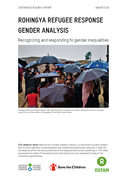
This gender analysis was conducted to understand the different risks and vulnerabilities but also opportunities and skills for Rohingya and host community women, men, boys and girls. Data collection was conducted over three weeks from 8 April to 29 April 2018. The work aimed to identify the differen
...
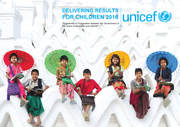

Antimicrobial resistance (AMR) is a major public health challenge, which is recognized as high priority area by the Government of India. The increasing consumption of antibiotics is one of the key drivers of antimicrobial resistance seen in bugs of public health importance. Irrational prescription o
...
This document has been developed to support countries to develop and strengthen peer support groups in mental health and related areas. It addresses the provision of peer support groups in the context of health services and the wider community.
This document has been developed to support countries develop and strengthen individualized peer support services in mental health and related areas. It addresses the provision of individualized peer support in the context of health services and the wider community.
This training and guidance module addresses the use of coercive and violent practices in mental health and related services with a particular focus on seclusion and restraint. It aims to promote a greater understanding of why these practices are used and build practical skills to help end these prac
...
This training and guidance has been developed to provide an in-depth understanding on what it means to respect legal capacity in mental health and related areas as well as concrete strategies to ensure that people are able to exercise their right to legal capacity in all areas of their life. In this
...
This module has been developed to provide training and guidance to improve the quality of care and human rights conditions in inpatient, outpatient and community based mental health and related services, following the conduct of a comprehensive assessment using the WHO QualityRights assessment toolk
...
This document provides training and guidance on the reasons for, and the impact of, violence, coercion and abuse within mental health and related settings. It also provides guidance on how to implement strategies to end the use of coercion, violence and abuse in these settings.
This document provides training and guidance on legal capacity and how supported decision making, recovery plans and advance plans help to avoid involuntary detention and treatment and ensure people are able to exercise their right to legal capacity.
This document provides training and guidance on the key standards related to the physical and social environment within mental health and related services that need to be met to promote good outcomes, independent living and community inclusion.
This document has been developed to provide training and guidance to be able to understand what are human rights, what human rights mean for people’s lives, as well as the actions that can be taken by individuals and groups to respect and promote human rights.

В сборнике представлены статьи специалистов в сфере охраны психического здоровья по различным академическим дисциплинам, включая общую медицину, психиатрию, псиÑ
...
Social Determinants of Health Discussion Paper 1 (Debates). This paper was prepared for the launch of the Commission on Social Determinants of Health (CSDH) by its secretariat based at WHO in Geneva. It was discussed by the Commissioners and then revised considering their input.