
Filter
779
Text search:
postpartum
family
planning
Featured
70
295
Language
Document type
570
94
51
28
18
9
3
3
1
1
1
Countries
45
44
41
33
29
28
25
25
23
22
20
20
19
16
16
14
12
11
11
10
9
8
7
7
5
5
5
4
4
3
3
3
3
3
2
2
2
2
2
2
2
2
2
2
2
2
2
2
2
1
1
1
1
1
1
1
1
1
1
1
1
1
1
1
1
1
Authors & Publishers
Publication Years
Category
453
147
68
35
28
14
Toolboxes
65
41
20
12
9
8
8
7
6
5
5
3
3
2
1
1
1

Demographic and Health Surveys, Working Paper
Regional Action Plan for HIV in South-East Asia (2017-2021)
UNAIDS 2018 reference

Supplement to the 2016 consolidated Guidelines on the use of antiretroviral drugs for Treating and Preventing HIV infection
HIV Treatment
1-13 December 2018 | Geneva, Switzerland UNAIDS Programme Coordinating Board Issue date: 23 November 2018
UNAIDS/PCB (43)/18.32
Journal of Infection and Public Health 12 (2019) 213–223
AIDS Behav (2017) 21:S23–S33 DOI 10.1007/s10461-016-1670-9
Guidelines
June 2017
HIV strategic information for impact
Policy
July 2012
Working Paper No. 3
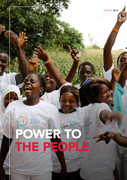
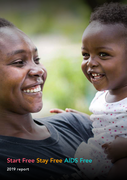
The report shows that where people and communities living with and affected by HIV are engaged in decision-making and HIV service delivery, new infections decline and more people living with HIV gain access to treatment. When people have the power to choose, to know, to thrive, to demand and to work
...
“Continuum of HIV services refers to a comprehensive package of HIV prevention, diagnostic, treatment, care and support services provided for people at risk of HIV infection or living with HIV and their families”
August, 2018
HIV i-Base
July 2018

Developed by the HHS Panel on Treatment of Pregnant Women with HIV Infection and Prevention of Perinatal Transmission—
A Working Group of the Office of AIDS Research Advisory Council (OARAC)
Accessed: 12.02.2020
Consolidated guidelines on the use of antiretroviral drugs for treating and preventing HIV infection
Accessed: 26.02.2020
Technical brief by the H4+ (UNAIDS, UNFPA, UNICEF, UN Women, WHO and the World Bank)

It is often observed that educated women have lower birth rates than do the less educated, inviting a causal interpretation. However, educated women also differ from those who have never attended school in a
variety of other ways: the two factors are multiply related. This article analyzes the rela
...
