
Filter
3018
Text search:
pain
Featured
357
765
Language
2849
134
98
64
55
30
21
16
13
13
10
10
10
9
9
8
8
8
5
5
4
4
4
4
4
4
4
3
3
3
3
3
3
3
3
2
2
2
2
2
2
2
2
2
2
2
2
2
2
2
2
2
1
1
1
1
1
1
1
1
1
1
1
1
1
Document type
1778
445
325
167
99
95
45
24
16
13
8
1
1
1
Countries
221
101
85
75
72
62
58
54
45
43
42
40
38
35
34
30
27
26
26
25
25
23
23
23
21
20
17
16
15
15
14
14
13
12
11
11
11
11
10
10
9
9
9
9
8
8
8
8
8
7
7
6
5
5
5
5
5
4
4
4
4
4
4
3
3
3
3
3
3
3
3
3
3
3
3
3
3
2
2
2
2
2
2
2
2
2
2
2
2
2
2
2
2
1
1
1
1
1
1
1
1
1
1
1
1
1
1
1
1
1
1
1
1
1
1
1
1
1
1
1
1
Authors & Publishers
394
191
104
93
88
65
50
43
40
35
28
18
18
17
17
17
16
15
15
15
14
14
14
14
13
13
12
12
12
11
11
11
11
10
10
10
10
9
9
9
9
9
8
8
8
8
7
7
7
7
7
7
6
6
6
6
6
6
6
6
6
6
6
6
6
6
6
6
5
5
5
5
5
5
5
5
5
5
5
5
5
5
5
5
5
5
5
4
4
4
4
4
4
4
4
4
4
4
4
4
4
4
4
4
4
4
4
4
4
4
4
4
4
4
4
4
4
4
4
4
4
4
4
4
4
4
4
4
3
3
3
3
3
3
3
3
3
3
3
3
3
3
3
3
3
3
3
3
3
3
3
3
3
3
3
3
3
3
3
3
3
3
3
3
3
3
3
3
3
3
3
3
3
3
3
3
3
3
3
3
3
3
3
3
3
3
3
3
3
2
2
2
2
2
2
2
2
2
2
2
2
2
2
2
2
2
2
2
2
2
2
2
2
2
2
2
2
2
2
2
2
2
2
2
2
2
2
2
2
2
2
2
2
2
2
2
2
2
2
2
2
2
2
2
2
2
2
2
2
2
2
2
2
2
2
2
2
2
2
2
2
2
2
2
2
2
2
2
2
2
2
2
2
2
2
2
2
2
2
2
2
2
2
2
2
2
2
2
2
2
2
2
2
2
2
2
2
2
2
2
2
2
2
2
2
2
2
2
2
2
2
2
2
2
2
2
2
2
2
2
2
2
2
2
2
2
2
2
2
2
2
2
2
2
2
2
2
2
2
2
2
2
2
2
2
2
2
2
2
2
2
2
2
2
2
2
2
2
2
2
2
2
2
2
2
2
2
2
2
2
2
2
2
1
1
1
1
1
1
1
1
1
1
1
1
1
1
1
1
1
1
1
1
1
1
1
1
1
1
1
1
1
1
1
1
1
1
1
1
1
1
1
1
1
1
1
1
1
1
1
1
1
1
1
1
1
1
1
1
1
1
1
1
1
1
1
1
1
1
1
1
1
1
1
1
1
1
1
1
1
1
1
1
1
1
1
1
1
1
1
1
1
1
1
1
1
1
1
1
1
1
1
1
1
1
1
1
1
1
1
1
1
1
1
1
1
1
1
1
1
1
1
1
1
1
1
1
1
1
1
1
1
1
1
1
1
1
1
1
1
1
1
1
1
1
1
1
1
1
1
1
1
1
1
1
1
1
1
1
1
1
1
1
1
1
1
1
1
1
1
1
1
1
1
1
1
1
1
1
1
1
1
1
1
1
1
1
1
1
1
1
1
1
1
1
1
1
1
1
1
1
1
1
1
1
1
1
1
1
1
1
1
1
1
1
1
1
1
1
1
1
1
1
1
1
1
1
1
1
1
1
1
1
1
1
1
1
1
1
1
1
1
1
1
1
1
1
1
1
1
1
1
1
1
1
1
1
1
1
1
1
1
1
1
1
1
1
1
1
1
1
1
1
1
1
1
1
1
1
1
1
1
1
1
1
1
1
1
1
1
1
1
1
1
1
1
1
1
1
1
1
1
1
1
1
1
1
1
1
1
1
1
1
1
1
1
1
1
1
1
1
1
1
1
1
1
1
1
1
1
1
1
1
1
1
1
1
1
1
1
1
1
1
1
1
1
1
1
1
1
1
1
1
1
1
1
1
1
1
1
1
1
1
1
1
1
1
1
1
1
1
1
1
1
1
1
1
1
1
1
1
1
1
1
1
1
1
1
1
1
1
1
1
1
1
1
1
1
1
1
1
1
1
1
1
1
1
1
1
1
1
1
1
1
1
1
1
1
1
1
1
1
1
1
1
1
1
1
1
1
1
1
1
1
1
1
1
1
1
1
1
1
1
1
1
1
1
1
1
1
1
1
1
1
1
1
1
1
1
1
1
1
1
1
1
1
1
1
1
1
1
1
1
1
1
1
1
1
1
1
1
1
1
1
1
1
1
1
1
1
1
1
1
1
1
1
1
1
1
1
1
1
1
1
1
1
1
1
1
1
1
1
1
1
1
1
1
1
1
1
1
1
1
1
1
1
1
1
1
1
1
1
1
1
1
1
1
1
1
1
1
1
1
1
1
1
1
1
1
1
1
1
1
1
1
1
1
1
1
1
1
1
1
1
1
1
1
1
1
1
1
1
1
1
1
1
1
1
1
1
1
1
1
1
1
1
1
1
1
1
1
1
1
1
1
1
1
1
1
1
1
1
1
1
1
1
1
1
1
1
1
1
1
1
1
1
1
1
1
1
1
1
1
1
1
1
1
1
1
1
1
1
1
1
1
1
1
1
1
1
1
1
1
1
1
1
1
1
1
1
1
1
1
1
1
1
1
1
1
1
1
1
1
1
1
1
1
1
1
1
1
1
1
1
1
1
1
1
1
1
1
1
1
1
1
1
1
1
1
1
1
1
1
1
1
1
1
1
1
1
1
1
1
1
1
1
1
1
1
1
1
1
1
1
1
1
1
1
1
1
1
1
1
1
1
1
1
1
1
1
1
1
1
1
1
1
1
1
1
1
1
1
1
1
1
1
1
1
1
1
1
1
1
1
1
1
1
1
1
1
1
1
1
1
1
1
1
1
1
1
1
1
1
1
1
1
1
1
1
1
1
1
1
1
1
1
1
1
1
1
1
1
1
1
1
1
1
1
1
1
1
1
1
1
1
1
1
1
1
1
1
1
1
1
1
1
1
1
1
1
1
1
1
1
1
1
1
1
1
1
1
1
1
1
1
1
1
1
1
1
1
1
1
1
1
1
1
1
1
1
1
1
1
1
1
1
1
1
1
1
1
1
1
1
1
1
1
1
1
1
1
1
1
1
1
1
1
1
1
1
1
1
1
1
1
1
1
1
1
1
1
1
1
1
1
1
1
1
1
1
1
1
1
1
1
1
1
1
1
1
1
1
1
1
1
1
1
1
1
1
1
1
1
1
1
1
1
1
1
1
1
1
1
1
1
1
1
1
1
1
1
1
1
1
1
1
1
1
1
1
1
1
1
1
1
1
1
1
1
1
1
1
1
1
1
1
1
1
1
1
1
1
1
1
1
1
1
1
1
1
1
1
1
1
1
1
1
1
1
1
1
1
1
1
1
1
1
1
1
1
1
1
1
1
1
1
1
1
1
1
1
1
1
1
1
1
1
1
1
1
1
1
1
1
1
1
1
1
1
1
1
1
1
1
1
1
1
1
1
1
1
1
1
1
1
1
1
1
1
1
1
1
1
1
1
1
1
1
1
1
1
1
1
1
1
1
1
1
1
1
1
1
1
1
1
1
1
1
1
1
1
1
1
1
1
1
1
1
1
1
1
1
1
1
1
1
1
1
1
1
1
1
1
1
1
1
1
1
1
1
1
1
1
1
1
1
1
1
1
1
1
1
1
1
1
1
1
1
1
1
1
1
1
1
1
1
1
1
1
1
1
1
1
1
1
1
1
1
1
1
1
1
1
1
1
1
1
1
1
1
1
1
1
1
1
1
1
1
1
1
1
1
1
1
1
1
1
1
1
1
1
1
1
1
1
1
1
1
1
1
1
1
1
1
1
1
1
1
1
1
1
1
1
1
1
1
1
1
1
1
1
1
1
1
1
1
1
1
1
1
1
1
1
1
1
1
1
1
1
1
1
1
1
1
1
1
1
1
1
1
1
1
1
1
1
1
1
1
1
1
1
1
1
1
1
1
1
1
1
1
1
1
1
1
1
1
1
1
1
1
1
1
1
1
1
1
1
1
1
1
1
1
1
1
1
1
1
1
1
1
1
1
1
1
1
1
1
1
1
1
1
1
1
1
1
1
1
1
1
1
1
1
1
1
1
1
1
1
1
1
1
1
1
1
1
1
1
1
1
1
1
1
1
1
1
1
1
1
1
1
1
1
1
1
1
1
1
1
1
1
1
1
1
1
1
1
1
1
1
1
1
1
1
1
1
1
1
1
1
1
1
1
1
1
1
1
1
1
1
1
1
1
1
1
1
1
1
1
1
1
1
1
1
1
1
1
1
1
1
1
1
1
1
1
1
1
1
1
1
1
1
1
1
1
1
1
1
1
1
1
1
1
1
1
1
1
1
1
1
1
1
1
1
1
1
1
1
1
1
1
1
1
1
1
1
1
1
1
1
1
1
1
1
1
1
1
1
1
1
1
1
1
1
1
1
1
1
1
1
1
1
1
1
1
1
1
1
1
1
1
1
1
1
1
1
1
1
1
1
1
1
1
1
1
1
1
1
1
1
1
1
1
1
1
1
1
1
1
1
1
1
1
1
1
1
1
1
1
1
1
1
1
1
1
1
1
1
1
1
1
1
1
1
1
1
1
1
1
1
1
1
1
1
1
1
1
1
1
1
1
1
1
1
1
1
1
1
1
1
1
1
1
1
1
1
1
1
1
1
1
1
1
1
1
1
1
1
1
1
1
1
1
1
1
1
1
1
1
1
1
1
1
1
1
1
1
1
1
1
1
1
1
1
1
1
1
1
1
1
1
1
1
1
1
1
1
1
1
1
1
1
1
1
1
1
1
1
1
1
1
1
1
1
1
1
1
1
1
1
1
1
1
1
1
1
1
1
1
1
1
1
1
1
1
1
1
1
1
1
1
1
1
1
1
1
1
1
1
1
1
1
1
1
1
1
1
1
1
1
1
1
1
1
1
1
1
1
1
1
1
1
1
1
1
1
1
1
1
1
1
1
1
1
1
1
1
1
1
1
1
1
1
1
1
1
1
1
1
1
1
1
1
1
1
1
1
1
1
1
1
1
1
1
1
1
1
1
1
1
1
1
1
1
1
1
1
1
1
1
1
1
1
1
1
1
1
1
1
1
1
1
1
1
1
1
1
1
1
1
1
1
1
1
1
1
1
1
1
1
1
1
1
1
1
1
1
1
1
1
1
1
1
1
1
1
1
1
1
1
1
1
1
1
1
1
1
1
1
1
1
1
1
1
1
1
1
1
1
1
1
1
1
1
1
1
1
1
1
1
1
1
1
1
1
1
1
1
1
1
1
1
1
1
1
1
1
1
1
1
1
1
1
1
1
1
1
1
1
1
1
1
1
1
1
1
1
1
1
1
1
1
1
1
1
1
1
1
1
1
1
1
1
1
1
1
1
1
1
1
1
1
1
1
1
1
1
1
1
1
1
1
1
1
1
1
1
1
1
1
1
1
1
1
1
1
1
1
1
1
1
1
1
1
1
1
1
1
1
1
1
1
1
1
1
1
1
1
1
1
1
1
1
1
1
1
1
1
1
1
1
1
1
1
1
1
1
1
1
1
1
1
1
1
1
1
1
1
1
1
1
1
1
1
1
1
1
1
1
1
1
1
1
1
1
1
1
1
1
1
1
1
1
1
1
1
1
1
1
1
1
1
1
1
1
1
1
1
1
1
1
1
1
1
1
1
1
1
1
1
1
1
1
1
1
1
1
1
1
1
1
1
1
1
1
1
1
1
1
1
1
1
1
1
1
1
1
1
1
1
1
1
1
1
1
1
1
1
1
1
1
1
1
1
1
1
1
1
1
1
1
1
1
1
1
1
1
1
1
1
1
1
1
1
1
1
1
1
1
1
1
1
1
1
1
1
1
1
1
1
1
1
1
1
1
1
1
1
1
1
1
1
1
1
1
1
1
1
1
1
1
1
1
1
1
1
1
1
1
1
1
1
1
1
1
1
1
1
1
1
1
1
1
1
1
1
1
1
1
1
1
1
1
1
1
1
1
1
1
1
1
1
Publication Years
705
1897
384
29
2
1
Category
965
452
262
156
101
46
10
1
1
Toolboxes
354
234
167
148
122
117
115
112
99
97
66
64
55
42
38
31
30
21
19
16
9
9
4
The COVID-19 pandemic has been a formative experience for all humanity and a health emergency of global proportions, presenting a huge challenge to national leaders, health systems, and citizens. The findings of a new report by the OSCE Office for Democratic Institutions and Human Rights (ODIHR) sho
...
ws that it has also been a test to our democracies and the respect for human rights to which countries across the OSCE committed many years ago.
more
accessed July 2020
“Charity is at the heart of the Church, it is the reason for its action, the soul of its mission.” (Pope Francis)
There are indigenous communities at high risk in every country of the region. At stake are the lives of 45 million people who belong to more than 800 indigenous peoples. Of these, some 100 are spread across several countries, around 200 maintain voluntary isolation or are in initial contact, and nea
...
rly 500 are at risk of disappearing due to their reduced numbers. Due to their lower immune resistance, their lack of access to hospital care and the increasing penetration of extractive activities in their territories, indigenous communities in voluntary isolation or in initial contact are cause for particular concern.
Far from hospitals and the news cameras, indigenous people in Latin American become ill and die without access to the means needed to protect themselves. They face the pandemic in conditions of social exclusion, racism and discrimination, which highlights historical inequalities and extreme precariousness in basic and health services.
more
Clinical care for severe acute respiratory infection: toolkit: COVID-19 adaptation
The purpose of this document is to address specific needs and considerations for essential oral health services in the context of COVID-19 in accordance with WHO operational guidance on maintaining essential health services. This interim guidance is intended for public health authorities, chief dent
...
al officers at ministries of health and oral health care personnel working in private and public health sectors. The document may be subject to change as new information becomes available.
more
Information and Advice for the Home: COVID-19 at home
recommended
Knowledge Translation Unit, University of Cape Town Lung Institute
Western Cape Department of Health
(2021)
CC
Updated May 2021. Manual 2. The Practical Approach to Care Kit – PACK – is used by nurses, doctors and community health workers in their everyday work to care for patients at the clinic and in the community –PACK Adult, PACK Adolescent, PACK Child and PACK Community.PACK Home is designed for p
...
eople seeking more information about how to care for their own health and the health of their family at home.Collect and read all the PACK Home volumes in English, Afrikaans, isiXhosa, isiZulu or Sesotho
Download the different languages: https://knowledgetranslation.co.za/pack/pack-home/
more
It is intended for use among clinicians taking care of moderate to severe COVID-19 cases.
The COVID-19 outbreak has brought with it the need for improved critical care for patients who develop severe disease. The majority of COVID-19 patients present with mild to moderate illness, 15% develop sever
...
e illness and about 5% develop critical conditions needing intensive care unit (ICU) care, requiring noninvasive or invasive ventilation
more
Prevention and Recognition of Obstetric Fistula Training Package
Accessed on 2 September 2020
Web annex 6: Injectable prostaglandins versus
placebo or no treatment
Evidence to Decision Framework
WHO published guidance for clinicians and health care decision-makers on the use of corticosteroids in patients with COVID-19.
We recommend systemic corticosteroids for the treatment of patients with severe and critical COVID-19. We suggest not to use corticosteroids in the treatment of patients
...
with non-severe COVID-19 as the treatment brought no benefits, and could even prove harmful. Treatment should be under supervision of a clinician.
Corticosteroids are listed in the WHO model list of essential medicines, readily available globally at a low cost. WHO encourages countries to maintain sufficient stocks of corticosteroids to treat COVID-19 and the other disease for which they are effective, while not maintaining excessive stocks which could deny other countries access.
more
Expert Consensus Report for Emergency Centres in
Western Cape
Accessed 1 October 2020
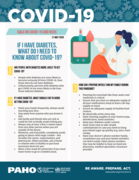
Available in Englisch, Spanish and Portuguese
COVID-19 - Home-based Care
recommended
How to do it best for the patient and the family
The COVID-19 pandemic’s immediate costs, measured in lives lost and damaged, have been appalling and continue to rise. In addition, its effects on individuals’ livelihoods and economies around the world have been deep and are likely to be long lasting. While saving lives was the near-exclusive f
...
ocus during the first phase of the crisis, governments are now trying to strike a delicate balance between preventing further economic damage by reopening parts of their economies, while managing the obvious health risks of doing so.
In the international mobility and migration arenas—policy areas enormously affected by the health and economic effects of the pandemic—this reflection considers both how these fields have fared thus far and the challenges that lay ahead
more
According to the World Health Organization (WHO), sub-Saharan Africa has only 3% of the world’s health workers to cater for 11% of the world population, bearing over 25% of the global disease burden (WHO, 2014). With a steady increase in reported cases on the African Continent, the current COVID-1
...
9 pandemic threatens to overwhelm our already taxed health infrastructure. It is, therefore, imperative to take serious and urgent measures towards disease management and monitoring especially as the need for self-quarantine and contact surveillance rises.
In view of the infrastructural and resource gaps, technology should be considered for remote management of healthcare deliver to patients during this period. As it is abundantly clear, even countries with more advanced healthcare infrastructure and resources have struggled to treat COVID-19 and non-COVID-19 patients during this pandemic.
more
This article was published on December 10, 2020, and updated on December 16, 2020, at NEJM.org. DOI: 10.1056/NEJMoa2034577
The purpose of this field guide is to provide comprehensive information on planning and implementing high-quality3 SIAs for injectable vaccines and highlight the opportunities to strengthen RI and surveillance. The guide uses measles–rubella SIAs as the main example throughout, but the informatio
...
n provided aims to be applicable to SIAs delivering any injectable vaccine. It can serve as a reference for the preparation of regional/national SIA field guides and materials.
more
