
Filter
3904
Text search:
Centers
for
Disease
Control
&
Prevention
Featured
362
1045
Language
3359
286
211
108
82
73
34
31
30
13
10
6
6
6
5
5
5
5
5
5
5
5
5
4
4
4
4
3
3
3
3
3
3
3
3
2
2
2
2
2
2
2
2
2
2
2
2
2
2
2
2
2
2
1
1
1
1
1
1
1
1
1
1
1
1
1
1
1
1
1
1
1
1
1
1
1
1
1
1
1
1
1
1
1
1
1
1
1
1
1
1
1
1
1
1
1
1
1
1
1
Document type
2197
568
461
182
135
132
66
57
46
33
11
8
5
2
1
Countries / Regions
156
142
130
124
108
101
86
81
68
65
61
60
57
51
50
49
48
46
46
46
45
42
41
37
36
34
33
31
31
30
30
27
25
25
24
23
23
22
22
21
21
21
20
20
19
19
17
17
17
17
16
15
15
14
11
10
10
9
9
8
8
7
7
7
7
6
6
6
6
5
5
5
5
5
5
5
4
4
4
4
4
3
3
3
3
3
3
3
3
3
2
2
2
2
2
2
2
2
2
2
2
2
1
1
1
1
1
1
1
1
1
1
1
1
1
1
1
1
1
1
1
1
Authors & Publishers
457
270
203
202
103
83
80
71
69
62
47
45
39
31
27
26
23
21
21
20
19
19
19
19
18
18
18
18
18
17
16
16
16
16
15
14
14
13
13
13
13
12
11
11
11
11
10
10
10
10
10
10
9
9
9
9
9
9
8
8
8
8
8
8
8
8
8
7
7
7
7
7
7
7
7
7
7
6
6
6
6
6
6
6
6
6
6
6
6
6
6
6
6
5
5
5
5
5
5
5
5
5
5
5
5
5
5
5
5
5
5
5
5
5
5
5
5
5
4
4
4
4
4
4
4
4
4
4
4
4
4
4
4
4
4
4
4
4
4
4
4
4
4
4
4
4
4
4
4
4
4
4
4
4
4
4
4
4
4
4
4
4
4
4
4
4
4
4
4
4
3
3
3
3
3
3
3
3
3
3
3
3
3
3
3
3
3
3
3
3
3
3
3
3
3
3
3
3
3
3
3
3
3
3
3
3
3
3
3
3
3
3
3
3
3
3
3
3
3
3
3
3
3
3
3
3
3
3
3
3
3
3
3
3
3
3
3
3
3
3
3
3
3
3
3
3
3
3
3
3
3
3
3
3
3
3
3
3
3
3
3
3
2
2
2
2
2
2
2
2
2
2
2
2
2
2
2
2
2
2
2
2
2
2
2
2
2
2
2
2
2
2
2
2
2
2
2
2
2
2
2
2
2
2
2
2
2
2
2
2
2
2
2
2
2
2
2
2
2
2
2
2
2
2
2
2
2
2
2
2
2
2
2
2
2
2
2
2
2
2
2
2
2
2
2
2
2
2
2
2
2
2
2
2
2
2
2
2
2
2
2
2
2
2
2
2
2
2
2
2
2
2
2
2
2
2
2
2
2
2
2
2
2
2
2
2
2
2
2
2
2
2
2
2
2
2
2
2
2
2
2
2
2
2
2
2
2
2
2
2
2
2
2
2
2
2
2
2
2
2
2
2
2
2
2
2
2
2
2
2
2
2
2
2
2
2
2
2
2
2
2
2
2
2
2
2
2
2
2
2
2
2
2
2
2
2
2
2
2
2
2
2
2
2
2
2
2
2
2
2
2
2
2
2
2
2
2
2
2
1
1
1
1
1
1
1
1
1
1
1
1
1
1
1
1
1
1
1
1
1
1
1
1
1
1
1
1
1
1
1
1
1
1
1
1
1
1
1
1
1
1
1
1
1
1
1
1
1
1
1
1
1
1
1
1
1
1
1
1
1
1
1
1
1
1
1
1
1
1
1
1
1
1
1
1
1
1
1
1
1
1
1
1
1
1
1
1
1
1
1
1
1
1
1
1
1
1
1
1
1
1
1
1
1
1
1
1
1
1
1
1
1
1
1
1
1
1
1
1
1
1
1
1
1
1
1
1
1
1
1
1
1
1
1
1
1
1
1
1
1
1
1
1
1
1
1
1
1
1
1
1
1
1
1
1
1
1
1
1
1
1
1
1
1
1
1
1
1
1
1
1
1
1
1
1
1
1
1
1
1
1
1
1
1
1
1
1
1
1
1
1
1
1
1
1
1
1
1
1
1
1
1
1
1
1
1
1
1
1
1
1
1
1
1
1
1
1
1
1
1
1
1
1
1
1
1
1
1
1
1
1
1
1
1
1
1
1
1
1
1
1
1
1
1
1
1
1
1
1
1
1
1
1
1
1
1
1
1
1
1
1
1
1
1
1
1
1
1
1
1
1
1
1
1
1
1
1
1
1
1
1
1
1
1
1
1
1
1
1
1
1
1
1
1
1
1
1
1
1
1
1
1
1
1
1
1
1
1
1
1
1
1
1
1
1
1
1
1
1
1
1
1
1
1
1
1
1
1
1
1
1
1
1
1
1
1
1
1
1
1
1
1
1
1
1
1
1
1
1
1
1
1
1
1
1
1
1
1
1
1
1
1
1
1
1
1
1
1
1
1
1
1
1
1
1
1
1
1
1
1
1
1
1
1
1
1
1
1
1
1
1
1
1
1
1
1
1
1
1
1
1
1
1
1
1
1
1
1
1
1
1
1
1
1
1
1
1
1
1
1
1
1
1
1
1
1
1
1
1
1
1
1
1
1
1
1
1
1
1
1
1
1
1
1
1
1
1
1
1
1
1
1
1
1
1
1
1
1
1
1
1
1
1
1
1
1
1
1
1
1
1
1
1
1
1
1
1
1
1
1
1
1
1
1
1
1
1
1
1
1
1
1
1
1
1
1
1
1
1
1
1
1
1
1
1
1
1
1
1
1
1
1
1
1
1
1
1
1
1
1
1
1
1
1
1
1
1
1
1
1
1
1
1
1
1
1
1
1
1
1
1
1
1
1
1
1
1
1
1
1
1
1
1
1
1
1
1
1
1
1
1
1
1
1
1
1
1
1
1
1
1
1
1
1
1
1
1
1
1
1
1
1
1
1
1
1
1
1
1
1
1
1
1
1
1
1
1
1
1
1
1
1
1
1
1
1
1
1
1
1
1
1
1
1
1
1
1
1
1
1
1
1
1
1
1
1
1
1
1
1
1
1
1
1
1
1
1
1
1
1
1
1
1
1
1
1
1
1
1
1
1
1
1
1
1
1
1
1
1
1
1
1
1
1
1
1
1
1
1
1
1
1
1
1
1
1
1
1
1
1
1
1
1
1
1
1
1
1
1
1
1
1
1
1
1
1
1
1
1
1
1
1
1
1
1
1
1
1
1
1
1
1
1
1
1
1
1
1
1
1
1
1
1
1
1
1
1
1
1
1
1
1
1
1
1
1
1
1
1
1
1
1
1
1
1
1
1
1
1
1
1
1
1
1
1
1
1
1
1
1
1
1
1
1
1
1
1
1
1
1
1
1
1
1
1
1
1
1
1
1
1
1
1
1
1
1
1
1
1
1
1
1
1
1
1
1
1
1
1
1
1
1
1
1
1
1
1
1
1
1
1
1
1
1
1
1
1
1
1
1
1
1
1
1
1
1
1
1
1
1
1
1
1
1
1
1
1
1
1
1
1
1
1
1
1
1
1
1
1
1
1
1
1
1
1
1
1
1
1
1
1
1
1
1
1
1
1
1
1
1
1
1
1
1
1
1
1
1
1
1
1
1
1
1
1
1
1
1
1
1
1
1
1
1
1
1
1
1
1
1
1
1
1
1
1
1
1
1
1
1
1
1
1
1
1
1
1
1
1
1
1
1
1
1
1
1
1
1
1
1
1
1
1
1
1
1
1
1
1
1
1
1
1
1
1
1
1
1
1
1
1
1
1
1
1
1
1
1
1
1
1
1
1
1
1
1
1
1
1
1
1
1
1
1
1
1
1
1
1
1
1
1
1
1
1
1
1
1
1
1
1
1
1
1
1
1
1
1
1
1
1
1
1
1
1
1
1
1
1
1
1
1
1
1
1
1
1
1
1
1
1
1
1
1
1
1
1
1
1
1
1
1
1
1
1
1
1
1
1
1
1
1
1
1
1
1
1
1
1
1
1
1
1
1
1
1
1
1
1
1
1
1
1
1
1
1
1
1
1
1
1
1
1
1
1
1
1
1
1
1
1
1
1
1
1
1
1
1
1
1
1
1
1
1
1
1
1
1
1
1
1
1
1
1
1
1
1
1
1
1
1
1
1
1
1
1
1
1
1
1
1
1
1
1
1
1
1
1
1
1
1
1
1
1
1
1
1
1
1
1
1
1
1
1
1
1
1
1
1
1
1
1
1
1
1
1
1
1
1
1
1
1
1
1
1
1
1
1
1
1
1
1
1
1
1
1
1
1
1
1
1
1
1
1
1
1
1
1
1
1
1
1
1
1
1
1
1
1
1
1
1
1
1
1
1
1
1
1
1
1
1
1
1
1
1
1
1
1
1
1
1
1
1
1
1
1
1
1
1
1
1
1
1
1
1
1
1
1
1
1
1
1
1
1
1
1
1
1
1
1
1
1
1
1
1
1
1
1
1
1
1
1
1
1
1
1
1
1
1
1
1
1
1
1
1
1
1
1
1
1
1
1
1
1
1
1
1
1
1
1
1
1
1
1
1
1
1
1
1
1
1
1
1
1
1
1
1
1
1
1
1
1
1
1
1
1
1
1
1
1
1
1
1
1
1
1
1
1
1
1
1
1
1
1
1
1
1
1
1
1
1
1
1
1
1
1
1
1
1
1
1
1
1
1
1
1
1
1
1
1
1
1
1
1
1
1
1
1
1
1
1
1
1
1
1
1
1
1
1
1
1
1
1
1
1
1
1
1
1
1
1
1
1
1
1
1
1
1
1
1
1
1
1
1
1
1
1
1
1
1
1
1
1
1
1
1
1
1
1
1
1
1
1
1
1
1
1
1
1
1
1
1
1
1
1
1
1
1
1
1
1
1
1
1
1
1
1
1
1
1
1
1
1
1
1
1
1
1
1
1
1
1
1
1
1
1
1
1
1
1
1
1
1
1
1
1
1
1
1
1
1
1
1
1
1
1
1
1
1
1
1
1
1
1
1
1
1
1
1
1
1
1
1
1
1
1
1
1
1
1
1
1
1
1
1
1
1
1
1
1
1
1
1
1
1
1
1
1
1
1
1
1
1
1
1
1
1
1
1
1
1
1
1
1
1
1
1
1
1
1
1
1
1
1
1
1
1
1
1
1
1
1
1
1
1
1
1
1
1
1
1
1
1
1
1
1
1
1
1
1
1
1
1
1
1
1
1
1
1
1
1
1
1
1
1
1
1
1
1
1
1
1
1
1
1
1
1
1
1
1
1
1
1
1
1
1
1
1
1
1
1
1
1
1
1
1
1
1
1
1
1
1
1
1
1
1
1
1
1
1
1
1
1
1
1
1
1
1
1
1
1
1
1
1
1
1
1
1
1
1
1
1
1
1
1
1
1
1
1
1
1
1
1
1
1
1
1
1
1
1
1
1
1
1
1
1
1
1
1
1
1
1
1
1
1
1
1
1
1
1
1
1
1
1
1
1
1
1
1
1
1
1
1
1
1
1
1
1
1
1
1
1
1
1
1
1
1
1
1
1
1
1
1
1
1
1
1
1
1
1
1
1
1
1
1
1
1
1
1
1
1
1
1
1
1
1
1
1
1
1
1
1
1
1
1
1
1
1
1
1
1
1
1
1
1
1
1
1
1
1
1
1
1
1
1
1
1
1
1
1
1
1
1
1
1
1
1
1
1
1
1
1
1
1
1
1
1
1
1
1
1
1
1
1
1
1
1
1
1
1
1
1
1
1
1
1
1
1
1
1
1
1
1
1
1
1
1
1
1
1
1
1
1
1
1
1
1
1
1
1
1
1
1
1
1
1
1
1
1
1
1
1
1
1
1
1
1
1
1
1
1
1
1
1
1
1
1
1
1
1
1
1
1
1
1
1
1
1
1
1
1
1
1
1
1
1
1
1
1
1
1
1
1
1
1
1
1
1
1
1
1
1
1
1
1
1
1
1
1
1
1
1
1
1
1
1
1
1
1
1
1
1
1
1
1
1
1
1
1
1
1
1
1
1
1
1
1
1
1
1
1
1
1
1
1
1
1
1
1
1
1
1
1
1
1
1
1
1
1
1
1
1
1
1
1
1
1
1
1
1
1
1
1
1
1
1
1
1
1
1
1
1
1
1
1
1
1
1
1
1
1
1
1
1
1
1
1
1
1
1
1
1
1
1
1
1
1
1
1
1
1
1
1
1
1
1
1
1
1
1
1
1
1
1
1
1
1
1
1
1
1
1
1
1
1
1
1
1
1
1
1
1
1
1
1
1
1
1
1
1
1
1
1
1
1
1
1
1
1
1
1
1
1
1
1
1
1
1
1
1
1
1
1
1
1
1
1
1
1
1
1
1
1
1
1
1
1
1
1
1
1
1
1
1
1
1
1
1
1
1
1
1
1
1
1
1
1
1
1
1
1
1
1
1
1
1
1
1
1
1
1
1
1
1
1
1
1
1
1
1
1
1
1
1
1
1
1
1
1
1
1
1
1
1
1
1
1
1
1
1
1
1
1
1
1
1
1
1
1
1
1
1
1
1
1
1
1
1
1
1
1
1
1
1
1
1
1
1
1
1
1
1
1
1
1
1
1
1
1
1
1
1
1
1
1
1
1
1
1
1
1
1
1
1
1
1
1
1
1
1
1
1
1
1
1
1
1
1
1
1
1
1
1
1
1
1
1
1
1
1
1
1
1
1
1
1
1
1
1
1
1
1
1
1
1
1
1
1
1
1
1
1
1
1
1
1
1
1
1
1
1
1
1
1
1
1
1
1
1
1
1
1
1
1
1
1
1
1
1
1
1
1
1
1
1
1
1
1
1
1
1
1
1
1
1
1
1
1
1
1
1
1
1
1
1
1
1
1
1
1
1
1
1
1
1
1
1
1
1
1
1
1
1
1
1
1
1
1
1
1
1
1
1
1
1
1
1
1
1
1
1
1
1
1
1
1
1
1
1
1
1
1
1
1
1
1
1
1
1
1
1
1
1
1
1
1
1
1
1
1
1
1
1
1
1
1
1
1
1
1
1
1
1
1
1
1
1
1
1
1
1
1
1
1
1
1
1
1
1
1
1
1
1
1
1
1
1
1
1
1
1
1
1
1
1
1
1
1
1
1
1
1
1
1
1
1
1
1
1
1
1
1
1
Publication Years
1077
2497
304
26
Category
1344
355
219
136
131
54
48
1
1
1
Toolboxes
467
308
293
285
199
170
155
134
104
102
81
77
57
56
46
43
42
35
35
30
26
14
3
2
In 2007, WHO warned that infectious diseases are emerging and re-emerging at a rate that has not been seen before. The potential for infectious diseases to spread rapidly results in high morbidity and mortality, causing a potential global public hea
...
lth treat of major concern.
Several factors are contributing to the (re)emergence of infectious diseases such as population growth, living in close contact with animals, frequent travelling, poverty, destructive ecological changes due to economic development and land use and climate change result in global warming.
Especially Africa is at a threat for (re)emerging infectious diseases due to the huge population growth (expected to reach 2.5 billion by 2050) with rapid urbanisation. Additionally, people across and beyond the continent are excessively mobile which is combined with a weak health system. Moreover, the risk of (re)emerging infectious disease is further heightened by three newly adopted continental initiatives: African Continental Free Trade Area, Free Movement of Persons and African Passport and Single African Air Transport Market.
more
Comprehensive Primary Health Care has an important role in the primary and secondary prevention of several disease conditions, including non-communicable diseases which today contribute to over 60%
...
of the mortality in India. The provision of Comprehensive primary health care reduces morbidity, disability and mortality at much lower costs and significantly reduces the need for secondary and tertiary care. Estimates suggest that almost 52% of all conditions can be managed at the
primary care level.
In order to ensure comprehensive primary health care, close to where people live, Sub- Centres should be strengthened as Health and Wellness Centres (H&WC), staffed by appropriately trained primary health care team. The Medical officer of the Primary Health Centre would oversee the functioning of the SC/HWC that falls in that area.
Services include those that (i) can be delivered at the level of the household and outreach sites in the community by suitably trained frontline workers, (ii) those that are delivered by a team headed by a mid-level health provider, at the level of the Sub-Centre/Health and Wellness Centre and (iii) the referral support and continuity of care within the district health system in rural and urban areas. The package of services is in Box. States would need to either phase in these services or add on additional services based on state specific and local context.
more
Accessed: 02.05.2020
These consolidated guidelines provide recommendations for comprehensive prevention and case management strategies in Kenya
Scope of the Guidelines: Infection
...
prevention and control Patient triage Emergency Medical Services Case management Laboratory testing algorithm
Target Audience: Health care workers taking care of patients suspected or confirmed to have COVID-19
These guidelines combine both preventive and clinical management of the disease in Kenyan context. The protocol borrows various international recommendations including the World Health Organization, from experience of other countries such as China that has struggled with the outbreak for a longer time and from principles of virology and infectious disease management.
more
Руководство по самотестированию на ВИЧ и информированию партнеров - Дополнение к сводному руководству по услугам тестирования на ВИЧ
Всемирная организация здравоохранения
Всемирная организация здравоохранения (Европа); European Centre for Disease Prevention and Control (ECDC)
(2018)
C_WHO
ДОПОЛНЕНИЕ
СЛУГИ ТЕСТИРОВАНИЯ НА ВИЧ
ДЕКАБРЬ 2016 г.
April 2022 Volume 35 Issue 2 e00152-21
Population movements have turned Chagas disease (CD) into a global public health problem. Despite the successful implementation of subregional initiatives to contro
...
l vectorial and transfusional Trypanosoma cruzi transmission in Latin American settings where the disease is endemic, congenital CD (cCD) remains a significant challenge. In countries where the disease is not endemic, vertical transmission plays a key role in CD expansion and is the main focus of its control. Although several health organizations provide general protocols for cCD control, its management in each geopolitical region depends on local authorities, which has resulted in a multitude of approaches. The aims of this review are to (i) describe the current global situation in CD management, with emphasis on congenital infection, and (ii) summarize the spectrum of available strategies, both official and unofficial, for cCD prevention and control in countries of endemicity and nonendemicity. From an economic point of view, the early detection and treatment of cCD are cost-effective. However, in countries where the disease is not endemic, national health policies for cCD control are nonexistent, and official regional protocols are scarce and restricted to Europe. Countries of endemicity have more protocols in place, but the implementation of diagnostic methods is hampered by economic constraints. Moreover, most protocols in both countries where the disease is endemic and those where it is not endemic have yet to incorporate recently developed technologies. The wide methodological diversity in cCD diagnostic algorithms reflects the lack of a consensus. This review may represent a first step toward the development of a common strategy, which will require the collaboration of health organizations, governments, and experts in the field.
more
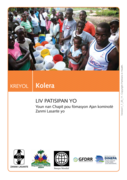
Formation des agents de santé communautaire sur le choléra. Kreyol.
Le Manuel de l'animateur : contient toutes les informations nécessaires pour mener à bien la formation, y compris les listes de préparation et de matériel, les instructions étape par étape pour animer les sessions de format
...
ion, les pré-tests et les post-tests, et tout le contenu du Manuel du participant.
more
Participant Handbook: contains all of the content that participants are trained on (text and illustrations) and also any case studies, scenarios, small group discussion questions, or role plays needed for training sessions. Participants use the hand
...
book during training sessions and afterwards for review.
more
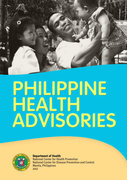
This module covers common Non-Communicable Diseases such as Hypertension, Diabetes and three common cancers (Cervical,
Breast and Oral cancer). The focus of this module is on building the knowledge and skills of the Multi-Purpose Workers (MPW) in
undertaking Population Based Screening, identifi ca
...
tion of cases for referral, follow up, recognition of complications, prevention
and health promotion. This module can be used by the female
or male MPW. However, while the content of the overall module
is the same for both some tasks will be different, particularly
those related to screening which the female MPW will have to
undertake. It is expected that the ANM/MPW will work closely
with the ASHA in her area. Together they form a front line worker
team to serve the needs of the community. The content of this
module will be covered in three days.
more
The document, titled "Prevention and Control of Noncommunicable Diseases: Guidelines for Primary Health Care in Low-Resource Settings," provides th
...
e World Health Organization's (WHO) recommendations for managing noncommunicable diseases (NCDs) such as cancer, heart disease, diabetes, and chronic respiratory illnesses in low-resource healthcare settings. It outlines cost-effective interventions for early diagnosis, treatment, and prevention within primary healthcare, focusing on accessible methods for diabetes management, blood pressure control, dietary and lifestyle guidance, and essential medication use. The guidelines aim to support healthcare professionals in delivering effective NCD care where resources are limited, ultimately improving health outcomes and reducing NCD complications.
more
The document, titled "Prevention and Control of Noncommunicable Diseases: Guidelines for Primary Health Care in Low-Resource Settings," provides th
...
e World Health Organization's (WHO) recommendations for managing noncommunicable diseases (NCDs) such as cancer, heart disease, diabetes, and chronic respiratory illnesses in low-resource healthcare settings. It outlines cost-effective interventions for early diagnosis, treatment, and prevention within primary healthcare, focusing on accessible methods for diabetes management, blood pressure control, dietary and lifestyle guidance, and essential medication use. The guidelines aim to support healthcare professionals in delivering effective NCD care where resources are limited, ultimately improving health outcomes and reducing NCD complications.
more
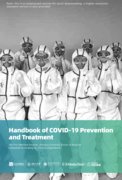
Handbook of COVID-19 Prevention and Treatment
recommended
Handbook of COVID-19 Prevention and Treatment, expecting to share their invaluable practical advice and references with medical staff around the world. This handbook compared and analyzed the experience of other experts in China, and provides good r
...
eference to key departments such as hospital infection management, nursing, and outpatient clinics. This handbook provides comprehensive guidelines and best practices by China's top experts for coping with COVID-19.
This handbook, provided by the First Affiliated Hospital of Zhejiang University, describes how organizations can minimize the cost while maximizing the effect of measures to manage and control the coronavirus outbreak. The handbook also discusses why hospitals and other healthcare institutions should have command centers when encountering a large-scale emergency in the context of COVID-19. This handbook also includes the following:
- Technical strategies for addressing issues during emergencies.
- Treatment methods to treat the critically ill.
- Efficient clinical decision-making support.
- Best practices for key departments like inflection management and outpatient clinics.
more
Care for persons with noncommunicable diseases (NCDs), such as cardiovascular disease, diabetes, cancer, and chronic obstructive pulmonary disease,
...
is a major health priority for most countries worldwide, particularly for low-middle income countries where the problem seems to be worsening. Globally, research demonstrates that the vast majority of people with NCDs receive suboptimal care. Many people living with chronic conditions remain undiagnosed and unaware of their condition, while many others remain untreated or with inadequate control. Meanwhile the premature mortality caused by NCDs remains high in many countries. In response to the global epidemic of NCDs, the World Health Organization (WHO) launched the Global Strategy for the Prevention and Control of Noncommunicable Diseases in 2012, which establishes 9 voluntary global targets and indicators to be considered by Member States when formu- lating national plans to combat NCDs.
more
The article "Non-communicable diseases, injuries, and mental ill-health in Africa: the role of the Africa Centres for Disease Control and
...
Prevention" examines the role of the Africa CDC in addressing non-communicable diseases (NCDs), injuries, and mental health across the continent. It highlights how Africa CDC, originally focused on communicable disease response, has expanded its mandate to include NCDs and mental health, driven by the high mortality and morbidity associated with these conditions.
more
This toolkit is a "how to" guide for developing, implementing and evaluating a multisectoral action plan for prevention and
...
control of NCDs. It is targeted at policy-makers, planners and programme managers, and is intended to help countries, provinces and cities meet the requirements for achieving global and national NCD targets and the Sustainable Development Goals. The toolkit takes the user through a series of actions related to the development of a multisectoral action plan ("MSAP development actions"), and provides forms and a template framework for users to complete as they undertake these actions. Developing a multisectoral action plan involves establishing health needs and engaging relevant stakeholders before determining the actions to take, identifying and prioritizing interventions, deciding on ways to address NCDs while establishing support and resources for prevention and control, and evaluating progress in implementing the plan.
more
This toolkit is a "how to" guide for developing, implementing and evaluating a multisectoral action plan for prevention and
...
control of NCDs. It is targeted at policy-makers, planners and programme managers, and is intended to help countries, provinces and cities meet the requirements for achieving global and national NCD targets and the Sustainable Development Goals. The toolkit takes the user through a series of actions related to the development of a multisectoral action plan ("MSAP development actions"), and provides forms and a template framework for users to complete as they undertake these actions. Developing a multisectoral action plan involves establishing health needs and engaging relevant stakeholders before determining the actions to take, identifying and prioritizing interventions, deciding on ways to address NCDs while establishing support and resources for prevention and control, and evaluating progress in implementing the plan.
more

WHO/FAO/OIE Guidelines for the surveillance, prevention and control of taeniosis/cysticercosis
WHOFAO
(2005)
Biology, Diagnosis and Treatment, Epidemiology and Prevention
The prevalance of asthma an allergy, defined as immunologically mediated hypersensitivity, is increasing. It is estimated that over 20% of the world population suffers from IgE-mediated allergic disease, such as allergic asthma, allergic rhinitis an
...
d allergic conjunctivitis, atopic eczema/atopic dermatitis, and anaphylaxis. Asthma, which in more than 50% of adults and in at least 80% of affected children is allergic, occurs in around 5-15% in the paediatric population. Asthma it estimated by the World Health Organization (WHO) to affect about 150 million people worldwide, placing an enormous strain on health resources in many countries, and is a major cause of hospitalizations for chronic diseases in children in the western wolrd.
Information may be derived from areas where a rapid increase in disease has occured, to from the basis for prevention strategies in areas where the prevalence of these diseases is still low. Where current expert opinion is still divided, where future research is required, or studies have provided negative results, the available information may prevent the implementation of unnecessary, restrictive, and costly avoidance strategies.
more
Cardiovascular disease (CVD) is the leading cause of global deaths, with the majority occurring in low- and middle-income countries (LMIC). The primary and secondary prevention of CVD is suboptimal
...
throughout the world, but the evidence-practice gaps are much more pronounced in LMIC. Barriers at the patient, health-care provider, and health system level prevent the implementation of optimal primary and secondary prevention. Identification of the particular barriers that exist in resource-constrained settings is necessary to inform effective strategies to reduce the identified evidence-practice gaps. Furthermore, targeting modifiable factors that contribute most significantly to the global burden of CVD, including tobacco use, hypertension, and secondary prevention for CVD will lead to the biggest gains in mortality reduction. We review a select number of novel, resource-efficient strategies to reduce premature mortality from CVD, including: (1) effective measures for tobacco control; (2) implementation of simplified screening and management algorithms for those with or at risk of CVD, (3) increasing the availability and affordability of simplified and cost-effective treatment regimens including combination CVD preventive drug therapy, and (4) simplified delivery of health care through task-sharing (non-physician health workers) and optimizing self-management (treatment supporters). Developing and deploying systems of care that address barriers related to the above, will lead to substantial reductions in CVD and related mortality.
more
