
Filter
818
Text search:
WHO
Ebola
Response
Team
Featured
Recommendations
100
New Publications
327
Language
Document type
No document type
473
Studies & Reports
128
Guidelines
93
Manuals
54
Strategic & Response Plan
46
Situation Updates
10
Fact sheets
7
Training Material
6
Infographics
1
Countries / Regions
Sierra Leone
135
Liberia
118
Congo, Democratic Republic of
58
Guinea
51
Global
36
Nigeria
30
Uganda
30
Rwanda
24
South Sudan
23
West and Central Africa
21
Ghana
19
Africa
16
Kenya
15
East and Southern Africa
13
Mali
12
Senegal
11
Ethiopia
10
Germany
9
India
8
Zambia
8
South Africa
8
Mozambique
7
Central African Republic
7
Middle East and North Africa
7
Western and Central Europe
7
Burkina Faso
6
Togo
6
Nepal
6
Syria
6
Côte d’Ivoire / Ivory Coast
5
Afghanistan
5
Bangladesh
5
Benin
5
Guinea-Bissau
4
Cameroon
4
Tanzania
4
Namibia
4
Burundi
4
Myanmar / Burma
4
Latin America and the Carribbean
4
Haiti
3
Gambia
3
Malawi
3
South–East Asia Region
3
Asia
3
Russia
3
Vietnam
3
Somalia
2
Pakistan
2
Jordan
2
Chad
2
Cambodia
2
China
2
Ukraine
2
Angola
2
Yemen
2
Western Pacific Region
2
Eastern Europe and Central Asia
2
Eastern Europe
2
Niger
1
Zimbabwe
1
Lebanon
1
Mauritania
1
Sudan
1
Brazil
1
Botswana
1
Libya
1
Madagascar
1
Mexico
1
Sri Lanka
1
Venezuela
1
Palestine
1
Armenia
1
Laos
1
Congo-Brazzaville
1
Iran
1
Mauritius
1
Authors & Publishers
Publication Years
Category
Countries
242
Key Resources
52
Public Health
42
Clinical Guidelines
29
Women & Child Health
25
Capacity Building
9
Pharmacy & Technologies
9
Annual Report MEDBOX
3
Protection & Security
1
Toolboxes
Ebola
266
COVID-19
152
Rapid Response
69
Conflict
24
Mental Health
20
Global Health Education
19
HIV
17
Caregiver
14
Planetary Health
14
Health Financing Toolbox
14
Natural Hazards
12
AMR
12
Disability
10
TB
8
Refugee
6
NTDs
6
Polio
5
Specific Hazards
5
Pharmacy
4
Zika
2
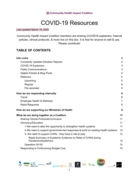
Community Health Impact Coalition members & colleagues from across the world are sharing COVID-19 explainers, internal policies, clinical protocols, & more live

Mental health and psychosocial considerations during the COVID-19 outbreak
It highlights how proven digital innovation can be replicated to curb the spread of COVID-19 in Africa. It also estimates investment required to implement such high impact solutions.
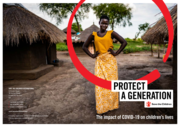
An estimated 99% of children worldwide – or more than 2.3 billion children – live in one of the 186 countries that have implemented some form of restrictions due to COVID-191. Although children are not at a high risk of direct harm from the virus, they are disproportionately affected by its hid
...
A report demonstrating the urgent need to support groups at the local level if COVID-19 misinformation and mistrust is to be tackled effectively.
Despite high regional demand for vaccines valued at over US$ 1 billion annually, Africa’s vaccine industry provides only 0.1% of global supply. Vaccine inequity and hoarding at the start of the pandemic, which resulted in delays in obtaining COVID-19 doses, stimulated new resolve to address future
...
Finding community-led solutions to COVID-19
recommended
An interagency guidance note on working with communities in high density settings to plan local approaches to preventing and managing COVID-19. This guidance note is intended for anyone involved in COVID-19 risk communication and community engagement (RCCE) efforts in complex and fragile settings in
...

The strategic plan reflects shared commitments to enhance collaboration between environmental, animal (wildlife and domestic) and human health, and building new One Health workforce capacity through higher institutions of learning. The strategy also outlines interventions to be undertaken by governm
...
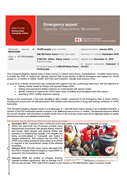
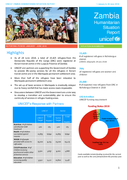
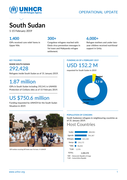
Advising principles. The purpose of this document is to support competent authorities in charge of IHR implementation to improve national capacities for the prevention, detection and control of events, by strengthening communications and coordination between points of entry and the national health s
...
The Sierra Leone National Infection Prevention and Control Guidelines were jointly developed and updated by the Ministry of Health and Sanitation in collaboration with the World Health Organization and the US Centers for Disease Control and Prevention.
