
Filter
1766
Text search:
variations
in
care
Featured
138
484
Language
1673
84
29
20
18
9
7
6
2
2
2
2
2
2
2
1
1
1
1
1
1
1
1
1
1
1
1
1
1
1
1
1
1
Document type
1077
337
161
80
42
25
17
11
5
3
3
Countries
103
80
57
51
45
44
42
39
32
32
30
30
29
28
28
28
23
22
22
21
17
17
16
15
14
13
12
12
11
11
11
11
11
10
10
10
8
8
8
8
7
7
7
6
6
5
5
4
4
4
4
3
3
3
3
3
3
3
3
2
2
2
2
2
2
2
2
2
2
2
2
2
2
2
2
2
2
2
1
1
1
1
1
1
1
1
1
1
1
1
1
1
1
1
1
1
1
1
1
1
Authors & Publishers
188
96
77
39
36
36
34
31
28
21
16
13
13
12
12
10
9
9
8
8
8
7
7
7
6
6
6
5
5
5
5
5
5
5
5
5
5
5
5
5
5
4
4
4
4
4
4
4
4
4
4
4
4
4
4
4
4
4
4
4
4
4
4
4
3
3
3
3
3
3
3
3
3
3
3
3
3
3
3
3
3
3
3
3
3
3
3
3
3
3
3
3
3
3
3
3
3
3
3
3
3
3
3
3
3
3
3
3
3
3
3
3
3
3
2
2
2
2
2
2
2
2
2
2
2
2
2
2
2
2
2
2
2
2
2
2
2
2
2
2
2
2
2
2
2
2
2
2
2
2
2
2
2
2
2
2
2
2
2
2
2
2
2
2
2
2
2
2
2
2
2
2
2
2
2
2
2
2
2
2
2
2
2
2
2
2
2
2
2
2
2
2
2
2
2
2
2
2
2
2
2
2
2
2
2
2
2
2
2
2
2
2
2
2
2
2
2
2
2
2
2
2
2
2
2
2
2
2
1
1
1
1
1
1
1
1
1
1
1
1
1
1
1
1
1
1
1
1
1
1
1
1
1
1
1
1
1
1
1
1
1
1
1
1
1
1
1
1
1
1
1
1
1
1
1
1
1
1
1
1
1
1
1
1
1
1
1
1
1
1
1
1
1
1
1
1
1
1
1
1
1
1
1
1
1
1
1
1
1
1
1
1
1
1
1
1
1
1
1
1
1
1
1
1
1
1
1
1
1
1
1
1
1
1
1
1
1
1
1
1
1
1
1
1
1
1
1
1
1
1
1
1
1
1
1
1
1
1
1
1
1
1
1
1
1
1
1
1
1
1
1
1
1
1
1
1
1
1
1
1
1
1
1
1
1
1
1
1
1
1
1
1
1
1
1
1
1
1
1
1
1
1
1
1
1
1
1
1
1
1
1
1
1
1
1
1
1
1
1
1
1
1
1
1
1
1
1
1
1
1
1
1
1
1
1
1
1
1
1
1
1
1
1
1
1
1
1
1
1
1
1
1
1
1
1
1
1
1
1
1
1
1
1
1
1
1
1
1
1
1
1
1
1
1
1
1
1
1
1
1
1
1
1
1
1
1
1
1
1
1
1
1
1
1
1
1
1
1
1
1
1
1
1
1
1
1
1
1
1
1
1
1
1
1
1
1
1
1
1
1
1
1
1
1
1
1
1
1
1
1
1
1
1
1
1
1
1
1
1
1
1
1
1
1
1
1
1
1
1
1
1
1
1
1
1
1
1
1
1
1
1
1
1
1
1
1
1
1
1
1
1
1
1
1
1
1
1
1
1
1
1
1
1
1
1
1
1
1
1
1
1
1
1
1
1
1
1
1
1
1
1
1
1
1
1
1
1
1
1
1
1
1
1
1
1
1
1
1
1
1
1
1
1
1
1
1
1
1
1
1
1
1
1
1
1
1
1
1
1
1
1
1
1
1
1
1
1
1
1
1
1
1
1
1
1
1
1
1
1
1
1
1
1
1
1
1
1
1
1
1
1
1
1
1
1
1
1
1
1
1
1
1
1
1
1
1
1
1
1
1
1
1
1
1
1
1
1
1
1
1
1
1
1
1
1
1
1
1
1
1
1
1
1
1
1
1
1
1
1
1
1
1
1
1
1
1
1
1
1
1
1
1
1
1
1
1
1
1
1
1
1
1
1
1
1
1
1
1
1
1
1
1
1
1
1
1
1
1
1
1
1
1
1
1
1
1
1
1
1
1
1
1
1
1
1
1
1
1
1
1
1
1
1
1
1
1
1
1
1
1
1
1
1
1
1
1
1
1
1
1
1
1
1
1
1
1
1
1
1
1
1
1
1
1
1
1
1
1
1
1
1
1
1
1
1
1
1
1
1
1
1
1
1
1
1
1
1
1
1
1
1
1
1
1
1
1
1
1
1
1
1
1
1
1
1
1
1
1
1
1
1
1
1
1
1
1
1
1
1
1
1
1
1
1
1
1
1
1
1
1
1
1
1
1
1
1
1
1
1
1
1
1
1
1
1
1
1
1
1
1
1
1
1
1
1
1
1
1
1
1
1
1
1
1
1
1
1
1
1
1
1
1
1
1
1
1
1
1
1
1
1
1
1
1
1
1
1
1
1
1
1
1
1
1
1
1
1
1
1
1
1
1
1
1
1
1
1
1
1
1
1
1
1
1
1
1
1
1
1
1
1
1
1
1
1
1
1
1
1
1
1
1
1
1
1
1
1
1
1
1
1
1
1
1
1
1
1
1
1
1
1
1
1
1
1
1
1
1
1
1
1
1
1
1
1
1
1
1
1
1
1
1
1
1
1
1
1
1
1
1
1
1
1
1
1
1
1
1
1
1
1
1
1
1
1
1
1
1
1
1
1
1
1
1
1
1
1
1
1
1
1
1
1
1
1
1
1
1
1
1
1
1
1
1
1
1
1
1
1
1
1
1
1
1
1
1
1
1
1
1
1
1
1
1
1
1
1
1
1
1
1
1
1
1
1
1
1
1
1
1
1
1
1
1
1
1
1
1
1
1
1
1
1
1
1
1
1
1
1
1
1
1
1
1
1
1
1
1
1
1
1
1
1
1
1
1
1
1
1
1
1
1
1
1
1
1
1
1
1
1
1
1
1
1
1
1
1
1
1
1
1
1
1
1
1
1
1
1
1
1
1
1
1
1
1
1
1
1
1
1
1
1
1
1
1
1
1
1
1
1
1
1
1
1
1
1
1
1
1
1
1
1
1
1
1
1
1
1
1
1
1
1
1
1
1
1
1
1
1
1
1
1
1
1
1
1
1
1
1
1
1
1
1
1
1
1
1
1
1
1
1
1
1
1
1
1
1
1
1
1
1
1
1
1
1
1
1
1
1
1
1
1
1
1
1
1
1
1
1
1
1
1
1
1
1
1
1
1
1
1
1
1
1
1
1
1
1
1
1
1
1
1
1
1
1
1
1
1
1
1
1
1
1
1
1
1
1
1
1
1
1
1
1
1
1
1
1
1
1
1
1
1
1
1
1
1
1
1
1
1
1
1
1
1
1
1
1
1
1
1
1
1
1
1
1
1
1
1
1
1
1
1
1
1
1
1
1
1
1
1
1
1
1
1
1
1
1
1
1
1
1
1
1
1
1
1
1
1
1
1
1
1
1
1
1
1
1
1
1
1
1
1
1
1
1
1
1
1
1
1
1
1
1
1
1
1
1
1
1
1
1
1
1
1
1
1
1
1
1
1
1
1
1
1
1
1
1
1
1
1
1
1
1
1
1
1
1
1
1
1
1
1
1
1
1
1
1
1
1
1
1
1
1
1
1
1
1
1
1
1
1
1
1
1
1
1
1
1
1
1
1
1
1
1
1
1
1
1
1
1
1
1
1
1
1
1
1
1
1
1
1
1
1
1
1
1
1
1
1
1
1
1
1
1
1
1
1
1
1
1
1
1
1
1
1
1
1
1
1
1
1
1
1
1
1
1
1
1
1
1
1
1
1
1
1
1
1
1
1
1
1
1
1
1
1
1
1
1
1
1
1
1
1
1
1
1
1
1
1
1
1
1
1
1
1
1
1
1
1
1
1
1
1
1
1
1
1
1
1
1
1
1
1
1
1
1
1
1
1
1
1
1
1
1
1
1
1
1
1
1
1
1
1
1
1
1
1
1
1
1
1
1
1
1
1
1
1
1
1
1
1
1
1
1
1
1
1
1
1
1
1
1
1
1
1
1
1
1
1
1
1
1
1
1
1
1
1
1
1
1
1
1
1
1
1
1
1
1
1
1
1
1
1
1
1
1
1
1
1
1
1
1
1
1
1
1
1
1
1
1
1
1
1
1
1
1
1
1
1
1
1
1
1
1
1
1
1
1
1
1
1
1
1
1
1
1
1
1
1
1
1
1
1
1
1
1
1
1
1
1
1
1
1
1
1
1
1
1
1
1
1
1
1
1
1
1
1
1
1
1
1
1
1
1
1
1
1
1
1
1
1
1
1
1
1
1
1
1
1
1
1
1
1
1
1
1
1
1
1
1
1
1
1
1
1
1
1
1
1
1
1
1
1
1
1
1
1
1
1
1
1
1
1
1
1
1
1
1
1
1
1
1
1
1
1
1
1
1
1
1
1
1
1
1
1
1
1
1
1
1
1
1
1
1
1
1
1
1
1
1
1
1
1
1
1
1
1
1
1
1
1
1
1
1
1
1
1
1
1
1
1
1
1
1
1
1
1
1
1
1
1
1
1
1
Publication Years
403
1180
166
14
2
1
Category
681
125
111
82
66
29
15
1
Toolboxes
164
116
106
76
76
73
48
47
47
40
37
35
35
31
31
19
17
17
8
7
6
5
5
1

There is growing international consensus that food systems transformation is important to address the challenges of malnutrition in all its forms, the burden of noncommunicable diseases (NCDs), environmental sustainability, increasing inequality and
...
ensuring the welfare of workers and animals. In light of the urgency of these challenges, there are questions about the role of red and processed meat in healthy and sustainable food systems. Globally, production and consumption of all types of meat has increased substantially in the last 50 years, and – although red meat consumption is now plateauing in high-income countries (HICs) – is predicted to increase by a further 50% by 2050. Meat consumption remains highly unequal both between and within countries, and animal-source food intakes, including red meat, are lowest among those at most risk of undernutrition
more
COVID-19 has altered health sector capacity in low-income and middle-income countries (LMICs). Cost data to inform evidence-based priority setting are urgently needed. Consequently, in this paper, w
...
e calculate the full economic health sector costs of COVID-19 clinical management in 79 LMICs under different epidemiological scenarios.
more
To assess the impact of the COVID-19 pandemic on health and HIV expenditure, UNAIDS carried out a modelling study on fiscal space for health and HIV. From a sample of 28 countries, three countries—the Democratic Republic of the Congo, Jamaica, and Lesotho—were selected to capture health and HIV
...
expenditure impacts across countries with especially marked differences in burdens of disease (including HIV prevalence), HIV donor dependency, level of economic development, and geographic location. While the three-country sample is too small to permit findings to be generalized to other countries, these analyses are useful for informing UNAIDS’ work to identify some policy positions to minimize the COVID-19 pandemic’s impact on the HIV response.
more
Communicable and non-communicable diseases in Africa in 2021/22
World Health Organization Africa Region; WHO Africa
World Health Organization Africa Region; WHO Africa
(2023)
C_WHO
This report is one of the first major products of the newly established Precision Public Health Metrics unit of the UCN cluster of the WHO Regional Office for Africa. The report presents national trends in communicable and non-communicable disease b
...
urden and control in the WHO African region. It tracks progress made with respect to disease burden reduction, elimination and eradication. It also highlights major emerging threats, opportunities and priorities in the fight against commu- nicable and non-communicable diseases in the region. It covers the period 2000-2022, but for some indicators, information is available only up to 2021.
The report shows the number of reported cases for malaria and vaccine preventable diseases (meningitis, measles, yellow fever, pertussis, diphtheria, tetanus, and polio); disease incidence due to HIV, tuberculosis and four major noncommunicable diseases (cardiovas- cular diseases, cancers, diabetes and chronic respira- tory diseases).
more
Global Trends: Forced Displacement in 2023
recommended
At the end of 2023, an estimated 117.3 million people worldwide were forcibly displaced due to persecution, conflict, violence, human rights violations and events seriously disturbing the public order. The latest Global Trends report, published in
...
June 2024, provides key statistical trends on forced displacement. It includes the latest official statistics on refugees, asylum-seekers, internally displaced and stateless people, as well as the number of refugees who have returned home
more
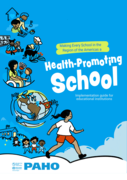
Every day, schools engage in numerous activities that help promote the health and well-being of students, families, and communities. There is clear evidence of the benefits of the health-promoting schools (HPS) approach, not only for improving overa
...
ll health outcomes (physical, mental, and social) in the educational community but also for achieving better learning outcomes. The closure of schools during the COVID-19 pandemic highlighted these benefits, as well as the close links between health, wellness, and education.
more
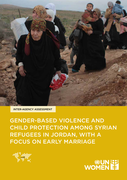
Gender-based violence and child protection among Syrian refugees in Jordan, with a focus on early marriage
UNWomen
(2013)
Findings from this report reveal that, rates of early marriage are high, a significant percentage of children contribute to the household’s income or are its main source of income, and restrictions on the mobility of women and girls constrain their participation
...
in social and economic activities and their access to basic services. As the overwhelming majority of refugees do not have paid employment and rely mainly on aid and dwindling family resources, the more the situation of displacement is prolonged the greater the likelihood of higher rates of child labour for boys and early marriage for girls.
more
PLoSONE 14(9):e0223104.https://doi.org/10.1371/journal.pone.0223104.
The survey centering on reasons behind community resistance was conducted in Butembo in November during a time of Ebola transmis
...
sion. A researcher from Catholic University of Graben in Butembo and collaborators at the University of Alberta in Edmonton published their findings on Sep 26 in PLOS One.
To spark focus group discussions, the researchers used an 18-item questionnaire based on similar ones used during West Africa's outbreak in Guinea, where community resistance and episodes of violence also complicated the outbreak response.
Participants were a convenience sample of 670 adults from the region who were recruited by medical students at Catholic University of Graben. Those surveyed included clinicians, community members, and displaced persons.
more

4–15 February 2013


Review of Community-Based Management of Acute Malnutrition Implementation in Burkina Faso
Deconinck H., S. Diene, P. Bahwere
Food and Nutrition Technical Assistance II Project (FANTA-2)
(2010)
C2
The United States Agency for International Development (USAID) Bureau for Democracy, Conflict, and Humanitarian Assistance Office of U.S. Foreign Disaster Assistance (DCHA/OFDA) requested Food and Nutrition Technical Assistance II Project (FANTA-2) assistance to review Community-Based Management of
...
Acute Malnutrition (CMAM) in four West African countries—Burkina Faso, Mali, Mauritania, and Niger—to help identify DCHA/OFDA 2010 and 2011 program priorities, including where DCHA/OFDA investment should be directed to support CMAM. The goal was to review CMAM program implementation and its integration into national health systems to provide DCHA/OFDA a status report for each country; draw lessons learned; and make recommendations on challenges, promising practices, gaps, and priority areas for DCHA/OFDA support during 2010 and 2011. The review was intended for DCHA/OFDA program planning purposes and also potentially as an advocacy tool to guide other donors in planning CMAM support in the region. After all four countries have been reviewed, FANTA-2 will develop a synthesis report. The current document presents a summary report on CMAM in Burkina Faso only.
more
The African Region has been experiencing unprecedented health challenges due to the Coronavirus disease 2019 (COVID-19) pandemic, which have compounded the already difficult task the Region was facing in moving towards universal health coverage (UHC
...
) attainment.
more
Climate-induced water insecurity poses one of the biggest threats to humanity and will lead to more hunger, disease and displacement
Oxfam water engineers are having to drill deeper, more expensive and harder-to-maintain water boreholes used by some of the poorest communities around the world, mo
...
re often now only to find dry, depleted or polluted reservoirs.
Today, during World Water Week, Oxfam publishes the first of its series of reports, “Water Dilemmas”, about the growing water crisis, in large part driven by global heating from greenhouse gas emissions. The report describes how climate change will impact water security in different regions, leading to more hunger, disease and displacement.
Carlos Calderon, Humanitarian Advocacy and Partnerships Lead for Oxfam Aotearoa said, “This new Oxfam research is focused on the global Water, Sanitation and Hygiene (WaSH) situation, but it paints a picture that illustrates the complexity of elements that, combined, will continue to increasingly affect women, girls, boys and men in the decades to come. Changing weather, poverty, inequality, gender-based violence, political instability and conflicts are impacting the availability and quality of adequate water systems. All governments, particularly those from rich countries, should responsively take action at a global scale. The clock is ticking. Our children will judge us for our actions today, or for the lack of them.”
more

