
Filter
3765
Text search:
mobile
health
Featured
326
1136
Language
3491
215
62
57
51
43
26
23
11
10
9
9
7
7
6
6
5
5
5
4
4
4
4
3
3
3
3
3
3
3
3
2
2
2
2
2
2
2
2
2
2
2
2
2
1
1
1
1
1
1
1
1
1
1
1
1
1
1
1
1
Document type
2142
625
411
192
159
69
61
55
11
10
9
8
6
4
Countries
180
129
124
102
93
86
83
80
79
75
75
74
71
69
65
64
62
60
57
55
49
42
40
37
35
34
32
31
28
28
27
27
26
25
25
25
24
24
24
23
21
21
21
18
18
17
17
17
16
15
15
15
14
14
14
12
12
11
11
9
9
9
9
8
8
8
8
6
6
6
6
6
6
6
6
6
5
5
5
5
5
5
5
4
4
4
4
3
3
3
3
3
3
3
3
3
3
3
2
2
2
2
2
2
2
2
2
2
2
2
2
2
2
2
2
2
1
1
1
1
1
1
1
1
1
1
1
1
1
1
1
1
1
1
1
1
1
1
1
1
1
Authors & Publishers
406
170
158
103
84
81
77
71
50
38
29
25
25
24
22
20
19
18
18
18
18
17
17
17
17
16
16
16
16
15
14
14
14
14
13
13
13
12
12
12
12
11
11
11
11
11
10
10
10
10
10
10
9
9
9
9
9
9
8
8
8
8
8
8
8
8
8
8
8
8
7
7
7
7
7
7
7
7
7
6
6
6
6
6
6
6
6
6
6
6
6
6
6
6
6
6
6
6
5
5
5
5
5
5
5
5
5
5
5
5
5
5
5
5
5
5
5
5
5
5
5
5
4
4
4
4
4
4
4
4
4
4
4
4
4
4
4
4
4
4
4
4
4
4
4
4
4
4
4
4
4
4
4
4
4
4
4
4
4
4
4
4
4
4
3
3
3
3
3
3
3
3
3
3
3
3
3
3
3
3
3
3
3
3
3
3
3
3
3
3
3
3
3
3
3
3
3
3
3
3
3
3
3
3
3
3
3
3
3
3
3
3
3
3
3
3
3
3
3
3
3
3
3
3
3
3
3
3
3
3
3
3
3
3
3
3
3
3
3
3
3
3
3
3
3
3
2
2
2
2
2
2
2
2
2
2
2
2
2
2
2
2
2
2
2
2
2
2
2
2
2
2
2
2
2
2
2
2
2
2
2
2
2
2
2
2
2
2
2
2
2
2
2
2
2
2
2
2
2
2
2
2
2
2
2
2
2
2
2
2
2
2
2
2
2
2
2
2
2
2
2
2
2
2
2
2
2
2
2
2
2
2
2
2
2
2
2
2
2
2
2
2
2
2
2
2
2
2
2
2
2
2
2
2
2
2
2
2
2
2
2
2
2
2
2
2
2
2
2
2
2
2
2
2
2
2
2
2
2
2
2
2
2
2
2
2
2
2
2
2
2
2
2
2
2
2
2
2
2
2
2
2
2
2
2
2
2
2
2
2
2
2
2
2
2
2
2
2
2
2
2
2
2
2
2
2
2
2
2
2
2
2
2
2
2
2
2
2
2
2
2
2
2
2
2
2
2
2
2
2
2
2
2
2
2
2
2
2
2
2
2
2
2
2
2
2
2
2
2
2
2
2
2
2
2
2
2
2
2
2
2
2
2
2
2
2
2
2
2
2
2
2
2
2
2
2
2
2
2
1
1
1
1
1
1
1
1
1
1
1
1
1
1
1
1
1
1
1
1
1
1
1
1
1
1
1
1
1
1
1
1
1
1
1
1
1
1
1
1
1
1
1
1
1
1
1
1
1
1
1
1
1
1
1
1
1
1
1
1
1
1
1
1
1
1
1
1
1
1
1
1
1
1
1
1
1
1
1
1
1
1
1
1
1
1
1
1
1
1
1
1
1
1
1
1
1
1
1
1
1
1
1
1
1
1
1
1
1
1
1
1
1
1
1
1
1
1
1
1
1
1
1
1
1
1
1
1
1
1
1
1
1
1
1
1
1
1
1
1
1
1
1
1
1
1
1
1
1
1
1
1
1
1
1
1
1
1
1
1
1
1
1
1
1
1
1
1
1
1
1
1
1
1
1
1
1
1
1
1
1
1
1
1
1
1
1
1
1
1
1
1
1
1
1
1
1
1
1
1
1
1
1
1
1
1
1
1
1
1
1
1
1
1
1
1
1
1
1
1
1
1
1
1
1
1
1
1
1
1
1
1
1
1
1
1
1
1
1
1
1
1
1
1
1
1
1
1
1
1
1
1
1
1
1
1
1
1
1
1
1
1
1
1
1
1
1
1
1
1
1
1
1
1
1
1
1
1
1
1
1
1
1
1
1
1
1
1
1
1
1
1
1
1
1
1
1
1
1
1
1
1
1
1
1
1
1
1
1
1
1
1
1
1
1
1
1
1
1
1
1
1
1
1
1
1
1
1
1
1
1
1
1
1
1
1
1
1
1
1
1
1
1
1
1
1
1
1
1
1
1
1
1
1
1
1
1
1
1
1
1
1
1
1
1
1
1
1
1
1
1
1
1
1
1
1
1
1
1
1
1
1
1
1
1
1
1
1
1
1
1
1
1
1
1
1
1
1
1
1
1
1
1
1
1
1
1
1
1
1
1
1
1
1
1
1
1
1
1
1
1
1
1
1
1
1
1
1
1
1
1
1
1
1
1
1
1
1
1
1
1
1
1
1
1
1
1
1
1
1
1
1
1
1
1
1
1
1
1
1
1
1
1
1
1
1
1
1
1
1
1
1
1
1
1
1
1
1
1
1
1
1
1
1
1
1
1
1
1
1
1
1
1
1
1
1
1
1
1
1
1
1
1
1
1
1
1
1
1
1
1
1
1
1
1
1
1
1
1
1
1
1
1
1
1
1
1
1
1
1
1
1
1
1
1
1
1
1
1
1
1
1
1
1
1
1
1
1
1
1
1
1
1
1
1
1
1
1
1
1
1
1
1
1
1
1
1
1
1
1
1
1
1
1
1
1
1
1
1
1
1
1
1
1
1
1
1
1
1
1
1
1
1
1
1
1
1
1
1
1
1
1
1
1
1
1
1
1
1
1
1
1
1
1
1
1
1
1
1
1
1
1
1
1
1
1
1
1
1
1
1
1
1
1
1
1
1
1
1
1
1
1
1
1
1
1
1
1
1
1
1
1
1
1
1
1
1
1
1
1
1
1
1
1
1
1
1
1
1
1
1
1
1
1
1
1
1
1
1
1
1
1
1
1
1
1
1
1
1
1
1
1
1
1
1
1
1
1
1
1
1
1
1
1
1
1
1
1
1
1
1
1
1
1
1
1
1
1
1
1
1
1
1
1
1
1
1
1
1
1
1
1
1
1
1
1
1
1
1
1
1
1
1
1
1
1
1
1
1
1
1
1
1
1
1
1
1
1
1
1
1
1
1
1
1
1
1
1
1
1
1
1
1
1
1
1
1
1
1
1
1
1
1
1
1
1
1
1
1
1
1
1
1
1
1
1
1
1
1
1
1
1
1
1
1
1
1
1
1
1
1
1
1
1
1
1
1
1
1
1
1
1
1
1
1
1
1
1
1
1
1
1
1
1
1
1
1
1
1
1
1
1
1
1
1
1
1
1
1
1
1
1
1
1
1
1
1
1
1
1
1
1
1
1
1
1
1
1
1
1
1
1
1
1
1
1
1
1
1
1
1
1
1
1
1
1
1
1
1
1
1
1
1
1
1
1
1
1
1
1
1
1
1
1
1
1
1
1
1
1
1
1
1
1
1
1
1
1
1
1
1
1
1
1
1
1
1
1
1
1
1
1
1
1
1
1
1
1
1
1
1
1
1
1
1
1
1
1
1
1
1
1
1
1
1
1
1
1
1
1
1
1
1
1
1
1
1
1
1
1
1
1
1
1
1
1
1
1
1
1
1
1
1
1
1
1
1
1
1
1
1
1
1
1
1
1
1
1
1
1
1
1
1
1
1
1
1
1
1
1
1
1
1
1
1
1
1
1
1
1
1
1
1
1
1
1
1
1
1
1
1
1
1
1
1
1
1
1
1
1
1
1
1
1
1
1
1
1
1
1
1
1
1
1
1
1
1
1
1
1
1
1
1
1
1
1
1
1
1
1
1
1
1
1
1
1
1
1
1
1
1
1
1
1
1
1
1
1
1
1
1
1
1
1
1
1
1
1
1
1
1
1
1
1
1
1
1
1
1
1
1
1
1
1
1
1
1
1
1
1
1
1
1
1
1
1
1
1
1
1
1
1
1
1
1
1
1
1
1
1
1
1
1
1
1
1
1
1
1
1
1
1
1
1
1
1
1
1
1
1
1
1
1
1
1
1
1
1
1
1
1
1
1
1
1
1
1
1
1
1
1
1
1
1
1
1
1
1
1
1
1
1
1
1
1
1
1
1
1
1
1
1
1
1
1
1
1
1
1
1
1
1
1
1
1
1
1
1
1
1
1
1
1
1
1
1
1
1
1
1
1
1
1
1
1
1
1
1
1
1
1
1
1
1
1
1
1
1
1
1
1
1
1
1
1
1
1
1
1
1
1
1
1
1
1
1
1
1
1
1
1
1
1
1
1
1
1
1
1
1
1
1
1
1
1
1
1
1
1
1
1
1
1
1
1
1
1
1
1
1
1
1
1
1
1
1
1
1
1
1
1
1
1
1
1
1
1
1
1
1
1
1
1
1
1
1
1
1
1
1
1
1
1
1
1
1
1
1
1
1
1
1
1
1
1
1
1
1
1
1
1
1
1
1
1
1
1
1
1
1
1
1
1
1
1
1
1
1
1
1
1
1
1
1
1
1
1
1
1
1
1
1
1
1
1
1
1
1
1
1
1
1
1
1
1
1
1
1
1
1
1
1
1
1
1
1
1
1
1
1
1
1
1
1
1
1
1
1
1
1
1
1
1
1
1
1
1
1
1
1
1
1
1
1
1
1
1
1
1
1
1
1
1
1
1
1
1
1
1
1
1
1
1
1
1
1
1
1
1
1
1
1
1
1
1
1
1
1
1
1
1
1
1
1
1
1
1
1
1
1
1
1
1
1
1
1
1
1
1
1
1
1
1
1
1
1
1
1
1
1
1
1
1
1
1
1
1
1
1
1
1
1
1
1
1
1
1
1
1
1
1
1
1
1
1
1
1
1
1
1
1
1
1
1
1
1
1
1
1
1
1
1
1
1
1
1
1
1
1
1
1
1
1
1
1
1
1
1
1
1
1
1
1
1
1
1
1
1
1
1
1
1
1
1
1
1
1
1
1
1
1
1
1
1
1
1
1
1
1
1
1
1
1
1
1
1
1
1
1
1
1
1
1
1
1
1
1
1
1
1
1
1
1
1
1
1
1
1
1
1
1
1
1
1
1
1
1
1
1
1
1
1
1
1
1
1
1
1
1
1
1
1
1
1
1
1
1
1
1
1
1
1
1
1
1
1
1
1
1
1
1
1
1
1
1
1
1
1
1
1
1
1
1
1
1
1
1
1
1
1
1
1
1
1
1
1
1
1
1
1
1
1
1
1
1
1
1
1
1
1
1
1
1
1
1
1
1
1
1
1
1
1
1
1
1
1
1
1
1
1
1
1
1
1
1
1
1
1
1
1
1
1
1
1
1
1
1
1
1
1
1
1
1
1
1
1
1
1
1
1
1
1
1
1
1
1
1
1
1
1
1
1
1
1
1
1
1
1
1
1
1
1
1
1
1
1
1
1
1
1
1
1
1
1
1
1
1
1
1
1
1
1
1
1
1
1
1
1
1
1
1
1
1
1
1
1
1
1
1
1
1
1
1
1
1
1
1
1
1
1
1
1
1
1
1
1
1
1
1
1
1
1
1
1
1
1
1
1
1
1
1
1
1
1
1
1
1
1
1
1
1
1
1
1
1
1
1
1
1
1
1
1
1
1
1
1
1
1
1
1
1
1
1
1
1
1
1
1
1
1
1
1
1
1
1
1
1
1
1
1
1
1
1
1
1
1
1
1
1
1
1
1
1
1
1
1
1
1
1
1
1
1
1
1
1
1
1
1
1
1
1
1
1
1
1
1
1
1
1
1
1
1
1
1
1
1
1
1
1
1
1
1
1
1
1
1
1
1
1
1
1
1
1
1
1
1
1
1
1
1
1
1
1
1
1
1
1
1
1
1
1
1
1
1
1
1
1
1
1
1
1
1
1
1
1
1
1
1
1
1
1
1
1
1
1
1
1
1
1
1
1
1
1
1
1
1
1
1
1
1
1
1
1
1
1
1
1
1
1
1
1
1
1
1
1
1
1
1
1
1
1
1
1
1
1
1
1
1
1
1
1
1
1
1
1
1
1
1
1
1
1
1
1
1
1
1
1
1
1
1
1
1
1
1
1
1
1
1
1
1
1
1
1
1
1
1
1
1
1
1
1
1
1
1
1
1
1
1
1
1
1
1
1
1
1
1
1
1
1
1
1
1
1
1
1
1
1
1
1
1
1
1
1
1
1
1
1
1
1
1
1
1
1
1
1
1
1
1
1
1
1
1
1
1
1
1
1
1
1
1
1
1
1
1
1
1
1
1
1
1
1
1
1
1
1
1
1
1
1
1
1
1
1
1
1
1
1
1
1
1
1
1
1
1
1
1
1
1
1
1
1
1
1
1
1
1
1
1
1
1
1
1
1
1
1
1
1
1
1
1
1
1
1
1
1
1
1
1
1
1
1
1
1
1
1
1
1
1
1
1
1
1
1
1
1
1
1
1
1
1
1
1
1
1
1
1
1
1
1
1
1
1
1
1
1
1
1
1
1
1
1
1
1
1
1
1
1
1
1
1
1
1
1
1
1
1
1
1
1
1
1
1
1
1
1
1
1
1
1
1
1
1
1
1
1
1
1
1
1
1
1
1
1
1
1
1
1
1
1
1
1
1
1
1
1
1
1
1
1
1
1
1
1
1
1
1
1
1
1
1
1
1
1
1
1
1
1
1
1
1
1
1
1
1
1
1
1
1
1
1
1
1
1
1
1
1
1
1
1
1
1
1
1
1
1
1
1
1
1
1
1
1
1
1
1
1
1
1
1
1
1
1
1
1
1
1
1
1
1
1
1
1
1
1
1
1
1
1
1
1
1
1
1
1
1
1
1
1
1
1
1
1
1
1
1
1
1
1
1
1
1
1
1
1
1
1
1
1
1
1
1
1
1
1
1
1
1
1
1
1
1
1
1
1
1
1
1
1
1
1
1
1
1
1
1
1
1
1
1
1
1
1
1
1
1
1
1
1
1
1
1
1
1
1
1
1
1
1
1
1
1
1
1
1
1
1
1
1
1
1
1
1
1
1
1
1
1
1
1
1
1
1
1
1
1
1
1
1
1
1
1
1
1
1
1
1
1
1
1
1
1
1
1
1
1
1
1
1
1
1
1
1
1
1
1
1
1
1
1
1
1
1
1
1
1
1
1
1
1
1
1
1
1
1
1
1
1
1
1
1
1
1
1
1
1
1
1
1
1
1
1
1
1
1
1
1
1
1
1
1
1
1
1
1
1
1
1
1
1
1
1
1
1
1
1
1
1
1
1
1
1
1
1
1
1
1
1
1
1
1
1
1
1
1
1
1
1
1
1
1
1
1
1
1
1
1
1
1
1
1
1
1
1
1
1
1
1
1
1
1
1
Publication Years
1076
2424
254
10
1
Category
1661
204
204
154
124
70
28
5
3
2
Toolboxes
426
278
176
170
169
151
150
109
106
91
88
80
62
60
57
43
41
31
26
23
23
13
8
6
1
1
GDF is the largest global provider of quality-assured tuberculosis (TB)
medicines, diagnostics, and laboratory supplies to the public sector.
Since 2001, GDF has facilitated access to high-quality TB care in over 130
countries, providing treatments to over 30 million people with TB and procuring
...
and delivering more than $200 million worth of diagnostic equipment
more
As countries aim to progress towards the Sustainable Development Goals (SDGs) and achieving universal health coverage, health inequities driven by racial discrimination and intersecting factors rema
...
in pervasive. Inequities experienced by indigenous peoples as well as people of African descent, Roma and other ethnic minorities are of concern globally; they are unjust, preventable and remediable.
Health systems themselves are important determinants of health and health equity. They can perpetuate health inequities by reflecting structural racism and discriminatory practices of wider society. For instance, systemic racism, implicit bias, misinformed clinical practice, or discrimination by health professionals contributes to health inequities. However, health systems can also be a leading force for tackling the inequities faced by populations experiencing racial discrimination.
Primary health care (PHC) is the essential strategy for reorientating health systems and societies to become healthier, equitable, effective and sustainable. In 2018, on the 40th anniversary of the Declaration of Alma-Ata, the World Health Organization (WHO) and the United Nations Children’s Fund (UNICEF) renewed the emphasis on PHC with their strategy,
WHO outlines 14 strategic and operational levers for policy-makers to strengthen PHC. Within each lever, there are multiple potential entry points for targeted actions to address racial discrimination, foster intercultural care, and reduce health inequities experienced by indigenous peoples as well as people of African descent, Roma and other ethnic minorities.
more
What are the FP and CAC competencies?
Through the clear articulation of the family planning and comprehensive abortion care (FP and CAC) competencies for the primary health care workforce, the aim is to advance improvements in FP and CAC service de
...
livery by aligning health worker education approaches with population health needs and health system demands.
This document, which describes these competencies in detail, is intended to:
be a foundational tool to be adopted and adapted by educators and regulators for FP and CAC providers (students) with a pre-service training pathway of at least 12 months;
describe competencies that are relevant to current and future health practice;
enable widespread use of the competencies not only for curriculum development for pre-service education, but also for in-service education, regulation, qualifications, quality assurance, personal development, performance evaluation, recruitment, management and career progression;
focus on the core functions of FP and CAC providers within broader efforts towards achieving universal health coverage
more
The executive summary of the WHO Global oral health status report presents a snapshot of the most recent data on major oral diseases, risk factors, health system challenges and opportunities for ref
...
orm. The report’s clear conclusion is that the status of global oral health is alarming and requires urgent action. The report will serve as a reference for policy-makers and an orientation for a wide range of stakeholders across different sectors to guide advocacy towards better prioritization of oral health in global, regional and national contexts. In addition, the report provides, as a separate online resource, the first-ever country oral health profiles for all 194 WHO Member States, giving unique insights into key areas and markers of oral health that are relevant for decision-makers.
more
The HHFA Comprehensive guide serves as the main reference document for planning and implementing a country HHFA. This guide will promote understanding of:
What the HHFA is and the information it can and cannot provide.
The HHFA modules, questionnaires and CSPro electronic data collection tool.
Th
...
e HHFA indicators, indices and their organization within the HHFA indicator inventory platform.
The HHFA data analysis platform.
The HHFA sampling and data collection methodologies.
The detailed steps involved in planning and implementing an HHFA.
Key concepts in review, interpretation and communication of HHFA findings.
more
The MHPSS MSP is an easy-to-follow intersectoral package, which spells out the activities and actions that all humanitarian actors should put in place in all emergencies for an effective MHPSS response. It speaks to different actors at the global, regional, national, and local levels to plan, coordi
...
nate and implement an effective MHPSS response.
more
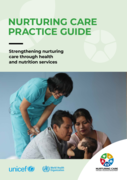
This Guide responds to requests from practitioners and country teams who have learned about the Nurturing care framework and want to understand how to adapt health and nutrition services to be supportive of nurturing care and strengthen caregiversâ€
...
™ capacity.
more
This thematic brief accompanies the Working for Health 2022–2030 Action Plan, serving as a rationale to the related actions of the Working for Health progression model (see Annex). The brief aims
...
to inform Member States, non-state actors and other users of the Action Plan to guide action on investments on strengthening protection and performance of the health and care workforce, including the relevant policy landscape, key challenges and future directions.
In doing so, it provides an expanded exploration of the themes beyond what is provided in the Action Plan itself and reflects the topical issues and considerations that shaped its design, including those issues identified in the World Health Assembly Resolution WHA74.14 to protect, safeguard and invest in the health and care workforce (1). The importance of these themes was again emphasized at the Seventy-fifth World Health Assembly, when Resolution WHA75.17: Human resources for health was co-sponsored by over 100 Member States, calling for the adoption and implementation of the Working for Health 2022–2030 Action Plan and utilization of the related Global Health and Care Worker Compact
more
This handbook is intended primarily for front-line health care providers who are likely to see children (among other clients) in their day-to-day practice. These may include general practitioners, nurses, midwives, gynaecologists,
paediatricians, m
...
ental health professionals, first responders and staff in emergency care.
Other professionals who may find it useful include social workers, those working in social welfare institutions, providers of psychosocial support, and those working in child care facilities and the education system.
Further, the content will benefit the work of policy-makers and managers to enable and support provision of clinical care to children experiencing, or who have experienced, child maltreatment.
more
Nearly 260 000 people died in parts of Somalia between October 2010 and April 2012, including
133 000 children under five during the famine and food crisis in Somalia making it the worst famine in history.
A study commissioned and funded by the Food and Agriculture Organization of the United Natio
...
n’s food security and nutrition analysis unit for Somalia stated that the famine early warning systems clearly identified the risk of famine in South Central Somalia in 2010–2011 but timely action to prevent the onset of famine was not taken. The result was large scale
mortality, morbidity and population displacement.
more

Scabies is a global health concern disproportionately affecting vulnerable populations such as refugees and asylum seekers. Greece is a main point of entry in Europe for refugees, but epidemiological data on scabies in this population are scarce. We
...
aimed to describe the epidemiology of scabies, including trends over the study period.
more

The full-scale invasion of Ukraine has caused a deterioration in the level of access to health-care services and medicines in the country, particularly for people living in regions close to the front line and areas that are not partially or fully co
...
ntrolled by the Government of Ukraine, and for people who have been internally displaced. Cost and time constraints involved in getting to and from health facilities, as well as limited transportation options were the main barriers to accessing essential health-care services. At the same time, the findings show that the country’s health system remains resilient and that overall access to health services is fairly high.This report is based on data collected through a quantitative cross-sectional survey of self-reported health needs of the general population in Ukraine. It presents results of the first round survey conducted in September 2022 and could help to address the specific health-care needs of the population groups concerned.
more
World Health Organization. (2021). Minimum technical standards and recommendations for reproductive, maternal, newborn and child health care for emergency medical teams. World
...
Health Organization.
more

Integrating the prevention and control of noncommunicable diseases in HIV/AIDS, tuberculosis, and sexual and reproductive health programmes: implementation guidance

The application of digital health technology is growing at a rapid rate in Africa, with the goals of improving the delivery of healthcare services and more effectively reaching out to remote and underserved communities. The lack of enabling guidelin
...
es and standards across the continent, on the other hand, makes it difficult to share data in a meaningful way across the continent.
Considering this, Africa Centres for Disease Control and Prevention (Africa CDC) established a task force of 24 members to provide expertise and guidance in the development of AU HIE guidelines and standards. Members of the task force were subject matter experts working in Africa and internationally on the collection, analysis, and exchange of health information. Some of these experts had been involved in previous consultations on defining Africa CDC’s health information systems strategy. A chairperson, co-chairperson, and secretary were elected to engage the task force members in different technical working groups.
more
Africa is off track to reach the Sustainable Development Goals by 2030 and lags behind in building resilient health systems
and health security, against a backdrop of limited resources. The world e
...
nvisaged a significant role for governments
in funding the Sustainable Development Agenda, but inadequate funding for health in African countries is
persistent, despite additional continental commitments to address the problem. When commitments to global health
targets and available fiscal space do not align, innovation is warranted.
more
The chapter Fostering Health Systems’ Monitoring to Better Serve Older Populations is part of the publication series entitled Decade of Healthy Aging: Situation and Challenges. The publications are designed to favor the prioritization of effective
...
actions at the local level as well as the monitoring of data and public health policies, and providing evidence-based information. Along with the objective of presenting the available updated knowledge about the situation of health and aging at the beginning of the Decade of Healthy Aging in the Americas, this publication gives information about health systems’ monitoring to better serve the needs of older adults and emphasizes the need for societies and health systems to better adapt to an aging population. It introduces the 360-tool as a guide to adapt health systems through monitoring tracers/indicators and highlighting the data and information that is readily available, disaggregated by age. This information can aid in decision-making and resource allocation to support older adults’ needs. Concerning the 360-tool development, a consensus has been reached on seven tracer indicators with high relevance to informing policy, and case studies in selected countries have assessed the feasibility of this approach. The list of indicators and the process related to the development of the tool are presented in this publication. The Decade of Healthy Aging 2021-2030 is a period to guide action towards the transformation of societies by fostering the inclusion of older people in every decision. This publication intends to contribute to this strategy and highlight the upcoming challenges and opportunities on healthy aging.
more

The World Health Organization Regional Office for Africa (WHO AFRO), in accordance with recommendations from various WHO committees, has developed three flagship initiatives to support Member States in the African region to prepare for, detect and r
...
espond to public health emergencies. They are the result of extensive consultations with more than 30 African government ministers, technical actors, and partners across the continent as well as regional institutions such as the Africa Centres for Disease Control and Prevention (Africa CDC), whose contributions have shaped the priority activities. This report provides the fourth quarterly summary of progress in implementing the flagship initiatives.
more
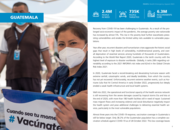
Recovery from COVID-19 has been challenging in Guatemala. As a result of the prolonged socio-economic impact of the pandemic, the average poverty rate nationwide has increased by almost 5%. This rise in the poverty level further exacerbates preexisting vulnerabilities and erodes the limited safety n
...
ets available to vulnerable populations. Year after year, recurrent disasters and humanitarian crises aggravate the historic social gaps that result in high levels of vulnerability, multidimensional poverty, and overall deprivation of essential services among hundreds of thousands of Guatemalans. According to the World Risk Report 2020, Guatemala is the tenth country with the highest level of exposure to disaster worldwide. Globally, it ranks 28th regarding vulnerability according to the 2021 INFORM’s risk index and 62nd in the Global Climate Risk Index 2021.
In 2020, Guatemala faced a record-breaking and devastating hurricane season with extreme rainfall, catastrophic winds, and deadly landslides, from which the country has not yet recovered. Unfortunately, recurrent extreme weather events, such as Hurricane Julia that hit Central America in early October 2022, progressively but deeply eroded a weak health infrastructure and local health systems.
more

This document outlines PAHO’s regional priorities for the year 2023 to sustain and scale up health emergency and humanitarian assistance in the Americas, with a focus on five priority countries currently facing a prolonged humanitarian crisis and
...
recovering from recent acute emergencies: Colombia, El Salvador, Guatemala, Haiti, and Venezuela (Bolivarian Republic of). These goals align with and build on the World Health Organization’s Global Health Emergency Appeal for 2023, its principles, priorities, and strategies.
more
