
Filter
3637
Text search:
health
care
users
Featured
346
976
Language
3495
82
74
71
37
22
19
8
6
5
5
4
4
4
4
4
3
3
3
2
2
2
2
2
2
2
2
2
2
2
2
1
1
1
1
1
1
1
1
1
1
1
1
1
1
1
1
1
1
1
1
1
1
1
1
1
1
Document type
2245
468
445
219
100
62
52
21
12
4
4
2
1
Countries
162
126
109
89
84
82
81
80
78
62
60
56
52
49
49
47
47
46
44
43
39
34
34
29
27
26
26
25
22
20
20
20
18
17
16
16
14
12
12
11
11
11
10
10
10
10
9
9
9
9
8
8
8
7
6
6
5
5
5
5
5
5
5
5
4
4
4
4
4
4
4
4
4
3
3
3
3
3
3
3
3
3
3
3
2
2
2
2
2
2
2
2
2
2
2
2
2
2
2
2
2
1
1
1
1
1
1
1
1
1
1
1
1
1
1
1
1
1
1
1
1
1
1
1
1
1
1
Authors & Publishers
531
219
191
124
97
95
89
81
61
28
27
26
24
24
23
22
22
21
20
19
17
16
16
16
16
15
15
14
14
14
13
13
12
12
12
11
10
10
9
9
9
9
9
9
9
9
9
9
8
8
8
8
8
7
7
7
7
7
7
7
7
7
7
7
7
7
7
7
6
6
6
6
6
6
6
6
6
6
6
6
6
6
6
6
6
6
6
6
6
6
6
6
6
5
5
5
5
5
5
5
5
5
5
5
5
5
5
5
5
5
5
5
5
5
5
5
5
5
5
5
5
5
5
5
5
5
5
5
5
4
4
4
4
4
4
4
4
4
4
4
4
4
4
4
4
4
4
4
4
4
4
4
4
4
4
4
4
4
4
4
4
3
3
3
3
3
3
3
3
3
3
3
3
3
3
3
3
3
3
3
3
3
3
3
3
3
3
3
3
3
3
3
3
3
3
3
3
3
3
3
3
3
3
3
3
3
3
3
3
3
3
3
3
3
3
3
3
3
3
3
3
3
3
3
3
3
3
3
3
3
3
3
3
3
3
3
3
3
3
3
3
3
3
3
3
3
3
3
3
2
2
2
2
2
2
2
2
2
2
2
2
2
2
2
2
2
2
2
2
2
2
2
2
2
2
2
2
2
2
2
2
2
2
2
2
2
2
2
2
2
2
2
2
2
2
2
2
2
2
2
2
2
2
2
2
2
2
2
2
2
2
2
2
2
2
2
2
2
2
2
2
2
2
2
2
2
2
2
2
2
2
2
2
2
2
2
2
2
2
2
2
2
2
2
2
2
2
2
2
2
2
2
2
2
2
2
2
2
2
2
2
2
2
2
2
2
2
2
2
2
2
2
2
2
2
2
2
2
2
2
2
2
2
2
2
2
2
2
2
2
2
2
2
2
2
2
2
2
2
2
2
2
2
2
2
2
2
2
2
2
2
2
2
2
2
2
2
2
2
2
2
2
2
2
2
2
2
2
2
2
2
2
2
2
2
2
2
2
2
2
2
2
2
2
2
2
2
2
2
2
2
2
2
2
2
2
2
2
2
2
2
2
2
2
2
2
2
2
2
2
2
2
2
2
2
2
2
2
2
2
2
2
2
1
1
1
1
1
1
1
1
1
1
1
1
1
1
1
1
1
1
1
1
1
1
1
1
1
1
1
1
1
1
1
1
1
1
1
1
1
1
1
1
1
1
1
1
1
1
1
1
1
1
1
1
1
1
1
1
1
1
1
1
1
1
1
1
1
1
1
1
1
1
1
1
1
1
1
1
1
1
1
1
1
1
1
1
1
1
1
1
1
1
1
1
1
1
1
1
1
1
1
1
1
1
1
1
1
1
1
1
1
1
1
1
1
1
1
1
1
1
1
1
1
1
1
1
1
1
1
1
1
1
1
1
1
1
1
1
1
1
1
1
1
1
1
1
1
1
1
1
1
1
1
1
1
1
1
1
1
1
1
1
1
1
1
1
1
1
1
1
1
1
1
1
1
1
1
1
1
1
1
1
1
1
1
1
1
1
1
1
1
1
1
1
1
1
1
1
1
1
1
1
1
1
1
1
1
1
1
1
1
1
1
1
1
1
1
1
1
1
1
1
1
1
1
1
1
1
1
1
1
1
1
1
1
1
1
1
1
1
1
1
1
1
1
1
1
1
1
1
1
1
1
1
1
1
1
1
1
1
1
1
1
1
1
1
1
1
1
1
1
1
1
1
1
1
1
1
1
1
1
1
1
1
1
1
1
1
1
1
1
1
1
1
1
1
1
1
1
1
1
1
1
1
1
1
1
1
1
1
1
1
1
1
1
1
1
1
1
1
1
1
1
1
1
1
1
1
1
1
1
1
1
1
1
1
1
1
1
1
1
1
1
1
1
1
1
1
1
1
1
1
1
1
1
1
1
1
1
1
1
1
1
1
1
1
1
1
1
1
1
1
1
1
1
1
1
1
1
1
1
1
1
1
1
1
1
1
1
1
1
1
1
1
1
1
1
1
1
1
1
1
1
1
1
1
1
1
1
1
1
1
1
1
1
1
1
1
1
1
1
1
1
1
1
1
1
1
1
1
1
1
1
1
1
1
1
1
1
1
1
1
1
1
1
1
1
1
1
1
1
1
1
1
1
1
1
1
1
1
1
1
1
1
1
1
1
1
1
1
1
1
1
1
1
1
1
1
1
1
1
1
1
1
1
1
1
1
1
1
1
1
1
1
1
1
1
1
1
1
1
1
1
1
1
1
1
1
1
1
1
1
1
1
1
1
1
1
1
1
1
1
1
1
1
1
1
1
1
1
1
1
1
1
1
1
1
1
1
1
1
1
1
1
1
1
1
1
1
1
1
1
1
1
1
1
1
1
1
1
1
1
1
1
1
1
1
1
1
1
1
1
1
1
1
1
1
1
1
1
1
1
1
1
1
1
1
1
1
1
1
1
1
1
1
1
1
1
1
1
1
1
1
1
1
1
1
1
1
1
1
1
1
1
1
1
1
1
1
1
1
1
1
1
1
1
1
1
1
1
1
1
1
1
1
1
1
1
1
1
1
1
1
1
1
1
1
1
1
1
1
1
1
1
1
1
1
1
1
1
1
1
1
1
1
1
1
1
1
1
1
1
1
1
1
1
1
1
1
1
1
1
1
1
1
1
1
1
1
1
1
1
1
1
1
1
1
1
1
1
1
1
1
1
1
1
1
1
1
1
1
1
1
1
1
1
1
1
1
1
1
1
1
1
1
1
1
1
1
1
1
1
1
1
1
1
1
1
1
1
1
1
1
1
1
1
1
1
1
1
1
1
1
1
1
1
1
1
1
1
1
1
1
1
1
1
1
1
1
1
1
1
1
1
1
1
1
1
1
1
1
1
1
1
1
1
1
1
1
1
1
1
1
1
1
1
1
1
1
1
1
1
1
1
1
1
1
1
1
1
1
1
1
1
1
1
1
1
1
1
1
1
1
1
1
1
1
1
1
1
1
1
1
1
1
1
1
1
1
1
1
1
1
1
1
1
1
1
1
1
1
1
1
1
1
1
1
1
1
1
1
1
1
1
1
1
1
1
1
1
1
1
1
1
1
1
1
1
1
1
1
1
1
1
1
1
1
1
1
1
1
1
1
1
1
1
1
1
1
1
1
1
1
1
1
1
1
1
1
1
1
1
1
1
1
1
1
1
1
1
1
1
1
1
1
1
1
1
1
1
1
1
1
1
1
1
1
1
1
1
1
1
1
1
1
1
1
1
1
1
1
1
1
1
1
1
1
1
1
1
1
1
1
1
1
1
1
1
1
1
1
1
1
1
1
1
1
1
1
1
1
1
1
1
1
1
1
1
1
1
1
1
1
1
1
1
1
1
1
1
1
1
1
1
1
1
1
1
1
1
1
1
1
1
1
1
1
1
1
1
1
1
1
1
1
1
1
1
1
1
1
1
1
1
1
1
1
1
1
1
1
1
1
1
1
1
1
1
1
1
1
1
1
1
1
1
1
1
1
1
1
1
1
1
1
1
1
1
1
1
1
1
1
1
1
1
1
1
1
1
1
1
1
1
1
1
1
1
1
1
1
1
1
1
1
1
1
1
1
1
1
1
1
1
1
1
1
1
1
1
1
1
1
1
1
1
1
1
1
1
1
1
1
1
1
1
1
1
1
1
1
1
1
1
1
1
1
1
1
1
1
1
1
1
1
1
1
1
1
1
1
1
1
1
1
1
1
1
1
1
1
1
1
1
1
1
1
1
1
1
1
1
1
1
1
1
1
1
1
1
1
1
1
1
1
1
1
1
1
1
1
1
1
1
1
1
1
1
1
1
1
1
1
1
1
1
1
1
1
1
1
1
1
1
1
1
1
1
1
1
1
1
1
1
1
1
1
1
1
1
1
1
1
1
1
1
1
1
1
1
1
1
1
1
1
1
1
1
1
1
1
1
1
1
1
1
1
1
1
1
1
1
1
1
1
1
1
1
1
1
1
1
1
1
1
1
1
1
1
1
1
1
1
1
1
1
1
1
1
1
1
1
1
1
1
1
1
1
1
1
1
1
1
1
1
1
1
1
1
1
1
1
1
1
1
1
1
1
1
1
1
1
1
1
1
1
1
1
1
1
1
1
1
1
1
1
1
1
1
1
1
1
1
1
1
1
1
1
1
1
1
1
1
1
1
1
1
1
1
1
1
1
1
1
1
1
1
1
1
1
1
1
1
1
1
1
1
1
1
1
1
1
1
1
1
1
1
1
1
1
1
1
1
1
1
1
1
1
1
1
1
1
1
1
1
1
1
1
1
1
1
1
1
1
1
1
1
1
1
1
1
1
1
1
1
1
1
1
1
1
1
1
1
1
1
1
1
1
1
1
1
1
1
1
1
1
1
1
1
1
1
1
1
1
1
1
1
1
1
1
1
1
1
1
1
1
1
1
1
1
1
1
1
1
1
1
1
1
1
1
1
1
1
1
1
1
1
1
1
1
1
1
1
1
1
1
1
1
1
1
1
1
1
1
1
1
1
1
1
1
1
1
1
1
1
1
1
1
1
1
1
1
1
1
1
1
1
1
1
1
1
1
1
1
1
1
1
1
1
1
1
1
1
1
1
1
1
1
1
1
1
1
1
1
1
1
1
1
1
1
1
1
1
1
1
1
1
1
1
1
1
1
1
1
1
1
1
1
1
1
1
1
1
1
1
1
1
1
1
1
1
1
1
1
1
1
1
1
1
1
1
1
1
1
1
1
1
1
1
1
1
1
1
1
1
1
1
1
1
1
1
1
1
1
1
1
1
1
1
1
1
1
1
1
1
1
1
1
1
1
1
1
1
1
1
1
1
1
1
1
1
1
1
1
1
1
1
1
1
1
1
1
1
1
1
1
1
1
1
1
1
1
1
1
1
1
1
1
1
1
1
1
1
1
1
1
1
1
1
1
1
1
1
1
1
1
1
1
1
1
1
1
1
1
1
1
1
1
1
1
1
1
1
1
1
1
1
1
1
1
1
1
1
1
1
1
1
1
1
1
1
1
1
1
1
1
1
1
1
1
1
1
1
1
1
1
1
1
1
1
1
1
1
1
1
1
1
1
1
1
1
1
1
1
1
1
1
1
1
1
1
1
1
1
1
1
1
1
1
1
1
1
1
1
1
1
1
1
1
1
1
1
1
1
1
1
1
1
1
1
1
1
1
1
1
1
1
1
1
1
1
1
1
1
1
1
1
1
1
1
1
1
1
1
1
1
1
1
1
1
1
1
1
1
1
1
1
1
1
1
1
1
1
1
1
1
1
1
1
1
1
1
1
1
1
1
1
1
1
1
1
1
1
1
1
1
1
1
1
1
1
1
1
1
1
1
1
1
1
1
1
1
1
1
1
1
1
1
1
1
1
1
1
1
1
1
1
1
1
1
1
1
1
1
1
1
1
1
1
1
1
1
1
1
1
1
1
1
1
1
1
1
1
1
1
1
1
1
1
1
1
1
1
1
1
1
1
1
1
1
1
1
1
1
1
1
1
1
1
1
1
1
1
1
1
1
1
1
1
1
1
1
1
1
1
1
1
1
1
1
1
1
1
1
1
1
1
1
1
1
1
1
1
1
1
1
1
1
1
1
1
1
1
1
1
1
1
1
1
1
1
1
1
1
1
1
1
1
1
1
1
1
1
1
1
1
1
1
1
1
1
1
1
1
1
1
1
1
1
1
1
1
1
1
1
1
1
1
1
1
1
1
1
1
1
1
1
1
1
1
1
1
1
1
1
1
1
1
1
1
1
1
1
1
1
1
1
1
1
1
1
1
1
1
1
1
1
1
1
1
1
1
1
1
1
1
1
1
1
1
1
1
1
1
1
1
1
1
1
1
1
1
1
1
1
1
1
1
1
1
1
1
1
1
1
1
1
1
1
1
1
1
1
1
1
1
1
1
1
1
1
1
1
1
1
1
1
1
1
1
1
1
1
1
1
1
1
1
1
1
1
1
1
1
1
1
1
1
1
1
1
1
1
1
1
1
1
1
1
1
1
1
1
1
1
1
1
1
1
1
1
1
1
1
1
1
1
1
1
1
1
1
1
1
1
1
1
1
1
1
1
1
1
1
1
1
1
1
1
1
1
1
1
1
1
1
1
1
1
1
1
1
1
1
1
1
1
1
1
1
1
1
1
1
1
1
1
1
1
1
1
1
1
1
1
1
1
1
1
1
1
1
1
1
1
1
1
1
1
1
1
1
1
1
1
1
1
1
1
1
1
1
1
1
1
1
1
1
1
1
1
1
1
1
1
1
1
1
1
1
1
1
1
1
1
1
1
1
1
1
1
1
1
1
1
1
1
1
1
1
1
1
1
1
1
1
1
1
1
1
1
1
1
1
1
1
1
1
1
1
1
1
1
1
1
1
1
1
1
1
1
1
1
1
1
1
1
1
1
1
1
1
1
1
1
1
1
1
1
1
1
1
1
1
1
1
1
1
1
1
1
1
1
1
1
1
1
1
1
1
1
1
1
1
1
1
1
1
1
1
1
1
1
1
1
1
1
1
1
1
1
1
1
1
1
1
1
1
1
1
1
1
1
1
1
1
1
1
1
1
1
1
1
1
1
1
1
1
1
1
1
1
1
1
1
1
1
1
1
1
1
1
1
1
1
1
1
1
1
1
1
1
1
1
1
1
1
1
1
1
1
1
1
1
1
1
1
1
1
1
1
1
1
1
1
1
1
1
1
1
1
1
1
1
1
1
1
1
1
1
1
1
1
1
1
1
1
1
1
1
1
1
1
1
1
1
1
1
1
1
1
1
1
1
1
1
1
1
1
1
1
1
1
1
1
1
1
1
1
1
1
1
1
1
1
1
1
1
1
1
1
1
1
1
1
1
1
1
1
1
1
1
1
1
1
1
1
1
1
1
1
1
1
1
1
1
1
1
1
1
1
1
1
1
1
1
1
1
1
1
1
1
1
1
1
1
1
1
1
1
1
1
1
1
1
1
1
1
1
1
1
1
1
Publication Years
866
2389
362
18
1
1
Category
1333
243
215
201
201
73
45
3
2
2
Toolboxes
400
367
237
200
184
101
90
79
76
66
65
60
57
57
44
37
34
30
22
17
12
11
7
3
1
Asthma is a serious global health problem affecting all age groups. Its prevalence is increasing in many countries, espacially among children. Although some countries have seen a decline in hospitalizations and deaths from asthma, asthma still impos
...
es an unacceptable burden on health care systems, and on society through loss of productivity in the workplace and, espacially for pediatric asthma, disruption to the family.
more
Senegal has adopted the World Health Organization–Joint United Nations Programme on HIV/AIDS recommended 90-90-90 targets.5 The adoption of this strategy means that the country is expected, by 2020, to have 90% of its population living with HIV di
...
agnosed, 90% of all those diagnosed receiving sustained HIV treatment, and 90% of those receiving antiretroviral therapy having suppressed viral load measures.5 To achieve these outcomes, having good clinical laboratory services for diagnosis and follow-up will be critical.6 More specifically, investments will be needed to improve laboratory infrastructure, and to facilitate the access and availability of routine viral load and early infant diagnosis (EID) measures through the implementation of point-of-care (POC) diagnostic platforms along with an efficient and sustainable quality assurance programme.
more

This manual is part of a series of guides devised by the Oxfam Public Health Engineering Team to help provide a reliable water supply for populations affected by conflict or natural disaster. Storage tanks are required for collection of water from s
...
prings or water produced from continuous flow water treatment systems, e.g. from upflow clarifiers or slow sand filters. There should be sufficient storage volume to store all water produced overnight, as this is unlikely to be collected by users during the night. Storage tanks also have secondary functions such as ensuring a constant water supply to treatment processes, providing a level of treatment by settlement of larger suspended solids and maintaining pressure in distribution systems
more
Constituting the second part of the World Drug Report 2022, the present booklet contains an overview of the global demand for and supply of drugs.
The first chapter of the booklet begins with the latest estimates of the number of people who use drugs, the distribution of those
...
users by type of drugs, age and sex, and recent trends in the use of drugs. The chapter also reviews the impact of the coronavirus disease (COVID-19) pandemic on drug use patterns and service provision. Other issues examined in the chapter are the health consequences of drug use, including the number of people in treatment for drug use disorders and the extent of drug injecting and of HIV and hepatitis C among people who inject drugs. The chapter concludes with a review of the extent to which strategies, policies and interventions are in place to respond to the drug use problem.
more
The Knowledge Translation Unit is a group within the University of Cape Town’s Lung Institute and Department of Medicine who has worked on primary care programmes to strengthen provision of evidence-informed
...
care in low-resources settings in South Africa, Ethiopia, Nigeria and Brazil for two decades. See here for more information. We are working around the clock to help health workers in these and similar settings to manage the COVID-19 pandemic. These can be accessed below. We are also working to expand these to support primary healthcare workers, patients and households. You can also access our free online training.
For purposes of assisting communities during the COVID-19 pandemic, we are making our COVID-19 and related materials freely available for others to use subject to some simple conditions.
more
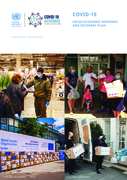
Updated version – September 2020
The COVID-19 pandemic is affecting everyone. Globally, millions of people have been infected with the virus, while hundreds of thousands have lost their lives. In Moldova, the pandemic is placing an ever-increasing pressure on the
...
health care and social protection systems, causing major disruptions to economic processes and limitations to social life, deepening inequalities and proving how vulnerable we are.
more
The article outlines the prioritized research agenda for the prevention and control of chronic respiratory diseases (CRDs) as part of the World Health Organization's (WHO) action plan on noncommunicable diseases (NCDs) from 2008 to 2013. It highligh
...
ts the significant global impact of CRDs, including asthma, chronic obstructive pulmonary disease (COPD), and other related conditions, particularly in low- and middle-income countries (LMICs). The document stresses the need for effective prevention strategies and better surveillance, as well as enhanced healthcare infrastructure and resources in LMICs. It calls for research into CRD risk factors, effective interventions, and integrated care approaches that align with broader NCD prevention programs. The article emphasizes the importance of public health initiatives and cross-sector collaborations to reduce the disease burden and improve patient outcomes.
more
The document provides step-by-step instructions for using a Flexhaler dry powder inhaler effectively. It emphasizes proper inhalation technique, including priming the device, loading a dose, and breathing correctly. It also advises users to rinse th
...
eir mouth after use and highlights the importance of bringing medications to appointments for review by healthcare providers.
more
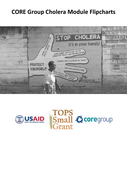
CORE Group has developed a module to improve preparedness for and response of communities in countries at risk of a cholera epidemic. The module consists of four lesson plans with accompanying flipcharts, intended to be delivered through community health
...
workers. The lessons target mothers and caregivers of children under age five, a group that is at particular risk of death if infected. The module shares information about symptoms and risks; what families can do to prevent infection; how, when, and where to seek care; and what actions to take in the aftermath of an outbreak.
more
A case study from Albania
June 2016
EHRN is grateful to all who contributed to this document, especially (in alphabetical order): Alena Alba, Program Officer, Eastern Europe and Central Asia Team, Asia, Europe, Latin America and the Caribbean Department, The Global Fund to Fight AIDS, Tuberc
...
ulosis and Malaria, Geneva; Roland Bani, Head, National AIDS Program, Institute of Public Health, Ministry of Health, Tirana; Gazmend Bejtja, Director, Health Care Directory, Ministry of Health, Tirana; Arian Boci, Director, Stop AIDS, Tirana; Bujana Hoti, UNAIDS Focal Point, Tirana; Gyöngyvér Jakab, Fund Portfolio Manager, Eastern Europe and Central Asia, Asia, Europe, Latin America and the Caribbean Department, The Global Fund to Fight AIDS, Tuberculosis and Malaria, Geneva; Manjola Kola, CCM Secretariat, Tirana; Sokol Morina, Coordinator, Control of illicit Drugs and Alcohol Addiction, Ministry of Health, Tirana; Genci Muçollari, Director, Aksion Plus, Tirana; and Dorina Tocaj, National Program Officer, UNFPA, Tirana.
more

The Event-based Surveillance Framework is intended to be used by authorities and agencies responsible for
surveillance and response. This framework serves as an outline to guide stakeholders interested in implementing
event-based surveillance (EBS) using a multisectoral, One
...
Health approach. To that end, the document is arranged
in interlinked chapters and annexes that can be modified and adapted, as needed, by users.
This is a revised version of the original “Framework for Event-based Surveillance” that was published in 2018. This
framework does not replace any other available EBS materials, but rather builds on existing relevant or related
documents and serves as a practical guide for the implementation of EBS in Africa. This framework is aligned with
the third edition of the WHO Joint External Evaluation for the following indicators: strengthened early warning
surveillance systems that are able to detect events of significance for public health and health security (Indicator
D2.1); improved communication and collaboration across sectors and between National, intermediate and local
public health response levels of authority regarding surveillance of events of public health significance (Indicator
D2.2); and improved national and intermediate-level capacity to analyse data (Indicator D2.3). As countries begin
to implement and demonstrate EBS functionality they will ensure an increase in JEE scores and progress towards
meeting the requirements outlined in the IHR3F
Additionally, in African Union Member States that have adopted the Integrated Disease Surveillance and
Response (IDSR) strategy, this document is a complement to and can enhance the implementation of IDSR,
especially for the 3rd edition (2019) that includes components related to EBS.
more
Cardiovascular disease (CVD) is the leading cause of global deaths, with the majority occurring in low- and middle-income countries (LMIC). The primary and secondary prevention of CVD is suboptimal throughout the world, but the evidence-practice gaps are much more pronounced in LMIC. Barriers at the
...
patient, health-care provider, and health system level prevent the implementation of optimal primary and secondary prevention. Identification of the particular barriers that exist in resource-constrained settings is necessary to inform effective strategies to reduce the identified evidence-practice gaps. Furthermore, targeting modifiable factors that contribute most significantly to the global burden of CVD, including tobacco use, hypertension, and secondary prevention for CVD will lead to the biggest gains in mortality reduction. We review a select number of novel, resource-efficient strategies to reduce premature mortality from CVD, including: (1) effective measures for tobacco control; (2) implementation of simplified screening and management algorithms for those with or at risk of CVD, (3) increasing the availability and affordability of simplified and cost-effective treatment regimens including combination CVD preventive drug therapy, and (4) simplified delivery of health care through task-sharing (non-physician health workers) and optimizing self-management (treatment supporters). Developing and deploying systems of care that address barriers related to the above, will lead to substantial reductions in CVD and related mortality.
more

The Sphere Handbook. Humanitarian Charter and Minimum Standards in Humanitarian Response. New Edition
recommended
Humanitarian Charter and Minimum Standards in Humanitarian Response.
The 2018 Sphere Handbook builds on the latest developments and learning in the humanitarian sector. Among the improvements of the new edition, readers will find a stronger focus on the role of local authorities and communities as
...
actors of their own recovery. Guidance on context analysis to apply the standards has also been strengthened. New standards have also been developed, informed by recent practice and learning, such as WASH and healthcare settings in disease outbreaks, security of tenure in shelter and settlement, and palliative care in health. Different ways to deliver or enable assistance, including cash-based assistance, are also integrated into the Handbook.
more
These guidelines were developed as part of Kenya's fast-track plan to end AIDS among adolescents and young people. Based on research into adolescent and young key populations in Kenya and elsewhere, they outline a package of HIV prevention services, and emphasize the need to combine biobehavioural i
...
nterventions with services in education, job skills training, mental health, and social care and protection.
more
Type 2 diabetes in adults
National Institute for Communicable Disease (NICE)
National Institute for Communicable Disease (NICE)
(2023)
CC2
The document provides the NICE Quality Standard for managing Type 2 diabetes in adults (QS209). It outlines evidence-based recommendations for preventing Type 2 diabetes, structured education, continuous glucose monitoring (CGM), medication such as SGLT2 inhibitors, and regular
...
care processes to monitor complications. The guidelines emphasize individualized care, addressing health inequalities, and improving patient outcomes. They are intended to support healthcare professionals and services in delivering high-quality, equitable diabetes care.
more

Cholera is a transmissible diarrhoeal infection caused by Vibrio cholerae. Endemic and/or epidemic in over 40 countries (mainly in Africa and Asia), cholera continues to be a major global public health issue.
The World
...
Health Organization (WHO) estimates that the number of cases reported worldwide represents in reality only 5 to 10% of actual cases.
This guide is intended for medical and non-medical staff responding to a cholera outbreak. It attempts to provide concrete answers to the questions and problems faced by staff, based on the recommendations of reference organisations, such as WHO and UNICEF, as well as Médecins Sans Frontières’ experience in the field.
It is divided into 8 chapters. Chapter 1, Cholera overview, outlines the epidemiological and clinical features of cholera. Chapter 2, Outbreak investigation, explains the method and stages of a field investigation, from the alert to implementation of initial activities. Chapter 3, Cholera control measures, details measures and tools to prevent and/or control cholera transmission and mortality in populations affected, or at risk of being affected, by an epidemic (curative care, prevention means and health promotion activities). Chapter 4, Strategies for epidemic response, addresses the roll-out strategies of the measures described in Chapter 3 which depend on context (e.g. urban, rural, endemic, non-endemic setting, etc.), resources and particular constraints. Chapter 5, Cholera case management, details the different stages of cholera treatment, from diagnosis through to cure.
Chapter 6, Setting up cholera treatment facilities, focuses on the installation of treatment facilities that vary in size and complexity according to operational requirements (treatment centres and units and oral rehydration points). Chapter 7, Organisation of cholera treatment facilities, describes the organisation of these specialized facilities in terms of human resources, supply, water, hygiene and sanitation, etc. Chapter 8, Monitoring and evaluation, presents the key data to be collected and analysed during an epidemic to facilitate a tailored response and evaluate its quality and effectiveness.
The guide includes various practical tools in the appendices to facilitate activities (e.g. water quality tests, job descriptions, documents, etc.). Moreover, the toolbox also contains additional tools in editable formats (individual patient file, cholera case register, pictograms).
Despite all efforts, it is possible that certain errors may have been overlooked in this guide. Please inform the authors of any errors detected.
To ensure that this guide continues to evolve while remaining adapted to field realities, please send any comments or suggestions.
more
The World Heart Federation (WHF) Roadmap series covers a large range of cardiovascular conditions. These Roadmaps identify potential roadblocks and their solutions to improve the prevention, detection and management of cardiovascular diseases and provide a generic global framework available for loca
...
l adaptation. A first Roadmap on raised blood pressure was published in 2015. Since then, advances in hypertension have included the publication of new clinical guidelines (AHA/ACC; ESC; ESH/ISH); the launch of the WHO Global HEARTS Initiative in 2016 and the associated Resolve to Save Lives (RTSL) initiative in 2017; the inclusion of single-pill combinations on the WHO Essential
Medicines’ list as well as various advances in technology, in particular telemedicine and mobile health. Given the substantial benefit accrued from effective interventions in the management of hypertension and their potential for scalability in low and middle-income countries (LMICs), the WHF has now revisited and updated the ‘Roadmap for raised BP’ as ‘Roadmap for hypertension’
by incorporating new developments in science and policy. Even though cost-effective lifestyle and medical interventions to prevent and manage hypertension exist, uptake is still low, particularly in resource-poor areas. This Roadmap examined the roadblocks pertaining to both the demand side (demographic and socio-economic factors, knowledge and beliefs, social relations, norms, and
traditions) and the supply side (health systems resources and processes) along the patient pathway to propose a range of possible solutions to overcoming them. Those include the development of population-wide prevention and control programmes; the implementation of opportunistic screening and of out-of-office blood pressure measurements; the strengthening of primary care and a greater focus on task sharing and team-based care; the delivery of people-centred care and stronger patient and carer education; and the facilitation of adherence to treatment. All of the above are dependent upon the availability and effective distribution of good quality, evidencebased, inexpensive BP-lowering agents.
more
The primary audience for the guideline is policy makers and health programme managers of MNCH and immunization programmes in ministries of health where decisions are made and policies created on the
...
use and implementation of homebased records.
The guideline is also aimed at health providers who use home-based records as a tool for recording information and providing health education or communicating key information. Development and international agencies and non-governmental organizations that support the implementation of home-based records will also find this guideline of use.
more
Integrated Management of pregnancy and childbirth
