
Filter
1028
Filtered Results: 1028
Text search:
Republic
of
Kenya,
Ministry
of
Health
Featured
Recommendations
81
New Publications
264
Language
Document type
No document type
574
Studies & Reports
228
Guidelines
85
Strategic & Response Plan
52
Manuals
48
Training Material
19
Situation Updates
12
Fact sheets
7
Infographics
3
Countries / Regions
Kenya
153
Uganda
56
Global
49
Africa
38
Congo, Democratic Republic of
32
Ethiopia
32
Nigeria
28
Tanzania
23
South Sudan
22
Rwanda
21
Liberia
18
Malawi
18
Zambia
16
East and Southern Africa
15
Sierra Leone
14
Guinea
13
South Africa
11
Mozambique
9
Central African Republic
9
Senegal
8
Ghana
8
Namibia
8
West and Central Africa
7
Cameroon
6
Zimbabwe
6
India
6
Somalia
6
Burkina Faso
5
Indonesia
5
Benin
5
Myanmar / Burma
5
Western and Central Europe
5
Asia
5
Côte d’Ivoire / Ivory Coast
4
Pakistan
4
Afghanistan
4
Syria
4
Ukraine
4
Botswana
4
Lesotho
4
Yemen
4
Latin America and the Carribbean
4
Mali
3
Philippines
3
Iraq
3
Jordan
3
Bangladesh
3
Sudan
3
Angola
3
Togo
2
Nepal
2
Lebanon
2
Chad
2
Cambodia
2
Gambia
2
China
2
Eswatini/ Swaziland
2
Burundi
2
Colombia
2
Middle East and North Africa
2
South–East Asia Region
2
Southern Africa
2
Russia
2
Iran
2
Guinea-Bissau
1
Morocco
1
Saudi Arabia
1
Niger
1
Germany
1
Thailand
1
Papua New Guinea
1
Vanuatu
1
Peru
1
Brazil
1
North Macedonia
1
Ecuador
1
Greece
1
Madagascar
1
Mexico
1
Sri Lanka
1
Western Pacific Region
1
Eastern Europe and Central Asia
1
Solomon Islands
1
Eastern Europe
1
Palestine
1
North Korea
1
Albania
1
Djibouti
1
Laos
1
Tajikistan
1
Georgia
1
Vietnam
1
Gabon
1
Japan
1
Mauritius
1
Tunisia
1
Authors & Publishers
Publication Years
Category
Countries
386
Clinical Guidelines
67
Women & Child Health
65
Public Health
59
Key Resources
44
Capacity Building
22
Pharmacy & Technologies
10
Annual Report MEDBOX
1
Toolboxes
HIV
126
Mental Health
75
COVID-19
64
TB
61
Disability
46
Planetary Health
44
Rapid Response
30
Caregiver
30
AMR
28
NTDs
28
Ebola
27
Global Health Education
26
Conflict
23
Refugee
17
Pharmacy
12
Health Financing Toolbox
10
Natural Hazards
9
Cholera
8
NCDs
7
Polio
5
Social Ethics
3
South Sudan
1
Zika
1
Specific Hazards
1
Health Financing
1
AJOL, Vol.92 No.2; There is a low bed capacity in ICUs compounded by a universal deficit in human resource capacity and support infrastructure for the critical care services. Regionalisation, increased funding and more training opportunities for critical are
services by the regional and central go...
Updated on 6 APRIL 2020
There are serious concerns that the situation might escalate in the next weeks modelling the epi curve of other regions. The interlinkages between human mobility and the current pandemic ... COVID-19 are well established, and while international flights have been suspended in the region, the porous borders on land and water crossings remain difficult to control.
Volume 5 2017
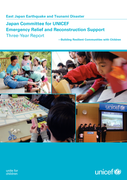
The Japan Committee for UNICEF (JCU) has for years endeavored to disseminate important information about children in developing countries and UNICEF’s various assistance programmes there, as well as to fundraise to support those programmes. Unprecedented damage caused by the East Japan Earthquake,...
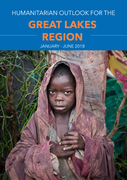
The report covers: drivers of humanitarian crises in the region, particularly the intensification of violence in the DRC; manifestations of humanit...
English Analysis on World and 19 other countries about Agriculture, Food and Nutrition and Drought; published on 13 Jan 2021 by FAO
This status report shows how far we have come—and how much further we must go—if we hope to meet the global commitments to end AIDS in children. It offers a snapshot of global progress and permits an early assessment ... the impact of the Global Alliance’s work.
Women and children, especially pregnant girls and women, infants and young children and postpartum women, are populations that are extremely vulnerable in emergencies. Breastfeeding provides children with hydration, comfort, connection, high quality nutrition and protection against disease, shieldin...
Men are underrepresented in HIV testing services throughout sub-Saharan Africa. HIV testing is critical to achieve the UNAIDS 95-95-95 goals, as it is the first entry point to HIV care. In Malawi, an estimated 14% of HIV positive men are undiagnosed...
Despite the increasing population of refugees stuck in protracted situations and our awareness of the vulnerability of children and adolescents gro...
Integrated Management of pregnancy and childbirth
A Guide to Inclusive Education 2023
recommended
Refugee children with disabilities experience a reality of exclusion and marginalisation that makes them among the most vulnerable displaced persons in the world. Excluded from participation in social activities and access to school, not only becaus...
Internally displaced children are twice invisible in global and national data. First, because internally displaced people (IDPs) of all ages are often unaccounted for. Second, because age-disaggregation of... any kind of data is limited, and even more so for IDPs.
Planning adequate responses to meet the needs of internally displaced children, however, requires having at least a sense of how many there are and where they are. This report presents the first estimates of the number of children living in internal displacement triggered by conflict and violence at the global, regional and national levels.
VOX Sanguinis, 2021:
The coronavirus disease 2019 (COVID-19) affected millions of people worldwide and caused disruptions at the global level including in healthcare provision. Countries ... the WHO African region have put in place measures for the COVID-19 pandemic containment that may adversely affect blood system activities and subsequently reduce the supply and demand of blood and blood components. This study aims to assess the impact of the COVID-19 pandemic on blood supply and demand in the WHO African Region and propose measures to address the challenges faced by countries.
Rwanda: Ebola Preparedness Emergency Plan of Action (EPoA) Final Report - DREF Operation n° MDRRW017
Eleven (11) districts in Rwanda were initially were considered most at risk of the outbreak, namely:
• Rusizi, Nyamasheke, Karongi, Rutsiro, Rubavu (bordering DRC)
• Musanze, Burera, Gicumbi and Nyagatare (bordering Uganda)
• Kigali city (c...
For applying the new operational guidance on CB-MHPSS in the field, UNICEF country offices and partners will need ready access to tools and resources that can be used to implement the programs. By bringing together resources from different contexts, the compendium makes options available to country ...
