
Filter
7991
Text search:
treatment
guidelines
Featured
756
2081
Language
7322
299
251
193
102
93
49
43
32
20
20
17
16
12
11
11
10
9
8
8
7
7
7
7
6
6
6
6
6
6
6
5
5
5
5
4
4
4
3
3
3
3
3
3
3
3
3
3
2
2
2
2
2
2
2
2
1
1
1
1
1
1
1
1
1
Document type
4659
1219
1034
408
251
155
125
52
25
20
19
11
6
1
1
Countries
445
290
248
198
155
154
153
150
146
145
140
128
122
120
103
102
102
99
96
95
83
76
74
63
61
59
55
54
54
48
46
45
45
44
44
39
39
38
37
37
37
36
32
32
31
31
27
26
25
25
24
22
20
18
17
14
14
14
14
13
12
12
12
12
12
11
10
10
10
10
9
9
9
9
8
8
8
8
7
7
7
6
6
6
5
5
5
5
5
5
5
5
4
4
4
4
4
4
4
4
4
4
4
3
3
3
3
3
3
3
3
3
3
3
3
2
2
2
2
2
2
2
2
2
2
2
2
1
1
1
1
1
1
1
1
1
1
1
1
1
1
1
1
1
1
1
1
1
1
1
1
Authors & Publishers
973
488
422
264
170
164
150
149
138
91
51
51
48
42
41
40
38
37
36
36
36
35
34
34
33
33
33
30
29
29
28
26
25
25
24
24
24
24
23
23
23
22
22
22
22
21
21
20
20
20
19
18
18
18
18
17
17
17
16
16
15
15
15
15
15
15
14
13
13
13
13
13
13
13
13
12
12
12
12
12
11
11
11
11
11
11
11
11
11
11
10
10
10
10
10
10
10
10
10
10
10
10
10
9
9
9
9
9
9
9
9
9
9
9
9
8
8
8
8
8
8
8
8
8
8
8
8
8
8
8
8
8
8
8
8
8
8
8
8
8
8
8
8
7
7
7
7
7
7
7
7
7
7
7
7
7
7
7
7
7
7
7
7
7
7
7
7
7
6
6
6
6
6
6
6
6
6
6
6
6
6
6
6
6
6
6
6
6
6
6
6
6
6
6
6
6
6
6
6
6
6
6
6
6
6
6
6
6
6
6
6
6
6
6
6
6
5
5
5
5
5
5
5
5
5
5
5
5
5
5
5
5
5
5
5
5
5
5
5
5
5
5
5
5
5
5
5
5
5
5
5
5
5
5
5
5
5
5
5
5
5
5
5
5
5
5
5
5
5
5
5
5
5
5
5
5
5
5
4
4
4
4
4
4
4
4
4
4
4
4
4
4
4
4
4
4
4
4
4
4
4
4
4
4
4
4
4
4
4
4
4
4
4
4
4
4
4
4
4
4
4
4
4
4
4
4
4
4
4
4
4
4
4
4
4
4
4
4
4
4
4
4
4
4
4
4
4
4
4
4
4
3
3
3
3
3
3
3
3
3
3
3
3
3
3
3
3
3
3
3
3
3
3
3
3
3
3
3
3
3
3
3
3
3
3
3
3
3
3
3
3
3
3
3
3
3
3
3
3
3
3
3
3
3
3
3
3
3
3
3
3
3
3
3
3
3
3
3
3
3
3
3
3
3
3
3
3
3
3
3
3
3
3
3
3
3
3
3
3
3
3
3
3
3
3
3
3
3
3
3
3
3
3
3
3
3
3
3
3
3
3
3
3
3
3
3
3
3
3
3
3
3
3
3
3
3
3
3
3
3
3
3
3
3
3
3
3
3
3
3
3
3
3
3
3
3
3
3
3
3
3
3
3
3
3
3
3
3
3
3
3
3
3
3
3
3
3
3
3
3
3
3
3
3
3
3
3
3
3
3
3
3
3
3
3
3
2
2
2
2
2
2
2
2
2
2
2
2
2
2
2
2
2
2
2
2
2
2
2
2
2
2
2
2
2
2
2
2
2
2
2
2
2
2
2
2
2
2
2
2
2
2
2
2
2
2
2
2
2
2
2
2
2
2
2
2
2
2
2
2
2
2
2
2
2
2
2
2
2
2
2
2
2
2
2
2
2
2
2
2
2
2
2
2
2
2
2
2
2
2
2
2
2
2
2
2
2
2
2
2
2
2
2
2
2
2
2
2
2
2
2
2
2
2
2
2
2
2
2
2
2
2
2
2
2
2
2
2
2
2
2
2
2
2
2
2
2
2
2
2
2
2
2
2
2
2
2
2
2
2
2
2
2
2
2
2
2
2
2
2
2
2
2
2
2
2
2
2
2
2
2
2
2
2
2
2
2
2
2
2
2
2
2
2
2
2
2
2
2
2
2
2
2
2
2
2
2
2
2
2
2
2
2
2
2
2
2
2
2
2
2
2
2
2
2
2
2
2
2
2
2
2
2
2
2
2
2
2
2
2
2
2
2
2
2
2
2
2
2
2
2
2
2
2
2
2
2
2
2
2
2
2
2
2
2
2
2
2
2
2
2
2
2
2
2
2
2
2
2
2
2
2
2
2
2
2
2
2
2
2
2
2
2
2
2
2
2
2
2
2
2
2
2
2
2
2
2
2
2
2
2
2
2
2
2
2
2
2
2
2
2
2
2
2
2
2
2
2
2
2
2
2
2
2
2
2
2
2
2
2
2
2
2
2
2
2
2
2
2
2
2
2
2
2
2
2
2
2
2
2
2
2
2
2
2
2
2
2
2
2
2
2
2
2
2
2
2
2
2
2
2
2
2
2
2
2
2
2
2
2
2
2
2
2
2
2
2
2
2
2
2
2
2
2
2
2
2
2
2
2
2
2
2
2
2
2
2
2
2
2
2
2
2
2
2
2
2
2
2
2
2
2
2
2
2
2
2
2
2
2
2
2
2
2
2
2
2
2
2
2
2
2
2
2
2
2
2
2
2
2
2
2
2
2
2
2
2
2
2
2
2
2
2
2
2
2
2
2
2
2
2
2
2
2
2
2
2
2
2
2
2
2
2
2
2
2
2
2
2
2
2
2
2
2
2
2
2
2
2
2
2
2
2
2
2
2
2
2
2
2
2
2
1
1
1
1
1
1
1
1
1
1
1
1
1
1
1
1
1
1
1
1
1
1
1
1
1
1
1
1
1
1
1
1
1
1
1
1
1
1
1
1
1
1
1
1
1
1
1
1
1
1
1
1
1
1
1
1
1
1
1
1
1
1
1
1
1
1
1
1
1
1
1
1
1
1
1
1
1
1
1
1
1
1
1
1
1
1
1
1
1
1
1
1
1
1
1
1
1
1
1
1
1
1
1
1
1
1
1
1
1
1
1
1
1
1
1
1
1
1
1
1
1
1
1
1
1
1
1
1
1
1
1
1
1
1
1
1
1
1
1
1
1
1
1
1
1
1
1
1
1
1
1
1
1
1
1
1
1
1
1
1
1
1
1
1
1
1
1
1
1
1
1
1
1
1
1
1
1
1
1
1
1
1
1
1
1
1
1
1
1
1
1
1
1
1
1
1
1
1
1
1
1
1
1
1
1
1
1
1
1
1
1
1
1
1
1
1
1
1
1
1
1
1
1
1
1
1
1
1
1
1
1
1
1
1
1
1
1
1
1
1
1
1
1
1
1
1
1
1
1
1
1
1
1
1
1
1
1
1
1
1
1
1
1
1
1
1
1
1
1
1
1
1
1
1
1
1
1
1
1
1
1
1
1
1
1
1
1
1
1
1
1
1
1
1
1
1
1
1
1
1
1
1
1
1
1
1
1
1
1
1
1
1
1
1
1
1
1
1
1
1
1
1
1
1
1
1
1
1
1
1
1
1
1
1
1
1
1
1
1
1
1
1
1
1
1
1
1
1
1
1
1
1
1
1
1
1
1
1
1
1
1
1
1
1
1
1
1
1
1
1
1
1
1
1
1
1
1
1
1
1
1
1
1
1
1
1
1
1
1
1
1
1
1
1
1
1
1
1
1
1
1
1
1
1
1
1
1
1
1
1
1
1
1
1
1
1
1
1
1
1
1
1
1
1
1
1
1
1
1
1
1
1
1
1
1
1
1
1
1
1
1
1
1
1
1
1
1
1
1
1
1
1
1
1
1
1
1
1
1
1
1
1
1
1
1
1
1
1
1
1
1
1
1
1
1
1
1
1
1
1
1
1
1
1
1
1
1
1
1
1
1
1
1
1
1
1
1
1
1
1
1
1
1
1
1
1
1
1
1
1
1
1
1
1
1
1
1
1
1
1
1
1
1
1
1
1
1
1
1
1
1
1
1
1
1
1
1
1
1
1
1
1
1
1
1
1
1
1
1
1
1
1
1
1
1
1
1
1
1
1
1
1
1
1
1
1
1
1
1
1
1
1
1
1
1
1
1
1
1
1
1
1
1
1
1
1
1
1
1
1
1
1
1
1
1
1
1
1
1
1
1
1
1
1
1
1
1
1
1
1
1
1
1
1
1
1
1
1
1
1
1
1
1
1
1
1
1
1
1
1
1
1
1
1
1
1
1
1
1
1
1
1
1
1
1
1
1
1
1
1
1
1
1
1
1
1
1
1
1
1
1
1
1
1
1
1
1
1
1
1
1
1
1
1
1
1
1
1
1
1
1
1
1
1
1
1
1
1
1
1
1
1
1
1
1
1
1
1
1
1
1
1
1
1
1
1
1
1
1
1
1
1
1
1
1
1
1
1
1
1
1
1
1
1
1
1
1
1
1
1
1
1
1
1
1
1
1
1
1
1
1
1
1
1
1
1
1
1
1
1
1
1
1
1
1
1
1
1
1
1
1
1
1
1
1
1
1
1
1
1
1
1
1
1
1
1
1
1
1
1
1
1
1
1
1
1
1
1
1
1
1
1
1
1
1
1
1
1
1
1
1
1
1
1
1
1
1
1
1
1
1
1
1
1
1
1
1
1
1
1
1
1
1
1
1
1
1
1
1
1
1
1
1
1
1
1
1
1
1
1
1
1
1
1
1
1
1
1
1
1
1
1
1
1
1
1
1
1
1
1
1
1
1
1
1
1
1
1
1
1
1
1
1
1
1
1
1
1
1
1
1
1
1
1
1
1
1
1
1
1
1
1
1
1
1
1
1
1
1
1
1
1
1
1
1
1
1
1
1
1
1
1
1
1
1
1
1
1
1
1
1
1
1
1
1
1
1
1
1
1
1
1
1
1
1
1
1
1
1
1
1
1
1
1
1
1
1
1
1
1
1
1
1
1
1
1
1
1
1
1
1
1
1
1
1
1
1
1
1
1
1
1
1
1
1
1
1
1
1
1
1
1
1
1
1
1
1
1
1
1
1
1
1
1
1
1
1
1
1
1
1
1
1
1
1
1
1
1
1
1
1
1
1
1
1
1
1
1
1
1
1
1
1
1
1
1
1
1
1
1
1
1
1
1
1
1
1
1
1
1
1
1
1
1
1
1
1
1
1
1
1
1
1
1
1
1
1
1
1
1
1
1
1
1
1
1
1
1
1
1
1
1
1
1
1
1
1
1
1
1
1
1
1
1
1
1
1
1
1
1
1
1
1
1
1
1
1
1
1
1
1
1
1
1
1
1
1
1
1
1
1
1
1
1
1
1
1
1
1
1
1
1
1
1
1
1
1
1
1
1
1
1
1
1
1
1
1
1
1
1
1
1
1
1
1
1
1
1
1
1
1
1
1
1
1
1
1
1
1
1
1
1
1
1
1
1
1
1
1
1
1
1
1
1
1
1
1
1
1
1
1
1
1
1
1
1
1
1
1
1
1
1
1
1
1
1
1
1
1
1
1
1
1
1
1
1
1
1
1
1
1
1
1
1
1
1
1
1
1
1
1
1
1
1
1
1
1
1
1
1
1
1
1
1
1
1
1
1
1
1
1
1
1
1
1
1
1
1
1
1
1
1
1
1
1
1
1
1
1
1
1
1
1
1
1
1
1
1
1
1
1
1
1
1
1
1
1
1
1
1
1
1
1
1
1
1
1
1
1
1
1
1
1
1
1
1
1
1
1
1
1
1
1
1
1
1
1
1
1
1
1
1
1
1
1
1
1
1
1
1
1
1
1
1
1
1
1
1
1
1
1
1
1
1
1
1
1
1
1
1
1
1
1
1
1
1
1
1
1
1
1
1
1
1
1
1
1
1
1
1
1
1
1
1
1
1
1
1
1
1
1
1
1
1
1
1
1
1
1
1
1
1
1
1
1
1
1
1
1
1
1
1
1
1
1
1
1
1
1
1
1
1
1
1
1
1
1
1
1
1
1
1
1
1
1
1
1
1
1
1
1
1
1
1
1
1
1
1
1
1
1
1
1
1
1
1
1
1
1
1
1
1
1
1
1
1
1
1
1
1
1
1
1
1
1
1
1
1
1
1
1
1
1
1
1
1
1
1
1
1
1
1
1
1
1
1
1
1
1
1
1
1
1
1
1
1
1
1
1
1
1
1
1
1
1
1
1
1
1
1
1
1
1
1
1
1
1
1
1
1
1
1
1
1
1
1
1
1
1
1
1
1
1
1
1
1
1
1
1
1
1
1
1
1
1
1
1
1
1
1
1
1
1
1
1
1
1
1
1
1
1
1
1
1
1
1
1
1
1
1
1
1
1
1
1
1
1
1
1
1
1
1
1
1
1
1
1
1
1
1
1
1
1
1
1
1
1
1
1
1
1
1
1
1
1
1
1
1
1
1
1
1
1
1
1
1
1
1
1
1
1
1
1
1
1
1
1
1
1
1
1
1
1
1
1
1
1
1
1
1
1
1
1
1
1
1
1
1
1
1
1
1
1
1
1
1
1
1
1
1
1
1
1
1
1
1
1
1
1
1
1
1
1
1
1
1
1
1
1
1
1
1
1
1
1
1
1
1
1
1
1
1
1
1
1
1
1
1
1
1
1
1
1
1
1
1
1
1
1
1
1
1
1
1
1
1
1
1
1
1
1
1
1
1
1
1
1
1
1
1
1
1
1
1
1
1
1
1
1
1
1
1
1
1
1
1
1
1
1
1
1
1
1
1
1
1
1
1
1
1
1
1
1
1
1
1
1
1
1
1
1
1
1
1
1
1
1
1
1
1
1
1
1
1
1
1
1
1
1
1
1
1
1
1
1
1
1
1
1
1
1
1
1
1
1
1
1
1
1
1
1
1
1
1
1
1
1
1
1
1
1
1
1
1
1
1
1
1
1
1
1
1
1
1
1
1
1
1
1
1
1
1
1
1
1
1
1
1
1
1
1
1
1
1
1
1
1
1
1
1
1
1
1
1
1
1
1
1
1
1
1
1
1
1
1
1
1
1
1
1
1
1
1
1
1
1
1
1
1
1
1
1
1
1
1
1
1
1
1
1
1
1
1
1
1
1
1
1
1
1
1
1
1
1
1
1
1
1
1
1
1
1
1
1
1
1
1
1
1
1
1
1
1
1
1
1
1
1
1
1
1
1
1
1
1
1
1
1
1
1
1
1
1
1
1
1
1
1
1
1
1
1
1
1
1
1
1
1
1
1
1
1
1
1
1
1
1
1
1
1
1
1
1
1
1
1
1
1
1
1
1
1
1
1
1
1
1
1
1
1
1
1
1
1
1
1
1
1
1
1
1
1
1
1
1
1
1
1
1
1
1
1
1
1
1
1
1
1
1
1
1
1
1
1
1
1
1
1
1
1
1
1
1
1
1
1
1
1
1
1
1
1
1
1
1
1
1
1
1
1
1
1
1
1
1
1
1
1
1
1
1
1
1
1
1
1
1
1
1
1
1
1
1
1
1
1
1
1
1
1
1
1
1
1
1
1
1
1
1
1
1
1
1
1
1
1
1
1
1
1
1
1
1
1
1
1
1
1
1
1
1
1
1
1
1
1
1
1
1
1
1
1
1
1
1
1
1
1
1
1
1
1
1
1
1
1
1
1
1
1
1
1
1
1
1
1
1
1
1
1
1
1
1
1
1
1
1
1
1
1
1
1
1
1
1
1
1
1
1
1
1
1
1
1
1
1
1
1
1
1
1
1
1
1
1
1
1
1
1
1
1
1
1
1
1
1
1
1
1
1
1
1
1
1
1
1
1
1
1
1
1
1
1
1
1
1
1
1
1
1
1
1
1
1
1
1
1
1
1
1
1
1
1
1
1
1
1
1
1
1
1
1
1
1
1
1
1
1
1
1
1
1
1
1
1
1
1
1
1
1
1
1
1
1
1
1
1
1
1
1
1
1
1
1
1
1
1
1
1
1
1
1
1
1
1
1
1
1
1
1
1
1
1
1
1
1
1
1
1
1
1
1
1
1
1
1
1
1
1
1
1
1
1
1
1
1
1
1
1
1
1
1
1
1
1
1
1
1
1
1
1
1
1
1
1
1
1
1
1
1
1
1
1
1
1
1
1
1
1
1
1
1
1
1
1
1
1
1
1
1
1
1
1
1
1
1
1
1
1
1
1
1
1
1
1
1
1
1
1
1
1
1
1
1
1
1
1
1
1
1
1
1
1
1
1
1
1
1
1
1
1
1
1
1
1
1
1
1
1
1
1
1
1
1
1
1
1
1
1
1
1
1
1
1
1
1
1
1
1
1
1
1
1
1
1
1
1
1
1
1
1
1
1
1
1
1
1
1
1
1
1
1
1
1
1
1
1
1
1
1
1
1
1
1
1
1
1
1
1
1
1
1
1
1
1
1
1
1
1
1
1
1
1
1
1
1
1
1
1
1
1
1
1
1
1
1
1
1
1
1
1
1
1
1
1
1
1
1
1
1
1
1
1
1
1
1
1
1
1
1
1
1
1
1
1
1
1
1
1
1
1
1
1
1
1
1
1
1
1
1
1
1
1
1
1
1
1
1
1
1
1
1
1
1
1
1
1
1
1
1
1
1
1
1
1
1
1
1
1
1
1
1
1
1
1
1
1
1
1
1
1
1
1
1
1
1
1
1
1
1
1
1
1
1
1
1
1
1
1
1
1
1
1
1
1
1
1
1
1
1
1
1
1
1
1
1
1
1
1
1
1
1
1
1
1
1
1
1
1
1
1
1
1
1
1
1
1
1
1
1
1
1
1
1
1
1
1
1
1
1
1
1
1
1
1
1
1
1
1
1
1
1
1
1
1
1
1
1
1
1
1
1
1
1
1
1
1
1
1
1
1
1
1
1
1
1
1
1
1
1
1
1
1
1
1
1
1
1
1
1
1
1
1
1
1
1
1
1
1
1
1
1
1
1
1
1
1
1
1
1
1
1
1
1
1
1
1
1
1
1
1
1
1
1
1
1
1
1
1
1
1
1
1
1
1
1
1
1
1
1
1
1
1
1
1
1
1
1
1
1
1
1
1
1
1
1
1
1
1
1
1
1
1
1
1
1
1
1
1
1
1
1
1
1
1
1
1
1
1
1
1
1
1
1
1
1
1
1
1
1
1
1
1
1
1
1
1
1
1
1
1
1
1
1
1
1
1
1
1
1
1
1
1
1
1
1
1
1
1
1
1
1
1
1
1
1
1
1
1
1
1
1
1
1
1
1
1
1
1
1
1
1
1
1
1
1
1
1
1
1
1
1
1
1
1
1
1
1
1
1
1
1
1
1
1
1
1
1
1
1
1
1
1
1
1
1
1
1
1
1
1
1
1
1
1
1
1
1
1
1
1
1
1
1
1
1
1
1
1
1
1
1
1
1
1
1
1
1
1
1
1
1
1
1
1
1
1
1
1
1
1
1
1
1
1
1
1
1
1
1
1
1
1
1
1
1
1
1
1
1
1
1
1
1
1
1
1
1
1
1
1
1
1
1
1
1
1
1
1
1
1
1
1
1
1
1
1
1
1
1
1
1
1
1
1
1
1
1
1
1
1
1
1
1
1
1
1
1
1
1
1
1
1
1
1
1
1
1
1
1
1
1
1
1
1
1
1
1
1
1
1
1
1
1
1
1
1
1
1
1
1
1
1
1
1
1
1
1
1
1
1
1
1
1
1
1
1
1
1
1
1
1
1
1
1
1
1
1
1
1
1
1
1
1
1
1
1
1
1
1
1
1
1
1
1
1
1
1
1
1
1
1
1
1
1
1
1
1
1
1
1
1
1
1
1
1
1
1
1
1
1
1
1
1
1
1
1
1
1
1
1
1
1
1
1
1
1
1
1
1
1
1
1
1
1
1
1
1
1
1
1
1
1
1
1
1
1
1
1
1
1
1
1
1
1
1
1
1
1
1
1
1
1
1
1
1
1
1
1
1
1
1
1
1
1
1
1
1
1
1
1
1
1
1
1
1
1
1
1
1
1
1
1
1
1
1
1
1
1
1
1
1
1
1
1
1
1
1
1
1
1
1
1
1
1
1
1
1
1
1
1
1
1
1
1
1
1
1
1
1
1
1
1
1
1
1
1
1
1
1
1
1
1
1
1
1
1
1
1
1
1
1
1
1
1
1
1
1
1
1
1
1
1
1
1
1
1
1
1
1
1
1
1
1
1
1
1
1
1
1
1
1
1
1
1
1
1
1
1
1
1
1
1
1
1
1
1
1
1
1
1
1
1
1
1
1
1
1
1
1
1
1
1
1
1
1
1
1
1
1
1
1
1
1
1
1
1
1
1
1
1
1
1
1
1
1
1
1
1
1
1
1
1
1
1
1
1
1
1
1
1
1
1
1
1
1
1
1
1
1
1
1
1
1
1
1
1
1
1
1
1
1
1
1
1
1
1
1
1
1
1
1
1
1
1
1
1
1
1
1
1
1
1
1
1
1
1
1
1
1
1
1
1
1
1
1
1
1
1
1
1
1
1
1
1
1
1
1
1
1
1
1
1
1
1
1
1
1
1
1
1
1
1
1
1
1
1
1
1
1
1
1
1
1
1
1
1
1
1
1
1
1
1
1
1
1
1
1
1
1
1
1
1
1
1
1
1
1
1
1
1
1
1
1
1
1
1
1
1
1
1
1
1
1
1
1
1
1
1
1
1
1
1
1
1
1
1
1
1
1
1
1
1
1
1
1
1
1
1
1
1
1
1
1
1
1
1
1
1
1
1
1
1
1
1
1
1
1
1
1
1
1
1
1
1
1
1
1
1
1
1
1
1
1
1
1
1
1
1
1
1
1
1
1
1
1
1
1
1
1
1
1
1
1
1
1
1
1
1
1
1
1
1
1
1
1
1
1
1
1
1
1
1
1
1
1
1
1
1
1
1
1
1
1
1
1
1
1
1
1
1
1
1
1
1
1
1
1
1
1
1
1
1
1
1
1
1
1
1
1
1
1
1
1
1
1
1
1
1
1
1
1
1
1
1
1
1
1
1
1
1
1
1
1
1
1
1
1
1
1
1
1
1
1
1
1
1
1
1
1
1
1
1
1
1
1
1
1
1
1
1
1
1
1
1
1
1
1
1
1
1
1
1
1
1
1
1
1
1
1
1
1
1
1
1
1
1
1
1
1
1
1
1
1
1
1
1
1
1
1
1
1
1
1
1
1
1
1
1
1
1
1
1
1
1
1
1
1
1
1
1
1
1
1
1
1
1
1
1
1
1
1
1
1
1
1
1
1
1
1
1
1
1
1
1
1
1
1
1
1
1
1
1
1
1
1
1
1
1
1
1
1
1
1
1
1
1
1
1
1
1
1
1
1
1
1
1
1
1
1
1
1
1
1
1
1
1
1
1
1
1
1
1
1
1
1
1
1
1
1
1
1
1
1
1
1
1
1
1
1
1
1
1
1
1
1
1
1
1
1
1
1
1
1
1
1
1
1
1
1
1
1
1
1
1
1
1
1
1
1
1
1
1
1
1
1
1
1
1
1
1
1
1
1
1
1
1
1
1
1
1
1
1
1
1
1
1
1
1
1
1
1
1
1
1
1
1
1
1
1
1
1
1
1
1
1
1
1
1
1
1
1
1
1
1
1
1
1
1
1
1
1
1
1
1
1
1
1
1
1
1
1
1
1
1
1
1
1
1
1
1
1
1
1
1
1
1
1
1
1
1
1
1
1
1
1
1
1
1
1
1
1
1
1
1
1
1
1
1
1
1
1
1
1
1
1
1
1
1
1
1
1
1
1
1
1
1
1
1
1
1
1
1
1
1
1
1
1
1
1
1
1
1
1
1
1
1
1
1
1
1
1
1
1
1
1
1
1
1
1
1
1
1
1
1
1
1
1
1
1
1
1
1
1
1
1
1
1
1
1
1
1
1
1
1
1
1
1
1
1
1
1
1
1
1
1
1
1
1
1
1
1
1
1
1
1
1
1
1
1
1
1
1
1
1
1
1
1
1
1
1
1
1
1
1
1
1
1
1
1
1
1
1
1
1
1
1
1
1
1
1
1
1
1
1
1
1
1
1
1
1
1
1
1
1
1
1
1
1
1
1
1
1
1
1
1
1
1
1
1
1
1
1
1
1
1
1
1
1
1
1
1
1
1
1
1
1
1
1
1
1
1
1
1
1
1
1
1
1
1
1
1
1
1
1
1
1
1
1
1
1
1
1
1
1
1
1
1
1
1
1
1
1
1
1
1
1
1
1
1
1
1
1
1
1
1
1
1
1
1
1
1
1
1
1
1
1
1
1
1
1
1
1
1
1
1
1
1
1
1
1
1
1
1
1
1
1
1
1
1
1
1
1
1
1
1
1
1
1
1
1
1
1
1
1
1
1
1
1
1
1
1
1
1
1
1
1
1
1
1
1
1
1
1
1
1
1
1
1
1
1
1
1
1
1
1
1
1
1
1
1
1
1
1
1
1
1
1
1
1
1
1
1
1
1
1
1
1
1
1
1
1
1
1
1
1
1
1
1
1
1
1
1
1
1
1
1
1
1
1
1
1
1
1
1
1
1
1
1
1
1
1
1
1
1
1
1
1
1
1
1
1
1
1
1
1
1
1
1
1
1
1
1
1
1
1
1
1
1
1
1
1
1
1
1
1
1
1
1
1
1
1
1
1
1
1
1
1
1
1
1
1
1
1
1
1
1
1
1
1
1
1
1
1
1
1
1
1
1
1
1
1
1
1
1
1
1
1
1
1
1
1
1
1
1
1
1
1
1
1
1
1
1
1
1
1
1
1
1
1
1
1
1
1
1
1
1
1
1
1
1
1
1
1
1
1
1
1
1
1
1
1
1
1
1
1
1
1
1
1
1
1
1
1
1
1
1
1
1
1
1
1
1
1
1
1
1
1
1
1
1
1
1
1
1
1
1
1
1
1
1
1
1
1
1
1
1
1
1
1
1
1
1
1
1
1
1
1
1
1
1
1
1
1
1
1
1
1
1
1
1
1
1
1
1
1
1
1
1
1
1
1
1
1
1
1
1
1
1
1
1
1
1
1
1
1
1
1
1
1
1
1
1
1
1
1
1
1
1
1
1
1
1
1
1
1
1
1
1
1
1
1
1
1
1
1
1
1
1
1
1
1
1
1
1
1
1
1
1
1
1
1
1
1
1
1
1
1
1
1
1
1
1
1
1
1
1
1
1
1
1
1
1
1
1
1
1
1
1
1
1
1
1
1
1
1
1
1
1
1
1
1
1
1
1
1
1
1
1
1
1
1
1
1
1
1
1
1
1
1
1
1
1
1
1
1
1
1
1
1
1
1
1
1
1
1
1
1
1
1
1
1
1
1
1
1
1
1
1
1
1
1
1
1
1
1
1
1
1
1
1
1
1
1
1
1
1
1
1
1
1
1
1
1
1
1
1
1
1
1
1
1
1
1
1
1
1
1
1
1
1
1
1
1
1
1
1
1
1
1
1
1
1
1
1
1
1
1
1
1
1
1
1
1
1
1
1
1
1
1
1
1
1
1
1
1
1
1
1
1
1
1
1
1
1
1
1
1
1
1
1
1
1
1
1
1
1
1
1
1
1
1
1
1
1
1
1
1
1
1
1
1
1
1
1
1
1
1
1
1
1
1
1
1
1
1
1
1
1
1
1
1
1
1
1
1
1
1
1
1
1
1
1
1
1
1
1
1
1
1
1
1
1
1
1
1
1
1
1
1
1
1
1
1
1
1
1
1
1
1
1
1
1
1
1
1
1
1
1
1
1
1
1
1
1
1
1
1
1
1
1
1
1
1
1
1
1
1
1
1
1
1
1
1
1
1
1
1
1
1
1
1
1
1
1
1
1
1
1
1
1
1
1
1
1
1
1
1
1
1
1
1
1
1
1
1
1
1
1
1
1
1
1
1
1
1
1
1
1
1
1
1
1
1
1
1
1
1
1
1
1
1
1
1
1
1
1
1
1
1
1
1
1
1
1
1
1
1
1
1
1
1
1
1
1
1
1
1
1
1
1
1
1
1
1
1
1
1
1
1
1
1
1
1
1
1
1
1
1
1
1
1
1
1
1
1
1
1
1
1
1
1
1
1
1
1
1
1
1
1
1
1
1
1
1
1
1
1
1
1
1
1
1
1
1
1
1
1
1
1
1
1
1
1
1
1
1
1
1
1
1
1
1
1
1
1
1
1
1
1
1
1
1
1
1
1
1
1
1
1
1
1
1
1
1
1
1
1
1
1
1
1
1
1
1
1
1
1
1
1
1
1
1
1
1
1
1
1
1
1
1
1
1
1
1
1
1
1
1
1
1
1
1
1
1
1
1
1
1
1
1
1
1
1
1
1
1
1
1
1
1
1
1
1
1
1
1
1
1
1
1
1
1
1
1
1
1
1
1
1
1
1
1
1
1
1
1
1
1
1
1
1
1
1
1
1
1
1
1
1
1
1
1
1
1
1
1
1
1
1
1
1
1
1
1
1
1
1
1
1
1
1
1
1
1
1
1
1
1
1
1
1
1
1
1
1
1
1
1
1
1
1
1
1
1
1
1
1
1
1
1
1
1
1
1
1
1
1
1
1
1
1
1
1
1
1
1
1
1
1
1
1
1
1
1
1
1
1
1
1
1
1
1
1
1
1
1
1
1
1
1
1
1
1
1
1
1
1
1
1
1
1
1
1
1
1
1
1
1
1
1
1
1
1
1
1
1
1
1
1
1
1
1
1
1
1
1
1
1
1
1
1
1
1
1
1
1
1
1
1
1
1
1
1
1
1
1
1
1
1
1
1
1
1
1
1
1
1
1
1
1
1
1
1
1
1
1
1
1
1
1
1
1
1
1
1
1
1
1
Publication Years
1
1
1857
5254
833
40
3
1
1
Category
3098
763
463
435
280
200
88
6
3
2
Toolboxes
747
641
595
569
296
245
222
216
206
203
192
181
154
136
131
73
60
58
50
45
32
26
23
2
1
The WHO operational handbook on tuberculosis: tuberculosis preventive treatment is the companion, implementation guide to the 2020 WHO guidelines on TB preventive
...
treatment.[1] Just as these guidelines are the first to be released under the rubric of the WHO consolidated TB guidelines, this handbook will be the first in a modular series of practical guides meant for the implementers of various aspects of the programmatic management TB.
more
This e-course will guide you through the essentials of latest existing WHO guidelines and policy recommendations on drug-resistant TB. You will also learn more about the rationale behind the WHO recommendations for the management of DR-TB, implement
...
ation considerations for different regimens for eligible patient groups, adjunctive treatment, the active TB drug safety monitoring and management framework, and the analysis and interpretation of performance indicators.
The main focus of the e-course is programmatic; clinical aspects are only discussed when relevant to specific topics.
more
Cryptococcal disease, particularly cryptococcal meningitis is a significant cause of morbidity and mortality among people living with HIV with advanced HIV disease. It is estimated that it is responsible for nearly 19% of AIDS-related mortality, second only to tuberculosis. Rapid screening, diagnosi
...
s and linking to appropriate treatment are critical actions national programs must take to reduce the burden of disease.
WHO in 2022 introduced updated guidelines for diagnosing, preventing, and managing cryptococcal disease among adults, adolescents and children living with HIV. This policy brief provides a summary of the key recommendations, clinical considerations, and also stresses the importance of ensuring access to life-saving antifungals. There is an urgent need for countries to scale-up management for not just cryptococcal meningitis, but address cryptococcal disease in the context of a package of care for advanced HIV disease as recommended by WHO.
more

The updated guidelines present a standard minimum dataset, priority indicators and recommendations to strengthen data use across HIV prevention, testing and treatment, and linkages to services for s
...
exually transmitted infections, viral hepatitis, tuberculosis and cervical cancer. The guidelines also cover the use of routinely collected data for HIV surveillance (including measurement of HIV prevalence and incidence) and emphasize the use of data from different sources to gain a better picture of epidemiologic trends.
more
The socioeconomic factors and public health inadequacies that facilitated the rapid spread of this infection continue to exist. As it is a new and emerging disease it has not received sufficient coverage yet in the medical curricula of Member States. Specific
...
treatment is not available, and there is no vaccine for the prevention of chikungunya fever. It has therefore become imperative to develop guidelines, based on the limited clinical experience gathered from managing patients so far, for appropriate management of patients in communities and in health facilities. Experts engaged in managing patients with chikungunya fever in the Region were brought together by the WHO Regional Office for South-East Asia to outline guidelines for managing various situations and stages of the disease.
The socioeconomic factors and public health inadequacies that facilitated the rapid spread of this infection continue to exist. As it is a new and emerging disease it has not received sufficient coverage yet in the medical curricula of Member States. Specific treatment is not available, and there is no vaccine for the prevention of chikungunya fever. It has therefore become imperative to develop guidelines, based on the limited clinical experience gathered from managing patients so far, for appropriate management of patients in communities and in health facilities. Experts engaged in managing patients with chikungunya fever in the Region were brought together by the WHO Regional Office for South-East Asia to outline guidelines for managing various situations and stages of the disease. This publication is the end result of that exercise and is intended to assist health-care providers in planning and implementing appropriate care to patients with chikungunya fever according to their actual clinical conditions
more
Glaucoma is a leading cause of irreversible blindness globally. In Malawi, glaucoma accounts for 15.8% of the blindness among people aged 50 years and above. Blindness from glaucoma is preventable with early detection and timely treatment. However,
...
glaucoma management remains a challenge to eye care providers due to its asymptomatic progression.
These guidelines inform eye care providers about the requirements for early detection of glaucoma, and the appropriate assessment and management of glaucoma patients. The guidelines also demonstrate the need for ophthalmologists to work with secondary-level eye care providers. With
glaucoma being a permanently blinding condition, it is vital to ensure that all eye care providers are adequately equipped with skills and resources for the early detection and management of glaucoma.
more
The main aim of these guidelines is to enable the central units of national TB and HIV/AIDS programmes to support districts to plan, coordinate and implement collaborative TB/HIV activities. These guidelin
...
es reinforce current medical understanding, that highly active antiretroviral treatment (HAART) has decreased TB incidence of people living with HIV/AIDS. They are comprehensive, giving an overview of the range of activities that could be undertaken in high burden TB/HIV countries or where a rising prevalence of HIV might fuel TB. Activities highlight the need for comprehensive care, prevention and support for adults living with HIV/AIDS. Comprehensive TB and HIV care and prevention rely on full implementation of the DOTS strategy as part of a wide ranging HIV/AIDS care and prevention programme as well as collaborative TB and HIV programme activities.
more
The purpose of these guidelines is to help health workers to participate in the process of continuous surveillance of safety and efficacy of the pharmaceutical products which are used in clinical practice, thus help to achieve the ultimate goal to m
...
ake safer and more effective treatment available to patients. This guideline addresses specifically the issues on what to report, why to report, when to report, where to report and how to report.
more
BMC Medicine201210:107
https://doi.org/10.1186/1741-7015-10-107© Katchanov and Birbeck; licensee BioMed Central Ltd. 2012
Received: 10 July 2012Accepted: 24 September 2012Published: 24 September 2012
In 2011, the World Health Organization’s (WHO) mental health Gap Action Programme (mhGAP) r
...
eleased evidence-based epilepsy-care guidelines for use in low and middle income countries (LAMICs). From a
geographical, sociocultural, and political perspective, LAMICs represent a heterogenous group with significant differences in the epidemiology, etiology, and perceptions of epilepsy. Successful implementation of
the guidelines requires local adaptation for use within individual countries. For effective implementation and sustainability, the sense of ownership and empowerment must be transferred from the global health authorities to the local people. Sociocultural and financial barriers that impede the implementation of the guidelines should be
identified and ameliorated. Impact assessment and program revisions should be planned and a budget allocated to them. If effectively implemented, as intended, at the primary-care level, the mhGAP
guidelines have the potential to facilitate a substantial reduction in the epilepsy treatment gap and improve the quality of epilepsy care in resource-limited settings.
more
The aims of these guidelines are to provide guidance to health-care providers (i.e. the end-users of these guidelines: physicians, nurses, pharmacists and caregivers) on the adequate relief of pain
...
associated with cancer. They also assist policy-makers, programme managers and public health personnel to create and facilitate appropriately balanced policies on opioids and prescribing regulations for effective and safe cancer pain management. Proper and effective stewardship of opioid analgesics in the cancer treatment setting is essential to ensure the safety of patients and to reduce the risk of diversion of medicine into society.
The goal of cancer pain management is to relieve pain to a level that allows for an acceptable quality of life.
more
Supplement to the 2016 consolidated Guidelines on the use of antiretroviral drugs for Treating and Preventing HIV infection
HIV Treatment
Antimicrobial resistance (AMR) is a major global public health concern and a food safety issue. When pathogens become resistant to antimicrobial agents they can pose a greater human health risk as a result of potential treatment failure, loss of
...
treatment options and increased likelihood and severity of disease.
more
The internationally recognized criteria for diagnosis of neurocysticercosis include a requirement for neuroimaging techniques, such as computerized tomography (CT) and/or magnetic resonance imaging (MRI), ideally supported by serology. These facilities are not available in all settings, especially i
...
n rural areas of low-income countries, making it difficult to identify and treat patients. Additionally, there is controversy about the role, type and duration of anthelmintic, antiinflammatory and antiepileptic drug (AED) treatments for different forms of neurocysticercosis.
These guidelines were developed to assist health-care providers in appropriate, evidence-based management of parenchymal neurocysticercosis. The guidelines do not address other forms of neurocysticercosis and do not include management of extraparenchymal disease (including cysticerci in the cerebral ventricles or subarachnoid space). The aim of the guidance is to improve decision-making to ensure appropriate patient care and to avoid misdiagnoses and inappropriate treatment of patients with neurocysticercosis.
more
Asthma prevalence is increasing worldwide and surveys indicate that the majority of patients in developed and developing countries do not receive optimal care and are therefore not well controlled. The aim of these guidelines is to promote a better
...
standard of treatment based on advances in the understanding of the pathophysiology and pharmacotherapy of asthma and to encourage uniformity in the management of asthma.
more
Ghana's attempt to regulate health care waste management started in 2002 with the development of guidelines on health care waste manage-ment by the Environmental Protection Agency (EPA). In 2006, the Ghana Health Service (GHS) also developed the Hea
...
lth Care Waste Management Policy and Guidelines as a single document.
Although awareness on Health Care Waste Management (HCWM) has improved in recent years, there is the need for a systematic approach to improve on effective segregation, safe collection, and storage, as well as ultimate treatment before disposal.
This guideline seeks to ensure that HCW is managed effectively in compliance with existing International Conventions that Ghana is a signatory to, national laws and regulations, and others to be passed in future.
Recommendations for better management of HCW in the nation's health care facilities have been presented in this document. Also, standard operating procedures (SOPs) have been developed to provide
guidance to various levels of the health facilities.
more

Replacement of Annex 2 of WHO Technical Report Series, No. 964treatment for envenoming by snakebites. Antivenoms can prevent or reverse most of the snakebite envenomings effects,
...
and play a crucial role in minimizing mortality and morbidity. These preparations are included in the WHO List of Essential Medicines and should be part of any primary health care package where snakebites occur. Currently, there is an urgent need to ensure availability of safe, effective and affordable antivenoms, particularly to those in developing countries and to improve the regulatory control over the manufacture, import and sale of antivenoms.>
more
more
These are integrated National Guidelines 2013 for Prevention and Management of HIV, STIs & Other Blood Borne Infections in accordance with the last guidelines of the World Health Organization (WHO)
...
published in June 2013 and adapted to the Rwandan national context. It thus responds to the need by the Ministry of Health to improve skills of actors in the health sector as well as the quality of care and treatment offered in both public and private health facilities countrywide.
more
Guidelines for Good Clinical Laboratory Practices (GCLP) outlines the principles and procedures to be followed by medical laboratories involved in clinical research and/or patient care so as to provide quality data which can be used for health resea
...
rch and patient treatment. As the use of laboratory tests (often expensive) are increasingly becoming a part of medical diagnosis and research, generation of quality data would be a cost-effective and ethically sound strategy.
more
These guidelines are applicable to all biomedical, social and behavioural science research for health conducted in India involving human participants, their biological material and data.
The purpose of such research should be: i. directed towards e
...
nhancing knowledge about the human condition while maintaining sensitivity to the Indian cultural, social and natural environment; ii. conducted under conditions such that no person or persons become mere means for the betterment of others and that human beings who are participating in any biomedical and/or health research or scientific experimentation are dealt with in a manner conducive to and consistent with their dignity and well-being, under conditions of professional fair treatment and transparency; and iii. subjected to a regime of evaluation at all stages of the research, such as design, conduct and reporting of the results thereof.
more
The Ministry of Health together with its partners realizes that efficient and effective
delivery of clinical care is highly dependent on the availability of appropriately
upgraded environment, which is in well facilitated space. Such facilities and utilities
should always be properly designed, bu
...
ilt, and maintained, so as to ensure efficient
treatment in clean and safe from infection.
The main challenges in achieving this include the lack of, appropriate holistic and
futuristic management plans, human resource for facility/utility management and
maintenance, adequate budget funds for renovation/maintenance activities at all
levels which means daily and long-term of facility maintenance plans and executions.
It is hoped that the guidelines will help to standardise
design of medical facilities and utilities country wide and result in efficient and
effective establishment of these life-saving function
more
Guidelines for the management of pregnant and breastfeeding women in the context of Ebola virus disease
recommended
To save the lives of mothers and their babies, mitigate complications, and limit the spread of disease, it is critical that recommendations are made on the prevention, treatment, and surveillance of women who are exposed to EVD, acquire EVD during p
...
regnancy or breastfeeding, or survive EVD with ongoing pregnancies. These guidelines are the first to provide such recommendations.
more
In 1998 the Swedish Veterinary Association decided to adopt a general policy for the use of antibiotics in animals. Since then specifi c policies for the use of antibiotics in dogs and cats have been adopted and in 2011 Guidelines for the use of Ant
...
ibiotics in Production animals – Cattle and Pigs, were accepted. By decision of the board of the Swedish Veterinary Society (SVS) these guidelines have been updated. Th e over-arching goal of SVS is to achieve a low and controlled use of antibiotics in Swedish animal production so that the fi rst-hand choices of treatment remain effi cient and that the spread of antimicrobial resistance – among animals and herds as well as in the food chain – is kept at a minimum. Keeping antimicrobial resistance in animals low is important also for human health, since we are all part of the same ecosystem. Th e authors of these guidelines hope that they may be useful for veteri-narians in clinical practice when deciding on treatments for common diseases and ailments caused by bacteria. Sometimes the decision may even be to refrain from use of antibiotics and chose other ways of improving herd health.
more
COVID-19: Guidelines for case-finding, diagnosis, management and public health response in South Africa
recommended
Bham A., J. Bhiman, F. Bongweni et al.
Centre for Respiratory Diseases and Meningitis and Outbreak Response
(2020)
C2
The information contained in this document, be it guidelines, recommendations, diagnostic algorithms or treatment regimens, are offered in this document in the public interest. To the best of the kn
...
owledge of the guideline writing team, the information contained in these guidelines is correct. Implementation of any aspect of these guidelines remains the responsibility of the implementing agency in so far as public health liability resides, or the responsibility of the individual clinician in the case of diagnosis or treatment.
more
These guidelines for the prevention and management of cardiovascular diseases are a critical ingredient for streamlining care across the entire health services provision continuum. They are a strategic component in achieving unive
...
rsal health coverage, securing affordable health care and improving the livelihood of all Kenyans which in turn will guarantee a healthy nation working towards sustainable development and prosperity.These guidelines bring to the fore the need for availability of skilled human resource, sustained adequate funding and partnership building at all levels of governance. It provides clear roles for health workers at the different levels of our devolved system which will ensure a harmonized referral system with basic cardiovascular diseases treatment services available closest to the people while decongesting the county and national referral facilities.
more

These updates include shorter novel 6-month all-oral regimens for the treatment of multidrug- and rifampicin-resistant TB (MDR/RR-TB), with or without additional resistance to fluoroquinolones (pre-XDR-TB) as well as an alternative 9-month all-oral
...
regimen for the treatment of MDR/RR-TB.
This Rapid Communication is released in advance of updated WHO consolidated guidelines expected later in 2022, to inform national TB programmes and other stakeholders of key changes in the treatment of DR-TB and to allow for rapid transition and planning at the country level.
more
Viral hepatitis is defined as inflammation of the liver cells due to viral infection. The burden of liver disease in South Africa is mostly underestimated as viral hepatitis, in particular chronic infection, is a silent and neglected cause of morbidity and mortality. However, the burden of disease i
...
s likely substantial given the prevalence of chronic viral hepatitis. This burden is further compounded by the lack of screening and access to care and treatment as well as inadequate disease surveillance, human and financial resources.
The National Guidelines for the Management of Viral Hepatitis were developed, with the purpose to:
inform healthcare workers in the public and private sectors about the disease, its epidemiology in South Africa and current methods of diagnosis and therapy
strengthen the healthcare response to viral hepatitis
empower communicable diseases workers and stakeholders to make informed decisions regarding appropriate and cost effective interventions
more
Diabetes mellitus (DM) is a global epidemic with significant morbidity. Diabetic
retinopathy (DR) is the specific microvascular complication of DM and affects 1 in 3 persons with DM. DR remains a leading cause of vision loss in working adult populations. Patients with severe levels of DR are report
...
ed to have poorer quality of life and reduced levels of physical, emotional, and social well-being, and they utilize more health care resources.
Epidemiological studies and clinical trials have shown that optimal control of blood glucose, blood pressure, and blood lipids can reduce the risk of developing retinopathy and slow its progression. Timely treatment with laser photocoagulation, and increasingly, the appropriate use of intraocular administration of vascular endothelial growth factor (VEGF) inhibitors can prevent visual loss in vision- threatening retinopathy, particularly diabetic macular edema (DME). Since visual loss may not be present in the earlier stages of retinopathy, regular screening of persons with diabetes is essential to enable early intervention.
more
Following the publication of Guidelines on certification of elimination of human onchocerciasis in 2001 by the World Health Organization (WHO), these are the first evidence-based guidelines develope
...
d by NTD Department according to the international standards. They provide a set of recommendations that would guide national programme managers in collaboration with their respective oversight committees on when to stop mass drug administration (MDA) and conduct post-treatment surveillance (PTS) activities for a minimum period of 3 to 5 year before confirming the interruption of transmission of Onchocerca volvulus parasite and hence its elimination. They also include steps to undertake for verification of elimination of transmission of the parasite in the whole endemic country by the International Verification Team (IVT) prior to the official acknowledgement by WHO Director General.
more
Guidelines for the management of asthma in adults and adolescents: Position statement of the South African Thoracic Society – 2021 update
Lalloo, U.G.; Kalla, I.S.; Abdool-Gaffar, S. et al.
African Journal of Thoracic and Critical Care Medicine
(2021)
CC
sthma prevalence is increasing worldwide, and surveys indicate that most patients in developed and developing countries, including South Africa, do not receive optimal care and are therefore not well controlled. Standard management guidelines adapte
...
d to in-country realities are important to support optimal care. The South African Thoracic Society (SATS) first published a guideline for the management of chronic persistent asthma in 1992, which has subsequently been revised several times.
The main aim of the present document was to revise and update SATS’ statement on the suggested management of chronic asthma, based on the need to promote optimal care and control of asthma, together with the incorporation of new concepts and drug developments. This revised document reinforces optimal care and incorporates the following primary objectives to achieve the recent advances in asthma care:
• continued emphasis on the use of inhaled corticosteroids (ICS) as the foundation of asthma treatment
• to reduce the reliance on short-acting beta-2 agonist (SABA) monotherapy for asthma symptoms
• to incorporate the evidence and strategy for the use of the combination of an ICS and formoterol for acute symptom relief (instead of a SABA)
• to incorporate the evidence and strategy for the use of as-needed ICS-long-acting beta agonists (LABA) for patients with infrequent symptoms or ‘mild’ asthma
• to incorporate the evidence and strategy for the use of a long-acting muscarinic antagonist (LAMA) in combination with ICS-LABA; and
• to incorporate the evidence and strategy for the use of and management with a biologic therapy in severe asthma.
more
The publication of the Second Edition of the Emergency Drug Guidelines represents the culmination of the efforts of the National Drugs and Therapeutics Committee (NDTC) to publish clinical drug guidelines
...
for common diseases seen in Fiji. These guidelines are targeted for health care professionals working at hospitals and at the primary health care settings. It sets the gold standard for the use of drugs in the treatment of emergency medical conditions in Fiji. The guidelines have taken into account the drugs available in the Fiji Essential Medicines Formulary (EMF), 2006 Edition, in recommending treatment approaches. All recommended therapies are either evidencebased or universally accepted standards
more
Guidelines for Diagnosing and Managing Disseminated Histoplasmosis among People Living with HIV
recommended
Histoplasmosis is a disease caused by the fungus Histoplasma capsulatum. This disease is highly endemic in some regions of North America, Central America, and South America and is also reported in certain countries of Asia and Africa. It often affects people with impaired immunity, including people
...
living with HIV, among whom the most frequent clinical presentation is disseminated histoplasmosis. The symptoms of disseminated histoplasmosis are non-specific and may be indistinguishable from those of other infectious diseases, especially disseminated tuberculosis (TB), thus complicating diagnosis and treatment. Histoplasmosis is one of the most frequent opportunistic infections caused by fungal pathogens among people living with HIV in the Americas and may be responsible for 5–15% of AIDS-related deaths every year in this Region. These guidelines aim to provide recommendations for the diagnosis, treatment, and management of disseminated histoplasmosis in persons living with HIV
more

The link between cholera in pregnancy and negative childbirth outcomes has been observed since the
19th century, but there is currently no clear understanding of the extent nor the mechanisms to inform
treatment
...
guidelines. The recommendations in this Interim Technical Note are based on current
knowledge, including documented experiences of treating pregnant women with cholera during
epidemics.
more
This guide for patients aims to provide you with an overview of the latest evidence-based recommendations for the prevention of cardiovascular disease. In particular, it should help you to understand:
• how cardiovascular disease risk is assessed
• the importance of lifestyle modifications for
...
prevention of cardiovascular disease
• treatments and treatment goals that may be considered appropriate based on
your risk profile
more

Best practice portal: standards and guidelines
recommended
The Best practice portal is a resource for professionals, policymakers and researchers in the drugs field. We provide information on the available evidence on drug-related prevention, treatment and harm reduction, focusing on the European context. T
...
he evidence is compiled following an explicit methodological process.
more
The Medical Management Guidelines (MMGs) for Acute Chemical Exposures were developed by ATSDR to aid emergency department physicians and other emergency healthcare professionals who manage acute exposures resulting from chemical incidents. The MMGs
...
are intended to aid healthcare professionals involved in emergency response to effectively decontaminate patients, protect themselves and others from contamination, communicate with other involved personnel, efficiently transport patients to a medical facility, and provide competent medical evaluation and treatment to exposed persons.
The Medical Management Guidelines (MMGs) for Acute Chemical Exposures provide:
- basic chemical and exposure information,
- a summary of potential health effects,
- prehospital management information,
- emergency department management information, and
- information for the patient.
external homepage, accessed on 03/16/2018
more
The current guidelines on Integrated Management of Acute Malnutrition (IMAM), addresses the issue of improved management of severe acute malnutrition (SAM), particularly in children under 5 years of age. In the absence of standard protocols, mortali
...
ty in children admitted to hospital with SAM can range between 20 -30% with the highest levels of 50-60% among those with oedematous malnutrition. With modern treatment regimens and improved access to treatment, case-fatality rates can be reduced to less than 5%. These provincial guidelines on IMAM in KZN, includes inpatient care protocols on the management of SAM, and outpatient and community outreach components to manage moderate acute malnutrition (MAM) and prevent deterioration to SAM.
more
INDEX-TB Guidelines - Guidelines on extra-pulmonary tuberculosis for India
Indian Council of Medical Research (ICMR), Global Health Advocates, Cochrane Infectious Diseases Group
World Health Organisation (WHO)
(2016)
C1
The main objective of these guidelines is to provide guidance on up-to-date, uniform, evidence-informed practices for suspecting, diagnosing and managing various forms of extra-pulmonary tuberculosis (EPTB) at all levels of healthcare delivery. They
...
can then contribute to the National Programme to improve detection, care and outcomes in EPTB; to help the programme with initiation of treatment, adherence and completion whilst minimizing drug toxicity and overtreatment; and contribute to practices that minimize the development of drug resistance.
more
The new guidelines provide public health guidance on pharmacological agents for managing hyperglycaemia in type 1 and type 2 diabetes for use in primary health-care in low-resource settings. These guidelin
...
es update the recommendations for managing hyperglycaemia in the WHO Package of Essential NCD Interventions (WHO PEN) for primary care in low-resources settings, reviewing several newer oral agents as second- and third-line treatment: dipeptidyl peptidase-4 inhibitors, sodium-glucose co-transporter 2 inhibitors and thiazolidinediones. The guidelines also present recommendations on the selection of type of insulin (analogue versus human insulin) for adults with type 1 and type 2 diabetes.
more
This publication provides recommendations for the management of critically ill adult patients with COVID-19 being treated in intensive care units (ICUs) in the Americas. These clinical practice guidelines provide evidence-informed recommendations fo
...
r identifying markers and mortality risk factors in critically ill patients, as well as infection control, sample collection, supportive care (respiratory and hemodynamic), pharmacological treatment, early rehabilitation, diagnostic imaging use, prevention of complications, and discharge requirements. The recommendations are for all health care staff caring for patients in emergency departments and ICUs. These guidelines are also intended for use by decisionmakers and government entities involved in the management of patients with COVID-19 in ICUs in the Region of the Americas.
more

Health Care Facilities (HCFs) are primarily responsible for management of the healthcare waste generated within the facilities, including activities undertaken by them in the community. The health care facilities, while generating the waste are responsible for segregation, collection, in-house trans
...
portation, pre-treatment of waste and storage of waste, before such waste is collected by Common Bio-medical Waste Treatment Facility(CBWTF) Operator. Thus, for proper management of the waste in the healthcare facilities the technical requirements of waste handling are needed to be understood and practiced by each category of the staff in accordance with the BMWM.
more

Guidelines on Management of COVID-19 in Kenya
recommended
It has been over a year since Kenya identified the first case of COVID-19 in the country. The Government formed the National COVID-19 task force, which supported the country's response through multi-sectoral technical working groups on testing, case management, risk communication and community engag
...
ement among others. An earlier version of the COVID case management guideline was released in April 2020 and capacity building of health care workers on diagnosis and treatment of COVID-19 was quickly carried out, even as counties prepared themselves by setting up isolation centres and supplies
more
Heart failure with a reduced ejection fraction (HFrEF) is a condition frequently encountered by healthcare professionals and, in order to achieve the best outcomes for patients, needs to be managed optimally. This guideline document is based on the European Society of Cardiology
...
Guidelines for the treatment of acute and chronic heart failure published in 2016, and summarises what is considered the best current management of patients with the condition. It provides information on the definition, diagnosis and epidemiology of HFrEF in the African context. The best evidence-based treatments for HFrEF are discussed, including established therapies (beta-blockers, ACE-i/ARBs, mineralocorticoid receptor antagonists (MRAs), diuretics) that form the cornerstone of heart failure management as well as therapies that have only recently entered clinical use (angiotensin receptor-neprilysin inhibitor (ARNI), sodium/glucose cotransporter-2 (SGLT2) inhibitors). Guidance is offered in terms of more invasive therapies (revascularisation, implantable cardioverter defibrillators (ICDs) and cardiac resynchronisation therapy (CRT) by implantation of a biventricular pacemaker with (CRT-D) or without (CRT-P) an ICD, left ventricular assist device (LVAD) use and heart transplantation) in order to ensure efficient use of these expensive treatment modalities in a resourcelimited environment. Furthermore, additional therapies (digoxin, hydralazine and nitrates, ivabradine, iron supplementation) are discussed and advice is provided on general preventive strategies (vaccinations). Sections to discuss conditions that are particularly prevalent in sub-Saharan Africa (HIV-associated cardiomyopathy (CMO), peripartum CMO, rheumatic heart disease, atrial fibrillation) have been added to further improve clinical care for these commonly encountered disease processes.
more
Background
Chronic congestive heart failure is a common condition that, if untreated, markedly impairs the quality of life and is associated with a high risk of recurrent hospitalization and death.
Methods
This review is based on articles retrieved by a selective search in PubMed, as well as on r
...
elevant guidelines.
Results
Evidence-based treatment options are available only for congestive heart failure with a low ejection fraction. Pharmacotherapy is based on neurohumoral inhibition of the renin-angiotensin-aldosterone system and the adrenergic system. The prognosis of patients with this condition has been further improved recently through the introduction of combined angiotensin receptor antagonists and neprilysin inhibitors. Modern implantable devices are a further component of treatment. Implantable defibrillators and special pacemakers for cardiac resynchronization are well established; the utility of alternative devices (baroreflex modulation or cardiac contractility modulation) needs to be investigated in further studies. It was recently shown that the catheter-based treatment of secondary mitral regurgitation with a MitraClip improves the outcome of selected patients.
Conclusion
The treatment of chronic systolic heart failure as recommended in the relevant guidelines, with drugs and implanted devices if indicated, can significantly improve the clinical outcome.
more
Cardiovascular disease is a major cause of disability and premature death throughout the world, and contributes substantially to the escalating costs of health care. The underlying pathology is atherosclerosis, which develops over many years and is usually advanced by the time symptoms occur, genera
...
lly in middle age. Acute coronary and cerebrovascular events frequently occur suddenly, and are often fatal before medical care can be given. Modification of risk factors has been shown to reduce mortality and morbidity in people with diagnosed or undiagnosed cardiovascular disease.
This publication provides guidance on reducing disability and premature deaths from coronary heart disease, cerebrovascular disease and peripheral vascular disease in people at high risk, who have not yet experienced a cardiovascular event. People with established cardiovascular disease are at very high risk of recurrent events and are not the subject of these guidelines. They have been addressed in previous WHO guidelines.
Several forms of therapy can prevent coronary, cerebral and peripheral vascular events. Decisions about whether to initiate specific preventive action, and with what degree of intensity, should be guided by estimation of the risk of any such vascular event. The risk prediction charts that accompany these guidelinesb allow treatment to be targeted accord-
ing to simple predictions of absolute cardiovascular risk.
Recommendations are made for management of major cardiovascular risk factors through changes in lifestyle and prophylactic drug therapies. The guidelines provide a framework for the development of national guidance on prevention of cardiovascular disease that takes into account the particular political, economic, social and medical circumstances.
more
Language influences the way we think, how we perceive reality, and how we behave. With respect to HIV, language can embody stigma and discrimination, which impacts access to testing, acquisition of HIV, and engagement with treatment. Language plays
...
a role in supporting respect and empowerment of individuals, as communities shape how they are referred to and the labels they wish to use. Consideration and use of appropriate language can strengthen the global response to the HIV pandemic by diminishing stigma and discrimination and increasing support and understanding for individuals and communities living with HIV. Comments and suggestions for modifications should be sent to
more
Global update on HIV treatment 2013: Results, impact and opportunities
World Health Organization; UNICEF; UNAIDS
(2013)
Chapter 1 provides new data on the latest developments in the global treatment effort, highlighting positive trends as well as aspects that require improvement. Chapter 2 summarizes the impact of the scale-up in reducing AIDS-related mortality and n
...
ew HIV infections. Chapter 3 examines the sequence of steps in the continuum of care from HIV diagnosis to successful provision of ART services and outlines key supportive innovations. Chapter 4 discusses the implications and anticipated impact of the new "Consolidated guidelines on the use of ARV drugs for treating and preventing HIV infection
more

2nd edition.
T The Compendium has been developed as a clear and concise instrument to facilitate the understanding and planning of delivery of high-quality care for everybody affected by TB. It incorporates all recent policy guidance from WHO; follows the care pathway of persons with signs or sympt
...
oms of TB in seeking diagnosis, treatment and care; and includes key algorithms and cross-cutting elements that are essential to a patient-centered approach in the cascade of TB care.
The Compendium is structured into 33 WHO standards and consolidates all current WHO TB policy recommendations into a single resource, with electronic links to the individual, comprehensive WHO policy guidelines
more
Chronic obstructive pulmonary disease (COPD) is a complex disease that requires differential diagnosis and proper classification to identify appropriate therapy. Nonpharmacologic therapy and preventative measures should be utilized to prevent worsening of disease, symptoms, and complications. The Gl
...
obal Initiative for Chronic Obstructive Lung Disease (GOLD) guidelines classify a patient’s COPD and provide recommendations for first-line treatment. The 2021 update included information regarding the use of e-cigarettes as nicotine replacement, triple therapy, and how the SARS-CoV-2 virus impacted patients with COPD. This article will focus on the diagnosis, classification, and treatment of COPD, as well as recently updated information regarding the use of e-cigarettes and the impact of COVID-19.
more
Asthma is the most common chronic illness of childhood. The prevalence is rising and the mortality and morbidity from asthma are unacceptably high in South Africa. This article emphasizes the importance to make a correct diagnosis based, most importantly, on the clinical history and supported by inv
...
estigations. Further, the appropriate drug and device must be chosen to achieve good asthma control. It explains that patients must be followed up regularly and their asthma control must be assessed so that the treatment can then be adjusted according to the level of control. Additionally, Asthma education and adherence are important components of management of the condition.
more
Q7. SCOPING QUESTION: In adults with moderate-severe depressive disorder, what is the effectiveness and safety of antidepressant medication (ADM) in comparison with psychological treatment?
The WHO mhGAP programme’s existing
...
guidelines recommend that either structured brief psychological treatments (e.g., interpersonal psychotherapy or cognitive behavioural therapy, including behavioural activation) or antidepressant medication (e.g., SSRIsi and tricyclic antidepressants) be considered in adults with moderate-severe depression. Health care workers need to know whether these treatments have different effects, including side-effects, in treating depressive disorder in the short and long term, in order to improve clinical decision-making.
more
Covid-19 Test to Treat Guidelines
recommended
n response to the outbreak, the Africa Centres for Disease Control and Prevention (Africa CDC) has been supporting African Union Member States in responding to the COVID-19 pandemic through a variety of interventions such as non-pharmaceutical interventions, quarantine, testing, isolation, contact t
...
racing, and clinical management. The Test to Treat guideline aims to increase continental testing efforts and reduce COVID-19 transmission in Africa and put-up response measures to control the impact of the virus, both to limit spread and to reduce substantially the risks of severe health outcomes related to COVID-19 infection. These countermeasures include highly effective vaccines and boosters, rapid testing options for monitoring exposure, and effective therapeutic options for both pre-exposure prevention and treatment of mild-to-moderate disease, oxygen therapy for moderate-severe disease, all of which can potentially be updated efficiently as new variants emerge that may affect the effectiveness of the available tools.
more
The Pharmaceutical Forum of the Americas (PFA) has previously published guidelines and organised campaigns for community pharmacists on the prevention, detection and control of arbovirus infections in 2018 with a grant from the FIP Foundation for Ph
...
armacy Education and Research. Building on that expertise, FIP joined efforts with the PFA and is now publishing its first-ever handbook to support pharmacists in the
area of vector-borne diseases. As the integration of the regional forums in FIP advances, such collaborative projects are tangible results of an increasingly regionally informed and regionally targeted work by FIP.
more
Prompt, effective antimalarial treatment, and supportive care can substantially reduce the rate of mortality from severe malaria. However, many children in malaria-endemic countries do not have access to health facilities or a qualified health care
...
provider and do not receive the necessary care in a timely fashion. Without rapid detection of danger signs and access to effective treatment, including pre-referral treatment that can be administered in the community level, many of these children with severe malaria die.
In situations where there is no immediate access to a health care facility, WHO recommends the administration of a standard dose of an effective antimalarial medicine as pre-referral treatment before referral to a facility at which complete treatment can be administered.
Rectal artesunate is the WHO-recommended pre-referral intervention in situations where artesunate injection are not feasible for children under the age of 6 years with suspected severe malaria. The intervention reduces the risk of death or permanent disability by up to 50% provided the child is referred to a health facility at which complete treatment can be administered.
This field guide is aimed at supporting the effective deployment of RAS as pre-referral treatment of suspected severe malaria in line with the WHO malaria guidelines.
more
2020 Focused Updates to the Asthma Management Guidelines: A Report from the National Asthma Education and Prevention Program Coordinating Committee Expert Panel Working Group
Cloutier, M. M.; Baptist, A.P.; Teach, S.J.; et al.
The Journal of Allergy and Clinical Immunology
(2020)
CC2
The2020 Focused Updates to the Asthma Management Guidelines: A Report from the National Asthma Education and Prevention Program Coordinating Committee Expert Panel Working Group was coordinated and supported by the National Heart, Lung, and Blood In
...
stitute (NHLBI) of the National Institutes of Health. It is designed to improve patient care and support informed decision making about asthma management in the clinical setting. This update addresses six priority topic areas as determined by the state of the science at the time of a needs assessment, and input from multiple stakeholders:
• Fractional Exhaled Nitric Oxide Testing
• Indoor Allergen Mitigation
• Intermittent Inhaled Corticosteroids
• Long-Acting Muscarinic Antagonists
• Immunotherapy in the Treatment of Allergic Asthma
• Bronchial Thermoplasty
more

This publication seeks to describe the best treatments and practices based on the scientific evidence available at the time of writing as evaluated by the authors and may change as a result of new research. Readers need to apply this knowledge to patients in accordance with the
...
guidelines and laws of their country of practice. Some medications may not be available in some countries and readers should consult the specific drug information since not all the unwanted effects of medications are mentioned.
more
International Society of Paediatric Surgical Oncology (IPSO) Surgical Practice Guidelines
recommended
ecancer has just published a comprehensive set of guidelines for paediatric cancer surgery, applicable to low and high resource settings across the world. You can read the guidelines online
The
...
guidelines have been developed by the International Society of Paediatric Surgical Oncology (IPSO) with authors from both High Income Countries and Lower and Middle Income Countries, and have been further validated by experts in the respective fields with the aim of providing evidence-based information for surgeons who care for children with cancer.
These guidelines include information on the care and treatment of children with malignancies, including making a diagnosis, obtaining adequate venous access, performing a surgical resection for solid tumours (with staging and reconstruction), performing procedures for cancer prevention and its late effects, and managing complications of treatment; all with the goal of improving survival and quality of life.
more
The Democratic Republic of Timor-Leste has the highest TB incidence rate in the South East Asian Region - 498 per 100,000, which is the seventh highest in the world. In Timor-Leste TB is the eighth most common cause of death.
The salient observations are as follows:
In 2018, 487 (12.5%) of the
...
3906 notified TB patients were tested for RR-TB and only 12 lab confirmed RR-TB patients were initiated on standard MDR-TB treatment of 20-months duration, (a 3-fold increase in RR-TB detection compared with 2017). This amounts to treatment coverage of only 17% of 72 estimated MDR/RR-TB among notified TB patients (3906) and 5% of 240 estimated incident MDR-TB patients as compared to 62% treatment coverage of 6300 incident drug sensitive TB patients estimated in TLS. The treatment success in the 2016 annual cohort of 6 MDR-TB patients has been reported at 83%. 80% of TB patients know their HIV Status with around 1% TB-HIV co-infection, 37/ 77 (48%) TB-HIV Co-infection Detected. Of the 387 PLHIV currently alive on ART, exact status on TB screening and testing is unknown. % of PLHIV newly enrolled in HIV care who received IPT is not known.
In 2018, the mortality rate for TB was 94 deaths per 100,000 people (1200 per annum) in TL with an increasing mortality trend (Figure 1), despite TB services being available for nearly two decades.
A survey of catastrophic costs due to TB (2016) highlights that 83% of TB patients are reported to be facing catastrophic costs due to the disease. This is the highest rate in the world.
more
Management of Type 2 Diabetes in Developing Countries: Balancing Optimal Glycaemic Control and Outcomes with Affordability and Accessibility to Treatment
Mohan, V.; Khunti, K.; Chan,S.P.; et al.
National Library of Medicine, National Center for Biotechnology Information
(2020)
CC3
With the growing prevalence of type 2 diabetes, particularly in emerging countries, its management in the context of available resources should be considered. International guidelines, while comprehensive and scientifically valid, may not be appropr
...
iate for regions such as Asia, Latin America or Africa, where epidemiology, patient phenotypes, cultural conditions and socioeconomic status are different from America and Europe. Although glycaemic control and reduction of micro- and macrovascular outcomes remain essential aspects of treatment, access and cost are major limiting factors; therefore, a pragmatic approach is required in restricted-resource settings. Newer agents, such as sodium–glucose cotransporter 2 inhibitors and glucagon-like peptide 1 receptor agonists in particular, are relatively expensive, with limited availability despite potentially being valuable for patients with insulin resistance and cardiovascular complications. This review makes a case for the role of more accessible second-line treatments with long-established efficacy and affordability, such as sulfonylureas, in the management of type 2 diabetes, particularly in developing or restricted-resource countries.
more
In many low- and middle-income countries, there is a wide gap between evidencebased recommendations and current practice. Treatment of major CVD risk factors remains suboptimal, and only a minority of patients who are treated reach their target leve
...
ls for blood pressure, blood sugar and blood cholesterol.
In other areas, overtreatment can occur with the use of non-evidence-based
protocols. The aim of using standard treatment protocols is to improve the quality
of clinical care, reduce clinical variability and simplify the treatment options,
particularly in primary health care. Standard treatment protocols can be developed by preparing new national treatment guidelines or by adapting or adopting international guidelines.
The Evidence-based protocols module uses hypertension and diabetes screening
and treatment as an entry point to control cardiovascular risk factors, prevent target organ damage, and reduce premature morbidity and mortality. A comprehensive risk- based approach for integrated management of hypertension, diabetes, and high cholesterol is included in the Risk-based CVD management module.
This module includes clinical practice points and sample protocols for:
1. hypertension detection and treatment
2. type 2 diabetes detection and treatment
3. identifying basic emergencies – care and referral.
HEARTS emphasizes adaptation, dissemination, and use of a standardized set of
simple clinical-management protocols, which should be drug- and dose-specific,
and include a core set of medications. The simpler the protocols and management tools, the more likely they are to be used correctly, and the higher the likelihood that a programme will achieve its goals.
more
Rabies is a viral infection of wild and domestic mammals, transmitted to humans by the saliva of infected animals through bites, scratches or licks on broken skin or mucous membranes.
In endemic areas (Africa and Asia), 99% of cases are due to dog bites and 40% of cases are children under 15 years
...
of age.
Before symptoms develop, rabies can effectively be prevented by post-exposure prophylaxis.
Once symptoms develop, rabies is fatal. There is no curative treatment; care is palliative.
more

Standard Treatment Guidelines

Standard Treatment Guidelines
Standard Treatment Guidelines
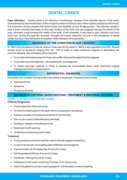
Standard Treatment Guidelines
Κατευθυντήριες oδηγίες του Παγκόσμιου Οργανισμού Υγείας για τη φαρμακευτική αντιμετώπιση του επίμονου πόνου σε παιδιά με διάφορες παθήσεις
World Health Organization
(2013)
WHO guidelines on the pharmacological treatment of persisting pain in children with medical illnesses
Guidelines for Management and Treatment of Dyslipidemia in Indonesia
Guidelines for Treatment and Management of Heart Failure in Indonesia
The consolidated guidelines are complemented by an operational handbook which is designed to assist with implementation of the WHO recommendations by Member States, technical partners and others who are involved in the management of patients with DR
...
-TB. The WHO Operational Handbook on Tuberculosis, Module 4: Treatment - Drug-Resistant Tuberculosis Treatment provides practical guidance on how to put in place the recommendations at the scale needed to achieve national and global impact.
The operational handbook provides practical information and tools that complement the recommendations in the guidelines. The strategies described in the operational handbook are based on the latest WHO recommendations which were formulated by Guideline Development Groups using the GRADE approach. In many cases however, the recommendations in their current form lacked sufficient clinical and programmatic detail, which is important for implementation. This operational handbook complements the guidelines with practical advice based on best practices and knowledge from the fields such as pharmacokinetics, pharmacodynamics, microbiology, pharmacovigilance and clinical and programmatic management.
more
Asthma guidelines indicate that the goal of treatment should be optimum asthma control. In a busy clinic practice with limited time and resources, there is need for a simple method for assessing ast
...
hma control with or without lung function testing.
more
MSF الإرشادات السريرية. دليل التشخيص والعلاج
recommended
Clinical Guidelines. Diagnosis and Treatment Manual.
Guidelines on care, treatment and support for women living with HIV/AIDS and their children in resource-constrained settings
Guidelines for the care and treatment of persons diagnosed with chronic hepatitis C virus infection

Guia de diagnostico y tratamiento de COVID-19 en unidades de terapia intensiva - version mayo de 2020
Sociedad Boliviana de Medicina Crítica y Terapia Intensiva
Sociedad Boliviana de Medicina Crítica y Terapia Intensiva Ministerio de Salud Bolivia
(2020)
CC
Guidelines for the diagnosis and treatment of COVID-19 in intensive care units
Regulation of the Minister of Health of the Republic of Indonesia on Guidelines for Antiretroviral Treatment
S2 k-Leitlinie zur Diagnostik, Prävention und Therapie der Tuberkulose im Kindes - und Jugendalter
Feiterna- Sperling, C., F. Brinkmann, C. Adamzik, et al.
Deutschen Gesellschaft für Pädiatrische Infektiologie (DGPI) e.V.
(2017)
C2
Consensus -based guidelines for diagnosis, prevention and treatment of tuberculosis in children and adolescents
Prevention and Control of Cholera Uganda
recommended
Operational Guidelines for the national and district health workers & planners.
These new approaches include use of selective chemotherapy, Rapid Diagnostic Tests (RDTs), Zinc for treatment of ch
...
olera in children and complementary use of OCV
more
Health and Quality of Life Outcomes
Van der Molen, T.; Willemse, B.; Schokker, S.; et al.
Health and Quality of Life Outcomes
(2003)
CC2
The new Global Obstructive Lung Disease (GOLD) guidelines advice to focus treatment in Chronic Obstructive Pulmonary Disease (COPD) on improvement of functional state, prevention of disease progress
...
ion and minimization of symptoms. So far no validated questionnaires are available to measure symptom and functional state in daily clinical practice. The aim of this study was to develop and validate the Clinical COPD Questionnaire (CCQ).
more
HIV and adolescents: Guidance for HIV testing and counselling and care for adolescents living with HIV
World Health Organization
(2013)
These guidelines provide specific recommendations and expert suggestions — for national policy-makers and programme managers and their partners and stakeholders— on prioritizing, planning and providing HIV testing, counselling,
...
treatment and care services for adolescents
more
Policy Brief, Updated in March 2017
Key messages
• The criminalisation of male-to-male sex heightens HIV and other sexually transmissible infection (STI) risks and vulnerabilities, and hinders access to HIV and STI services including HCT.
• Men who have sex with men (MSM) and tran ... sgender persons (TG) are not a homogeneous group. As such, a variety of HCT service models are needed to reach the various segments of these populations.
• Stigma and discrimination remain ongoing issues at a number of service points. Targeted training of service providers is therefore needed so that MSM and TG are not discouraged from seeking HCT and high-quality prevention, treatment and care services.
• Specific guidelines on HIV prevention, treatment and care services for MSM or TG help improve the delivery of services. more
Key messages
• The criminalisation of male-to-male sex heightens HIV and other sexually transmissible infection (STI) risks and vulnerabilities, and hinders access to HIV and STI services including HCT.
• Men who have sex with men (MSM) and tran ... sgender persons (TG) are not a homogeneous group. As such, a variety of HCT service models are needed to reach the various segments of these populations.
• Stigma and discrimination remain ongoing issues at a number of service points. Targeted training of service providers is therefore needed so that MSM and TG are not discouraged from seeking HCT and high-quality prevention, treatment and care services.
• Specific guidelines on HIV prevention, treatment and care services for MSM or TG help improve the delivery of services. more
Improving Care and Promoting Health in Populations: Standards of Care in Diabetes—2024
American Diabetes Association Professional Practice Committee
Volume 47, Issue Supplement_1 January 2024
(2024)
CC2
Ensure treatment decisions are timely, rely on evidence-based guidelines, capture key elements within the social determinants of health, and are made collaboratively with people with diabetes and ca
...
re partners based on individual preferences, prognoses, comorbidities, and informed financial considerations.
more
Directrices de la OMS sobre el tratamiento farmacológico del dolor persistente en niños con enfermedades médicas
World Health Organization
(2012)
The Access to Controlled Medications Programme identified the development of treatment guidelines that cover the treatment of all types of pain as
...
one of the core areas of focus for improving access to opioid analgesics. Such guidelines are interesting both for health-care professionals and policy-makers. They are also important in improving access to controlled medicines for determining when those opioid medicines and when non-opioid medicines are preferred.
Based on a Delphi study, WHO planned the development of three treatment guidelines, covering chronic pain in children, chronic pain in adults and acute pain.
more
Issue Brief Marburg virus disease (MVD)
recommended
Issue Brief No. 40 provides healthcare professionals with the most relevant treatment guidelines, prevention measures and training material on MVD
Full document available: https://www.icmr.nic.in/sites/default/files/guidelines/Gastric%20Cancer%20Final%20pdf%20for%20farrow_0.pdf | Prepared as an outcome of ICMR Subcommittee on Gastric Cancer | Coordinated by Division of Non Communicable Disease
...
s | This Consensus Document on Management of Gastric Cancers summarizes the modalities of treatment including the site-specific anti-cancer therapies, supportive and palliative care and molecular markers and research questions. It also interweaves clinical, biochemical and epidemiological studies.
more

This document shall serve as the most comprehensive set of guidelines on the safe management of waste generated from heath care activities in the country. It incorporates the requirements of all Philippine laws and regulations governing HCWM and is
...
designed for the use of individuals, public and private establishments, and other entities involved in segregation, collection, handling, storage, treatment,and disposal of waste generated from heath care activities.
more
The new WHO guidelines recommend that people living with HIV be started on antiretrovirals (ARVs) as soon as possible after being diagnosed. Currently, many people living with the virus globally must wait until their CD4 counts fall to 500 to start
...
treatment. According to the WHO, the move to early treatment –or what some have dubbed the “test and treat” model –is backed by the latest research.
more
In the face of rapid increases in the number of hospitalizations due to COVID-19 in Latin America and the Caribbean, coupled with shortages of human and material resources, including medical equipment and gases, there is a need to redesign models of care in the Region to optimize available resources
...
and ensure that more patients receive the quantity and quality of oxygen they need. Oxygen is included in the World Health Organization’s list of essential medicines and is used to care for patients at all levels of integrated health services networks. The efficacy of oxygen use in the treatment of patients with respiratory conditions caused by COVID-19 has been demonstrated, but there is great opportunity to improve the effectiveness of its use if it is used in a rational, sustainable, and safe way. Bearing in mind that the efficacy of a health technology is measured by its benefit under actual conditions of use, practical actions can be taken to improve the use of medical oxygen and avoid oxygen shortages. A drug is considered to be used rationally when patients receive it according to their clinical needs, in doses appropriate to their individual needs, for an appropriate period, and at a low cost to them and their community. By providing instruction on the rational use of oxygen and promoting it, negative repercussions can be avoided, such as loss of efficacy as a result of activities related to oxygen storage, distribution, and administration. Rational use of oxygen also involves controlling waste due to leaks in storage and distribution systems, use of gas at incorrect pressures, use of incorrectly adjusted flowmeters, and disconnections, among other problems. Another aspect to consider is the provision of adequate technical support for all oxygen production systems, in terms of maintenance and calibration, availability of electrical energy, and specific knowledge about these systems. For these reasons, a set of guidelines has been put together for the development of an efficient management system to deal with situations of oxygen scarcity, both now and in the future.
more
The document provides detailed clinical guidelines for the therapy of Type 1 Diabetes as developed by the German Diabetes Association (DDG). It focuses on individualized insulin therapy, structured patient training, and monitoring of blood glucose l
...
evels. The guidelines emphasize preventing complications like ketoacidosis and hypoglycemia while improving patients' quality of life through education and tailored medical care. Recommendations include the use of both basal and bolus insulin, continuous glucose monitoring, and integrating psychosocial support into treatment plans. The document serves as a comprehensive resource for healthcare professionals managing Type 1 Diabetes.
more
Advances in the treatment of pediatric cancer have made it possible to expand initiatives beyond cure and cover aspects such as early detection, continuity of treatment and reduction in toxicity. Al
...
l this has paved the way for a more comprehensive vision of patient care, which means better chances of healing and a fuller life - objectives of the World Initiative against Childhood Cancer. Within this comprehensive care, psychosocial care includes the social, psychological, spiritual and functional dimensions of the disease process of patients. This series includes guidelines and standards based on evidence that guarantee the quality of said care. The standards are the result of discussion and review by different professionals from Latin America and the Caribbean. Module 1 focuses on psychosocial evaluation as a strategy to support the objectives of the World Initiative against Childhood Cancer, and as a tool for health professionals to gather the necessary information to offer these patients a comprehensive approach focused on well-being, adaptation to the disease process, and adherence to treatment.
more
WHO has updated its guidelines for COVID-19 therapeutics, with revised recommendations for patients with non-severe COVID-19. This is the 13th update to these guidelines.
Updated risk rates for h
...
ospital admission in patients with non-severe COVID-19
The guidance includes updated risk rates for hospital admission in patients with non-severe COVID-19.
The current COVID-19 virus variants tend to cause less severe disease while immunity levels are higher due to vaccination, leading to lower risks of severe illness and death for most patients.
This update includes new baseline risk estimates for hospital admission in patients with non-severe COVID-19. The new ‘moderate risk’ category now includes people previously considered to be high risk including older people and/or those with chronic conditions, disabilities, and comorbidities of chronic disease. The updated risk estimates will assist healthcare professionals to identify individuals at high, moderate or low risk of hospital admission, and to tailor treatment according to WHO guidelines:
**High: **People who are immunosuppressed remain at higher risk if they contract COVID-19, with an estimated hospitalization rate of 6%.
**Moderate: **People over 65 years old, those with conditions like obesity, diabetes and/or chronic conditions including chronic obstructive pulmonary disease, kidney or liver disease, cancer, people with disabilities and those with comorbidities of chronic disease are at moderate risk, with an estimated hospitalization rate of 3%.
Low: Those who are not in the high or moderate risk categories are at low risk of hospitalization (0.5%). Most people are low risk.
Review of COVID-19 treatments for people with non-severe COVID-19
WHO continues to strongly recommend nirmatrelvir-ritonavir (also known by its brand name ‘Paxlovid’) for people at high-risk and moderate risk of hospitalization. The recommendations state that nirmatrelvir-ritonavir is considered the best choice for most eligible patients, given its therapeutic benefits, ease of administration and fewer concerns about potential harms. Nirmatrelvir-ritonavir was first recommended by WHO in April 2022.
If nirmatrelvir-ritonavir is not available to patients at high-risk of hospitalization, WHO suggests the use of molnupiravir or remdesivir instead.
WHO suggests against the use of molnupiravir and remdesivir for patients at moderate risk, judging the potential harms to outweigh the limited benefits in patients at moderate risk of hospital admission.
For people at low risk of hospitalization, WHO does not recommend any antiviral therapy. Symptoms like fever and pain can continue to be managed with analgesics like paracetamol.
WHO also recommends against use of a new antiviral (VV116) for patients, except in clinical trials.
The update also includes a strong recommendation against the use of ivermectin for patients with non-severe COVID-19. WHO continues to advise that in patients with severe or critical COVID-19, ivermectin should only be used in clinical trials.
more
This report provides an update on the key facets of HIV treatment access, including the latest HIV treatment guidelines from World Health Organizat
...
ion (WHO), an overview on pricing for first-line, second-line, and salvage regimens, and a summary of the opportunities for – and threats to – expanding access to affordable antiretroviral therapy (ART).
The report is supplemented by 11 drug profiles that contain more detailed information on pricing trends and patent barriers for key antiretroviral drugs and fixed-dose combinations. Also included is an annex of conditions that define eligibility for reduced prices from 15 pharmaceutical companies.
more
The document "Management of Type 2 Diabetes Mellitus" provides comprehensive guidelines for the diagnosis, prevention, and treatment of type 2 diabetes in adults. It emphasizes the importance of ind
...
ividualized glycemic targets, lifestyle interventions like diet and exercise, and the use of medications such as metformin, SGLT2 inhibitors, and GLP1 receptor agonists to manage blood sugar levels and reduce long-term complications. The document also discusses the screening and management of comorbidities such as hypertension, hyperlipidemia, and diabetic complications like retinopathy, neuropathy, and nephropathy. It highlights the role of diabetes self-management education and support in improving adherence to treatment and patient outcomes. The guidelines are evidence-based and aim to reduce morbidity and mortality associated with type 2 diabetes.
more
WHO has published the first-ever guidance on the clinical management of diphtheria. The only previously available guidance was an operational protocol. The new guidance followed the rigorous process for developing guidance at WHO.
It addresses the use of Diphtheria Antitoxin (DAT) in the
...
treatment of diphtheria. There is a worldwide shortage of DAT and evidence based recommendations on the use of DAT were requested by many Member States.
The guidance also includes new recommendations on antibiotics. In patients with suspected or confirmed diphtheria, WHO recommends using macrolide antibiotics (azithromycin, erythromycin) rather than penicillin antibiotics.
This clinical practice guideline has been rapidly developed recognizing the global increase in diphtheria outbreaks. Outbreaks of diphtheria in Nigeria, Guinea and neighbouring countries in 2023 have highlighted the urgent need for evidence-based clinical practice guidelines for the treatment of diphtheria. Given the sporadic nature of outbreaks, many clinicians in the affected regions have never managed acute diphtheria and its related complications. Diphtheria remains a neglected disease and vaccination is the top priority. At the same time, for patients with diphtheria, access to antibiotics, DAT and supportive care can be lifesaving.
more
The Wits Justice Project
HIV Nursing Matters / page 30-33 / June 2015
Source: Guidelines for the Prevention and Treatment of HIV in Arrested, Detained and Sentenced Persons, 2008.

This Guide contains information, guidelines, diagrams and other materials addressed to medical practitioners who are engaged in the treatment of casualties of chemical weapons. It is made available
...
to the public for information purposes, but is not intended to be used by the public. All decisions regarding patient care must be made with a healthcare provider and consider the unique characteristics of each patient.
more
The IMCI model handbook provides a detailed explanation of the IMCI case management guidelines. It is organized into seven main parts: overview of the IMCI process; assess and classify the sick child age 2 months up to 5 years; assess and classify t
...
he sick young infant age 1 week up to 2 months; identify treatment; treat the sick child or the sick young infant; communicate and counsel; and give follow-up care.
Teaching institutions are advised to adapt the handbook in two ways:
to ensure that all text, charts and illustrations are consistent with nationally-adapted IMCI clinical guidelines, and
to ensure that its content and format corresponds to the teaching approach used by the institution.
more
Managing Severe Infection in Newborns
recommended
This video reviews 5 key signs of severe infection in newborns, and provides 2015 WHO treatment guidelines when referral is possible and when it is not.
This publication is based on the list of clinical interventions selected from clinical guidelines on prevention, screening, diagnosis, treatment, palliative care, monitoring and end of life care. Th
...
is publication addresses medical devices for six types of cancer: breast, cervical, colorectal, leukemia, lung and prostate. The first section defines the global increase in cancer cases, the global goals to manage NCDs and the WHO activities related to these goals. The second section presents the methodology used for the selection of medical devices that support clinical interventions required to screen, diagnose, treat and monitor cancer stages, as well as the provision of palliative care, based on evidence-based information. The third section lists the priority medical devices required to manage cancer in seven different units of health care services: 1. Vaccination, clinical assessment and endoscopy, 2. Medical imaging and nuclear medicine, 3. Surgery, 4. Laboratory and pathology, 5. Radiotherapy, 6. Systemic therapy and 7. Palliative and end of life care
more
This study aimed to estimate the proportion of Mozambicans eligible for pharmacological treatment for hypertension according to single risk factor and total cardiovascular risk approaches. It concluded that a total of 19.8% of 40–64-year-olds woul
...
d be eligible for pharmacological treatment of hypertension according to the WHO guidelines, all of whom had SBP/DBP at least 160/100 mmHg.
more
The waves of yellow fever transmission in the Region of the Americas in 2016–2018 involved the largest number of human and epizootic cases to be reported in several decades. Yellow fever is a serious viral hemorrhagic disease that poses a challenge for health professionals. It requires early recog
...
nition of signs and symptoms, which are often nonspecific, and it can mimic other acute febrile syndromes. Early detection of suspected or confirmed cases, monitoring of vital signs, life support measures, and treatment of acute kidney failure continue to be the recommended strategies for case management. This report is the result of discussions among experienced specialists in the Americas on the clinical management of yellow fever patients, especially during outbreaks and epidemics, in the context of current medical and scientific evidence and taking into account the technical guidelines already available in the countries of the Region. It includes flowcharts for initially addressing patients with clinical suspicion of yellow fever and proposes a minimum package of laboratory tests that may be useful in contexts where resources are limited. In addition, it considers aspects of health system organization for dealing with yellow fever outbreaks and epidemics.
more
The Asthma Control Questionnaire (ACQ)1 was developed and validated to measure the primary clinical goal of asthma management as identified by international guidelines. They indicate that to achieve good control,
...
treatment should minimise day and night time symptoms, activity limitation, airway narrowing and rescue bronchodilator use and thus reduce the risk of life-threatening exacerbations and long-term morbidity. The importance of including all aspects of control in the assessment of individual patients was emphasised by a recent factor analysis which showed that clinical asthma is composed of distinct components which are not closely correlated with each other.6 However, in some studies it may not be possible to collect airway calibre or short-acting β2-agonists data. Previous analysis of non-clinical trial data suggested that when ACQ scores are analysed as group data, the heterogeneity of the way in which individual patients present with inadequate control is lost in the estimation of the mean and the need to measure each individual component of asthma control may become unnecessary. In this analysis, ACQ data from a clinical trial was used to evaluate the measurement properties (reliability, responsiveness, validity and interpretability), of three shortened versions of the ACQ. In addition, we have examined whether the precision and accuracy of estimating the effect of the intervention on asthma control was maintained when the two questions concerning airway calibre and short-acting β2-agonists use were omitted from the trial analysis.
more
