
Filter
6015
Text search:
tool
Featured
592
1505
Language
5634
217
200
129
100
66
40
33
12
11
9
6
6
6
6
6
5
5
5
5
5
5
5
4
4
4
4
4
4
4
4
4
4
4
3
3
3
3
3
3
3
2
2
2
2
2
2
2
2
2
2
2
2
1
1
1
1
1
1
1
1
1
1
Document type
3262
940
828
391
226
133
101
47
39
15
12
11
3
2
1
Countries
284
210
161
127
121
113
110
107
104
96
90
90
85
84
82
79
78
68
68
66
60
53
49
48
48
39
39
38
36
36
35
34
34
33
33
31
29
28
28
28
26
25
25
25
24
23
23
21
20
18
18
17
15
15
15
14
13
12
11
10
10
10
10
10
10
10
10
9
9
8
8
8
8
8
8
8
7
7
6
6
6
5
5
5
5
5
5
5
4
4
4
4
4
4
4
4
4
4
4
3
3
3
3
3
3
3
3
3
3
3
3
3
2
2
2
2
2
2
2
2
2
2
2
2
2
2
2
2
2
2
2
1
1
1
1
1
1
1
1
1
1
1
1
1
1
1
1
1
Authors & Publishers
854
299
285
173
162
116
115
114
100
45
41
38
37
36
32
31
29
27
27
27
27
26
25
24
24
23
22
22
21
21
20
19
19
19
18
18
18
17
17
16
16
16
15
15
15
15
15
15
15
15
15
15
14
14
13
13
12
12
12
12
12
12
12
11
11
11
11
11
11
11
11
11
10
10
10
10
10
10
10
10
10
10
10
10
10
9
9
9
9
9
9
9
9
9
9
9
9
9
8
8
8
8
8
8
8
8
8
8
8
8
8
7
7
7
7
7
7
7
7
7
7
7
7
7
6
6
6
6
6
6
6
6
6
6
6
6
6
6
6
6
6
6
6
6
6
6
6
6
6
6
6
6
6
6
5
5
5
5
5
5
5
5
5
5
5
5
5
5
5
5
5
5
5
5
5
5
5
5
5
5
5
5
5
5
5
5
5
5
5
5
5
5
5
5
5
4
4
4
4
4
4
4
4
4
4
4
4
4
4
4
4
4
4
4
4
4
4
4
4
4
4
4
4
4
4
4
4
4
4
4
4
4
4
4
4
4
4
4
4
4
4
4
4
4
4
4
4
4
4
4
4
4
4
4
4
4
4
3
3
3
3
3
3
3
3
3
3
3
3
3
3
3
3
3
3
3
3
3
3
3
3
3
3
3
3
3
3
3
3
3
3
3
3
3
3
3
3
3
3
3
3
3
3
3
3
3
3
3
3
3
3
3
3
3
3
3
3
3
3
3
3
3
3
3
3
3
3
3
3
3
3
3
3
3
3
3
3
3
3
3
3
3
3
3
3
3
3
3
3
3
3
3
3
3
3
3
3
3
3
3
3
3
3
3
3
3
3
3
3
3
3
3
3
3
3
3
3
3
3
3
3
3
3
3
3
3
3
3
3
3
3
2
2
2
2
2
2
2
2
2
2
2
2
2
2
2
2
2
2
2
2
2
2
2
2
2
2
2
2
2
2
2
2
2
2
2
2
2
2
2
2
2
2
2
2
2
2
2
2
2
2
2
2
2
2
2
2
2
2
2
2
2
2
2
2
2
2
2
2
2
2
2
2
2
2
2
2
2
2
2
2
2
2
2
2
2
2
2
2
2
2
2
2
2
2
2
2
2
2
2
2
2
2
2
2
2
2
2
2
2
2
2
2
2
2
2
2
2
2
2
2
2
2
2
2
2
2
2
2
2
2
2
2
2
2
2
2
2
2
2
2
2
2
2
2
2
2
2
2
2
2
2
2
2
2
2
2
2
2
2
2
2
2
2
2
2
2
2
2
2
2
2
2
2
2
2
2
2
2
2
2
2
2
2
2
2
2
2
2
2
2
2
2
2
2
2
2
2
2
2
2
2
2
2
2
2
2
2
2
2
2
2
2
2
2
2
2
2
2
2
2
2
2
2
2
2
2
2
2
2
2
2
2
2
2
2
2
2
2
2
2
2
2
2
2
2
2
2
2
2
2
2
2
2
2
2
2
2
2
2
2
2
2
2
2
2
2
2
2
2
2
2
2
2
2
2
2
2
2
2
2
2
2
2
2
2
2
2
2
2
2
2
2
2
2
2
2
2
2
2
2
2
2
2
2
2
2
2
2
2
2
2
2
2
2
2
2
2
2
2
1
1
1
1
1
1
1
1
1
1
1
1
1
1
1
1
1
1
1
1
1
1
1
1
1
1
1
1
1
1
1
1
1
1
1
1
1
1
1
1
1
1
1
1
1
1
1
1
1
1
1
1
1
1
1
1
1
1
1
1
1
1
1
1
1
1
1
1
1
1
1
1
1
1
1
1
1
1
1
1
1
1
1
1
1
1
1
1
1
1
1
1
1
1
1
1
1
1
1
1
1
1
1
1
1
1
1
1
1
1
1
1
1
1
1
1
1
1
1
1
1
1
1
1
1
1
1
1
1
1
1
1
1
1
1
1
1
1
1
1
1
1
1
1
1
1
1
1
1
1
1
1
1
1
1
1
1
1
1
1
1
1
1
1
1
1
1
1
1
1
1
1
1
1
1
1
1
1
1
1
1
1
1
1
1
1
1
1
1
1
1
1
1
1
1
1
1
1
1
1
1
1
1
1
1
1
1
1
1
1
1
1
1
1
1
1
1
1
1
1
1
1
1
1
1
1
1
1
1
1
1
1
1
1
1
1
1
1
1
1
1
1
1
1
1
1
1
1
1
1
1
1
1
1
1
1
1
1
1
1
1
1
1
1
1
1
1
1
1
1
1
1
1
1
1
1
1
1
1
1
1
1
1
1
1
1
1
1
1
1
1
1
1
1
1
1
1
1
1
1
1
1
1
1
1
1
1
1
1
1
1
1
1
1
1
1
1
1
1
1
1
1
1
1
1
1
1
1
1
1
1
1
1
1
1
1
1
1
1
1
1
1
1
1
1
1
1
1
1
1
1
1
1
1
1
1
1
1
1
1
1
1
1
1
1
1
1
1
1
1
1
1
1
1
1
1
1
1
1
1
1
1
1
1
1
1
1
1
1
1
1
1
1
1
1
1
1
1
1
1
1
1
1
1
1
1
1
1
1
1
1
1
1
1
1
1
1
1
1
1
1
1
1
1
1
1
1
1
1
1
1
1
1
1
1
1
1
1
1
1
1
1
1
1
1
1
1
1
1
1
1
1
1
1
1
1
1
1
1
1
1
1
1
1
1
1
1
1
1
1
1
1
1
1
1
1
1
1
1
1
1
1
1
1
1
1
1
1
1
1
1
1
1
1
1
1
1
1
1
1
1
1
1
1
1
1
1
1
1
1
1
1
1
1
1
1
1
1
1
1
1
1
1
1
1
1
1
1
1
1
1
1
1
1
1
1
1
1
1
1
1
1
1
1
1
1
1
1
1
1
1
1
1
1
1
1
1
1
1
1
1
1
1
1
1
1
1
1
1
1
1
1
1
1
1
1
1
1
1
1
1
1
1
1
1
1
1
1
1
1
1
1
1
1
1
1
1
1
1
1
1
1
1
1
1
1
1
1
1
1
1
1
1
1
1
1
1
1
1
1
1
1
1
1
1
1
1
1
1
1
1
1
1
1
1
1
1
1
1
1
1
1
1
1
1
1
1
1
1
1
1
1
1
1
1
1
1
1
1
1
1
1
1
1
1
1
1
1
1
1
1
1
1
1
1
1
1
1
1
1
1
1
1
1
1
1
1
1
1
1
1
1
1
1
1
1
1
1
1
1
1
1
1
1
1
1
1
1
1
1
1
1
1
1
1
1
1
1
1
1
1
1
1
1
1
1
1
1
1
1
1
1
1
1
1
1
1
1
1
1
1
1
1
1
1
1
1
1
1
1
1
1
1
1
1
1
1
1
1
1
1
1
1
1
1
1
1
1
1
1
1
1
1
1
1
1
1
1
1
1
1
1
1
1
1
1
1
1
1
1
1
1
1
1
1
1
1
1
1
1
1
1
1
1
1
1
1
1
1
1
1
1
1
1
1
1
1
1
1
1
1
1
1
1
1
1
1
1
1
1
1
1
1
1
1
1
1
1
1
1
1
1
1
1
1
1
1
1
1
1
1
1
1
1
1
1
1
1
1
1
1
1
1
1
1
1
1
1
1
1
1
1
1
1
1
1
1
1
1
1
1
1
1
1
1
1
1
1
1
1
1
1
1
1
1
1
1
1
1
1
1
1
1
1
1
1
1
1
1
1
1
1
1
1
1
1
1
1
1
1
1
1
1
1
1
1
1
1
1
1
1
1
1
1
1
1
1
1
1
1
1
1
1
1
1
1
1
1
1
1
1
1
1
1
1
1
1
1
1
1
1
1
1
1
1
1
1
1
1
1
1
1
1
1
1
1
1
1
1
1
1
1
1
1
1
1
1
1
1
1
1
1
1
1
1
1
1
1
1
1
1
1
1
1
1
1
1
1
1
1
1
1
1
1
1
1
1
1
1
1
1
1
1
1
1
1
1
1
1
1
1
1
1
1
1
1
1
1
1
1
1
1
1
1
1
1
1
1
1
1
1
1
1
1
1
1
1
1
1
1
1
1
1
1
1
1
1
1
1
1
1
1
1
1
1
1
1
1
1
1
1
1
1
1
1
1
1
1
1
1
1
1
1
1
1
1
1
1
1
1
1
1
1
1
1
1
1
1
1
1
1
1
1
1
1
1
1
1
1
1
1
1
1
1
1
1
1
1
1
1
1
1
1
1
1
1
1
1
1
1
1
1
1
1
1
1
1
1
1
1
1
1
1
1
1
1
1
1
1
1
1
1
1
1
1
1
1
1
1
1
1
1
1
1
1
1
1
1
1
1
1
1
1
1
1
1
1
1
1
1
1
1
1
1
1
1
1
1
1
1
1
1
1
1
1
1
1
1
1
1
1
1
1
1
1
1
1
1
1
1
1
1
1
1
1
1
1
1
1
1
1
1
1
1
1
1
1
1
1
1
1
1
1
1
1
1
1
1
1
1
1
1
1
1
1
1
1
1
1
1
1
1
1
1
1
1
1
1
1
1
1
1
1
1
1
1
1
1
1
1
1
1
1
1
1
1
1
1
1
1
1
1
1
1
1
1
1
1
1
1
1
1
1
1
1
1
1
1
1
1
1
1
1
1
1
1
1
1
1
1
1
1
1
1
1
1
1
1
1
1
1
1
1
1
1
1
1
1
1
1
1
1
1
1
1
1
1
1
1
1
1
1
1
1
1
1
1
1
1
1
1
1
1
1
1
1
1
1
1
1
1
1
1
1
1
1
1
1
1
1
1
1
1
1
1
1
1
1
1
1
1
1
1
1
1
1
1
1
1
1
1
1
1
1
1
1
1
1
1
1
1
1
1
1
1
1
1
1
1
1
1
1
1
1
1
1
1
1
1
1
1
1
1
1
1
1
1
1
1
1
1
1
1
1
1
1
1
1
1
1
1
1
1
1
1
1
1
1
1
1
1
1
1
1
1
1
1
1
1
1
1
1
1
1
1
1
1
1
1
1
1
1
1
1
1
1
1
1
1
1
1
1
1
1
1
1
1
1
1
1
1
1
1
1
1
1
1
1
1
1
1
1
1
1
1
1
1
1
1
1
1
1
1
1
1
1
1
1
1
1
1
1
1
1
1
1
1
1
1
1
1
1
1
1
1
1
1
1
1
1
1
1
1
1
1
1
1
1
1
1
1
1
1
1
1
1
1
1
1
1
1
1
1
1
1
1
1
1
1
1
1
1
1
1
1
1
1
1
1
1
1
1
1
1
1
1
1
1
1
1
1
1
1
1
1
1
1
1
1
1
1
1
1
1
1
1
1
1
1
1
1
1
1
1
1
1
1
1
1
1
1
1
1
1
1
1
1
1
1
1
1
1
1
1
1
1
1
1
1
1
1
1
1
1
1
1
1
1
1
1
1
1
1
1
1
1
1
1
1
1
1
1
1
1
1
1
1
1
1
1
1
1
1
1
1
1
1
1
1
1
1
1
1
1
1
1
1
1
1
1
1
1
1
1
1
1
1
1
1
1
1
1
1
1
1
1
1
1
1
1
1
1
1
1
1
1
1
1
1
1
1
1
1
1
1
1
1
1
1
1
1
1
1
1
1
1
1
1
1
1
1
1
1
1
1
1
1
1
1
1
1
1
1
1
1
1
1
1
1
1
1
1
1
1
1
1
1
1
1
1
1
1
1
1
1
1
1
1
1
1
1
1
1
1
1
1
1
1
1
1
1
1
1
1
1
1
1
1
1
1
1
1
1
1
1
1
1
1
1
1
1
1
1
1
1
1
1
1
1
1
1
1
1
1
1
1
1
1
1
1
1
1
1
1
1
1
1
1
1
1
1
1
1
1
1
1
1
1
1
1
1
1
1
1
1
1
1
1
1
1
1
1
1
1
1
1
1
1
1
1
1
1
1
1
1
1
1
1
1
1
1
1
1
1
1
1
1
1
1
1
1
1
1
1
1
1
1
1
1
1
1
1
1
1
1
1
1
1
1
1
1
1
1
1
1
1
1
1
1
1
1
1
1
1
1
1
1
1
1
1
1
1
1
1
1
1
1
1
1
1
1
1
1
1
1
1
1
1
1
1
1
1
1
1
1
1
1
1
1
1
1
1
1
1
1
1
1
1
1
1
1
1
1
1
1
1
1
1
1
1
1
1
1
1
1
1
1
1
1
1
1
1
1
1
1
1
1
1
1
1
1
1
1
1
1
1
1
1
1
1
1
1
1
1
1
1
1
1
1
1
1
1
1
1
1
1
1
1
1
1
1
1
1
1
1
1
1
1
1
1
1
1
1
1
1
1
1
1
1
1
1
1
1
1
1
1
1
1
1
1
1
1
1
1
1
1
1
1
1
1
1
1
1
1
1
1
1
1
1
1
1
1
1
1
1
1
1
1
1
1
1
1
1
1
1
1
1
1
1
1
1
1
1
1
1
1
1
1
1
1
1
1
1
1
1
1
1
1
1
1
1
1
1
1
1
1
1
1
1
1
1
1
1
1
1
1
1
1
1
1
1
1
1
1
1
1
1
1
1
1
1
1
1
1
1
1
1
1
1
1
1
1
1
1
1
1
1
1
1
1
1
1
1
1
1
1
1
1
1
1
1
1
1
1
1
1
1
1
1
1
1
1
1
1
1
1
1
1
1
1
1
1
1
1
1
1
1
1
1
1
1
1
1
1
1
1
1
1
1
1
1
1
1
1
1
1
1
1
1
1
1
1
1
1
1
1
1
1
1
1
1
1
1
1
1
1
1
1
1
1
1
1
1
1
1
1
1
1
1
1
1
1
1
1
1
1
1
1
1
1
1
1
1
1
1
1
1
1
1
1
1
1
1
1
1
1
1
1
1
1
1
1
1
1
1
1
1
1
1
1
1
1
1
1
1
1
1
1
1
1
1
1
1
1
1
1
1
1
1
1
1
1
1
1
1
1
1
1
1
1
1
1
1
1
1
1
1
1
1
1
1
1
1
1
1
1
1
1
1
1
1
1
1
1
1
1
1
1
1
1
1
1
1
1
1
1
1
1
1
1
1
1
1
1
1
1
1
1
1
1
1
1
1
1
1
1
1
1
1
1
1
1
1
1
1
1
1
1
1
1
1
1
1
1
1
1
1
1
1
1
1
1
1
1
1
1
1
1
1
1
1
1
1
1
1
1
1
1
1
1
1
1
1
1
1
1
1
1
1
1
1
1
1
1
1
1
1
1
1
1
1
1
1
1
1
1
1
1
1
1
1
1
1
1
1
1
1
1
1
1
1
1
1
1
1
1
1
1
1
1
1
1
1
1
1
1
1
1
1
1
1
1
1
1
1
1
1
1
1
1
1
1
1
1
1
1
1
1
1
1
1
1
1
1
1
1
1
1
1
1
1
1
1
1
1
1
1
1
1
1
1
1
1
1
1
1
1
1
1
1
1
1
1
1
1
1
1
1
1
1
1
1
1
1
1
1
1
1
1
1
1
1
1
1
1
1
1
1
1
1
1
1
1
1
1
1
1
1
1
1
1
1
1
1
1
1
1
1
1
1
1
1
1
1
1
1
1
1
1
1
1
1
1
1
1
1
1
1
1
1
1
1
1
1
1
1
1
1
1
1
1
1
1
1
1
1
1
1
1
1
1
1
1
1
1
1
1
1
1
1
1
1
1
1
1
1
1
1
1
1
1
1
1
1
1
1
1
1
1
1
1
1
1
1
1
1
1
1
1
1
1
1
1
1
1
1
1
1
1
1
1
1
1
1
1
1
1
1
1
1
1
1
1
1
1
1
1
1
1
1
1
1
1
1
1
1
1
1
1
1
1
1
1
1
1
1
1
1
1
1
1
1
1
1
1
1
1
1
1
1
1
1
1
1
1
1
1
1
1
1
1
1
1
1
1
1
1
1
1
1
1
1
1
1
1
1
1
1
1
1
1
1
1
1
1
1
1
1
1
1
1
1
1
1
1
1
1
1
1
1
1
1
1
1
1
1
1
1
1
1
1
1
1
1
1
1
1
1
1
1
1
1
1
1
1
1
1
1
1
1
1
1
1
1
1
1
1
1
1
1
1
1
1
1
1
1
1
1
1
1
1
1
1
1
1
1
1
1
1
1
1
1
1
1
1
1
1
1
1
1
1
1
1
1
1
1
1
1
1
1
1
1
1
1
1
1
1
1
1
1
1
1
1
1
1
1
1
1
1
1
1
1
1
1
1
1
1
1
1
1
1
1
1
1
1
1
1
1
1
1
1
1
1
1
1
1
1
1
1
1
1
1
1
1
1
1
1
1
1
1
1
1
1
1
1
1
1
1
1
1
1
1
1
1
1
1
1
1
1
1
1
1
1
1
1
1
1
1
1
1
1
1
1
1
1
1
1
1
1
1
1
1
1
1
1
1
1
1
1
1
1
1
1
1
1
1
1
1
1
1
1
1
1
1
1
1
1
1
1
1
1
1
1
1
1
1
1
1
1
1
1
1
1
1
1
1
1
1
1
1
1
1
1
1
1
1
1
1
1
1
1
1
1
1
1
1
1
1
1
1
1
1
1
1
1
1
1
1
1
1
1
1
1
1
1
1
1
1
1
1
1
1
1
1
1
1
1
1
1
1
1
1
1
1
1
1
1
1
1
1
1
1
1
1
1
1
1
1
1
1
1
1
1
1
1
1
1
1
1
1
1
1
1
1
1
1
1
1
1
1
1
1
1
1
1
1
1
1
1
1
1
1
1
1
1
1
1
1
1
1
1
1
1
1
1
1
1
1
1
1
1
1
1
1
1
1
1
1
1
1
1
1
1
1
1
1
1
1
1
1
1
1
1
1
1
1
1
1
1
1
1
1
1
1
1
1
1
1
1
1
1
1
1
1
1
1
1
1
1
1
1
1
1
1
1
1
1
1
1
1
1
1
1
1
1
1
1
1
1
1
1
1
1
1
1
1
1
1
1
1
1
1
1
1
1
1
1
1
1
1
1
1
1
1
1
1
1
1
1
1
1
1
1
1
1
1
1
1
1
1
1
1
1
1
1
1
1
1
1
1
1
1
1
1
1
1
1
1
1
1
1
1
1
1
1
1
1
1
1
1
1
1
1
1
1
1
1
1
1
1
1
1
1
1
1
1
1
1
1
1
1
1
1
1
1
1
1
1
1
1
1
1
1
1
1
1
1
1
1
1
1
1
1
1
1
1
1
1
1
1
1
1
1
1
1
1
1
1
1
1
1
1
1
1
1
1
1
1
1
1
1
1
1
1
1
1
1
1
1
1
1
1
1
1
1
1
1
1
1
1
1
1
1
1
1
1
1
1
1
1
1
1
1
1
1
1
1
1
1
1
1
1
1
1
1
1
1
1
1
1
1
1
1
1
1
1
1
1
1
1
1
1
1
1
1
1
1
1
1
1
1
1
1
1
1
1
1
1
1
1
1
1
1
1
1
1
1
1
1
1
1
1
1
1
1
1
1
1
1
1
1
1
1
1
1
1
1
1
1
1
1
1
1
1
1
1
1
1
1
1
1
1
1
1
1
1
1
1
1
1
1
1
1
1
1
1
1
1
1
1
1
1
1
1
1
1
1
1
1
1
1
1
1
1
1
1
1
1
1
1
1
1
1
1
1
1
1
1
1
1
1
1
1
1
1
1
1
1
1
1
1
1
1
1
1
1
1
1
1
1
1
1
1
1
1
1
1
1
1
1
1
1
1
1
1
1
1
1
1
1
1
1
1
1
1
1
1
1
1
1
1
1
1
1
1
1
1
1
1
1
1
1
1
1
1
1
1
1
1
1
1
1
1
1
1
1
1
1
1
1
1
1
1
1
1
1
1
1
1
1
1
1
1
1
1
1
1
1
1
1
1
1
1
1
1
1
1
1
1
1
1
1
1
1
1
1
1
1
1
1
1
1
1
1
1
1
1
1
1
1
1
1
1
1
1
1
1
1
1
1
1
1
1
1
1
1
1
1
1
1
1
1
1
1
1
1
1
1
1
1
1
1
1
1
1
1
1
1
1
1
1
1
1
1
1
1
1
1
1
1
1
1
1
1
1
1
1
1
1
1
1
1
1
1
1
1
1
1
1
1
1
1
1
1
1
1
1
1
1
1
1
1
1
1
1
1
1
1
1
1
1
1
1
1
1
1
1
1
1
1
1
1
1
1
1
1
1
1
1
1
1
1
1
1
1
1
1
1
1
1
1
1
1
1
1
1
1
1
1
1
1
1
1
1
1
1
1
1
1
1
1
1
1
1
1
1
1
1
1
1
1
1
1
1
1
1
1
1
1
1
1
1
1
1
1
1
1
1
1
1
1
1
1
1
1
1
1
1
1
1
1
1
1
1
1
1
1
1
1
1
1
1
1
1
1
1
1
1
1
1
1
1
1
1
1
1
1
1
1
1
1
1
1
1
1
1
1
1
1
1
1
1
1
1
1
1
1
1
1
1
1
1
1
1
1
1
1
1
1
1
1
1
1
1
1
1
1
1
1
1
1
1
1
1
1
1
1
1
1
1
1
1
1
1
1
1
1
1
1
1
1
1
1
1
1
1
1
1
1
1
1
1
1
1
1
1
1
1
1
1
1
1
1
1
1
1
1
1
1
1
1
1
1
1
1
1
1
1
1
1
1
1
1
1
1
1
1
1
1
1
1
1
1
1
1
1
1
1
1
1
1
1
1
1
1
1
1
1
1
1
1
1
1
1
1
1
1
1
1
1
1
1
1
1
1
1
1
1
1
1
1
1
1
1
1
1
1
1
1
1
1
1
1
1
1
1
1
1
1
1
1
1
1
1
1
1
1
1
1
1
1
1
1
1
1
1
1
1
1
1
1
1
1
1
1
1
1
1
1
1
1
1
1
1
1
1
1
1
1
1
1
1
1
1
1
1
1
1
1
1
1
1
1
Publication Years
1
1
1757
3747
490
17
1
1
Category
2019
412
367
349
324
166
63
7
3
3
Toolboxes
547
449
432
299
293
232
195
193
185
158
145
127
124
112
103
101
97
53
48
37
31
31
28
3
3
1
WHO labour care guide: user’s manual
recommended
The WHO Labour Care Guide is a tool that aims to support good-quality, evidence-based, respectful care during labour and childbirth, irrespective of the setting or level of health care. This manual has been developed to help skilled health personnel
...
to successfully use the WHO Labour Care Guide. The manual will also be of interest to staff involved in training health care personnel, health-care facility managers, and implementers and managers of maternal and child health services.
more
Genomic sequencing has been an essential tool in generating virological data, driving the laboratory response, and better understanding the dispersal and evolutionary patterns of SARS-CoV-2. In addition to the characterization of the global circulat
...
ion patterns, early detection of SARS-CoV-2 variants inside each country is critical to complement the epidemiological and virological surveillance
9 February 2021
more
Service Availability and Readiness Assessment Tool
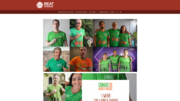
The BeatChagas platform is a tool developed by the Technical Group of Information, Education, and Communication (IEC) for Chagas Disease (TG6-IEC Chagas), part of the Chagas Disease Control Program by the World Health Organization (WHO). The purpose
...
of this platform is to share information about the TG6-IEC group’s activities.
more

This checklist is an operational tool to help national authorities develop or revise national respiratory pathogen (inclusive of influenza and coronaviruses) pandemic preparedness plans.
A cardiac risk calculator is a screening tool to assess your future risk of cardiovascular disease. It uses personal health information to evaluate heart health.
Prediabetes Risk Test
adapted from Bang et al., Ann Intern Med (2009)
American Diabetes Association in collaboration with the Centers for Disease Control and Prevention (CDC)
(2024)
CC2
The "Prediabetes Risk Test" is a tool designed to help individuals assess their risk for prediabetes and type 2 diabetes. The test uses a point-based system with questions about age, gender, family history of diabetes, history of high blood pressure
...
, physical activity level, and weight category. Based on the total score, individuals with a score of 5 or higher are at an increased risk of prediabetes, meaning their blood sugar levels may be elevated but not yet high enough to be classified as type 2 diabetes. The test encourages individuals with a high score to consult a doctor for further testing and suggests lifestyle changes as a preventive measure. Special risk considerations are provided for certain ethnic groups, such as African American, Hispanic/Latino, American Indian, Alaska Native, Asian American, and Pacific Islander populations.
more

The INEE Minimum Standards Handbook is the only global tool that articulates the minimum level of educational quality and access in emergencies through to recovery. The Minimum Standards express a commitment that all individuals—children, youth an
...
d adults—have a right to education.
There are different languages available: Arabic, Azerbajan, Bahsa Indonesia, Bengali, Bosnian, Coratian, Serbian, Chinese, English, French, Japanese, Krygyz, Nepali, Pashto, Portuguese, Russian, Spanish, Urdu, Turkish, Vietnamese
more
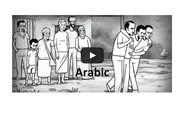
The Story of Cholera is seen as a great tool to promote basic hygiene practices and has been narrated in Arabic to be shown in these Settlements. It is seen as both a prevention measure against potential cholera outbreak and/or other type of diarrhe
...
al diseases. Tested on site it has received a great welcome from the refugee community and is expected to have a major impact in the hygiene promotion response.
Download flashcards, video and mobile phone version at: http://globalhealthmedia.org/story-of-cholera/videos/registration/
more
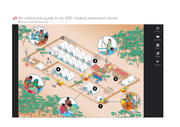
An interactive, multilingual learning tool about Cholera Treatment Centres. Click on the link to go to the interactive page.
Accessed June 2014
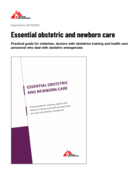
Essential obstetric and newborn care
recommended
Essential obstetric and newborn care is designed as a tool to help protect mothers and their children in adverse environments. It is intended for midwives, doctors with obstetrics training, and health care personnel who deal with obstetric emergenci
...
es.
more
The Migrant Integration Policy Index (MIPEX) is a unique tool which measures policies to integrate migrants in all EU Member States, Australia, Canada, Iceland, Japan, South Korea, New Zealand, Norway, Switzerland, Turkey and the USA.
Accessed 17
...
th December 2015
more
Interferon-γ Assays - Description and Assessment of a New Tool in the Diagnosis of Tuberculosis.
Haür B et al. Interferon-γ-Tests in der ...Pneumologie 2006; 60: 29-44
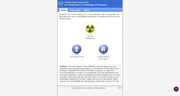
Welcome! This tool provides you as a first responder with action guides and instructions for use in a radiological emergency.
Also available in Russian: https://www-pub.iaea.org/MTCD/Publications/PDF/EPR-FirstRespondersPDA-2009/html/default.htm
The Hand Hygiene Self-Assessment Framework is a systematic tool with which to obtain a situation analysis of hand hygiene promotion and practices within an individual health-care facility.
The Infection Prevention and Control (IPC) Assessment Framework (IPCAF) is a tool to support the implementation of the World Health Organization (WHO) Guidelines on core components of IPC programmes at the acute health care facility level. The user
...
should be familiar with the contents of these guidelines, including the Interim practical manual supporting the implementation of the IPC core components at the facility level before using this tool. The IPCAF is a systematic tool that can provide a baseline assessment of the IPC programme and activities within a health care facility, as well as ongoing evaluations through repeated administration to document progress over time and facilitate improvement.
more
The Table Top (TTX) COVID-19 exercise is a tool that has been developed to assist Governments and Agencies in the process of strengthening plans and policies with the intention of being able to identify and contain and outbreak of COVID19 in the cou
...
ntry. The TTX Simulation is designed to support the use of the “WHO Operational Readiness Benchmarks for COVID-19” (see in reference documents provided). This exercise uses the scenario of an imported case, as the base for a detailed discussion guided by the exercise facilitator.
more
The COVID-19 Supply Portal is a purpose-built tool to facilitate national authorities and all implementing partners supporting COVID-19 National Action Plans to request critical supplies.
The INEE Minimum Standards Handbook is the only global tool that articulates the minimum level of educational quality and access in emergencies through to recovery. The Minimum Standards express a commitment that all individuals—children, youth an
...
d adults—have a right to education. The aim of the Handbook is 1) to enhance the quality of educational preparedness, response and recovery; 2) to increase access to safe and relevant learning opportunities for all learners, regardless of their age, gender or abilities; and 3) to ensure accountability and strong coordination in the provision of education in emergencies through to recovery.
more
The INEE Minimum Standards Handbook is the only global tool that articulates the minimum level of educational quality and access in emergencies through to recovery. The Minimum Standards express a commitment that all individuals—children, youth an
...
d adults—have a right to education. The aim of the Handbook is 1) to enhance the quality of educational preparedness, response and recovery; 2) to increase access to safe and relevant learning opportunities for all learners, regardless of their age, gender or abilities; and 3) to ensure accountability and strong coordination in the provision of education in emergencies through to recovery.
more
The INEE Minimum Standards Handbook is the only global tool that articulates the minimum level of educational quality and access in emergencies through to recovery. The Minimum Standards express a commitment that all individuals—children, youth an
...
d adults—have a right to education.
There are different languages available: Arabic, Azerbajan, Bahsa Indonesia, Bengali, Bosnian, Coratian, Serbian, Chinese, English, French, Japanese, Krygyz, Nepali, Pashto, Portuguese, Russian, Spanish, Urdu, Turkish, Vietnamese
more
The assistive technology capacity assessment (ATA-C) is a system-level tool to evaluate a country’s capacity to finance, regulate, procure and provide assistive technology. It can be used for awareness raising, policy and programme design, and ong
...
oing monitoring and evaluation. This manual provides guidance and practical information on the ATA-C implementation process. The ATA-C is intended to be implemented by an experienced team, in collaboration with relevant ministries and users’ organizations.
more
The COVID-19 CARE pathway is a living tool to support health care workers visualize the current clinical and therapeutic recommendations to be considered in the care planning for patients with COVID-19.
The COVID-19 CARE pathway is aligned with t
...
he eighth version of the WHO Therapeutics and COVID-19: living guideline published on the 14 January 2022 and the third version of the WHO COVID-19 Clinical management: living guidance published on the 23 November 2021.
more
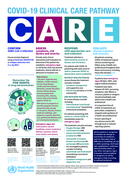
The COVID-19 CARE pathway is a living tool to support health care workers visualize the current clinical and therapeutic recommendations to be considered in the care planning for patients with COVID-19.
The COVID-19 CARE pathway is aligned with t
...
he eighth version of the WHO Therapeutics and COVID-19: living guideline published on the 14 January 2022 and the third version of the WHO COVID-19 Clinical management: living guidance published on the 23 November 2021.
more
This manual has been developed as a self-help tool for caregivers of people with dementia. Each module is divided into lessons
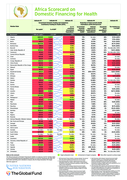
The Africa Scorecard on Domestic Financing for Health is an advocacy tool for member states to use in financial planning and expenditure tracking. It is a tool for measuring only AIDS, TB and malari
...
a spending and is intended to measure only the Abuja Declaration 15% target.
Accessed on 21.07.2023
more
The Water and Sanitation for Health Facility Improvement Tool (WASH FIT) presents a framework and acts as a guide to support multisectoral action to improve water, sanitation and hygiene (WASH) in health care. Central to the WASH FIT methodology is
...
training and incremental improvements.
Implementation of WASH FIT requires six preparatory steps at the national level, one of which is conducting national sensitization and training of trainers, followed by facility-level training. At the facility level, step 1 (of five) involves establishing and training a WASH FIT team.
The WASH FIT methodology is outlined in WASH FIT: A practical guide for improving quality of care through water, sanitation and hygiene in health care facilities. Second edition. (the WASH FIT guide), which includes a set of templates designed to help users with each phase of the improvement cycle.
more
The HIV/AIDS Sustainability Index Dashboard is a tool completed every two years by President’s Emergency Plan for AIDS Relief (PEPFAR) teams, host government and partner stakeholders to sharpen the understanding of each country’s sustainability
...
landscape and to assist PEPFAR and other donors in making informed HIV/AIDS investment decisions. Based on responses to more than 100 questions, the SID assesses the current state of sustainability of national HIV/AIDS responses across 17 critical elements. Scores for these elements are displayed on a color-coded dashboard, together with contextual charts and information. As the SID is completed over time,
it will allow stakeholders to track progress and gaps across these key components of financial and programmatic sustainability.
more
The target audience of this document (and the associated online companion tool) includes WHO country offices
in Member States of the African Region; Member States’ ministries of health and their public health emergency
operation centres; relev
...
ant external assessment teams; and partners looking to identify preparedness gaps and
support interventions that help address them. In the event of a suspected or confirmed VHF case, the document also serves to provide any intervening partner with a sense of what structures should be in place, in order to guide
scale-up activities in line with regional and national plans.
more
Mass Information Toolkit
UNHCR
(2014)
The Mass Information Toolkit aims to provide staff working with refugees a tool for producing
information material using standard office software (Word and PowerPoint) and hardware (office
printer) – circumventing tenders, high costs and lengthy
...
processes involved in using a graphic
designer – and illustrations adapted to the Syrian refugee context – which appeal to illiterate refugees
as well
The Toolkit can be found by accessing the link below:
https://www.dropbox.com/sh/7xj1m9o8c9i5cxo/9VhNJC4Wl0?lst
The toolkit also comes with a video tutorial which can be found either accessing the actual toolkit or
by viewing it on YouTube (http://www.youtube.com/watch?v=wFHDkidkL38&feature=youtu.be)
more
For full publication see: https://drtbnetwork.org/mdr-tb-patient-education-flipchart
This tool can be used to educate new patients about TB and MDR-TB. The healthcare provider should review the material together with the patient. A treatment sup
...
porter can also use this flipchart at community level to reinforce the concepts covered.
Major concepts covered in the flipchart:
TB is a contagious disease, which means it can be spread from person to person.
TB generally lives in the lungs, but it can also infect other parts of the body.
If TB is left untreated, it can kill the patient.
TB can be cured with the right medicine.
The flipchart can be adapted and modified as needed. The Mongolian Anti-Tuberculosis Association has adapted the flipchart for use in physician counseling training and in training of community health workers providing home-based care.
more
The Multi-Cluster/Sector Initial Rapid Assessment (MIRA) is a joint needs assessment tool that can be used in sudden onset emergencies, including IASC System-Wide Level 3 Emergency Responses (L3 Responses).
DesInventar as a Disaster Information Management System: DesInventar is a conceptual and methodological tool for the generation of National Disaster Inventories and the construction of databases of damage, losses and in general the effects of disast
...
ers. The Disaster Information Management System is a tool that helps to analyze the disaster trends and their impacts in a systematic manner. With increased understanding of the disaster trends and their impacts, better prevention, mitigation and preparedness measures can be planned to reduce the impact of disasters on the communities.
more
The World Health Organization's Model Disability Survey (MDS) Manual is a tool to help implement the MDS in countries and to improve the quality of the interview process. This manual is intended to provide practical information about the survey inst
...
ruments and their use during interviews. This manual is to be used as a training tool for interviewers when administering the questionnaire.
more
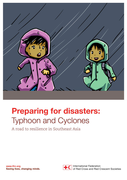
A road to resilience in Southeast Asia
This comic book is a children-friendly tool to support school safety, to raise awareness and preparedness for typhoon and cyclone.
This comic book is a children-friendly tool to support school safety, to raise awareness and preparedness for typhoon and cyclone.
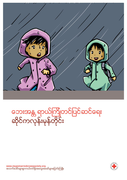
A road to resilience in Southeast Asia
This comic book is a children-friendly tool to support school safety, to raise awareness and preparedness for typhoon and cyclone.
This comic book is a children-friendly tool to support school safety, to raise awareness and preparedness for typhoon and cyclone.
A road to resilience in Southeast Asia
This comic book is a children-friendly tool to support school safety, to raise awareness and preparedness for typhoon and cyclone.
This comic book is a children-friendly tool to support school safety, to raise awareness and preparedness for typhoon and cyclone.
A road to resilience in Southeast Asia
This comic book is a children-friendly tool to support school safety, to raise awareness and preparedness for typhoon and cyclone.
This comic book is a children-friendly tool to support school safety, to raise awareness and preparedness for typhoon and cyclone.
A road to resilience in Southeast Asia
This comic book is a children-friendly tool to support school safety, to raise awareness and preparedness for tsunami
Original file: 17 MB
This comic book is a children-friendly tool to support school safety, to raise awareness and preparedness for tsunami
Original file: 17 MB
A road to resilience in Southeast Asia
This comic book is a children-friendly tool to support school safety, to raise awareness and preparedness for tsunami
This comic book is a children-friendly tool to support school safety, to raise awareness and preparedness for tsunami
A road to resilience in Southeast Asia
This comic book is a children-friendly tool to support school safety, to raise awareness and preparedness for tsunami
This comic book is a children-friendly tool to support school safety, to raise awareness and preparedness for tsunami

Situational Analysis: 13-23 October 2014
Report prepared using the WHO/SEARO workbook tool for undertaking a situational analysis of medicines in health care delivery in low and middle income countries
Report prepared using the WHO/SEARO workbook tool for undertaking a situational analysis of medicines in health care delivery in low and middle income countries
7 April 2020. This document and risk assessment tool provides practical guidance and recommendations to support the special role of religious leaders, faith-based organizations, and faith communities in COVID-19 education, preparedness, and respons
...
e.
You can download the risk assessment tool here:
https://apps.who.int/iris/bitstream/handle/10665/331772/WHO-2019-nCoV-Religious_Leaders_RAtool-2020.1-eng.xlsx
and the decision tree here:
https://www.who.int/docs/default-source/coronaviruse/who-2019-ncov-mg-decision-tree-religious.pdf?sfvrsn=f3433c0a_2
more
Birth defects surveillance: quick reference handbook of selected congenital anomalies and infections
This Quick Reference Handbook of Selected Congenital Anomalies and Infections is a companion tool to Birth defects surveillance: a manual for programme managers, and is intended for use by front-line health care professionals who are diagnosing and
...
collecting data on congenital defects and infections. When used in conjunction with the manual, the tools in this handbook will help the reader to: identify an initial list of congenital anomalies to consider for monitoring;describe the tools needed to define and code identified cases; define specific congenital anomalies under surveillance.
more
COVID Behaviors Dashboard
recommended
Global and Regional View of Vaccine Acceptance and Related Behaviors.
This new interactive tool captures information on knowledge, attitudes and behaviors around vaccines, masking, testing and more from 12 million people in 115 countries.
Insight
...
s and analyses on how to use the data were written by researchers and social and behavior change communication experts at CCP in collaboration with WHO’s Global Outbreak Alert and Response Network. This site is intended to be used by policy makers, health officials and practitioners at national and subnational levels to better understand the behavioral drivers behind vaccine uptake, masking and physical distancing among other behaviors that affect the spread of COVID-19.
more
This webinar provides an overview of the new IEC & Social Mobilization NTD Tool Kit, which leads users through a step-by-step process to systematically review, revise, develop and adapt current IEC materials and social mobilization approaches toward
...
s stronger, evidence-based practices in support of positive behavior change for MDA programs in the control of NTDs. Experiences from Ethiopia and Uganda are shared.
more

Website last accessed on 16.03.2024
GO developed our Cancer Education Materials (CEM) tool to improve the patient diagnosis and treatment experience in resource-limited settings, reduce stigma, help facilitate dialogue between patients and provide
...
rs, and ensure that no patient stops treatment because they haven’t received complete information about the care process. These picture-based and culturally-appropriate materials were originally developed for a partner in Malawi, and the GO team continues its work to adapt, refine, evaluate, and expand our efforts, adding more languages and modes of treatment.
You can download “Cancer and You” in a number of languages including English, Spanish, Haitian Creole, Setswana, Luganda, Kiswahili, and Kinyarwanda.
more
WHO has updated the mpox Case reporting form (CRF) and data collection tool, mainly by reducing the number of variables. A detailed list of changes is presented in the file. The content of the Case investigation form (CIF) has not been changed.
This 2011 update of Guidelines for the programmatic management of drug-resistant tuberculosis is intended as a tool for use by public health professionals working in response
to the Sixty-second World Health Assembly’s resolution on prevention an
...
d control of multidrug-resistant tuberculosis and extensively drug-resistant tuberculosis.
more
This manual is intended for mid-level rehabilitation workers and primary health care personnel as an educational and instructional tool to use for their work with persons who have sustained traumatic brain injury, their families and members of their
...
communities. The manual contains common medical, physical, cognitive and behavioral consequences of brain injury, and basic information for helping caregivers and community members, including teachers and potential employers.
more
This summary highlights the experiences, results and actions from the implementation of the Rapid Assessment Tool for Sexual and Reproductive Health and HIV Linkages in Botswana. The tool – develo
...
ped by IPPF, UNFPA, WHO, UNAIDS, GNP+, ICW and Young Positives in 2009 – supports national assessments of the bi-directional linkages between sexual and reproductive health (SRH) and HIV at the policy, systems and services levels. Each country that has rolled out the tool has gathered and generated information that will help to determine priorities and shape national plans and frameworks for scaling up and intensifying linkages. Country experiences and best practices will also inform regional and global agendas.
more
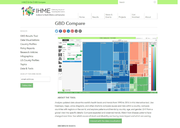
Global Burden of Disease (GBD) Compare
recommended
Institute for Health Metrics and Evaluation
(2018)
CC
Analyze updated data about the world’s health levels and trends from 1990 to 2016 in this interactive tool. Use treemaps, maps, arrow diagrams, and other charts to compare causes and risks within a country, compare countries with regions or the wo
...
rld, and explore patterns and trends by country, age, and gender. Drill from a global view into specific details. Compare expected and observed trends. Watch how disease patterns have changed over time. See which causes of death and disability are having more impact and which are waning.
more
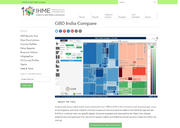
Global Burden of Disease (GBD) India Compare
recommended
Analyze data about India’s health levels and trends from 1990 to 2016 in this interactive tool. Use treemaps, maps, arrow diagrams, and other charts to compare causes and risks and explore patterns and trends by age and sex. Drill from a national
...
view into specific details. Compare expected and observed trends. Watch how disease patterns have changed over time. See which causes of death and disability are having more impact and which are waning.
more
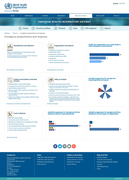
Launched in 2016, the European Health Information Gateway (Gateway) is a powerful tool and easy way to access health data, information and resources for all 53 Member States in the European Region. The Gateway was conceptualized as a platform to fac
...
ilitate access to integrated health information, under the umbrella of the European Health Information Initiative (EHII). It has been conceptualised as a bilingual, interactive one-stop health information shop for policy-makers, the general public and WHO staff alike.
Also available in Russian: https://gateway.euro.who.int/ru/themes/emergency-preparedness-and-response/
more
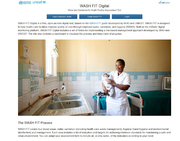
WASH FIT Digital is a free, open-access digital tool, based on the WASH FIT guide developed by WHO and UNICEF. WASH FIT is designed to help health care facilities improve quality of care through improved water, sanitation, and hygiene (WASH). Built
...
on the mWater digital monitoring platform, WASH FIT Digital includes a set of forms for implementing a risk-based management approach developed by WHO and UNICEF. The site also includes a dashboard to visualize the process and keep track of progress
more
Building Capacity for Disability Inclusion in Gender-Based Violence Programming in Humanitarian Settings, Tool. 7
This guide is a revised edition to the previous version published in 2017.
This updated publication provides programme managers with a user-friendly tool that can: (i) analyse and draw conclusions from historic dengue datasets; (ii) identify approp
...
riate alarm indicators that can predict forthcoming outbreaks at smaller spatial scales; and (iii) use these results and analyses to build an early warning system to detect dengue outbreaks in real time and respond accordingly. This web-based tool can ensure enhanced, fast and secured communication between national and subnational levels, and standardized utilization of surveillance data.
more
This summary highlights the experiences, results and actions from
the implementation of the Rapid Assessment Tool for Sexual and
The tool – developed by IPPF, UNFPA, WHO, UNAIDS, GNP+, ICW and Y
...
oung Positives in
2009 – supports national assessments of the bi-directional linkages
between sexual and reproductive health (SRH) and HIV at the policy,
systems and services levels. Each country that has rolled out the
tool has gathered and generated information that will help to
determine priorities and shape national plans and frameworks for
scaling up and intensifying linkages. Country experiences and best
practices will also inform regional and global agendas.
more
User GuideThe toolkit is composed of three sections: Hospital and Health System Resources - includes a readiness assessment tool, the starting point in developing or enhancing a successful Antimicrobial Stewardship Program (ASP). The
...
tool, a checklist developed by the CDC, should be shared with senior management, a senior leader for quality, purchasing directors, clinic managers, nurse managers, key physician leaders, risk managers, pharmacy leaders, infection preventionists and hospital epidemiologists, laboratory staff and information technology staff. For ease of use, it is divided into two sections, one for those just beginning a program, the other for those who wish to enhance an existing program. Clinician Resources - includes webinars, clinical evidence supporting appropriate use of antibiotics, implementation guides and related articles.Patient Resources - includes frequently asked questions, pamphlets and handouts on how patients can best engage in their care and resources on appropriate use of antibiotics.
more
Interium guidance, 25 June 2021Timely and accurate diagnostic testing is an essential tool in preventing and controlling the spread of COVID-19. This document describes recommendations for national testing strategies and the use of PCR and rapid ant
...
igen tests in different transmission scenarios of the COVID-19 outbreak, including how testing might be rationalized in low resource settings. All testing should be followed by a strong public health response including isolating those who test positive and providing them care, contact tracing and quarantine of contacts.
more
Interim Guidance, 12 July 2021; This tool was developed to assess present and surge capacities for the treatment of COVID-19 in health facilities. It allows health facilities to assess the availability and status of stockout of critical COVID-19 med
...
icines, equipment and supplies on site and to identify areas that need further attention to enable the facility to respond effectively to the pandemic. The tool encompasses key components that are essential to managing COVID-19 in a hospital setting, including:
health workforce (numbers, absences, COVID-19 infections, staff vaccinated for COVID-19 health workforce management, training and support);
medicines and medical supplies for management of COVID-19;
IPC capacities (protocols, safety measures, guidelines) and the availability of personal protective equipment (PPE) for staff;
diagnostic testing, imaging and patient monitoring devices and supplies
medical equipment for management of COVID-19, including O2 administration;
COVID-19 vaccine readiness ;
beds and space capacity.
more
Die BePrepared-App wurde speziell für junge Geflüchtete entwickelt. Das alltagsnahe Tool unterstützt mit informativen Texten und interaktiven Übungen einen sicheren Umgang mit Alkohol und Cannabis. Anders als viele bestehende Angebote der Suchtp
...
rävention ist die BePrepared-App als digitales Angebot in fünf Sprachen verfügbar (Arabisch, Deutsch, Englisch, Farsi und Paschtu), sodass sie jede:r ohne Hilfe, an jedem Ort, zu jeder Zeit anonym und kostenlos nutzen kann.
more
Access to medical personal protective equipment (PPE) is essential for routine healthcare delivery, and a critical tool for containing outbreaks, as well as preventing and responding to pandemics. It is one of our most effective tools against COVID-
...
19, and an undervalued tool more generally in infection control.
more
19 August 2022. A monkeypox case investigation form (CIF) has been designed as a tool for Member States and researchers to conduct in-depth epidemiological investigation of suspected, probable and confirmed cases of monkeypox. This form allows to co
...
llect data prospectively or retrospectively for both cases and their contacts. The full form is meant to serve as a tool for in-country use and the data are not required to be reported to WHO.
more
Recommendations on the initiation and continuing use of nine common types of contraceptive methods are covered by the tool. In addition to looking at individual medical conditions or characteristics, users may also easily combine multiple conditions
...
or characteristics and view the guidance on each condition separately or in combination.
more
For the past 10 years, the EU Ambient Air Quality Directives have been an essential tool to drive
action against air pollution.
The document emphasizes integrating environmental considerations into nutrition programs. It introduces a screening tool piloted across ten projects to identify environmental risks and opportunities, fostering sustainable practices in food systems.
...
The tool promotes collaboration, co-learning, and actionable steps to align nutrition goals with environmental sustainability, ensuring long-term benefits for health and ecosystems.
more

This Clinic Supervisor’s Manual is helpful for focusing managers on the key elements of integrated primary health care as they simultaneously integrate new interventions for HIV/AIDS, tuberculosis, and malaria. This tool contains 12 sections. Sect
...
ion 1 explains how to use the manual. Section 2 helps the clinic supervisors organize their supervisory visit. The remainder of the sections focus on a number of key areas during a clinic supervision visit.
more

Manual Logistical Management of Humanitarian Supply
The flood of relief supplies that arrive in the aftermath of large-scale disasters often poses serious logistic and management problems for national authorities. SUMA is a tool for the management
...
of humanitarian relief supplies, from the time pledges are made by donors, to their entry into the disaster area and their storage and distribution.
more
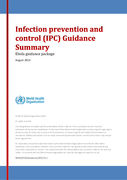
Infection prevention and control (IPC) guidance summary
recommended
World Health Organization
(2014)
The summary of the infection prevention and control (IPC) measures is for anyone providing direct and non-direct care to patients with suspected or confirmed Ebola virus disease (EVD) in health-care facilities (HCFs). Essential IPC measures are also included in the Table which can be used as a stand
...
-alone tool.
more
Clinical Key
Elsevier
(2014)
Elsevier Provides Free Online Access to Medical Information for West African Countries Stricken with Ebola Outbreak
To support healthcare professionals in West Africa battling the Ebola outbreak, Elsevier [http://www.elsevier.com/] will provide free access to its primary online clinical infomation
...
and reference tool, ClinicalKey. The African countries that are part of this free r-
ClinicalKey access program include the four in West Africa currently affected –Liberia, Nigeria, Sierra Leone and Guinea –plus other African countries where the outbreak has the potential to spread, including Cameroon, Central African Republic, Ghana, Angola, Togo, United Republic of Tanzania, Ethiopia, Mozambique, Burundi, Equatorial Guinea, Madagascar and Malawi. All IPs originating from these countries will be granted free access for the next two months
more
Swahili version of How to use a partograph.
Translation and voice over thanks to Alex Mureithi and Zawadi Machibya and their colleagues at the BBC Swahili Service
A vital tool for the care of every woman in labour. The partograph is a graphic rec
...
ord of vital observations during the course of labour in order to assess its progress and carry out appropriate interventions if and when necessary. Correct use of the partograph can help prevent and manage prolonged or obstructed labour and serious complications, including ruptured uterus, obstetric fistula, and stillbirth. The partograph was developed in Africa (Zimbabwe in about 1970) and has become adopted worldwide.
more
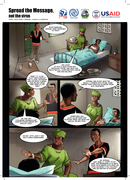
The first of a series of graphic stories about Ebola that covers prevention and seeking early care. This tool is used by IOM and county based partners to raise awareness and encourage positive responses within communities in Liberia. It . It was de
...
veloped with the guidance of the Ministry of Health and Social Welfare, WHO and UNICEF.
more
The report will describe how the Ebola Response MPTF, which has attracted contributions from 38 Member States, one business and many individuals, has offered a transparent and strategic tool to support the Ebola response. As of 31 January 2015, the
...
Fund had total pledges amounting to US$142 million, out of which US$132 million have been deposited
more
Disability Inclusive Development Toolkit
recommended
This toolkit is designed as a resource for CBM that can be used in a variety of ways: to support staff induction, team meetings, refresher days and training workshops. It can also be used as a tool for personal reflection and self-study. Tips for th
...
ose intending to use it as a training resource are shaded differently.
more
“mhGAP Intervention Guide for mental, neurological and substance use disorders in non-specialized health settings” is a technical tool for implementation of the mhGAP Programme. The Intervention Guide has been developed through a systematic revi
...
ew of evidence, followed by an international consultative and participatory process. It provides the full range of recommendations to facilitate high quality care at first- and second-level facilities by the non-specialist health-care providers in resource-poor settings
more
Guide for coordinators and data collectors - The WHO Operational Package for Assessing, Monitoring and Evaluating Country Pharmaceutical Situations is intended as a useful tool for researchers, policy-makers, planners and others who need to use stan
...
dardized measurement tools to gather data and other information. In addition, the operational package can be used by international agencies and donors, by professional groups and nongovernmental organizations (NGOs).
more
When Children Speak More Than One Language (English version)
Best Start Resource Centre
(2014)
C1
As a parent of a child who will learn two or more languages, you may have questions. This guide will give you information based on research to help you. Language is the best tool to help a child do well later in school and in life.
Available in:
...
Arabic, Chinese, English, French, Hindi, Punjabi, Spanish, Tagalog, Tamil, Urdu. For other language versions go to: http://en.beststart.org/for_parents/are-you-looking-resources-languages-other-english-and-french and scroll down to Child Development.
more
When Children Speak More Than One Language (Arabic version)
Best Start Resource Centre
(2014)
C1
As a parent of a child who will learn two or more languages, you may have questions. This guide will give you information based on research to help you. Language is the best tool to help a child do well later in school and in life.
Available in: Ar
...
abic, Chinese, English, French, Hindi, Punjabi, Spanish, Tagalog, Tamil, Urdu. For other language versions go to: http://en.beststart.org/for_parents/are-you-looking-resources-languages-other-english-and-french and scroll down to Child Development.
more
These guidelines were written for anyone trying to meet and solve the challenges of operating a warehouse today. They are an important reference tool for managers and staff, whether they are constructing a new warehouse, implementing a new warehouse
...
system, or redesigning their current system.
Guidelines for Warehousing Health Commodities is for use by supply chain managers, logistics advisors, and warehouse managers who want to improve and increase efficiency in their current health commodity warehouse. more
Guidelines for Warehousing Health Commodities is for use by supply chain managers, logistics advisors, and warehouse managers who want to improve and increase efficiency in their current health commodity warehouse. more

Rapid Assessment Guide for Psychosocial Support and Violence Prevention in Emergencies and Recovery
recommended
This guide provides standards and directions on how to carry out rapid needs assessment for Psychosocial Support (PSS) and Violence Prevention (VP) initiatives including child protection and sexual and gender-based violence. In particular, this rapid assessment
...
tool is designed to help gather data in an efficient and effective way to help inform integration of PSS and VP issues, as minimum standards, into the broader disaster management action plans in response to an emergency.
more

This is a checklist of major categories of the International Classification of Functioning, Disability and Health (ICF) of the World Health Organization . The ICF Checklist is a practical tool to elicit and record information on the functioning and
...
disability of an individual. This information can be summarized for case records (for example, in clinical practice or social work). The checklist should be used along with the ICF or ICF Pocket version.
more
The new WHODAS 2.0 supersedes WHODAS II and shows the following advantages:
- A generic assessment instrument for health and disability
- Used across all diseases, including mental, neurological and addictive disorders
- Short, simple and easy to administer (5 to 20 minutes)
- Applicable in both
...
clinical and general population settings
- A tool to produce standardized disability levels and profiles
- Applicable across cultures, in all adult populations
- Directly linked at the level of the concepts to the International
- Classification of Functioning, Disability and Health (ICF)
more
This research project is comprised of a Final Report, 5 Annexed Explosive Weapons Studies, a Terminology paper and a Simulator software tool. Motivated by its strategic goal to improve human security and equipped with subject expertise in explosive
...
hazards, in January 2015, the GICHD established the research project to characterise explosive weapons (CEW). The aim of this research into explosive weapons characteristics and their immediate, destructive effects on humans and structures is to contribute to the ongoing discussions on explosive weapons in populated areas, intended to reduce harm to civilians. This research does not enter into the moral or legal implications of using explosive weapon systems in populated areas, but rather examines their characteristics, effects and use from a technical perspective.
more
This first in a series of Washington Group Implementation Documents covers the tools developed by the Washington Group to collect
internationally comparable disability data on censuses and surveys. WG Implementation guideline Tool 1
Free information about the Ebola virus and how best to treat it, is available from BMJ Best Practice [https://bestpractice.bmj.com/topics/en-gb/1210], the clinical support tool from BMJ, for clinicians working on the frontline in affected rural and
...
urban regions of DR Congo. The information has been reviewed and aligned with WHO guidance.
more
The workshop is structured around 13 learning modules. The first module (Introduction) gives an overview of WSPs. The last module (Module 12) introduces participants to the quality assurance tool for WSPs (WHO & IWA, 2012). Modules 1–11 relate exp
...
licitly to the WSP manual produced by IWA and WHO (Bartram et al., 2009), from which the workshop is designed.
more

The publication aims to establish the rationale for inclusion and provides technical advice and tools for putting theory into practice. It is intended to be used as a reference during organizational and program/project development with a focus on gender responsiveness and disability inclusion as wel
...
l as a tool to support good practice in implementation.
This first part guides the reader through the process of assessing whether or not the organization is ready to change towards becoming a more inclusive organization. The second part introduces the ACAP framework, which sets up a way of approaching inclusion via focus on the areas: Access, Communication, Attitude and Participation. It then demonstrates how the framework can be applied to projects and programmes. The third part provides guidelines for the people who will guide organizations through the process of change towards becoming inclusive of persons from marginalized groups. more
This first part guides the reader through the process of assessing whether or not the organization is ready to change towards becoming a more inclusive organization. The second part introduces the ACAP framework, which sets up a way of approaching inclusion via focus on the areas: Access, Communication, Attitude and Participation. It then demonstrates how the framework can be applied to projects and programmes. The third part provides guidelines for the people who will guide organizations through the process of change towards becoming inclusive of persons from marginalized groups. more
Translation of the 1st ed., 2003
These guidelines were written for anyone trying to meet and solve the challenges of operating a warehouse today. They are an important reference tool for managers and staff, whether they are constructing ... a new warehouse, implementing a new warehouse system, or redesigning their current system.
Guidelines for Warehousing Health Commodities is for use by supply chain managers, logistics advisors, and warehouse managers who want to improve and increase efficiency in their current health commodity warehouse. more
These guidelines were written for anyone trying to meet and solve the challenges of operating a warehouse today. They are an important reference tool for managers and staff, whether they are constructing ... a new warehouse, implementing a new warehouse system, or redesigning their current system.
Guidelines for Warehousing Health Commodities is for use by supply chain managers, logistics advisors, and warehouse managers who want to improve and increase efficiency in their current health commodity warehouse. more
The primary audience for the guideline is policy makers and health programme managers of MNCH and immunization programmes in ministries of health where decisions are made and policies created on the use and implementation of homebased records.
The guideline is also aimed at health providers who use
...
home-based records as a tool for recording information and providing health education or communicating key information. Development and international agencies and non-governmental organizations that support the implementation of home-based records will also find this guideline of use.
more
This handbook is designed to act as a ready reference for Law Enforcement Officials and prosecutors to understand cyber crimes against children. Cyber Crimes are generally defined as those crimes in which a computer resource is either the target or is used as
...
tool for committing the crime. These may even include cases where traditional crimes are facilitated by digital technologies as will become clear through the course of this handbook.
The handbook focusses on presenting a clear picture of cyber crimes committed against children and when cyber crimes have been perpetrated by them. It also helps Investigating Officers to understand the application of special legislation like the Information Technology Act, Protection of Children from Sexual Offences (POSCO) Act and Juvenile Justice (Care and Protection) Act to such instances.
more
Child protection psychosocial training manual
recommended
The Terre des hommes Child Protection Psychosocial Training Manual has been developed for use in the field
in order to train animators who work with children and other child protection programme staff. It has
been written in response to the needs which exist in Terre des hommes child protection pr
...
ogrammes,
and should be used as a practical tool alongside the Child Protection: Manual for Intervention in Humanitarian
Crisis, previously produced by Terre des hommes.
The modules in this manual have been grouped according to the following categories:
• Level 1: Facilitating a training
• Level 2: Basic concepts for intervention
• Level 3: Animator’s competencies
Each module is laid out under the following headings:
• What is it?
• Why is it useful?
• How can I use it?
more
mhGAP is based on evidence-based technical guidelines (4) and provides a set of tools and
training packages to extend service provision. The mhGAP Intervention Guide (mhGAP-IG)
for MNS disorders in non-specialized health settings (8) is a clinical decision-making
...
tool
for assessing and managing priority MNS conditions (depression, psychoses, epilepsy, child
and adolescent mental and behavioural disorders, dementia, disorders due to substance
use, self-harm and suicide).
more
Tree of Life
recommended
A workshop methodology for children, young people and adults
The “Tree of Life” is a psychosocial support tool based on narrative practices that is designed to help participants accept the hardships of their past and identify the strengths that
...
can help them achieve a better future. It uses the different parts of a tree as metaphors to represent the different parts of our lives. The workshop generally takes one day.
Participants draw their own “Tree of Life” in which they get to speak of their ‘roots” (where they come from), their skills and knowledge, their hopes and dreams and the special people in their lives
more
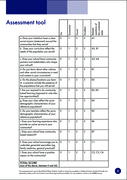
A quick assessment sheet, which would allow to know the Social Accountability score of your medical school or medical students’ association. This assessment tool is part of the IFMSA/THEnet Students’ Toolkit on Social Accountability in Medical S
...
chools. Find the full toolkit, the explanatory tables, and a list of tools at www.ifmsa.org/social-accountability.
more
The WHO Guidelines on risk reduction of cognitive decline and dementia provide evidence-based recommendations on lifestyle behaviours and interventions to delay or prevent cognitive decline and dementia. These WHO Guidelines are an important tool fo
...
r health care providers as well as governments, policy-makers and other stakeholders to strengthen their response to the dementia challenge.
Executive Summary available in Arabic, Chinese, French, Russian and Spanish at: https://www.who.int/mental_health/neurology/dementia/guidelines_risk_reduction/en/
more
Climate Change Toolkit for Health Professionals
recommended
This toolkit consists of eight modules which have been prepared as stand-alone documents that can be read by themselves, but they have also been prepared to complement one another. It has been designed as a tool for health professionals and student
...
s in the health care and public health sectors who want to engage more directly on the issue of climate change as educators with their patients, peers and communities, and/or as advocates for the policies, programs and practices needed to mitigate climate change and/or prepare for climate change in their workplaces and communities
more
2nd edition. The Pan American Health Organization and the Caribbean Development Bank developed this booklet as a tool to help you take care of yourself and your community during crisis situations. This is achieved through psychological first aid, al
...
so known as PFA, a humane, supportive and practical response to a fellow human being who is suffering and may need support. In this booklet, our “PFA helper” will guide you through the three basic principles of PFA: look, listen and link. This will help you to approach affected people, listen and understand their needs, and link them with practical support and information. It will also bring to your attention the needs of specific groups, including men, women, children and adolescents, and people with disabilities, among others. Enjoy the booklet. Read it again from time to time, share it with friends, family and members of your community, and spread the message: “Stronger together”
more
Risk Communication and Community Engagement (RCCE) is an essential component of your health emergency preparedness and response action plan. This tool is designed to support risk communication, community engagement staff and responders working with
...
national health authorities, and other partners to develop, implement and monitor an effective action plan for communicating effectively with the public, engaging with communities, local partners and other stakeholders to help prepare and protect individuals, families and the public’s health during early response to COVID-19.
more
Stewardship is defined as “the careful and responsible management of something entrusted to one’s care”. It was originally applied in the health-care setting as a tool for optimizing antimicrobial use, termed “antimicrob
...
ial stewardship” (AMS). Stewardship has since been applied in the context of governance of the health sector as a whole, taking responsibility for the health and well-being of the population and guiding health systems at the national and global level.
more
