
Filter
8815
Text search:
measures
Featured
780
2226
Language
8451
235
187
153
117
79
53
52
18
17
14
14
13
12
12
12
11
10
9
8
8
7
7
7
7
7
7
7
7
7
6
6
6
5
5
5
5
5
4
4
4
4
4
4
4
4
4
4
3
3
3
3
3
3
3
2
2
2
2
2
2
1
1
1
1
1
1
1
1
1
1
Document type
4731
1563
1106
450
326
262
124
103
42
38
27
19
18
2
1
Countries
404
378
239
207
194
186
176
173
167
158
156
156
131
129
125
120
116
115
112
111
100
99
93
88
65
63
63
62
61
59
59
59
55
55
55
54
54
53
52
49
47
47
47
46
44
43
40
35
33
32
31
30
30
28
27
26
25
25
24
24
20
19
19
17
17
17
15
15
15
14
14
13
13
12
11
11
11
11
9
9
9
9
9
9
8
8
8
8
8
7
7
7
7
7
7
6
6
6
6
6
6
6
5
5
5
5
5
5
5
5
4
4
4
4
4
4
4
4
3
3
3
3
3
3
3
3
3
3
3
2
2
2
2
2
2
2
2
2
2
2
2
1
1
1
1
1
1
1
1
1
1
1
1
1
1
1
1
1
Authors & Publishers
1154
444
341
273
197
187
161
138
104
84
55
52
50
49
47
47
43
39
39
36
36
36
36
35
33
33
32
31
30
30
29
29
27
26
26
26
26
26
25
24
24
24
24
23
23
23
22
22
21
21
21
21
21
21
21
21
20
20
20
20
19
19
18
18
18
17
16
16
16
16
15
15
15
15
15
14
14
14
14
14
14
14
14
14
14
13
13
13
13
13
13
12
12
12
12
12
12
11
11
11
11
11
11
11
11
10
10
10
10
10
10
10
9
9
9
9
9
9
9
9
9
9
9
9
9
9
9
9
9
9
8
8
8
8
8
8
8
8
8
8
8
8
8
8
8
8
8
8
8
8
8
8
7
7
7
7
7
7
7
7
7
7
7
7
7
7
7
7
7
7
7
7
7
7
7
7
7
7
7
6
6
6
6
6
6
6
6
6
6
6
6
6
6
6
6
6
6
6
6
6
6
6
6
6
6
6
6
6
6
6
6
6
6
6
6
6
6
6
6
6
6
6
6
6
5
5
5
5
5
5
5
5
5
5
5
5
5
5
5
5
5
5
5
5
5
5
5
5
5
5
5
5
5
5
5
5
5
5
5
5
5
5
5
5
5
4
4
4
4
4
4
4
4
4
4
4
4
4
4
4
4
4
4
4
4
4
4
4
4
4
4
4
4
4
4
4
4
4
4
4
4
4
4
4
4
4
4
4
4
4
4
4
4
4
4
4
4
4
4
4
4
4
4
4
4
4
4
4
4
4
4
4
4
4
4
4
4
4
4
4
4
4
4
4
4
4
4
4
4
4
4
4
4
4
4
4
4
4
4
3
3
3
3
3
3
3
3
3
3
3
3
3
3
3
3
3
3
3
3
3
3
3
3
3
3
3
3
3
3
3
3
3
3
3
3
3
3
3
3
3
3
3
3
3
3
3
3
3
3
3
3
3
3
3
3
3
3
3
3
3
3
3
3
3
3
3
3
3
3
3
3
3
3
3
3
3
3
3
3
3
3
3
3
3
3
3
3
3
3
3
3
3
3
3
3
3
3
3
3
3
3
3
3
3
3
3
3
3
3
3
3
3
3
3
3
3
3
3
3
3
3
3
3
3
3
3
3
3
3
3
3
3
3
3
3
3
3
3
3
3
3
3
3
3
3
3
3
3
3
3
3
3
3
3
3
3
3
3
3
3
3
3
3
3
3
3
3
3
3
3
3
3
3
3
3
3
2
2
2
2
2
2
2
2
2
2
2
2
2
2
2
2
2
2
2
2
2
2
2
2
2
2
2
2
2
2
2
2
2
2
2
2
2
2
2
2
2
2
2
2
2
2
2
2
2
2
2
2
2
2
2
2
2
2
2
2
2
2
2
2
2
2
2
2
2
2
2
2
2
2
2
2
2
2
2
2
2
2
2
2
2
2
2
2
2
2
2
2
2
2
2
2
2
2
2
2
2
2
2
2
2
2
2
2
2
2
2
2
2
2
2
2
2
2
2
2
2
2
2
2
2
2
2
2
2
2
2
2
2
2
2
2
2
2
2
2
2
2
2
2
2
2
2
2
2
2
2
2
2
2
2
2
2
2
2
2
2
2
2
2
2
2
2
2
2
2
2
2
2
2
2
2
2
2
2
2
2
2
2
2
2
2
2
2
2
2
2
2
2
2
2
2
2
2
2
2
2
2
2
2
2
2
2
2
2
2
2
2
2
2
2
2
2
2
2
2
2
2
2
2
2
2
2
2
2
2
2
2
2
2
2
2
2
2
2
2
2
2
2
2
2
2
2
2
2
2
2
2
2
2
2
2
2
2
2
2
2
2
2
2
2
2
2
2
2
2
2
2
2
2
2
2
2
2
2
2
2
2
2
2
2
2
2
2
2
2
2
2
2
2
2
2
2
2
2
2
2
2
2
2
2
2
2
2
2
2
2
2
2
2
2
2
2
2
2
2
2
2
2
2
2
2
2
2
2
2
2
2
2
2
2
2
2
2
2
2
2
2
2
2
2
2
2
2
2
2
2
2
2
2
2
2
2
2
2
2
2
2
2
2
2
2
2
2
2
2
2
2
2
2
2
2
2
2
2
2
2
2
2
2
2
2
2
2
2
2
2
2
2
2
2
2
2
2
2
2
2
2
2
2
2
2
2
2
2
2
2
2
2
2
2
2
2
2
2
2
2
2
2
2
2
2
2
2
2
2
2
2
2
2
2
2
2
2
2
2
2
2
2
2
2
2
2
2
2
2
2
2
2
1
1
1
1
1
1
1
1
1
1
1
1
1
1
1
1
1
1
1
1
1
1
1
1
1
1
1
1
1
1
1
1
1
1
1
1
1
1
1
1
1
1
1
1
1
1
1
1
1
1
1
1
1
1
1
1
1
1
1
1
1
1
1
1
1
1
1
1
1
1
1
1
1
1
1
1
1
1
1
1
1
1
1
1
1
1
1
1
1
1
1
1
1
1
1
1
1
1
1
1
1
1
1
1
1
1
1
1
1
1
1
1
1
1
1
1
1
1
1
1
1
1
1
1
1
1
1
1
1
1
1
1
1
1
1
1
1
1
1
1
1
1
1
1
1
1
1
1
1
1
1
1
1
1
1
1
1
1
1
1
1
1
1
1
1
1
1
1
1
1
1
1
1
1
1
1
1
1
1
1
1
1
1
1
1
1
1
1
1
1
1
1
1
1
1
1
1
1
1
1
1
1
1
1
1
1
1
1
1
1
1
1
1
1
1
1
1
1
1
1
1
1
1
1
1
1
1
1
1
1
1
1
1
1
1
1
1
1
1
1
1
1
1
1
1
1
1
1
1
1
1
1
1
1
1
1
1
1
1
1
1
1
1
1
1
1
1
1
1
1
1
1
1
1
1
1
1
1
1
1
1
1
1
1
1
1
1
1
1
1
1
1
1
1
1
1
1
1
1
1
1
1
1
1
1
1
1
1
1
1
1
1
1
1
1
1
1
1
1
1
1
1
1
1
1
1
1
1
1
1
1
1
1
1
1
1
1
1
1
1
1
1
1
1
1
1
1
1
1
1
1
1
1
1
1
1
1
1
1
1
1
1
1
1
1
1
1
1
1
1
1
1
1
1
1
1
1
1
1
1
1
1
1
1
1
1
1
1
1
1
1
1
1
1
1
1
1
1
1
1
1
1
1
1
1
1
1
1
1
1
1
1
1
1
1
1
1
1
1
1
1
1
1
1
1
1
1
1
1
1
1
1
1
1
1
1
1
1
1
1
1
1
1
1
1
1
1
1
1
1
1
1
1
1
1
1
1
1
1
1
1
1
1
1
1
1
1
1
1
1
1
1
1
1
1
1
1
1
1
1
1
1
1
1
1
1
1
1
1
1
1
1
1
1
1
1
1
1
1
1
1
1
1
1
1
1
1
1
1
1
1
1
1
1
1
1
1
1
1
1
1
1
1
1
1
1
1
1
1
1
1
1
1
1
1
1
1
1
1
1
1
1
1
1
1
1
1
1
1
1
1
1
1
1
1
1
1
1
1
1
1
1
1
1
1
1
1
1
1
1
1
1
1
1
1
1
1
1
1
1
1
1
1
1
1
1
1
1
1
1
1
1
1
1
1
1
1
1
1
1
1
1
1
1
1
1
1
1
1
1
1
1
1
1
1
1
1
1
1
1
1
1
1
1
1
1
1
1
1
1
1
1
1
1
1
1
1
1
1
1
1
1
1
1
1
1
1
1
1
1
1
1
1
1
1
1
1
1
1
1
1
1
1
1
1
1
1
1
1
1
1
1
1
1
1
1
1
1
1
1
1
1
1
1
1
1
1
1
1
1
1
1
1
1
1
1
1
1
1
1
1
1
1
1
1
1
1
1
1
1
1
1
1
1
1
1
1
1
1
1
1
1
1
1
1
1
1
1
1
1
1
1
1
1
1
1
1
1
1
1
1
1
1
1
1
1
1
1
1
1
1
1
1
1
1
1
1
1
1
1
1
1
1
1
1
1
1
1
1
1
1
1
1
1
1
1
1
1
1
1
1
1
1
1
1
1
1
1
1
1
1
1
1
1
1
1
1
1
1
1
1
1
1
1
1
1
1
1
1
1
1
1
1
1
1
1
1
1
1
1
1
1
1
1
1
1
1
1
1
1
1
1
1
1
1
1
1
1
1
1
1
1
1
1
1
1
1
1
1
1
1
1
1
1
1
1
1
1
1
1
1
1
1
1
1
1
1
1
1
1
1
1
1
1
1
1
1
1
1
1
1
1
1
1
1
1
1
1
1
1
1
1
1
1
1
1
1
1
1
1
1
1
1
1
1
1
1
1
1
1
1
1
1
1
1
1
1
1
1
1
1
1
1
1
1
1
1
1
1
1
1
1
1
1
1
1
1
1
1
1
1
1
1
1
1
1
1
1
1
1
1
1
1
1
1
1
1
1
1
1
1
1
1
1
1
1
1
1
1
1
1
1
1
1
1
1
1
1
1
1
1
1
1
1
1
1
1
1
1
1
1
1
1
1
1
1
1
1
1
1
1
1
1
1
1
1
1
1
1
1
1
1
1
1
1
1
1
1
1
1
1
1
1
1
1
1
1
1
1
1
1
1
1
1
1
1
1
1
1
1
1
1
1
1
1
1
1
1
1
1
1
1
1
1
1
1
1
1
1
1
1
1
1
1
1
1
1
1
1
1
1
1
1
1
1
1
1
1
1
1
1
1
1
1
1
1
1
1
1
1
1
1
1
1
1
1
1
1
1
1
1
1
1
1
1
1
1
1
1
1
1
1
1
1
1
1
1
1
1
1
1
1
1
1
1
1
1
1
1
1
1
1
1
1
1
1
1
1
1
1
1
1
1
1
1
1
1
1
1
1
1
1
1
1
1
1
1
1
1
1
1
1
1
1
1
1
1
1
1
1
1
1
1
1
1
1
1
1
1
1
1
1
1
1
1
1
1
1
1
1
1
1
1
1
1
1
1
1
1
1
1
1
1
1
1
1
1
1
1
1
1
1
1
1
1
1
1
1
1
1
1
1
1
1
1
1
1
1
1
1
1
1
1
1
1
1
1
1
1
1
1
1
1
1
1
1
1
1
1
1
1
1
1
1
1
1
1
1
1
1
1
1
1
1
1
1
1
1
1
1
1
1
1
1
1
1
1
1
1
1
1
1
1
1
1
1
1
1
1
1
1
1
1
1
1
1
1
1
1
1
1
1
1
1
1
1
1
1
1
1
1
1
1
1
1
1
1
1
1
1
1
1
1
1
1
1
1
1
1
1
1
1
1
1
1
1
1
1
1
1
1
1
1
1
1
1
1
1
1
1
1
1
1
1
1
1
1
1
1
1
1
1
1
1
1
1
1
1
1
1
1
1
1
1
1
1
1
1
1
1
1
1
1
1
1
1
1
1
1
1
1
1
1
1
1
1
1
1
1
1
1
1
1
1
1
1
1
1
1
1
1
1
1
1
1
1
1
1
1
1
1
1
1
1
1
1
1
1
1
1
1
1
1
1
1
1
1
1
1
1
1
1
1
1
1
1
1
1
1
1
1
1
1
1
1
1
1
1
1
1
1
1
1
1
1
1
1
1
1
1
1
1
1
1
1
1
1
1
1
1
1
1
1
1
1
1
1
1
1
1
1
1
1
1
1
1
1
1
1
1
1
1
1
1
1
1
1
1
1
1
1
1
1
1
1
1
1
1
1
1
1
1
1
1
1
1
1
1
1
1
1
1
1
1
1
1
1
1
1
1
1
1
1
1
1
1
1
1
1
1
1
1
1
1
1
1
1
1
1
1
1
1
1
1
1
1
1
1
1
1
1
1
1
1
1
1
1
1
1
1
1
1
1
1
1
1
1
1
1
1
1
1
1
1
1
1
1
1
1
1
1
1
1
1
1
1
1
1
1
1
1
1
1
1
1
1
1
1
1
1
1
1
1
1
1
1
1
1
1
1
1
1
1
1
1
1
1
1
1
1
1
1
1
1
1
1
1
1
1
1
1
1
1
1
1
1
1
1
1
1
1
1
1
1
1
1
1
1
1
1
1
1
1
1
1
1
1
1
1
1
1
1
1
1
1
1
1
1
1
1
1
1
1
1
1
1
1
1
1
1
1
1
1
1
1
1
1
1
1
1
1
1
1
1
1
1
1
1
1
1
1
1
1
1
1
1
1
1
1
1
1
1
1
1
1
1
1
1
1
1
1
1
1
1
1
1
1
1
1
1
1
1
1
1
1
1
1
1
1
1
1
1
1
1
1
1
1
1
1
1
1
1
1
1
1
1
1
1
1
1
1
1
1
1
1
1
1
1
1
1
1
1
1
1
1
1
1
1
1
1
1
1
1
1
1
1
1
1
1
1
1
1
1
1
1
1
1
1
1
1
1
1
1
1
1
1
1
1
1
1
1
1
1
1
1
1
1
1
1
1
1
1
1
1
1
1
1
1
1
1
1
1
1
1
1
1
1
1
1
1
1
1
1
1
1
1
1
1
1
1
1
1
1
1
1
1
1
1
1
1
1
1
1
1
1
1
1
1
1
1
1
1
1
1
1
1
1
1
1
1
1
1
1
1
1
1
1
1
1
1
1
1
1
1
1
1
1
1
1
1
1
1
1
1
1
1
1
1
1
1
1
1
1
1
1
1
1
1
1
1
1
1
1
1
1
1
1
1
1
1
1
1
1
1
1
1
1
1
1
1
1
1
1
1
1
1
1
1
1
1
1
1
1
1
1
1
1
1
1
1
1
1
1
1
1
1
1
1
1
1
1
1
1
1
1
1
1
1
1
1
1
1
1
1
1
1
1
1
1
1
1
1
1
1
1
1
1
1
1
1
1
1
1
1
1
1
1
1
1
1
1
1
1
1
1
1
1
1
1
1
1
1
1
1
1
1
1
1
1
1
1
1
1
1
1
1
1
1
1
1
1
1
1
1
1
1
1
1
1
1
1
1
1
1
1
1
1
1
1
1
1
1
1
1
1
1
1
1
1
1
1
1
1
1
1
1
1
1
1
1
1
1
1
1
1
1
1
1
1
1
1
1
1
1
1
1
1
1
1
1
1
1
1
1
1
1
1
1
1
1
1
1
1
1
1
1
1
1
1
1
1
1
1
1
1
1
1
1
1
1
1
1
1
1
1
1
1
1
1
1
1
1
1
1
1
1
1
1
1
1
1
1
1
1
1
1
1
1
1
1
1
1
1
1
1
1
1
1
1
1
1
1
1
1
1
1
1
1
1
1
1
1
1
1
1
1
1
1
1
1
1
1
1
1
1
1
1
1
1
1
1
1
1
1
1
1
1
1
1
1
1
1
1
1
1
1
1
1
1
1
1
1
1
1
1
1
1
1
1
1
1
1
1
1
1
1
1
1
1
1
1
1
1
1
1
1
1
1
1
1
1
1
1
1
1
1
1
1
1
1
1
1
1
1
1
1
1
1
1
1
1
1
1
1
1
1
1
1
1
1
1
1
1
1
1
1
1
1
1
1
1
1
1
1
1
1
1
1
1
1
1
1
1
1
1
1
1
1
1
1
1
1
1
1
1
1
1
1
1
1
1
1
1
1
1
1
1
1
1
1
1
1
1
1
1
1
1
1
1
1
1
1
1
1
1
1
1
1
1
1
1
1
1
1
1
1
1
1
1
1
1
1
1
1
1
1
1
1
1
1
1
1
1
1
1
1
1
1
1
1
1
1
1
1
1
1
1
1
1
1
1
1
1
1
1
1
1
1
1
1
1
1
1
1
1
1
1
1
1
1
1
1
1
1
1
1
1
1
1
1
1
1
1
1
1
1
1
1
1
1
1
1
1
1
1
1
1
1
1
1
1
1
1
1
1
1
1
1
1
1
1
1
1
1
1
1
1
1
1
1
1
1
1
1
1
1
1
1
1
1
1
1
1
1
1
1
1
1
1
1
1
1
1
1
1
1
1
1
1
1
1
1
1
1
1
1
1
1
1
1
1
1
1
1
1
1
1
1
1
1
1
1
1
1
1
1
1
1
1
1
1
1
1
1
1
1
1
1
1
1
1
1
1
1
1
1
1
1
1
1
1
1
1
1
1
1
1
1
1
1
1
1
1
1
1
1
1
1
1
1
1
1
1
1
1
1
1
1
1
1
1
1
1
1
1
1
1
1
1
1
1
1
1
1
1
1
1
1
1
1
1
1
1
1
1
1
1
1
1
1
1
1
1
1
1
1
1
1
1
1
1
1
1
1
1
1
1
1
1
1
1
1
1
1
1
1
1
1
1
1
1
1
1
1
1
1
1
1
1
1
1
1
1
1
1
1
1
1
1
1
1
1
1
1
1
1
1
1
1
1
1
1
1
1
1
1
1
1
1
1
1
1
1
1
1
1
1
1
1
1
1
1
1
1
1
1
1
1
1
1
1
1
1
1
1
1
1
1
1
1
1
1
1
1
1
1
1
1
1
1
1
1
1
1
1
1
1
1
1
1
1
1
1
1
1
1
1
1
1
1
1
1
1
1
1
1
1
1
1
1
1
1
1
1
1
1
1
1
1
1
1
1
1
1
1
1
1
1
1
1
1
1
1
1
1
1
1
1
1
1
1
1
1
1
1
1
1
1
1
1
1
1
1
1
1
1
1
1
1
1
1
1
1
1
1
1
1
1
1
1
1
1
1
1
1
1
1
1
1
1
1
1
1
1
1
1
1
1
1
1
1
1
1
1
1
1
1
1
1
1
1
1
1
1
1
1
1
1
1
1
1
1
1
1
1
1
1
1
1
1
1
1
1
1
1
1
1
1
1
1
1
1
1
1
1
1
1
1
1
1
1
1
1
1
1
1
1
1
1
1
1
1
1
1
1
1
1
1
1
1
1
1
1
1
1
1
1
1
1
1
1
1
1
1
1
1
1
1
1
1
1
1
1
1
1
1
1
1
1
1
1
1
1
1
1
1
1
1
1
1
1
1
1
1
1
1
1
1
1
1
1
1
1
1
1
1
1
1
1
1
1
1
1
1
1
1
1
1
1
1
1
1
1
1
1
1
1
1
1
1
1
1
1
1
1
1
1
1
1
1
1
1
1
1
1
1
1
1
1
1
1
1
1
1
1
1
1
1
1
1
1
1
1
1
1
1
1
1
1
1
1
1
1
1
1
1
1
1
1
1
1
1
1
1
1
1
1
1
1
1
1
1
1
1
1
1
1
1
1
1
1
1
1
1
1
1
1
1
1
1
1
1
1
1
1
1
1
1
1
1
1
1
1
1
1
1
1
1
1
1
1
1
1
1
1
1
1
1
1
1
1
1
1
1
1
1
1
1
1
1
1
1
1
1
1
1
1
1
1
1
1
1
1
1
1
1
1
1
1
1
1
1
1
1
1
1
1
1
1
1
1
1
1
1
1
1
1
1
1
1
1
1
1
1
1
1
1
1
1
1
1
1
1
1
1
1
1
1
1
1
1
1
1
1
1
1
1
1
1
1
1
1
1
1
1
1
1
1
1
1
1
1
1
1
1
1
1
1
1
1
1
1
1
1
1
1
1
1
1
1
1
1
1
1
1
1
1
1
1
1
1
1
1
1
1
1
1
1
1
1
1
1
1
1
1
1
1
1
1
1
1
1
1
1
1
1
1
1
1
1
1
1
1
1
1
1
1
1
1
1
1
1
1
1
1
1
1
1
1
1
1
1
1
1
1
1
1
1
1
1
1
1
1
1
1
1
1
1
1
1
1
1
1
1
1
1
1
1
1
1
1
1
1
1
1
1
1
1
1
1
1
1
1
1
1
1
1
1
1
1
1
1
1
1
1
1
1
1
1
1
1
1
1
1
1
1
1
1
1
1
1
1
1
1
1
1
1
1
1
1
1
1
1
1
1
1
1
1
1
1
1
1
1
1
1
1
1
1
1
1
1
1
1
1
1
1
1
1
1
1
1
1
1
1
1
1
1
1
1
1
1
1
1
1
1
1
1
1
1
1
1
1
1
1
1
1
1
1
1
1
1
1
1
1
1
1
1
1
1
1
1
1
1
1
1
1
1
1
1
1
1
1
1
1
1
1
1
1
1
1
1
1
1
1
1
1
1
1
1
1
1
1
1
1
1
1
1
1
1
1
1
1
1
1
1
1
1
1
1
1
1
1
1
1
1
1
1
1
1
1
1
1
1
1
1
1
1
1
1
1
1
1
1
1
1
1
1
1
1
1
1
1
1
1
1
1
1
1
1
1
1
1
1
1
1
1
1
1
1
1
1
1
1
1
1
1
1
1
1
1
1
1
1
1
1
1
1
1
1
1
1
1
1
1
1
1
1
1
1
1
1
1
1
1
1
1
1
1
1
1
1
1
1
1
1
1
1
1
1
1
1
1
1
1
1
1
1
1
1
1
1
1
1
1
1
1
1
1
1
1
1
1
1
1
1
1
1
1
1
1
1
1
1
1
1
1
1
1
1
1
1
1
1
1
1
1
1
1
1
1
1
1
1
1
1
1
1
1
1
1
1
1
1
1
1
1
1
1
1
1
1
1
1
1
1
1
1
1
1
1
1
1
1
1
1
1
1
1
1
1
1
1
1
1
1
1
1
1
1
1
1
1
1
1
1
1
1
1
1
1
1
1
1
1
1
1
1
1
1
1
1
1
1
1
1
1
1
1
1
1
1
1
1
1
1
1
1
1
1
1
1
1
1
1
1
1
1
1
1
1
1
1
1
1
1
1
1
1
1
1
1
1
1
1
1
1
1
1
1
1
1
1
1
1
1
1
1
1
1
1
1
1
1
1
1
1
1
1
1
1
1
1
1
1
1
1
1
1
1
1
1
1
1
1
1
1
1
1
1
1
1
1
1
1
1
1
1
1
1
1
1
1
1
1
1
1
1
1
1
1
1
1
1
1
1
1
1
1
1
1
1
1
1
1
1
1
1
1
1
1
1
1
1
1
1
1
1
1
1
1
1
1
1
1
1
1
1
1
1
1
1
1
1
1
1
1
1
1
1
1
1
1
1
1
1
1
1
1
1
1
1
1
1
1
1
1
1
1
1
1
1
1
1
1
1
1
1
1
1
1
1
1
1
1
1
1
1
1
1
1
1
1
1
1
1
1
1
1
1
1
1
1
1
1
1
1
1
1
1
1
1
1
1
1
1
1
1
1
1
1
1
1
1
1
1
1
1
1
1
1
1
1
1
1
1
1
1
1
1
1
1
1
1
1
1
1
1
1
1
1
1
1
1
1
1
1
1
1
1
1
1
1
1
1
1
1
1
1
1
1
1
1
1
1
1
1
1
1
1
1
1
1
1
1
1
1
1
1
1
1
1
1
1
1
1
1
1
1
1
1
1
1
1
1
1
1
1
1
1
1
1
1
1
1
1
1
1
1
1
1
1
1
1
1
1
1
1
1
1
1
1
1
1
1
1
1
1
1
1
1
1
1
1
1
1
1
1
1
1
1
1
1
1
1
1
1
1
1
1
1
1
1
1
1
1
1
1
1
1
1
1
1
1
1
1
1
1
1
1
1
1
1
1
1
1
1
1
1
1
1
1
1
1
1
1
1
1
1
1
1
1
1
1
1
1
1
1
1
1
1
1
1
1
1
1
1
1
1
1
1
1
1
1
1
1
1
1
1
1
1
1
1
1
1
1
1
1
1
1
1
1
1
1
1
1
1
1
1
1
1
1
1
1
1
1
1
1
1
1
1
1
1
1
1
1
1
1
1
1
1
1
1
1
1
1
1
1
1
1
1
1
1
1
1
1
1
1
1
1
1
1
1
1
1
1
1
1
1
1
1
1
1
1
1
1
1
1
1
1
1
1
1
1
1
1
1
1
1
1
1
1
1
1
1
1
1
1
1
1
1
1
1
1
1
1
1
1
1
1
1
1
1
1
1
1
1
1
1
1
1
1
1
1
1
1
1
1
1
1
1
1
1
1
1
1
1
1
1
1
1
1
1
1
1
1
1
1
1
1
1
1
1
1
1
1
1
1
1
1
1
1
1
1
1
1
1
1
1
1
1
1
1
1
1
1
1
1
1
1
1
1
1
1
1
1
1
1
1
1
1
1
1
1
1
1
1
1
1
1
1
1
1
1
1
1
1
1
1
1
1
1
1
1
1
1
1
1
1
1
1
1
1
1
1
1
1
1
1
1
1
1
1
1
1
1
1
1
1
1
1
1
1
1
1
1
1
1
1
1
1
1
1
1
1
1
1
1
1
1
1
1
1
1
1
1
1
1
1
1
1
1
1
1
1
1
1
1
1
1
1
1
1
1
1
1
1
1
1
1
1
1
1
1
1
1
1
1
1
1
1
1
1
1
1
1
1
1
1
1
1
1
1
1
1
1
1
1
1
1
1
1
1
1
1
1
1
1
1
1
1
1
1
1
1
1
1
1
1
1
1
1
1
1
1
1
1
1
1
1
1
1
1
1
1
1
1
1
1
1
1
1
1
1
1
1
1
1
1
1
1
1
1
1
1
1
1
1
1
1
1
1
1
1
1
1
1
1
1
1
1
1
1
1
1
1
1
1
1
1
1
1
1
1
1
1
1
1
1
1
1
1
1
1
1
1
1
1
1
1
1
1
1
1
1
1
1
1
1
1
1
1
1
1
1
1
1
1
1
1
1
1
1
1
1
1
1
1
1
1
1
1
1
1
1
1
1
1
1
1
1
1
1
1
1
1
1
1
1
1
1
1
1
1
1
1
1
1
1
1
1
1
1
1
1
1
1
1
1
1
1
1
1
1
1
1
1
1
1
1
1
1
1
1
1
1
1
1
1
1
1
1
1
1
1
1
1
1
1
1
1
1
1
1
1
1
1
1
1
1
1
1
1
1
1
1
1
1
1
1
1
1
1
1
1
1
1
1
1
1
1
1
1
1
1
1
1
1
1
1
1
1
1
1
1
1
1
1
1
1
1
1
1
1
1
1
1
1
1
1
1
1
1
1
1
1
1
1
1
1
1
1
1
1
1
1
1
1
1
1
1
1
1
1
1
1
1
1
1
1
1
1
1
1
1
1
1
1
1
1
1
1
1
1
1
1
1
1
1
1
1
1
1
1
1
1
1
1
1
1
1
1
1
1
1
1
1
1
1
1
1
1
1
1
1
1
1
1
1
1
1
1
1
1
1
1
1
1
1
1
1
1
1
1
1
1
1
1
1
1
1
1
1
1
1
1
1
1
1
1
1
1
1
1
1
1
1
1
1
1
1
1
1
1
1
1
1
1
1
1
1
1
1
1
1
1
1
1
1
1
1
1
1
1
1
1
1
1
1
1
1
1
1
1
1
1
1
1
1
1
1
1
1
1
1
1
1
1
1
1
1
1
1
1
1
1
1
1
1
1
1
1
1
1
1
1
1
1
1
1
1
1
1
1
1
1
1
1
1
1
1
1
1
1
1
1
1
1
1
1
1
1
1
1
1
1
1
1
1
1
1
1
1
1
1
1
1
1
1
1
1
1
1
1
1
1
1
1
1
1
1
1
1
1
1
1
1
1
1
1
1
1
1
1
1
1
1
1
1
1
1
1
1
1
1
1
1
1
1
1
1
1
1
1
1
1
1
1
1
1
1
1
1
1
1
1
1
1
1
1
1
1
1
1
1
1
1
1
1
1
1
1
1
1
1
1
1
1
1
1
1
1
1
1
1
1
1
1
1
1
1
1
1
1
1
1
1
1
1
1
1
1
1
1
1
1
1
1
1
1
1
1
1
1
1
1
1
1
1
1
1
1
1
1
1
1
1
1
1
1
1
1
1
1
1
1
1
1
1
1
1
1
1
1
1
1
1
1
1
1
1
1
1
1
1
1
1
1
1
1
1
1
1
1
1
1
1
1
1
1
1
1
1
1
1
1
1
1
1
1
1
1
1
1
1
1
1
1
1
1
1
1
1
1
1
1
1
1
1
1
1
1
1
1
1
1
1
1
1
1
1
1
1
1
1
1
1
1
1
1
1
1
1
1
1
1
1
1
1
1
1
1
1
1
1
1
1
1
1
1
1
1
1
1
1
1
1
1
1
1
1
1
1
1
1
1
1
1
1
1
1
1
1
1
1
1
1
1
1
1
1
1
1
1
1
1
1
1
1
1
1
1
1
1
1
1
1
1
1
1
1
1
1
1
1
1
1
1
1
1
1
1
1
1
1
1
1
1
1
1
1
1
1
1
1
1
1
1
1
1
1
1
1
1
1
1
1
1
1
1
1
1
1
1
1
1
1
1
1
1
1
1
1
1
1
1
1
1
1
1
1
1
1
1
1
1
1
1
1
1
1
1
1
1
1
1
1
1
1
1
1
1
1
1
1
1
1
1
1
1
1
1
1
1
1
1
1
1
1
1
1
1
1
1
1
1
1
1
1
1
1
1
1
1
1
1
1
1
1
1
1
1
1
1
1
1
1
1
1
1
1
1
1
1
1
1
1
1
1
1
1
1
1
1
1
1
1
1
1
1
1
1
1
1
1
1
1
1
1
1
1
1
1
1
1
1
1
1
1
1
1
1
1
1
1
1
1
1
1
1
1
1
1
1
1
1
1
1
1
1
1
1
1
1
1
1
1
1
1
1
1
1
1
1
1
1
1
1
1
1
1
1
1
1
1
1
1
1
1
1
1
1
1
1
1
1
1
1
1
1
1
1
1
1
1
1
1
1
1
1
1
1
1
1
1
1
1
1
1
1
1
1
1
1
1
1
1
1
1
1
1
1
1
1
1
1
1
1
1
1
1
1
1
1
1
1
1
1
1
1
1
1
1
1
1
1
1
1
1
1
1
1
1
1
1
1
1
1
1
1
1
1
1
1
1
1
1
1
1
1
1
1
1
1
1
1
1
1
1
1
1
1
1
1
1
1
1
1
1
1
1
1
1
1
1
1
1
1
1
1
1
1
1
1
1
1
1
1
1
1
1
1
1
1
1
1
1
1
1
1
1
1
1
1
1
1
1
1
1
1
1
1
1
1
1
1
1
1
1
1
1
1
1
1
Publication Years
1
2831
5154
767
54
3
2
2
1
Category
3285
515
458
396
358
146
65
11
4
1
Toolboxes
1211
607
508
362
356
352
348
307
274
268
211
208
188
172
142
138
121
80
72
66
62
58
26
6
3
2

This second edition of the “living paper” contributes to the global knowledge on how countries are responding to the pandemic by documenting real-time actions in a key area of response – that is, social protection measures planned or implement
...
ed by governments.
For the purpose of this review, we organized interventions by social assistance, social insurance and labor market programs. For the latter measures, we deliberately focused on supply-side programs (e.g., mostly wage subsidies and other activation programs). In most cases, data sources include official information published in government websites, while in many cases we reported information from global and national news outlets. In some cases, information was provided directly by country-based experts, while the full database was validated and integrated by regional and country social protection teams at the World Bank. Overall, findings should be considered preliminary and interpreted with caution.
more
No change for Corona
Institute for Hygiene and Environmental Medicine, Charité Universitätsmedizin Berlin
Welthungerhilfe
(2020)
C1
How kids can help beat the virus - This comic strip provides young people between the ages of 10 and 14 with information about the coronavirus and other preventative hygiene measures.
Although children and adolescents are not likely to become serio
...
usly ill with COVID-19, they are nevertheless massively affected by the pandemic. Instead of playing outside, going to school, participating in sports and meeting friends, many are now trapped in confined spaces with their parents all day long. On top of that, they are worried about family, friends and themselves. Among those children stuck at home are Amina, Oliver, Tara and Akachi.
more
Accessed: 14.04.2020
----
Health
Protecting Yourself from Coronavirus
COVID-19 has now spread around most parts of the world. This animation addresses best practices to protect against Coronavirus through recommended preventative measures.
...
Language: Bamanankan
Country: Mali
more
Accessed: 14.04.2020
----
Health
Protecting Yourself from Coronavirus
COVID-19 has now spread around most parts of the world. This animation addresses best practices to protect against Coronavirus through recommended preventative measures.
...
Language: Malagasy
Country: Madagascar
more
Accessed: 14.04.2020
----
Health
Protecting Yourself from Coronavirus
COVID-19 has now spread around most parts of the world. This animation addresses best practices to protect against Coronavirus through recommended preventative measures.
...
Language: Zulu
Country: South Africa
more
Accessed: 14.04.2020
----
Health
Protecting Yourself from Coronavirus
COVID-19 has now spread around most parts of the world. This animation addresses best practices to protect against Coronavirus through recommended preventative measures.
...
Language: Italian
Country: Italy
more
করোনা থেকে নিজেকে সাবধান রাখা
Accessed: 14.04.2020
----
Health
Protecting Yourself from Coronavirus
COVID-19 has now spread around most parts of the world. This animation addresses best practices to protect against Coronavirus through recomm
...
ended preventative measures.
Language: Bengali
Country: Bangladesh
more
Accessed: 14.04.2020
----
Health
Protecting Yourself from Coronavirus
COVID-19 has now spread around most parts of the world. This animation addresses best practices to protect against Coronavirus through recommended preventative measures.
...
Language: Catalan
Country: Spain
more
Accessed: 14.04.2020
----
Health
Protecting Yourself from Coronavirus
COVID-19 has now spread around most parts of the world. This animation addresses best practices to protect against Coronavirus through recommended preventative measures.
...
Language: Spanish
Country: Venezuela
more
Accessed: 14.04.2020
----
Health
Protecting Yourself from Coronavirus
COVID-19 has now spread around most parts of the world. This animation addresses best practices to protect against Coronavirus through recommended preventative measures.
...
Language: Spanish
Country: Spain
more
Accessed: 14.04.2020
----
Health
Protecting Yourself from Coronavirus
COVID-19 has now spread around most parts of the world. This animation addresses best practices to protect against Coronavirus through recommended preventative measures.
...
Language: Swahili
Country: Tanzania
more
Accessed: 14.04.2020
----
Health
Protecting Yourself from Coronavirus
COVID-19 has now spread around most parts of the world. This animation addresses best practices to protect against Coronavirus through recommended preventative measures.
...
Language: French
Country: France
more
如何保護自己免於「冠狀病毒」(中文:台灣)
Accessed: 14.04.2020
---
Health
Protecting Yourself from Coronavirus
COVID-19 has now spread around most parts of the world. This animation addresses best practices to protect against Coronavirus through recommended preventative
...
measures.
Language: Chinese
Country: Taiwan
more
Accessed: 14.04.2020
---
Health
Protecting Yourself from Coronavirus
COVID-19 has now spread around most parts of the world. This animation addresses best practices to protect against Coronavirus through recommended preventative measures.
L
...
anguage: English
Country: US
more
محافظت از خود د برابر ویروس کرونا به زبان "فارسی
Accessed: 14.04.2020
----
Health
Protecting Yourself from Coronavirus
COVID-19 has now spread around most parts of the world. This animation addresses best practices to protect against Coronavirus through
...
recommended preventative measures.
Language: Farsi
Country: Iran
more
Accessed: 14.04.2020
----
Health
Protecting Yourself from Coronavirus
COVID-19 has now spread around most parts of the world. This animation addresses best practices to protect against Coronavirus through recommended preventative measures.
...
Language: Fante
Country: Ghana
more
Many migrants find themselves with limited access, if any, to information about risks, prevention measures, health care and other essential services. Migrants in transit, those in need of international protection or without legal status are likely t
...
o be particularly vulnerable, as well as those who are homeless, held in detention, living in camps, formal or informal settlements or otherwise precarious conditions
more
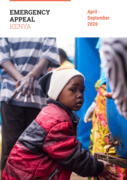
Kenya reported its first case of COVID-19 on 12 March 2020 and, as at 7 April 2020, 172 cases had been confirmed and 6 deaths reported. The Government of Kenya has taken a number of measures to curb the spread of the virus, including implementing a
...
curfew, restricting movement out and into four counties, including Nairobi Metropolitan, and closing most of the urban and rural markets to enforce social distancing. However, these measures, along with the global economic shock caused by the pandemic, are expected to generate new needs, requiring an immediate and urgent response.
more
This document brings to attention key health and human rights considerations with regards to COVID-19 pandemic. It highlights the importance of integrating a human rights based approach in response to COVID-19. It provides key considerations in relation to addressing stigma and discrimination, preve
...
ntion of violence against women, support for vulnerable populations; quarantine and restrictive measures and shortages of supplies and equipment. It also highlights human rights obligations with regards to global cooperation to address COVID-19.
more
Putting Human Rights at the Heart of the Response
Topic in Focus: COVID-19 and Women’s Human Rights
15 April 2020
Stay-at-home restrictions and other measures restricting the movement of people contribute to an increase in genderbased violen
...
ce, a finding confirmed by media reports, official statements and information received from OHCHR field presences and human rights defenders in many countries.
Women and girls already in abusive situations are more exposed to increased control and restrictions by their abusers, with little or no recourse to seek support. Hotlines receive reports of women being threatened with being thrown out of their homes, exposed to the infection, or having financial resources and medical aid withheld.
more
9 April 2020
The COVID-19 pandemic is presenting States in Europe with an extraordinary and unprecedented public health emergency. In response, States are taking necessary and legitimate measures to prevent the spread of the virus and to protect
...
their populations. Some of these measures have been taken within the framework of a declared state of emergency, based on specific national provisions governing emergency situations.
more
Supply of essential medicines and health technologies (6 April 2020)
This paper is one of a set of technical guidance papers developed by the WHO Regional Office for Europe to provide practical information and resources for decision-makers on measures
...
to strengthen the health system response to COVID-19.
The purpose of this paper is to provide WHO Regional Office for Europe Country Offices and Member States with guidance on how to maintain supplies of medicines and health technologies, including devices, diagnostics and blood products, during the COVID-19 outbreak.
more
Given the current situation of the COVID-19 pandemic, countries are advised to continue adopting the TB diagnostic algorithms recommended by PAHO / WHO.
Despite the differences in the modes of transmission of TB and COVID-19, certain personal protection m
...
easures are relevant for both diseases. Routine measures to protect yourself from TB should continue along with additional precautions to protect workers from COVID-19.
more
Tips for Engaging Communities during COVID-19 in Low-Resource Settings, Remotely and In-Person
recommended
This brief provides key considerations for engaging communities on COVID-19 and tips for how to engage where there are movement restrictions and physical distancing measures in place, particularly in low-resource settings.

The Covid-19 pandemic has the significant potential to affect the quality and scale up of nutrition, health and other lifesaving interventions. The restrictions on mobility and recommendations on social distancing will affect the way we work in our nutrition programmes and
...
measures are needed to mitigate the potential negative impact.
more
In humanitarian settings, tailoring community engagement interventions for gender, language, and local culture improves communities’ uptake with interventions. Measures taken to prevent and respond to COVID-19 pandemic such as confinement may incr
...
ease GBV, especially domestic violence and Intimate Partner Violence (IPV). This document is meant as a starting point for the field colleagues to support them in ensuring communication to communities around COVID-19 includes gender-based violence (GBV).
more
The COVID-19 pandemic has brought social and economic crisis that is rapidly exacerbating an ongoing nutrition insecurity in Nigeria.
To contain the spread of the pandemic in Nigeria, the government has put in place a number of measures, one of w
...
hich is the lockdown in the three states of Lagos, Ogun, FCT and lately Kano, which have high COVID-19 confirmed cases. Similarly, several other states have adopted measures, such as movement restriction, in order to curb the spread of the pandemic.
more
The interim Emergency Response Preparedness (ERP) guidance is designed to be a short technical step-by-step guide aimed at non-Humanitarian Response Plan (HRP) countries to support the development, or strengthening, of preparedness measures to ensur
...
e that country teams are operationally ready to implement activities to address the potential non-health impacts of the COVID-19 pandemic and its compound effect on existing risks. The interim guidance is based on the IASC 2015 ERP Guidance.
more
In response to the first cases of coronavirus disease 2019 (COVID-19) reported on the continent, many African Union Member States implemented large-scale public health and social measures (PHSM) rapidly. These
...
measures were aimed at reducing transmission and the number of new cases being reported, protecting the most vulnerable populations, and allowing time for countries to ramp up critical healthcare and diagnostic services. While these quick actions bought time for Member States, the negative socio-economic impacts are being felt widely, and countries are now exploring how best to ease these measures back while still managing the outbreak.
more
The factsheet is aimed at promoting good water, sanitation and hygiene practices, particularly handwashing with soap as an important barrier to the transmission of COVID-19 and other infectious diseases. The factsheet also provides messages on measures
...
for cleaning and disinfecting the home.
more
While many of the countries hit by the COVID-19 in the first few months of the year are now beginning to relax lockdown measures as infection and death rates fall, in the regions most affected by HIV, TB and malaria, such as Africa, South Asia and L
...
atin America, the pandemic continues to accelerate. In lower resource settings, lockdowns are less effective and hard to sustain, and clinical care facilities are extremely limited. In such environments, the response to COVID-19 must focus on containing the pandemic’s spread as far as possible through testing, contact tracing and isolation, protecting the health workforce through training and the provision of personal protective equipment (PPE) and minimizing the knock-on impact on other diseases through shoring up fragile health systems, and adapting existing disease programs.
more
Manufacturing Facility Assessment Toolkit
recommended
Tools and resources for occupational safety and health professionals and state and local public health officials assessing manufacturing facilities.
Occupational safety and health professionals and state and local public health officials can use these tools to assess coronavirus disease 2019 (COVID
...
-19) infection prevention and control measures at manufacturing facilities, as well as these facilities’ overall hazard assessment and control plans
more
This document briefly describes the macroeconomic performance before the spread of the coronavirus (COVID-19), which is mainly characterized by severe economic depression, economic and financial sanctions by the Trump administration, and tight fiscal space that constrains to undertake additional
...
measures. It estimates three economic scenarios based on different oil price assumptions for 2020. The negative effects of the quarantine on the economy are estimated using the two biggest shocks faced by Venezuela in its recent history. It emphasizes the relevance of foreign currency and external financing to mitigate the pandemic’s impact. Finally, this paper discusses the economic measures taken by the government.
more
: interim guidance, 17 February 2021
This document provides interim guidance on the management of the blood supply in response to the pandemic outbreak of coronavirus disease (COVID-19). It emphasizes the importance of being prepared and responding quickly and outlines key actions and
...
measures that the blood services should take to mitigate the potential risk to the safety and sufficiency of the blood supplies during the pandemic.
It should be read in conjunction with WHO Guidance for National Blood Services on Protecting the Blood Supply During Infectious Disease Outbreaks, which provides general guidance on the development of national plans to respond to any emerging infectious threats to the sufficiency or safety of the blood supply.
more
he pandemic has produced an unprecedented economic and social crisis, and it could generate a food, humanitarian, and political crisis if urgent measures are not taken. The policy options for addressing the pandemic entail consolidating national pla
...
ns and achieving intersectoral consensus. The response should be structured in three nonlinear and interrelated phases—control, reactivation, and rebuilding—involving the participation of technical actors representing not only the field of health but also other social and economic areas. Measures implemented to control the pandemic as well as measures for the reactivation and rebuilding phases will require increased public investment in health until the recommended parameters are achieved.
more
This document aims to provide guidance to healthcare facilities and healthcare providers in the European Union/European Economic Area (EU/EEA) and the United Kingdom (UK) on preparedness and infection prevention and control (IPC) measures for the ma
...
nagement of possible and confirmed cases of COVID-19 in healthcare settings, including long-term care facilities (LTCFs). In addition, this document addresses the management of clinical diagnostic specimens at laboratories in the EU/EEA. This is the sixth update of the ECDC guidance on ‘Infection prevention and control and preparedness for COVID-19 in healthcare settings’, and replaces the document dated 6 October 2020.
more
This document presents the results of a survey assessing the WASH readiness of schools in UNHCR-supported refugee camps and refugee settlements. UNHCR and partners are using the results to improve water, sanitation and hygiene (WASH) COVID-19 mitigation me
...
asures in schools and design targeted improvements to WASH facilities to allow for safe operation of schools.
more
The COVID-19 pandemic affects older people disproportionately, especially those living in long-term care facilities (LTCF) with significant impact on mortality and morbidity. Concerted action is needed to mitigate the impact of COVID-19 by enhancing infection prevention and control (IPC)
...
measures within LTCF. The COVID-19 IPC course for LTCF consists of 4 training modules to be used in conjunction with the LTCF communication toolkit and preparedness checklist. This package is tailored for LTCF and based on WHO's in-depth technical guidance on IPC.
This course is also available in the following languages: Bahasa Indonesia - Nederlans
more
State of Health in the EU Cycle.
With the coronavirus (COVID-19) once again spreading rapidly, and the re-introduction of containment measures to flatten the curve of the epidemic, it is crucial for policymakers to plan effective strategies to re-o
...
pen their economies to avoid further re-confinements. This should include much more effective testing, tracing and isolation policies that people can easily follow, as well as improved social distancing measures
more
In an effort to limit transmission and achieve pandemic control on the continent, Africa CDC is proposing the following measures to be taken by all Member States:
Remain vigilant
Countries should adapt or adopt best practices, strategies, guidel
...
ines and recommendations proposed by the Africa CDC and World Health Organization (WHO), aimed at limiting transmission. Measures taken should strike a balance between saving lives and minimizing the impact of the pandemic on the economy and social wellbeing of citizens.
more
Concentrations of the major greenhouse gases, CO2 , CH4 , and N2 O, continued to increase despite the temporary reduction in emissions in 2020 related to measures taken in response to COVID-19.
2020 was one of the three warmest years on record. T
...
he past six years, including 2020, have been the six warmest years on record. Temperatures reached 38.0 °C at Verkhoyansk, Russian Federation on 20 June, the highest recorded temperature anywhere north of the Arctic Circle.
The trend in sea-level rise is accelerating. In addition, ocean heat storage and acidification are increasing, diminishing the ocean’s capacity to moderate climate change.
more
The checklist is aligned with, and builds upon, existing COVID-19-related WHO guidelines and is structured around protective measures related to: 1) hand hygiene and respiratory etiquette; 2) physical distancing; 3) use of masks in schools; 4) envir
...
onmental cleaning and ventilation; and 5) respecting procedures for isolation of all people with symptoms. The checklist is designed to support policy-makers, staff and officials from the education and health sectors, local authorities, school principals/leaders and administrators, teachers’ unions, community leaders, school staff, teachers, parents and caregivers.
more
High salt consumption is an important determinant of high blood pressure and reducing it would improve health outcomes by lowering cardiovascular disease and therefore death rates. Reducing salt intake has been identified as one of the most effective public health
...
measures and is one of the leading targets at global, regional and national levels to reduce the burden of noncommunicable diseases. The purpose of the Dietary Salt Intake Survey in the Republic of Moldova was to establish current baseline average consumption of salt (sodium), potassium and iodine through 24-hour urinary excretion testing among a random sample of the adult population (aged 18–69 years), and to assess the knowledge, attitudes, practices and behaviour around dietary salt in order to enable more efficient planning and the implementation of an effective salt-reduction strategy in the Republic of Moldova.
more

COVID-19 has heavily emphasized how contact tracing is crucial for managing outbreaks, and as part of the strategy for adjusting, and eventually lifting, lockdowns and other stringent public health and social measures. As the pandemic develops furth
...
er, it will be a core measure to manage further waves of infection. In early June 2020, the World Health Organization (WHO) convened an online global consultation on contact tracing in the context of COVID-19, looking at the lessons of the pandemic to date; known and emerging best practices; and the measures necessary for urgent implementation, scale-up, maintenance and enhancement of contact tracing activities.
more
Testing coverage is a critical component of pandemic response, providing a view on the data available to inform policy and monitor the effectiveness of public health measures. While many countries do not publish official numbers of tests conducted,
...
others are doing this across individual websites, statistical reports and press releases, often in multiple languages and updated with different periodicity. FIND is working to build a global picture of the testing coverage for COVID-19 and facilitate the accurate interpretation and study of case and death numbers.
more
VOX Sanguinis, 2021:
The coronavirus disease 2019 (COVID-19) affected millions of people worldwide and caused disruptions at the global level including in healthcare provision. Countries of the WHO African region have put in place measures for the
...
COVID-19 pandemic containment that may adversely affect blood system activities and subsequently reduce the supply and demand of blood and blood components. This study aims to assess the impact of the COVID-19 pandemic on blood supply and demand in the WHO African Region and propose measures to address the challenges faced by countries.
more
On this page we provide an overview of excess mortality along with charts to explore the data. You can learn in more depth about different measures of excess mortality, their strengths and limitations, and their comparability across countries
COVID 19 Vaccine Perceptions: A 15 country study
recommended
Initial public health responses to control the pandemic focused on promoting protective behaviors among the general population, including frequent hand washing, physical distancing and the use of face masks in public spaces However, many saw these only as interim
...
measures to reduce the spread of the virus and hopes for a return to a sense of ‘ rested on the development of a safe and effective vaccine.
more
This document provides interim guidance on the management of the blood supply in response to the pandemic outbreak of coronavirus disease (COVID-19). It emphasizes the importance of being prepared and responding quickly and outlines key actions and measure
...
s that the blood services should take to mitigate the potential risk to the safety and sufficiency of the blood supplies during the pandemic.
It should be read in conjunction with WHO Guidance for National Blood Services on Protecting the Blood Supply During Infectious Disease Outbreaks, which provides general guidance on the development of national plans to respond to any emerging infectious threats to the sufficiency or safety of the blood supply.
more
This document provides interim guidance on the management of the blood supply in response to the pandemic outbreak of coronavirus disease (COVID-19). It emphasizes the importance of being prepared and responding quickly and outlines key actions and measure
...
s that the blood services should take to mitigate the potential risk to the safety and sufficiency of the blood supplies during the pandemic.
It should be read in conjunction with WHO Guidance for National Blood Services on Protecting the Blood Supply During Infectious Disease Outbreaks, which provides general guidance on the development of national plans to respond to any emerging infectious threats to the sufficiency or safety of the blood supply.
more
: interim guidance, 17 February 2021
This document provides interim guidance on the management of the blood supply in response to the pandemic outbreak of coronavirus disease (COVID-19). It emphasizes the importance of being prepared and responding quickly and outlines key actions and
...
measures that the blood services should take to mitigate the potential risk to the safety and sufficiency of the blood supplies during the pandemic.
It should be read in conjunction with WHO Guidance for National Blood Services on Protecting the Blood Supply During Infectious Disease Outbreaks, which provides general guidance on the development of national plans to respond to any emerging infectious threats to the sufficiency or safety of the blood supply.
more
This protocol establishes the principles and definitions of a surveillance system devised by the WHO Health in Prisons Programme (HIPP) to monitor the evolution of COVID-19-related epidemiological data in prisons and other places of detention and to report the main
...
measures adopted to prevent, control and manage the spread of the disease.
more
Interim guidance, 12 August 2020This interim guidance has been updated with advice on safe and appropriate home care for patients with coronavirus disease 2019 (COVID-19) and on the public health measures related to the management of their contacts.
...
more
Countries across the world are facing diverse epidemiological situations with varying response
capacities and access to life saving tools. The World Health Organization (WHO) recommends that national authorities continue to apply a risk-based approach when implementing
...
measures related to COVID-19 and international travel while respecting the dignity, human rights and fundamental freedoms of travellers. This approach should consider the risk posed by travel for the importation and exportation of cases in the context of the evolving epidemiology, including the emergence and circulation of virus variants of concern; the expansion of the COVID-19 vaccination roll-out; and lessons learned while responding to the pandemic, including on the early detection and management of cases and the application of public health and social measures.
more
ABSTRACT
Objectives: We developed COVID-19 Outbreak Simulator (https://ictr.github.io/covid19-outbreak-simulator/) to quantitatively estimate the effectiveness of preventative and interventive measures to prevent and battle COVID-19 outbreaks for s
...
pecific populations.
more
INTRODUCTION: Health service use among the public can decline during outbreaks and had been predicted among low and middle-income countries during the COVID-19 pandemic. In March 2020, the government of the Democratic Republic of the Congo (DRC) started implementing public health
...
measures across Kinshasa, including strict lock-down measures in the Gombe health zone.
METHODS: Using monthly time series data from the DRC Health Management Information System (January 2018 to December 2020) and interrupted time series with mixed effects segmented Poisson regression models, we evaluated the impact of the pandemic on the use of essential health services (outpatient visits, maternal health, vaccinations, visits for common infectious diseases and non-communicable diseases) during the first wave of the pandemic in Kinshasa. Analyses were stratified by age, sex, health facility and lockdown policy (i.e, Gombe vs other health zones).
RESULTS: Health service use dropped rapidly following the start of the pandemic and ranged from 16% for visits for hypertension to 39% for visits for diabetes. However, reductions were highly concentrated in Gombe (81% decline in outpatient visits) relative to other health zones. When the lock-down was lifted, total visits and visits for infectious diseases and non-communicable diseases increased approximately twofold. Hospitals were more affected than health centres. Overall, the use of maternal health services and vaccinations was not significantly affected.
CONCLUSION: The COVID-19 pandemic resulted in important reductions in health service utilizsation in Kinshasa, particularly Gombe. Lifting of lock-down led to a rebound in the level of health service use but it remained lower than pre-pandemic levels.
more
The COVID-19 pandemic has disproportionately impacted the informal women workers due to lockdowns, curfews, school closures, and all other containment measures- most of which missed the feminist lens in their formulation, enforcement, and reporting.
...
All recovery efforts, therefore, ought to deliberately consider the informal sector.
more
The COVID-19 pandemic has put significant pressure on health systems all around the world. The drastic measures established to contain its spread are creating serious impediments to economic activity (including agrifood systems) and, consequently, t
...
o livelihoods and food security and nutrition.
more
It summarizes guidance on how to manage – and when to refer – children and adolescents presenting with common complaints and conditions. It includes information to enable primary health care providers to coordinate the continued care of children and adolescents with long-term conditions and dise
...
ases managed by specialists. Preventive and promotive measures from the newborn period to adolescence include advice on the timing and content of well-child visits, the promotion of early childhood development and health messages for adolescents.
This Pocket Book aims to improve the diagnosis and management of common conditions in children and adolescents that can be managed at the outpatient level. It helps to improve the use of laboratory and other diagnostic measures and the rational use of essential drugs and equipment.
more
Checklist to support the reopening of schools and preparation for resurgences of COVID-19 or similar public health crises.
O objetivo desta lista de verificação é reforçar a conformidade e a adesão às medidas de saúde pública delineadas no documento recentemente atualizado Considerations fo
...
r school-related public health measures in the context of COVID-19 [Considerações para medidas de saúde pública relacionadas a escolas no contexto da COVID-19], considerando-se principalmente as crianças menores de 18 anos em contextos educacionais e em escolas com recursos limitados. A lista de verificação foi elaborada de acordo com os princípios e as abordagens das escolas promotoras de saúde.7,8 Este documento destaca a importância da coordenação multinível (ou seja, nos níveis escolar, subnacional e nacional) e de abordagens participativas e cocriadas pelas várias partes interessadas (por exemplo, trabalhadores das escolas, professores, alunos e pais). Esta abordagem visa a otimizar o cumprimento das medidas sociais e de saúde pública baseadas nos contextos sociais e culturais, conforme descrito no documento Considerations for implementing and adjusting public health and social measures in the context of COVID-19 [Considerações para a implementação e ajuste de medidas sociais e de saúde pública no contexto da COVID-19].
more
To its credit, Chile has implemented a highly successful vaccine program and taken a number of other important public health measures to improve the well-being of its inhabitants. Nevertheless, these me
...
asures have proved insufficient to curb the spread of the virus and ensure full compliance with Chile’s obligations to respect, protect and
fulfil the right to health. It is in this context that this report examines the human rights impacts of the pandemic and the responses of the Chilean authorities.
more
Accessed on 13.05.2022
The Covid-19 pandemic has become Chile’s most consequential public health challenge in a century. Chile’s measures included guidance regarding, among other items, education, health (sick leaves, diagnoses, hospital capa
...
city, partial and spatially targeted lockdowns), mass events, border controls, supply and transportation. Since then, the evolution of the disease in the country has been similar to that of other countries around the world, with periods when cases increased followed by periods when cases declined, yet without ever declining to a point when one would assume the emergency was over.
more
Introduction: Considering the global prevalence of coronavirus disease 2019 (COVID-19), a vaccine is being developed to control the disease as a complementary solution to hygiene measures—and better, in social terms, than social distancing. Given
...
that a vaccine will eventually be produced, information will be needed to support a potential campaign to promote vaccination.
Objective: The aim of this study was to determine the variables affecting the likelihood of refusal and indecision toward a vaccine against COVID-19 and to determine the acceptance of the vaccine for different scenarios of effectiveness and side effects.
Materials and Methods: A multinomial logistic regression method based on the Health Belief Model was used to estimate the current methodology, using data obtained by an online anonymous survey of 370 respondents in Chile.
Results: The results indicate that 49% of respondents were willing to be vaccinated, with 28% undecided or 77% of individuals who would potentially be willing to be inoculated. The main variables that explained the probability of rejection or indecision were associated with the severity of COVID-19, such as, the side effects and effectiveness of the vaccine; perceived benefits, including immunity, decreased fear of contagion, and the protection of oneself and the environment; action signals, such as, responses from ones' family and the government, available information, and specialists' recommendations; and susceptibility, including the contagion rate per 1,000 inhabitants and relatives with COVID-19, among others. Our analysis of hypothetical vaccine scenarios revealed that individuals preferred less risky vaccines in terms of fewer side effects, rather than effectiveness. Additionally, the variables that explained the indecision toward or rejection of a potential COVID-19 vaccine could be used in designing public health policies.
Conclusions: We discovered that it is necessary to formulate specific, differentiated vaccination-promotion strategies for the anti-vaccine and undecided groups based on the factors that explain the probability of individuals refusing or expressing hesitation toward vaccination.
more
1.0 PURPOSE
To define the procedure for the conduct of in-person meetings in both healthcare and community settings in response to COVID-19 and with respect to Public Health and Social Measures (PHSMs) to reduce the risk of disease transmission. A
...
general risk assessment must be conducted to inform context specific recommendations.
2.0 SCOPE
The procedure in this document is applicable to all meetings that require convening people
together physically.
3.0 SAFETY AND HYGIENE PROCEDURE
Before entry into the meeting room/venue:
• Presentation of evidence for complete doses of COVID-19 vaccination (depending on COVID-19 vaccine taken) or negative COVID-19 PCR test done within the last 72 hours, or where applicable proof of daily negative RDT result. The Africa Union Trusted Travel platform, with technical support from the PanaBIOS Consortium has implemented an online system that allows Airlines and Port Health services to authenticate and verify traveler’s COVID-19 results certificates in line with international standards, across Africa and beyond.
• Hand hygiene stations should be available at the points of entry.
• All participants must wear a well fitted mask that covers the nose and mouth. Medical masks should be provided all meeting participants.
more
The goal of the global outbreak response for monkeypox is to stop human-to-human transmission of monkeypox, with a priority focus on communities at high risk of exposure which may differ according to context, and to effectively use strong public health mea
...
sures to prevent onward spread of the disease. Judicious use of vaccines can support this response. This interim guidance, developed with the advice and support of the Strategic Advisory Group of Experts (SAGE) Working Group on smallpox and monkeypox vaccines, provides the first WHO recommendations on vaccines and immunization for monkeypox. Key points follow.
more
Caregiver: Standard precautions
recommended
Issue Brief 28: Cargiver Toolbox Part 2
A collection of important documents from the category "Standard precautions", including hand hygiene, waste management, infection and prevention control (IPC) measures.
As climate change increasingly contributes to migration and displacement in many parts of the world, there is a pressing need for measures that build resilience and prevent displacement as well as those that help climate-affected people move to safe
...
ty and support receiving communities. Multilateral development banks (MDBs) are critical, if sometimes overlooked, players because of their ability to invest in large-scale projects that contribute to sustainable development, primarily in low- and middle-income countries.
This report explores the unique role of MDBs in the climate finance landscape and highlights opportunities for migration, humanitarian, and other key actors to partner with them on projects that effectively target climate-related migration and displacement. After reviewing the evidence on the complex linkages between climate and mobility, the report examines MDBs’ climate-related work to date, challenges they face to scaling up these efforts, and strategies to begin to address hurdles. These recommendations include learning from past MDB investments that have touched on climate migration, funding data collection or sharing to strengthen understanding of climate migration trends, and developing partnerships to support policy and project development, financing, and implementation.
more
Providing information, education and communication for key people involved in Chagas disease control
The Information, education and communication (IEC) activities, with the development of contextualized activities for various actors and scenarios about preventative measures and surveillance tools, are essential to increase awareness, reduce biomedi
...
cal and psychosocial barriers to accessing diagnosis and care; keep the maximum number of actors involved; and reach the affected population, including family, friends and society in general.
more
In May the Sixty-sixth World Health Assembly adopted resolution WHA66.12 (1) on 17 neglected tropical diseases (NTDs). Among other measures, the resolution urges Member States to:
• ensure country ownership of prevention, control, elimination an
...
d eradication programmes;
• expand and implement interventions and advocate for predictable, long-term international financing for activities related to control and capacity strengthening;
• integrate control programmes into primary health-care services and existing programmes;
• ensure optimal programme management and implementation;
• achieve and maintain universal access to interventions and reach the targets of the roadmap.
more
Chagas disease (American trypanosomiasis) is endemic in 21 countries of the Americas, where control is largely focused on elimination of the domestic insect vectors (Triatominae) coupled with measures to extend and improve the screening of blood don
...
ors in order to avoid tranfusional transmission. Through national programmes and multinational initiatives coordinated by WHO-PAHO, much has been accomplished in these domains in terms of reducing transmission. Attention now turns to consolidating the successes in interrupting transmission, and improved treatment for those already infected and those who may become affected in the future. This article, based on technical discussions at the "Epidemiological and Sociological Determinants of Chagas Disease, Basic Information to Establish a Surveillance and Control Policy " meeting in Rio de Janeiro, is designed to open the debate on appropriate strategies for continuation of the successful initiatives against Chagas disease.
more
No vaccines or drugs to prevent infection are available. The best way for travelers to prevent infection is to protect themselves from sand fly bites. To decrease the risk of being bitten, follow these preventive measures:
Avoid outdoor activitie
...
s, especially from dusk to dawn, when sand flies generally are the most active.
more
The ninth WHO report on the global tobacco epidemic tracks the progress made by countries in tobacco control since 2008 and, marks 15 years since the introduction of the MPOWER technical package which is designed to help countries implement the demand-reduction
...
measures of the WHO Framework Convention on Tobacco Control. The report shows that many countries continue to make progress in the fight against tobacco, but efforts must be accelerated to protect people from the harms of tobacco and second-hand smoke.
more
Background: Primary health care (PHC) is a driving force for advancing towards universal health coverage (UHC). PHC-oriented health systems bring enormous benefits but require substantial financial investments. Here, we aim to present measures for P
...
HC investments and project the associated resource needs. Methods: This modelling study analysed data from 67 low-income and middle-income countries (LMICs). Recognising the variation in PHC services among countries, we propose three measures for PHC, with different scope for included interventions and system strengthening. Measure 1 is centred on public health interventions and outpatient care; measure 2 adds general inpatient care; and measure 3 further adds cross-sectoral activities. Cost components included in each measure were based on the Declaration of Astana, informed by work delineating PHC within health accounts, and finalised through an expert and country validation meeting. We extracted the subset of PHC costs for each measure from WHO’s Sustainable Development Goal (SDG) price tag for the 67 LMICs, and projected the associated health impact. Estimates of financial resource need, health workforce, and outpatient visits are presented as PHC investment guide posts for LMICs.
more
Debate about the effectiveness of foreign aid has intensified in recent years, as budgetary pressures on aid have increased in donor countries. Whatever the merits of opposing arguments, the question is: do conventional measures of aid (such as OECD
...
's Net ODA), which lump together grants and loans, accurately reflect true aid flows? The authors analyze the methodological shortcomings of conventional measures of aid and propose a new approach.
more

The COVID-19 pandemic has had unprecedented public health, economic, and social impacts on the international community, and prompted an unprecedented range and size of policy actions globally. Collective efforts, at national, regional, and global levels, were called for to contain and mitigate such
...
impacts. The public health response measures alone proved to be insufficient, calling for additional socio-economic policy interventions such as ring-fencing economic activities to contain the spread of the virus. Faced with devastating socio-economic costs, all possible sources of financing, both public and private, have been explored.
more
Socioeconomic status is associated with differences in risk factors for cardiovascular disease incidence and outcomes, including mortality. However, it is unclear whether the associations between cardiovascular disease and common measures of socioec
...
onomic status—wealth and education—differ among high-income, middle-income, and low-income countries, and, if so, why these differences exist. We explored the association between education and household wealth and cardiovascular disease and mortality to assess which marker is the stronger predictor of outcomes, and examined whether any differences in cardiovascular disease by socioeconomic status parallel differences in risk factor levels or differences in management.
more
The article on the PAHO website discusses the health risks of excessive salt consumption, which contributes to numerous deaths worldwide. It highlights that average salt intake significantly exceeds WHO recommendations, particularly in the Americas, and suggests
...
measures like reducing salt in foods and implementing clear nutritional labeling to prevent diseases.
more
The World Health Organization (WHO) has developed this report to monitor progress and identify areas for action in the implementation of sodium reduction policies and other measures within Member States and across WHO regions and World Bank income g
...
roups. For the first time, a Sodium Country Score from 1 (the lowest level) to 4 (the highest level) is allocated to each Member State based on the level of implementation of sodium reduction policies and other measures. The Sodium Country Score is used to estimate the impact of policy progress on population dietary sodium intake and cardiovascular disease.
more
The far-reaching impacts of the COVID-19 pandemic underscore the critical need for evidence-informed, transparent and inclusive decision-making. Policy-makers have grappled with complex choices amidst uncertainty. They have constantly reassessed response m
...
easures while navigating their economic implications and unintended consequences on societal well-being. Effective communication of the basis for these decisions has also posed a challenge, requiring transparency and public trust.
more
Chronic obstructive pulmonary disease (COPD) is a complex disease that requires differential diagnosis and proper classification to identify appropriate therapy. Nonpharmacologic therapy and preventative measures should be utilized to prevent worsen
...
ing of disease, symptoms, and complications. The Global Initiative for Chronic Obstructive Lung Disease (GOLD) guidelines classify a patient’s COPD and provide recommendations for first-line treatment. The 2021 update included information regarding the use of e-cigarettes as nicotine replacement, triple therapy, and how the SARS-CoV-2 virus impacted patients with COPD. This article will focus on the diagnosis, classification, and treatment of COPD, as well as recently updated information regarding the use of e-cigarettes and the impact of COVID-19.
more
Issue Brief Marburg virus disease (MVD)
recommended
Issue Brief No. 40 provides healthcare professionals with the most relevant treatment guidelines, prevention measures and training material on MVD
Antimicrobial resistance (AMR) has emerged as a major public health problem all over the world. Infections caused by resistant microbes fail to respond to treatment, resulting in prolonged illness and greater risk of death. This document focuses on the mechanism to develop a practically applicable h
...
ospital antibiotic policy and standard treatment guidelines (STG). In addition, the document contains information on various effective strategies for implementation of STG. It also discusses various activities and information required for the development of the antibiogram, antibiotic policy and standard treatment guidelines, such as surveillance programmes, the cause and controlling strategies for AMR and HAI; performance measures of antibiogram, antibiotic policy and standard treatment guidelines. A model hospital STG for community-acquired pneumonia in adults is included.
more
Laboratory biosafety manual
recommended
4th edition
The WHO Laboratory Biosafety Manual (LBM) has been in broad use at all levels of clinical and public health laboratories, and other biomedical sectors globally, serving as a de facto global standard that presents best practices and sets trends in biosafety.
LBM encouraged countries t
...
o accept and implement basic concepts in biological safety and to develop national codes of practice for the safe handling of biological agents in laboratories within their geographical borders.
This fourth edition of the manual builds on the risk assessment framework introduced in the third edition. A thorough, evidence-based and transparent assessment of the risks allows safety measures to be balanced with the actual risk of working with biological agents on a case-by-case basis.
This novel evidence- and risk-based approach will allow optimised resource use and sustainable laboratory biosafety and biosecurity policies and practices that are relevant to their individual circumstances and priorities, enabling equitable access to clinical and public health laboratory tests and biomedical research opportunities without compromising safety.
more

Online Training Course
Ebola hemorrhagic fever is one of many viral hemorrhagic fevers. It is a severe, often fatal disease in humans and nonhuman primates, and is one of the world's most contagious diseases. However, the infection can be controlled through recommended protective
...
measures. For Grassroot Audience. You can download the Education Module: http://www.wiredhealthresources.net/training/filling-station.html
more
Impact of COVID-19 on Pediatric Asthma: Practice Adjustments and Disease Burden
Papadopoulos, N.G.; Custovic, A.; Deschildre, A. et al.
The Journal of Allergy and Clinical Immunology: In Practice
(2020)
CC
Coronavirus disease 2019 has a mild disease course in children and adolescents. Chronic respiratory conditions, including asthma, have been suggested as risk factors; however, asthma in children is highly variable in both triggers and severity.
During the pandemic, pediatric asthma services limite
...
d consultations and established virtual clinics. However, respondents perceived their patients’ asthma control to be retained or even improved, while treatment adherence was considered increased. Children with asthma were not disproportionately affected by coronavirus disease 2019.
Trigger avoidance and treatment adherence can rapidly improve asthma control in children, even under lockdown pressure. Children/adolescents with asthma do not appear to need additional prophylactic measures from coronavirus disease 2019 when asthma is well-treated. This article analyses the effect of COVID-19 on Asthma in children, providing information for management guidelines.
more
In response to the urgent need for trained health professionals to assist in the efforts to contain the Ebola outbreak in West Africa, Médecins Sans Frontières has been running training sessions in Brussels for international aid workers before they depart for the field. Below are videos used to ac
...
company the training sessions, helping to demonstrate infection control measures.
All videos are without sound to avoid language barriers. All videos are intended to be viewed in training sessions with an experienced Médecins Sans Frontières trainer
A free registration at vimeo is requested
more
In response to the urgent need for trained health professionals to assist in the efforts to contain the Ebola outbreak in West Africa, Médecins Sans Frontières has been running training sessions in Brussels for international aid workers before they depart for the field. Below are videos used to ac
...
company the training sessions, helping to demonstrate infection control measures.
All videos are without sound to avoid language barriers. All videos are intended to be viewed in training sessions with an experienced Médecins Sans Frontières trainer
more
In response to the urgent need for trained health professionals to assist in the efforts to contain the Ebola outbreak in West Africa, Médecins Sans Frontières has been running training sessions in Brussels for international aid workers before they depart for the field. Below are videos used to ac
...
company the training sessions, helping to demonstrate infection control measures.All videos are without sound to avoid language barriers. All videos are intended to be viewed in training sessions with an experienced Médecins Sans Frontières trainer
more
In response to the urgent need for trained health professionals to assist in the efforts to contain the Ebola outbreak in West Africa, Médecins Sans Frontières has been running training sessions in Brussels for international aid workers before they depart for the field. Below are videos used to ac
...
company the training sessions, helping to demonstrate infection control measures.
All videos are without sound to avoid language barriers. All videos are intended to be viewed in training sessions with an experienced Médecins Sans Frontières trainer
more
In response to the urgent need for trained health professionals to assist in the efforts to contain the Ebola outbreak in West Africa, Médecins Sans Frontières has been running training sessions in Brussels for international aid workers before they depart for the field. Below are videos used to ac
...
company the training sessions, helping to demonstrate infection control measures.
'All videos are without sound to avoid language barriers. All videos are intended to be viewed in training sessions with an experienced Médecins Sans Frontières trainer
more
In response to the urgent need for trained health professionals to assist in the efforts to contain the Ebola outbreak in West Africa, Médecins Sans Frontières has been running training sessions in Brussels for international aid workers before they depart for the field. Below are videos used to ac
...
company the training sessions, helping to demonstrate infection control measures.
All videos are without sound to avoid language barriers. All videos are intended to be viewed in training sessions with an experienced Médecins Sans Frontières trainer
more
In response to the urgent need for trained health professionals to assist in the efforts to contain the Ebola outbreak in West Africa, Médecins Sans Frontières has been running training sessions in Brussels for international aid workers before they depart for the field. Below are videos used to ac
...
company the training sessions, helping to demonstrate infection control measures.
All videos are without sound to avoid language barriers. All videos are intended to be viewed in training sessions with an experienced Médecins Sans Frontières trainer
more
The Early Essential Newborn Care Pocket Guide was developed by the WHO Regional Office for the Western Pacific for introducing and scaling-up Early Essential Newborn Care. This step-by-step Guide is intended to provide a portable and practical summary of the up-to-date global evidence for newborn ca
...
re focusing on the first hours and days of life, including infection prevention and control measures during COVID-19. This Guide can be used in all health-care settings by skilled birth attendants (midwives, nurses and doctors) who care for newborns, also by managers to ensure all system measures are put in place for optimal quality of care.
more
Workplace Pandemic Preparedness. Training Manual
recommended
Ministry of Health Ghana; NADMO Ghana
GiZ Deutsche Gesellschaft für Internationale Zusammenarbeit
(2013)
C1
A training manual for identifying, assessing, preventing and controlling the risks of pandemics in the workplace. This training manual has been developed for both medical and non-medical personnel who may be called upon to lead emergency response, (eg epidemic outbreak, etc), ensure effective conta
...
inment whiles work continues and essential goods and services continue to be supplied.
The manual provides insight into some of the local epidemics experienced in Ghana such as Cholera, Cerebrospinal meningitis (CSM) and Influenza(s), the causes, signs and symptoms and preventive measures with a view to increasing knowledge among management, staff and their families as well as immediate communities within which they work.
more
The strategy focuses on mobilizing and coordinating partners, experts and resources to help countries enhance surveillance of the Zika virus and disorders that could be linked to it, improve vector control, effectively communicate risks, guidance and protection
...
measures, provide medical care to those affected and fast-track research and development of vaccines, diagnostics and therapeutics
more

WHO Technical Report Series, No. 908, 2003, Annex 9. This guide is intended for those involved in the storage, transportation and distribution of pharmaceuticals. It describes the special measures considered appropriate for the storage and transport
...
ation of pharmaceuticals.
more
This 3 minutes and 24 second animation describes Dengue transmission, infection and the different symptoms associated with this disease. Also, the animation gives additional information about the habits of this mosquito. This video illustrates several important preventative
...
measures, both inside the house and the environmental sanitation around the house, to avoid being bitten by the mosquitoes. Let's all work together to stop the spread of dengue!
more
The Policy Guidelines and Service Standards for National Sexual and Reproductive Health Programme document outlines the steps on how to offer and deliver services. Improving quality of care is critical to improving clients' health status as well as increasing access to, and utilization of Sexual and
...
Reproductive Health services. Service Standards and Guidelines are intended to be used by programme managers, implementers, trainers, surpervisors, and service providers as a tool for delivering quality care measures.
more
The intent of these guidelines is to develop a holistic, coordinated, proactive and technology driven strategy for management of biological disasters through a culture of prevention, mitigation and preparedness to generate a prompt and effective response in the event of an emergency. Th
...
e document contains comprehensive guidelines for preparedness activities, biosafety and biosecurity measures, capacity development, specialised health care and laboratory facilities, strengthening of the existing legislative/
regulatory framework, mental health support, response, rehabilitation and recovery, etc. It specifically lays down the approach for implementation of the guidelines by the central ministries/departments, states, districts and other stakeholders, in a time bound manner.
more
In response to the COVID-19 outbreak, this guidance provides information on infection and prevention control (IPC) for older people, their friends and families, carers, and healthcare providers. Anyone who manages, works, volunteers or provides care at any type of facilities where older people recei
...
ve care at (long-term care facilities, non-acute care facilities, and home care services), should practice strict IPC to prevent and control COVID-19 outbreaks. It has been observed in different countries that older people have higher case-fatality rate compared to other age groups. Therefore, it is especially important to implement and follow IPC measures at facilities, homes, and other venues that older people frequent.
more
