
Filter
6665
Text search:
healthcare
Featured
628
1437
Language
6173
262
226
176
122
110
67
41
31
15
13
13
13
12
12
11
11
10
9
9
8
8
8
7
7
6
6
6
6
6
5
5
5
5
5
5
5
5
4
4
4
4
4
4
4
3
3
3
3
3
3
3
2
2
2
2
2
2
2
2
2
2
1
1
1
1
1
1
1
1
1
1
1
Document type
2877
1342
1065
379
278
260
131
101
70
51
38
34
28
5
1
Countries
348
277
220
207
150
141
137
130
118
116
104
102
100
88
81
81
79
78
78
77
76
76
65
61
61
61
55
50
48
43
43
42
42
41
41
41
39
38
38
37
35
34
33
32
32
28
24
24
23
21
19
19
18
18
16
15
14
14
14
14
13
13
13
13
13
12
12
12
12
12
11
11
11
10
10
10
9
9
9
9
9
9
9
8
8
8
8
8
7
7
6
6
6
6
6
5
5
5
5
5
5
5
4
4
4
4
4
4
4
3
3
3
3
3
3
3
3
3
3
3
3
2
2
2
2
2
2
2
1
1
1
1
1
1
1
1
1
1
1
1
1
1
1
1
1
1
1
1
1
1
1
1
Authors & Publishers
858
319
237
197
166
97
89
83
73
62
60
49
47
46
43
42
36
35
32
30
28
27
27
27
25
25
25
24
24
22
22
22
22
21
20
20
20
18
18
17
17
17
16
16
16
16
15
15
15
15
15
14
14
14
14
13
13
13
13
13
13
13
12
12
12
12
12
12
11
11
11
11
11
11
11
11
10
10
10
10
10
10
10
10
10
10
10
10
9
9
9
9
9
9
9
9
9
9
9
9
8
8
8
8
8
8
8
8
8
8
8
8
8
8
8
8
8
8
7
7
7
7
7
7
7
7
7
7
7
7
7
7
7
7
7
7
7
6
6
6
6
6
6
6
6
6
6
6
6
6
6
6
6
6
6
6
6
6
6
6
6
6
6
6
6
6
6
6
6
6
6
6
6
5
5
5
5
5
5
5
5
5
5
5
5
5
5
5
5
5
5
5
5
5
5
5
5
5
5
5
5
5
5
5
5
5
5
5
5
5
5
5
5
5
5
5
5
5
5
5
4
4
4
4
4
4
4
4
4
4
4
4
4
4
4
4
4
4
4
4
4
4
4
4
4
4
4
4
4
4
4
4
4
4
4
4
4
4
4
4
4
4
4
4
4
4
4
4
4
4
4
4
4
4
4
4
4
4
4
4
4
4
3
3
3
3
3
3
3
3
3
3
3
3
3
3
3
3
3
3
3
3
3
3
3
3
3
3
3
3
3
3
3
3
3
3
3
3
3
3
3
3
3
3
3
3
3
3
3
3
3
3
3
3
3
3
3
3
3
3
3
3
3
3
3
3
3
3
3
3
3
3
3
3
3
3
3
3
3
3
3
3
3
3
3
3
3
3
3
3
3
3
3
3
3
3
3
3
3
3
3
3
3
3
3
3
3
3
3
3
3
3
3
3
3
3
3
3
3
3
3
3
3
3
3
3
3
3
3
3
3
3
3
3
3
3
3
3
3
3
3
3
3
3
3
3
3
3
3
3
3
3
3
3
3
3
3
2
2
2
2
2
2
2
2
2
2
2
2
2
2
2
2
2
2
2
2
2
2
2
2
2
2
2
2
2
2
2
2
2
2
2
2
2
2
2
2
2
2
2
2
2
2
2
2
2
2
2
2
2
2
2
2
2
2
2
2
2
2
2
2
2
2
2
2
2
2
2
2
2
2
2
2
2
2
2
2
2
2
2
2
2
2
2
2
2
2
2
2
2
2
2
2
2
2
2
2
2
2
2
2
2
2
2
2
2
2
2
2
2
2
2
2
2
2
2
2
2
2
2
2
2
2
2
2
2
2
2
2
2
2
2
2
2
2
2
2
2
2
2
2
2
2
2
2
2
2
2
2
2
2
2
2
2
2
2
2
2
2
2
2
2
2
2
2
2
2
2
2
2
2
2
2
2
2
2
2
2
2
2
2
2
2
2
2
2
2
2
2
2
2
2
2
2
2
2
2
2
2
2
2
2
2
2
2
2
2
2
2
2
2
2
2
2
2
2
2
2
2
2
2
2
2
2
2
2
2
2
2
2
2
2
2
2
2
2
2
2
2
2
2
2
2
2
2
2
2
2
2
2
2
2
2
2
2
2
2
2
2
2
2
2
2
2
2
2
2
2
2
2
2
2
2
2
2
2
2
2
2
2
2
2
2
2
2
2
2
2
2
2
2
2
2
2
2
2
2
2
2
2
2
2
2
2
2
2
2
2
2
2
2
2
2
2
2
2
2
2
2
2
2
2
2
2
2
2
2
2
2
2
2
2
2
2
2
2
2
2
2
2
2
2
2
2
2
2
2
2
2
2
2
2
2
2
2
2
2
2
2
2
2
2
2
2
2
2
2
2
2
2
2
2
2
2
2
2
2
2
2
2
2
2
2
2
2
2
2
2
2
2
2
2
2
1
1
1
1
1
1
1
1
1
1
1
1
1
1
1
1
1
1
1
1
1
1
1
1
1
1
1
1
1
1
1
1
1
1
1
1
1
1
1
1
1
1
1
1
1
1
1
1
1
1
1
1
1
1
1
1
1
1
1
1
1
1
1
1
1
1
1
1
1
1
1
1
1
1
1
1
1
1
1
1
1
1
1
1
1
1
1
1
1
1
1
1
1
1
1
1
1
1
1
1
1
1
1
1
1
1
1
1
1
1
1
1
1
1
1
1
1
1
1
1
1
1
1
1
1
1
1
1
1
1
1
1
1
1
1
1
1
1
1
1
1
1
1
1
1
1
1
1
1
1
1
1
1
1
1
1
1
1
1
1
1
1
1
1
1
1
1
1
1
1
1
1
1
1
1
1
1
1
1
1
1
1
1
1
1
1
1
1
1
1
1
1
1
1
1
1
1
1
1
1
1
1
1
1
1
1
1
1
1
1
1
1
1
1
1
1
1
1
1
1
1
1
1
1
1
1
1
1
1
1
1
1
1
1
1
1
1
1
1
1
1
1
1
1
1
1
1
1
1
1
1
1
1
1
1
1
1
1
1
1
1
1
1
1
1
1
1
1
1
1
1
1
1
1
1
1
1
1
1
1
1
1
1
1
1
1
1
1
1
1
1
1
1
1
1
1
1
1
1
1
1
1
1
1
1
1
1
1
1
1
1
1
1
1
1
1
1
1
1
1
1
1
1
1
1
1
1
1
1
1
1
1
1
1
1
1
1
1
1
1
1
1
1
1
1
1
1
1
1
1
1
1
1
1
1
1
1
1
1
1
1
1
1
1
1
1
1
1
1
1
1
1
1
1
1
1
1
1
1
1
1
1
1
1
1
1
1
1
1
1
1
1
1
1
1
1
1
1
1
1
1
1
1
1
1
1
1
1
1
1
1
1
1
1
1
1
1
1
1
1
1
1
1
1
1
1
1
1
1
1
1
1
1
1
1
1
1
1
1
1
1
1
1
1
1
1
1
1
1
1
1
1
1
1
1
1
1
1
1
1
1
1
1
1
1
1
1
1
1
1
1
1
1
1
1
1
1
1
1
1
1
1
1
1
1
1
1
1
1
1
1
1
1
1
1
1
1
1
1
1
1
1
1
1
1
1
1
1
1
1
1
1
1
1
1
1
1
1
1
1
1
1
1
1
1
1
1
1
1
1
1
1
1
1
1
1
1
1
1
1
1
1
1
1
1
1
1
1
1
1
1
1
1
1
1
1
1
1
1
1
1
1
1
1
1
1
1
1
1
1
1
1
1
1
1
1
1
1
1
1
1
1
1
1
1
1
1
1
1
1
1
1
1
1
1
1
1
1
1
1
1
1
1
1
1
1
1
1
1
1
1
1
1
1
1
1
1
1
1
1
1
1
1
1
1
1
1
1
1
1
1
1
1
1
1
1
1
1
1
1
1
1
1
1
1
1
1
1
1
1
1
1
1
1
1
1
1
1
1
1
1
1
1
1
1
1
1
1
1
1
1
1
1
1
1
1
1
1
1
1
1
1
1
1
1
1
1
1
1
1
1
1
1
1
1
1
1
1
1
1
1
1
1
1
1
1
1
1
1
1
1
1
1
1
1
1
1
1
1
1
1
1
1
1
1
1
1
1
1
1
1
1
1
1
1
1
1
1
1
1
1
1
1
1
1
1
1
1
1
1
1
1
1
1
1
1
1
1
1
1
1
1
1
1
1
1
1
1
1
1
1
1
1
1
1
1
1
1
1
1
1
1
1
1
1
1
1
1
1
1
1
1
1
1
1
1
1
1
1
1
1
1
1
1
1
1
1
1
1
1
1
1
1
1
1
1
1
1
1
1
1
1
1
1
1
1
1
1
1
1
1
1
1
1
1
1
1
1
1
1
1
1
1
1
1
1
1
1
1
1
1
1
1
1
1
1
1
1
1
1
1
1
1
1
1
1
1
1
1
1
1
1
1
1
1
1
1
1
1
1
1
1
1
1
1
1
1
1
1
1
1
1
1
1
1
1
1
1
1
1
1
1
1
1
1
1
1
1
1
1
1
1
1
1
1
1
1
1
1
1
1
1
1
1
1
1
1
1
1
1
1
1
1
1
1
1
1
1
1
1
1
1
1
1
1
1
1
1
1
1
1
1
1
1
1
1
1
1
1
1
1
1
1
1
1
1
1
1
1
1
1
1
1
1
1
1
1
1
1
1
1
1
1
1
1
1
1
1
1
1
1
1
1
1
1
1
1
1
1
1
1
1
1
1
1
1
1
1
1
1
1
1
1
1
1
1
1
1
1
1
1
1
1
1
1
1
1
1
1
1
1
1
1
1
1
1
1
1
1
1
1
1
1
1
1
1
1
1
1
1
1
1
1
1
1
1
1
1
1
1
1
1
1
1
1
1
1
1
1
1
1
1
1
1
1
1
1
1
1
1
1
1
1
1
1
1
1
1
1
1
1
1
1
1
1
1
1
1
1
1
1
1
1
1
1
1
1
1
1
1
1
1
1
1
1
1
1
1
1
1
1
1
1
1
1
1
1
1
1
1
1
1
1
1
1
1
1
1
1
1
1
1
1
1
1
1
1
1
1
1
1
1
1
1
1
1
1
1
1
1
1
1
1
1
1
1
1
1
1
1
1
1
1
1
1
1
1
1
1
1
1
1
1
1
1
1
1
1
1
1
1
1
1
1
1
1
1
1
1
1
1
1
1
1
1
1
1
1
1
1
1
1
1
1
1
1
1
1
1
1
1
1
1
1
1
1
1
1
1
1
1
1
1
1
1
1
1
1
1
1
1
1
1
1
1
1
1
1
1
1
1
1
1
1
1
1
1
1
1
1
1
1
1
1
1
1
1
1
1
1
1
1
1
1
1
1
1
1
1
1
1
1
1
1
1
1
1
1
1
1
1
1
1
1
1
1
1
1
1
1
1
1
1
1
1
1
1
1
1
1
1
1
1
1
1
1
1
1
1
1
1
1
1
1
1
1
1
1
1
1
1
1
1
1
1
1
1
1
1
1
1
1
1
1
1
1
1
1
1
1
1
1
1
1
1
1
1
1
1
1
1
1
1
1
1
1
1
1
1
1
1
1
1
1
1
1
1
1
1
1
1
1
1
1
1
1
1
1
1
1
1
1
1
1
1
1
1
1
1
1
1
1
1
1
1
1
1
1
1
1
1
1
1
1
1
1
1
1
1
1
1
1
1
1
1
1
1
1
1
1
1
1
1
1
1
1
1
1
1
1
1
1
1
1
1
1
1
1
1
1
1
1
1
1
1
1
1
1
1
1
1
1
1
1
1
1
1
1
1
1
1
1
1
1
1
1
1
1
1
1
1
1
1
1
1
1
1
1
1
1
1
1
1
1
1
1
1
1
1
1
1
1
1
1
1
1
1
1
1
1
1
1
1
1
1
1
1
1
1
1
1
1
1
1
1
1
1
1
1
1
1
1
1
1
1
1
1
1
1
1
1
1
1
1
1
1
1
1
1
1
1
1
1
1
1
1
1
1
1
1
1
1
1
1
1
1
1
1
1
1
1
1
1
1
1
1
1
1
1
1
1
1
1
1
1
1
1
1
1
1
1
1
1
1
1
1
1
1
1
1
1
1
1
1
1
1
1
1
1
1
1
1
1
1
1
1
1
1
1
1
1
1
1
1
1
1
1
1
1
1
1
1
1
1
1
1
1
1
1
1
1
1
1
1
1
1
1
1
1
1
1
1
1
1
1
1
1
1
1
1
1
1
1
1
1
1
1
1
1
1
1
1
1
1
1
1
1
1
1
1
1
1
1
1
1
1
1
1
1
1
1
1
1
1
1
1
1
1
1
1
1
1
1
1
1
1
1
1
1
1
1
1
1
1
1
1
1
1
1
1
1
1
1
1
1
1
1
1
1
1
1
1
1
1
1
1
1
1
1
1
1
1
1
1
1
1
1
1
1
1
1
1
1
1
1
1
1
1
1
1
1
1
1
1
1
1
1
1
1
1
1
1
1
1
1
1
1
1
1
1
1
1
1
1
1
1
1
1
1
1
1
1
1
1
1
1
1
1
1
1
1
1
1
1
1
1
1
1
1
1
1
1
1
1
1
1
1
1
1
1
1
1
1
1
1
1
1
1
1
1
1
1
1
1
1
1
1
1
1
1
1
1
1
1
1
1
1
1
1
1
1
1
1
1
1
1
1
1
1
1
1
1
1
1
1
1
1
1
1
1
1
1
1
1
1
1
1
1
1
1
1
1
1
1
1
1
1
1
1
1
1
1
1
1
1
1
1
1
1
1
1
1
1
1
1
1
1
1
1
1
1
1
1
1
1
1
1
1
1
1
1
1
1
1
1
1
1
1
1
1
1
1
1
1
1
1
1
1
1
1
1
1
1
1
1
1
1
1
1
1
1
1
1
1
1
1
1
1
1
1
1
1
1
1
1
1
1
1
1
1
1
1
1
1
1
1
1
1
1
1
1
1
1
1
1
1
1
1
1
1
1
1
1
1
1
1
1
1
1
1
1
1
1
1
1
1
1
1
1
1
1
1
1
1
1
1
1
1
1
1
1
1
1
1
1
1
1
1
1
1
1
1
1
1
1
1
1
1
1
1
1
1
1
1
1
1
1
1
1
1
1
1
1
1
1
1
1
1
1
1
1
1
1
1
1
1
1
1
1
1
1
1
1
1
1
1
1
1
1
1
1
1
1
1
1
1
1
1
1
1
1
1
1
1
1
1
1
1
1
1
1
1
1
1
1
1
1
1
1
1
1
1
1
1
1
1
1
1
1
1
1
1
1
1
1
1
1
1
1
1
1
1
1
1
1
1
1
1
1
1
1
1
1
1
1
1
1
1
1
1
1
1
1
1
1
1
1
1
1
1
1
1
1
1
1
1
1
1
1
1
1
1
1
1
1
1
1
1
1
1
1
1
1
1
1
1
1
1
1
1
1
1
1
1
1
1
1
1
1
1
1
1
1
1
1
1
1
1
1
1
1
1
1
1
1
1
1
1
1
1
1
1
1
1
1
1
1
1
1
1
1
1
1
1
1
1
1
1
1
1
1
1
1
1
1
1
1
1
1
1
1
1
1
1
1
1
1
1
1
1
1
1
1
1
1
1
1
1
1
1
1
1
1
1
1
1
1
1
1
1
1
1
1
1
1
1
1
1
1
1
1
1
1
1
1
1
1
1
1
1
1
1
1
1
1
1
1
1
1
1
1
1
1
1
1
1
1
1
1
1
1
1
1
1
1
1
1
1
1
1
1
1
1
1
1
1
1
1
1
1
1
1
1
1
1
1
1
1
1
1
1
1
1
1
1
1
1
1
1
1
1
1
1
1
1
1
1
1
1
1
1
1
1
1
1
1
1
1
1
1
1
1
1
1
1
1
1
1
1
1
1
1
1
1
1
1
1
1
1
1
1
1
1
1
1
1
1
1
1
1
1
1
1
1
1
1
1
1
1
1
1
1
1
1
1
1
1
1
1
1
1
1
1
1
1
1
1
1
1
1
1
1
1
1
1
1
1
1
1
1
1
1
1
1
1
1
1
1
1
1
1
1
1
1
1
1
1
1
1
1
1
1
1
1
1
1
1
1
1
1
1
1
1
1
1
1
1
1
1
1
1
1
1
1
1
1
1
1
1
1
1
1
1
1
1
1
1
1
1
1
1
1
1
1
1
1
1
1
1
1
1
1
1
1
1
1
1
1
1
1
1
1
1
1
1
1
1
1
1
1
1
1
1
1
1
1
1
1
1
1
1
1
1
1
1
1
1
1
1
1
1
1
1
1
1
1
1
1
1
1
1
1
1
1
1
1
1
1
1
1
1
1
1
1
1
1
1
1
1
1
1
1
1
1
1
1
1
1
1
1
1
1
1
1
1
1
1
1
1
1
1
1
1
1
1
1
1
1
1
1
1
1
1
1
1
1
1
1
1
1
1
1
1
1
1
1
1
1
1
1
1
1
1
1
1
1
1
1
1
1
1
1
1
1
1
1
1
1
1
1
1
1
1
1
1
1
1
1
1
1
1
1
1
1
1
1
1
1
1
1
1
1
1
1
1
1
1
1
1
1
1
1
1
1
1
1
1
1
1
1
1
1
1
1
1
1
1
1
1
1
1
1
1
1
1
1
1
1
1
1
1
1
1
1
1
1
1
1
1
1
1
1
1
1
1
1
1
1
1
1
1
1
1
1
1
1
1
1
1
1
1
1
1
1
1
1
1
1
1
1
1
1
1
1
1
1
1
1
1
1
1
1
1
1
1
1
1
1
1
1
1
1
1
1
1
1
1
1
1
1
1
1
1
1
1
1
1
1
1
1
1
1
1
1
1
1
1
1
1
1
1
1
1
1
1
1
1
1
1
1
1
1
1
1
1
1
1
1
1
1
1
1
1
1
1
1
1
1
1
1
1
1
1
1
1
1
1
1
1
1
1
1
1
1
1
1
1
1
1
1
1
1
1
1
1
1
1
1
1
1
1
1
1
1
1
1
1
1
1
1
1
1
1
1
1
1
1
1
1
1
1
1
1
1
1
1
1
1
1
1
1
1
1
1
1
1
1
1
1
1
1
1
1
1
1
1
1
1
1
1
1
1
1
1
1
1
1
1
1
1
1
1
1
1
1
1
1
1
1
1
1
1
1
1
1
1
1
1
1
1
1
1
1
1
1
1
1
1
1
1
1
1
1
1
1
1
1
1
1
1
1
1
1
1
1
1
1
1
1
1
1
1
1
1
1
1
1
1
1
1
1
1
1
1
1
1
1
1
1
1
1
1
1
1
1
1
1
1
1
1
1
1
1
1
1
1
1
1
1
1
1
1
1
1
1
1
1
1
1
1
1
1
1
1
1
1
1
1
1
1
1
1
1
1
1
1
1
1
1
1
1
1
1
1
1
1
1
1
1
1
1
1
1
1
1
1
1
1
1
1
1
1
1
1
1
1
1
1
1
1
1
1
1
1
1
1
1
1
1
1
1
1
1
1
1
1
1
1
1
1
1
1
1
1
1
1
1
1
1
1
1
1
1
1
1
1
1
1
1
1
1
1
1
1
1
1
1
1
1
1
1
1
1
1
1
1
1
1
1
1
1
1
1
1
1
1
1
1
1
1
1
1
1
1
1
1
1
1
1
1
1
1
1
1
1
1
1
1
1
1
1
1
1
1
1
1
1
1
1
1
1
1
1
1
1
1
1
1
1
1
1
1
1
1
1
1
1
1
1
1
1
1
1
1
1
1
1
1
1
1
1
1
1
1
1
1
1
1
1
1
1
1
1
1
1
1
1
1
1
1
1
1
1
1
1
1
1
1
1
1
1
1
1
1
1
1
1
1
1
1
1
1
1
1
1
1
1
1
1
1
1
1
1
1
1
1
1
1
1
1
1
1
1
1
1
1
1
1
1
1
1
1
1
1
1
1
1
1
1
1
1
1
1
1
1
1
1
1
1
1
1
1
1
1
1
1
1
1
1
1
1
1
1
1
1
1
1
1
1
1
1
1
1
1
1
1
1
1
1
1
1
1
1
1
1
1
1
1
1
1
1
1
1
1
1
1
1
1
1
1
1
1
1
1
1
1
1
1
1
1
1
1
1
1
1
1
1
1
1
1
1
1
1
1
1
1
1
1
1
1
1
1
1
1
1
1
1
1
1
1
1
1
1
1
1
1
1
1
1
1
1
1
1
1
1
1
1
1
1
1
1
1
1
1
1
1
1
1
1
1
1
1
1
1
1
1
1
1
1
1
1
1
1
1
1
1
1
1
1
1
1
1
1
1
1
1
1
1
1
1
1
1
1
1
1
1
1
1
1
1
1
1
1
1
1
1
1
1
1
1
1
1
1
1
1
1
1
1
1
1
1
1
1
1
1
1
1
1
1
1
1
1
1
1
1
1
1
1
1
1
1
1
1
1
1
1
1
1
1
1
1
1
1
1
1
1
1
1
1
1
1
1
1
1
1
1
1
1
1
1
1
1
1
1
1
1
1
1
1
1
1
1
1
1
1
1
1
1
1
1
1
1
1
1
1
1
1
1
1
1
1
1
1
1
1
1
1
1
1
1
1
1
1
1
1
1
1
1
1
1
1
1
1
1
1
1
1
1
1
1
1
1
1
1
1
1
1
1
1
1
1
1
1
1
1
1
1
1
1
1
1
1
1
1
1
1
1
1
1
1
1
1
1
1
1
1
1
1
1
1
1
1
1
1
1
1
1
1
1
1
1
1
1
1
1
1
1
1
1
1
1
1
1
1
1
1
1
1
1
1
1
1
1
1
1
1
1
1
1
1
1
1
1
1
1
1
1
1
1
1
1
1
1
1
1
1
1
1
1
1
1
1
1
1
1
1
1
1
1
1
1
1
1
1
1
1
1
1
1
1
1
1
1
1
1
1
1
1
1
1
1
1
1
1
1
1
1
1
1
1
1
1
1
1
1
1
1
1
1
1
1
1
1
1
1
1
1
1
1
1
1
1
1
1
1
1
1
1
1
1
1
1
1
1
1
1
1
1
1
1
1
1
1
1
1
1
1
1
1
1
1
1
1
1
1
1
1
1
1
1
1
1
1
1
1
1
1
1
1
1
1
1
1
1
1
1
1
1
1
1
1
1
1
1
1
1
1
1
1
1
1
1
1
1
1
1
1
1
1
1
1
1
1
1
1
1
1
1
1
1
1
1
1
1
1
1
1
1
1
1
1
1
1
1
1
1
1
1
1
1
1
1
1
1
1
1
1
1
1
1
1
1
1
1
1
1
1
1
1
1
1
1
1
1
1
1
1
1
1
1
1
1
1
1
1
1
1
1
1
1
1
1
1
1
1
1
1
1
1
1
1
1
1
1
1
1
1
1
1
1
1
1
1
1
1
1
1
1
1
1
1
1
1
1
1
1
1
1
1
1
1
1
1
1
1
1
1
1
1
1
1
1
1
1
1
1
1
1
1
1
1
1
1
1
1
1
1
1
1
1
1
1
1
1
1
1
1
1
1
1
1
1
1
1
1
1
1
1
1
1
1
1
1
1
1
1
1
1
1
1
1
1
1
1
1
1
1
1
1
1
1
1
1
1
1
1
1
1
1
1
1
1
1
1
1
1
1
1
1
1
1
1
1
1
1
1
1
1
1
1
1
1
1
1
1
1
1
1
1
1
1
1
1
1
1
1
1
1
1
1
1
1
1
1
1
1
1
1
1
1
1
1
1
1
1
1
1
1
1
1
1
1
1
1
1
1
1
1
1
1
1
1
1
1
1
1
1
1
1
1
1
1
1
1
1
1
1
1
1
1
1
1
1
1
1
1
1
1
1
1
1
1
1
1
1
1
1
1
1
1
1
1
1
1
1
1
1
1
1
1
1
1
1
1
1
1
1
1
1
1
1
1
1
1
1
1
1
1
1
1
1
1
1
1
1
1
1
1
1
1
1
1
1
1
1
1
1
1
1
1
1
1
1
1
1
1
1
1
1
1
1
1
1
1
1
1
1
1
1
1
1
1
1
1
1
1
1
1
1
1
1
1
1
1
1
1
1
1
1
1
1
1
1
1
1
1
1
1
1
1
1
1
1
1
1
1
1
1
1
1
1
1
1
1
1
1
1
1
1
1
1
1
1
1
1
1
1
1
1
1
1
1
1
1
1
1
1
1
1
1
1
1
1
1
1
1
1
1
1
1
1
1
1
1
1
1
1
1
1
1
1
1
1
1
1
1
1
1
1
1
1
1
1
1
1
1
1
1
1
1
1
1
1
1
1
1
1
1
1
1
1
1
1
1
1
1
1
1
1
1
1
1
1
1
1
1
1
1
1
1
1
1
1
1
1
1
1
1
1
1
1
1
1
1
1
1
1
1
1
1
1
1
1
1
1
1
1
1
1
1
1
1
1
1
1
1
1
1
1
1
1
1
1
1
1
1
1
1
1
1
1
1
1
1
1
1
1
1
1
1
1
1
1
1
1
1
1
1
1
1
1
1
1
1
1
1
1
1
1
1
1
1
1
1
1
1
1
1
1
1
1
1
1
1
1
1
1
1
1
1
1
1
1
1
1
1
1
1
1
1
1
1
1
1
1
1
1
1
1
1
1
1
1
1
1
1
1
1
1
1
1
1
1
1
1
1
1
1
1
1
1
1
1
1
1
1
1
1
1
1
1
1
1
1
1
1
1
1
1
1
1
1
1
1
1
1
1
1
1
1
1
1
1
1
1
1
1
1
1
1
1
1
1
1
1
1
1
1
1
1
1
1
1
1
1
1
1
1
1
1
1
1
1
1
1
1
1
1
1
1
1
1
1
1
1
1
1
1
1
1
1
1
1
1
1
1
1
1
1
1
1
1
1
1
1
1
1
1
1
1
1
1
1
1
1
1
1
1
1
1
1
1
1
1
1
1
1
1
Publication Years
1
2617
3702
330
11
2
1
1
Category
2484
427
408
294
225
108
61
4
3
2
Toolboxes
1016
470
434
361
279
275
264
260
194
186
171
164
151
150
123
115
75
47
44
42
33
30
24
3
1
The COVID-19 pandemic has impacted regular cardiovascular healthcare access and delivery. Service utilisation has declined, and excess cardiovascular mortality has been reported in several countries. We aim to estimate excess cardiovascular deaths i
...
n Chile during 2020.
more
Healthcare workers throughout the country should be on high alert for suspected cholera cases, regardless of travel history

A healthcare worker manual. 2nd edition
The development of this National Manual for the Management of HIV-related Opportunistic Infections and Conditions for use by health care workers at the frontline of our fight against HIV/AIDS is intended to i
...
mprove their understanding of the causes, prevention and appropriate management of opportunistic infections and conditions in adults and adolescents (OIs in children is covered effectively in the Integrated Management of Childhood Illnesses – IMCI – materials). It is also intended to be a practical guide at the clinic level, so as to improve quality of life, treatment outcomes and survival of PLHA. Crucially, this manual uses a “symptom-based” approach to support health care workers at the most basic primary level to be able to effectively initiate the care of PLHA with OIs and refer patients as appropriate (effective triage of patients at the primary care level). The result of this will be to move the management of OIs closer to the patient while ensuring that referral links with higher-level facilities and care is cultivated.
more
Your healthcare team has decided you or your loved one has an infection that requires antibiotics, or needs antibiotics to prevent an infection in certain circumstances, such as before surgery - Fact Sheet for Patients

Modern healthcare has given rise to extremely complex and multifaceted ethical dilemmas. All too often physicians are unprepared to manage these competently. This publication is specifically structured to reinfo
...
rce and strengthen the ethical mindset and practice of physicians and provide tools to find ethical solutions to these dilemmas. It is not a list of “rights and wrongs” but an attempt to sensitise the conscience of the physician, which is the basis for all sound and ethical decision-making. To this end, you will find several case studies in the book, which are intended to foster individual ethical reflection as well as discussion within team settings.
more
The COVID-19 pandemic has led to large increases in healthcare waste, straining under resourced healthcare facilities and exacerbating environmental impacts from solid waste. This report quantifies
...
the additional COVID-19 healthcare waste generated, describes current healthcare waste management systems and their deficiencies, and summarizes emerging best practices and solutions to reduce the impact of waste on human and environmental health. The recommendations included in the report build on actions in the WHO manifesto for a healthy recovery from COVID-19: prescriptions and actionables for a healthy and green recovery. They target the global, national and facility levels to promote a “win–win” scenario for COVID-19 PPE use, testing and vaccinations that are safe and support environmental sustainability.
more
Background: Healthcare workers’ mental health was affected by SARS-CoV-2 pandemic.
Aim: To evaluate healthcare workers’ mental health and its associated factors during the pandemic in Chile.
...
Material and Methods: An online self-reported questionnaire was designed including the Goldberg Health Questionnaire, the Patient Health
Questionnaire, (PHQ-9), and the Columbia-Suicide Severity Rating Scale among other questions. It was sent to 28,038 healthcare workers.
Results: The questionnaire was answered by 1,934 participants, with a median age of 38 years (74% women). Seventy five percent were professionals, and 48% worked at a hospital. Fifty nine percent of respondents had a risk of having a mental health disorder, and 73% had depressive symptoms. Significant associations were found with sex, workplace, and some of the relevant experiences during the pandemic. Fifty one
percent reported the need for mental health support, and 38% of them received it.
Conclusions: There is a high percentage of health workers with symptoms of psychological distress, depression, and suicidal ideas. The gender approach is essential to understand the important differences found. Many health workers who required mental health care did not seek or received it.
more
A training tutorial for healthcare professionals
This ECDC tutorial presents the fundamental concepts of personal protective equipment (PPE) and barrier nursing to support preparedness in hospitals across Europe. It provides practical information o
...
n the proper use of PPE at the point of care, including technical requirements and procurement aspects
more
Recommendations of the Healthcare Infection Control Practices Advisory Committee and the HICPAC/SHEA/APIC/IDSA Hand Hygiene Task Force
A tutorial for healthcare professionals

For General Healthcare Settings in West Africa
Information on Plague for healthcare professionals and Travellers
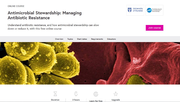
Designed for healthcare professionals, this six-week course will inform you about – and empower you to provide – safe, high-quality antibiotic use. You’ll interact with colleagues globally, to understand what antibiotic resistance means – an
...
d why the World Economic Forum has placed it alongside terrorism and climate change on its global risk register. You can also join the course in Spanish, Chinese, or Russian.
more
Accessed July 4, 2019
Around one in four adults has at least one mental health need at any time, and in the next 20 years the number of British people expected to suffer from dementia will grow by 40 per cent. Even though you might not be working in a setting specifically caring for people with men
...
tal health conditions, dementia and learning disabilities, it is still important to have some awareness of the signs and symptoms. This will help you to show compassion and care when you observe any behaviour that seems unusual or difficult to understand, and to be aware of the need to consult more experienced staff about behaviours if necessary.
Chapter 5: Introducing practical healthcare
more

A Guideline for Healthcare Professionals From the American Heart Association/American Stroke Association
AHA/ASA Guideline
DOI: 10.1161/STR.0000000000000158
Training materials for healthcare workers
The global increase of healthcare-associated infections (HAI) presents a growing concern in healthcare worldwide. According to the European Centre for Disease Prevention and Co
...
ntrol (ECDC), the annual number of HAI exceeds 2.6million and produces the highest estimated amount of disability-adjust-ed-life-years, surpassing all other reported communicable diseases in the European Union and European Economic Area. Multi-drug-resistant Gram-negative (MDR-GN) bacteria have become increasingly common as a cause for HAI, such as central line-as-sociated bloodstream infections, wound or surgical site infections and catheter-associated urinary tract infections
more
Mothers and healthcare workers who support them have many questions and concerns about whether it is safe for mothers with confirmed or suspected COVID-19 to be close to and breastfeed their babies during the pandemic.
To address their questions, W
...
HO has released a list of Frequently asked questions: Breastfeeding and COVID-19. The FAQ complements the WHO interim guidance: Clinical management of severe acute respiratory infection when COVID-19 is suspected and draws upon other WHO recommendations on infant and young child feeding.
The FAQs aim to provide information to healthcare workers supporting mothers and families in maternity services and community settings, and communicate how the interim guidance should be implemented. Additionally, the FAQs provide information about the protective effects of breastfeeding and skin-to-skin contact, and the harmful effects of inappropriate use of infant formula milk.
more

Developing countries face disastrous healthcare setbacks, hunger and huge international debt as covid-19’s ‘final wave’
Workplaces outside of healthcare facilities can be also settings for transmission of COVID-19. Outbreaks of COVID-19 has been reported in various types of workplaces and job categories.
All workers should be protected from acquiring COVID-19 be
...
cause of their work. The prevention of COVID-19 in work settings should be combined with measures for protecting physical and mental health, safety and wellbeing of workers from other occupational hazards in the operation, closures and reopening of workplaces.
This joint WHO/ILO policy brief provides a summary of the evidence for transmission of COVID-19 in general workplaces and an overview of WHO and ILO recommendations for prevention and mitigation of COVID-19 and for protecting health and safety at work in the context of the pandemic.
more
This book teaches healthcare professionals the basics of EKG interpretation and is available as a creative commons resource.
Attribution 4.0 International (CC BY 4.0)
Shortages of healthcare workers is detrimental to the health of communities, especially children. This paper describes the process of capacity building Community Health Volunteers (CHVs) to deliver integrated preventive and curative package of care
...
of services to manage common childhood illness in hard-to-reach communities in Bondo Subcounty, Kenya
more

Diabetes Africa brings together healthcare professionals, entrepreneurs and decision-makers in Africa and its diaspora to make diabetes a thing of the past. We identify and promote innovation and innovators, and look for the next diabetes champions.
...
more
This interim guidance is aimed at healthcare workers who may receive patients
exposed to chemical weapons at their healthcare facilities.
It provides questions to guide the identification
...
of contaminated patients,
recommendations on personal protection, procedures for decontamination,
guidance for triage and identification of categories of exposure, and treatment
regimens for individual chemicals.
Arabic version available: http://www.who.int/environmental_health_emergencies/deliberate_events/interim_guidance_ar.pdf
more
An Easy-Reference Guidebook for Healthcare Providers In Developed and Developing Countries
A Training Curriculum for Multidisciplinary Healthcare Teams. This innovative training package aims to empower multidisciplinary health workers to have the confidence and skills to provide comprehensive, youth-friendly HIV services that support adol
...
escents’ healthy development, psychosocial well being, retention, adherence, sexual and reproductive health, and eventual transition to adult HIV services.
more
Lack of Access to Reproductive Healthcare in Sudan’s Rebel-Held Southern Kordofan
Lack of Access to Reproductive Healthcare in Sudan’s Rebel-Held Southern Kordofan
"This document provides recommendations for protecting healthcare providers and managing patients in the event of a hazardous materials exposure. Content was compiled through nationally recognized, current practice standards and formatted into user-
...
friendly materials. "
more
A tutorial for trainers in healthcare settings
Version 2: 2 Dec 2014
"The document focuses on an extended set of PPE components, which includes goggles, respirators, gloves,
coveralls and footwear. Used properly, these PPE components can provide
...
effective protection even from airborne
transmission. The presented PPE components can be used in a variety of settings and also in different
combinations. At the same time, the tutorial shall encourage trainers and users to understand the rationales behind
the different approaches. "
more
Improving the quality of care for mothers and newborns in health facilities: learner's manual. Version 02.
World Health Organization (WHO), Regional Office for South-East Asia
WHOCC AIIMS, UNICEF, UNFPA and USAID
(2017)
C_WHO
A training package for building capacity of healthcare teams in health facilities for continous quality improvement of maternal and newborn healthcare. The focus is on the care of mothers and newbor
...
ns at the time of child birth since a large proportion of maternal deaths, newborn deaths and stillbirths happen around that time.
The 4-Step POCQI (Point of care Quality Improvement) package includes Coaching manual and Learner manual that present a demystified and simple model of quality improvement at the level of health facilities using local data to identify quality gaps, analyse underlying causes and improve health care practices in their own specific context without much additional resources.
more
BMJ is offering a range of free online resources to support researchers, doctors, nurses, and other healthcare professionals to understand and respond to the global health emergency caused by the novel coronavirus (2019-nCoV).
The free online res
...
ources are aimed at healthcare professionals located in China and across the world, to help keep them updated with the latest developments and guidance
more
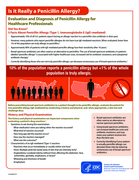
Evaluation and Diagnosis of Penicillin Allergy for Healthcare Professionals
This is a guide for healthcare workers involved in patient care activities in a healthcare setting. It aims to show the type of personal protective equipment or PPE needed to correctly protect onese
...
lf. Based on the current available evidence, the WHO recommended PPE for the care of COVID patients are CONTACT and DROPLET precautions, with the exception of aerosol producing procedures, which require CONTACT and AIRBORNE (hence, a respirator mask such as N95, FFP2, FFP3). Keeping in mind, PPE is part of a larger infection prevention and control bundle of measures and should be implemented as part of a multimodal strategy of management of COVID-19 patients. Only clinical staff who are trained and competent in the use of PPE should be allowed to enter the patient’s room.
This course is also available in the following languages:
العربية -македонски - 中文 - Shqip - français - ภาษาไทย - Português - Español - Nederlands - Tetun
more
The primary audience of these recommendations includes healthcare providers who are responsible for developing national and local health protocols (particularly those related to hypertensive disorders of pregnancy), and those directly providing care
...
to pregnant women and their newborns, including midwives, nurses, general medical practitioners, obstetricians, obstetric physicians, managers of maternal and child health programmes, and relevant staff in ministries of health, in all settings.
more

UNICEF Annual Report 2017 - Burkina Faso
- Healthcare policy for children
- Food insecurity
- Community health strategy
- National child protection system
etc.
This document provides answers to FAQs healthcare providers and staff may have about COVID-19 vaccines
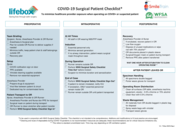
This Checklist is to minimize healthcare provider exposure when operating on COVID+ or suspected patient.
The global voice for patient-centred healthcare
IAPO is a unique global alliance representing patients of all nations across all disease areas and promoting patient-centred healthcare across the wo
...
rld.
more
Get audience-specific toolkits for healthcare teams and community administrators.
Diagnosis of Dengue fever for healthcare providers
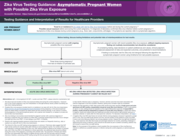
Testing Guidance and Interpretation of Results for Healthcare Providers
Zika Virus Testing Guidance: Asymptomatic Pregnant Women
with Possible Zika Virus Exposure
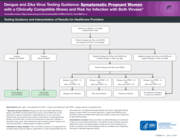
Testing Guidance and Interpretation of Results for Healthcare providers
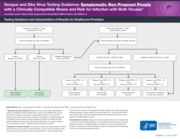
Testing Guidance and Interpretation of Results for Healthcare Providers Dengue and Zika Virus
This event was an opportunity for healthcare professionals, policy makers, researchers, and NHS commissioners to meet with one another, take stock of the activities happening around the UK, upskill, and work together to improve diabetes and related
...
disease outcomes for people of Black, Black African, and Black Caribbean heritage in the UK.
more
Adolescent Sexual and Reproductive Health Toolkit for Humanitarian Settings
UNFPA, Save the Children USA
(2009)
This Toolkit is intended to guide humanitarian programme managers and healthcare providers to ensure that sexual and reproductive health interventions put into place both during and after a crisis are responsive to the unique needs of adolescents.
Adolescent Sexual and Reproductive Health Toolkit for Humanitarian Settings (spanish)
UNFPA, Save the Children USA
(2009)
This Toolkit is intended to guide humanitarian programme managers and healthcare providers to ensure that sexual and reproductive health interventions put into place both during and after a crisis are responsive to the unique needs of adolescents.
Adolescent Sexual and Reproductive Health Toolkit for Humanitarian Settings (arabic)
UNFPA, Save the Children USA
(2009)
This Toolkit is intended to guide humanitarian programme managers and healthcare providers to ensure that sexual and reproductive health interventions put into place both during and after a crisis are responsive to the unique needs of adolescents.
The purpose of this guideline is to explain to healthcare professionals and administrative employees what their records management obligations are in terms of the National Archives and Records Service of South Africa
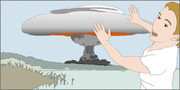
This course has been created for people with some experience in healthcare. It is particularly relevant to students in clinical healthcare professions (such as medicine, nursing, and allied health)
...
and equally relevant to those working in broader disciplines (such as public health, global health, and development studies). Explore this one of six case studies in Medical Peace Work, illustrating how healthcare and allied professionals can respond to a nuclear explosion, and understand its determinants.
All Medical Peace Work case studies and other information are available at: http://www.medicalpeacework.org/mpw-courses/mooc.html
more

In many of Myanmar’s contested regions, healthcare services are provided through two parallel governance systems – by the government’s Ministry of Health, and by providers linked to ethnic armed organizations. Building upon efforts to build tr
...
ust between these two actors following ceasefires signed in 2011 and 2012, the new National League for Democracy-led government offers an unprecedented opportunity to increase cooperation between these systems and to ensure health services reach Myanmar’s most vulnerable populations.
The report provides an overview of existing health service arrangements in these areas, from both the Ministry of Health and from ethnic and community-based health organizations. It then unpacks the concept of “convergence”, highlighting key opportunities and policy recommendations for both government and non-government actors. more
The report provides an overview of existing health service arrangements in these areas, from both the Ministry of Health and from ethnic and community-based health organizations. It then unpacks the concept of “convergence”, highlighting key opportunities and policy recommendations for both government and non-government actors. more
In many of Myanmar’s contested regions, healthcare services are provided through two parallel governance systems – by the government’s Ministry of Health, and by providers linked to ethnic armed organizations. Building upon efforts to build tr
...
ust between these two actors following ceasefires signed in 2011 and 2012, the new National League for Democracy-led government offers an unprecedented opportunity to increase cooperation between these systems and to ensure health services reach Myanmar’s most vulnerable populations.
The report provides an overview of existing health service arrangements in these areas, from both the Ministry of Health and from ethnic and community-based health organizations. It then unpacks the concept of “convergence”, highlighting key opportunities and policy recommendations for both government and non-government actors. more
The report provides an overview of existing health service arrangements in these areas, from both the Ministry of Health and from ethnic and community-based health organizations. It then unpacks the concept of “convergence”, highlighting key opportunities and policy recommendations for both government and non-government actors. more
Formularies are lists of antibiotics that are suggested for certain healthcare settings. In developing a recommended formulary, countries should consider the needs of patients and facilities where they receive care. For example, clinicians in rural
...
or primary health centers may need wide access to first-line antibiotics (e.g., penicillin, ampicillin, TMP-SMX), but last resort antibiotics such as carbapenems or colistin might be limited to tertiary care hospitals. Efforts to create antibiotic formularies may be linked to efforts within countries to create or update essential medicine lists (EML).
more
This is an open-access training course for frontline healthcare providers who manage acute illness and injury with limited resources. Produced in response to requests from multiple countries and international partners, the BEC package includes a Par
...
ticipant Workbook and electronic slide decks for each module. Integrating the guidance from WHO Emergency Triage, Assessment and Treatment (ETAT) for children and the Integrated Management of Adult/Adolescent Illness (IMAI), BEC teaches a systematic approach to the initial assessment and management of time-sensitive conditions where early intervention saves lives
more
every person is supposed to be provided with healthcare services without discrimination. That is to say, persons with disabilities must enjoy the same health range, quality and standard of services and treatment as provided to others
Our spiritual health profoundly impacts our physical health, well-being, and quality of life. Just as medical professionals care for our bodies and minds, spiritual care practitioners care for our spirits. The increasing need for spiritual care makes these practitioners even more crucial. However, m
...
any of us have limited access to quality, professional spiritual care. At times of struggle, this lack of spiritual care can have a negative impact on our health and well-being.Investigators and researchers are creating a growing body of evidence for the innumerable benefits of professional spiritual care, yet many people still do not have a lot of accurate information about these practitioners. To create this publication, the six largest healthcare chaplaincy organizations in North America collaborated to share the facts about spiritual care and practitioners’ roles, training, and standards.By providing evidence and dispelling myths, the thousands of spiritual care practitioners represented by these organizations hope to increase access to spiritual care for the benefit of all.
accessed July 2020
more
These are standing orders for eligible nurses and healthcare professionals to administer the Moderna COVID-19 vaccine to persons 18 years of age and older
The report shows that older people are not getting the healthcare treatments they desperately need. The COVID-19 response has disrupted services for non-communicable diseases such as cancer and diabetes, communicable diseases such as malaria, and mu
...
ch-needed services for mental health. Combined with a loss of income, many older people are unable to get the medicines they need.
A Summary is available in Russian and Arabic
more
The 2019 ANA’s Principles for Nurse Staffing, Third Edition, identifies major elements needed to achieve appropriate nurse staffing, which enhances the delivery of safe, quality health care. These principles are grounded in the substantive and growing body of evidence that demonstrates the link be
...
tween appropriate nurse staffing and better patient outcomes and apply to all types of nurse staffing at every practice level in any healthcare delivery setting. Focused on addressing the complexities of appropriate nurse staffing decisions, the principles and supporting material in this publication will guide nurses and other decision-makers in identifying and developing processes and policies needed to improve nurse staffing.
more
PCI works with partners to strengthen the primary healthcare workforce and the systems around them, with a particular focus on NCDs. We advise and support our partners across a range of building blocks of primary care to improve the quality of care
...
and to strengthen clinical and community-based management of healthcare.
We work to build confidence and capacity, co-creating innovative, practical solutions to the endemic challenges facing healthcare systems in diverse settings globally. With a firm belief in compassionate, person-centred healthcare, PCI occupies a unique position, bringing deep clinical and systems expertise to integrated primary healthcare
more
Better Care Learning Programmes
recommended
Bettercare learning programmes make it easy to train healthcare staff and teach students.

Discover flexible career development and CPD for nurses with online healthcare and nursing courses from top organisations and universities on FutureLearn.
This policy guideIine is intended for use by healthcare professionals invoIved in the management of Covid-19 in South Africa. The document provides guidance on diagnostic tests available, on antigen test performance and accessibility. 1t focuses on
...
key issues such as when to
Perform antigen tests′ how to use and interpret results. Capturing and reporting testing information is also covered.
more
PACK Nigeria (Adult and Child) provides a single, integrated, comprehensive, evidence-informed clinical guide to support all cadres working in primary healthcare in Nigeria: i.e. junior community health extension workers (JCHEWs), community health e
...
xtension workers (CHEWs), community health officers (CHOs), nurses, midwives and medical officers. Colour-coding is used to clearly delineate the scope of practice of these different cadres and clarify referral pathways. This integration promotes a team-based approach to a patient’s care and enables patients to receive consistent and standardized care from whichever cadre treats them.
You can register for free and get the PACK Global Adult Guide for free
more

The WHF IASC Roadmap proposes strategies and evidence-based solutions for healthcare professionals, health authorities and governments to help overcome the barriers to comprehensive care for Chagas disease patients. This roadmap describes an ideal p
...
atient care pathway, and explores the roadblocks along the way, offering potential solutions based on available research and examples in practice. It represents a call to action to decision-makers and health care professionals to step up efforts to eradicate Chagas disease.
more
This first online course is geared at helping healthcare workers in diagnosing and managing all aspects of dengue in order to avoid complications and fatalities.
This course was developed with a comprehensive vision. It is divided into seven modu
...
les that include:
Epidemiological information on dengue,
Pathophysiology of clinical manifestations,
Clinical and differential diagnosis,
Severity classification,
Recommendations for the management of dengue according to its severity and
Managing patients with comorbidities.
more
This is a tool meant to share and train the healthcare workers with precise and updated information about Chagas disease, in order to increase the amount of diagnostics and treatments amongst the affected people.
Advice and guidance on the health needs of migrant patients for healthcare practitioners.
Chagas disease is increasingly reported in Latin American migrants who have settled in Europe. It has rarely been reported in the UK due to lack of testing an
...
d awareness.
Chagas disease (American trypanosomiasis) is a zoonosis caused by the flagellate protozoan parasite Trypanosoma cruzi.
more

The application of digital health technology is growing at a rapid rate in Africa, with the goals of improving the delivery of healthcare services and more effectively reaching out to remote and underserved communities. The lack of enabling guidelin
...
es and standards across the continent, on the other hand, makes it difficult to share data in a meaningful way across the continent.
Considering this, Africa Centres for Disease Control and Prevention (Africa CDC) established a task force of 24 members to provide expertise and guidance in the development of AU HIE guidelines and standards. Members of the task force were subject matter experts working in Africa and internationally on the collection, analysis, and exchange of health information. Some of these experts had been involved in previous consultations on defining Africa CDC’s health information systems strategy. A chairperson, co-chairperson, and secretary were elected to engage the task force members in different technical working groups.
more
The application of digital health technology is growing at a rapid rate in Africa, with the goals of improving the delivery of healthcare services and more effectively reaching out to remote and underserved communities. The lack of enabling guidelin
...
es and standards across the continent, on the other hand, makes it difficult to share data in a meaningful way across the continent.
Considering this, Africa Centres for Disease Control and Prevention (Africa CDC) established a task force of 24 members to provide expertise and guidance in the development of AU HIE guidelines and standards. Members of the task force were subject matter experts working in Africa and internationally on the collection, analysis, and exchange of health information. Some of these experts had been involved in previous consultations on defining Africa CDC’s health information systems strategy. A chairperson, co-chairperson, and secretary were elected to engage the task force members in different technical working groups.
more
Development assistance for health (DAH) is an important part of financing healthcare in low- and middle-income countries. We estimated the gross disbursement of DAH of the 29 Development Assistance Committee (DAC) member countries of the Organisatio
...
n for Economic Co-operation and Development (OECD) for 2011–2019; and clarified its flows, including aid type,
channel, target region, and target health focus area. Data from the OECD iLibrary were used. The DAH definition was based on the OECD sector classification. For core funding to non-healthspecific multilateral agencies, we estimated DAH and its flows based on the OECD methodology for
calculating imputed multilateral official development assistance (ODA).
more
Cardiovascular diseases (CVD) represent the highest burden of disease globally. Medicines are a critical intervention used to prevent and treat CVD. This review describes access to medication for CVD from a health system perspective and strategies that have been used to promote access, including pro
...
viding medicines at lower cost, improving medication supply, ensuring medicine quality, promoting appropriate use, and managing intellectual property issues. Using key evidence in published and gray literature and systematic reviews, we summarize advances in access to cardiovascular medicines using the 5 health system dimensions of access: availability, affordability, accessibility, acceptability, and quality of medicines. There are multiple barriers to access of CVD medicines, particularly in low- and middle-income countries. Low availability of CVD medicines has been reported in public and private healthcare facilities. When patients lack insurance and pay out of pocket to purchase medicines, medicines can be unaffordable. Accessibility and acceptability are low for medicines used in secondary prevention; increasing use is positively related to country income. Fixed-dose combinations have shown a positive effect on adherence and intermediate outcome measures such as blood pressure and cholesterol. We have a new opportunity to improve access to CVD medicines by using strategies such as efficient procurement of low-cost, quality-assured generic medicines, development of fixed-dose combination medicines, and promotion of adherence through insurance schemes that waive copayment for long-term medications. Monitoring progress at all levels, institutional, regional, national, and international, is vital to identifying gaps in access and implementing adequate policies.
more
The Infection Prevention and Control (IPC) Guidelines aim to support healthcare workers improve quality and safety health care. The Guidelines further aim to promote and facilitate the overall goal of IPC by providing evidence-based recommendations
...
on the critical aspects of IPC, focusing on the fundamental principles and priority action areas. All health service organizations should consider the risk of healthcare-associated infection(s) (HAI) and antimicrobial resistance (AMR) transmission to implement these recommendations. The IPC Guidelines also set national standards for the prevention and control of HAIs and to ensure compliance to the National Quality Standards.
more
The YouTube channel "Diabetes Africa" serves as a platform to unite healthcare professionals, entrepreneurs, and decision-makers across Africa and its diaspora with the goal of eradicating diabetes. The channel focuses on identifying and promoting i
...
nnovative solutions and champions in the fight against diabetes. Its content includes discussions on diabetes management, addressing inequalities in care, and exploring the relationship between diabetes and various health conditions.
more
COPD Health Professionals & Educators
Whether you are a healthcare professional, COPD educator or patient advocate, it is important to stay informed about COPD care, resources and support options.
Diarrhoea Treatment Guidelines
recommended
Including new recommendations for the use of ORS and zinc Supplementation for Clinic-Based Healthcare Workers
The essential medicines are those that meet the priority needs of the healthcare of the population. While reviewing the 5th edition of the essential Medicines, special attention focused on the health sector policy. Indeed, medicines play an importa
...
nt role in protecting, maintaining and restoring the peoples’ health and credibility of health facilities. Their availability is a fundamental aspect of primary health care as defined in different declarations including Alma-Ata of 1978.
more
with recommended essential medicines for common diseases in patients in Stockholm County Council (Healthcare Region), Sweden
This summary outlines the burden of targeted diseases and program implementation outcomes in Rwanda. The control of neglected tropical diseases represents a major challenge to those providing healthcare services in the endemic countries. The purpose
...
of this country profile is to provide public health professionals with the most recently available epidemiological information on diseases for which a strategy and tools to implement large-scale preventive chemotherapy exist.
more
The guidelines presented in this document are designed to provide a useful resource for healthcare professionals involved in clinical case management. They were developed taking into consideration services provided at different levels within the hea
...
lth system and resources available. These guidelines are intended to standardize care at both tertiary and secondary levels of service delivery across different socio economic stratifications of our society.
more
Accessed: 10.03.2020
Treatment Action Campaign (TAC):
Working for Access to quality Public Healthcare in South Africa since 1998
This document is intended for use by state and local health departments and healthcare facilities and serves as general guidance for the initial response for the containment of novel or targeted multidrug-resistant organisms (MDROs) or resistance me
...
chanisms. It is not intended to describe all the actions that might be required for control of an outbreak (e.g., sustained transmission within a facility or region). In addition, further evaluation might be required based on the findings of the initial response described in this document.
more
Infection prevention and control (IPC) practices are of critical importance in protecting the function of healthcare services at all levels and mitigating the impact on vulnerable populations. Although the management of possible COVID-19 cases is us
...
ually guided by national policies for specific healthcare facilities, community transmission is currently widespread in most EU/EEA countries and the UK, therefore primary healthcare providers in the community such as GPs, dentists and pharmacists are at risk of being exposed to COVID-19.
more
The Clinical Management of Patients with COVID-19 course series is developed for healthcare workers during the COVID-19 pandemic. The course provides crucial knowledge necessary to provide safe, effective quality patient care. Presentations address
...
all aspects of clinical management, including facility preparation and surge planning; health worker infection prevention and control; interfacility transfer; clinical management of mild, moderate, and severely ill patients with COVID-19; special considerations for geriatric, pregnant, and pediatric patients with COVID-19; rehabilitation; and ethics and palliative care.
The course series consists of 6 courses, which include video lectures and downloadable presentations that have been updated with the latest guidance and evidence. Each module contains 5-8 lectures, and each lecture includes a quiz to evaluate knowledge acquisition.
more
This guide provides valuable resources for both, Healthcare Professionals (physicians, nurses and practitioners) and Health Consumers about the COVID-19 outbreak and recent research related to this topic.
This document is a practical guide to the management of burn injuries for healthcare professionals everyhwere who are non-burn specialistsi
Health, safety and wellbeing of the Healthcare workers is a prerequisite for good quality of care and patient satisfaction in health services. Healthcare facilities that are not safe for workers and
...
patients are not resilient to any shock arising from hostile events, outbreaks or any other emergencies. Occupational Safety and Health Act (2005) and the National Occupational Safety and Health Policy of Zanzibar require the development of stringent systems for managing occupational safety and health in all workplaces and the health system in general.
These Policy Guidelines have been developed by the Ministry of Health in consultation with the Ministry responsible for Labour and other stakeholders, such as organizations of workers, employers and professional associations in the health sector. The purpose of these guidelines is to foster the implementation of the international commitments and the national legislation regarding decent work in the health system as well as to improve the quality of care and the resilience of health facilities.
more
The Ideal Clinic manual has been developed to assist managers at various levels of healthcare service provision to correctly interpret and understand the requirement for achieving the elements as depicted in the Ideal Clinic framework/dashboard. It
...
can therefore be regarded as a reference document which guides the managers to determine the status of Ideal Clinic framework/dashboard elements in a facility.
more
Building on our decades of commitment to human rights in medicine and healthcare, we have published a new report on emerging threats in health-related human rights both globally and in the UK.
'Health and human rights in the new world (dis)order'
...
outlines a shifting rights landscape in which new technologies, environmental change and geopolitical reconfigurations are putting renewed and at times intense stress on human rights, both in medicine and healthcare more broadly.
more
Case Study. The surprising link between logging and healthcare in Indonesia. You can download the teaching material and the case study after filling in a free registration form.
his case study examines a connection between rainforest conservation a
...
nd affordable healthcare access in communities surrounding Gunung Palung National Park (GPNP) in West Kalimantan, Indonesia. It recognizes that human and environmental wellbeing cannot be seen as separate from one another. Specifically, it explores how deforestation impacts human health and well-being, and how implementing co-beneficial solutions can improve human health while protecting natural ecosystems. Finally, this case study highlights the importance of collaboration to achieve planetary health, both within communities and within organizational teams.
more
During the COVID-19 pandemic, healthcare providers in areas where dengue is endemic or who are treating patients with recent travel history to these areas, need to consider dengue and COVID-19 in the differential diagnosis of acute febrile illnesses
...
.
more
Women have less access to the development services and support – such as adequate healthcare, education and
modern technology – that make people more resilient to climate change and other shocks and stressors.2
Women’s unequal access to reso
...
urces, their disproportionate responsibility for care of dependents (typically unpaid),
and the insecurity and precariousness of their paid labour all contribute to the feminisation of poverty and women’s
heightened vulnerability to climate hazards. Climate change is a multiplier of existing vulnerabilities and threatens to
reverse hard-earned development gains for all people, and particularly for women.
more
Heart failure with a reduced ejection fraction (HFrEF) is a condition frequently encountered by healthcare professionals and, in order to achieve the best outcomes for patients, needs to be managed optimally. This guideline document is based on the
...
European Society of Cardiology Guidelines for the treatment of acute and chronic heart failure published in 2016, and summarises what is considered the best current management of patients with the condition. It provides information on the definition, diagnosis and epidemiology of HFrEF in the African context. The best evidence-based treatments for HFrEF are discussed, including established therapies (beta-blockers, ACE-i/ARBs, mineralocorticoid receptor antagonists (MRAs), diuretics) that form the cornerstone of heart failure management as well as therapies that have only recently entered clinical use (angiotensin receptor-neprilysin inhibitor (ARNI), sodium/glucose cotransporter-2 (SGLT2) inhibitors). Guidance is offered in terms of more invasive therapies (revascularisation, implantable cardioverter defibrillators (ICDs) and cardiac resynchronisation therapy (CRT) by implantation of a biventricular pacemaker with (CRT-D) or without (CRT-P) an ICD, left ventricular assist device (LVAD) use and heart transplantation) in order to ensure efficient use of these expensive treatment modalities in a resourcelimited environment. Furthermore, additional therapies (digoxin, hydralazine and nitrates, ivabradine, iron supplementation) are discussed and advice is provided on general preventive strategies (vaccinations). Sections to discuss conditions that are particularly prevalent in sub-Saharan Africa (HIV-associated cardiomyopathy (CMO), peripartum CMO, rheumatic heart disease, atrial fibrillation) have been added to further improve clinical care for these commonly encountered disease processes.
more
The mounting burden of type 2 diabetes is a major concern in healthcare systems worldwide. The purpose of this study is to investigate the trend of type 2 diabetes from 1990 to 2019 in Asia.
The video titled "Personalizing Selection of Inhaled Delivery Systems in COPD" discusses the complexities healthcare professionals face when prescribing inhaled therapies for chronic obstructive pulmonary disease (COPD). It highlights the diverse ra
...
nge of available medications and delivery systems, noting that while medication categorization has been extensively studied, guidance on selecting appropriate inhaler devices remains limited and lacks consensus in COPD guidelines. The video proposes a novel strategy to address this issue, aiming to enhance the personalization of inhaled therapy for COPD patients.
more
Issue Brief Marburg virus disease (MVD)
recommended
Issue Brief No. 40 provides healthcare professionals with the most relevant treatment guidelines, prevention measures and training material on MVD
The government of Rwanda conducted the 2010 Rwanda Demographic and Health Survey (RDHS) to gather up-to-date information for monitoring progress on healthcare programs and policies in Rwanda, including the Economic Development and Poverty Reduction
...
Strategy (EDPRS), the Millennium Development Goals (MDGs),
and Vision 2020. The 2010 RDHS is a follow-up to the 1992, 2000, 2005, and 2007-08 RDHS surveys. Each survey provides data on background characteristics of the respondents, demographic and health indicators, household health expenditures, and domestic violence. The target groups in these surveys were women age 15-49 and men age 15-59
who were randomly selected from households across the country. Information about children age 5 and under also was collected, including the weight and height of the children.
more

NLM Launches Emergency Access Initiative, Granting Free Access to Books and Journals for Healthcare Professionals Fighting Ebola Outbreak. The National Library of Medicine (NLM) Emergency Access Initiative (EAI) has been activated to support
...
healthcare professionals working on the Ebola public health emergency in West Africa.
more
Clinical Key
Elsevier
(2014)
Elsevier Provides Free Online Access to Medical Information for West African Countries Stricken with Ebola Outbreak
To support healthcare professionals in West Africa battling the Ebola outbreak, Elsevier [http://www.elsevier.com/] will provide fre
...
e access to its primary online clinical infomation and reference tool, ClinicalKey. The African countries that are part of this free r-
ClinicalKey access program include the four in West Africa currently affected –Liberia, Nigeria, Sierra Leone and Guinea –plus other African countries where the outbreak has the potential to spread, including Cameroon, Central African Republic, Ghana, Angola, Togo, United Republic of Tanzania, Ethiopia, Mozambique, Burundi, Equatorial Guinea, Madagascar and Malawi. All IPs originating from these countries will be granted free access for the next two months
more
