
Filter
8230
Text search:
experience
Featured
689
2063
Language
7898
253
176
150
116
61
56
51
20
17
13
13
13
11
11
10
10
7
7
7
7
6
6
6
6
6
5
5
5
5
5
5
5
5
5
5
4
4
4
4
3
3
3
3
3
3
3
3
2
2
2
2
2
2
2
2
2
2
2
1
1
1
1
1
1
1
1
1
1
1
1
1
1
Document type
4806
1342
944
438
220
172
165
49
30
26
18
9
5
1
1
Countries
373
340
206
195
161
153
149
149
144
144
142
135
125
108
106
106
101
98
93
90
85
81
69
64
59
54
54
53
51
49
48
47
47
46
46
41
39
37
37
34
34
32
30
29
27
27
26
26
24
23
22
22
22
22
21
18
17
17
16
16
15
15
14
14
13
12
11
10
10
10
10
9
9
9
9
9
9
8
8
8
7
7
6
6
6
6
6
6
6
6
5
5
5
5
5
4
4
4
4
4
4
4
4
4
4
4
4
3
3
3
3
3
3
3
3
3
3
3
2
2
2
2
2
2
2
2
2
2
1
1
1
1
1
1
1
1
1
1
1
1
1
1
1
1
1
1
1
1
1
1
1
Authors & Publishers
960
398
374
246
191
185
148
148
140
71
71
47
44
43
40
38
38
37
37
36
31
30
29
29
28
27
27
26
25
24
24
24
23
23
23
22
22
22
21
21
21
20
20
20
20
19
19
19
19
18
18
18
18
18
18
17
17
17
16
16
16
15
15
15
15
15
14
14
14
14
14
14
14
14
13
13
13
13
13
12
12
12
12
12
12
12
12
12
12
11
11
11
11
11
11
11
11
11
11
11
11
10
10
10
10
10
10
10
10
9
9
9
9
9
9
9
9
9
9
9
9
9
8
8
8
8
8
8
8
8
8
7
7
7
7
7
7
7
7
7
7
7
7
7
7
7
7
7
7
7
7
7
7
7
6
6
6
6
6
6
6
6
6
6
6
6
6
6
6
6
6
6
6
6
6
6
6
6
6
6
6
6
6
6
6
6
6
6
6
6
6
5
5
5
5
5
5
5
5
5
5
5
5
5
5
5
5
5
5
5
5
5
5
5
5
5
5
5
5
5
5
5
5
5
5
5
5
5
5
5
5
5
5
5
5
5
5
5
5
5
5
5
5
5
5
5
5
5
5
5
5
4
4
4
4
4
4
4
4
4
4
4
4
4
4
4
4
4
4
4
4
4
4
4
4
4
4
4
4
4
4
4
4
4
4
4
4
4
4
4
4
4
4
4
4
4
4
4
4
4
4
4
4
4
4
4
4
4
4
4
4
4
4
4
4
4
4
4
4
4
4
4
4
4
4
4
4
4
4
4
4
4
4
4
4
4
4
4
4
4
4
4
4
4
4
3
3
3
3
3
3
3
3
3
3
3
3
3
3
3
3
3
3
3
3
3
3
3
3
3
3
3
3
3
3
3
3
3
3
3
3
3
3
3
3
3
3
3
3
3
3
3
3
3
3
3
3
3
3
3
3
3
3
3
3
3
3
3
3
3
3
3
3
3
3
3
3
3
3
3
3
3
3
3
3
3
3
3
3
3
3
3
3
3
3
3
3
3
3
3
3
3
3
3
3
3
3
3
3
3
3
3
3
3
3
3
3
3
3
3
3
3
3
3
3
3
3
3
3
3
3
3
3
3
3
3
3
3
3
3
3
3
3
3
3
3
3
3
3
3
3
3
3
3
3
3
3
3
3
3
3
3
3
3
3
3
3
3
3
3
3
3
3
3
3
3
3
3
2
2
2
2
2
2
2
2
2
2
2
2
2
2
2
2
2
2
2
2
2
2
2
2
2
2
2
2
2
2
2
2
2
2
2
2
2
2
2
2
2
2
2
2
2
2
2
2
2
2
2
2
2
2
2
2
2
2
2
2
2
2
2
2
2
2
2
2
2
2
2
2
2
2
2
2
2
2
2
2
2
2
2
2
2
2
2
2
2
2
2
2
2
2
2
2
2
2
2
2
2
2
2
2
2
2
2
2
2
2
2
2
2
2
2
2
2
2
2
2
2
2
2
2
2
2
2
2
2
2
2
2
2
2
2
2
2
2
2
2
2
2
2
2
2
2
2
2
2
2
2
2
2
2
2
2
2
2
2
2
2
2
2
2
2
2
2
2
2
2
2
2
2
2
2
2
2
2
2
2
2
2
2
2
2
2
2
2
2
2
2
2
2
2
2
2
2
2
2
2
2
2
2
2
2
2
2
2
2
2
2
2
2
2
2
2
2
2
2
2
2
2
2
2
2
2
2
2
2
2
2
2
2
2
2
2
2
2
2
2
2
2
2
2
2
2
2
2
2
2
2
2
2
2
2
2
2
2
2
2
2
2
2
2
2
2
2
2
2
2
2
2
2
2
2
2
2
2
2
2
2
2
2
2
2
2
2
2
2
2
2
2
2
2
2
2
2
2
2
2
2
2
2
2
2
2
2
2
2
2
2
2
2
2
2
2
2
2
2
2
2
2
2
2
2
2
2
2
2
2
2
2
2
2
2
2
2
2
2
2
2
2
2
2
2
2
2
2
2
2
2
2
2
2
2
2
2
2
2
2
2
2
2
2
2
2
2
2
2
2
2
2
2
2
2
2
2
2
2
2
2
2
2
2
2
2
2
2
2
2
2
2
2
2
2
2
2
2
2
2
2
2
2
2
2
2
2
2
2
2
2
2
2
2
2
2
2
2
2
2
2
2
2
2
2
2
2
2
2
2
2
2
2
2
2
2
2
2
2
2
2
2
2
2
2
2
2
2
2
2
2
2
2
2
2
2
2
2
2
2
2
2
2
2
2
2
2
2
2
2
2
2
2
2
2
2
2
2
2
2
2
2
2
2
1
1
1
1
1
1
1
1
1
1
1
1
1
1
1
1
1
1
1
1
1
1
1
1
1
1
1
1
1
1
1
1
1
1
1
1
1
1
1
1
1
1
1
1
1
1
1
1
1
1
1
1
1
1
1
1
1
1
1
1
1
1
1
1
1
1
1
1
1
1
1
1
1
1
1
1
1
1
1
1
1
1
1
1
1
1
1
1
1
1
1
1
1
1
1
1
1
1
1
1
1
1
1
1
1
1
1
1
1
1
1
1
1
1
1
1
1
1
1
1
1
1
1
1
1
1
1
1
1
1
1
1
1
1
1
1
1
1
1
1
1
1
1
1
1
1
1
1
1
1
1
1
1
1
1
1
1
1
1
1
1
1
1
1
1
1
1
1
1
1
1
1
1
1
1
1
1
1
1
1
1
1
1
1
1
1
1
1
1
1
1
1
1
1
1
1
1
1
1
1
1
1
1
1
1
1
1
1
1
1
1
1
1
1
1
1
1
1
1
1
1
1
1
1
1
1
1
1
1
1
1
1
1
1
1
1
1
1
1
1
1
1
1
1
1
1
1
1
1
1
1
1
1
1
1
1
1
1
1
1
1
1
1
1
1
1
1
1
1
1
1
1
1
1
1
1
1
1
1
1
1
1
1
1
1
1
1
1
1
1
1
1
1
1
1
1
1
1
1
1
1
1
1
1
1
1
1
1
1
1
1
1
1
1
1
1
1
1
1
1
1
1
1
1
1
1
1
1
1
1
1
1
1
1
1
1
1
1
1
1
1
1
1
1
1
1
1
1
1
1
1
1
1
1
1
1
1
1
1
1
1
1
1
1
1
1
1
1
1
1
1
1
1
1
1
1
1
1
1
1
1
1
1
1
1
1
1
1
1
1
1
1
1
1
1
1
1
1
1
1
1
1
1
1
1
1
1
1
1
1
1
1
1
1
1
1
1
1
1
1
1
1
1
1
1
1
1
1
1
1
1
1
1
1
1
1
1
1
1
1
1
1
1
1
1
1
1
1
1
1
1
1
1
1
1
1
1
1
1
1
1
1
1
1
1
1
1
1
1
1
1
1
1
1
1
1
1
1
1
1
1
1
1
1
1
1
1
1
1
1
1
1
1
1
1
1
1
1
1
1
1
1
1
1
1
1
1
1
1
1
1
1
1
1
1
1
1
1
1
1
1
1
1
1
1
1
1
1
1
1
1
1
1
1
1
1
1
1
1
1
1
1
1
1
1
1
1
1
1
1
1
1
1
1
1
1
1
1
1
1
1
1
1
1
1
1
1
1
1
1
1
1
1
1
1
1
1
1
1
1
1
1
1
1
1
1
1
1
1
1
1
1
1
1
1
1
1
1
1
1
1
1
1
1
1
1
1
1
1
1
1
1
1
1
1
1
1
1
1
1
1
1
1
1
1
1
1
1
1
1
1
1
1
1
1
1
1
1
1
1
1
1
1
1
1
1
1
1
1
1
1
1
1
1
1
1
1
1
1
1
1
1
1
1
1
1
1
1
1
1
1
1
1
1
1
1
1
1
1
1
1
1
1
1
1
1
1
1
1
1
1
1
1
1
1
1
1
1
1
1
1
1
1
1
1
1
1
1
1
1
1
1
1
1
1
1
1
1
1
1
1
1
1
1
1
1
1
1
1
1
1
1
1
1
1
1
1
1
1
1
1
1
1
1
1
1
1
1
1
1
1
1
1
1
1
1
1
1
1
1
1
1
1
1
1
1
1
1
1
1
1
1
1
1
1
1
1
1
1
1
1
1
1
1
1
1
1
1
1
1
1
1
1
1
1
1
1
1
1
1
1
1
1
1
1
1
1
1
1
1
1
1
1
1
1
1
1
1
1
1
1
1
1
1
1
1
1
1
1
1
1
1
1
1
1
1
1
1
1
1
1
1
1
1
1
1
1
1
1
1
1
1
1
1
1
1
1
1
1
1
1
1
1
1
1
1
1
1
1
1
1
1
1
1
1
1
1
1
1
1
1
1
1
1
1
1
1
1
1
1
1
1
1
1
1
1
1
1
1
1
1
1
1
1
1
1
1
1
1
1
1
1
1
1
1
1
1
1
1
1
1
1
1
1
1
1
1
1
1
1
1
1
1
1
1
1
1
1
1
1
1
1
1
1
1
1
1
1
1
1
1
1
1
1
1
1
1
1
1
1
1
1
1
1
1
1
1
1
1
1
1
1
1
1
1
1
1
1
1
1
1
1
1
1
1
1
1
1
1
1
1
1
1
1
1
1
1
1
1
1
1
1
1
1
1
1
1
1
1
1
1
1
1
1
1
1
1
1
1
1
1
1
1
1
1
1
1
1
1
1
1
1
1
1
1
1
1
1
1
1
1
1
1
1
1
1
1
1
1
1
1
1
1
1
1
1
1
1
1
1
1
1
1
1
1
1
1
1
1
1
1
1
1
1
1
1
1
1
1
1
1
1
1
1
1
1
1
1
1
1
1
1
1
1
1
1
1
1
1
1
1
1
1
1
1
1
1
1
1
1
1
1
1
1
1
1
1
1
1
1
1
1
1
1
1
1
1
1
1
1
1
1
1
1
1
1
1
1
1
1
1
1
1
1
1
1
1
1
1
1
1
1
1
1
1
1
1
1
1
1
1
1
1
1
1
1
1
1
1
1
1
1
1
1
1
1
1
1
1
1
1
1
1
1
1
1
1
1
1
1
1
1
1
1
1
1
1
1
1
1
1
1
1
1
1
1
1
1
1
1
1
1
1
1
1
1
1
1
1
1
1
1
1
1
1
1
1
1
1
1
1
1
1
1
1
1
1
1
1
1
1
1
1
1
1
1
1
1
1
1
1
1
1
1
1
1
1
1
1
1
1
1
1
1
1
1
1
1
1
1
1
1
1
1
1
1
1
1
1
1
1
1
1
1
1
1
1
1
1
1
1
1
1
1
1
1
1
1
1
1
1
1
1
1
1
1
1
1
1
1
1
1
1
1
1
1
1
1
1
1
1
1
1
1
1
1
1
1
1
1
1
1
1
1
1
1
1
1
1
1
1
1
1
1
1
1
1
1
1
1
1
1
1
1
1
1
1
1
1
1
1
1
1
1
1
1
1
1
1
1
1
1
1
1
1
1
1
1
1
1
1
1
1
1
1
1
1
1
1
1
1
1
1
1
1
1
1
1
1
1
1
1
1
1
1
1
1
1
1
1
1
1
1
1
1
1
1
1
1
1
1
1
1
1
1
1
1
1
1
1
1
1
1
1
1
1
1
1
1
1
1
1
1
1
1
1
1
1
1
1
1
1
1
1
1
1
1
1
1
1
1
1
1
1
1
1
1
1
1
1
1
1
1
1
1
1
1
1
1
1
1
1
1
1
1
1
1
1
1
1
1
1
1
1
1
1
1
1
1
1
1
1
1
1
1
1
1
1
1
1
1
1
1
1
1
1
1
1
1
1
1
1
1
1
1
1
1
1
1
1
1
1
1
1
1
1
1
1
1
1
1
1
1
1
1
1
1
1
1
1
1
1
1
1
1
1
1
1
1
1
1
1
1
1
1
1
1
1
1
1
1
1
1
1
1
1
1
1
1
1
1
1
1
1
1
1
1
1
1
1
1
1
1
1
1
1
1
1
1
1
1
1
1
1
1
1
1
1
1
1
1
1
1
1
1
1
1
1
1
1
1
1
1
1
1
1
1
1
1
1
1
1
1
1
1
1
1
1
1
1
1
1
1
1
1
1
1
1
1
1
1
1
1
1
1
1
1
1
1
1
1
1
1
1
1
1
1
1
1
1
1
1
1
1
1
1
1
1
1
1
1
1
1
1
1
1
1
1
1
1
1
1
1
1
1
1
1
1
1
1
1
1
1
1
1
1
1
1
1
1
1
1
1
1
1
1
1
1
1
1
1
1
1
1
1
1
1
1
1
1
1
1
1
1
1
1
1
1
1
1
1
1
1
1
1
1
1
1
1
1
1
1
1
1
1
1
1
1
1
1
1
1
1
1
1
1
1
1
1
1
1
1
1
1
1
1
1
1
1
1
1
1
1
1
1
1
1
1
1
1
1
1
1
1
1
1
1
1
1
1
1
1
1
1
1
1
1
1
1
1
1
1
1
1
1
1
1
1
1
1
1
1
1
1
1
1
1
1
1
1
1
1
1
1
1
1
1
1
1
1
1
1
1
1
1
1
1
1
1
1
1
1
1
1
1
1
1
1
1
1
1
1
1
1
1
1
1
1
1
1
1
1
1
1
1
1
1
1
1
1
1
1
1
1
1
1
1
1
1
1
1
1
1
1
1
1
1
1
1
1
1
1
1
1
1
1
1
1
1
1
1
1
1
1
1
1
1
1
1
1
1
1
1
1
1
1
1
1
1
1
1
1
1
1
1
1
1
1
1
1
1
1
1
1
1
1
1
1
1
1
1
1
1
1
1
1
1
1
1
1
1
1
1
1
1
1
1
1
1
1
1
1
1
1
1
1
1
1
1
1
1
1
1
1
1
1
1
1
1
1
1
1
1
1
1
1
1
1
1
1
1
1
1
1
1
1
1
1
1
1
1
1
1
1
1
1
1
1
1
1
1
1
1
1
1
1
1
1
1
1
1
1
1
1
1
1
1
1
1
1
1
1
1
1
1
1
1
1
1
1
1
1
1
1
1
1
1
1
1
1
1
1
1
1
1
1
1
1
1
1
1
1
1
1
1
1
1
1
1
1
1
1
1
1
1
1
1
1
1
1
1
1
1
1
1
1
1
1
1
1
1
1
1
1
1
1
1
1
1
1
1
1
1
1
1
1
1
1
1
1
1
1
1
1
1
1
1
1
1
1
1
1
1
1
1
1
1
1
1
1
1
1
1
1
1
1
1
1
1
1
1
1
1
1
1
1
1
1
1
1
1
1
1
1
1
1
1
1
1
1
1
1
1
1
1
1
1
1
1
1
1
1
1
1
1
1
1
1
1
1
1
1
1
1
1
1
1
1
1
1
1
1
1
1
1
1
1
1
1
1
1
1
1
1
1
1
1
1
1
1
1
1
1
1
1
1
1
1
1
1
1
1
1
1
1
1
1
1
1
1
1
1
1
1
1
1
1
1
1
1
1
1
1
1
1
1
1
1
1
1
1
1
1
1
1
1
1
1
1
1
1
1
1
1
1
1
1
1
1
1
1
1
1
1
1
1
1
1
1
1
1
1
1
1
1
1
1
1
1
1
1
1
1
1
1
1
1
1
1
1
1
1
1
1
1
1
1
1
1
1
1
1
1
1
1
1
1
1
1
1
1
1
1
1
1
1
1
1
1
1
1
1
1
1
1
1
1
1
1
1
1
1
1
1
1
1
1
1
1
1
1
1
1
1
1
1
1
1
1
1
1
1
1
1
1
1
1
1
1
1
1
1
1
1
1
1
1
1
1
1
1
1
1
1
1
1
1
1
1
1
1
1
1
1
1
1
1
1
1
1
1
1
1
1
1
1
1
1
1
1
1
1
1
1
1
1
1
1
1
1
1
1
1
1
1
1
1
1
1
1
1
1
1
1
1
1
1
1
1
1
1
1
1
1
1
1
1
1
1
1
1
1
1
1
1
1
1
1
1
1
1
1
1
1
1
1
1
1
1
1
1
1
1
1
1
1
1
1
1
1
1
1
1
1
1
1
1
1
1
1
1
1
1
1
1
1
1
1
1
1
1
1
1
1
1
1
1
1
1
1
1
1
1
1
1
1
1
1
1
1
1
1
1
1
1
1
1
1
1
1
1
1
1
1
1
1
1
1
1
1
1
1
1
1
1
1
1
1
1
1
1
1
1
1
1
1
1
1
1
1
1
1
1
1
1
1
1
1
1
1
1
1
1
1
1
1
1
1
1
1
1
1
1
1
1
1
1
1
1
1
1
1
1
1
1
1
1
1
1
1
1
1
1
1
1
1
1
1
1
1
1
1
1
1
1
1
1
1
1
1
1
1
1
1
1
1
1
1
1
1
1
1
1
1
1
1
1
1
1
1
1
1
1
1
1
1
1
1
1
1
1
1
1
1
1
1
1
1
1
1
1
1
1
1
1
1
1
1
1
1
1
1
1
1
1
1
1
1
1
1
1
1
1
1
1
1
1
1
1
1
1
1
1
1
1
1
1
1
1
1
1
1
1
1
1
1
1
1
1
1
1
1
1
1
1
1
1
1
1
1
1
1
1
1
1
1
1
1
1
1
1
1
1
1
1
1
1
1
1
1
1
1
1
1
1
1
1
1
1
1
1
1
1
1
1
1
1
1
1
1
1
1
1
1
1
1
1
1
1
1
1
1
1
1
1
1
1
1
1
1
1
1
1
1
1
1
1
1
1
1
1
1
1
1
1
1
1
1
1
1
1
1
1
1
1
1
1
1
1
1
1
1
1
1
1
1
1
1
1
1
1
1
1
1
1
1
1
1
1
1
1
1
1
1
1
1
1
1
1
1
1
1
1
1
1
1
1
1
1
1
1
1
1
1
1
1
1
1
1
1
1
1
1
1
1
1
1
1
1
1
1
1
1
1
1
1
1
1
1
1
1
1
1
1
1
1
1
1
1
1
1
1
1
1
1
1
1
1
1
1
1
1
1
1
1
1
1
1
1
1
1
1
1
1
1
1
1
1
1
1
1
1
1
1
1
1
1
1
1
1
1
1
1
1
1
1
1
1
1
1
1
1
1
1
1
1
1
1
1
1
1
1
1
1
1
1
1
1
1
1
1
1
1
1
1
1
1
1
1
1
1
1
1
1
1
1
1
1
1
1
1
1
1
1
1
1
1
1
1
1
1
1
1
1
1
1
1
1
1
1
1
1
1
1
1
1
1
1
1
1
1
1
1
1
1
1
1
1
1
1
1
1
1
1
1
1
1
1
1
1
1
1
1
1
1
1
1
1
1
1
1
1
1
1
1
1
1
1
1
1
1
1
1
1
1
1
1
1
1
1
1
1
1
1
1
1
1
1
1
1
1
1
1
1
1
1
1
1
1
1
1
1
1
1
1
1
1
1
1
1
1
1
1
1
1
1
1
1
1
1
1
1
1
1
1
1
1
1
1
1
1
1
1
1
1
1
1
1
1
1
1
1
1
1
1
1
1
1
1
1
1
1
1
1
1
1
1
1
1
1
1
1
1
1
1
1
1
1
1
1
1
1
1
1
1
1
1
1
1
1
1
1
1
1
1
1
1
1
1
1
1
1
1
1
1
1
1
1
1
1
1
1
1
1
1
1
1
1
1
1
1
1
1
1
1
1
1
1
1
1
1
1
1
1
1
1
1
1
1
1
1
1
1
1
1
1
1
1
1
1
1
1
1
1
1
1
1
1
1
1
1
1
1
1
1
1
1
1
1
1
1
1
1
1
1
1
1
1
1
1
1
1
1
1
1
1
1
1
1
1
1
1
1
1
1
1
1
1
1
1
1
1
1
1
1
1
1
1
1
1
1
1
1
1
1
1
1
1
1
1
1
1
1
1
1
1
1
1
1
1
1
1
1
1
1
1
1
1
1
1
1
1
1
1
1
1
1
1
1
1
1
1
1
1
1
1
1
1
1
1
1
1
1
1
1
1
1
1
1
1
1
1
1
1
1
1
1
1
1
1
1
1
1
1
1
1
1
1
1
1
1
1
1
1
1
1
1
1
1
1
1
1
1
1
1
1
1
1
1
1
1
1
1
1
1
1
1
1
1
1
1
1
1
1
1
1
1
1
1
1
1
1
1
1
1
1
1
1
1
1
1
1
1
1
1
1
1
1
1
1
1
1
1
1
1
1
1
1
1
1
1
1
1
1
1
1
1
1
1
1
1
1
1
1
1
1
1
1
1
1
1
1
1
1
1
1
1
1
1
1
1
1
1
1
1
1
1
1
1
1
1
1
1
1
1
1
1
1
1
1
1
1
1
1
1
1
1
1
1
1
1
1
1
1
1
1
1
1
1
1
1
1
1
1
1
1
1
1
1
1
1
1
1
1
1
1
1
1
1
1
1
1
1
1
1
1
1
1
1
1
1
1
1
1
1
1
1
1
1
1
1
1
1
1
1
1
1
1
1
1
1
1
1
1
1
1
1
1
1
1
1
1
1
1
1
1
1
1
1
1
1
1
1
1
1
1
1
1
1
1
1
1
1
1
1
1
1
1
1
1
1
1
1
1
1
1
1
1
1
1
1
1
1
1
1
1
1
1
1
1
1
1
1
1
1
1
1
1
1
1
1
1
1
1
1
1
1
1
1
1
1
1
1
1
1
1
1
1
1
1
1
1
1
1
1
1
1
1
1
1
1
1
1
1
1
1
1
1
1
1
1
1
1
1
1
1
1
1
1
1
1
1
1
1
1
1
1
1
1
1
1
1
1
1
1
1
1
1
1
1
1
1
1
1
1
1
1
1
1
1
1
1
1
1
1
1
1
1
1
1
1
1
1
1
1
1
1
1
1
1
1
1
1
1
1
1
1
1
1
1
1
1
1
1
1
1
1
1
1
1
1
1
1
1
1
1
1
1
1
1
1
1
1
1
1
1
1
1
1
1
1
1
1
1
1
1
1
1
1
1
1
1
1
1
1
1
1
1
1
1
1
1
1
1
1
1
1
1
1
1
1
1
1
1
1
1
1
1
1
1
1
1
1
1
1
1
1
1
1
1
1
1
1
1
1
1
1
1
1
1
1
1
1
1
1
1
1
1
1
1
1
1
1
1
1
1
1
1
1
1
1
1
1
1
1
1
1
1
1
1
1
1
1
1
1
1
1
1
1
1
1
1
1
1
1
1
1
1
1
1
1
1
1
1
1
1
1
1
1
1
1
1
1
1
1
1
1
1
1
1
1
1
1
1
1
1
1
1
1
1
1
1
1
1
1
1
1
1
1
1
1
1
1
1
1
1
1
1
1
1
1
1
1
1
1
1
1
1
1
1
1
1
1
1
1
1
1
1
1
1
1
1
1
1
1
1
1
1
1
1
1
1
1
1
1
1
1
1
1
1
1
1
1
1
1
1
1
1
1
1
1
1
1
1
1
1
1
1
1
1
1
1
1
1
1
1
1
1
1
1
1
1
1
1
1
1
1
1
1
1
1
1
1
1
1
1
1
1
1
1
1
1
1
1
1
1
1
1
1
1
1
1
1
1
1
1
1
1
1
1
1
1
1
1
1
1
1
1
1
1
1
1
1
1
1
1
1
1
1
1
1
1
1
1
1
1
1
1
1
1
1
1
1
1
1
1
1
1
1
1
1
1
1
1
1
1
1
1
1
1
1
1
1
1
1
1
1
1
1
1
1
1
1
1
1
1
1
1
1
1
1
1
1
1
1
1
1
1
1
1
1
1
1
1
1
1
1
1
1
1
1
1
1
1
1
1
1
1
1
1
1
1
1
1
1
1
1
1
1
1
1
1
1
1
1
1
1
1
1
1
1
1
1
1
1
1
1
1
1
1
1
1
1
1
1
1
1
1
1
1
1
1
1
1
1
1
1
1
1
1
1
1
1
1
1
1
1
1
1
1
1
1
1
1
1
1
1
1
1
1
1
1
1
1
1
1
1
1
1
1
1
1
1
1
1
1
1
1
1
1
1
1
1
1
1
1
1
1
1
1
1
1
1
1
1
1
1
1
1
1
1
1
1
1
1
1
1
1
1
1
1
1
1
1
1
1
1
1
1
1
1
1
1
1
1
1
1
1
1
1
1
1
1
1
1
1
1
1
1
1
1
1
1
1
1
1
1
1
1
1
1
1
1
1
1
1
1
1
1
1
1
1
1
1
1
1
1
1
1
1
1
1
1
1
1
1
1
1
1
1
1
1
1
1
1
1
1
1
1
1
1
1
1
1
1
1
1
1
1
1
1
1
1
1
1
1
1
1
1
1
1
1
1
1
1
1
1
1
1
1
1
1
1
1
1
1
1
1
1
1
1
1
1
1
1
1
1
1
1
1
1
1
1
1
1
1
1
1
1
1
1
1
1
1
1
1
1
1
1
1
1
1
1
1
1
1
1
1
1
1
1
1
1
1
1
1
1
1
1
1
1
1
1
1
1
1
1
1
1
1
1
1
1
1
1
1
1
1
1
1
1
1
1
1
1
1
1
1
1
1
1
1
1
1
1
1
1
1
1
1
1
1
1
1
1
1
1
1
1
1
1
1
1
1
1
1
1
1
1
1
1
1
1
1
1
1
1
1
1
1
1
1
1
1
1
1
1
1
1
1
1
1
1
1
1
1
1
1
1
1
1
1
1
1
1
1
1
1
1
1
1
1
1
1
1
1
1
1
1
1
1
1
1
1
1
1
1
1
1
1
1
1
1
1
1
1
1
1
1
1
1
1
1
1
1
1
1
1
1
1
1
1
1
1
1
1
1
1
1
1
1
1
1
1
1
1
1
1
1
1
1
1
1
1
1
1
1
1
1
1
1
1
1
1
1
1
1
1
1
1
1
1
1
1
1
1
1
1
1
1
1
1
1
1
1
1
1
1
1
1
1
1
1
1
1
1
1
1
1
1
1
1
1
1
1
1
1
1
1
1
1
1
1
1
1
1
1
1
1
1
1
1
1
1
1
1
1
1
1
1
1
1
1
1
1
1
1
1
1
1
1
1
1
1
1
1
1
1
1
1
1
1
1
1
1
1
1
1
1
1
1
1
1
1
1
1
1
1
1
1
1
1
1
1
1
1
1
1
1
1
1
1
1
1
1
1
1
1
1
1
1
1
1
1
1
1
1
1
1
1
1
1
1
1
1
1
1
1
1
1
1
1
1
1
1
1
1
1
1
1
1
1
1
1
1
1
1
1
1
1
1
1
1
1
1
1
1
1
1
1
1
1
1
1
1
1
1
1
1
1
1
1
1
1
1
1
1
1
1
1
1
1
1
1
1
1
1
1
1
1
1
1
1
1
1
1
1
1
1
1
1
1
1
1
1
1
1
1
1
1
1
1
1
1
1
1
1
1
1
1
1
1
1
1
1
1
1
1
1
1
1
1
1
1
1
1
1
1
1
1
1
1
1
1
1
1
1
1
1
1
1
1
1
1
1
1
1
1
1
1
1
1
1
1
1
1
1
1
1
1
1
1
1
1
1
1
1
1
1
1
1
1
1
1
1
1
1
1
1
1
1
1
1
1
1
1
1
1
1
1
1
1
1
1
1
1
1
1
1
1
1
1
1
1
1
1
1
1
1
1
1
1
1
1
1
1
1
1
1
1
1
1
1
1
1
1
1
1
1
1
1
1
1
1
1
1
1
1
1
1
1
1
1
1
1
1
1
1
1
1
1
1
1
1
1
1
1
1
1
1
1
1
1
1
1
1
1
1
1
1
1
1
1
1
1
1
1
1
1
1
1
1
1
1
1
1
1
1
1
1
1
1
1
1
1
1
1
1
1
1
1
1
1
1
1
1
1
1
1
1
1
1
1
1
1
1
1
1
1
1
1
1
1
1
1
1
1
1
1
1
1
1
1
1
1
1
1
1
1
1
1
1
1
1
1
1
1
1
1
1
1
1
1
1
1
1
1
1
1
1
1
1
1
1
1
1
1
1
1
1
1
1
1
1
1
1
1
1
1
1
1
1
1
1
1
1
1
1
1
1
1
1
1
1
1
1
1
1
1
1
1
1
1
1
1
1
1
1
1
1
1
1
1
1
1
1
1
1
1
1
1
1
1
1
1
1
1
1
1
1
1
1
1
1
1
1
1
1
1
1
1
1
1
1
1
1
1
1
1
1
1
1
1
1
1
1
1
1
1
1
1
1
1
1
1
1
1
1
1
1
1
1
1
1
1
1
1
1
1
1
1
1
1
1
1
1
1
1
1
1
1
1
1
1
1
1
1
1
1
1
1
1
1
1
1
1
1
1
1
1
1
1
1
1
1
1
1
1
1
1
1
1
1
1
1
1
1
1
1
1
1
1
1
1
1
1
1
1
1
1
1
1
1
1
1
1
1
1
1
1
1
1
1
1
1
1
1
1
1
1
1
1
1
1
1
1
1
1
1
1
1
1
1
1
1
1
1
1
1
1
1
1
1
1
1
1
1
1
1
1
1
1
1
1
1
1
1
1
1
1
1
1
1
1
1
1
1
1
1
1
1
1
1
1
1
1
1
1
1
1
1
1
1
1
1
1
1
1
1
1
1
1
1
1
1
1
1
1
1
1
1
1
1
1
1
1
1
1
1
1
1
1
1
1
1
1
1
1
1
1
1
1
1
1
1
1
1
1
1
1
1
1
1
1
1
1
1
1
1
1
1
1
1
1
1
1
1
1
1
1
1
1
1
1
1
1
1
1
1
1
1
1
1
1
1
1
1
1
1
1
1
1
1
1
1
1
1
1
1
1
1
1
1
1
1
1
1
1
1
1
1
1
1
1
1
1
1
1
1
1
1
1
1
1
1
1
1
1
1
1
1
1
1
1
1
1
1
1
1
1
1
1
1
1
1
1
1
1
1
1
1
1
1
1
1
1
1
1
1
1
1
1
1
1
1
1
1
1
1
1
1
1
1
1
1
1
1
1
1
1
1
1
1
1
1
1
1
1
1
1
1
1
1
1
1
1
1
1
1
1
1
1
1
1
1
1
1
1
1
1
1
1
1
1
1
1
1
1
1
1
1
1
1
1
1
1
1
1
1
1
1
1
1
1
1
1
1
1
1
1
1
1
1
1
1
1
1
1
1
1
1
1
1
1
1
1
1
1
1
1
1
1
1
1
1
1
1
1
1
1
1
1
1
1
1
1
1
1
1
1
1
1
1
1
1
1
1
1
1
1
1
1
1
1
1
1
1
1
1
1
1
1
1
1
1
1
1
1
1
1
1
1
1
1
1
1
1
1
1
1
1
1
1
1
1
1
1
1
1
1
1
1
1
1
1
1
1
1
1
1
1
1
1
1
1
1
1
1
1
1
1
1
1
1
1
1
1
1
1
1
1
1
1
1
1
1
1
1
1
1
1
1
1
1
1
1
1
1
1
1
1
1
1
1
1
1
1
1
1
1
1
1
1
1
1
1
1
1
1
1
1
1
1
1
1
1
1
1
1
1
1
1
1
1
1
1
1
1
1
1
1
1
1
1
1
1
1
1
1
1
1
1
1
1
1
1
1
1
1
1
1
1
1
1
1
1
1
1
1
1
1
1
1
1
1
1
1
1
1
1
1
1
1
1
1
1
1
1
1
1
1
1
1
1
1
1
1
1
1
1
1
1
1
1
1
1
1
1
1
1
1
1
1
1
1
1
1
1
1
1
1
1
1
1
1
1
1
1
1
1
1
1
1
1
1
1
1
1
1
1
1
1
1
1
1
1
1
1
1
1
1
1
1
1
1
1
1
1
1
1
1
1
1
1
1
1
1
1
1
1
1
1
1
1
1
1
1
1
1
1
1
1
1
1
1
1
1
1
1
1
1
1
1
1
1
1
1
1
1
1
1
1
1
1
1
1
1
1
1
1
1
1
1
1
1
1
1
1
1
1
1
Publication Years
1
1
2108
5225
846
43
5
1
Category
2729
582
483
442
336
222
63
10
4
2
Toolboxes
835
668
621
454
320
303
280
251
230
216
209
167
165
157
137
124
119
73
61
57
45
45
35
4
2
1
The Baby-friendly Hospital Initiative (BFHI) is a global effort launched by WHO and UNICEF to implement practices that protect, promote and support breastfeeding. It was launched in 1991 in response to the Innocenti Declaration. The global BFHI materials have been revised, updated and expanded for i
...
ntegrated care. The materials reflect new research and experience, reinforce the International Code of Marketing of Breast-milk Substitutes, support mothers who are not breastfeeding, provide modules on HIV and infant feeding and mother-friendly care, and give more guidance for monitoring and reassessment.
more
Facilitators can be a mix of doctors, trainers of integrated management of childhood illness (IMCI), nutritionists, public health officers (or otherwise according to each country’s situation) and needs of individual countries. Some countries may consider it important to include a doctor in the t
...
eam to ensure that certain components such as correct identification of danger signs, counselling on developmental milestones and some of the elements of feeding. Whatever the composition of the teams, facilitators should have good training, experience and good communication skills.
more
Pandemic Preparedness and Response – Lessons from the H1N1 Influenza of 2009
Harvey V. Fineberg
(2014)
New England Journal of Medicine 2014; 370:1335-1342. Please download the pdf-file from the nejm Website!
A number of viruses have pandemic potential. The most recent global pandemic was caused by the influenza A (H1N1) strain, which was first detected in North America in 2009. The 2009 H1N1 pande
...
mic presented a public health emergency of uncertain scope, duration, and effect. At the request of the WHO, an international committee reviewed the experience of the pandemic, with special attention given to the function of the 2005 International Health Regulations (IHR) and the performance of the WHO. The most fundamental conclusion of the committee, which applies today, is not reassuring: “The world is ill prepared to respond to a severe influenza pandemic or to any similarly global, sustained and threatening public-health emergency
more
Disabled people in developing countries are the poorest of the poor: if we are serious about tackling extreme poverty, our development work has to target them. The post-2015 development framework offers hope that disabled people will finally get the prominence they deserve on the global development
...
agenda. But this will only be possible with sustained political pressure, and the UK’s position will only be credible if it leads by example in its own development work. Disabled people experience some of the most extreme poverty in the world, but there are also realistic opportunities for donors to turn the situation around.
more
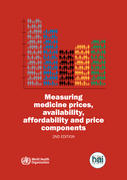
2nd edition - Published in 2003, the first WHO/HAI medicine prices manual Medicine Prices – A
New Approach to Measurement Draft for field-testing provides a draft methodology and tools to conduct national medicine prices and availability surveys. This second edition of the survey manual has been
...
updated to reflect the wealth of practical
experience in conducting medicine prices and availability surveys garnered in the project’s first two phases.
more
For full course visit: https://drtbnetwork.org/training-course-MDR-TB
This course has been designed to take three days. It is composed of lectures, in-class readings, exercises, case discussions, and quizzes, which together are intended to provide a diverse and compelling learning
...
experience for participants. Each session generally includes a lecture, followed by various group activities, and finally a short quiz. This course is intended for clinicians working at the district level - doctors, clinical officers, and nurses who provide care to patients with MDR-TB.
more
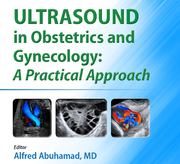
This book has three main sections; the first three chapters focus on the technical and practical use of ultrasound with a review of the physical principles of sound, the practical approach to the ultrasound equipment, and the technical aspect of performing the ultrasound examination. The second sect
...
ion addresses the obstetric ultrasound examination and the third section addresses the gynecologic ultrasound examination. The last chapter shows how to write an ultrasound report, a key component of the examination. The book is filled with descriptive figures, tables, and tips that the authors use in their daily ultrasound practice and have been accrued through many years of experience. Large Size: 19.6 MB!!!
more
Cultural Anthropology
Since early 2014, the international coverage of Africa has been dominated by the Ebola outbreak in West Africa. Much of that coverage represents the region as helpless and hopeless, a tragic victim of illogical beliefs and dangerous cultural practices. The contributors to this
...
Hot Spots series offer their personal and professional experience in this region as a critical counter-argument. Please read the articles online http://www.culanth.org/fieldsights/585-ebola-in-perspective
more
This Spotlight presents an in-depth analysis including opinions, facts and figures, and key resources. It features commentary by Sylvie Briand of the WHO, Rosamund Southgate of Médecins Sans Frontières and Annie Wilkinson of the Institute of Development Studies.
It includes first-hand accounts b
...
y researchers with experience in the field, and interviews with social science expert Melissa Leach and communications managers at Médecins Sans Frontières-UK and BBC Media Action.
more
UNICEF launched a series of animated films to help frame positive perceptions towards the tens of millions of children and young people on the move globally. Unfairy Tales, the three animations – true stories of the flight of children from conflict – explain the horror behind why they fled. They
...
have been animated in the style of a fairy tale and will be supported by an interactive e-book experience also called Unfairy Tales.
DOWNLOADING ASSETS FROM THE UNICEF WESHARE SITE CONSTITUTES AGREEMENT WITH THE UNICEF COPYRIGHT NOTICE.
more
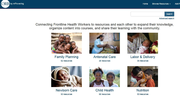
Connecting Frontline Health Workers to resources and each other to expand their knowledge, organize content into courses, and share their learning with the community.
ORB offers frontline health workers and trainers access to quality assured openly licensed content that can be used on mobile device
...
s and shared virally amongst communities.ORB has three unique features:
Brings into one space quality-assured, multimedia materials from multiple content developers, with a focus on maternal and child health.
Adaptation of existing content: ORB aims to reduce the practice of new content being developed unnecessarily.
A global collaborative network of organizations to share and review content, integrate content into programs and share user-experience.
By improving access to health content and mobile learning, ORB helps health workers access the vital content they need to do their work effectively and confidently.
more
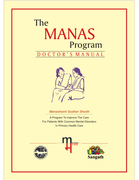
A Program To Improve The Care For Patients With Common Mental Disorders In Primary Health Care.
The essence of the MANAS model is to shift mental health care from mental health specialists to primarycare doctors and lay HCs (someone similar to other more widely available
...
health workers) working as aprimary care team to improve the coverage and efficiency in treating CMD. This manual has been prepared based on the experience gained through the MANAS program and incorporates feedback from doctors who were involved in the program implementation. It outlines the details of the MANAS model and provides information on treatments that are relevant to doctors working in Primary Health Clinics
more
This diagnostic and treatment manual is designed for use by medical professionals involved in cura-
tive care at the dispensary and hospital levels. We have tried to respond in the simplest and most
practical way possible to the questions and problems faced by field medical staff
...
, using the accumu-
lated field experience of Médecins Sans Frontières, the recommendations of reference organizations
such as the World Health Organization (WHO) and specialized works in each field.
Download as App: https://twitter.com/hashtag/MedicalGuidelines?src=hash
more
The Facilitator’s Guide for the basic-needs based Response Options Analysis and Planning (ROAP) is a step-by-step guide comprising tools and templates to carry out a multi-sectoral response analysis and planning of response options, in a sudden-onset or chronic crisis.
Being that so, the Guide i
...
s conceived to be applied hand in hand with the BNA Guidance and Toolbox, and other assessments methodologies. It is expected to assist in analysing data from different sources - including humanitarian staff’ own
knowledge and experience on the sector, cash, protection matters - to come up with response decisions
more
In March 2017 MSF and St Josef Hospital in Schweinfurt (Germany) began a pilot project for low threshold psychosocial support for refugees and asylum seekers. The project has been independently continued by St Josef Hospital from August 2017. Refugees and asylum seekers are approached with an inform
...
ation and counseling service from psychosocial peer counselors with relevant backgrounds (regarding language, culture and refugee experience). The psychosocial peer counselors undergo training with a specifically tailored curriculum and are supervised in their work by qualified staff.
more
What is good ear care? Should we clean our ears? How can noise affect our ears?
Many myths and misconceptions are associated with ear problems and hearing loss. 360 million persons across the world have disabling hearing loss. About half of all these cases are easily prevented or treated. Following
...
good ear care practices, such as reducing exposure to noise, avoiding insertion of objects into the ears can prevent many from developing ear and hearing problems.
This brief animation features a young girl talking about her experience of ear pain. It depicts common home remedies and behaviour that can damage the ears, leading to hearing loss.
more
Sustainable Development Goals (SDG) Academy
recommended
Welcome to the SDG Academy!
The SDG Academy creates and curates free, graduate-level courses on sustainable development for students around the world.
From sustainable cities to human rights to climate action, each of our courses addresses the fundamental challenge facing our world today: How
...
do people, communities, governments and companies not only coexist, but also cooperate and collaborate, to save the one planet we have?
As a massive open online education platform, SDG Academy's courses are fully interactive, so you can meet, debate and learn from both our global faculty of sustainable development experts and your fellow students.
Learn more here about the SDG Academy – an initiative of the Sustainable Development Solutions Network – and the SDG Academy student experience.
more
This working paper was conceived to offer practical tips and suggestions on how to establish and sustain the multisectoral coordination needed to develop and implement National Action Plans on AMR (NAPs). It is intended for anyone with responsibility for addressing AMR at country level. Drawing on b
...
oth the published literature and the operational experience of four ‘focal countries’ (Ethiopia, Kenya, Philippines and Thailand), it summarizes lessons learned and the latest thinking on multisectoral working to achieve effective AMR action.
more
Nepal has made substantial progress in reducing under-five mortality and is on track to achieve Millennium Development Goal 4, but advances in neonatal health are less encouraging. The objectives of this study were to assess relative and absolute inequalities in neonatal mortality over time, and to
...
review experience with major programs to promote neonatal health.
more
À l’heure où des techniques innovantes de dépistage sur le lieu de soins (POC) sont mises sur le marché, le présent rapport soumet à l’attention des gouvernements un examen des principaux aspects relatifs à leur introduction et à leur extension au sein des programmes publics nationaux. L
...
’élargissement de la portée de cette stratégie aux réseaux nationaux de dépistage des laboratoires conventionnels contribuerait à la réalisation des objectifs d’accélération de la riposte visant à mettre fin à l’épidémie de sida d’ici à 2030.
Le dépistage sur le lieu de soins, lorsqu’il est stratégiquement mis en place et intégré dans les réseaux nationaux de dépistage, peut contribuer à promouvoir des changements et à améliorer la prestation des services cliniques et de dépistage. Le présent document s’inspire de l’expérience acquise en matière d’introduction, par le biais de financements catalysateurs, de techniques de dépistage sur le lieu de soin dans les programmes et les marchés de nombreux pays d’Afrique subsaharienne pour défendre ce point de vue. more
Le dépistage sur le lieu de soins, lorsqu’il est stratégiquement mis en place et intégré dans les réseaux nationaux de dépistage, peut contribuer à promouvoir des changements et à améliorer la prestation des services cliniques et de dépistage. Le présent document s’inspire de l’expérience acquise en matière d’introduction, par le biais de financements catalysateurs, de techniques de dépistage sur le lieu de soin dans les programmes et les marchés de nombreux pays d’Afrique subsaharienne pour défendre ce point de vue. more
Gestion des dépouilles mortelles lors de catastrophes : manuel pratique à l’usage des premiers intervenants. 2ième éd., rév.
Cordner, S.; Coninx, R.; Kim, J.-J. et al. (Éd.)
Organisation mondiale de la santé (OMS), Organisation panaméricaine de la santé, Fédération internationale des Sociétés de la Croix-Rouge et du Croissant-Rouge
(2016)
C_WHO
La deuxième édition de ce manuel fournit des directives simples, concrètes et faciles à suivre pour la récupération et le stockage des corps des personnes décédées lors de catastrophes et l’enregistrement des informations les concernant, l’objectif étant d’aider les premiers interven
...
ants à faire en sorte que les morts soient traités avec respect et que les informations indispensables pour leur identification ultérieure soient enregistrées comme il se doit.
Cette version révisée et actualisée de l’ouvrage incorpore l’expérience acquise lors de catastrophes récentes, comme le typhon Haiyan qui a touché les Philippines en 2013, l’épidémie d’Ebola qui s’est déclarée en Afrique de l’Ouest en 2014 et 2015, et le tremblement de terre qui a frappé le Népal en 2015. Elle comporte également plusieurs annexes traitant de diverses questions, telles que la prise en charge des dépouilles des victimes d’une épidémie de maladie infectieuse, la planification des sites d’inhumation et l’utilisation des analyses ADN lors de catastrophes de grande ampleur. more
Cette version révisée et actualisée de l’ouvrage incorpore l’expérience acquise lors de catastrophes récentes, comme le typhon Haiyan qui a touché les Philippines en 2013, l’épidémie d’Ebola qui s’est déclarée en Afrique de l’Ouest en 2014 et 2015, et le tremblement de terre qui a frappé le Népal en 2015. Elle comporte également plusieurs annexes traitant de diverses questions, telles que la prise en charge des dépouilles des victimes d’une épidémie de maladie infectieuse, la planification des sites d’inhumation et l’utilisation des analyses ADN lors de catastrophes de grande ampleur. more
Torrential rains and the onset of Cyclone Komen triggered severe and widespread floods and landslides in July and August 2015 across 12 out of 14 states and regions in Myanmar. An estimated 1.6 million individuals were recorded as having been temporarily displaced from their homes by the disaster, a
...
nd 132 lost their lives. Up to 5.2 million people were exposed to the floods and landslides in the 40 most heavily affected townships. Within the 40 most-affected townships, 775,810 individuals have been displaced, accounting for approximately half of the total displaced population.
The Project recognizes that although the major target disaster is cyclones, the methodology of the Project activities to enhance the capacity of EWS, HRD and CBDRM is also applicable to mitigate the damage of floods. By analyzing the results of a survey based on the experience of the Project activities, the Project can contribute to describe tangible lessons learned and future recommendations for the counterpart agencies and disaster management related agencies of the Government of Myanmar. more
The Project recognizes that although the major target disaster is cyclones, the methodology of the Project activities to enhance the capacity of EWS, HRD and CBDRM is also applicable to mitigate the damage of floods. By analyzing the results of a survey based on the experience of the Project activities, the Project can contribute to describe tangible lessons learned and future recommendations for the counterpart agencies and disaster management related agencies of the Government of Myanmar. more
Climate change is a growing concern for Bangladesh because 90 percent of the country is approximately 10 feet above sea level. An evaluation was completed which discovered that high tides in Bangladesh were increasing 10 times more rapidly than the global average. This predicted rapid increase in se
...
a levels places Bangladesh four times higher than the global average. By 2050, approximately 20 percent of the inhabited land in Bangladesh will be inundated by the sea resulting in displacement for nearly 20 million people. The Government of Bangladesh has implemented policies and plans to focus on climate change concerns, but there is still much work to be completed.
Bangladesh is a nation which will continue to experience the devastating effects of climate change. These concerns for the nation are recognized and the Government of Bangladesh is working progressively to implement mitigation and preparedness measures along with making national economic and transportation improvements to better sever and protect the people of Bangladesh. more
Bangladesh is a nation which will continue to experience the devastating effects of climate change. These concerns for the nation are recognized and the Government of Bangladesh is working progressively to implement mitigation and preparedness measures along with making national economic and transportation improvements to better sever and protect the people of Bangladesh. more

Based on the Vulnerability Index developed in this review, an estimated 22.7 million persons in Myanmar, or 44% of the population, were found to have some form of vulnerability related to human development and/or exposure to active conflict/violence. These people
...
experience varying combinations of poor housing, lack of education, poor educational attainment, lack of access to safe sanitation and improved drinking water, and direct exposure to conflict.
Shan and Ayeyarwady have the largest populations of vulnerable persons, a function of both their size and relative vulnerability in comparison to other States and Regions. Yangon and Shan show the widest variation in vulnerability across townships (in terms of the number of vulnerable persons and their level of vulnerability), followed by Mandalay, Chin and Rakhine.
Original file: 15 MB more
Shan and Ayeyarwady have the largest populations of vulnerable persons, a function of both their size and relative vulnerability in comparison to other States and Regions. Yangon and Shan show the widest variation in vulnerability across townships (in terms of the number of vulnerable persons and their level of vulnerability), followed by Mandalay, Chin and Rakhine.
Original file: 15 MB more
This brief focuses specifically on the Grand Nord (Great North): the Beni and Lubero territories of northern North Kivu that are the epicentre of the outbreak. Further participatory enquiry should be undertaken with the affected populations, but given ongoing transmission, conveying key consideratio
...
ns and immediate recommendations have been prioritised.
This brief is based on a rapid review of existing published and grey literature, professional ethnographic research in DRC, personal communication with administrative and health officials and practitioners in the country, and experience of previous Ebola outbreaks.
more
Ending Child Marriage: Child Marriage Laws ad Their Limitations
Wodon, Q., Tavares, P., Fiala, O., Nestour, A. & Wise, L.
Save the Children and The World Bank
(2017)
C1
Child marriage is defined as a formal or informal union before the age of 18. The practice affects mostly girls. While child marriage is especially prevalent in low and lower-middle income countries, it is also observed in other countries. It endangers the life trajectories of girls in multiple ways
...
. Child brides are at greater risk of experiencing a range of poor health outcomes, having children at younger ages when they are not yet ready to do so, dropping out of school, earning less over their lifetimes and living in poverty compared to their peers who marry at later ages. Child brides may also be more likely to experience intimate partner violence, have restricted physical mobility, and limited decision making ability. M
more
War Child put forward a specific request for comparative study, addressing the following questions: •What are the key types of intervention for psychosocial assistance that are being applied to children in war-affected areas? •What are the results of (scientific) research into the effects of th
...
e most relevant programmes? •Which NGOs operate in this sector and what is their practical experience with specific methods? •How does the War Child methodology relate to developments in the sector; what is known about the effects of War Child’s programme and how can these be measured? How will War Child work towards the development of additional evidence?
more
The Asia-Pacific Community Mental Health Development (APCMHD) project has been established in 2005 to explore diverse leading models or approaches to community mental health service delivery in the Asia-Pacific region. The objective is to illustrate and promote best practice in mental health care in
...
the community through use of information exchange, current evidence and practical experience in the region.
more
Innovative Mental Health Programs in Latin America & The Carribbean
Caldas de Almeida, José Miguel (ed.) & Cohen, Alex (ed.).
Pan American Health Organization
(2008)
C_WHO
In the last quarter century, several projects emerged to reform mental health services in Latin American and Caribbean countries. Some did not survive the difficulties that inevitably arise in processes of change, and ended up disappearing before the intended changes could be introduced. Others, how
...
ever, as shown in this publication, were able to overcome difficulties and meet intended objectives, effectively transforming the structure and quality of services. All these projects, including the many that did not survive, were part of one of the richest experiences in the transformation of mental health care worldwide - the experience of mental health reform in Latin America and the Caribbean
more
This report presents the most current data on four specific forms of violence – violent discipline and exposure to domestic abuse during early childhood; violence at school; violent deaths among adolescents; and sexual violence in childhood and adolescence. The statistics reveal that children
...
experience violence across all stages of childhood, in diverse settings, and often at the hands of the trusted individuals with whom they interact daily. The report concludes with specific national actions and strategies that UNICEF has embraced to prevent and respond to violence against children.
more

Mental disorders impose an enormous burden on society, accounting for almost one in three years lived with disability globally. •In addition to their health impact, mental disorders cause a significant economic burden due to lost economic output and the link between mental disorders and costly, po
...
tentially fatal conditions including cancer, cardiovascular disease, diabetes, HIV, and obesity.•80% of the people likely to experience an episode of a mental disorder in their lifetime come from low- and middle-income countries.• Two of the most common forms of mental disorders, anxiety and depression, are prevalent, disabling, and respond to a range of treatments that are safe and effective. Yet, owing to stigma and inadequate funding, these disorders are not being treated in most primary care and community settings.
more
World Psychiatry. 2010 Jun;9(2):67-77.
The main recommendations are presented in relation to: the need for coordinated policies, plans and programmes, the requirement to scale up services for whole populations, the importance of promoting community awareness about mental illness to increase levels
...
of help-seeking, the need to establish effective financial and budgetary provisions to directly support services provided in the community. The paper concludes by setting out a series of lessons learned from the accumulated practice of community mental health care to date worldwide, with a particular focus on the social and governmental measures that are required at the national level, the key steps to take in the organization of the local mental health system, lessons learned by professionals and practitioners, and how to most effectively harness the experience of users, families, and other advocates
more
Better Parenting Nigeria is a parenting education program whose goal is to see that families have the knowledge and skills needed to raise healthy, safe and resilient children. The program aims to ensure that:
The caregiver-child relationship is strengthened;
Caregiver capacity to understa
...
nd family needs and access resources and services is
increased; and
Caregiver capacity to protect children from all forms of harm and exploitation is
improved.
This Facilitator’s Manual is for the facilitator to use to support the community discussions, provide targeted messaging, and recommend suggestions for knowledge and experience sharing. It should be used hand-in-hand with the Community Discussion Guide.
more
This year’s MPI results show that more than two-thirds of the multidimensionally poor—886 millionpeople—live in middle-income countries. A further 440 million live in low-income countries. In both groups, data show, simple national averagescan hide enormous inequality inpatterns of povertywith
...
in countries. For instance, in Uganda 55 percentof the population experience multidimensional poverty—similartotheaverage in Sub-Saharan Africa. But Kampala, the capital city, has an MPI rate of sixpercent, whileinthe Karamojaregion, the MPI soars to 96 percent—meaningthat partsof Ugandaspan the extremes of Sub-Saharan Africa.There is even inequality under the same roof. In South Asia, for example, almost a quarter ofchildren under five live in households where at least one child in the household is malnourished but at least one child is not.
There is also inequality among the poor. Findings of the2019 global MPI paint a detailed picture of the many differences in how-and how deeply -people experience poverty. Deprivationsamong the poor varyenormously: in general, higher MPI valuesgo hand in hand with greater variationin the intensity of poverty. Results also show that children suffer poverty more intensely than adults and are more likely to be deprived in all 10 of the MPI indicators, lackingessentialssuch as clean water, sanitation, adequate nutrition or primary education
more
In der ALMHAR-App erhalten Betroffene auf Farsi, Englisch oder Arabisch Aufklärung über psychische Symptome, wie Angstzustände, Stresssituationen, Schlafprobleme und Aggressionen.
Die Projektidee entwickelte sich aus der gestiegenen Nachfrage im Zuge der hohen Anzahl belasteter Geflüchteter aus
...
Kriegsgebieten. Es gibt einen großen Bedarf insbesondere an arabischsprachigen psychoedukativen Angeboten. ALMHAR bietet Übungen, die selbständig bearbeitet oder in die laufende therapeutische Arbeit eingebunden werden können
(verfügbar auf: English | العربية / Arabisch | فارسی / Farsi)
ALMHAR is designed for refugees who had to flee from their homes and who are may be living in exile.
Fleeing your home is an incredibly overwhelming, frightening and life-changing experience. Many refugees who had to leave their homes and countries develop some sort of emotional or physical problems due to their experiences. If this is the case for you, it does not mean you are weak or crazy. Such problems are mostly normal reactions of normal people to abnormal experiences!
The app explains the most common emotional problems you might experience as a refugee and offers first support in dealing with them. It offers background information on 12 common problem areas and gives practical and easy to-do tips.
more
COMPENDIUM of health system responses to large-scale migration in the WHO European Region
recommended
The scale of international migration in the WHO European Region has increased substantially in the last decade. The dynamics of large-scale migration pose specific challenges and opportunities to health systems, and responses will differ from country to country. Strengthening health system responses
...
is one of the priority areas in the 2016 Strategy and action plan for refugee and migrant health in the WHO European Region. Its agreed actions include the identification and mapping of practices for developing and delivering health services that respond to the needs of refugees, asylum seekers and migrants. This compendium aims to collect and present some of these practices in the form of case studies. Selected in 2016, the case studies reflect experience from different levels of administration in a variety of European countries, and during the different phases of the migration journey.
more
Refugee 1 men and boys can be subjected to sexual and gender‑based violence (SGBV). Survivors have specific health, psychosocial, legal, and safety needs, but often find it hard to discuss their experience and access the support they need. It is i
...
mportant that UNHCR and its partners take steps to address these difficulties. The objectives of this note are to emphasise that programmes on sexual and gender‑based violence need to include men and boys, and to provide guidance on how to access survivors, facilitate reporting, provide protection and deliver essential medical, legal and social services. 2
more
Stronger collaboration, better health: global action plan for healthy lives and well-being for all
recommended
The overall objective of the Global Action Plan is to enhance collaboration among 12 global organizations engaged in health, development and humanitarian responses to accelerate country progress on the health-related SDG targets. The Plan presents a new approach to strengthening collaboration among
...
and joint action by the organizations, building on an initial joint commitment made in October 2018. The Plan is primarily intended to be strategic but provides some operational detail to guide implementation while also allowing flexibility for adjustment based on regular reviews of progress and learning from experience. Although the purpose of the Global Action Plan is not to provide or seek additional resources, the Plan will enable better use of existing resources as a result of improved collaboration, recognizing that each agency has its own unique mandate and area of expertise.
more
Strengthening the capacities of SUN Countries by sharing and disseminating good practices in the fight against malnutrition.
This report is a summary of the results of the preparation and implementation of the Learning Route (LR) organized jointly by the SUN (Scaling Up Nutrition) Movement’s S
...
ecretariat, the Fight Against Malnutrition Unit (CLM, Cellule de Lutte contre la Malnutrition) and PROCASUR Corporation; this Learning Route was held in Senegal from the 26th of May to the 1st of June, 2014. The aim of this publication is to illustrate the experience, its main outcomes, and the lessons learned.
more
Syria Regional Crisis Emergency Appeal 2020
recommended
In 2020, UNRWA will continue to support Palestine refugees affected by the protracted crisis through providing relief assistance and ensuring access to essential education and health services. Drawing on its existing structures, supply chains and capacities, the Agency will continue to adapt its int
...
erventions to respond to ongoing and evolving needs in an effective and agile manner. In Syria, it is expected that the spontaneous return of Palestine refugees from within and outside the country will continue in areas that experience relative calm and where basic infrastructure is rehabilitated, as observed in Sbeineh and Khan Eshieh camps in recent years. In 2020, UNRWA will increase its efforts to rehabilitate its facilities and restore its services in areas of spontaneous return, including in Dera’a, where small scale returns have been observed in 2019.
more

Accessed on 13.02.2020
Tirer pleinement profit du dividende démographique, mettre fin à l’épidémie de sida et assurer durablement la santé pour tous en Afrique.
Ce rapport plaide pour une nouvelle initiative majeure : recruter, former et déployer rapidement 2 millions d’agents de s
...
anté communautaires en Afrique. S’appuyant sur un vaste éventail de preuves et une solide expérience régionale, le rapport montre comment les agents de santé communautaires sauvent des vies et améliorent la qualité de vie. Il montre également comment les investissements dans les agents de santé communautaires exploitent efficacement le dividende démographique, réduisent l’inégalité entre les sexes et accélèrent la croissance économique et le développement. En effet, les avantages des agents de santé communautaires s’étendent sur l’ensemble du programme de développement durable.
more
Orientations provisoires
25 janvier 2020
Ce document est la première édition des orientations relatives aux stratégies de lutte anti-infectieuse à mettre en œuvre en cas de suspicion d’infection par un nouveau coronavirus (2019-nCoV). Il a été adapté du document de l’OMS intitulé P
...
révention et lutte contre les infections lors de la prise en charge de cas probables ou confirmés d’infection par le coronavirus du syndrome respiratoire du Moyen-Orient (MERS-CoV)(1), sur la base des connaissances actuelles de la situation en Chine et dans d’autres pays où des cas ont été identifiés, et de l’expérience acquise sur le syndrome respiratoire aigu sévère (SRAS)-CoV et le MERS-CoV (2).
more
Social Stigma associated with COVID-19
recommended
A guide to preventing and addressing social stigma.
Social stigma in the context of health is the negative association between a person or group of people who share certain characteristics and a specific disease. In an outbreak, this may mean people are labelled, stereotyped, discriminated against,
...
treated separately, and/or experience loss of status because of a perceived link with a disease.
Different Languages are available
more
Le Sénégal et la FAO travaillent ensemble pour le développement durable depuis de nombreuses décennies. L’atteinte des objectifs de développement durable (ODD)représente undéfimajeur pour l’ensemble des pays, exigeant un renouveau dans les combinaisons entre les politiques, les programmes
...
, les partenariatset les investissements. La sécurité alimentaire et l’agriculture étantreconnues comme des priorités du Programme de développement durableà l'horizon 2030(ouProgramme2030), la FAO metson expérience et son expertiseau service de lamiseenœuvreetdusuivides ODD au Sénégal. Nous sommes prêts à agir, pour devenir ensemble la génération faim zéro.
more
Le présent document de travail a été conçu pour offrir des conseils pratiqueset des suggestions sur la manièred’établir et de maintenir la collaboration multisectorielle nécessaire pour élaborer et mettre en œuvre les plans d’action nationaux (PAN) de lutte contre la RAM. Il s’adresse
...
à tous ceux qui ont pourresponsabilité de combattre la RAM au niveau national. S’appuyant à la fois sur la littérature publiée et sur l’expérience pratique de quatre «pays focaux» (Éthiopie, Kenya, Philippines et Thaïlande), ce documentrésume les enseignements tirés et les derniers points de vuesur la collaboration multisectorielle en vue d’une action efficace contre la RAM.
more
This working paper was conceived to offer practical tips and suggestions on how to establish and sustain the multisectoral coordination needed to develop and implement National Action Plans on AMR (NAPs). It is intended for anyone with responsibility for addressing AMR at country level. Drawing on b
...
oth the published literature and the operational experience of four ‘focal countries’ (Ethiopia, Kenya, Philippines and Thailand), it summarizes lessons learned and the latest thinking on multisectoral working to achieve effective AMR action. The experience in focal countries points to a number of tools and tactics that can be used to help establish and enhance sustainable multisectoral collaboration for AMR action. These can be grouped into four categories: political commitment, resources, governance mechanisms, and practical management.
more
Accessed: 02.05.2020
These consolidated guidelines provide recommendations for comprehensive prevention and case management strategies in Kenya
Scope of the Guidelines: Infection prevention and control Patient triage Emergency Medical Services Case management Laboratory testing algorithm
Target
...
Audience: Health care workers taking care of patients suspected or confirmed to have COVID-19
These guidelines combine both preventive and clinical management of the disease in Kenyan context. The protocol borrows various international recommendations including the World Health Organization, from experience of other countries such as China that has struggled with the outbreak for a longer time and from principles of virology and infectious disease management.
more
In the context of health, stigma is the negative association between a person or group of people who share certain characteristics and a specific disease. In an outbreak, this may mean people are labeled, stereotyped, discriminated against, treated separately, and/or
...
experience loss of status because of a perceived link with a disease.
more

There is no question that over the last thirty years environmentaldegradation and the ecological crisis have become in our day and age apredominant sign of the times. In response to this worrisome develop-ment official documents of the Roman Catholic Church, at various lev-els, have sought to addres
...
s the growing ecological concern from theperspective of Catholic social teaching. Consequently references to ecol-ogy and environmental issues have surfaced in papal encyclicals duringthe last fifteen years generating national and regional responses. In theUnited States, for example, the U.S. Conference of Catholic Bishops hasissued two pastoral statements on environmental issues in 1991 and2001. Significantly, the Catholic Bishops of the Pacific Northwest, rep-resenting Canada and the U.S. have also issued a unique internationalletter focused on a particular ecological region—the Columbia RiverWatershed. What all of these efforts hold in common is the attempt toapply Catholic social teaching to a new and disturbing phenomenon inhuman experience. The result has been an expansion of Catholic socialthought. What was once the “social question” has now become the socialand “ecological question.” This development, the effort to address ecol-ogy and environmental issues as ethical problems, is the focus of thispaper. In particular this paper will link environmental and humanecology with the concept of sustainability, with the intention of propos-ing an interpretation of the common good and a definition of sustain-ability within Catholic social teaching.
more

There are varying Christian perspectives on medical ethics, depending onthe differing beliefs, principles and practicesthat undergird them. Notonly are there numerous Christian churches and organisations but,within and between these, there are varying schools of thought that seek to
...
guide theological and ethical enquiry. In addition, most Christian believers are encouraged to make their own personal ethical decisions. While biblical and theological reflection,especially on the life and teaching of Jesus, will play an important role in many individuals’ decision making, others will base their decisions more loosely on a mixture of their Christian ‘background’, their personal experience and their daily interaction with people and current ideas. It is not possible, therefore, to present a definitive Christian perspective on medical ethics, but it is possible to identify many of the features that contribute, consciously or, perhaps more often, subconsciously, to the perspectives that most Christians have.
more
Christian morality consists of living one’s life with guidance and inspiration from the Christian scriptures and traditions. Christian ethics as an academic discipline uses these scriptures and traditions in developing and critiquing ethical norms and theories and applying them to ethical issues.
...
Most Christian ethicists agree that the sources for doing ethics include revelation (scripture) and tradition, as well as human reason and experience.
accessed July 2020
more
A guide to preventing and addressing social stigma.
Social stigma in the context of health is the negative association between a person or group of people who share certain characteristics and a specific disease. In an outbreak, this may mean people are labelled, stereotyped, discriminated against,
...
treated separately, and/or experience loss of status because of a perceived link with a disease.
more
El estigma social asociado a COVID-19
recommended
Una guía para prevenir y abordar el estigma social
Social stigma in the context of health is the negative association between a person or group of people who share certain characteristics and a specific disease. In an outbreak, this may mean people are labelled, stereotyped, discriminated against,
...
treated separately, and/or experience loss of status because of a perceived link with a disease.
more
Dokumen ini menyarankan tindakan untuk mengurangi stigma sosial yang dialami oleh beberapa orang selama wabah penyakit.
Social stigma in the context of health is the negative association between a person or group of people who share certain characteristics and a specific disease. In an outbreak, th
...
is may mean people are labelled, stereotyped, discriminated against, treated separately, and/or experience loss of status because of a perceived link with a disease.
more
This manual presents a compelling case for action on carbapenem-resistant organisms (CROs) and describes the linkages between the prevention and control of CROs and the Global Action Plan on Antimicrobial Resistance (AMR). It describes how the eight recommendations contained within the World Health
...
Organization (WHO) guidelines for the prevention and control of carbapenem-resistant Enterobacteriaceae, Acinetobacter baumannii and Pseudomonas aeruginosa in health care facilities relate to general measures (that is, the core components of infection prevention and control [IPC] programmes) that need to be in place in all countries and health care facilities to prevent and control health care-associated infections (HAIs). The use of a stepwise approach is proposed to support implementation and improvement, based on the evidence and experience of what has worked in several health care settings worldwide. The focus is on adoptable and adaptable information.
more
Cette mission menée conjointement par la représentante du Ministère de la Santé en charge du projet, la
responsable EVIPNet de l’OMS à Genève et le directeur de la fondation Winds of Hope visait à établir le lien entre
le Ministère de la Santé et les différentes parties prenantes du B
...
urkina Faso en charge de la prévention et de
prise en charge du noma, notamment les ONG : Sentinelles, Persis et Hymne aux Enfants. En effet, le Ministère
de la Santé du Burkina Faso a décidé d’écrire une note de politique (policy brief) sur cette maladie négligée non
transmissible qu’est le noma pour provoquer un dialogue politique (forum délibératif) devant déboucher sur des
actions politiques concrètes. Cette maladie, symbole des ravages de l’extrême pauvreté, affecte les zones les
plus isolées et pauvres du Burkina Faso. Cette initiative du Ministère de la Santé du Burkina Faso qui a acquis
maintenant une grande expérience dans l’écriture de notes de politique et dans l’organisation de dialogues
politiques est une démarche concrète et significative pour adresser les inégalités sociales et l’extrême pauvreté.
more
La stratégie continentale commune africaine pour COVID-19 est sous-tendue par la nécessité de limiter la transmission, de prévenir les décès et de réduire les dommages associés. La participation des nations africaines aux essais cliniques est une étape essentielle pour garantir la productio
...
n de données suffisantes sur la sécurité et l'efficacité des candidats vaccins les plus prometteurs parmi les populations de la région.
Bien que l'activité actuelle des essais cliniques COVID-19 sur le continent soit limitée, l'Afrique possède une expérience et des capacités considérables pour mener des essais cliniques de vaccins préventifs contre toute une série de maladies, et de nombreuses organisations du continent travaillent sans relâche pour aider à préparer des essais supplémentaires sur des vaccins COVID-19 potentiels.
Disponible en anglais, français et portugais
more
Результаты исследования «Изучение распространенности коронавирусной инфекции COVID-19 среди инфицированных ВИЧ пациентов вРоссии ивлияния эпидемии коронавирусной
...
инфекции COVID-19 на оказание медицинской помощипри ВИЧ-инфекции»
This study shows the negative impact that the COVID-19 pandemic is having on access to HIV care in the Russian Federation and shows that people living with HIV in the country are more susceptible to COVID-19 but less likely to seek testing or treatment.
More than a third of people living with HIV who were surveyed reported some impact on HIV services, including about 4% who reported that they had missed taking antiretroviral therapy because they could not get the medicine and nearly 9% who reported that they had missed taking medicine for tuberculosis prevention. However, the majority of respondents (about 70% of people living with HIV) did not experience problems obtaining antiretroviral therapy and about 22% reported that antiretroviral medicines were delivered to their home. More than 900 respondents from 68 regions of the Russian Federation, including people living with HIV and those who are not, were reached by the study.
more
This guide provides an overview of the major elements that must be considered before, during and after the implementation of antigen-detecting rapid diagnostic tests (Ag-RDTs) for SARS-CoV-2. This guide is complementary to policy guidance issued by the World Health Organization (WHO). The guide may
...
appeal to a range of audiences including Ministries of Health, donors, public and private organizations/agencies acting as implementing partners and community based and civil society organizations with experience working on health, especially organizations familiar with similar testing campaigns for other disease programmes like HIV and malaria
more
August 2020, The Africa Joint Continental Strategy for COVID-19 is underpinned by the need to limit transmission, prevent deaths and reduce associated harms. Participation by African nations in clinical trials is an essential step to ensure that sufficient data is generated on the safety and efficac
...
y of the most promising vaccine candidates among the region’s populations.
While current COVID-19 clinical trial activity on the continent is limited, Africa has substantial experience and capabilities to conduct clinical trials for preventative vaccines across a range of diseases, and many organizations on the continent are working tirelessly to help prepare additional trials on potential COVID-19 vaccines. As the number of candidate vaccines in the development pipeline continues to increase, it will be important for organizations responsible for managing clinical trials in the region to partner with vaccine developers to identify potential and appropriate trial locations, provide support to remove any critical obstacles impeding commencement and progress of trials, and to provide oversight ensuring that trials are conducted safely and ethically.
more
Guide des éléments essentiels pour une bonne pratique - Première édition 2019
Ce guide a été conçu afin d’apporter les informations nécessaires à une prise en charge pratique et exhaustive des personnes atteintes de diabète et de tuberculose. Il s’appuie sur les résultats d’étude
...
s publiées, sur l’opinion d’experts ainsi que sur l’expérience pratique.
more
The framework responds to the demand from Member States and partners for guidance on how the health sector and its operational basis in health systems can systematically and effectively address the challenges increasingly presented by climate variability and change. This framework has been designed
...
in light of the increasing evidence of climate change and its associated health risks (1); global, regional and national policy mandates to protect population health (2); and a rapidly emerging body of practical experience in building health resilience to climate change (3).
more
The framework responds to the demand from Member States and partners for guidance on how the health sector and its operational basis in health systems can systematically and effectively address the challenges increasingly presented by climate variability and change. This framework has been designed
...
in light of the increasing evidence of climate change and its associated health risks (1); global, regional and national policy mandates to protect population health (2); and a rapidly emerging body of practical experience in building health resilience to climate change (3).
more
Abstract-The paper precisely and briefly explains the socio-economic challenges of persons with disabilities with focus on Ethiopia. The findings of the paper also indicates that, across the countries persons with disabilities have poorer health accesses, lower education achievements,
...
less social and economic participation and less rate of income than Persons disabilities experience barriers in accessing services that many of us have long taken for granted, including health, education, employment, transport and information as well as rehabilitation. These difficulties are exacerbated with high level of disability disadvantaged individuals. Based on the findings of this study, major socio-economic remedy directions are recommended which will be included in future policy enactment and implementations.
more
31 March 2021
This article is part of a series of explainers on vaccine development and distribution. Learn more about vaccines – from how they work and how they’re made to ensuring safety and equitable access – in WHO’s Vaccines Explained series.
COVID-19 vaccines are safe, and getting v
...
accinated will help protect you against developing severe COVID-19 disease and dying from COVID-19. You may experience some mild side effects after getting vaccinated, which are signs that your body is building protection.
more
GUIDE PRATIQUE À L’INTENTION DES PROGRAMMES DE LUTTE CONTRE LES MALADIES TROPICALES NÉGLIGÉES
This toolkit provides step-by-step guidance to NTD programme managers and partners on how to engage and work collaboratively with the WASH community to improve delivery of water, sanitation and hygien
...
e services to underserved population affected by many neglected tropical diseases. The toolkit is based on real-life programme experience, which users can match to their needs and local context. It includes a series of tools to help build multisectoral partnerships, mobilize resources, and design, implement and evaluate interventions.
more

The Life Skills through Drama curriculum aims at promoting the protection of Syrian and Lebanese adolescent girls from Gender Based Violence and enhancing their psychosocial wellbeing. This curriculum addresses the basic life skills that adolescent girls living in difficult conditions in any similar
...
cultural context could need. The curriculum relies on active learning through experience, practice, reflection and discussion. And it has been designed based on drama techniques. Varied creative drama techniques were used to serve the objectives including techniques from Theater of the Oppressed
more
The Alliance of Nurses for Healthy Environments (ANHE) is delighted to announce the publication of Environmental Health in Nursing an open access textbook for nurses and other health professionals. Leading environmental health nursing experts have joined together to share their environmental health
...
knowledge, expertise and experiences. The book offers essential information for nurses new to the topics as well as those with advanced environmental health experience. What is so exciting about this book is that our electronic format provides direct links to authoritative resources such as the EPA, ToxNet and WHO. In addition it provides ease of accessing information because of the electronic search features. We want this to be a living document and we welcome ideas for new topics and potential authors in subsequent editions.
more
The Community Health Community of Practice (CH CoP) builds on the Institutionalisation Community Health Conference co-hosted by USAID and UNICEF in Johannesburg in March 2017. Conceived as an ‘open space’ in terms of both contribution and access to knowledge, it aims at gathering practitioners,
...
policy makers, researchers, program implementers and other experts actively involved in the technical or policy development of community health programs in low- and middle-income countries. It offers a network to share your country experience with other countries facing similar challenges; access to global knowledge on community health and its institutionalisation; opportunities for learning, exchanging and debating; constant information on new theoretical, operational or empirical developments in this domain of knowledge. The CoP is facilitated by an international team based in Africa, Asia and Europe. The CH CoP is supported by UNICEF in collaboration with USAID.
accessed 23.07.2021
Collectivity Platform has more group networks to join. The Platform is also available in French.
more
Community-based strategies play a significant role in many health systems in low- and middle-income countries, especially in light of critical shortages in the health workforce. The term community health worker has been used to refer to volunteers and salaried, professional or lay health workers wit
...
h a wide range of training, experience, scope of practice and integration in health systems. In the context of this study, we use the term community-based practitioner (CBPs) to reflect the diverse nature of these cadres of health workers.
CBPs provide preventive, promotive, curative and palliative services across a range of areas, including reproductive, maternal, newborn and child health, HIV, tuberculosis, malaria, control of other endemic diseases, and noncommunicable diseases. Significant evidence has emerged over the past two decades on their effectiveness, which has triggered interest in the potential to use their services to expand access to care, in particular in rural and underserved areas where deployment and retention of more qualified health workers is problematic. Calls have been made to integrate CBP programmes in human resources and health strategies, and to scale up rapidly the extent and coverage of CBP initiatives.
more
Healthcare 2020, 8(1), 26; https://doi.org/10.3390/healthcare8010026
The current article is an integrative and analytical literature review on the concept and meaning of empathy in health and social care professionals. Empathy, i.e., the ability to understand the perso
...
nal experience of the patient without bonding with them, constitutes an important communication skill for a health professional, one that includes three dimensions: the emotional, cognitive, and behavioral. It has been proven that health professionals with high levels of empathy operate more efficiently as to the fulfillment of their role in eliciting therapeutic change.The empathetic professional comprehends the needs of the health care users, as the latter feel safe to express the thoughts and problems that concern them. Although the importance of empathy is undeniable, a significantly high percentage of health professionals seem to find it difficult to adopt a model of empathetic communication in their everyday practice. Some of the factors that negatively influence the development of empathy are the high number of patients that professionals have to manage, the lack of adequate time, the focus on therapy within the existing academic culture, but also the lack of education in empathy. Developing empathetic skills should not only be the underlying objective in the teaching process of health and social care undergraduate students, but also the subject of the lifelong and continuous education of professionals
more
You are currently intervening or wishing to intervene in a dense urban context to
respond to issues of food security and improve livelihood conditions? This handbook
is for you!
Following the evaluation of all of its sack-gardening projects, SOLIDARITÉS
INTERNATIONAL (SI) wished to formalise
...
its experience through this technical
handbook.
NGOs, including SI, are increasingly led to intervene in contexts of high density (whether
in camps or in slums): this handbook is thus set within this dynamic.
It provides the keys for assessing the relevance of a sack-gardening project, as well as
the tools for its implementation. Nonetheless, all methodologies and tools proposed
in this handbook shall be further contextualised in case of a replication of this project.
more
Nature, biodiversity and health: an overview of interconnections
Urbanization, land use, global trade and industrialization have led to profound and negative impacts on nature, biodiversity and ecosystems across the world. The ongoing depletion of natural resources not only affects environmental c
...
onditions but also has an enormous impact on the well-being and security of societies.
This report provides an overview of the impacts of the natural environment on human health. It presents the ways nature and ecosystems can support and protect health and well-being, and describes how nature degradation and loss of biodiversity can threaten human health. It is targeted at readers who do not have extensive experience with the links between nature and health.
more
Brucellosis is widespread in both humans and livestock in many developing countries. The authors have performed a series of epidemiological studies on brucellosis in agro-pastoral areas in Tanzania since 2015, with the aim of the disease control. Previously, the potential of a community-based brucel
...
losis control initiative, which mainly consisted of the sale of cattle with experience of abortion and vaccinating calves, was assessed as being effective and acceptable based on a quantitative approach. This study was conducted to investigate the feasibility of community-based brucellosis control program using participatory rural appraisals (PRAs) and key-informant interviews. Four PRAs were performed together with livestock farmers and livestock and medical officers in 2017. In the PRAs, qualitative information related to risky behaviors for human infection, human brucellosis symptoms, willingness to sell cattle with experience of abortion, and willingness to pay for calf vaccination were collected, and a holistic approach for a community-based disease control project was planned. All of the communities were willing to implement disease control measures. To avoid human infection, education, especially for children, was proposed to change risky behaviors. The findings of this study showed that community-based disease control measures are promising.
more
Emergency health kits
recommended
WHO has developed standardized health kits of medicines and medical supplies to meet different health needs in humanitarian emergencies and disasters.
These kits are developed to provide reliable and affordable medicines and supplies quickly to those in need. The kits are used by United Nations age
...
ncies, nongovernmental organizations and national governments.
Based primarily on WHO’s Essential Medicines list and guidelines on treatment of specific medical conditions, the contents of the kits are frequently reviewed and updated to adapt to changing needs based on experience in emergency situations.
A certain number of kits are prepositioned in strategic locations to be mobilized quickly in times of need. Long term agreements with suppliers are also in place to ensure rapid shipment wherever needed.
more
AHRO Reviews of Nursing
recommended
AHRO Reviews of Nursing is an international open-access journal that promotes the dissemination of quality knowledge in all aspects of nursing practice
The AHRO Review of Nursing (ARN) is an international, open-access, peer reviewed, scientific journal that seeks to promote the dissemination of q
...
uality knowledge related to all spheres of nursing practice. The primary aim is to promote a high standard of clinically related scholarship which advances and supports the practice and discipline of nursing. The Journal also aims to promote the international exchange of ideas and experience that draws from the different cultures in which practice takes place. Further, ARN seeks to enrich insight into clinical need and the implications for nursing intervention and models of service delivery. Emphasis is placed on promoting critical debate on the art and science of nursing practice.
ARN is essential reading for anyone involved in nursing practice, whether clinicians, researchers, educators, managers, policy makers, or students. The development of clinical practice and the changing patterns of inter-professional working are also central to ARN's scope of interest. Contributions are welcomed from other health professionals on issues that have a direct impact on nursing practice.
more
The Climate-Smart Agriculture Sourcebook draws together a wide range of knowledge and expertise on the concept of Climate-Smart Agriculture (CSA) to better guide policy makers, programme managers, sectoral experts, academics, extensionists, as well as practitioners to make the agricultural sectors (
...
crops, livestock, fisheries and forestry) more sustainable and productive, while responding to the challenges of climate change and food security.
This new fully revised digital platform edition of the CSA Sourcebook reflects new scientific insights as well as valuable CSA implementation experience obtained since the publication of the first edition. Five new modules were added: Climate change adaptation and mitigation, Integrated production systems, Supporting rural producers with knowledge of Climate-Smart Agriculture, The role of Gender in Climate-Smart Agriculture, and The theory of change for the CSA approach: a guide to evidence-based implementation at the country level.
more
Mental health is critically important to everyone, everywhere. All over the world, mental health needs are high but responses are insufficient and inadequate. The World mental health report: transforming mental health for all is designed to inspire and inform better mental health for everyone everyw
...
here. Drawing on the latest evidence available, showcasing examples of good practice from around the world, and voicing people’s lived experience, it highlights why and where change is most needed and how it can best be achieved. It calls on all stakeholders to work together to deepen the value and commitment given to mental health, reshape the environments that influence mental health, and strengthen the systems that care for mental health.
more
Mental health is critically important to everyone, everywhere. All over the world, mental health needs are high but responses are insufficient and inadequate. The World mental health report: transforming mental health for all is designed to inspire and inform better mental health for everyone everyw
...
here. Drawing on the latest evidence available, showcasing examples of good practice from around the world, and voicing people’s lived experience, it highlights why and where change is most needed and how it can best be achieved. It calls on all stakeholders to work together to deepen the value and commitment given to mental health, reshape the environments that influence mental health, and strengthen the systems that care for mental health.
more
Virtually all (99.9 percent) of Southeast Asia’s 656.1 million people live in areas where particulate pollution exceeds the World Health Organization (WHO) guideline of 5 μg/m³. Despite the lockdowns of the pandemic, pollution continued to rise in much of Southeast Asia in 2020. This pollution c
...
uts short the life expectancy of the average Southeast Asian person by 1.5 years, relative to what it would be if the WHO guideline was met. That’s a total of 959.8 million person-years lost to pollution in the eleven countries that make up this region. Some countries in the region experience greater impacts from pollution.
more
This report’s central premise is that diagnostics and therapeutics, and associated test to treat strategies, are fundamental components of the pandemic response, both for COVID-19 and for future health threats. Two years into the COVID-19 pandemic, this report reflects on the main challenges and k
...
ey solutions on the road to equitable access to diagnostics and therapeutics.
This report draws from experience gained through the Access to COVID-19 Tools (ACT) Accelerator Diagnostics and Therapeutics pillars, and includes the perspectives of collaborating stakeholders (countries, civil society representatives and the private sector). Building on these findings, this report proposes sixteen recommended actions to address what have been identified as key structural challenges and specifies a potential owner for each action.
more
Proper and dignified management of the dead in disasters is one of the three key pillars of humanitarian response and a fundamental factor in facilitating identification of the deceased and helping families discover the fate of their loved ones. This second and updated edition of this hugely success
...
ful manual provides practical and easy-to-follow guidelines on the recovery, documentation and storage of the remains of individuals who have died in disasters, helping first responders ensure that the dead are treated with respect and that information crucial for their subsequent identification is recorded. This revised edition incorporates experience gained in recent catastrophes, such as the 2013 Typhoon Haiyan in the Philippines, the 2014/15 Ebola epidemic in West Africa and the 2015 earthquake in Nepal.
more
One of the principles underpinning the delivery of all essential services and coordination of those services is the “survivor-centered approach”, which places the human rights, needs, and wishes of women and girl survivors at the centre of service delivery.
A key challenge faced by many entit
...
ies working to end violence against women is ensuring that survivors’ voices and inputs are incorporated into policies, practices, and procedures on response. Survivors have diverse needs and face different risks. Not all women and girls experience violence in the same way. An effective intervention takes into account the realities of their unique circumstances, addresses individual needs, and reduces the risk for further harm and suffering.
UN Women, together with Global Rights for Women, have developed “Safe consultations with survivors of violence against women and girls”, which is designed to provide practical steps, safety measures, and actions that government agencies, civil society and survivor organizations, and United Nations’ entities can take to incorporate survivors' voices into systemic reform efforts, through safe and meaningful consultations.
This guidance is intended to help policymakers develop survivor-centered programming on ending violence against women and girls that meets the needs of diverse groups of women and girls, including those who are at higher risk of experiencing violence and discrimination. It is applicable to programming across the health, justice and policing, and social services sectors, as well as coordination of these sectors, and will help improve the standard and delivery of essential services for women and girls who have experienced violence.
more
Travailler avec les dirigeants communautaires pour lutter contre la VBG est une très bonne et prometteuse approche, car les dirigeants communautaires sont les gardiens de toutes nos croyances et coutumes. Étant donné que la VBG est enracinée dans les croyances et les coutumes, essayer de sâ€
...
™attaquer à la VBG sans impliquer les dirigeants communautaires peut mener à un grand conflit, et vous n’aurez aucun résultat. Les dirigeants communautaires ont également des rôles à jouer dans la réponse aux survivantes de la VBG. Les survivantes s’adressent aux chefs de villages pour faire part de leurs préoccupations et de leurs expériences, et les dirigeants ont des pratiques pour traiter les préoccupations et une approche de la justice qui se base d’abord sur le maintien de la cohésion sociale, mais la VBG ne peut pas être résolue comme n’importe quel autre conflit. D’après mon expérience des programmes de VBG dans mon propre pays et ailleurs, j’ai appris qu’il est plus difficile d’impliquer les dirigeants communautaires dans certains endroits que dans d’autres. Parfois, les aspects religieux rendent les choses plus difficiles. Mais si vous demandez à n’importe quel dirigeant de décrire ce qu’est un dirigeant, ce qu’un dirigeant fait, il parlera de la protection de la communauté. Et c’est aussi ce que nous voulons — protéger les femmes et les filles dans la communauté.
more
Travailler avec les dirigeants communautaires pour lutter contre la VBG est une très bonne et prometteuse approche, car les dirigeants communautaires sont les gardiens de toutes nos croyances et coutumes. Étant donné que la VBG est enracinée dans les croyances et les coutumes, essayer de sâ€
...
™attaquer à la VBG sans impliquer les dirigeants communautaires peut mener à un grand conflit, et vous n’aurez aucun résultat. Les dirigeants communautaires ont également des rôles à jouer dans la réponse aux survivantes de la VBG. Les survivantes s’adressent aux chefs de villages pour faire part de leurs préoccupations et de leurs expériences, et les dirigeants ont des pratiques pour traiter les préoccupations et une approche de la justice qui se base d’abord sur le maintien de la cohésion sociale, mais la VBG ne peut pas être résolue comme n’importe quel autre conflit. D’après mon expérience des programmes de VBG dans mon propre pays et ailleurs, j’ai appris qu’il est plus difficile d’impliquer les dirigeants communautaires dans certains endroits que dans d’autres. Parfois, les aspects religieux rendent les choses plus difficiles. Mais si vous demandez à n’importe quel dirigeant de décrire ce qu’est un dirigeant, ce qu’un dirigeant fait, il parlera de la protection de la communauté. Et c’est aussi ce que nous voulons — protéger les femmes et les filles dans la communauté.
more
The control of schistosomiasis was a high priority in China soon after the founding of the People’s Republic of China in 1949, and schistosomiasis japonica was largely brought under control through 7 decades of effort. However, great challenges still exist to completely eliminate schistosomiasis f
...
rom the country by 2030 due to climate change, natural disasters, socioeconomic development, environmental protection, etc. The progress of the national schistosomiasis control program and the experience
accumulated over past several decades in China is reviewed in this article, and solutions to achieve the elimination of schistosomiasis through a One Health
approach are explored, which addresses complex health issues from a holistic perspective of human-animal-environment interaction.
more
Countries are making progress toward the global goal of 95% of people living with HIV knowing their status by 2025. However, considerable gaps remain in achieving these goals globally. Men in high HIV burden settings and men from key populations in all settings are consistently less likely to know t
...
heir HIV status than women. Globally, 78% of men ages 15 years and older who are living with HIV are aware of their HIV status, compared with 86% of women with HIV of these ages.
Offering HIV testing services, including HIV self-testing, at formal and informal workplaces has emerged as an effective, acceptable and feasible approach for reaching men. A 2018 World Health Organization (WHO) and International Labour Organization (ILO) policy brief provides key guiding principles for HIVST implementation at workplaces. Building on the 2018 policy brief, this brief captures early experience with HIVST implementation at workplaces and discusses emerging approaches of sustainable financing that can be adapted for HIV self-testing at workplaces.
The primary audiences for this policy brief are ministries of health and labour, national HIV programmes, employers’ organizations, workers’ organizations (labour unions), enterprises, implementing partners, including civil society organizations, and health insurance agencies.
more
As part of its 2019–2030 global strategy for the prevention and control of snakebite envenoming, WHO is launching a new Snakebite Information and Data Platform. This is the result of collaboration between the Departments of Control of Neglected Tropical Diseases (WHO/NTD) and Data Delivery for Imp
...
act & Analytics (WHO/DDI).
With support from the WHO GIS Centre for Health, the platform is developed with a new generation of ArcGIS software. It comprises advanced tools for managing, analyzing, and visualizing updated multi-sourced data, providing an interactive and participative user experience. It includes updated range maps of all medically important venomous snakes, other relevant information, and an integrated antivenom products database.
more
Guide for the Medical, Veterinary and allied Professions
Bishop, G.; Durrheim, D.; Kloeck, P. et al.
Department: Agriculture, Foresty and Fisheries - Republic of South Africa
(2010)
CC
Rabies is a disease of animals but too often the outcome is gauged in terms of human suffering and
death. Despite this, in areas of the world where rabies is endemic there is often a lack of communication between veterinary and medical professionals, to the extent that the disease continues to thri
...
ve and potential victims are not treated. The problem is partly
exacerbated by a lack of awareness and experience of the disease and of what to do when confronted by suspect cases. In these technologically advanced days, although it is possible to learn “all there is to know” about almost any subject, it is sometimes difficult to distil the essence.
more

Promoting health and preventing disease is a critical component of the effort required to achieve Universal Health Coverage (UHC). to date, efforts to achieve UHC have focused mostly on strengthening health systems and their capacities to provide curative care. However,
...
experience from the COVID-19 pandemic has reaffirmed the need for resilient health systems, emphasizing primary health care, including preventive and promotive health and well-being.
Emerging from the eye of the storm as the global health lead agency during the pandemic, WHO is equipped with the required insights and actions for a holistic approach to “building back fairer and better” after COVID-19.
The Healthier Populations (UHP) Cluster in the African Region is designed to support Pillar 3 of WHO’s 13th Global Programme of Work (GPW13) which aims to make 1 billion people healthier by reducing health inequities, preventing diseases and injuries, addressing health determinants, and promoting partnerships for collaborative actions amongst all stakeholders.
more
The revision of the SRHR Policy is based on the results of the analysis of the implementation process of the past policy, which has provided evidence to
ensure that the revised policy is relevant and effective. The revision has also been done with the participation of all national stakeholders who
...
have
also international experience on SRHR issues. The Ministry urges all public and private institutions to use this policy as a guide in the implementation of
SRHR services in the country.
more
This report describes the activities of the WHO European Centre for Primary Health Care in 2022.The Centre accelerated face-to-face country support after the wake of the COVID-19 pandemic to support countries in engaging in analysis and diagnosis, developing strategies and policies, building capacit
...
y and tracking implementation progress and impact. The Centre delivered intensive support in the countries of the Universal Health Coverage Partnership. The Centre continued to develop policy guidance, publish good practices, have capacity-building activities and policy dialogues and solidified its signature product Let’s Talk Primary Health Care talk show platform. The highlight of 2022 was the launch of two WHO Primary Health Care Demonstration Platforms to facilitate cross-country experience exchange.
more
Poster on the warning signs of dengue severity. Many people with dengue can be cared for at home with adequate rest and hydration. But go immediately to the nearest medical center if you live in a dengue-prone area, and a few days after getting sick with fever, you
...
experience: a drop in body temperature, accompanied by Intense abdominal pain, restlessness, bleeding gums, fatigue, drowsiness, blood in vomit, and persistent vomiting.
more
This report includes analysis from informal regional consultations in the African Region, the Caribbean and North America, Latin America, South-East Asia Region, European Region, Eastern Mediterranean Region, alongside three forums in the Western Pacific Region. It analyses the overarching similarit
...
ies, regional nuances and priorities raised across the six WHO regions for the meaningful engagement of individuals with lived experience.
It is the second publication in the WHO Intention to action series, which aims to enhance the limited evidence base on the impact of meaningful engagement and address the lack of standardized approaches on how to operationalise meaningful engagement. The Intention to action series aims to do this by providing a platform from which individuals with lived experience, and organizational and institutional champions, can share solutions, challenges and promising practices related to this cross-cutting agenda. The Intention to action series also aims to provide powerful narratives, inspiration and evidence towards the Fourth United Nations High Level Meeting on NCDs in 2025 and achieving the 2030 United Nations Sustainable Development Goals (SDGs).
more
Ce rapport inclut des analyses tirées des consultations régionales informelles menées dans la Région africaine, dans les Caraïbes et en Amérique du Nord, dans la Région européenne, dans la Région de la Méditerranée orientale, en Amérique latine ainsi que dans la Région de l’Asie du Su
...
d-Est, auxquelles s’ajoutent trois rencontres organisées dans la Région du Pacifique occidental. Il analyse les similitudes globales, les nuances régionales et les priorités mises en avant dans les six Régions de l’OMS pour la participation significative des personnes avec une expérience vécue.
Il s’agit du deuxième rapport d’une collection de l’OMS intitulée De l’intention à l’action, qui doit servir à constituer une série de ressources pour renforcer la base de données probantes sur l’impact de la participation significative, qui est pour le moment limitée, et à combler le manque d’approches normalisées pour mettre en oeuvre la participation significative. À cette fin, la collection De l’intention à l’action a été pensée comme plateforme pour que les personnes avec une expérience vécue ainsi que les organisations et institutions à la pointe sur ces questions puissent échanger sur les solutions, les difficultés et les pratiques prometteuses relatives à cet objectif transversal. Elle vise également à fournir des récits et des modèles puissants, ainsi que des données probantes dans la perspective de la quatrième réunion publique de haut niveau des Nations Unies sur les MNT, qui devrait se tenir en 2025, et en vue d’atteindre les objectifs de développement durable (ODD) à l’horizon 2030.
more

The overall objective of the framework is to support WHO and Members States in meaningful engagement of people living with NCDs, and mental health and neurological conditions to co-create and enhance related policies, programmes and services. This framework will contribute to advancing understanding
...
, knowledge and action on meaningful engagement and related participatory approaches from an evolving evidence base. It provides practical guidance and actions for transitioning from intention to action to operationalize meaningful engagement.
The aim of the framework is to guide people working at WHO and in Member States in ensuring meaningful engagement with individuals with lived experience. WHO will advocate for, provide technical assistance and operationalize implementation at its three levels (headquarters, regional and country offices) and will support Member States in implementation at national level through established processes and procedures.
more
L’objectif général de ce cadre est de permettre à l’OMS et à ses États Membres d’assurer la participation significative des personnes vivant avec des maladies non transmissibles, des problèmes de santé mentale et neurologiques, via un processus de cocréation et de renforcement des poli
...
tiques, programmes et services connexes. Sur la base de données factuelles en constante évolution, ce cadre contribuera à faire mieux comprendre la participation significative, et les mesures liées aux approches participatives connexes. Ce cadre expose des directives et les mesures pratiques à prendre pour traduire le concept de participation significative en action qui la mettra en œuvre. L’objectif de ce cadre est d’orienter les personnes travaillant à l’OMS et dans les États Membres dans le processus de participation significative des personnes ayant une expérience vécue. Ce faisant, l’OMS préconise la mise en œuvre de ce cadre à trois niveaux (Siège, bureaux régionaux et bureaux de pays), et fournit une assistance technique aux États Membres à la mise en œuvre de ce cadre au niveau national via les procédures établie
more
Website last accessed on 07.06.2023
Stopleishmania.org is an initiative of the VISAVET Health Surveillance Centre (UCM), the National Centre of Microbiology (ISCIII), the Animal Protection Centre (Madrid City Council) and the Directorate of Public Health (Regional Government of Madrid). This proj
...
ect launches the possibility of collaboration with other research centres, feeding the site with updated information on this disease.
Leishmaniosis prevention and control should include novel communication strategies that must be easily accesible and would include new advances in the knowledge of the disease. Recently, other animals different than dogs have been described as competent reservoirs of Leishmania, playing an important epidemiological role in recent outbreaks in Europe and Asia. At the moment, most of the information available is fundamentally devoted to humans and dogs, and there is no a global approach to the disease, taking into account all possible reservoirs.
The contents are available in Spanish and English, and come from the knowledge and experience in the disease of the above mentioned organisms, including research and information outreach.
The result is a website mainly focused on dissemination of the fundamental aspects for the control and prevention of the disease, taking into account that leishmaniosis due to its zoonotic condition, requires a multidisciplinary vision in accordance with the "One Health" principles. The web is complemented by a collaborative tool where the registered research groups can present themselves and disseminate their research results, therefore providing updated information on the scientific advances in the disease control.
more
KEY MESSAGES
Always talk to a GBV specialist first to understand what GBV services are available in your area. Some services may take the form of hotlines, a mobile app or other remote support.
Be aware of any other available services in your area. Identify services provided by humanitarian pa
...
rtners such as health, psychosocial support, shelter and non-food items. Consider services provided by communities such as mosques/ churches, women’s groups and Disability Service Organizations.
Remember your role. Provide a listening ear, free of judgment. Provide accurate, up-to-date information on available services. Let the survivor make their own choices. Know what you can and cannot manage. Even without a GBV actor in your area, there may be other partners, such as a child protection or mental health specialist, who can support survivors that require additional attention and support. Ask the survivor for permission before connecting them to anyone else. Do not force the survivor if s/he says no.
Do not proactively identify or seek out GBV survivors. Be available in case someone asks for support.
Remember your mandate. All humanitarian practitioners are mandated to provide non-judgmental and non-discriminatory support to people in need regardless of: gender, sexual orientation, gender identity, marital status, disability status, age, ethnicity/tribe/race/religion, who perpetrated/committed violence, and the situation in which violence was committed. Use a survivor-centered approach by practicing:
Respect: all actions you take are guided by respect for the survivor’s choices, wishes, rights and dignity.
Safety: the safety of the survivor is the number one priority.
Confidentiality: people have the right to choose to whom they will or will not tell their story. Maintaining confidentiality means not sharing any information to anyone.
Non-discrimination: providing equal and fair treatment to anyone in need of support.
If health services exist, always provide information on what is available. Share what you know, and most importantly explain what you do not. Let the survivor decide if s/he wants to access them. Receiving quality medical care within 72 hours can prevent transmission of sexually transmitted infections (STIs), and within 120 hours can prevent unwanted pregnancy.
Provide the opportunity for people with disabilities to communicate to you without the presence of their caregiver, if wished and does not endanger or create tension in that relationship.
If a man or boy is raped it does not mean he is gay or bisexual. Gender-based violence is based on power, not someone’s sexuality.
Sexual and gender minorities are often at increased risk of harm and violence due to their sexual orientation and/or gender identity. Actively listen and seek to support all survivors.
Anyone can commit an act of gender-based violence including a spouse, intimate partner, family member, caregiver, in-law, stranger, parent or someone who is exchanging money or goods for a sexual act.
Anyone can be a survivor of gender-based violence – this includes, but isn’t limited to, people who are married, elderly individuals or people who engage in sex work.
Protect the identity and safety of a survivor. Do not write down, take pictures or verbally share any personal/identifying information about a survivor or their experience, including with your supervisor. Put phones and computers away to avoid concern that a survivor’s voice is being recorded.
Personal/identifying information includes the survivor’s name, perpetrator(s) name, date of birth, registration number, home address, work address, location where their children go to school, the exact time and place the incident took place etc.
Share general, non-identifying information
To your team or sector partners in an effort to make your program safer.
To your support network when seeking self-care and encouragement.
more
This report examines the support to private healthcare provision in India by the World Bank’s private sector arm, the International Finance Corporation (IFC). Despite supporting private healthcare in the country since 1997, no healthcare results for lending and investments have been disclosed sinc
...
e the start of these operations over twenty-five years ago. The IFC has overwhelmingly invested in high-end urban hospitals which are out of reach for the majority of Indians. Several have consistently failed to provide free healthcare to poor patients despite this being a condition under which free or subsidized public land was allotted to these hospitals. Supporting private healthcare in a context where 37% of Indians experience catastrophic health expenditures in private hospitals appears to run counter to the World Bank Group’s focus on poverty reduction. These investments do not contribute to the building of stronger healthcare infrastructure or respond to unmet healthcare needs. Only 14% of IFC-financed hospitals are located in the 10 states ranked lowest in terms of the overall performance of the health system. Furthermore, we found many instances where regulators upheld complaints pertaining to violations of patients’ rights by these hospitals including overcharging, denial of healthcare, price rigging, financial conflict of interest and medical negligence.
more
