Filter
8651
Text search:
essential
care
Featured
847
2318
Language
8296
242
209
142
123
76
50
32
16
15
12
12
12
12
11
9
9
8
8
7
7
7
7
7
6
5
5
5
5
4
4
4
4
4
4
4
4
4
4
4
4
3
3
3
3
3
3
3
3
2
2
2
2
2
2
2
2
2
2
2
1
1
1
1
1
1
1
1
1
1
1
1
Document type
4788
1390
1160
464
323
182
178
92
20
18
17
10
4
Countries
424
366
267
200
199
184
181
173
159
154
141
136
135
123
121
121
114
114
112
112
99
81
77
70
69
59
55
54
52
49
48
47
46
46
46
45
44
44
42
42
41
39
38
36
34
32
31
28
28
25
25
23
22
22
20
19
19
17
17
17
16
15
15
14
14
13
13
12
12
11
10
10
9
9
9
8
8
8
8
7
7
7
7
7
7
7
7
7
7
6
6
6
6
6
6
6
5
5
5
5
5
5
5
5
4
4
4
4
4
4
4
3
3
3
3
3
3
3
3
3
2
2
2
2
2
2
2
2
2
2
2
2
2
2
2
1
1
1
1
1
1
1
1
1
1
1
1
1
1
1
1
Authors & Publishers
1223
478
352
276
245
199
188
148
141
85
53
51
45
43
40
37
37
36
35
33
32
31
30
30
29
29
28
28
28
28
26
25
25
25
25
25
24
24
24
23
23
22
22
22
22
22
21
21
21
21
21
20
19
19
19
19
19
19
19
19
18
18
18
17
17
17
17
16
16
16
16
16
15
15
15
15
15
15
14
14
14
14
14
14
14
14
13
13
13
13
13
13
13
13
12
12
12
12
12
12
12
12
11
11
11
11
11
11
11
11
11
10
10
10
10
10
10
10
10
10
10
10
9
9
9
9
9
9
9
9
9
9
8
8
8
8
8
8
8
8
8
8
8
8
8
8
8
8
8
8
7
7
7
7
7
7
7
7
7
7
7
7
7
7
7
7
7
7
7
7
7
7
7
7
7
7
7
7
7
7
7
7
7
7
6
6
6
6
6
6
6
6
6
6
6
6
6
6
6
6
6
6
6
6
6
6
6
6
6
6
6
6
6
6
6
6
6
6
6
5
5
5
5
5
5
5
5
5
5
5
5
5
5
5
5
5
5
5
5
5
5
5
5
5
5
5
5
5
5
5
5
5
5
5
5
5
5
5
5
5
5
5
5
5
5
5
5
5
5
5
5
5
5
5
5
5
5
5
5
5
5
4
4
4
4
4
4
4
4
4
4
4
4
4
4
4
4
4
4
4
4
4
4
4
4
4
4
4
4
4
4
4
4
4
4
4
4
4
4
4
4
4
4
4
4
4
4
4
4
4
4
4
4
4
4
4
4
4
4
4
4
4
4
4
4
4
4
4
4
4
4
4
4
4
4
4
4
4
4
4
4
3
3
3
3
3
3
3
3
3
3
3
3
3
3
3
3
3
3
3
3
3
3
3
3
3
3
3
3
3
3
3
3
3
3
3
3
3
3
3
3
3
3
3
3
3
3
3
3
3
3
3
3
3
3
3
3
3
3
3
3
3
3
3
3
3
3
3
3
3
3
3
3
3
3
3
3
3
3
3
3
3
3
3
3
3
3
3
3
3
3
3
3
3
3
3
3
3
3
3
3
3
3
3
3
3
3
3
3
3
3
3
3
3
3
3
3
3
3
3
3
3
3
3
3
3
3
3
3
3
3
3
3
3
3
3
3
3
3
3
3
3
3
3
3
3
3
3
3
3
3
3
3
3
3
3
3
3
3
3
3
3
3
2
2
2
2
2
2
2
2
2
2
2
2
2
2
2
2
2
2
2
2
2
2
2
2
2
2
2
2
2
2
2
2
2
2
2
2
2
2
2
2
2
2
2
2
2
2
2
2
2
2
2
2
2
2
2
2
2
2
2
2
2
2
2
2
2
2
2
2
2
2
2
2
2
2
2
2
2
2
2
2
2
2
2
2
2
2
2
2
2
2
2
2
2
2
2
2
2
2
2
2
2
2
2
2
2
2
2
2
2
2
2
2
2
2
2
2
2
2
2
2
2
2
2
2
2
2
2
2
2
2
2
2
2
2
2
2
2
2
2
2
2
2
2
2
2
2
2
2
2
2
2
2
2
2
2
2
2
2
2
2
2
2
2
2
2
2
2
2
2
2
2
2
2
2
2
2
2
2
2
2
2
2
2
2
2
2
2
2
2
2
2
2
2
2
2
2
2
2
2
2
2
2
2
2
2
2
2
2
2
2
2
2
2
2
2
2
2
2
2
2
2
2
2
2
2
2
2
2
2
2
2
2
2
2
2
2
2
2
2
2
2
2
2
2
2
2
2
2
2
2
2
2
2
2
2
2
2
2
2
2
2
2
2
2
2
2
2
2
2
2
2
2
2
2
2
2
2
2
2
2
2
2
2
2
2
2
2
2
2
2
2
2
2
2
2
2
2
2
2
2
2
2
2
2
2
2
2
2
2
2
2
2
2
2
2
2
2
2
2
2
2
2
2
2
2
2
2
2
2
2
2
2
2
2
2
2
2
2
2
2
2
2
2
2
2
2
2
2
2
2
2
2
2
2
2
2
2
2
2
2
2
2
2
2
2
2
2
2
2
2
2
2
2
2
2
2
2
2
2
2
2
2
2
2
2
2
2
2
2
2
2
2
2
2
2
2
2
2
2
2
2
2
2
2
2
2
2
2
2
2
2
2
2
2
2
2
2
2
2
2
2
2
2
2
2
2
2
2
2
2
2
2
2
2
2
2
2
2
2
2
2
2
2
2
2
2
2
2
2
2
2
2
2
2
2
2
2
2
2
2
2
2
2
2
2
2
1
1
1
1
1
1
1
1
1
1
1
1
1
1
1
1
1
1
1
1
1
1
1
1
1
1
1
1
1
1
1
1
1
1
1
1
1
1
1
1
1
1
1
1
1
1
1
1
1
1
1
1
1
1
1
1
1
1
1
1
1
1
1
1
1
1
1
1
1
1
1
1
1
1
1
1
1
1
1
1
1
1
1
1
1
1
1
1
1
1
1
1
1
1
1
1
1
1
1
1
1
1
1
1
1
1
1
1
1
1
1
1
1
1
1
1
1
1
1
1
1
1
1
1
1
1
1
1
1
1
1
1
1
1
1
1
1
1
1
1
1
1
1
1
1
1
1
1
1
1
1
1
1
1
1
1
1
1
1
1
1
1
1
1
1
1
1
1
1
1
1
1
1
1
1
1
1
1
1
1
1
1
1
1
1
1
1
1
1
1
1
1
1
1
1
1
1
1
1
1
1
1
1
1
1
1
1
1
1
1
1
1
1
1
1
1
1
1
1
1
1
1
1
1
1
1
1
1
1
1
1
1
1
1
1
1
1
1
1
1
1
1
1
1
1
1
1
1
1
1
1
1
1
1
1
1
1
1
1
1
1
1
1
1
1
1
1
1
1
1
1
1
1
1
1
1
1
1
1
1
1
1
1
1
1
1
1
1
1
1
1
1
1
1
1
1
1
1
1
1
1
1
1
1
1
1
1
1
1
1
1
1
1
1
1
1
1
1
1
1
1
1
1
1
1
1
1
1
1
1
1
1
1
1
1
1
1
1
1
1
1
1
1
1
1
1
1
1
1
1
1
1
1
1
1
1
1
1
1
1
1
1
1
1
1
1
1
1
1
1
1
1
1
1
1
1
1
1
1
1
1
1
1
1
1
1
1
1
1
1
1
1
1
1
1
1
1
1
1
1
1
1
1
1
1
1
1
1
1
1
1
1
1
1
1
1
1
1
1
1
1
1
1
1
1
1
1
1
1
1
1
1
1
1
1
1
1
1
1
1
1
1
1
1
1
1
1
1
1
1
1
1
1
1
1
1
1
1
1
1
1
1
1
1
1
1
1
1
1
1
1
1
1
1
1
1
1
1
1
1
1
1
1
1
1
1
1
1
1
1
1
1
1
1
1
1
1
1
1
1
1
1
1
1
1
1
1
1
1
1
1
1
1
1
1
1
1
1
1
1
1
1
1
1
1
1
1
1
1
1
1
1
1
1
1
1
1
1
1
1
1
1
1
1
1
1
1
1
1
1
1
1
1
1
1
1
1
1
1
1
1
1
1
1
1
1
1
1
1
1
1
1
1
1
1
1
1
1
1
1
1
1
1
1
1
1
1
1
1
1
1
1
1
1
1
1
1
1
1
1
1
1
1
1
1
1
1
1
1
1
1
1
1
1
1
1
1
1
1
1
1
1
1
1
1
1
1
1
1
1
1
1
1
1
1
1
1
1
1
1
1
1
1
1
1
1
1
1
1
1
1
1
1
1
1
1
1
1
1
1
1
1
1
1
1
1
1
1
1
1
1
1
1
1
1
1
1
1
1
1
1
1
1
1
1
1
1
1
1
1
1
1
1
1
1
1
1
1
1
1
1
1
1
1
1
1
1
1
1
1
1
1
1
1
1
1
1
1
1
1
1
1
1
1
1
1
1
1
1
1
1
1
1
1
1
1
1
1
1
1
1
1
1
1
1
1
1
1
1
1
1
1
1
1
1
1
1
1
1
1
1
1
1
1
1
1
1
1
1
1
1
1
1
1
1
1
1
1
1
1
1
1
1
1
1
1
1
1
1
1
1
1
1
1
1
1
1
1
1
1
1
1
1
1
1
1
1
1
1
1
1
1
1
1
1
1
1
1
1
1
1
1
1
1
1
1
1
1
1
1
1
1
1
1
1
1
1
1
1
1
1
1
1
1
1
1
1
1
1
1
1
1
1
1
1
1
1
1
1
1
1
1
1
1
1
1
1
1
1
1
1
1
1
1
1
1
1
1
1
1
1
1
1
1
1
1
1
1
1
1
1
1
1
1
1
1
1
1
1
1
1
1
1
1
1
1
1
1
1
1
1
1
1
1
1
1
1
1
1
1
1
1
1
1
1
1
1
1
1
1
1
1
1
1
1
1
1
1
1
1
1
1
1
1
1
1
1
1
1
1
1
1
1
1
1
1
1
1
1
1
1
1
1
1
1
1
1
1
1
1
1
1
1
1
1
1
1
1
1
1
1
1
1
1
1
1
1
1
1
1
1
1
1
1
1
1
1
1
1
1
1
1
1
1
1
1
1
1
1
1
1
1
1
1
1
1
1
1
1
1
1
1
1
1
1
1
1
1
1
1
1
1
1
1
1
1
1
1
1
1
1
1
1
1
1
1
1
1
1
1
1
1
1
1
1
1
1
1
1
1
1
1
1
1
1
1
1
1
1
1
1
1
1
1
1
1
1
1
1
1
1
1
1
1
1
1
1
1
1
1
1
1
1
1
1
1
1
1
1
1
1
1
1
1
1
1
1
1
1
1
1
1
1
1
1
1
1
1
1
1
1
1
1
1
1
1
1
1
1
1
1
1
1
1
1
1
1
1
1
1
1
1
1
1
1
1
1
1
1
1
1
1
1
1
1
1
1
1
1
1
1
1
1
1
1
1
1
1
1
1
1
1
1
1
1
1
1
1
1
1
1
1
1
1
1
1
1
1
1
1
1
1
1
1
1
1
1
1
1
1
1
1
1
1
1
1
1
1
1
1
1
1
1
1
1
1
1
1
1
1
1
1
1
1
1
1
1
1
1
1
1
1
1
1
1
1
1
1
1
1
1
1
1
1
1
1
1
1
1
1
1
1
1
1
1
1
1
1
1
1
1
1
1
1
1
1
1
1
1
1
1
1
1
1
1
1
1
1
1
1
1
1
1
1
1
1
1
1
1
1
1
1
1
1
1
1
1
1
1
1
1
1
1
1
1
1
1
1
1
1
1
1
1
1
1
1
1
1
1
1
1
1
1
1
1
1
1
1
1
1
1
1
1
1
1
1
1
1
1
1
1
1
1
1
1
1
1
1
1
1
1
1
1
1
1
1
1
1
1
1
1
1
1
1
1
1
1
1
1
1
1
1
1
1
1
1
1
1
1
1
1
1
1
1
1
1
1
1
1
1
1
1
1
1
1
1
1
1
1
1
1
1
1
1
1
1
1
1
1
1
1
1
1
1
1
1
1
1
1
1
1
1
1
1
1
1
1
1
1
1
1
1
1
1
1
1
1
1
1
1
1
1
1
1
1
1
1
1
1
1
1
1
1
1
1
1
1
1
1
1
1
1
1
1
1
1
1
1
1
1
1
1
1
1
1
1
1
1
1
1
1
1
1
1
1
1
1
1
1
1
1
1
1
1
1
1
1
1
1
1
1
1
1
1
1
1
1
1
1
1
1
1
1
1
1
1
1
1
1
1
1
1
1
1
1
1
1
1
1
1
1
1
1
1
1
1
1
1
1
1
1
1
1
1
1
1
1
1
1
1
1
1
1
1
1
1
1
1
1
1
1
1
1
1
1
1
1
1
1
1
1
1
1
1
1
1
1
1
1
1
1
1
1
1
1
1
1
1
1
1
1
1
1
1
1
1
1
1
1
1
1
1
1
1
1
1
1
1
1
1
1
1
1
1
1
1
1
1
1
1
1
1
1
1
1
1
1
1
1
1
1
1
1
1
1
1
1
1
1
1
1
1
1
1
1
1
1
1
1
1
1
1
1
1
1
1
1
1
1
1
1
1
1
1
1
1
1
1
1
1
1
1
1
1
1
1
1
1
1
1
1
1
1
1
1
1
1
1
1
1
1
1
1
1
1
1
1
1
1
1
1
1
1
1
1
1
1
1
1
1
1
1
1
1
1
1
1
1
1
1
1
1
1
1
1
1
1
1
1
1
1
1
1
1
1
1
1
1
1
1
1
1
1
1
1
1
1
1
1
1
1
1
1
1
1
1
1
1
1
1
1
1
1
1
1
1
1
1
1
1
1
1
1
1
1
1
1
1
1
1
1
1
1
1
1
1
1
1
1
1
1
1
1
1
1
1
1
1
1
1
1
1
1
1
1
1
1
1
1
1
1
1
1
1
1
1
1
1
1
1
1
1
1
1
1
1
1
1
1
1
1
1
1
1
1
1
1
1
1
1
1
1
1
1
1
1
1
1
1
1
1
1
1
1
1
1
1
1
1
1
1
1
1
1
1
1
1
1
1
1
1
1
1
1
1
1
1
1
1
1
1
1
1
1
1
1
1
1
1
1
1
1
1
1
1
1
1
1
1
1
1
1
1
1
1
1
1
1
1
1
1
1
1
1
1
1
1
1
1
1
1
1
1
1
1
1
1
1
1
1
1
1
1
1
1
1
1
1
1
1
1
1
1
1
1
1
1
1
1
1
1
1
1
1
1
1
1
1
1
1
1
1
1
1
1
1
1
1
1
1
1
1
1
1
1
1
1
1
1
1
1
1
1
1
1
1
1
1
1
1
1
1
1
1
1
1
1
1
1
1
1
1
1
1
1
1
1
1
1
1
1
1
1
1
1
1
1
1
1
1
1
1
1
1
1
1
1
1
1
1
1
1
1
1
1
1
1
1
1
1
1
1
1
1
1
1
1
1
1
1
1
1
1
1
1
1
1
1
1
1
1
1
1
1
1
1
1
1
1
1
1
1
1
1
1
1
1
1
1
1
1
1
1
1
1
1
1
1
1
1
1
1
1
1
1
1
1
1
1
1
1
1
1
1
1
1
1
1
1
1
1
1
1
1
1
1
1
1
1
1
1
1
1
1
1
1
1
1
1
1
1
1
1
1
1
1
1
1
1
1
1
1
1
1
1
1
1
1
1
1
1
1
1
1
1
1
1
1
1
1
1
1
1
1
1
1
1
1
1
1
1
1
1
1
1
1
1
1
1
1
1
1
1
1
1
1
1
1
1
1
1
1
1
1
1
1
1
1
1
1
1
1
1
1
1
1
1
1
1
1
1
1
1
1
1
1
1
1
1
1
1
1
1
1
1
1
1
1
1
1
1
1
1
1
1
1
1
1
1
1
1
1
1
1
1
1
1
1
1
1
1
1
1
1
1
1
1
1
1
1
1
1
1
1
1
1
1
1
1
1
1
1
1
1
1
1
1
1
1
1
1
1
1
1
1
1
1
1
1
1
1
1
1
1
1
1
1
1
1
1
1
1
1
1
1
1
1
1
1
1
1
1
1
1
1
1
1
1
1
1
1
1
1
1
1
1
1
1
1
1
1
1
1
1
1
1
1
1
1
1
1
1
1
1
1
1
1
1
1
1
1
1
1
1
1
1
1
1
1
1
1
1
1
1
1
1
1
1
1
1
1
1
1
1
1
1
1
1
1
1
1
1
1
1
1
1
1
1
1
1
1
1
1
1
1
1
1
1
1
1
1
1
1
1
1
1
1
1
1
1
1
1
1
1
1
1
1
1
1
1
1
1
1
1
1
1
1
1
1
1
1
1
1
1
1
1
1
1
1
1
1
1
1
1
1
1
1
1
1
1
1
1
1
1
1
1
1
1
1
1
1
1
1
1
1
1
1
1
1
1
1
1
1
1
1
1
1
1
1
1
1
1
1
1
1
1
1
1
1
1
1
1
1
1
1
1
1
1
1
1
1
1
1
1
1
1
1
1
1
1
1
1
1
1
1
1
1
1
1
1
1
1
1
1
1
1
1
1
1
1
1
1
1
1
1
1
1
1
1
1
1
1
1
1
1
1
1
1
1
1
1
1
1
1
1
1
1
1
1
1
1
1
1
1
1
1
1
1
1
1
1
1
1
1
1
1
1
1
1
1
1
1
1
1
1
1
1
1
1
1
1
1
1
1
1
1
1
1
1
1
1
1
1
1
1
1
1
1
1
1
1
1
1
1
1
1
1
1
1
1
1
1
1
1
1
1
1
1
1
1
1
1
1
1
1
1
1
1
1
1
1
1
1
1
1
1
1
1
1
1
1
1
1
1
1
1
1
1
1
1
1
1
1
1
1
1
1
1
1
1
1
1
1
1
1
1
1
1
1
1
1
1
1
1
1
1
1
1
1
1
1
1
1
1
1
1
1
1
1
1
1
1
1
1
1
1
1
1
1
1
1
1
1
1
1
1
1
1
1
1
1
1
1
1
1
1
1
1
1
1
1
1
1
1
1
1
1
1
1
1
1
1
1
1
1
1
1
1
1
1
1
1
1
1
1
1
1
1
1
1
1
1
1
1
1
1
1
1
1
1
1
1
1
1
1
1
1
1
1
1
1
1
1
1
1
1
1
1
1
1
1
1
1
1
1
1
1
1
1
1
1
1
1
1
1
1
1
1
1
1
1
1
1
1
1
1
1
1
1
1
1
1
1
1
1
1
1
1
1
1
1
1
1
1
1
1
1
1
1
1
1
1
1
1
1
1
1
1
1
1
1
1
1
1
1
1
1
1
1
1
1
1
1
1
1
1
1
1
1
1
1
1
1
1
1
1
1
1
1
1
1
1
1
1
1
1
1
1
1
1
1
1
1
1
1
1
1
1
1
1
1
1
1
1
1
1
1
1
1
1
1
1
1
1
1
1
1
1
1
1
1
1
1
1
1
1
1
1
1
1
1
1
1
1
1
1
1
1
1
1
1
1
1
1
1
1
1
1
1
1
1
1
1
1
1
1
1
1
1
1
1
1
1
1
1
1
1
1
1
1
1
1
1
1
1
1
1
1
1
1
1
1
1
1
1
1
1
1
1
1
1
1
1
1
1
1
1
1
1
1
1
1
1
1
1
1
1
1
1
1
1
1
1
1
1
1
1
1
1
1
1
1
1
1
1
1
1
1
1
1
1
1
1
1
1
1
1
1
1
1
1
1
1
1
1
1
1
1
1
1
1
1
1
1
1
1
1
1
1
1
1
1
1
1
1
1
1
1
1
1
1
1
1
1
1
1
1
1
1
1
1
1
1
1
1
1
1
1
1
1
1
1
1
1
1
1
1
1
1
1
1
1
1
1
1
1
1
1
1
1
1
1
1
1
1
1
1
1
1
1
1
1
1
1
1
1
1
1
1
1
1
1
1
1
1
1
1
1
1
1
1
1
1
1
1
1
1
1
1
1
1
1
1
1
1
1
1
1
1
1
1
1
1
1
1
1
1
1
1
1
1
1
1
1
1
1
1
1
1
1
1
1
1
1
1
1
1
1
1
1
1
1
1
1
1
1
1
1
1
1
1
1
1
1
1
1
1
1
1
1
1
1
1
1
1
1
1
1
1
1
1
1
1
1
1
1
1
1
1
1
1
1
1
1
1
1
1
1
1
1
1
1
1
1
1
1
1
1
1
1
1
1
1
1
1
1
1
1
1
1
1
1
1
1
1
1
1
1
1
1
1
1
1
1
1
1
1
1
1
1
1
1
1
1
1
1
1
1
1
1
1
1
1
1
1
1
1
1
1
1
1
1
1
1
1
1
1
1
1
1
1
1
1
1
1
1
1
1
1
1
1
1
1
1
1
1
1
1
1
1
1
1
1
1
1
1
1
1
1
1
1
1
1
1
1
1
1
1
1
1
1
1
1
1
1
1
1
1
1
1
1
1
1
1
1
1
1
1
1
1
1
1
1
1
1
1
1
1
1
1
1
1
1
1
1
1
1
1
1
1
1
1
1
1
1
1
1
1
1
1
1
1
1
1
1
1
1
1
1
1
1
1
1
1
1
1
1
1
1
1
1
1
1
1
1
1
1
1
1
1
1
1
1
1
1
1
1
1
1
1
1
1
1
1
1
1
1
1
1
1
1
1
1
1
1
1
1
1
1
1
1
1
1
1
1
1
1
1
1
1
1
1
1
1
1
1
1
1
1
1
1
1
1
1
1
1
1
1
1
1
1
1
1
1
1
1
1
1
1
1
1
1
1
1
1
1
1
1
1
1
1
1
1
1
1
1
1
1
1
1
1
1
1
1
1
1
1
1
1
1
1
1
1
1
1
1
1
1
1
1
1
1
1
1
1
1
1
1
1
1
1
1
1
1
1
1
1
1
1
1
1
1
1
1
1
1
1
1
1
1
1
1
1
1
1
1
1
1
1
1
1
1
1
1
1
1
1
1
1
1
1
1
1
1
1
1
1
1
1
1
1
1
1
1
1
1
1
1
1
1
1
1
1
1
1
1
1
1
1
1
1
1
1
1
1
1
1
1
1
1
1
1
1
1
1
1
1
1
1
1
1
1
1
1
1
1
1
1
1
1
1
1
1
1
1
1
1
1
1
1
1
1
1
1
1
1
1
1
1
1
1
1
1
1
1
1
1
1
1
1
1
1
1
1
1
1
1
1
1
1
1
1
1
1
1
1
1
1
1
1
1
1
1
1
1
1
1
1
1
1
1
1
1
1
1
1
1
1
1
1
1
1
1
1
1
1
1
1
1
1
1
1
1
1
1
1
1
1
1
1
1
1
1
1
1
1
1
1
1
1
1
1
1
1
1
1
1
1
1
1
1
1
1
1
1
1
1
1
1
1
1
1
1
1
1
1
1
1
1
1
1
1
1
1
1
1
1
1
1
1
1
1
1
1
1
1
1
1
1
1
1
1
1
1
1
1
1
1
1
1
1
1
1
1
1
1
1
1
1
1
1
1
1
1
1
1
1
1
1
1
1
1
1
1
1
1
1
1
1
1
1
1
1
1
1
1
1
1
1
1
1
1
1
1
1
1
1
1
1
1
1
1
1
1
1
1
1
1
1
1
1
1
1
1
1
1
1
1
1
1
1
1
1
1
1
1
1
1
1
1
1
1
1
1
1
1
1
1
1
1
1
1
1
1
1
1
1
1
1
1
1
1
1
1
1
1
1
1
1
1
1
1
1
1
1
1
1
1
1
1
1
1
1
1
1
1
1
1
1
1
1
1
1
1
1
1
1
1
1
1
1
1
1
1
1
1
1
1
1
1
1
1
1
1
1
1
1
1
1
1
1
1
1
1
1
1
1
1
1
1
1
1
1
1
1
1
1
1
1
1
1
1
1
1
1
1
1
1
1
1
1
1
1
1
1
1
1
1
1
1
1
1
1
1
1
1
1
1
1
1
1
1
1
1
1
1
1
1
1
1
1
1
1
1
1
1
1
1
1
1
1
1
1
1
1
1
1
1
1
1
1
1
1
1
1
1
1
1
1
1
1
1
1
1
1
1
1
1
1
1
1
1
1
1
1
1
1
1
1
1
1
1
1
1
1
1
1
1
1
1
1
1
1
1
1
1
1
1
1
1
1
1
1
1
1
1
1
1
1
1
1
1
1
1
1
1
1
1
1
1
1
1
1
1
1
1
1
1
1
1
1
1
1
1
1
1
1
1
1
1
1
1
1
1
1
1
1
1
1
1
1
1
1
1
1
1
1
1
1
1
1
1
1
1
1
1
1
1
1
1
1
1
1
1
1
1
1
1
1
1
1
1
1
1
1
1
1
1
1
1
1
1
1
1
1
1
1
1
1
1
1
1
1
1
1
1
1
1
1
1
1
1
1
1
1
1
1
1
1
1
1
1
1
1
1
1
1
1
1
1
1
1
1
1
1
1
1
1
1
1
1
1
1
1
1
1
1
1
1
1
1
1
1
1
1
1
1
1
1
1
1
1
1
1
1
1
1
1
1
1
1
1
1
1
1
1
1
1
1
1
1
1
1
1
1
1
1
1
1
1
1
1
1
1
1
1
1
1
1
1
1
1
1
1
1
1
1
1
1
1
1
1
1
1
1
1
1
1
1
1
1
1
1
1
1
1
1
1
1
1
1
1
1
1
1
1
1
1
1
1
1
1
1
1
1
1
1
1
1
1
1
1
1
1
1
1
1
1
1
1
1
1
1
1
1
1
1
1
1
1
1
1
1
1
1
1
1
1
1
1
1
1
1
1
1
1
1
1
1
1
1
1
1
1
1
1
1
1
1
1
1
1
1
1
1
1
1
1
1
1
1
1
1
1
1
1
1
1
1
1
1
1
1
1
1
1
1
1
1
1
1
1
1
1
1
1
1
1
1
1
1
1
1
1
1
1
1
1
1
1
1
1
1
1
1
1
1
1
1
1
1
1
1
1
1
1
1
1
1
1
1
1
1
1
1
1
1
1
1
1
1
1
1
1
1
1
1
1
1
1
1
1
1
1
1
1
1
1
1
1
1
1
1
1
1
1
1
1
1
1
1
1
1
1
1
1
1
1
1
1
1
1
1
1
1
1
1
1
1
1
1
1
1
1
1
1
1
1
1
1
1
1
1
1
1
1
1
1
1
1
1
1
1
1
1
1
1
1
1
1
1
1
1
1
1
1
1
1
1
1
1
1
1
1
1
1
1
1
1
1
1
1
1
1
1
1
1
1
1
1
1
1
1
1
1
1
1
1
1
1
1
1
1
1
1
1
1
1
1
1
1
1
1
1
1
1
1
1
1
1
1
1
1
1
1
1
1
1
1
1
1
1
1
1
1
1
1
1
1
1
1
1
1
1
1
1
1
1
1
1
1
1
1
1
1
1
1
1
1
1
1
1
1
1
1
1
1
1
1
1
1
1
1
1
1
1
1
1
1
1
1
1
1
1
1
1
1
1
1
1
1
1
1
1
1
1
1
1
1
1
1
1
1
1
1
1
1
1
1
1
1
1
1
1
1
1
1
1
1
1
1
1
1
1
1
1
1
1
1
1
1
1
1
1
1
1
1
1
1
1
1
1
1
1
1
1
1
1
1
1
1
1
1
1
1
1
1
1
1
1
1
1
1
1
1
1
1
1
1
1
1
1
1
1
1
1
1
1
1
1
1
1
1
1
1
1
1
1
1
1
1
1
1
1
1
1
1
1
1
1
1
1
1
1
1
1
1
1
1
1
1
1
1
1
1
1
1
1
1
1
1
1
1
1
1
1
1
1
1
1
1
1
1
1
1
1
1
1
1
1
1
1
1
1
1
1
1
1
1
1
1
1
1
1
1
1
1
1
1
1
1
1
1
1
1
1
1
1
1
1
1
1
1
1
1
1
1
1
1
1
1
1
1
1
1
1
1
1
1
1
1
1
1
1
1
1
1
1
1
1
1
1
1
1
1
1
1
1
1
1
1
1
1
1
1
1
1
1
1
1
1
1
1
1
1
1
1
1
1
1
1
1
1
1
1
1
1
1
1
1
1
1
1
1
1
1
1
1
1
1
1
1
1
1
1
1
1
1
1
1
1
1
1
1
1
1
1
1
1
1
1
1
1
1
1
1
1
1
1
1
1
1
1
1
1
1
1
1
1
1
1
1
1
1
1
1
1
1
1
1
1
1
1
1
1
1
1
1
1
1
1
1
1
1
1
1
1
1
1
1
1
1
1
1
1
1
1
1
1
1
1
1
1
1
1
1
1
1
1
1
1
1
1
1
1
1
1
1
1
1
1
1
1
1
1
1
1
1
1
1
1
1
1
1
1
1
1
1
1
1
1
1
1
1
1
1
1
1
1
1
1
1
1
1
1
1
1
1
1
1
1
1
1
1
1
1
1
1
1
1
1
1
1
1
1
1
1
1
1
1
1
1
1
1
1
1
1
1
1
1
1
1
1
1
1
1
1
1
1
1
1
1
1
1
1
1
1
1
1
1
1
1
1
1
1
1
1
1
1
1
1
1
1
1
1
1
1
1
1
1
1
1
1
1
1
1
1
1
1
1
1
1
1
1
1
1
1
1
1
1
1
1
1
1
1
1
1
Publication Years
2490
5245
856
54
5
1
Category
3310
694
518
489
342
205
86
7
4
2
Toolboxes
869
604
590
361
324
308
290
268
251
243
238
184
176
173
154
136
125
75
57
49
48
39
28
5
2
1
WHO has developed a new health kit to support treatment for chronic disease patients in emergency settings. The prevalence of NCDs is increasing worldwide, including in emergency/crisis-prone areas. Yet current humanitarian response has not accounted for this emerging burden. The NCD kit attends to
...
cover this gap by providing essential medicines and medical devices for the management of hypertension and cardiac conditions, diabetes and endocrine conditions, chronic respiratory diseases, and mental health and neurological conditions and neurological conditions for outpatient care in primary health care settings.
more
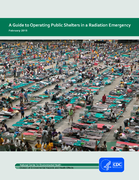
This guide is intended for shelter operators, planners, and staff, as well as emergency managers, public health professionals, and radiation protection professionals who participate in shelter planning and could be called upon to support shelter operations. This guide provides information on the inc
...
ident-specific considerations that shelter operators will
need to take into account in a radiation emergency. Shelter operations include other mass care and emergency assistance activities that are required to support a sheltered population, such as feeding, providing essential supplies, and assisting with reunification of family and friends. Guidance to support such activities can be found in other planning resources. The information in this guide is intended to complement, not supplant, existing shelter protocols and responsibilities.
more

Replacement of Annex 2 of WHO Technical Report Series, No. 964
...
Essential Medicines and should be part of any primary health care package where snakebites occur. Currently, there is an urgent need to ensure availability of safe, effective and affordable antivenoms, particularly to those in developing countries and to improve the regulatory control over the manufacture, import and sale of antivenoms.>
more
more

Maternal and child malnutrition is a significant public health problem in South Sudan. Among children aged 6-59 months, 31% are stunted, 28% are underweight, and nearly 23% are acutely malnourished of which 13% are estimated to suffer from moderate acute malnutrition and 10% from severe acute malnut
...
rition.
Overall, South Sudan’s nutrition situation is worrisome, with GAM persistently above the emergency threshold in the Greater Upper Nile, Northern Bahr el Ghazal and Warrap states. Though data on micronutrient deficiencies is scanty, Vitamin A Supplementation (VAS) among children 6-59 months stood at only 2.6% in 2010, showing low uptake (SHHS, 2010). This is against a backdrop of high morbidity levels and a negligible proportion of children 6 to 23 months receiving at least the recommended minimum acceptable diet. In order to ensure optimal child growth, it is essential to ensure good nutrition and basic health care from pregnancy through two years of age (the first 1000 days). more
Overall, South Sudan’s nutrition situation is worrisome, with GAM persistently above the emergency threshold in the Greater Upper Nile, Northern Bahr el Ghazal and Warrap states. Though data on micronutrient deficiencies is scanty, Vitamin A Supplementation (VAS) among children 6-59 months stood at only 2.6% in 2010, showing low uptake (SHHS, 2010). This is against a backdrop of high morbidity levels and a negligible proportion of children 6 to 23 months receiving at least the recommended minimum acceptable diet. In order to ensure optimal child growth, it is essential to ensure good nutrition and basic health care from pregnancy through two years of age (the first 1000 days). more
The European Mental Health Action Plan 2013–2020
recommended
Mental disorders are one of the top public health challenges in the WHO European Region, affecting about 25% of the population every year. In all countries, mental health problems are much more prevalent among the people who are most deprived. The WHO European Region therefore faces diverse challeng
...
es affecting both the mental well-being of the population and the provision and quality of care for people with mental health problems.
The European Mental Health Action Plan focuses on seven interlinked objectives and proposes effective action to strengthen mental health and well-being. Investing in mental health is essential for the sustainability of health and socioeconomic policies in the European Region. The Action Plan corresponds to the four priority areas of the European policy framework for health and wellbeing, Health 2020, and will contribute directly to its implementation.
more
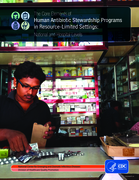
Antibiotic stewardship refers to coordinated efforts and activities that seek to measure and improve use of antibiotics. Implementation of ASPs has demonstrated positive public health and clinical impacts including reducing costs, lengths of hospital stays, and the burden of antibiotic resistance wh
...
ile maintaining or improving patient outcomes. The U.S. Centers for Disease Control and Prevention (CDC) released the Core Elements of Hospital Antibiotic Stewardship Programs in 2014, which outlines essential components for ASPs in hospitals and provides practical guidance for implementing a robust ASPin an acute care facility. Variations to the Core Elements have been developed to deal with the particular challenges in small, rural or critical access hospitals in the United States and in outpatient facilities and nursing homes.
more
Across Zimbabwe, 7 million people in urban and rural areas are in urgent need of humanitarian assistance, compared to 5.5 million in August 2019. Since the launch of the Revised Humanitarian Appeal in August 2019, circumstances for millions of Zimbabweans have worsened. Drought and crop failure, exa
...
cerbated by macro-economic challenges and austerity measures, have directly affected vulnerable households in both rural and urban communities. Inflation continues to erode purchasing power and affordability of food and other essential goods is a daily challenge. The delivery of health care, clean water and sanitation, and education has been constrained and millions of people are facing challenges to access vital services.
more
Earthquake Haiti: Guidelines and Resources
recommended
25 August 2021. The earthquake on August 14, 2021 was almost as strong as the severe quake in 2010, which killed about 300,000 people. The current number of victims is more than 2,200 people, and more than 12,000 people have been injured. More than 52,000 houses were destroyed and more than 77,000
...
damaged. Thousands of families were affected! The magnitude 7.2 earthquake struck southwest Haiti at 8:30 a.m. local time at a depth of about 10 km. The epicentre was measured about 12 km northeast of Saint-Louis-du-Sud, about 125 km west of the capital Port-auPrince. The situation on the ground remains chaotic and the extent of the disaster cannot yet be predicted. In addition, heavy rainfall and the unstable security situation are complicating relief efforts. What is needed most now is food and drinking water, tents and primary health care. MEDBOX has already created the Natural Hazard Toolbox after the severe earthquake in 2010 and has collected many essential materials on health care, shelter & reconstruction after an earthquake in English, French and Kreyol there. In this issue brief, we provide a quick
overview of the most important information.
more
SARS-CoV-2 infections among children and adolescents cause less severe illness and fewer deaths compared to adults. While a less severe course of infection is a positive outcome, there are concerns that mild symptoms may have led to less testing, resulting in fewer identified cases of COVID-19 in ch
...
ildren. If children with mild or no symptoms transmit the disease, they may act as drivers of transmission within their communities. Understanding symptoms, infectivity and patterns of SARS-CoV-2 transmission in children and adolescents is essential for developing, adapting and improving control measures for COVID-19 across all ages. This is a summary of the current knowledge around SARS-CoV-2 infection acquisition and transmission and COVID-19 disease symptoms in children and adolescents. It aims to inform decisions, based on local contexts, on how to best keep schools, kindergarten and day-care facilities open and what advice to apply to intergenerational mixing.
more
SARS-CoV-2 infections among children and adolescents cause less severe illness and fewer deaths compared to adults. While a less severe course of infection is a positive outcome, there are concerns that mild symptoms may have led to less testing, resulting in fewer identified cases of COVID-19 in ch
...
ildren. If children with mild or no symptoms transmit the disease, they may act as drivers of transmission within their communities. Understanding symptoms, infectivity and patterns of SARS-CoV-2 transmission in children and adolescents is essential for developing, adapting and improving control measures for COVID-19 across all ages. This is a summary of the current knowledge around SARS-CoV-2 infection acquisition and transmission and COVID-19 disease symptoms in children and adolescents. It aims to inform decisions, based on local contexts, on how to best keep schools, kindergarten and day-care facilities open and what advice to apply to intergenerational mixing.
more
SARS-CoV-2 infections among children and adolescents cause less severe illness and fewer deaths compared to adults. While a less severe course of infection is a positive outcome, there are concerns that mild symptoms may have led to less testing, resulting in fewer identified cases of COVID-19 in ch
...
ildren. If children with mild or no symptoms transmit the disease, they may act as drivers of transmission within their communities. Understanding symptoms, infectivity and patterns of SARS-CoV-2 transmission in children and adolescents is essential for developing, adapting and improving control measures for COVID-19 across all ages. This is a summary of the current knowledge around SARS-CoV-2 infection acquisition and transmission and COVID-19 disease symptoms in children and adolescents. It aims to inform decisions, based on local contexts, on how to best keep schools, kindergarten and day-care facilities open and what advice to apply to intergenerational mixing.
more
WHO issued an updated appeal (May 2022) detailing its resource needs for Ukraine and refugee-receiving and hosting countries for March-August for Ukraine and March-December 2022 for other countries.
The needs are an estimated US$ 147.5 million: US$ 80 million for health response in Ukraine and ano
...
ther US$ 67.5 million is needed to address the health needs of Ukrainian people affected by the conflict in refugee-receiving and hosting countries.
With the funds sought, WHO aims to ensure, until August, that up to 6 million people can access essential health services including trauma care in Ukraine.
more
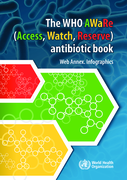
Antimicrobial resistance (AMR) is a threat to global health and development and it contributes to millions of deaths worldwide each year. Inappropriate use and overuse of antibiotics are driving an increase in AMR and have a detrimental impact on the effectiveness of these critical medicines. Throug
...
h the Global Action Plan on AMR, WHO is working to improve the surveillance of antimicrobial resistance and reduce inappropriate antibiotic consumption.
There is a recognized need for high-quality resources to improve antibiotic prescribing globally. To address this need, a pragmatic approach was taken by WHO to develop actionable guidance for empiric antibiotic use.
The WHO AWaRe (Access, Watch, Reserve) antibiotic book provides concise, evidence-based guidance on the choice of antibiotic, dose, route of administration, and duration of treatment for more than 30 of the most common clinical infections in children and adults in both primary health care and hospital settings. The information included in the book supports the recommendations for antibiotics listed on the WHO Model Lists of Essential Medicines and Essential Medicines Children and the WHO AWaRe classification of antibiotics.
The WHO AWaRe antibiotic book is accompanied by summary infographics for each infection for both adults and children that provide a quick-reference guide for health care workers at the point of care.
more
Nigeria reported its first case of COVID-19 at the end of February 2020 and subsequently experienced
four waves, with peaks in June 2020 and January, August and December 2021. The COVID-19 pandemic
severely impacted the economy of Nigeria and caused disruption of health services nationwide. During
...
the crisis, many Nigerians failed to access routine health
services due to decreased income and lockdown
restrictions. The most significant service disruptions
were in maternal and newborn health, vaccination,
sick childcare, family planning and noncommunicable
disease treatment services (1). Pregnant women
were anxious about contracting COVID-19 during
2020, and as a result, many avoided attending health
facilities for antenatal (ANC) and postnatal care (PNC).
Disruptions in the medical supply chain and diversion
of resources to COVID-19 management impacted on
essential health services. Health workers were often
unable to go to work because of transport disruptions
or illness
more
Rabies is an infectious viral disease that is almost always fatal once clinical symptoms appear.
In most cases, the disease is transmitted to humans by the bite of a rabid dog, but infection can also spread through scratches or via saliva.
Rabies kills one person every 9 minutes and children aged
...
5–14 years are frequent victims.
Yet rabies is 100% vaccine preventable. Vaccinating dogs is the most cost-effective way to prevent rabies in people.
Education about dog behaviour, immediate care measures after a bite, responsible dog ownership and bite prevention are essential components of rabies elimination.
WHO and partners aim to achieve zero human rabies deaths by 2030.
The time to act is now.
More information: http://www.who.int/rabies/en/
more
Diabetes is a significant public health issue that affects approximately one in 10 adults globally, with type 2 diabetes accounting for 90–95% of cases. This chronic condition causes considerable morbidity and mortality and is growing in impact, with cases projected to rise from 537 million in 202
...
1 to 784 million by 2045.1 As cases rise, it is imperative to ensure the healthcare workforce is prepared to care for affected individuals. However, there is a growing global shortage of healthcare workers, which was estimated, pre pandemic, to reach 15 million by 2030.2 Therefore, all of the healthcare workforce will need to be utilised to their fullest potential in order to address the growing global burden of diabetes. Pharmacists will continue to be essential in this endeavour.
more
Diabetes is a significant public health issue that affects approximately one in 10 adults globally, with type 2 diabetes accounting for 90–95% of cases. This chronic condition causes considerable morbidity and mortality and is growing in impact, with cases projected to rise from 537 million in 202
...
1 to 784 million by 2045. As cases rise, it is imperative to ensure the healthcare workforce is prepared to care for affected individuals. However, there is a growing global shortage of healthcare workers, which was estimated, pre pandemic, to reach 15 million by 2030. Therefore, all of the healthcare workforce will need to be utilised to their fullest potential in order to address the growing global burden of diabetes. Pharmacists will continue to be essential in this endeavour.
more
asthma is a chronic inflammatory and a heterogeneous condition of respiratory system whose pathogenesis is linked with variable structural changes. The clinical manifestation of asthma includes attacks of breathlessness, cough, chest tightness and wheezing. Provision of basic equipment and test for
...
asthma diagnosis and access to essential medicines by asthmatic patients reduces morbidity and mortality rates. Significant progress has been made in the diagnosis and management of asthma in other countries but not in the health care delivery system in Zimbabwe. Therefore, the aim of this study was to develop algorithm for asthma diagnosis and management for Zimbabwe.
more
An estimated 1.3 billion people globally experience significant disability. This figure has grown over the last decade and will continue to rise due to demographic and epidemiological changes. In 2022, the World Health Organization launched the Global report on health equity for persons with disabil
...
ities. This report demonstrated that many persons with disabilities are still being left behind. Experiencing persistent health inequities, persons with disabilities die earlier, they have poorer health and functioning, and they are more affected by health emergencies than the general population. These differences are largely associated with unjust factors both inside and beyond the health sector and are avoidable. The Global Report called upon Member States to take actions to make health sector more inclusive for persons with disabilities through the primary health care approach. This will be essential for countries to make health coverage truly universal and to progress towards other health-related targets in the sustainable development goals.
more
Healthcare-associated infections (HAI) are a significant burden globally, with millions of patients affected each year. These infections affect both high- and limited-resource healthcare settings, but in limited-resource settings, rates are approximately twice as high as high-resource settings (15 o
...
ut of every 100 patients versus 7 out of every 100 patients). Furthermore, rates of infections within certain patient populations are significantly higher in limited-resource settings, including surgical patients, patients in intensive-care units (ICU) and neonatal units. It is well documented that environmental contamination plays a role in the transmission of HAIs in healthcare settings. Therefore, environmental cleaning is a fundamental intervention for infection prevention and control (IPC).It is a multifaceted intervention that involves cleaning and disinfection (when indicated) of the environment alongside other key program elements to support successful implementation (e.g., leadership support, training, monitoring, and feedback mechanisms). To be effective, environmental cleaning activities must be implemented within the framework of the facility IPC program, and not as a standalone intervention. It is also essential that IPC programs advocate for and work with facility administration and government officials to budget, operate and maintain adequate water, sanitation and hygiene (WASH) infrastructure to ensure that environmental cleaning can be performed according to best practices.
more

WHO today released its first roadmap to tackle postpartum haemorrhage (PPH) – defined as excessive bleeding after childbirth - which affects millions of women annually and is the world’s leading cause of maternal deaths.
Despite being preventable and treatable, PPH results in around 70 000 de
...
aths every year. For those who survive, it can cause disabilities and psychological trauma that last for years.
“Severe bleeding in childbirth is one of the most common causes of maternal mortality, yet it is highly preventable and treatable,” said Dr Tedros Adhanom Ghebreyesus, WHO Director-General. “This new roadmap charts a path forward to a world in which more women have a safe birth and a healthy future with their families.”
The Roadmap aims to help countries address stark differences in survival outcomes from PPH, which reflect major inequities in access to essential health services. Over 85% of deaths from PPH happen in sub-Saharan Africa and South Asia. Risk factors include anaemia, placental abnormalities, and other complications in pregnancy such as infections and pre-eclampsia.
Many risk factors can be managed if there is quality antenatal care, including access to ultrasound, alongside effective monitoring in the hours after birth. If bleeding starts, it also needs to be detected and treated extremely quickly. Too often, however, health facilities lack necessary healthcare workers or resources, including lifesaving commodities such as oxytocin, tranexamic acid or blood for transfusions.
“Addressing postpartum haemorrhage needs a multipronged approach focusing on both prevention and response - preventing risk factors and providing immediate access to treatments when needed - alongside broader efforts to strengthen women’s rights,” said Dr Pascale Allotey, WHO Director for Sexual and Reproductive Health and HRP, the UN’s special programme on research development and training in human reproduction. “Every woman, no matter where she lives, should have access to timely, high quality maternity care, with trained health workers, essential equipment and shelves stocked with appropriate and effective commodities – this is crucial for treating postpartum bleeding and reducing maternal deaths.”
more

Humanitarian crises exacerbate nutritional risks and often lead to an increase in acute malnutrition. Emergencies include both manmade (conflict) and natural disasters (floods, drought, cyclones, typhoons, earthquakes, volcanic eruptions, etc.). Complex emergencies are combinations of both manmade a
...
nd natural disasters, often of a protracted nature. Millions of people are affected by humanitarian crises every year. The increasing frequency and scale of emergencies requires nutrition to be addressed in all phases of a response.
Crisis situations, whether acute or protracted, impact on a range of factors that can increase the risk of undernutrition, morbidity, and mortality. They may involve: the large-scale destruction of property and infrastructure; the erosion of livelihood strategies and purchasing power; a breakdown of and reduced access to essential services, including health services, water supply, and sanitation; and the displacement of large numbers of people. Emergencies can also disrupt social systems and the quality of care/feeding practices. Household access to food may be negatively affected and people may find themselves in overcrowded settlements with their families divided. As a result, at the individual level, there is often an increased risk of deteriorating health and nutritional status, resulting in a greater likelihood of death.
more
The World Heart Federation (WHF) Roadmap series covers a large range of cardiovascular conditions. These Roadmaps identify potential roadblocks and their solutions to improve the prevention, detection and management of cardiovascular diseases and provide a generic global framework available for loca
...
l adaptation. A first Roadmap on raised blood pressure was published in 2015. Since then, advances in hypertension have included the publication of new clinical guidelines (AHA/ACC; ESC; ESH/ISH); the launch of the WHO Global HEARTS Initiative in 2016 and the associated Resolve to Save Lives (RTSL) initiative in 2017; the inclusion of single-pill combinations on the WHO Essential
Medicines’ list as well as various advances in technology, in particular telemedicine and mobile health. Given the substantial benefit accrued from effective interventions in the management of hypertension and their potential for scalability in low and middle-income countries (LMICs), the WHF has now revisited and updated the ‘Roadmap for raised BP’ as ‘Roadmap for hypertension’
by incorporating new developments in science and policy. Even though cost-effective lifestyle and medical interventions to prevent and manage hypertension exist, uptake is still low, particularly in resource-poor areas. This Roadmap examined the roadblocks pertaining to both the demand side (demographic and socio-economic factors, knowledge and beliefs, social relations, norms, and
traditions) and the supply side (health systems resources and processes) along the patient pathway to propose a range of possible solutions to overcoming them. Those include the development of population-wide prevention and control programmes; the implementation of opportunistic screening and of out-of-office blood pressure measurements; the strengthening of primary care and a greater focus on task sharing and team-based care; the delivery of people-centred care and stronger patient and carer education; and the facilitation of adherence to treatment. All of the above are dependent upon the availability and effective distribution of good quality, evidencebased, inexpensive BP-lowering agents.
more
n recent decades, a significant improvement in people’s general health conditions has occurred, leading to an increase in life expectancy at birth in most countries in the Region of the Americas. This progress has been the result of both health technology advances – antibiotics, vaccines, and ot
...
her treatments – and improvements in the conditions in which people live, including increased access to improved drinking water and sanitation, and health services. Nevertheless, progress has slowed in recent years, and achievements have varied among countries and territories, as well as within them. In the journey toward universal health, it is essential to have the ability to monitor and assess progress in terms of the ultimate goal of health systems: improving the health and well-being of populations. To this end, this edition of Health in the Americas analyzes the standardized rate of potentially avoidable premature mortality as an indicator of health system performance, considering both its preventable component through public and intersectoral health interventions, as well as the treatable component, related to the effectiveness of health services, that is, the quality of health care. The analysis of potentially avoidable premature mortality provides a metric for comparing and tracking performance over time.
more
Tanzania, like other developing countries, is facing a higher burden of cardiovascular diseases (CVDs). The country is experiencing rapid growth of modifiable and intermediate risk factors that accelerate CVD mortality and morbidity rates. In rural and urban settings, cardiovascular risk factors suc
...
h as tobacco use, excessive alcohol consumption, unhealthy diet, hypertension, diabetes, hyperlipidemia, overweight, and obesity, are documented to be higher in this review. Increased urbanization, lifestyle changes, lack of awareness and rural to urban movement have been found to increase CVD risk factors in Tanzania. Despite the identification of modifiable risk factors for CVDs, there is still limited information on physical inactivity and eating habits among Tanzanian population that needs to be addressed. Conclusively, primary prevention, improved healthcare system, which include affordable health services, availability of trained health care providers, improved screening and diagnostic equipment, adequate guidelines, and essential drugs for CVDs are the key actions that need to be implemented for cost effective control and management of CVDs. Effective policy for control and management of CVDs should also properly be employed to ensure fruitful implementation of different interventions.
more
In 2015, the United Nations set important targets to reduce premature
cardiovascular disease (CVD) deaths by 33% by 2030. Africa disproportionately
bears the brunt of CVD burden and has one of the highest risks of dying
from non-communicable diseases (NCDs) worldwide. There is currently
an epide
...
miological transition on the continent, where NCDs is projected
to outpace communicable diseases within the current decade. Unchecked
increases in CVD risk factors have contributed to the growing burden of three
major CVDs—hypertension, cardiomyopathies, and atherosclerotic diseasesleading to devastating rates of stroke and heart failure. The highest age
standardized disability-adjusted life years (DALYs) due to hypertensive heart
disease (HHD) were recorded in Africa. The contributory causes of heart failure
are changing—whilst HHD and cardiomyopathies still dominate, ischemic
heart disease is rapidly becoming a significant contributor, whilst rheumatic
heart disease (RHD) has shown a gradual decline. In a continent where health
systems are traditionally geared toward addressing communicable diseases,
several gaps exist to adequately meet the growing demand imposed by CVDs.
Among these, high-quality research to inform interventions, underfunded
health systems with high out-of-pocket costs, limited accessibility and
affordability of essential medicines, CVD preventive services, and skill
shortages. Overall, the African continent progress toward a third reduction
in premature mortality come 2030 is lagging behind. More can be done in
the arena of effective policy implementation for risk factor reduction and
CVD prevention, increasing health financing and focusing on strengthening
primary health care services for prevention and treatment of CVDs, whilst
ensuring availability and affordability of quality medicines. Further, investing
in systematic country data collection and research outputs will improve the accuracy of the burden of disease data and inform policy adoption on
interventions. This review summarizes the current CVD burden, important
gaps in cardiovascular medicine in Africa, and further highlights priority
areas where efforts could be intensified in the next decade with potential
to improve the current rate of progress toward achieving a 33% reduction
in CVD mortality.
more
3rd edition April 2018 - draft version
This Essential List for Diabetic Retinopathy contains recommendations for a range of essential itemsrequired at community / primary level (for screening);
...
at secondary and tertiary levels (for treatment and follow up). It also contains recommendations for items that are desirable, and efforts should be made to obtain these.
more
The document is an instructional guide in english on how to use a metered-dose inhaler (MDI) with a spacer. It provides detailed, step-by-step instructions for using the device effectively to manage respiratory conditions like asthma. The guide emphasizes the importance of correct technique, prepara
...
tion of the inhaler, and proper administration to maximize the medication's effectiveness. It also highlights essential points for cleaning the spacer and mentions contacting a healthcare professional for additional assistance or guidance.
more
The document is an instructional guide in arabic on how to use a metered-dose inhaler (MDI) with a spacer. It provides detailed, step-by-step instructions for using the device effectively to manage respiratory conditions like asthma. The guide emphasizes the importance of correct technique, preparat
...
ion of the inhaler, and proper administration to maximize the medication's effectiveness. It also highlights essential points for cleaning the spacer and mentions contacting a healthcare professional for additional assistance or guidance.
more
The document is an instructional guide in Burmese on how to use a metered-dose inhaler (MDI) with a spacer. It provides detailed, step-by-step instructions for using the device effectively to manage respiratory conditions like asthma. The guide emphasizes the importance of correct technique, prepara
...
tion of the inhaler, and proper administration to maximize the medication's effectiveness. It also highlights essential points for cleaning the spacer and mentions contacting a healthcare professional for additional assistance or guidance.
more
The document is an instructional guide in Portuguese on how to use a metered-dose inhaler (MDI) with a spacer. It provides detailed, step-by-step instructions for using the device effectively to manage respiratory conditions like asthma. The guide emphasizes the importance of correct technique, prep
...
aration of the inhaler, and proper administration to maximize the medication's effectiveness. It also highlights essential points for cleaning the spacer and mentions contacting a healthcare professional for additional assistance or guidance.
more
The document is an instructional guide in somali on how to use a metered-dose inhaler (MDI) with a spacer. It provides detailed, step-by-step instructions for using the device effectively to manage respiratory conditions like asthma. The guide emphasizes the importance of correct technique, preparat
...
ion of the inhaler, and proper administration to maximize the medication's effectiveness. It also highlights essential points for cleaning the spacer and mentions contacting a healthcare professional for additional assistance or guidance.
more
The document is an instructional guide in Spanish on how to use a metered-dose inhaler (MDI) with a spacer. It provides detailed, step-by-step instructions for using the device effectively to manage respiratory conditions like asthma. The guide emphasizes the importance of correct technique, prepara
...
tion of the inhaler, and proper administration to maximize the medication's effectiveness. It also highlights essential points for cleaning the spacer and mentions contacting a healthcare professional for additional assistance or guidance.
more
Towards Sustainable Community Health and Social Welfare Services
Leaving No One Behind. This Operational Guideline for Community-Based Health Services (CBHS)
in line with the CBHS Policy Guideline map an integrated and coordinated
national approach to community-based health services in Tanzania.
...
The
approach builds on and furthers national priorities for decentralization,
community empowerment and strengthened systems for expansion of
access to essential health services at the village level and below.
more
In resource restriced countries
In resource restriced countries
Practical considerations
It provides more detailed and practical guidance for continuing services for each life stage across the life-course continuum. As such, both documents should be read and used together. The countries in South-East Asia and the Pacific regions would like to adapt the guidance
...
within the national and sub-national continuity plans, based on the local situation of COVID-19 transmission, containment response and health system capacity.
more
This publication’s primary purpose is to provide a compilation of actions to address malnutrition in all its forms, in a concise and user-friendly format to help in decision-making processes for integration of nutrition interventions in national health policies, strategies, and plans based on coun
...
try-specific needs and global priorities.
more
The objective of this book is to provide health workers with easily accessible information on important aspects of the medicines commonly used at primary care level in Zimbabwe. Medicines are a crucial part of the management of most of our patients,
...
yet many medicines are potentially dangerous if not used correctly (by either prescriber or patient). It is important to have up-to-date information not only on the indications for, and the dose of a particular medicine, but also the contra-indications and reasons for special care, possible side effects and interactions with other medicine or medicines. The patient must also have information on how to use the preparation, what side effects may occur, and when to return for help.
more
Effective antibiotics are essential for childrens’ survival
The document is structured into five sections. The first presents the key experiences and challenges that justify a renewal of the EPHFs. The second section updates the groundwork for the exercise of public health and provides a framework to inform the exercise of the new
...
essential functions. The third section proposes a new integrated approach for implementing the EPHFs. The fourth section presents a new list of 11 EPHFs related to each stage of this integrated approach. Finally, in the last section, considerations are put forth to guide EPHF implementation as a means of strengthening the health sector.
more
An essential resource that helps a community understand, treat, and prevent many health problems that affect women. Topics include reproductive health, violence, mental health, HIV, and more.
A Policy Guide for Implementing Essential Interventions for Reproductive, Maternal, Newborn and Child Health (RMNCH)
World Health Organization
(2014)
The Compendium brings together for the first time key consensus-based policy recommendations and guidance to improve the delivery of proven interventions to women and children. The user-friendly format incorporates icons and tabs to present key health-related policies that support the delivery of
...
essential RMNCH interventions. It also includes multisectoral policies on the economic, social, technological and environmental factors that influence health outcomes and service delivery. The Policy Compendium is a companion document to the Essential Interventions, Commodities and Guidelines for RMNCH.
more
A module from the suite of health service capacity assessments in the context of the COVID-19 pandemic, Interim Guidance 20 October 2020.
This self-assessment tool is designed for acute health-care facilities (i.e. tertiary and secondary) but can b
...
e modified for the use in long-term care facilities, to help identify, prioritize and address the gaps in infection prevention and control (IPC) capacity in managing their response to COVID-19. The tool should be used by IPC professionals and/or those responsible for disaster planning or outbreak management in the facility (such as the response to the COVID-19 outbreak) at the start of the improvement process. A sample workplan template is provided to address gaps identified and record required actions.
more
The National Guideline for Neonatal Care and Establishment of Neonatal Care Unit aims to provide health workers with all basics and necessary knowledge and skills to provide appropriate
...
care at the most vulnerable period in a newborn’s life. This guideline will be available to all health facilities as a reference book for health workers. The book contains up-to-date evidence-based information and management of newborns with a range of needs in the initial newborn period
more
Essential Surgical Skills with special emphasis on Emergency Maternal & Child Health
Childhealth Advocacy International, Advanced Life Support Group
Advanced Life Support Group, Childhealth Advocacy International
(2007)
C1
The Practical Approach to Emergencies in the Pregnant Mother, Newborn infant and Child. Provder Manual

A case study of the Essential Health Benefit in Tanzania mainland
Todd G.; Nswilla A.; Kisanga O.; Mamdani M.
Regional Network for Equity in Health in east and southern Africa (EQUINET)
(2017)
C1
Regional Network for Equity in Health in east and southern Africa (EQUINET): Disussion Paper 109
This report describes the evolution of mainland Tanzania’s EHB; the motivations for developing the EHBs, the methods used to develop, define and cost them; how it is being disseminated, communicat ... ed, and used; and the facilitators (and barriers) to its development, uptake or use. Findings presented in this report are from three stages of analysis: literature review, key informant perspectives and a national consultative meeting. more
This report describes the evolution of mainland Tanzania’s EHB; the motivations for developing the EHBs, the methods used to develop, define and cost them; how it is being disseminated, communicat ... ed, and used; and the facilitators (and barriers) to its development, uptake or use. Findings presented in this report are from three stages of analysis: literature review, key informant perspectives and a national consultative meeting. more
The results of a WHO survey conducted to assess the impact of the COVID-19 pandemic on up to 25 essential health services in countries show disruptions of essential health services in nearly all cou
...
ntries, and more so in lower-income than higher-income countries. The great majority of service disruptions were partial, which was defined as a change of 5–50% in service provision or use.
more
Palliative care has been shown to provide significant and diverse benefits for patients with serious, complex,or life-limiting health problem.
Jamison DT, Gelband H, Horton S, Jha P, Laxminarayan R, Mock CN, Nugent R., editors. Disease Control Prio
...
rities, 3rd Edition,
Volume 9: Improving Health and Reducing Poverty. Washington DC: World Bank 2018. doi:10.1596/978-1-4648-0527-1
more
The 6th edition of the essential medicine list has been developed based on the 5th edition list of essential medicines, the National Standard Treatment Guidelines and Protocols 2013, list of laborat
...
ory commodities and List of Consumables used in public health facilities.
more
Maintaining proper storage conditions for health commodities is vital to ensuring their quality. Product expiration dates are based on ideal storage conditions and protecting product quality until their expiration date is important for serving customers and conserving resources. Guidelines for the S
...
torage of Essential Medicines and Other Health Commodities is a practical reference for those managing or involved in setting up a storeroom or warehouse. The guide contains written directions and clear illustrations on receiving and arranging commodities; special storage conditions; tracking commodities; maintaining the quality of the products; constructing and designing a medical store; waste management; and resources. It was written to meet the needs of district-level facilities; however, the guidelines and information it contains apply to any storage facility, of any size, in any type of environment.
Available in English, French, Spanish and Russian
more
To support countries in adapting their response to different COVID-19 scenarios, the World Health
Organization (WHO) Department of Maternal, Newborn, Child and Adolescent Health and Ageing commissioned this scoping review of published and grey literature. The objective was to identify interventions
...
implemented to maintain the provision and use of essential services for MNCAAH during disruptive events and to summarize lessons learned during these interventions. The review included outbreaks of Ebola virus disease (EVD), severe acute respiratory syndrome (SARS), Zika virus disease (ZVD), the ongoing COVID-19 pandemic, and natural disasters and humanitarian emergencies that caused disruption to services, transport and other activities.
more
The pharmaceutical sector of any nation is responsible for providing society with quality medicines and other pharmaceutical services. According to the World Health Organization (WHO), Pharmaceuticals may constitute as much as 40% of the national health budget in developing countries, yet portions o
...
f the population may lack access to the most essential medicines; while the limited funds available for health are spent on unnecessary, ineffective and even dangerous medications.
more
Guidelines for Antenatal Care and Skilled Attendance at Birth by ANMs/LHVs/SNs
Maternal Health Division Ministry of Health and Family Welfare Government of India
Maternal Health Division Ministry of Health and Family Welfare Government of India
(2010)
C1
For the full document see : http://nrhm.gov.in/images/pdf/programmes/maternal-health/guidelines/sba_guidelines_for_skilled_attendance_at_birth.pdf
Health Care Financing in Nepal
recommended
Kenya national palliative care guidelines
recommended
HIV care and support
UNAIDS
(2016)
C2
UNAIDS 2016, Reference
HIV care and support taking into account the 2016 WHO consolidated guidelines
Problem-solving in the clinic, Online course
midwaidwa
midwaidwa
6th edition, 2010. | Published in collaboration with World Health Organisation and Clinton Health Access Initiative.

This report, written in partnership with various Royal Medical Colleges and Public Health England, sets out the essential actions to improve the physical health of adults with severe mental illness (SMI) across the NHS. The report makes practical re
...
commendations for changes that will help adults with SMI to receive the same standards of physical healthcare as the general population and reduce the risk of premature death.
more
Updated 2017
Naicker et al. BMC Palliative Care (2016) 15:41 DOI 10.1186/s12904-016-0114-7
During this work, a survey on essential medicines availability was conducted. This article was first written on this subject for sharing the poor financial availability of the essential medicines in
...
the hospital and secondly, a call for an action to be taken in improving hospital pharmacies development in each hospital in Burkina Faso.
more

A module from the suite of health service capacity assessments in the context of the COVID-19 pandemic, Interim guidance 20 October 2020. This assessment tool covers the following aspects:
area distribution;
surface availability versus foreseen occupancy rate;
patient and staff flow
...
s;
ventilation requirement per specific areas;
visitors’ area and visitor flow; and
surge capacity.
more
This brief summarizes current evidence and guidance for maintaining safe and effective care across the spectrum of maternal, newborn and infant care while protecting mother and child and health
...
care providers during COVID-19. Furthermore, implications of the principle of “do no harm” are reviewed for maternal, newborn and infant care delivery during COVID-19, so that this information is conveniently and readily available to clinical and health system policy leaders and stakeholders in countries and communities. Additionally, considerations for safe oxygen delivery as well as key Infection Prevention and Control (IPC) measures at home and in healthcare facilities for pregnant women, newborns and children are described in detail in the brief.
more
Nutrition Care for Cancer patients - SOP
AJOL, Vol.92 No.2; There is a low bed capacity in ICUs compounded by a universal deficit in human resource capacity and support infrastructure for the critical care services. Regionalisation, increased funding and more training opportunities for cri
...
tical are
services by the regional and central governments will go a long way in alleviating these challenges
more
This training guide applies a participatory approach, reflecting the considerable evidence that adults learn best by practicing and reflecting on their experiences. It thus emphasizes exercises to improve skills in counseling that support clients to adopt optimal nutrition practices. Women’s nutri
...
tion and infant feeding in the context of HIV are also addressed. Guidelines to link the prevention of malnutrition with treatment via the Integrated Management of Acute Malnutrition are also included. It can also be conducted with nutrition managers to equip them to provide supportive supervision to health and community workers.
more
Self-care interventions are evidence-based, quality drugs, devices, diagnostics and/or digital products which can be provided fully or partially outside of formal health services and can be used with or without the direct supervision of health
...
care personnel.
Where HPV tests are available as part of the national programme, HPV self-sampling offers an additional option to improve cervical cancer screening coverage.
Self-sampling can help reach a global target of 70% coverage of screening by 2030. Women may feel more comfortable taking their own samples, rather than going to see a health worker for cervical cancer screening.
more
Since 2016, the Pan American Health Organization (PAHO) has been promoting the implementation of the HEARTS Initiative in the Americas as a regional adaptation of the World Health Organization's Global HEARTS Initiative. During this time, 33 countries in the Region of the Americas have committed to
...
implementing HEARTS, and PAHO has developed many technical resources to support them. Most of these resources are clinical tools for primary healthcare teams and focus on quality improvement. This compendium aims to group all these clinical tools in a single document under a simple format that facilitates their practical implementation in daily clinical practice. The reader will notice that each tool is summarized on a single page and presented in a modular format. Therefore, each tool can be used together or separately as needed. In addition, at the bottom of each tool, the reader will find the references and hyperlinks to access full texts in case deeper knowledge is required.
more

Submission by the WHO Collaborating Centre on training and policy on opioid availability and WHO collaborating Centre for community participation in palliative care and long term care To the Indian
...
Nursing Council for consideration to be included in the Undergraduate Nursing education curriculum
more
This South-East Asia Regional Strategy for Primary Health Care: 2022-2030 aims to accelerate progress in all countries of the Region towards universal health coverage (UHC), health security and the health-related Sustainable Development Goals (SDGs)
...
. It is intended to provide Member States with guidance on facilitating PHC-orientation through the identification of seven values and 12 strategic actions that collectively embody the philosophy and practice of PHC, enunciated in the 1978 Declaration of Alma-Ata and reaffirmed in the 2018 Declaration of Astana.
more
Workshop on PHC Revitalisation in Nepal, April 5-6, 2010