Filter
6361
Text search:
emergency
management
Featured
642
1829
Language
5944
184
124
107
88
62
57
31
29
14
9
9
9
8
6
5
5
5
4
4
4
4
4
3
3
3
3
3
3
3
3
3
3
3
2
2
2
2
2
2
2
2
2
2
2
1
1
1
1
1
1
1
1
1
1
1
1
Document type
3628
897
867
368
277
102
94
87
12
11
5
4
2
1
1
Countries
250
232
187
172
162
149
138
135
130
126
124
119
103
98
91
90
87
84
84
83
82
80
78
76
73
66
59
53
52
52
47
42
42
40
40
37
37
36
34
32
30
30
27
26
26
26
25
24
23
23
23
21
21
20
19
19
18
18
17
16
15
15
15
14
14
12
11
11
11
10
10
10
9
9
8
7
7
7
7
6
6
6
6
6
6
6
5
5
5
5
5
5
5
5
4
4
4
4
4
4
4
4
4
4
3
3
3
3
3
3
3
3
3
3
2
2
2
2
2
2
2
2
2
2
2
2
2
2
2
1
1
1
1
1
1
1
1
1
1
1
1
1
1
1
1
1
1
1
1
1
1
Authors & Publishers
802
337
251
168
155
137
128
109
105
65
56
41
41
40
39
38
36
33
31
29
29
28
27
26
25
25
25
24
24
24
22
22
22
22
21
21
21
20
20
20
18
18
18
18
18
18
17
17
16
16
16
16
15
15
15
14
14
14
14
13
13
13
13
12
12
12
12
12
12
12
12
12
12
11
11
11
11
11
11
11
11
11
11
11
11
10
10
10
10
10
10
10
10
10
10
9
9
9
9
9
9
9
9
9
9
9
9
8
8
8
8
8
8
8
8
8
8
8
8
8
8
8
8
8
8
8
7
7
7
7
7
7
7
7
7
7
7
7
7
7
7
6
6
6
6
6
6
6
6
6
6
6
6
6
6
6
6
6
6
5
5
5
5
5
5
5
5
5
5
5
5
5
5
5
5
5
5
5
5
5
5
5
5
5
5
5
5
5
5
5
5
5
5
5
5
5
5
5
5
4
4
4
4
4
4
4
4
4
4
4
4
4
4
4
4
4
4
4
4
4
4
4
4
4
4
4
4
4
4
4
4
4
4
4
4
4
4
4
4
4
4
4
4
4
4
4
4
4
4
4
4
4
4
4
4
4
4
4
4
4
4
4
4
4
4
4
4
4
4
4
4
4
3
3
3
3
3
3
3
3
3
3
3
3
3
3
3
3
3
3
3
3
3
3
3
3
3
3
3
3
3
3
3
3
3
3
3
3
3
3
3
3
3
3
3
3
3
3
3
3
3
3
3
3
3
3
3
3
3
3
3
3
3
3
3
3
3
3
3
3
3
3
3
3
3
3
3
3
3
3
3
3
3
3
3
3
3
3
3
3
3
3
3
3
3
3
3
3
3
3
3
3
3
3
3
3
3
3
3
3
3
3
3
3
3
3
3
3
3
3
3
3
3
3
3
3
3
2
2
2
2
2
2
2
2
2
2
2
2
2
2
2
2
2
2
2
2
2
2
2
2
2
2
2
2
2
2
2
2
2
2
2
2
2
2
2
2
2
2
2
2
2
2
2
2
2
2
2
2
2
2
2
2
2
2
2
2
2
2
2
2
2
2
2
2
2
2
2
2
2
2
2
2
2
2
2
2
2
2
2
2
2
2
2
2
2
2
2
2
2
2
2
2
2
2
2
2
2
2
2
2
2
2
2
2
2
2
2
2
2
2
2
2
2
2
2
2
2
2
2
2
2
2
2
2
2
2
2
2
2
2
2
2
2
2
2
2
2
2
2
2
2
2
2
2
2
2
2
2
2
2
2
2
2
2
2
2
2
2
2
2
2
2
2
2
2
2
2
2
2
2
2
2
2
2
2
2
2
2
2
2
2
2
2
2
2
2
2
2
2
2
2
2
2
2
2
2
2
2
2
2
2
2
2
2
2
2
2
2
2
2
2
2
2
2
2
2
2
2
2
2
2
2
2
2
2
2
2
2
2
2
2
2
2
2
2
2
2
2
2
2
2
2
2
2
2
2
2
2
2
2
2
2
2
2
2
2
2
2
2
2
2
2
2
2
2
2
2
2
2
2
2
2
2
2
2
2
2
2
2
2
2
2
2
2
2
2
2
2
2
2
2
2
2
2
2
2
2
2
2
2
2
2
2
2
2
2
2
2
2
2
2
2
2
2
2
2
2
2
2
2
2
2
2
2
2
2
2
2
2
2
2
2
2
2
2
2
2
2
2
2
2
2
2
2
2
2
2
2
2
2
2
2
2
2
2
2
2
2
2
2
2
2
2
2
2
2
2
2
2
1
1
1
1
1
1
1
1
1
1
1
1
1
1
1
1
1
1
1
1
1
1
1
1
1
1
1
1
1
1
1
1
1
1
1
1
1
1
1
1
1
1
1
1
1
1
1
1
1
1
1
1
1
1
1
1
1
1
1
1
1
1
1
1
1
1
1
1
1
1
1
1
1
1
1
1
1
1
1
1
1
1
1
1
1
1
1
1
1
1
1
1
1
1
1
1
1
1
1
1
1
1
1
1
1
1
1
1
1
1
1
1
1
1
1
1
1
1
1
1
1
1
1
1
1
1
1
1
1
1
1
1
1
1
1
1
1
1
1
1
1
1
1
1
1
1
1
1
1
1
1
1
1
1
1
1
1
1
1
1
1
1
1
1
1
1
1
1
1
1
1
1
1
1
1
1
1
1
1
1
1
1
1
1
1
1
1
1
1
1
1
1
1
1
1
1
1
1
1
1
1
1
1
1
1
1
1
1
1
1
1
1
1
1
1
1
1
1
1
1
1
1
1
1
1
1
1
1
1
1
1
1
1
1
1
1
1
1
1
1
1
1
1
1
1
1
1
1
1
1
1
1
1
1
1
1
1
1
1
1
1
1
1
1
1
1
1
1
1
1
1
1
1
1
1
1
1
1
1
1
1
1
1
1
1
1
1
1
1
1
1
1
1
1
1
1
1
1
1
1
1
1
1
1
1
1
1
1
1
1
1
1
1
1
1
1
1
1
1
1
1
1
1
1
1
1
1
1
1
1
1
1
1
1
1
1
1
1
1
1
1
1
1
1
1
1
1
1
1
1
1
1
1
1
1
1
1
1
1
1
1
1
1
1
1
1
1
1
1
1
1
1
1
1
1
1
1
1
1
1
1
1
1
1
1
1
1
1
1
1
1
1
1
1
1
1
1
1
1
1
1
1
1
1
1
1
1
1
1
1
1
1
1
1
1
1
1
1
1
1
1
1
1
1
1
1
1
1
1
1
1
1
1
1
1
1
1
1
1
1
1
1
1
1
1
1
1
1
1
1
1
1
1
1
1
1
1
1
1
1
1
1
1
1
1
1
1
1
1
1
1
1
1
1
1
1
1
1
1
1
1
1
1
1
1
1
1
1
1
1
1
1
1
1
1
1
1
1
1
1
1
1
1
1
1
1
1
1
1
1
1
1
1
1
1
1
1
1
1
1
1
1
1
1
1
1
1
1
1
1
1
1
1
1
1
1
1
1
1
1
1
1
1
1
1
1
1
1
1
1
1
1
1
1
1
1
1
1
1
1
1
1
1
1
1
1
1
1
1
1
1
1
1
1
1
1
1
1
1
1
1
1
1
1
1
1
1
1
1
1
1
1
1
1
1
1
1
1
1
1
1
1
1
1
1
1
1
1
1
1
1
1
1
1
1
1
1
1
1
1
1
1
1
1
1
1
1
1
1
1
1
1
1
1
1
1
1
1
1
1
1
1
1
1
1
1
1
1
1
1
1
1
1
1
1
1
1
1
1
1
1
1
1
1
1
1
1
1
1
1
1
1
1
1
1
1
1
1
1
1
1
1
1
1
1
1
1
1
1
1
1
1
1
1
1
1
1
1
1
1
1
1
1
1
1
1
1
1
1
1
1
1
1
1
1
1
1
1
1
1
1
1
1
1
1
1
1
1
1
1
1
1
1
1
1
1
1
1
1
1
1
1
1
1
1
1
1
1
1
1
1
1
1
1
1
1
1
1
1
1
1
1
1
1
1
1
1
1
1
1
1
1
1
1
1
1
1
1
1
1
1
1
1
1
1
1
1
1
1
1
1
1
1
1
1
1
1
1
1
1
1
1
1
1
1
1
1
1
1
1
1
1
1
1
1
1
1
1
1
1
1
1
1
1
1
1
1
1
1
1
1
1
1
1
1
1
1
1
1
1
1
1
1
1
1
1
1
1
1
1
1
1
1
1
1
1
1
1
1
1
1
1
1
1
1
1
1
1
1
1
1
1
1
1
1
1
1
1
1
1
1
1
1
1
1
1
1
1
1
1
1
1
1
1
1
1
1
1
1
1
1
1
1
1
1
1
1
1
1
1
1
1
1
1
1
1
1
1
1
1
1
1
1
1
1
1
1
1
1
1
1
1
1
1
1
1
1
1
1
1
1
1
1
1
1
1
1
1
1
1
1
1
1
1
1
1
1
1
1
1
1
1
1
1
1
1
1
1
1
1
1
1
1
1
1
1
1
1
1
1
1
1
1
1
1
1
1
1
1
1
1
1
1
1
1
1
1
1
1
1
1
1
1
1
1
1
1
1
1
1
1
1
1
1
1
1
1
1
1
1
1
1
1
1
1
1
1
1
1
1
1
1
1
1
1
1
1
1
1
1
1
1
1
1
1
1
1
1
1
1
1
1
1
1
1
1
1
1
1
1
1
1
1
1
1
1
1
1
1
1
1
1
1
1
1
1
1
1
1
1
1
1
1
1
1
1
1
1
1
1
1
1
1
1
1
1
1
1
1
1
1
1
1
1
1
1
1
1
1
1
1
1
1
1
1
1
1
1
1
1
1
1
1
1
1
1
1
1
1
1
1
1
1
1
1
1
1
1
1
1
1
1
1
1
1
1
1
1
1
1
1
1
1
1
1
1
1
1
1
1
1
1
1
1
1
1
1
1
1
1
1
1
1
1
1
1
1
1
1
1
1
1
1
1
1
1
1
1
1
1
1
1
1
1
1
1
1
1
1
1
1
1
1
1
1
1
1
1
1
1
1
1
1
1
1
1
1
1
1
1
1
1
1
1
1
1
1
1
1
1
1
1
1
1
1
1
1
1
1
1
1
1
1
1
1
1
1
1
1
1
1
1
1
1
1
1
1
1
1
1
1
1
1
1
1
1
1
1
1
1
1
1
1
1
1
1
1
1
1
1
1
1
1
1
1
1
1
1
1
1
1
1
1
1
1
1
1
1
1
1
1
1
1
1
1
1
1
1
1
1
1
1
1
1
1
1
1
1
1
1
1
1
1
1
1
1
1
1
1
1
1
1
1
1
1
1
1
1
1
1
1
1
1
1
1
1
1
1
1
1
1
1
1
1
1
1
1
1
1
1
1
1
1
1
1
1
1
1
1
1
1
1
1
1
1
1
1
1
1
1
1
1
1
1
1
1
1
1
1
1
1
1
1
1
1
1
1
1
1
1
1
1
1
1
1
1
1
1
1
1
1
1
1
1
1
1
1
1
1
1
1
1
1
1
1
1
1
1
1
1
1
1
1
1
1
1
1
1
1
1
1
1
1
1
1
1
1
1
1
1
1
1
1
1
1
1
1
1
1
1
1
1
1
1
1
1
1
1
1
1
1
1
1
1
1
1
1
1
1
1
1
1
1
1
1
1
1
1
1
1
1
1
1
1
1
1
1
1
1
1
1
1
1
1
1
1
1
1
1
1
1
1
1
1
1
1
1
1
1
1
1
1
1
1
1
1
1
1
1
1
1
1
1
1
1
1
1
1
1
1
1
1
1
1
1
1
1
1
1
1
1
1
1
1
1
1
1
1
1
1
1
1
1
1
1
1
1
1
1
1
1
1
1
1
1
1
1
1
1
1
1
1
1
1
1
1
1
1
1
1
1
1
1
1
1
1
1
1
1
1
1
1
1
1
1
1
1
1
1
1
1
1
1
1
1
1
1
1
1
1
1
1
1
1
1
1
1
1
1
1
1
1
1
1
1
1
1
1
1
1
1
1
1
1
1
1
1
1
1
1
1
1
1
1
1
1
1
1
1
1
1
1
1
1
1
1
1
1
1
1
1
1
1
1
1
1
1
1
1
1
1
1
1
1
1
1
1
1
1
1
1
1
1
1
1
1
1
1
1
1
1
1
1
1
1
1
1
1
1
1
1
1
1
1
1
1
1
1
1
1
1
1
1
1
1
1
1
1
1
1
1
1
1
1
1
1
1
1
1
1
1
1
1
1
1
1
1
1
1
1
1
1
1
1
1
1
1
1
1
1
1
1
1
1
1
1
1
1
1
1
1
1
1
1
1
1
1
1
1
1
1
1
1
1
1
1
1
1
1
1
1
1
1
1
1
1
1
1
1
1
1
1
1
1
1
1
1
1
1
1
1
1
1
1
1
1
1
1
1
1
1
1
1
1
1
1
1
1
1
1
1
1
1
1
1
1
1
1
1
1
1
1
1
1
1
1
1
1
1
1
1
1
1
1
1
1
1
1
1
1
1
1
1
1
1
1
1
1
1
1
1
1
1
1
1
1
1
1
1
1
1
1
1
1
1
1
1
1
1
1
1
1
1
1
1
1
1
1
1
1
1
1
1
1
1
1
1
1
1
1
1
1
1
1
1
1
1
1
1
1
1
1
1
1
1
1
1
1
1
1
1
1
1
1
1
1
1
1
1
1
1
1
1
1
1
1
1
1
1
1
1
1
1
1
1
1
1
1
1
1
1
1
1
1
1
1
1
1
1
1
1
1
1
1
1
1
1
1
1
1
1
1
1
1
1
1
1
1
1
1
1
1
1
1
1
1
1
1
1
1
1
1
1
1
1
1
1
1
1
1
1
1
1
1
1
1
1
1
1
1
1
1
1
1
1
1
1
1
1
1
1
1
1
1
1
1
1
1
1
1
1
1
1
1
1
1
1
1
1
1
1
1
1
1
1
1
1
1
1
1
1
1
1
1
1
1
1
1
1
1
1
1
1
1
1
1
1
1
1
1
1
1
1
1
1
1
1
1
1
1
1
1
1
1
1
1
1
1
1
1
1
1
1
1
1
1
1
1
1
1
1
1
1
1
1
1
1
1
1
1
1
1
1
1
1
1
1
1
1
1
1
1
1
1
1
1
1
1
1
1
1
1
1
1
1
1
1
1
1
1
1
1
1
1
1
1
1
1
1
1
1
1
1
1
1
1
1
1
1
1
1
1
1
1
1
1
1
1
1
1
1
1
1
1
1
1
1
1
1
1
1
1
1
1
1
1
1
1
1
1
1
1
1
1
1
1
1
1
1
1
1
1
1
1
1
1
1
1
1
1
1
1
1
1
1
1
1
1
1
1
1
1
1
1
1
1
1
1
1
1
1
1
1
1
1
1
1
1
1
1
1
1
1
1
1
1
1
1
1
1
1
1
1
1
1
1
1
1
1
1
1
1
1
1
1
1
1
1
1
1
1
1
1
1
1
1
1
1
1
1
1
1
1
1
1
1
1
1
1
1
1
1
1
1
1
1
1
1
1
1
1
1
1
1
1
1
1
1
1
1
1
1
1
1
1
1
1
1
1
1
1
1
1
1
1
1
1
1
1
1
1
1
1
1
1
1
1
1
1
1
1
1
1
1
1
1
1
1
1
1
1
1
1
1
1
1
1
1
1
1
1
1
1
1
1
1
1
1
1
1
1
1
1
1
1
1
1
1
1
1
1
1
1
1
1
1
1
1
1
1
1
1
1
1
1
1
1
1
1
1
1
1
1
1
1
1
1
1
1
1
1
1
1
1
1
1
1
1
1
1
1
1
1
1
1
1
1
1
1
1
1
1
1
1
1
1
1
1
1
1
1
1
1
1
1
1
1
1
1
1
1
1
1
1
1
1
1
1
1
1
1
1
1
1
1
1
1
1
1
1
1
1
1
1
1
1
1
1
1
1
1
1
1
1
1
1
1
1
1
1
1
1
1
1
1
1
1
1
1
1
1
1
1
1
1
1
1
1
1
1
1
1
1
1
1
1
1
1
1
1
1
1
1
1
1
1
1
1
1
1
1
1
1
1
1
1
1
1
1
1
1
1
1
1
1
1
1
1
1
1
1
1
1
1
1
1
1
1
1
1
1
1
1
1
1
1
1
1
1
1
1
1
1
1
1
1
1
1
1
1
1
1
1
1
1
1
1
1
1
1
1
1
1
1
1
1
1
1
1
1
1
1
1
1
1
1
1
1
1
1
1
1
1
1
1
1
1
1
1
1
1
1
1
1
1
1
1
1
1
1
1
1
1
1
1
1
1
1
1
1
1
1
1
1
1
1
1
1
1
1
1
1
1
1
1
1
1
1
1
1
1
1
1
1
1
1
1
1
1
1
1
1
1
1
1
1
1
1
1
1
1
1
1
1
1
1
1
1
1
1
1
1
1
1
1
1
1
1
1
1
1
1
1
1
1
1
1
1
1
1
1
1
1
1
1
1
1
1
1
1
1
1
1
1
1
1
1
1
1
1
1
1
1
1
1
1
1
1
1
1
1
1
1
1
1
1
1
1
1
1
1
1
1
1
1
1
1
1
1
1
1
1
1
1
1
1
1
1
1
1
1
1
1
1
1
1
1
1
1
1
1
1
1
1
1
1
1
1
1
1
1
1
1
1
1
1
1
1
1
1
1
1
1
1
1
1
1
1
1
1
1
1
1
1
1
1
1
1
1
1
1
1
1
1
1
1
1
1
1
1
1
1
1
1
1
1
1
1
1
1
1
1
1
1
1
1
1
1
1
1
1
1
1
1
1
1
1
1
1
1
1
1
1
1
1
1
1
1
1
1
1
1
1
1
1
1
1
1
1
1
1
1
1
1
1
1
1
1
1
1
1
1
1
1
1
1
1
1
1
1
1
1
1
1
1
1
1
1
1
1
1
1
1
1
1
1
1
1
1
1
1
1
1
1
1
1
1
1
1
1
1
1
1
1
1
1
1
1
1
1
1
1
1
1
1
1
1
1
1
1
1
1
1
1
1
1
1
1
1
1
1
1
1
1
1
1
1
1
1
1
1
1
1
1
1
1
1
1
1
1
1
1
1
1
1
1
1
1
1
1
1
1
1
1
1
1
1
1
1
1
1
1
1
1
1
1
1
1
1
1
1
1
1
1
1
1
1
1
1
1
1
1
1
1
1
1
1
1
1
1
1
1
1
1
1
1
1
1
1
1
1
1
1
1
1
1
1
1
1
1
1
1
1
1
1
1
1
1
1
1
1
1
1
1
1
1
1
1
1
1
1
1
1
1
1
1
1
1
1
1
1
1
1
1
1
1
1
1
1
1
1
1
1
1
1
1
1
1
1
1
1
1
1
1
1
1
1
1
1
1
1
1
1
1
1
1
1
1
1
1
1
1
1
1
1
1
1
1
1
1
1
1
1
1
1
1
1
1
1
1
1
1
1
1
1
1
1
1
1
1
1
1
1
1
1
1
1
1
1
1
1
1
1
1
1
1
1
1
1
1
1
1
1
1
1
1
1
1
1
1
1
1
1
1
1
1
1
1
1
1
1
1
1
1
1
1
1
1
1
1
1
1
1
1
1
1
1
1
1
1
1
1
1
1
1
1
1
1
1
1
1
1
1
1
1
1
1
1
1
1
1
1
1
1
1
1
1
1
1
1
1
1
1
1
1
1
1
1
1
1
1
1
1
1
1
1
1
1
1
1
1
1
1
1
1
1
1
1
1
1
1
1
1
1
1
1
1
1
1
1
1
1
1
1
1
1
1
1
1
1
1
1
1
1
1
1
1
1
1
1
1
1
1
1
1
1
1
1
1
1
1
1
1
1
1
1
1
1
1
1
1
1
1
1
1
1
1
1
1
1
1
1
1
1
1
1
1
1
1
1
1
1
1
1
1
1
1
1
1
1
1
1
1
1
1
1
1
1
1
1
1
1
1
1
1
1
1
1
1
1
1
1
1
1
1
1
1
1
1
1
1
1
1
1
1
1
1
1
1
1
1
1
1
1
1
1
1
1
1
1
1
1
1
1
1
1
1
1
1
1
1
1
1
1
1
1
1
1
1
1
1
1
1
1
1
1
1
1
1
1
1
1
1
1
1
1
1
1
1
1
1
1
1
1
1
1
1
1
1
1
1
1
1
1
1
1
1
1
1
1
1
1
1
1
1
1
1
1
1
1
1
1
1
1
1
1
1
1
1
1
1
1
1
1
1
1
1
1
1
1
1
1
1
1
1
1
1
1
1
1
1
1
1
1
1
1
1
1
1
1
1
1
1
1
1
1
1
1
1
1
1
1
1
1
1
1
1
1
1
1
1
1
1
1
1
1
1
1
1
1
1
1
1
1
1
1
1
1
1
1
1
1
1
1
1
1
1
1
1
1
1
1
1
1
1
1
1
1
1
1
1
1
1
1
1
1
1
1
1
1
1
1
1
1
1
1
1
1
1
1
1
1
1
1
1
1
1
1
1
1
1
1
1
1
1
1
1
1
1
1
1
1
1
1
1
1
1
1
1
1
1
1
1
1
1
1
1
1
1
1
1
1
1
1
1
1
1
1
1
1
1
1
1
1
1
1
1
1
1
1
1
1
1
1
1
1
1
1
1
1
1
1
1
1
1
1
1
1
1
1
1
1
1
1
1
1
1
1
1
1
1
1
1
1
1
1
1
1
1
1
1
1
1
1
1
1
1
1
1
1
1
1
1
1
1
1
1
1
1
1
1
1
1
1
1
1
1
1
1
1
Publication Years
1
1849
3878
600
31
1
1
Category
2550
405
364
328
302
141
49
15
4
1
Toolboxes
750
386
348
294
291
286
185
183
178
169
145
127
95
94
92
88
81
64
61
58
51
39
14
10
2
2

Humanitarian crises exacerbate nutritional risks and often lead to an increase in acute malnutrition. Emergencies include both manmade (conflict) and natural disasters (floods, drought, cyclones, typhoons, earthquakes, volcanic eruptions, etc.). Complex emergencies are combinations of both manmade a
...
nd natural disasters, often of a protracted nature. Millions of people are affected by humanitarian crises every year. The increasing frequency and scale of emergencies requires nutrition to be addressed in all phases of a response.
Crisis situations, whether acute or protracted, impact on a range of factors that can increase the risk of undernutrition, morbidity, and mortality. They may involve: the large-scale destruction of property and infrastructure; the erosion of livelihood strategies and purchasing power; a breakdown of and reduced access to essential services, including health services, water supply, and sanitation; and the displacement of large numbers of people. Emergencies can also disrupt social systems and the quality of care/feeding practices. Household access to food may be negatively affected and people may find themselves in overcrowded settlements with their families divided. As a result, at the individual level, there is often an increased risk of deteriorating health and nutritional status, resulting in a greater likelihood of death.
more
National emergency medical teams are the best option for providing immediate and appropriate surge response for emergencies directly affecting populations, while international teams may help relieve overwhelmed health systems. The efficiency and eff
...
ectiveness of countries and local authorities in mobilizing existing resources is only as good as the quality of care they are able to provide. This publication serves as a practical guide for teams and aims to compliment emergency response systems, fostering seamless collaboration with all emergency response actors and networks
more
The purpose of this reference manual to support learning of ETAT + principles and to complement your clinical training and practice. The manual is for use before, during, and after an ETAT + course.
This manual contains the necessary information to help you to:
• Triage all sick children when th
...
ey arrive at a health facility, into the
following categories:
those with emergency signs
those with priority signs
those who are non-urgent cases
• Assess a child’s airway and breathing and give appropriate treatments
• Assess the child’s circulatory status and level of consciousness
• Manage shock, coma, and convulsions in a child
• Assess and manage severe dehydration in a child with diarrhoea
• Plan, implement, and evaluate ETAT in your own working area in your hospital
more
The World Health Organization Regional Office for Africa (WHO AFRO), in accordance with recommendations from various WHO committees, has developed three flagship programmes to support Member States in the African region to prepare for, detect and respond to public health emergencies. They are the re
...
sult of extensive consultations with more than 30 African government ministers, technical actors, partners across the continent as well as regional institutions such as the Africa Centres for Disease Control and Prevention (Africa CDC), whose contributions have shaped the priority activities. This report provides the second quarterly summary of progress in implementing the flagship programmes.
more
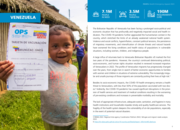
The Bolivarian Republic of Venezuela has been facing a prolonged socio-political and economic situation that has profoundly and negatively impacted social and health indicators. The COVID-19 pandemic further aggravated the humanitarian context in the
country, which stretched the limits of an alread
...
y weakened national health system. Violence and social conflicts, hyperinflation, constant political tensions, the persistence of migratory movements, and intensification of climate threats and natural hazards
have worsened the living conditions and health status of populations in vulnerable situations, including women, children, and indigenous people. A large influx of returnees back to Venezuela (Bolivarian Republic of) marked the first
two years of the pandemic. However, the country’s continued deteriorating political, socio-economic, and human rights situation resulted in renewed increased migration of Venezuelans in 2022. The profile of Venezuelan migrants has progressively changed
over the years, from single men in search of better economic opportunities to families with women and children in situations of extreme vulnerability. The increasingly irregular and unsafe journeys of those migrants are constantly putting their lives at high risk
more

Benchmarking is a strategic process often used by businesses and institutes to standardize performance in relation to the best practices of their sector. The World Health Organization (WHO) and partners have developed a tool with a list of benchmarks and corresponding suggested actions that can be a
...
pplied to implement the International Health Regulations 2005 (IHR) and strengthen health emergency prevention, preparedness, response and resilience capacities.
The first edition of the benchmarks was published in 2019 to support countries in developing, implementing and documenting progress of national IHR or health security plans (e.g. national action plan for health security (NAPHS), national action plan for emerging infectious diseases, public health emergencies and health security and other country level plans for health emergencies). The tool has been updated to incorporate lessons from COVID-19 and other health emergencies, to align with the updated IHR monitoring & evaluation framework (IHR MEF) tools and the health systems for health security framework, and to support strengthening health emergency prevention, preparedness, response and resilience (HEPR) capacities and the Preparedness and Resilience for Emerging Threats (PRET) initiative.
more
his document, a first of its kind, clearly sets out the standards for rehabilitation and provides guidance on building or strengthening the capacity of EMTs in this area.The importance of early rehabilitation for functional outcomes is well documented. Rehabilitation needs can pe
...
rsist far beyond the departure of EMTs; therefore, close, supportive collaboration must be established with local services. Emergency response presents an opportunity to rebuild devastated health systems and build local rehabilitation capacity. This document emphasizes the importance of aligning practices to the local context and maximizing opportunities for training and mentorship. The minimum standards and recommendations described will result in faster access of patients to rehabilitation services and equipment and a better transition between EMTs and local health facilities.
Available in English, German, Arabic, Chinese
more
his document, a first of its kind, clearly sets out the standards for rehabilitation and provides guidance on building or strengthening the capacity of EMTs in this area.The importance of early rehabilitation for functional outcomes is well documented. Rehabilitation needs can pe
...
rsist far beyond the departure of EMTs; therefore, close, supportive collaboration must be established with local services. Emergency response presents an opportunity to rebuild devastated health systems and build local rehabilitation capacity. This document emphasizes the importance of aligning practices to the local context and maximizing opportunities for training and mentorship. The minimum standards and recommendations described will result in faster access of patients to rehabilitation services and equipment and a better transition between EMTs and local health facilities.
Available in English, German, Arabic, Chinese
more

Manual Logistical Management of Humanitarian Supply
The flood of relief supplies that arrive in the aftermath of large-scale disasters often poses serious logistic and management problems for natio
...
nal authorities. SUMA is a tool for the management of humanitarian relief supplies, from the time pledges are made by donors, to their entry into the disaster area and their storage and distribution.
more
Developing protocols for use with refugees
and internally displaced persons

Annex of Environmental Health in Emergencies and Disaster; page 245 - 252
Information in Tables 1–4 summarizes the actions of the World Health Organization,
the International Atomic Energy Authority, other international organizations, and local
health authorities in response to a nuclear acci
...
dent, in compliance with the Convention
on Early Notification and the Assistance Convention.
more
Early-warning indicators to prevent stock-outs and overstocking of antiretroviral, antituberculosis and antimalaria medicines.
Case Management; Guide for Tutors
Handbook For Clinical Management Of Dengue
recommended
Clinical management handbook
Between 1992 and 2012, disasters caused more than 1.3 million deaths, affected more than 4.4 billion people and led to US$ 2 trillion in economic damages and losses around the world. This Disaster Risk Management Strategy explains how the Agency for
...
Technical Cooperation and Development (ACTED) anticipates disasters and advocates for more upstream consideration of their occurrence. There are sections on community based disaster risk management and ecosystem based disaster resilience, as well as a look to the future
more
This 2011 update of Guidelines for the programmatic management of drug-resistant tuberculosis is intended as a tool for use by public health professionals working in response
to the Sixty-second World Health Assembly’s resolution on prevention an
...
d control of multidrug-resistant tuberculosis and extensively drug-resistant tuberculosis.
more

Accessed November 2014
This Technical Brief focuses on current principles and approaches to Moderate Acute Malnutrition (MAM) management, highlighting key constraints, gaps in knowledge and areas still lacking consensus. It is intended to inform ongoing debates among prac
...
titioners, national partners, donors and analysts on what information and evidence on best practices are currently available, where the gaps are, and priorities for going forward.
more
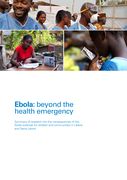
Summary of research into the consequences of the Ebola outbreak for children and communities in Liberia and Sierra Leone
This study describes the range of impacts that Ebola has had on children and families in Liberia and Sierra Leone, looking beyond the immediate health effects
The new guide provides practical, first-line management recommendations for mental, neurological and substance use conditions. Contents include modules on assessing and managing conditions such as acute stress, grief, moderate-severe depressive diso
...
rder, post-traumatic stress disorder, epilepsy, and harmful use of alcohol and drugs.
more

Disaster Management Reference Handbook Series Overview.
Floods, storms, and wind account for large proportions of displacement compared to other disasters. Floods are the most frequent type of disaster whereas wind-related disasters constitute the
...
biggest losses in terms of economic damage, displacement, and number of affected people. ASEAN has succeeded in developing institutions not only for addressing the threat posed by natural hazards but also for building resilience into communities at risk
more
The Lancet Global Health: DOI: http://dx.doi.org/10.1016/S2214-109X(16)30098-5
Open Access
This Rapid Advice Guideline updates the Interim Guidance on the “Assessment of infants with microcephaly in the context of Zika virus” published in February 2016 (WHO/ZIKV/MOC/16.3). The recommendations provides guidance on the screening, clinical assessment, neuroimaging, laboratory investigati
...
on and follow-up of children born to women living in areas of Zika virus transmission. The Guideline summarises the evidence base and rationale in support of the recommendations and expands the scope to address complications beyond microcephaly and what is now referred to as the congenital Zika virus syndrome
more
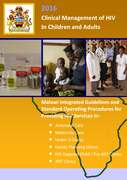
Malawi Integrated Guidelines and Standard Operating Procedures for Providing HIV Services. 3rd edition 2016
Training for staff working at DR-TB management centres.
Training modules
The aim of this publication is to provide practical guidance for the first responders who will respond during the first few hours to a radiological emergency and for the national officials who would support this early response. This publication prov
...
ides guidance in the form of action guides, instructions and data that can be easily applied by a State to build a basic capability to respond to a radiological emergency.
Also available in Arabic, French, Russian and Spanish: https://www-pub.iaea.org/books/IAEABooks/7606/Manual-for-First-Responders-to-a-Radiological-Emergency
more
"The Emergency Response Guidelines for Anhydrous Hydrogen Fluoride (Guidelines) were prepared
by the American Chemistry Council’s (ACC) Hydrogen Fluoride Panel (Panel). This document is
intended to provide general information to persons addressi
...
ng an emergency response in the course
of handling and transporting anhydrous hydrogen fluoride (AHF)."
more
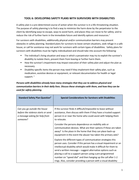
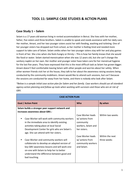
Inclusive Project Cycle Management

This document highlights the key aspects of safe health-care waste management in order to guide policy-makers, practitioners and facility managers to improve such services in health-care facilities. It is based on the comprehensive WHO handbook Safe
...
management of wastes from health-care activities (WHO, 2014), and also takes into consideration relevant World Health Assembly resolutions, other UN documents and emerging global and national developments on water, sanitation and hygiene and infection prevention and control.
more
In many humanitarian emergencies, there is a serious lack of access to even the most basic materials needed for managing the blood in addition to a lack of appropriate sanitation facilities (including water), which are critical for addressing menstrual hygiene. Privacy in emergencies is often scarc
...
e, and even if toilets are available they often lack locks, functioning doors, lighting and separation between genders. These barriers are often intensified by cultural beliefs and taboos surrounding menstruation which can restrict the movements and behaviors of girls and women
more
Pre-Publication draft version. Lat reviewed on 7th July 2017
Strengthening of SDB teams through refresher trainings and regular simulation exercises/drills
Continue social mobilization and community engagement through mobile cinema and community awareness sessions
Procure and preposition additional PPE kits
Rwanda: Ebola Preparedness Emergency Plan of Action (EPoA) Final Report - DREF Operation n° MDRRW017
Eleven (11) districts in Rwanda were initially were considered most at risk of the outbreak, namely:
• Rusizi, Nyamasheke, Karongi, Rutsiro, Rubavu (bordering DRC)
• Musanze, Burera, Gicumbi and Nyagatare (bordering Uganda)
• Kigali city (comprised of 3 localities) due to the presence of Ki
...
gali International Airport.
The National Contingency plan was revised in February 2019 and two districts added to the list (Nyabihu and Nyanza), bring total districts at risk to 13. During the timeframe, the operation, however covered the 11 initial districts.
more

A Guideline for Healthcare Professionals From the American Heart Association/American Stroke Association
AHA/ASA Guideline
DOI: 10.1161/STR.0000000000000158
Despite Pakistan's progress in reducing the number of wild poliovirus type 1 (WPV1) cases to 8 in 2017 and 12 in 2018, 2019 has seen a significant rise in the number of WPV1 cases (41 cases as of July 8 2019). One of the most intractable challenges the Pakistan Polio Eradication Initiative (PEI) is
...
facing is refusals by parents and caregivers to immunise their children with the polio vaccine. In light of this challenge, the Pakistan programme has revisited its strategy and put forward this Extension of the National Emergency Action Plan 2018/2019 (NEAP), which will carry the programme forward from July to December 2019
more
The following Emergency Response Plan for the COVID-19 pandemic seeks to set out activities that will be undertaken by humanitarian actors in Ukraine over the course of 2020 to respond to the public health impact of the epidemic – as well as the i
...
ndirect, socio-economic impact on people’s well-being, which will span across many areas. Given the extensive public exposure of the COVID-19 threat, the response will cover the whole of Ukraine, while providing a distinct focus on Donetska and Luhanska oblasts that have been ravaged by an armed conflict for the last six consecutive years. The planned COVID-19 response in the two conflict-affected oblasts will be treated as an annex to the current Humanitarian Response Plan for Ukraine
more
The interim Emergency Response Preparedness (ERP) guidance is designed to be a short technical step-by-step guide aimed at non-Humanitarian Response Plan (HRP) countries to support the development, or strengthening, of preparedness measures to ensur
...
e that country teams are operationally ready to implement activities to address the potential non-health impacts of the COVID-19 pandemic and its compound effect on existing risks. The interim guidance is based on the IASC 2015 ERP Guidance.
more
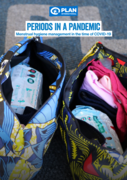
This report looks at how the current implications of COVID-19 is exacerbating key challenges for people who menstruate around the world and provides recommendations on how to include menstrual hygiene management (MHM) within a COVID-19 response.
Updated 10 August 2020
This document presents an essential medicines list (EML) to manage patients in intensive care units (ICUs) with suspected or confirmed COVID-19 diagnosis, which includes active ingredients with dosage form and concentration, and are preferably in the WHO Model Lists of Essent
...
ial Medicines 2019; based on clinical presentations and symptoms identified and prioritized in World Health Organization (WHO) and Surviving Sepsis Campaign (SSC) guidelines and the evidence presented in these guidelines.
more
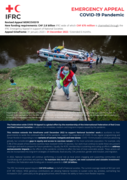
New funding requirements: CHF 2.8 billion IFRC-wide of which CHF 670 million is channelled through the IFRC Emergency Appeal in support of National Societies
Emergency in Ukraine: external situation report
recommended
Here you can download the latest Situation Reports
Weekly updates on the current situation in Ukraine and refugee-receiving countries, priority public health concerns and WHO’s actions to rapidly respond to the health emergency triggered by the c
...
onflict and to minimize disruptions to the delivery of critical health services.
more
Integrated Management of Childhood Illness (IMCI) is an integrated approach to child health that focuses on the holistic well-being of the child. IMCI aims to reduce death, illness and disability, and to promote improved growth and development among
...
children under five years of age. IMCI includes both preventive and curative elements that are implemented by families and communities as well as by health facilities.
This booklet contains useful information on childhood sickness and offers practical guidance on diagnosis and treatment of said illnesses. it is divided into 2 parts, one for infants (new born until 2 months) and from 2 months to 5 years. It also includes:
Antiretroviral Therapy ART) treatment for children
Skin problems
Counselling the mother or caregiver on infant and you child feeding
more
Conducting simulations and drills is the most effective way to evaluate and test disaster preparedness plans; these exercises are used widely by organizations and institutions working in development and in disaster response. Drills and simulations are also excellent tools for training, and for asses
...
sing decision making processes, teamwork, and coordination.
more
Key Features:
• Module Users: Disaster Management Trainers
• Training Targets: State Government and District
officials / Disaster Management Authorities / Disaster
...
Management Planners and Responders
• Training Duration: 5 working days (one week)
• Trainers Input: Multi-disciplinary
• Training methods: Lecture, Discussion, Film Show,
Field Visits, Group Exercise.
more

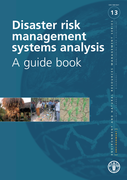
Disaster risk management systems analysis: A guide book
Baas, Stephan; Ramasamy, Selvaraju; Dey de Pryck, Jenny et al.
Food and Agriculture Organization of the United Nations (FAO)
(2008)
C1
The guide book provides a set of tools and methods to assess existing structures and capacities of national, district and local institutions with responsibilities for Disaster Risk Management (DRM) in order to improve their effectiveness and the int
...
egration of DRM concerns into development planning, with particular reference to disaster-prone areas, vulnerable sectors and population groups.
The strategic use of the Guide is expected to enhance understanding of the strengths, weaknesses, opportunities and threats facing existing DRM institutional structures and their implications for on-going institutional change processes. It will also highlight the complex institutional linkages among various actors and sectors at different levels. more
The strategic use of the Guide is expected to enhance understanding of the strengths, weaknesses, opportunities and threats facing existing DRM institutional structures and their implications for on-going institutional change processes. It will also highlight the complex institutional linkages among various actors and sectors at different levels. more

Myanmar has made significant progress in its disaster management policies, plans, and procedures since 2008, when Cyclone Nargis impacted the country leaving devastation in its aftermath. The Government of Myanmar (GoM) has modified the government s
...
tructure and created new authorities and plans to improve the effectiveness of disaster management at all levels. While this progress is encouraging and shows the determination of the government to make necessary adjustments, the resources to implement the policy changes have been slower to develop. Myanmar has made significant progress in its disaster management policies, plans, and procedures since 2008, when Cyclone Nargis impacted the country leaving devastation in its aftermath. The Government of Myanmar (GoM) has modified the government structure and created new authorities and plans to improve the effectiveness of disaster management at all levels. While this progress is encouraging and shows the determination of the government to make necessary adjustments, the resources to implement the policy changes have been slower to develop.
more

Thailand is exposed to flooding, landslides, drought, earthquakes, tsunamis, heat waves, forest fires, and epidemics. Thailand is also exposed to technological hazards such as chemical accidents. Flooding is the natural hazard with the most significant impact on human life, livelihoods, and the econ
...
omy for the country. The occurrence of droughts has increased in recent years due to the effects of the El Niño-Southern Oscillation (ENSO) cycle, which brings drier-than-average rainfall conditions. Drought has adversely impacted the country’s agriculture sector, which employs around one third of the country’s workforce.
more
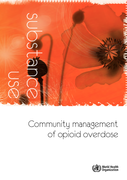
Community management of opioid overdose
World Health Organization
(2014)
C_WHO
Today more people are exposed to hazards. While humanitarian action to mitigate the impact of disasters will always be vitally important, the community is facing critical challenge- how to better anticipate, manage and reduce - disaster risks by integrating the potential threat into its planning and
...
policies at the community level. This manual aims to improve the capacity of the Panchayati Raj Institutions - the local self government and communities that face hazards due to environmental reasons. To help such capacity development efforts, we need learning materials focusing on key areas - water supply, environmental sanitation for better disaster management and preparedness.
more
Emergency medical teams (EMTs) play an important role in strengthening health service networks in terms of their strategies and tactics for planning mass vaccination programs, especially in remote or under-resourced areas or those overwhelmed by COV
...
ID-19. EMTs experience deploying in remote areas and handling operational challenges to ensure their response even under the most austere conditions will be of great support in facing the technical and logistical challenges to timely and equitable access to vaccines at the local level.
more
Safe drinking-water management must consider drinking-water quality, acceptability and quantity in the context of public health protection. In this manual, the term “safety” encompasses these three elements. Although the principles in this manua
...
l can be broadly applied to all types of drinking-water supplies, the guidance is primarily intended for piped water supplies that are professionally managed (by a water supplier or equivalent management entity).The guidance may be applied to existing drinking-water supplies, or adapted for water supplies that are in the planning stage before construction.
more
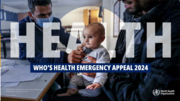
In 2024, we need US$1.5 billion to provide live-saving health care to millions of people in emergencies. An alarming combination of conflict, climate-related threats and increasing economic hardship mean an estimated 166 million people require health assistance.

The ERF provides WHO staff with essential guidance on how the Organization manages the assessment, grading and response to public health events and emergencies with health consequences, in support of Member States and affected communities. The ERF adopts an all-hazards approach and it is therefore a
...
pplicable in all acute public health events and emergencies.
This version (2024) of the WHO ERF has been developed following extensive consultation across the three levels of the Organization and response experiences over the last five years of emergency response. Key areas have been updated to improve the accountability, predictability, timeliness and effectiveness of WHO’s response to emergencies.
more
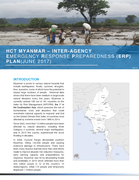
The ERP approach seeks to improve effectiveness by reducing both time and effort, enhancing predictability through establishing predefined roles, responsibilities and coordination mechanisms. The Emergency Response Preparedness Plan (ERPP) has four
...
main components: i) Risk Assessment, ii) Minimum Preparedness Actions, iii) Standard Operating Procedures (SOP), and iv) Contingency Plans for the initial emergency response. Besides these four elements, the preparedness package also includes the updated Multi-Sector Initial Rapid Assessment (MIRA) methodology, the Scenario Plan for a cyclone in Ayeyawaddy as well as the key documents for cash transfer programming in new emergencies.
more

Climate change is a growing concern for Bangladesh because 90 percent of the country is approximately 10 feet above sea level. An evaluation was completed which discovered that high tides in Bangladesh were increasing 10 times more rapidly than the global average. This predicted rapid increase in se
...
a levels places Bangladesh four times higher than the global average. By 2050, approximately 20 percent of the inhabited land in Bangladesh will be inundated by the sea resulting in displacement for nearly 20 million people. The Government of Bangladesh has implemented policies and plans to focus on climate change concerns, but there is still much work to be completed.
Bangladesh is a nation which will continue to experience the devastating effects of climate change. These concerns for the nation are recognized and the Government of Bangladesh is working progressively to implement mitigation and preparedness measures along with making national economic and transportation improvements to better sever and protect the people of Bangladesh. more
Bangladesh is a nation which will continue to experience the devastating effects of climate change. These concerns for the nation are recognized and the Government of Bangladesh is working progressively to implement mitigation and preparedness measures along with making national economic and transportation improvements to better sever and protect the people of Bangladesh. more
Update, 23 de junio de 2022
Updated Guideline.
The Emergency Triage Assessment and Treatment (ETAT) guidelines provide guidance on the most common emergency conditions in children presenting at the health facility. These incl
...
ude but are not limited to airway obstruction and other breathing problems; circulatory impairment or shock; severely altered CNS function (coma or convulsive seizures); and severe dehydration which require urgent appropriate care to prevent death.
more
Manual with Scale

Kenya : Management of Severe Malaria
recommended
This Handbook, an updated edition of the Management of Severe Malaria, provides new and revised practical guidance on the diagnosis and management of severe malaria.

Technical Aspects Part II
Disaster Preparedness Training Programme

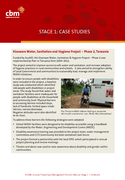
The emergency Water, Sanitation and Hygiene Promotion (WASH) gap analysis project was funded by The Humanitarian Innovation Fund (HIF), a program managed by Enhancing Learning and Research for Humanitarian Assistance (ELRHA) in partnership with the
...
Active Learning Network for Accountability and Performance in Humanitarian Action (ALNAP), and is a component of a larger initiative to identify and support innovations in emergency WASH. This paper gives an explanation of the background, methodology, and findings of the program.
more