
Filter
2400
Text search:
antenatal
care
Featured
171
914
Language
Document type
1723
267
206
63
42
39
26
13
10
5
4
1
1
Countries
153
120
95
93
87
81
79
70
70
69
69
63
61
60
50
46
45
42
29
29
28
26
22
21
20
18
17
17
15
15
14
14
13
12
12
10
10
10
8
8
8
8
7
7
6
6
6
6
6
5
5
5
5
5
4
4
4
4
3
3
3
3
3
3
3
3
2
2
2
2
2
2
2
2
2
1
1
1
1
1
1
1
1
1
1
1
1
1
1
1
1
1
1
1
1
1
1
1
Authors & Publishers
Publication Years
Category
1435
243
150
97
74
47
5
Toolboxes
274
82
77
70
44
42
33
27
26
20
15
15
13
12
11
11
10
10
5
3
2
1
1
The information provided here can be used to understand the current situation, increase attention to preterm births in Rwanda and to inform dialogue and action among stakeholders. Data can be used to identify the most important risk factors to target and gaps in
...
The information provided here can be used to understand the current situation, increase attention to preterm births in Rwanda and to inform dialogue and action among stakeholders. Data can be used to identify the most important risk factors to target and gaps in
...
The information provided here can be used to understand the current situation, increase attention to preterm births in Rwanda and to inform dialogue and action among stakeholders. Data can be used to identify the most important risk factors to target and gaps in
...

In 2014, the Ministry of Health (MOH) in Malawi conducted a nationwide assessment of emergency obstetric and newborn care (EmONC) services. This cross-sectional facility-based survey used 10 data collection modules. Data collection began on 23rd Sep
...
Paying for performance (P4P) provides financial incentives for providers to increase the use and quality of care. P4P can affect health care by providing incentives for providers to put more effort
...

Vision Statement
From birth to 8 years of age, all children of the Republic of the Union of Myanmar will receive holistic, high-quality and developmentally-appropriate care from their parents, caregivers and service providers to ensure they wil ...
From birth to 8 years of age, all children of the Republic of the Union of Myanmar will receive holistic, high-quality and developmentally-appropriate care from their parents, caregivers and service providers to ensure they wil ...
Europe PMC Funders Group
Author Manuscript
Arch Dis Child. Author manuscript; available in PMC 2013 November 01.
Published in final edited form as:
Arch Dis Child. 2013 May ; 98(5): 323–327. doi:10.1136/archdischild-2012-302079.
“Continuum of HIV services refers to a comprehensive package of HIV prevention, diagnostic, treatment, care and support services provided for people at risk of HIV infection or living with HIV and their families”
August, 2018

Supplement Article
J Acquir Immune Defic Syndr Volume 75, Supplement 2, June 1, 2017 www.jaids.com
2014
Addendum to meeting report: Regional consultation on HIV epidemiologic information in Latin America and the Caribbean
The World Health Organization (WHO) has recommended a universal antiretroviral therapy (ART) for all HIVinfected children before the age of two since 2010, but this implies an early identification of these infants. We described the Prevention of Mother-to-Child HIV Transmission (PMTCT) cascade, the
...
Just about everyone has experienced the joy that a healthy newborn child brings to parents, families and communities. But the arrival of a newborn who is small or sick often results in immediate worry and sadness. When the infant is at high risk of death or disability, these concerns can be a tremen
...
In line with its decentralization principle, the Ethiopian Health Policy has achieved great progress in improving access to comprehensive HIV/AIDS services to the majority of the population. Both quality and coverage of services have improved significantlysince the initiation
...
The Practical Approach to Care Kit (PACK) is a health systems improvement programme designed to support the work of primary care health workers in underserved communities (like doctors, nurses, midw
...
This package of materials is designed to provide the tools necessary to begin the implementation of respectful maternity care (RMC) in your area of work or influence. Using the tools in this toolkit, one can help to change and develop attitudes in o
...
What are the FP and CAC competencies?
Through the clear articulation of the family planning and comprehensive abortion care (FP and CAC) competencies for the primary health care workforce, the aim
...
Obesity in all age groups, including children and adolescents, is a public health challenge across all settings. Obesity is now classified as a complex multifactorial chronic disease and not just a risk factor for other noncommunicable diseases and comorbidities. Recognizing the significance of prim
...
Hepatitis B (HBV) infection is a major public health problem and cause of chronic liver disease.
The 2024 HBV guidelines provide updated evidence-informed recommendations on key priority topics. These include expanded and simplified treatment criteria for adults but now also for adolescents; expa
...
Despite recent global declines, under-five mortality remains high in many of the poorest countries. Barriers to timely
quality care, including user fees, distance to facilities and the availability of trained health workers and medical supplies,
...
The manual is written for clinicians working at the district hospital (first-level referral care) who diagnose and manage sick adolescents and adults in resource constrained settings. It aims to support clinical reasoning, and to provide an effectiv
...
Information and Approaches for developing Country Settings
The Early Essential Newborn Care Pocket Guide was developed by the WHO Regional Office for the Western Pacific for introducing and scaling-up Early Essential Newborn Care. This step-by-step Guide is
...
This document is to guide policy makers, managers, districts, health workers, communities, NGOs and all other stakeholders on how to implement newborn health services.
Facilitator's Guide
Refresher Training Module for Health Care Providers implementing the MISP
Inter-agency Working Group on Reproductive Health in Crises Training Partnership
Policy and systems. Global Mental Health(2017),4, e7, page 1 of 6. doi:10.1017/gmh.2017.3
This document sets out the preparedness and response plan of the Nigerian Primary Health Care System for COVID-19 Acute Respiratory Disease. It outlines the planning scenarios, key areas of work and priority activities required for the Primary Healt
...
Diabetes mellitus (DM) is a global epidemic with significant morbidity. Diabetic
retinopathy (DR) is the specific microvascular complication of DM and affects 1 in 3 persons with DM. DR remains a leading cause of vision loss in working adult populations. Patients with severe levels of DR are report
...
Sexual and Reproductive Health
A handbook for building skills, Updated 2013
This report presents, for the first time, a global assessment of the extent to which health care facilities provide essential water, sanitation and hygiene (WASH) services. Drawing on data from 54 low- and middle-income countries, the report conclud
...
Lancet Glob Health 2015; 385: e387–95. Open Access

Health Economics Review, 2016 6:7 -Published: 11 February 2016
Guidelines
UNAIDS/WHO working group on global HIV/AIDS and STI surveillance
August 2015
HIV strategic information for impact

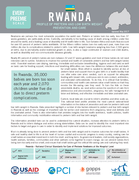
The information provided here can be used to understand the current situation, increase attention to preterm births in Rwanda and to inform dialogue and action among stakeholders. Data can be used to identify the most important risk factors to target and gaps in
...
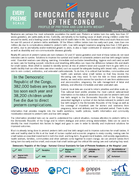
The information provided here can be used to understand the current situation, increase attention to preterm births in Rwanda and to inform dialogue and action among stakeholders. Data can be used to identify the most important risk factors to target and gaps in
...
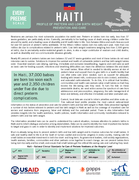
The information provided here can be used to understand the current situation, increase attention to preterm births in Rwanda and to inform dialogue and action among stakeholders. Data can be used to identify the most important risk factors to target and gaps in
...
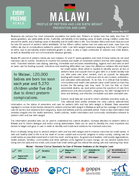
The information provided here can be used to understand the current situation, increase attention to preterm births in Rwanda and to inform dialogue and action among stakeholders. Data can be used to identify the most important risk factors to target and gaps in
...
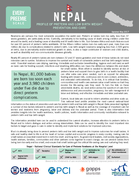
The information provided here can be used to understand the current situation, increase attention to preterm births in Rwanda and to inform dialogue and action among stakeholders. Data can be used to identify the most important risk factors to target and gaps in
...
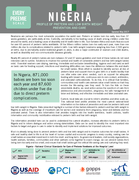
The information provided here can be used to understand the current situation, increase attention to preterm births in Rwanda and to inform dialogue and action among stakeholders. Data can be used to identify the most important risk factors to target and gaps in
...
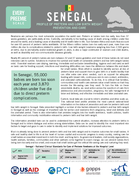
The information provided here can be used to understand the current situation, increase attention to preterm births in Rwanda and to inform dialogue and action among stakeholders. Data can be used to identify the most important risk factors to target and gaps in
...
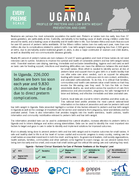
The information provided here can be used to understand the current situation, increase attention to preterm births in Rwanda and to inform dialogue and action among stakeholders. Data can be used to identify the most important risk factors to target and gaps in
...
The information provided here can be used to understand the current situation, increase attention to preterm births in Rwanda and to inform dialogue and action among stakeholders. Data can be used to identify the most important risk factors to target and gaps in
...
The information provided here can be used to understand the current situation, increase attention to preterm births in Rwanda and to inform dialogue and action among stakeholders. Data can be used to identify the most important risk factors to target and gaps in
...
AIDS Behav (2017) 21:S23–S33 DOI 10.1007/s10461-016-1670-9
Technical brief by the H4+ (UNAIDS, UNFPA, UNICEF, UN Women, WHO and the World Bank)
The WHO and UNICEF-led Hand Hygiene for All Initiative aims at ensuring implementation for WHO's global recommendations on hand hygiene to prevent and control COVID-19 pandemic, and hand hygiene improvement sustainability in countries as a mainstay of wider infection prevention and control (IPC) and
...
This document provides an overview of strategic purchasing of nutrition services within primary health care. It introduces key terms and payment methods for countries to use in preparing to transform their health financial systems to scale up nutrit
...
This toolkit was developed to provide detailed information and resources to support implementation of the WHO intrapartum and immediate postnatal care recommendations at the health-care facility lev
...
Updates for the integrated management of childhood illness (IMCI) - Guideline.
As part of its response to the global epidemic of obesity, WHO has issued guidelines to support primary healthcare workers identify and manage children who are overweight or obese. Specifically, all infants and children
...

This document describes the key areas that national governments should consider for the introduction and scale-up of point-of-care (POC) diagnostics within national programmes, as new innovative POC technologies are being introduced into the market.
...
Int J Environ Res Public Health. 2018 Jun; 15(6): 1279.
Published online 2018 Jun 16. doi: 10.3390/ijerph15061279
Research Article
PLOS Medicine | DOI:10.1371/journal.pmed.1002253 April 4, 2017
Patient safety standards are critical for the establishment and assessment of patient safety programmes within hospitals. This third edition of the Patient safety assessment manual provides an updated set of standards and assessment criteria that reflect current best practice and WHO guidance. The m
...
These guidelines provide specific recommendations and expert suggestions — for national policy-makers and programme managers and their partners and stakeholders— on prioritizing, planning and providing HIV testing, counselling, treatment and care
...
Pregnancy, childbirth, postpartum and newborn care: A guide for essential practice (3rd ed.)
recommended
WHO has been alerted to concerns expressed related to the wording on episiotomy in specific situations. We have temporarily removed the publication from the website while we are doing a review of the evidence with in-house and external experts. We will make the publication available on the website o
...
BMC Health Services Research (2017) 17:623 DOI 10.1186/s12913-017-2567-7
2006-2008 programme report

DHS Methodological Report No. 20
This study used Service Provision Assessment (SPA) and Demographic and Health Survey (DHS) data from Haiti, Malawi, and Tanzania to compare traditionally used additive methods with a data reduction method—principal component analysis (PCA).
We scored ...
This study used Service Provision Assessment (SPA) and Demographic and Health Survey (DHS) data from Haiti, Malawi, and Tanzania to compare traditionally used additive methods with a data reduction method—principal component analysis (PCA).
We scored ...
The Kabeho Mwana project (2006–2011) supported the Rwanda Ministry of Health (MOH) in scaling up integrated community case management (iCCM) of childhood illness in 6 of Rwanda’s 30 districts. The project trained and equipped community health workers (CHWs) according to national guidelines. In p
...
Observatory report by Médecins du Monde/Doctors of the World Germany:“Deprived of the right to health. Sick and without medical care in Germany” gives a rare insight into the situation of those who have no or only limited access to the German h
...
Review
published: 12 August 2016 doi: 10.3389/fpubh.2016.00166
Frontiers in Public Health | www.frontiersin.org 1 August 2016 | Volume 4 | Article 166
Recommendations for a Public Health approach and considerations for policy-makers and managers
Supplement Article
J Acquir Immune Defic Syndr Volume 75, Supplement 2, June 1, 2017 www.jaids.com
COVID-19 is a pandemic that is currently ravaging the world. Infection rate is steadily increasingin Sub-Saharan Africa. Pregnant women and their infants may suffer severe illnesses due to theirlower immunity. This guideline prepares and equips clinicians working in the maternal and new-born section
...
Community health worker teams are potential game-changers in ensuring access to care in vulnerable communities. Who are they? What do they actually do? Can they help South Africa realize universal health coverage? As the proactive arm of the health
...
Training aids
Evidence shows that FGM can cause several physical, mental and sexual health complications in girls and women, and in newborns. Health-care providers play an important role in supporting girls and women living with FGM, and improvin
...
