
Filter
7992
Text search:
Human
Resources
for
Health
Featured
708
2153
Language
7731
183
149
111
95
61
46
28
12
11
10
9
8
8
8
8
7
7
7
6
6
6
6
6
5
5
5
5
5
4
4
4
4
4
4
4
4
4
4
4
4
4
4
4
3
3
3
3
3
3
3
3
3
3
3
2
2
2
2
2
1
1
1
1
1
1
1
1
1
1
1
Document type
4627
1354
900
425
334
119
115
65
14
13
11
7
1
Countries
345
296
249
174
167
165
161
157
156
153
142
132
119
118
116
116
114
111
109
101
92
80
75
67
65
59
58
52
51
51
50
49
48
48
48
44
44
40
39
39
38
36
31
29
28
28
27
26
25
23
23
21
21
20
19
19
19
18
18
17
17
16
16
15
15
14
13
13
12
12
11
11
11
9
9
9
9
8
8
7
7
7
7
6
6
6
6
6
6
6
5
5
5
5
5
4
4
4
4
4
4
4
4
3
3
3
3
3
3
3
3
3
3
3
3
3
3
3
3
3
3
2
2
2
2
2
2
2
2
2
2
2
2
1
1
1
1
1
1
1
1
1
1
1
1
1
Authors & Publishers
1009
422
346
263
209
171
154
149
115
64
49
45
39
37
37
34
33
32
31
31
30
30
29
29
29
28
27
27
26
26
26
25
25
25
25
25
24
24
24
23
23
22
21
21
21
20
19
19
19
19
19
19
18
18
18
17
17
17
17
16
15
15
15
15
14
14
14
14
14
14
14
13
13
13
13
13
13
13
13
12
12
12
12
12
12
12
12
12
11
11
11
11
11
11
11
10
10
10
10
10
10
10
10
10
10
9
9
9
9
9
9
9
9
9
8
8
8
8
8
8
8
8
8
8
8
8
8
8
8
8
8
7
7
7
7
7
7
7
7
7
7
7
7
7
7
7
7
7
7
7
7
7
7
7
7
7
6
6
6
6
6
6
6
6
6
6
6
6
6
6
6
6
6
6
6
6
6
6
6
6
6
6
6
6
6
6
6
6
5
5
5
5
5
5
5
5
5
5
5
5
5
5
5
5
5
5
5
5
5
5
5
5
5
5
5
5
5
5
5
5
5
5
5
5
5
5
5
5
5
5
5
5
5
5
5
5
5
5
5
5
5
5
5
5
5
5
5
4
4
4
4
4
4
4
4
4
4
4
4
4
4
4
4
4
4
4
4
4
4
4
4
4
4
4
4
4
4
4
4
4
4
4
4
4
4
4
4
4
4
4
4
4
4
4
4
4
4
4
4
4
4
4
4
4
4
4
4
4
4
4
4
4
4
4
4
4
4
4
4
4
4
4
4
4
4
4
3
3
3
3
3
3
3
3
3
3
3
3
3
3
3
3
3
3
3
3
3
3
3
3
3
3
3
3
3
3
3
3
3
3
3
3
3
3
3
3
3
3
3
3
3
3
3
3
3
3
3
3
3
3
3
3
3
3
3
3
3
3
3
3
3
3
3
3
3
3
3
3
3
3
3
3
3
3
3
3
3
3
3
3
3
3
3
3
3
3
3
3
3
3
3
3
3
3
3
3
3
3
3
3
3
3
3
3
3
3
3
3
3
3
3
3
3
3
3
3
3
3
3
3
3
3
3
3
3
3
3
3
3
3
3
3
3
3
3
3
3
3
3
3
3
3
3
3
3
3
3
3
3
3
3
3
3
3
3
2
2
2
2
2
2
2
2
2
2
2
2
2
2
2
2
2
2
2
2
2
2
2
2
2
2
2
2
2
2
2
2
2
2
2
2
2
2
2
2
2
2
2
2
2
2
2
2
2
2
2
2
2
2
2
2
2
2
2
2
2
2
2
2
2
2
2
2
2
2
2
2
2
2
2
2
2
2
2
2
2
2
2
2
2
2
2
2
2
2
2
2
2
2
2
2
2
2
2
2
2
2
2
2
2
2
2
2
2
2
2
2
2
2
2
2
2
2
2
2
2
2
2
2
2
2
2
2
2
2
2
2
2
2
2
2
2
2
2
2
2
2
2
2
2
2
2
2
2
2
2
2
2
2
2
2
2
2
2
2
2
2
2
2
2
2
2
2
2
2
2
2
2
2
2
2
2
2
2
2
2
2
2
2
2
2
2
2
2
2
2
2
2
2
2
2
2
2
2
2
2
2
2
2
2
2
2
2
2
2
2
2
2
2
2
2
2
2
2
2
2
2
2
2
2
2
2
2
2
2
2
2
2
2
2
2
2
2
2
2
2
2
2
2
2
2
2
2
2
2
2
2
2
2
2
2
2
2
2
2
2
2
2
2
2
2
2
2
2
2
2
2
2
2
2
2
2
2
2
2
2
2
2
2
2
2
2
2
2
2
2
2
2
2
2
2
2
2
2
2
2
2
2
2
2
2
2
2
2
2
2
2
2
2
2
2
2
2
2
2
2
2
2
2
2
2
2
2
2
2
2
2
2
2
2
2
2
2
2
2
2
2
2
2
2
2
2
2
2
2
2
2
2
2
2
2
2
2
2
2
2
2
2
2
2
2
2
2
2
2
2
2
2
2
2
2
2
2
2
2
2
2
2
2
2
2
2
2
2
2
2
2
2
2
2
2
2
2
2
2
2
2
2
2
2
2
2
2
2
2
2
2
2
2
2
2
2
2
2
2
2
2
2
2
2
2
2
2
2
2
2
2
2
2
2
2
2
2
2
2
2
2
2
2
2
2
2
2
2
2
2
2
1
1
1
1
1
1
1
1
1
1
1
1
1
1
1
1
1
1
1
1
1
1
1
1
1
1
1
1
1
1
1
1
1
1
1
1
1
1
1
1
1
1
1
1
1
1
1
1
1
1
1
1
1
1
1
1
1
1
1
1
1
1
1
1
1
1
1
1
1
1
1
1
1
1
1
1
1
1
1
1
1
1
1
1
1
1
1
1
1
1
1
1
1
1
1
1
1
1
1
1
1
1
1
1
1
1
1
1
1
1
1
1
1
1
1
1
1
1
1
1
1
1
1
1
1
1
1
1
1
1
1
1
1
1
1
1
1
1
1
1
1
1
1
1
1
1
1
1
1
1
1
1
1
1
1
1
1
1
1
1
1
1
1
1
1
1
1
1
1
1
1
1
1
1
1
1
1
1
1
1
1
1
1
1
1
1
1
1
1
1
1
1
1
1
1
1
1
1
1
1
1
1
1
1
1
1
1
1
1
1
1
1
1
1
1
1
1
1
1
1
1
1
1
1
1
1
1
1
1
1
1
1
1
1
1
1
1
1
1
1
1
1
1
1
1
1
1
1
1
1
1
1
1
1
1
1
1
1
1
1
1
1
1
1
1
1
1
1
1
1
1
1
1
1
1
1
1
1
1
1
1
1
1
1
1
1
1
1
1
1
1
1
1
1
1
1
1
1
1
1
1
1
1
1
1
1
1
1
1
1
1
1
1
1
1
1
1
1
1
1
1
1
1
1
1
1
1
1
1
1
1
1
1
1
1
1
1
1
1
1
1
1
1
1
1
1
1
1
1
1
1
1
1
1
1
1
1
1
1
1
1
1
1
1
1
1
1
1
1
1
1
1
1
1
1
1
1
1
1
1
1
1
1
1
1
1
1
1
1
1
1
1
1
1
1
1
1
1
1
1
1
1
1
1
1
1
1
1
1
1
1
1
1
1
1
1
1
1
1
1
1
1
1
1
1
1
1
1
1
1
1
1
1
1
1
1
1
1
1
1
1
1
1
1
1
1
1
1
1
1
1
1
1
1
1
1
1
1
1
1
1
1
1
1
1
1
1
1
1
1
1
1
1
1
1
1
1
1
1
1
1
1
1
1
1
1
1
1
1
1
1
1
1
1
1
1
1
1
1
1
1
1
1
1
1
1
1
1
1
1
1
1
1
1
1
1
1
1
1
1
1
1
1
1
1
1
1
1
1
1
1
1
1
1
1
1
1
1
1
1
1
1
1
1
1
1
1
1
1
1
1
1
1
1
1
1
1
1
1
1
1
1
1
1
1
1
1
1
1
1
1
1
1
1
1
1
1
1
1
1
1
1
1
1
1
1
1
1
1
1
1
1
1
1
1
1
1
1
1
1
1
1
1
1
1
1
1
1
1
1
1
1
1
1
1
1
1
1
1
1
1
1
1
1
1
1
1
1
1
1
1
1
1
1
1
1
1
1
1
1
1
1
1
1
1
1
1
1
1
1
1
1
1
1
1
1
1
1
1
1
1
1
1
1
1
1
1
1
1
1
1
1
1
1
1
1
1
1
1
1
1
1
1
1
1
1
1
1
1
1
1
1
1
1
1
1
1
1
1
1
1
1
1
1
1
1
1
1
1
1
1
1
1
1
1
1
1
1
1
1
1
1
1
1
1
1
1
1
1
1
1
1
1
1
1
1
1
1
1
1
1
1
1
1
1
1
1
1
1
1
1
1
1
1
1
1
1
1
1
1
1
1
1
1
1
1
1
1
1
1
1
1
1
1
1
1
1
1
1
1
1
1
1
1
1
1
1
1
1
1
1
1
1
1
1
1
1
1
1
1
1
1
1
1
1
1
1
1
1
1
1
1
1
1
1
1
1
1
1
1
1
1
1
1
1
1
1
1
1
1
1
1
1
1
1
1
1
1
1
1
1
1
1
1
1
1
1
1
1
1
1
1
1
1
1
1
1
1
1
1
1
1
1
1
1
1
1
1
1
1
1
1
1
1
1
1
1
1
1
1
1
1
1
1
1
1
1
1
1
1
1
1
1
1
1
1
1
1
1
1
1
1
1
1
1
1
1
1
1
1
1
1
1
1
1
1
1
1
1
1
1
1
1
1
1
1
1
1
1
1
1
1
1
1
1
1
1
1
1
1
1
1
1
1
1
1
1
1
1
1
1
1
1
1
1
1
1
1
1
1
1
1
1
1
1
1
1
1
1
1
1
1
1
1
1
1
1
1
1
1
1
1
1
1
1
1
1
1
1
1
1
1
1
1
1
1
1
1
1
1
1
1
1
1
1
1
1
1
1
1
1
1
1
1
1
1
1
1
1
1
1
1
1
1
1
1
1
1
1
1
1
1
1
1
1
1
1
1
1
1
1
1
1
1
1
1
1
1
1
1
1
1
1
1
1
1
1
1
1
1
1
1
1
1
1
1
1
1
1
1
1
1
1
1
1
1
1
1
1
1
1
1
1
1
1
1
1
1
1
1
1
1
1
1
1
1
1
1
1
1
1
1
1
1
1
1
1
1
1
1
1
1
1
1
1
1
1
1
1
1
1
1
1
1
1
1
1
1
1
1
1
1
1
1
1
1
1
1
1
1
1
1
1
1
1
1
1
1
1
1
1
1
1
1
1
1
1
1
1
1
1
1
1
1
1
1
1
1
1
1
1
1
1
1
1
1
1
1
1
1
1
1
1
1
1
1
1
1
1
1
1
1
1
1
1
1
1
1
1
1
1
1
1
1
1
1
1
1
1
1
1
1
1
1
1
1
1
1
1
1
1
1
1
1
1
1
1
1
1
1
1
1
1
1
1
1
1
1
1
1
1
1
1
1
1
1
1
1
1
1
1
1
1
1
1
1
1
1
1
1
1
1
1
1
1
1
1
1
1
1
1
1
1
1
1
1
1
1
1
1
1
1
1
1
1
1
1
1
1
1
1
1
1
1
1
1
1
1
1
1
1
1
1
1
1
1
1
1
1
1
1
1
1
1
1
1
1
1
1
1
1
1
1
1
1
1
1
1
1
1
1
1
1
1
1
1
1
1
1
1
1
1
1
1
1
1
1
1
1
1
1
1
1
1
1
1
1
1
1
1
1
1
1
1
1
1
1
1
1
1
1
1
1
1
1
1
1
1
1
1
1
1
1
1
1
1
1
1
1
1
1
1
1
1
1
1
1
1
1
1
1
1
1
1
1
1
1
1
1
1
1
1
1
1
1
1
1
1
1
1
1
1
1
1
1
1
1
1
1
1
1
1
1
1
1
1
1
1
1
1
1
1
1
1
1
1
1
1
1
1
1
1
1
1
1
1
1
1
1
1
1
1
1
1
1
1
1
1
1
1
1
1
1
1
1
1
1
1
1
1
1
1
1
1
1
1
1
1
1
1
1
1
1
1
1
1
1
1
1
1
1
1
1
1
1
1
1
1
1
1
1
1
1
1
1
1
1
1
1
1
1
1
1
1
1
1
1
1
1
1
1
1
1
1
1
1
1
1
1
1
1
1
1
1
1
1
1
1
1
1
1
1
1
1
1
1
1
1
1
1
1
1
1
1
1
1
1
1
1
1
1
1
1
1
1
1
1
1
1
1
1
1
1
1
1
1
1
1
1
1
1
1
1
1
1
1
1
1
1
1
1
1
1
1
1
1
1
1
1
1
1
1
1
1
1
1
1
1
1
1
1
1
1
1
1
1
1
1
1
1
1
1
1
1
1
1
1
1
1
1
1
1
1
1
1
1
1
1
1
1
1
1
1
1
1
1
1
1
1
1
1
1
1
1
1
1
1
1
1
1
1
1
1
1
1
1
1
1
1
1
1
1
1
1
1
1
1
1
1
1
1
1
1
1
1
1
1
1
1
1
1
1
1
1
1
1
1
1
1
1
1
1
1
1
1
1
1
1
1
1
1
1
1
1
1
1
1
1
1
1
1
1
1
1
1
1
1
1
1
1
1
1
1
1
1
1
1
1
1
1
1
1
1
1
1
1
1
1
1
1
1
1
1
1
1
1
1
1
1
1
1
1
1
1
1
1
1
1
1
1
1
1
1
1
1
1
1
1
1
1
1
1
1
1
1
1
1
1
1
1
1
1
1
1
1
1
1
1
1
1
1
1
1
1
1
1
1
1
1
1
1
1
1
1
1
1
1
1
1
1
1
1
1
1
1
1
1
1
1
1
1
1
1
1
1
1
1
1
1
1
1
1
1
1
1
1
1
1
1
1
1
1
1
1
1
1
1
1
1
1
1
1
1
1
1
1
1
1
1
1
1
1
1
1
1
1
1
1
1
1
1
1
1
1
1
1
1
1
1
1
1
1
1
1
1
1
1
1
1
1
1
1
1
1
1
1
1
1
1
1
1
1
1
1
1
1
1
1
1
1
1
1
1
1
1
1
1
1
1
1
1
1
1
1
1
1
1
1
1
1
1
1
1
1
1
1
1
1
1
1
1
1
1
1
1
1
1
1
1
1
1
1
1
1
1
1
1
1
1
1
1
1
1
1
1
1
1
1
1
1
1
1
1
1
1
1
1
1
1
1
1
1
1
1
1
1
1
1
1
1
1
1
1
1
1
1
1
1
1
1
1
1
1
1
1
1
1
1
1
1
1
1
1
1
1
1
1
1
1
1
1
1
1
1
1
1
1
1
1
1
1
1
1
1
1
1
1
1
1
1
1
1
1
1
1
1
1
1
1
1
1
1
1
1
1
1
1
1
1
1
1
1
1
1
1
1
1
1
1
1
1
1
1
1
1
1
1
1
1
1
1
1
1
1
1
1
1
1
1
1
1
1
1
1
1
1
1
1
1
1
1
1
1
1
1
1
1
1
1
1
1
1
1
1
1
1
1
1
1
1
1
1
1
1
1
1
1
1
1
1
1
1
1
1
1
1
1
1
1
1
1
1
1
1
1
1
1
1
1
1
1
1
1
1
1
1
1
1
1
1
1
1
1
1
1
1
1
1
1
1
1
1
1
1
1
1
1
1
1
1
1
1
1
1
1
1
1
1
1
1
1
1
1
1
1
1
1
1
1
1
1
1
1
1
1
1
1
1
1
1
1
1
1
1
1
1
1
1
1
1
1
1
1
1
1
1
1
1
1
1
1
1
1
1
1
1
1
1
1
1
1
1
1
1
1
1
1
1
1
1
1
1
1
1
1
1
1
1
1
1
1
1
1
1
1
1
1
1
1
1
1
1
1
1
1
1
1
1
1
1
1
1
1
1
1
1
1
1
1
1
1
1
1
1
1
1
1
1
1
1
1
1
1
1
1
1
1
1
1
1
1
1
1
1
1
1
1
1
1
1
1
1
1
1
1
1
1
1
1
1
1
1
1
1
1
1
1
1
1
1
1
1
1
1
1
1
1
1
1
1
1
1
1
1
1
1
1
1
1
1
1
1
1
1
1
1
1
1
1
1
1
1
1
1
1
1
1
1
1
1
1
1
1
1
1
1
1
1
1
1
1
1
1
1
1
1
1
1
1
1
1
1
1
1
1
1
1
1
1
1
1
1
1
1
1
1
1
1
1
1
1
1
1
1
1
1
1
1
1
1
1
1
1
1
1
1
1
1
1
1
1
1
1
1
1
1
1
1
1
1
1
1
1
1
1
1
1
1
1
1
1
1
1
1
1
1
1
1
1
1
1
1
1
1
1
1
1
1
1
1
1
1
1
1
1
1
1
1
1
1
1
1
1
1
1
1
1
1
1
1
1
1
1
1
1
1
1
1
1
1
1
1
1
1
1
1
1
1
1
1
1
1
1
1
1
1
1
1
1
1
1
1
1
1
1
1
1
1
1
1
1
1
1
1
1
1
1
1
1
1
1
1
1
1
1
1
1
1
1
1
1
1
1
1
1
1
1
1
1
1
1
1
1
1
1
1
1
1
1
1
1
1
1
1
1
1
1
1
1
1
1
1
1
1
1
1
1
1
1
1
1
1
1
1
1
1
1
1
1
1
1
1
1
1
1
1
1
1
1
1
1
1
1
1
1
1
1
1
1
1
1
1
1
1
1
1
1
1
1
1
1
1
1
1
1
1
1
1
1
1
1
1
1
1
1
1
1
1
1
1
1
1
1
1
1
1
1
1
1
1
1
1
1
1
1
1
1
1
1
1
1
1
1
1
1
1
1
1
1
1
1
1
1
1
1
1
1
1
1
1
1
1
1
1
1
1
1
1
1
1
1
1
1
1
1
1
1
1
1
1
1
1
1
1
1
1
1
1
1
1
1
1
1
1
1
1
1
1
1
1
1
1
1
1
1
1
1
1
1
1
1
1
1
1
1
1
1
1
1
1
1
1
1
1
1
1
1
1
1
1
1
1
1
1
1
1
1
1
1
1
1
1
1
1
1
1
1
1
1
1
1
1
1
1
1
1
1
1
1
1
1
1
1
1
1
1
1
1
1
1
1
1
1
1
1
1
1
1
1
1
1
1
1
1
1
1
1
1
1
1
1
1
1
1
1
1
1
1
1
1
1
1
1
1
1
1
1
1
1
1
1
1
1
1
1
1
1
1
1
1
1
1
1
1
1
1
1
1
1
1
1
1
1
1
1
1
1
1
1
1
1
1
1
1
1
1
1
1
1
1
1
1
1
1
1
1
1
1
1
1
1
1
1
1
1
1
1
1
1
1
1
1
1
1
1
1
1
1
1
1
1
1
1
1
1
1
1
1
1
1
1
1
1
1
1
1
1
1
1
1
1
1
1
1
1
1
1
1
1
1
1
1
1
1
1
1
1
1
1
1
1
1
1
1
1
1
1
1
1
1
1
1
1
1
1
1
1
1
1
1
1
1
1
1
1
1
1
1
1
1
1
1
1
1
1
1
1
1
1
1
1
1
1
1
1
1
1
1
1
1
1
1
1
1
1
1
1
1
1
1
1
1
1
1
1
1
1
1
1
1
1
1
1
1
1
1
1
1
1
1
1
1
1
1
1
1
1
1
1
1
1
1
1
1
1
1
1
1
1
1
1
1
1
1
1
1
1
1
1
1
1
1
1
1
1
1
1
1
1
1
1
1
1
1
1
1
1
1
1
1
1
1
1
1
1
1
1
1
1
1
1
1
1
1
1
1
1
1
1
1
1
1
1
1
1
1
1
1
1
1
1
1
1
1
1
1
1
1
1
1
1
1
1
1
1
1
1
1
1
1
1
1
1
1
1
1
1
1
1
1
1
1
1
1
1
1
1
1
1
1
1
1
1
1
1
1
1
1
1
1
1
1
1
1
1
1
1
1
1
1
1
1
1
1
1
1
1
1
1
1
1
1
1
1
1
1
1
1
1
1
1
1
1
1
1
1
1
1
1
1
1
1
1
1
1
1
1
1
1
1
1
1
1
1
1
1
1
1
1
1
1
1
1
1
1
1
1
1
1
1
1
1
1
1
1
1
1
1
1
1
1
1
1
1
1
1
1
1
1
1
1
1
1
1
1
1
1
1
1
1
1
1
1
1
1
1
1
1
1
1
1
1
1
1
1
1
1
1
1
1
1
1
1
1
1
1
1
1
1
1
1
1
1
1
1
1
1
1
1
1
1
1
1
1
1
1
1
1
1
1
1
1
1
1
1
1
1
1
1
1
1
1
1
1
1
1
1
1
1
1
1
1
1
1
1
1
1
1
1
1
1
1
1
1
1
1
1
1
1
1
1
1
1
1
1
1
1
1
1
1
1
1
1
1
1
1
1
1
1
1
1
1
1
1
1
1
1
1
1
1
1
1
1
1
1
1
1
1
1
1
1
1
1
1
1
1
1
1
1
1
1
1
1
1
1
1
1
1
1
1
1
1
1
1
1
1
1
1
1
1
1
1
1
1
1
1
1
1
1
1
1
1
1
1
1
1
1
1
1
1
1
1
1
1
1
1
1
1
1
1
1
1
1
1
1
1
1
1
1
1
1
1
1
1
1
1
1
1
1
1
1
1
1
1
1
1
1
1
1
1
1
1
1
1
1
1
1
1
1
1
1
1
1
1
1
1
1
1
1
1
1
1
1
1
1
1
1
1
1
1
1
1
1
1
1
1
1
1
1
1
1
1
1
1
1
1
1
1
1
1
1
1
1
1
1
1
1
1
1
1
1
1
1
1
1
1
1
1
1
1
1
1
1
1
1
1
1
1
1
1
1
1
1
1
1
1
1
1
1
1
1
1
1
1
1
1
1
1
1
1
1
1
1
1
1
1
1
1
1
1
1
1
1
1
1
1
1
1
1
1
1
1
1
1
1
1
1
1
1
1
1
1
1
1
1
1
1
1
1
1
1
1
1
1
1
1
1
1
1
1
1
1
1
1
1
1
1
1
1
1
1
1
1
1
1
1
1
1
1
1
1
1
1
1
1
1
1
1
1
1
1
1
1
1
1
1
1
1
1
1
1
1
1
1
1
1
1
1
1
1
1
1
1
1
1
1
1
1
1
1
1
1
1
1
1
1
1
1
1
1
1
1
1
1
1
1
1
1
1
1
1
1
1
1
1
1
1
1
1
1
1
1
1
1
1
1
1
1
1
1
1
1
1
1
1
1
1
1
1
1
1
1
1
1
1
1
1
1
1
1
1
1
1
1
1
1
1
1
1
1
1
1
1
1
1
1
1
1
1
1
1
1
1
1
1
1
1
1
1
1
1
1
1
1
1
1
1
1
1
1
1
1
1
1
1
1
1
1
1
1
1
1
1
1
1
1
1
1
1
1
1
1
1
1
1
1
1
1
1
1
1
1
1
1
1
1
1
1
1
1
1
1
1
1
1
1
1
1
1
1
1
1
1
1
1
1
1
1
1
1
1
1
1
1
1
1
1
1
1
1
1
1
1
1
1
1
1
1
1
1
1
1
1
1
1
1
1
1
1
1
1
1
1
1
1
1
1
1
1
1
1
1
1
1
1
1
1
1
1
1
1
1
1
1
1
1
1
1
1
1
1
1
1
1
1
1
1
1
1
1
1
1
1
1
1
1
1
1
1
1
1
1
1
1
1
1
1
1
1
1
1
1
1
1
1
1
1
1
1
1
1
1
1
1
1
1
1
1
1
1
1
1
1
1
1
1
1
1
1
1
1
1
1
1
1
1
1
1
1
1
1
1
1
1
1
1
1
1
1
1
1
1
1
1
1
1
1
1
1
1
1
1
1
1
1
1
1
1
1
1
1
1
1
1
1
1
1
1
1
1
1
1
1
1
1
1
1
1
1
1
1
1
1
1
1
1
1
1
1
1
1
1
1
1
1
1
1
1
1
1
1
1
1
1
1
1
1
1
1
1
1
1
1
1
1
1
1
1
1
1
1
1
1
1
1
1
1
1
1
1
1
1
1
1
1
1
1
1
1
1
1
1
1
1
1
1
1
1
1
1
1
1
1
1
1
1
1
1
1
1
1
1
1
1
1
1
1
1
1
1
1
1
1
1
1
1
1
1
1
1
1
1
1
1
1
1
1
1
1
1
1
1
1
1
1
1
1
1
1
1
1
1
1
1
1
1
1
1
1
1
1
1
1
1
1
1
1
1
1
1
1
1
1
1
1
1
1
1
1
1
1
1
1
1
1
1
1
1
1
1
1
1
1
1
1
1
1
1
1
1
1
1
1
1
1
1
1
1
1
1
1
1
1
1
1
1
1
1
1
1
1
1
1
1
1
1
1
1
1
1
1
1
1
1
1
1
1
1
1
1
1
1
1
1
1
1
1
1
1
1
1
1
1
1
1
1
1
1
1
1
1
1
1
1
1
1
1
1
1
1
1
1
1
1
1
1
1
1
1
1
1
1
1
1
1
1
1
1
1
1
1
1
1
1
1
1
1
1
1
1
1
1
1
1
1
1
1
1
1
1
1
1
1
1
1
1
1
1
1
1
1
1
1
1
1
1
1
1
1
1
1
1
1
1
1
1
1
1
1
1
1
1
1
1
1
1
1
1
1
1
1
1
1
1
1
1
1
1
1
1
1
1
1
1
1
1
1
1
1
1
1
1
1
1
1
1
1
1
1
1
1
1
1
1
1
1
1
1
1
1
1
1
1
1
1
1
1
1
1
1
1
1
1
1
1
1
1
1
1
1
1
1
1
1
1
1
1
1
1
1
1
1
1
1
1
1
1
1
1
1
1
1
1
1
1
1
1
1
1
1
1
1
1
1
1
1
1
1
1
1
1
1
1
1
1
1
1
1
1
1
1
1
1
1
1
1
1
1
1
1
1
1
1
1
1
1
1
1
1
1
1
1
1
1
1
1
1
1
1
1
1
1
1
1
1
1
1
1
1
1
1
1
1
1
1
1
1
1
1
1
1
1
1
1
1
1
1
1
1
1
1
1
1
1
1
1
1
1
1
1
1
1
1
1
1
1
1
1
1
1
1
1
1
1
1
1
1
1
1
1
1
1
1
1
1
1
1
1
1
1
1
1
1
1
1
1
1
1
1
1
1
1
1
1
1
1
1
1
1
1
1
1
1
1
1
1
1
1
1
1
1
1
1
1
1
1
1
1
1
1
1
1
1
1
1
1
1
1
1
1
1
1
1
1
1
1
1
1
1
1
1
1
1
1
1
1
1
1
1
1
1
1
1
1
1
1
1
1
1
1
1
1
1
1
1
1
1
1
1
1
1
1
1
1
1
1
1
1
1
1
1
1
1
1
1
1
1
1
1
1
1
1
1
1
1
1
1
1
1
1
1
1
1
1
1
1
1
1
1
1
1
1
1
1
1
1
1
1
1
1
1
1
1
1
1
1
1
1
1
1
1
1
1
1
1
1
1
1
1
1
1
1
1
1
1
1
1
1
1
1
1
1
1
1
1
1
1
1
1
1
1
1
1
1
1
1
1
1
1
1
1
1
1
1
1
1
1
1
1
1
1
1
1
1
1
1
1
1
1
1
1
1
1
1
1
1
1
1
1
1
1
1
1
1
1
1
1
1
1
1
1
1
1
1
1
1
1
1
1
1
1
1
1
1
1
1
1
1
1
1
1
1
1
1
1
1
1
1
1
1
1
1
1
1
1
1
1
1
1
1
1
1
1
1
1
1
1
1
1
1
1
1
1
1
1
1
1
1
1
1
1
1
1
1
1
1
1
1
1
1
1
1
1
1
1
1
1
1
1
1
1
1
1
1
1
1
1
1
1
1
1
1
1
1
1
1
1
1
1
1
1
1
1
1
1
1
1
1
1
1
1
1
1
1
1
1
1
1
1
1
1
1
1
1
1
1
1
1
1
1
1
1
1
1
1
1
1
1
1
1
1
1
1
1
1
1
1
1
1
1
1
1
1
1
1
1
1
1
1
1
1
1
1
1
1
1
1
1
1
1
1
1
1
1
1
1
1
1
1
1
1
1
1
1
1
1
1
1
1
1
1
1
1
1
1
1
1
1
1
1
1
1
1
1
1
1
1
1
1
1
1
1
1
1
1
1
1
1
1
1
1
1
1
1
1
1
1
1
1
1
1
1
1
1
1
1
1
1
1
1
1
1
1
1
1
1
1
1
1
1
1
1
1
1
1
1
1
1
1
1
1
1
1
1
1
1
1
1
1
1
1
1
1
1
1
1
1
1
1
1
1
1
1
1
1
1
1
1
1
1
1
1
1
1
1
1
1
1
1
1
1
1
1
1
1
1
1
1
1
1
1
1
1
1
1
1
1
1
1
1
1
1
1
1
1
1
1
1
1
1
1
1
1
1
1
1
1
1
1
1
1
1
1
1
1
1
1
1
1
1
1
1
1
1
1
1
1
1
1
1
1
1
1
1
1
1
1
1
1
1
1
1
1
1
1
1
1
1
1
1
1
1
1
1
1
1
1
1
1
1
1
1
1
1
1
1
1
1
1
1
1
1
1
1
1
1
1
1
1
1
1
1
1
1
1
1
1
1
1
1
1
1
1
1
1
1
1
1
1
1
1
1
1
1
1
1
1
1
1
1
1
1
1
1
1
1
1
1
1
1
1
1
1
1
1
1
1
1
1
1
1
1
1
1
1
1
1
1
1
1
1
1
1
1
1
Publication Years
1
1
2104
5077
766
37
4
1
1
Category
2897
504
436
418
373
162
58
9
3
3
Toolboxes
620
616
601
390
385
339
266
249
231
229
223
176
159
141
135
120
109
93
54
46
41
37
37
6
2
2
Nosocomial or health-facility-acquired infections are a serious issue, representing one of the most significant causes of morbidity and mortality in healthcare systems and consuming many scarce resources
...
, especially in developing countries. Although much has been done, particularly in the hospital setting, to reduce the risk of these infections, the problem persists and demands innovative and cost-efficient solutions.
Although the care provided in most primary health care facilities is predominantly ambulatory with few or no inpatient beds, infection prevention is still important to minimize or eliminate the risks of facility-acquired infections and assure quality patient care.
Health facilities and hospitals should have written infection control procedures and guidelines in place and should also be monitoring that these procedures are adhered to in both inpatient and ambulatory care settings.
more

This guide is intended to assist
state, local, and tribal public health
professionals in the initiation of
response activities during the
first 24 hours of an emergency
or disaster. I
...
t should be used in
conjunction with existing emergency
operations plans, procedures,
guidelines, resources, assets, and
incident management systems. It
is not a substitute for public health
emergency preparedness and
planning activities. The response to
any emergency or disaster must be
a coordinated community effort.
more
Advice on physical activity should be encouraged as part of treatment for adults with depressive episode/disorder with inactive lifestyles. In moderate and severe depression, this intervention should be considered as adjunct to antidepressants or br
...
ief structured psychological treatments.
more
This is a case-ascertained prospective investigation of all identified health care contacts working in a health care facility in which a laboratory confirmed 2019-nCoV infected patient (see 2.2 Stud
...
y population) receives care. Note that this study can be done in health care facilities at all 3 levels of a health system – not just in hospitals. It is intended to provide epidemiological and serologic information which will inform the identification of risk factors 2019-nCoV infection among health care workers.
There are three primary objectives of this investigation among health care workers in a health care setting where a 2019-nCoV infected patient is being cared for:
To better understand the extent of human-to-human transmission among health care workers, by estimating the secondary infection rate1 for health care worker contacts at an individual level.
To characterize the range of clinical presentation of infection and the risk factors for infection among health care workers.
To evaluate effectiveness of infection prevention and control measures among health care workers
To evaluate effectiveness of infection prevention and control programmes at health facility and national level
more
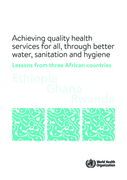
Lessons from three African Countries.
Achieving Health for All, and in particular universal health coverage (UHC), will not happen without fully f
...
unctioning basic water, sanitation and hygiene (WASH) services in all health care facilities. Such services are needed to provide quality care, ensure adherence to infection prevention and control (IPC) norms and standards and guarantee that facilities are able to provide environments that respect the dignity and human rights of all care seekers, especially mothers, newborns and children. WHO undertook a series of national situational analyses in three countries (Ghana, Ethiopia and Rwanda) to understand current barriers to change, accountability structures and measures to strengthen WASH in health care facilities and more broadly, the quality of health service delivery.
more
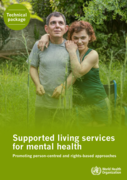
The WHO Guidance on community mental health services: Promoting person-centred and rights-based approaches document is part of the WHO Guidance and technical packages on community mental health serv
...
ices set of publications. It provides a detailed description of person-centred and human rights-based approaches in mental health, and summary examples of good practice services around the world. It describes the linkages needed with housing, education, employment and social protection sectors, and presents examples of integrated regional and national networks of community-based mental health services. Specific recommendations and action steps are presented for developing community mental health services that respect human rights and focus on recovery. This comprehensive document is accompanied by a set of seven technical packages focused on specific categories of mental health services and guidance for setting up new services.
The WHO Guidance on community mental health services: Promoting person-centred and rights-based approaches is a set of publications that provides information and support to all stakeholders who wish to develop or transform their mental health system and services to align with international human rights standards including the UN Convention on the Rights of Persons with Disabilities.
more

An estimated 1.3 billion people – or 16% of global population worldwide – experience a significant disability today. Persons with disabilities have the right to the highest attainable standard of health as those without disabilities. However, th
...
e WHO Global report on health equity for persons with disabilities demonstrates that while some progress has been made in recent years, the world is still far from realizing this right for many persons with disabilities who continue to die earlier, have poorer health, and experience more limitations in everyday functioning than others. These poor health outcomes are due to unfair conditions faced by persons with disabilities in all facets of life, including in the health system itself. Countries have an obligation under international human rights law to address the health inequities faced by persons with disabilities. Furthermore, the Sustainable Development Goals and global health priorities will not progress without ensuring health for all.
more

Every year, an estimated 15 million babies are born preterm – before 37 weeks of pregnancy. That is more than 1 in 10 live births. Approximately 1 million children die each year worldwide due to complications from their early birth. Those that survive often face a lifetime of ill-
...
health including disability, learning difficulties, and visual and hearing problems.
Half of the babies born at or below 32 weeks (2 months early) die in low-income settings, due to a lack of feasible, cost-effective care, such as warmth, breastfeeding support, and basic care for infections and breathing difficulties. In high-income countries, almost all these babies survive.
more
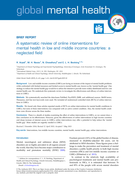
Glob Ment Health (Camb). 2015; 2: e12. Published online 2015 Jul 14. doi: 10.1017/gmh.2015.10
Low and middle income countries (LMICs) are facing an increase of the impact of mental health problem
...
s while confronted with limited resources and limited access to mental health care, known as the ‘mental health gap’. One strategy to reduce the mental health gap would be to utilize the internet to provide more widely-distributed and low cost mental health care. We undertook this systematic review to investigate the effectiveness and efficacy of online interventions in LMICs.
more
Neonatal mortality is a major challenge in reducing child mortality rates in Nepal. Despite efforts by the Government of Nepal, data from the last three demographic and health surveys show a rise in the contribution of neonatal deaths to infant and
...
child mortality. The Government of Nepal has implemented community-based programs that were piloted and then scaled up based on lessons learned. These programs include, but are not limited to ensuring safe motherhood, birth preparedness package, community-based newborn care package, and integrated management of childhood illnesses. Despite the implementation of such programs on a larger scale, their effective coverage is yet to be achieved. Health system challenges included an inadequate policy environment, funding gaps, inadequate procurement, and insufficient supplies of commodities, while human resource management has been found to be impeding service delivery. Such bottlenecks at policy, institutional and service delivery level need to be addressed incorporating health information in decision-making as well as working in partnership with communities to facilitate the utilization of available services.
more
This compendium collates current tools and resources on quality improvement developed by the WHO Service Delivery and Safety Department and provides examples of how the tools and resources have been
...
applied in country settings. The target audience for this document are ministries of health, facility quality improvement teams, researchers and development agencies. WHO technical programmes, regional and country offices can also use the document in their technical cooperation work with the identified audience. Those working to improve the quality of health service delivery can also make good use of this resource
more
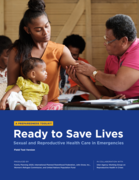
The purpose of the toolkit is to bring together existing learning and guidance as a starting point for stakeholders to begin SRH preparedness work. Within the SRH sector the field of preparedness is relatively new and growing. More collective effort
...
is required to further evaluate the impact of preparedness efforts and push the field forward. This effort is a first attempt at a draft guidance for SRH preparedness, and is intended for field testing. The toolkit recognizes the longstanding work of the field of emergency and disaster risk management, and endeavors to bridge that work with the human rights-oriented and peoplecentered field of sexual and reproductive health.
more
Strategic communication is at the heart of public health and more important than ever in the digital age. Using communication strategically requires expertise, skills and resources to plan, implemen
...
t and evaluate interventions that encourage governments to implement policies that improve people’s lives and well-being, that empower health workers to deliver the best care possible, and that encourage people to take actions that protect and improve their health and that of their family and community. This Regional Action Framework on Communication for Health (C4H) aims to support Member States in implementing the C4H approach. It outlines steps to be taken by WHO and Member States to use C4H to achieve shared public health goals in the Western Pacific.
more
2nd edition. This new edition provides policy-makers, programme managers and health-service providers with the latest evidence-based guidance on clinical care. It includes information on how to establish and strengthen services, and outlines a
...
human-rights-based approach to laws and policies on safe, comprehensive abortion care. This guidelines is available in English; French, Spanish; Japanese; Russian; Portuguese; Romanian and Ukrainian
more
Person-centred recovery planning for mental health and well-being: self-help tool: WHO QualityRights
Ensuring mental health and well-being has become a worldwide imperative and an important target of the Sustainable Development Goals. But in all countries around the world, our response has been woefully insufficient, and we have made
little progre
...
ss to advance mental health as a fundamental human right.
One in ten people are affected by a mental health condition, up to 200 million people have an intellectual disability and an estimated 50 million people have dementia. Many persons with mental health conditions, or psychosocial, intellectual, or cognitive disabilities lack access to quality mental health services that respond to their needs and respect their rights and dignity.
more
The key updates include: content update in various sections based on new evidence; design changes for enhanced usability; a streamlined and simplified clinical assessment that includes an algorithm for
...
follow-up; inclusion of two new modules
- Essential Care and Practice that includes general guidelines and Iminterventions and implementation module to support the proposed interventions by necessary infrastructure and resources; and, revised modules for Psychoses, Child and Adolescent Mental and Behavioural Disorders and Disorders due to Substance Use
more
Stronger collaboration, better health: global action plan for healthy lives and well-being for all
recommended
The overall objective of the Global Action Plan is to enhance collaboration among 12 global organizations engaged in health, development and humanitarian responses to accelerate country progress on the hea
...
lth-related SDG targets. The Plan presents a new approach to strengthening collaboration among and joint action by the organizations, building on an initial joint commitment made in October 2018. The Plan is primarily intended to be strategic but provides some operational detail to guide implementation while also allowing flexibility for adjustment based on regular reviews of progress and learning from experience. Although the purpose of the Global Action Plan is not to provide or seek additional resources, the Plan will enable better use of existing resources as a result of improved collaboration, recognizing that each agency has its own unique mandate and area of expertise.
more

This Interim Guidance outlines how key public health and social measures needed to reduce the risk of COVID-19 spread and the impact of the disease can be adapted for use in low capacity and humanit
...
arian settings. The recommendations outlined here need to be adjusted to the scale of transmission, context and resources, in order to achieve the objective of managing COVID-19, namely to reduce transmission and facilitate the detection and management of infected and exposed individuals within the population. The Guidance is intended for humanitarian and development actors of all operational levels working with communities ocal authorities involved in COVID-19 preparedness and response operations in these settings, in support of national and local governments and plans. Additional considerations for support to residents of urban informal settlements and slums are available in Annex 1.
more
Fully functioning water, sanitation, hygiene (WASH) and health care waste management services are a critical aspect of infection prevention and control (IPC) practices, and ensuring patient safety and quality of care. Such services are also essentia
...
l for creating an environment that supports the dignity and human rights of all care seekers, especially mothers, newborns, children and care providers.
WASH and waste services are also critical for preventing and effectively responding to disease outbreaks. The COVID-19 pandemic has exposed gaps in these basic services (Box 1). These gaps threaten the safety of patients and caregivers, and have environmental consequences, especially as a result of large increases in plastic health care waste. In short, WASH is a critical foundation for improving quality across the health system (1).
Many facilities lack plans and budgets for WASH, which has impacts on IPC. This lack of services, and of systems to improve them, compromises the ability to provide safe and quality care, and places health care providers and those seeking care at substantial risk of infection and loss of dignity. Unhygienic health care facilities without drinking water or functional toilets are also a disincentive to seeking care and undermine staff morale – these factors can have a critical impact on controlling infectious disease outbreaks.
Climate change and its impacts on WASH and health services, gender-specific needs, and equity in service provision and management all require rigorous attention, adaptable tools and regular monitoring.
more
The Health Literacy Toolkit For Low- and Middle-Income Countries
Sarity Dodson, Suvajee Good and Richard Osborne
World Health Organization - Regional Office South-East Asia
(2015)
A series of information sheets to help empower communities and strengthen health systems
This series of information sheets introduces health literacy, its
relevance to public policy, and the way
...
s it can be used to inform
the promotion of good health, the prevention and management
of communicable and noncommunicable diseases, and the
reduction of health inequities. It provides information and links
to further resources to assist organizations and governments
to incorporate health literacy responses into practice, service
delivery systems, and policy.
more
Global Sexual and Reproductive Health Service Package for Men and Adolescent Boys
IPPF, UNFPA
(2017)
The Global Sexual and Reproductive Health Service Package for Men and Adolescent Boys has been developed to support providers of sexual and reproductive h
...
ealth (SRH) services to increase the range and quality of services to meet the specific and diverse needs of men and adolescent boys. This package focuses specifically on the provision of such services integrated
within clinical and non-clinical contexts and follows a gender-transformative approach. It covers men and adolescent boys in all their diversity and takes a positive approach to SRH, seeing this not just as the absence of disease, but the positive expression of one’s gender, sex and sexuality. In doing so, this service package contributes to efforts to ensure universal access to sexual and reproductive health and rights (SRHR) as prioritized in the Sustainable Development Goals. This package is in no way intended to detract from the sexual and reproductive health and rights of women and adolescent girls, nor to divert resources, funding or attention from much-needed SRH services and programmes for women and adolescent girls.
more
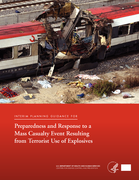
The purpose of this interim guidance is to provide information and insight to assist public policy and
health system leaders in preparing for and responding to an MCE caused by terrorist use of exp
...
losives
(TUE). This document provides practical information to promote comprehensive mass casualty care
in the event of a TUE event and focuses on two areas:
1. leadership in preparing for and responding to a TUE event, and
2. effective care of patients in the prehospital and hospital environments during a TUE event.
more
Healthy communities rely on well-functioning ecosystems. They provide clean air, fresh water, medicines and food security. They also limit disease and stabilize the climate. But biodiversity loss is happening at unprecedented rates, impacting human
...
health worldwide, according to a new state of knowledge review of the Convention on Biological Diversity (CBD) and WHO.
The report synthesizes the available information on the most important inter-linkages between biodiversity, ecosystem stability, and epidemic infectious diseases such as the Ebola virus; and the connection between biodiversity, nutritional diversity and health. It also covers the potential benefits of closer partnerships between conservation and health, from improved surveillance of infectious diseases in wildlife and human populations, to promoting access to green spaces to promote physical activity and mental health. It also highlights the many areas in which further research is needed.
The Joint report hopes to provide a useful reference for the Sustainable Development Goals and post-2015 development agenda, which represents an unique opportunity to promote integrated approaches to biodiversity and health by highlighting that biodiversity contributes to human well-being, and highlighting that biodiversity needs protection for development to be sustainable.
more
This manual is to assist health care providers and laboratory scientists to diagnose mycobacterium ulcerans disease (Buruli ulcer). The manual aims to achieve a better understanding of the clinical presentation and its diagnosis. The methods describ
...
ed are tailored to various levels of care and available resources to improve the diagnosis and surveillance of the disease.
more
The Lancet Countdown is an international collaboration that independently monitors the health consequences of a changing climate. Publishing updated, new, and improved indicators each year, the Lancet Countdown represents the
consensus of leading
...
researchers from 43 academic institutions and UN agencies. The 44 indicators of this report expose an unabated rise in the health impacts of
climate change and the current health consequences of the delayed and inconsistent response of countries around the globe—providing a clear imperative for accelerated action that puts the health of people and planet above all else.The 2021 report coincides with the UN Framework Convention on Climate Change 26th Conference of the Parties (COP26), at which countries are facing pressure to realise the ambition of the Paris Agreement to keep the global average temperature rise to 1·5°C and to
mobilise the financial resources required for all countries to have an effective climate response. These negotiations unfold in the context of the COVID-19 pandemic—a global health crisis that has claimed millions of lives, affected livelihoods and communities around the globe, and exposed deep fissures and inequities in the world’s capacity to cope with, and respond to, health emergencies. Yet, in its response to both crises, the world is faced with an unprecedented opportunity to ensure a healthy future for all.
more
This checklist is intended to heighten the awareness and sensitivity of personnel to the importance of cultural diversity and cultural competence in human service settings. It provides concrete examples to demonstrate values and engage in practices
...
that promote a culturally diverse and culturally competent service delivery system fo rchildren with disabilities or special health care needs and their families.
more
The Federal Ministry of Health (FMOH) has been coordinating sector wide reforms that aim to improve equity and quality of maternal and child health services. As part of these efforts,
...
the ministry is also exerting concerted efforts to improve availability and use of quality RMNCH pharmaceuticals. Management of RMNCH pharmaceuticals has had significant challenges such as poor availability of essential pharmaceuticals and wastages of valuable resources as pharmacy professionals were not demonstrating the required knowledge, skill and attitude towards availing the pharmaceuticals and ensuring their rational medicine use.
more
Buruli ulcer : management of Mycobacterium ulcerans disease : a manual for health care providers
recommended
This manual is addressed to health care providers dealing with Mycobacterium ulcerans disease (Buruli ulcer). The manual aims to achieve a better understanding of the disease, its clinical presentation and its surgical management. The manual is aime
...
d particularly at district health care providers. A comprehensive protocol, adapted to each form and stage of the disease, is presented together with comments on the levels of resources and capabilities necessary
to shorten the length of treatment, to prevent complications and to minimize undesired sequelae and thus to obtain the best possible outcome for each patient. Some sections include advice relevant to surgeons (e.g. relating to bone infection). However, the level to which particular comments are intended to apply should be clear from the context.
more
As countries commit to achieving universal health coverage, it is imperative to ensure that the design and delivery of palliative care services place attention on quality of care, with action needed across all domains of quality
...
health services: effectiveness, safety, people-centredness, timeliness, equity, integration and efficiency. Providing compassionate, dignified and people-centred palliative care is an ethical responsibility of health systems.
This document provides a practical resource to support implementation of sustainable improvements in the quality of palliative care. It describes approaches to quality policy, strategy and planning for palliative care programmes and services, presents learning on quality of care arising from palliative care programmes, and offers considerations on measurement of quality palliative care services at all levels of the health system. The document also highlights relevant WHO resources available that further support the development of quality palliative care services.
The audience for this document is a general one that includes policy-makers, palliative care service planners, managers, practitioners and health care providers at all levels.
more
The Quadripartite Organizations – the Food and Agriculture Organization of the United Nations (FAO), the United Nations Environment Programme (UNEP), the World Organisation for Animal Health (WOAH
...
, founded as OIE), and the World Health Organization (WHO) – collaborate to drive the change and transformation required to mitigate the impact of current and future health challenges at the human–animal– plant–environment interface at global, regional and country level.
more
Wet markets have been implicated in multiple zoonotic outbreaks, including COVID-19. They are also a conduit for legal and illegal trade in wildlife, which threatens thousands of species. Yet wet markets supply food to millions of people around the
...
world, and differ drastically in their physical composition, the goods they sell, and the subsequent risks they pose. As such, policy makers need to know how to target their actions to efficiently safeguard human health and biodiversity without depriving people of ready access to food.
more
"Patient decontamination principles are set forth here from a strategic perspective, rather than a tactical
one. The principles are meant to guide, but not specify, operational practices. The guidance is evidencebased
to the extent possible and the supporting evidence is documented and briefly dis
...
cussed."
more
The publication provides an overview and analysis of international instruments that set standards related to the use of antimicrobials across the human, animal and plant sectors, and their release into the environment. The purpose of the document is
...
to identify existing instruments and standards in order to guide both their implementation and to inform discussions and direction for future international instruments related to antimicrobial use.
more
A summary of health effects, resources, and adaptation examples from health departments funded by CDC’s Climate and
...
Health Program
more
This report recounts the experiences of 27 physicians and other health workers in Syria (all but two of them Syrian) who struggle to provide trauma care and health services to a population under ass
...
ault.
more
Guidelines for social mobilization
TB and poverty; TB and children; TB and women; TB, migrants and refugees; TB and prisons
WHO/CDS/STB/2001.9
Original: English; Distribution: Limited

The aim of these Guidelines is to provide a framework for the conservation and sustainable use of plants in medicine. To do this, the Guidelines describe the various tasks that should be carried out to ensure that where medicinal plants are taken fr
...
om the wild, they are taken on a basis that is sustainable.
The Guidelines conform to the principles of Caring for the Earth, prepared in partnership by IUCN, UNEP and WWF. Caring for the Earth extends the message and scope of the World Conservation Strategy to an ethic of sustainable living, and explains how to integrate conservation with development. Its message is particularly relevant to the issue of medicinal plants, which in many parts of the world are being seriously depleted due to over-exploitation and loss of habitats, resulting in a lack of essential medicines and so reducing options for the future. more
The Guidelines conform to the principles of Caring for the Earth, prepared in partnership by IUCN, UNEP and WWF. Caring for the Earth extends the message and scope of the World Conservation Strategy to an ethic of sustainable living, and explains how to integrate conservation with development. Its message is particularly relevant to the issue of medicinal plants, which in many parts of the world are being seriously depleted due to over-exploitation and loss of habitats, resulting in a lack of essential medicines and so reducing options for the future. more
The most significant finding of the case study for integrating antimicrobial resistance (AMR)into existing programs and mobilising resources fo
...
r funding in Nigeria, is that most of the AMR activities within the Nigerian National Action Plan (NAP)canalready be incorporated within existing programs of the Federal Ministry of Health (FMOH), Federal Ministry of Agriculture and Rural Development (FMARD) and their agencies or institutes. Certain programs and initiatives already have an AMR element incorporated or could,with little effort,include some additional AMR actions, however much is already being planned and has started with existing federal funding and existing staffing and other resources including development partner support and is being driven by significant political will from the ministries as well as implementation support from the Nigerian Centers for Disease Control as the focal point.
more
This training module is designed to equip health workers (HWs) with
knowledge, skills, confidence and resources to help them in their role to recommend the
...
Human Papillomavirus
(HPV) vaccine.
more
The Contingency Fund for Emergencies (CFE) provides WHO with rapid and flexible resources to respond to disease outbreaks and other health emergenc
...
ies. The annual report provides an overview of the use and impact of the Fund over the previous year.
more
Downloaded free from http://www.j-hhr.org on Monday, March 06, 20
Journal of HIV and Human Reproduction: Year : 2015, volume : 3, Issue : 2, Page : 47-55

Introduction to HIV, AIDS and Sexually Transmitted Infection Surveillance - Surveillance of Most-At-Risk Populations (MARPS)
United States Department of Health and Human Services; Centers for Disease Control and Prevention (HHS-CDC); Global AIDS Program (GAP); et al.
United States Department of Health and Human Services; Centers for Disease Control and Prevention (HHS-CDC); Global AIDS Program (GAP); et al.
(2012)
C2
Participant Manual September 2012
Surveillance of Populations at High Risk for HIV Transmission
The COVID-19 pandemic has been a formative experience for all humanity and a health emergency of global proportions, presenting a huge challenge to national leaders,
...
health systems, and citizens. The findings of a new report by the OSCE Office for Democratic Institutions and Human Rights (ODIHR) shows that it has also been a test to our democracies and the respect for human rights to which countries across the OSCE committed many years ago.
more
Infectious disease outbreaks are periods of
great uncertainty. Events unfold, resources
and capacities that are often limited
are stretched yet further, and decisions
for a public
...
health response must be
made quickly, even though the evidence
for decision-making may be scant. In
such a situation, public health officials,
policy-makers, funders, researchers, field
epidemiologists, first responders, national
ethics boards, health-care workers, and public
health practitioners need a moral compass
to guide them in their decision-making.
more
In emergency or humanitarian settings, mobile clinics are used to bring essential lifesaving health care to communities affected by crises. Though there are standard emergency benefit packages for
...
health services during emergencies, there are however no agreed or standard way of running mobile clinics in such settings. Drawing on the experiences of running mobile clinics in the NWSW and relevant literature, this manual provides a practical example of how to set up and run a mobile clinic in an African humanitarian setting in hard to reach communities with limited resources.
more
Energy use in the home is a vital and ubiquitous feature of human society. Energy
is used for a wide variety of purposes, including cooking, space heating, light-
ing, small-scale income generatio
...
n, various household tasks, and entertainment.
more
In the mid-1980s, recognizing the limitations of traditional training and that the knowledge and skills acquired are not necessarily applied back in the workplace, MSH developed the Monitoring‐Training-Planning (MTP) approach to assist the Ecuadorian Ministry of
...
Health to implement its Child Survival Program. Using the MTP approach, staff me
mbers learn to mobilize their own resources and to improve, incrementally, the management of medicines and other pharmaceuticals at their own facility.
more
Senegal private health sector assessment: Selected health products and services
Brunner B., J. Barnes, A. Carmona et. al.
United States Agency for International Development
(2016)
C2
SHOPS and HIA finalized a scope of work with USAID Senegal in April 2015, and a team of five private sector experts conducted the onsite assessments between May and June 2015. The Private Sector Assessment (PSA) team worked closely with Senegalese key stakeholders throughout the process. The PSA tea
...
m interviewed more than120 individuals from approximately 78 organizations, including the government of Senegal (GOS), donors, USAID implementing partners, private sector umbrella organizations, private insurance companies, faith-based organizations (FBOs), nongovernmental organizations (NGOs), private health care facilities, and private pharmacies.
Through stakeholder interviews and review of government reports and online resources, the assessment team noted the following findings by theme.
more
The objectives of NAP are aligned with the global action plan based on national needs and priorities. The emphasis is on One Health approach with all sectors especially human
...
health, animal health and environment contributing towards minimizing the emergence and impact of AMR in Jordan.
more
This study has two broad objectives. Thefirst objective was to assess the financialsustainability of CBHI schemes, focusing on schemes that have been operational for more than twoyears. The first componentprovidesquantitative descriptions of enrollm
...
ent, utilization, and financial solvency of CBHI schemes over time.The second objective ofthe assessment was to provide in-depth descriptions of institutional structures, human resource capacity, engagement and commitment of key stakeholders, and community and member engagement byCBHI schemesthat drive or constrain sustainability of CBHI schemes.
more
The ethical governance of research assumes the existence of a national entity (or subnational if applicable, according to the constitution of a country) in charge of supervising the research ethics committees (RECs) that review and monitor research with hu
...
man beings. This supervision includes the accreditation of the RECs that authorize them to operate in the jurisdiction in question. This tool has the objective of facilitating the work of accreditation of RECs and ensuring that it is carried out in accordance with international ethical standards.
more
For several decades, civil society organisations (CSOs) in Nigeria have been advocating for increased resources
...
for family planning (FP) and reproductive health (RH) services and commodities. To help CSOs in Nigeria understand and actively participate in the budget process at the state level, a team from the Health Policy Project conducted an assessment to identify the differences between theory and practice in state-level budgeting. The team selected two states—Cross River and Zamfara—and compiled information on their budget process for the health sector.
more
ECDC launched the HEPSA (Health Emergency Preparedness Self-Assessment) tool, in order to support countries in improving their level of public health emergency preparedness. The tool is worksheet-ba
...
sed and is targeted at professionals in public health organisations responsible for emergency planning and event management. It consists of seven domains that define the process of public health emergency preparedness and response: 1) Pre-event preparations and governance; 2) Resources: Trained workforce; 3) Support capacity: Surveillance; 4) Support capacity: Risk assessment; 5) Event response management; 6) Post-event review; 7) Implementation of lessons learned.
more
Over the past two decades, Afghanistan has depended on international donor support to fund essential services like health care. But this donor support has been falling for years and will likely to c
...
ontinue do so—perhaps precipitously—following the announcement by United States President Joe Biden that the US will withdraw all US forces from Afghanistan by September 11, 2021. This decline in funding has already had a harmful—and life-threatening—impact on the lives of many Afghan women and girls, as it affects access to, and quality of, health care.
more
Mpox continues to affect people around the world. A new framework released today by WHO will guide health authorities, communities and other stakeholders in preventing and controlling mpox outbreaks, eliminating
...
human-to-human transmission of the disease, and reducing spillover of the virus from animals to humans.
Mpox is a viral illness caused by the monkeypox virus (MPXV). It can cause a painful rash, enlarged lymph nodes and fever. Most people fully recover, but some get very sick. The virus transmits from person to person through close, including sexual, contact. It also has animal reservoirs in east, central and west Africa, where spillovers from animals to humans can occasionally occur, sparking further outbreaks.
There are two different clades of the virus: clade I and clade II. Clade I outbreaks are deadlier than clade II outbreaks.
A major emergence of mpox linked to clade II began in 2017, and since 2022, has spread to all regions of the world. Between July 2022 and May 2023, the outbreak was declared a Public Health Emergency of International Concern. While that outbreak has largely subsided, cases and deaths continue to be reported today, illustrating that low-level transmission continues around the world.
Currently, there is also a major outbreak of clade I virus in the Democratic Republic of the Congo (DRC), where cases have been on the rise for decades. Since the beginning of the year, over 6500 cases and 345 deaths have been reported in the DRC. Almost half of these are among children under the age of 15 years.
The Strategic framework for enhancing prevention and control of mpox (2024–2027) provides a roadmap for health authorities, communities, and stakeholders worldwide to control mpox outbreaks in every context, advance mpox research and access to countermeasures, and to minimize zoonotic transmission.
more
NSW Disaster Mental Health Handbook 5
The Disaster Mental Health Manual and associated handbooks are intended as a resource for mental
...
health staff who are seeking background information and practical guidance and resources to assist in a disaster mental health response.
more
The Event-based Surveillance Framework is intended to be used by authorities and agencies responsible for
surveillance and response. This framework serves as an outline to guide stakeholders interested in implementing
event-based surveillance (E
...
BS) using a multisectoral, One Health approach. To that end, the document is arranged
in interlinked chapters and annexes that can be modified and adapted, as needed, by users.
This is a revised version of the original “Framework for Event-based Surveillance” that was published in 2018. This
framework does not replace any other available EBS materials, but rather builds on existing relevant or related
documents and serves as a practical guide for the implementation of EBS in Africa. This framework is aligned with
the third edition of the WHO Joint External Evaluation for the following indicators: strengthened early warning
surveillance systems that are able to detect events of significance for public health and health security (Indicator
D2.1); improved communication and collaboration across sectors and between National, intermediate and local
public health response levels of authority regarding surveillance of events of public health significance (Indicator
D2.2); and improved national and intermediate-level capacity to analyse data (Indicator D2.3). As countries begin
to implement and demonstrate EBS functionality they will ensure an increase in JEE scores and progress towards
meeting the requirements outlined in the IHR3F
Additionally, in African Union Member States that have adopted the Integrated Disease Surveillance and
Response (IDSR) strategy, this document is a complement to and can enhance the implementation of IDSR,
especially for the 3rd edition (2019) that includes components related to EBS.
more
Coordinated Use of Anthelminthic Drugs in Control Interventions: a Manual for Health Professionals and Programme Managers
Antibiotic stewardship refers to coordinated efforts and activities that seek to measure and improve use of antibiotics. Implementation of ASPs has demonstrated positive public health and clinical impacts including reducing costs, lengths of hospita
...
l stays, and the burden of antibiotic resistance while maintaining or improving patient outcomes. The U.S. Centers for Disease Control and Prevention (CDC) released the Core Elements of Hospital Antibiotic Stewardship Programs in 2014, which outlines essential components for ASPs in hospitals and provides practical guidance for implementing a robust ASPin an acute care facility. Variations to the Core Elements have been developed to deal with the particular challenges in small, rural or critical access hospitals in the United States and in outpatient facilities and nursing homes.
more
Several countries have demonstrated that COVID-19 transmission from one person to another can be slowed or stopped. This document has been prepared based on the evidence currently available about Coronavirus disease 2019 (COVID-19) transmission (human
...
-to-human transmission primarily via respiratory droplets from, or direct contact with, an infected person), and is designed to ensure that the accommodation sector can protect the health of its staff and clients.
more
These guidelines for the prevention and management of cardiovascular diseases are a critical ingredient for streamlining care across the entire he
...
alth services provision continuum. They are a strategic component in achieving universal health coverage, securing affordable health care and improving the livelihood of all Kenyans which in turn will guarantee a healthy nation working towards sustainable development and prosperity.These guidelines bring to the fore the need for availability of skilled human resource, sustained adequate funding and partnership building at all levels of governance. It provides clear roles for health workers at the different levels of our devolved system which will ensure a harmonized referral system with basic cardiovascular diseases treatment services available closest to the people while decongesting the county and national referral facilities.
more
The goal of the global outbreak response for monkeypox is to stop human-to-human transmission of monkeypox, with a priority focus on communities at
...
high risk of exposure which may differ according to context, and to effectively use strong public health measures to prevent onward spread of the disease. Judicious use of vaccines can support this response. This interim guidance, developed with the advice and support of the Strategic Advisory Group of Experts (SAGE) Working Group on smallpox and monkeypox vaccines, provides the first WHO recommendations on vaccines and immunization for monkeypox. Key points follow.
more
The Interim Guidance for Risk Communication and Community Engagement (RCCE) outlines recommendations, considerations and methods to raise awareness, manage risk perception, maintain trust and proactively support people at risk to make informed decis
...
ions to protect themselves and others from monkeypox. The guidance includes recommendations on identifying and communicating with affected populations and key audiences and avoiding stigma in communications outreach. It also includes key messages about symptoms of monkeypox, transmission, prevention measures, and communicating about uncertainty. This document also provides RCCE guidance for managers and planners of gatherings and events, where close physical contact may create an environment conducive for the transmission of monkeypox. Additionally, this document includes a compendium of recommendations for RCCE methods and resources to support the monkeypox response.
more
For thousands of years, humans have been using wildlife for commercial and subsistence purposes. Wildlife trade takes place at local, national and international levels, with different forms of wildl
...
ife, such as live animals, partly processed products and finished products. Wildlife is a vital source of safe and nutritious food, clothing, medicine, and other products, in addition to having religious and cultural value. Wildlife trade also contributes to livelihoods, income generation and overall economic development.
However, wildlife trade can have detrimental effects on species conservation, depleting natural resources, impoverishing biodiversity and degrading ecosystems (Morton et al., 2021). Wildlife trade, whether legal or illegal, regulated or unregulated, can pose threats to animal health and welfare. It also presents opportunities for zoonotic pathogens to spill over between wildlife and domestic animals, and for diseases to emerge with serious consequences for public or animal health and profound economic impacts (IPBES, 2020; Swift et al., 2007; Smith et al., 2009; Gortazar et al., 2014; Stephen, 2021; Stephen et al., 2022; FAO, 2020). The risk of pathogen spillover and disease emergence is amplified with increased interaction between humans, wildlife and domestic animals. The risk of pathogen spillover has also been exacerbated by climate change, intensified agriculture and livestock production, deforestation, and other land-use changes. Wildlife trade is also a risk to ecosystem biodiversity via the introduction of invasive species (Wikramanayake et al., 2021). Therefore, increased effort must be put into understanding the potential consequences of the wildlife trade, mapping and analysing the adjacent risks, and implementing strategies to manage those risks. Reducing wildlife-trade risks not only helps to limit disease but also minimises the negative effects of invasive species. Between 1960 and 2021, invasive alien species caused estimated cumulative damage of around 116 billion euros across 39 countries in the European Union alone, despite strict import regulations (Haubrock et al., 2021). The effect of invasive species is extremely apparent.
more
Countries across the world are facing diverse epidemiological situations with varying response
capacities and access to life saving tools. The World Health Organization (WHO) recommends that national authorities continue to apply a risk-based appr
...
oach when implementing measures related to COVID-19 and international travel while respecting the dignity, human rights and fundamental freedoms of travellers. This approach should consider the risk posed by travel for the importation and exportation of cases in the context of the evolving epidemiology, including the emergence and circulation of virus variants of concern; the expansion of the COVID-19 vaccination roll-out; and lessons learned while responding to the pandemic, including on the early detection and management of cases and the application of public health and social measures.
more
The aim of the pandemic preparedness checklist is primarily to provide an outline of the essential minimum elements of preparedness, as well as elements of preparedness that are considered desirable. It is recommended that responsible authorities or institutes in countries that are in the process of
...
planning should consider the specific aspects of the checklist for which they are responsible. The Checkllist is available in English, Japanese, Russian and Arabic from the website http://www.who.int/influenza/resources/documents/checklist/en/
more

This toolkit for integrated vector management (IVM) is designed to help national and regional programme managers coordinate across sectors to design and run large IVM programmes.
The toolkit provides the technical detail required to plan, imple ... ment, monitor and evaluate an IVM approach. IVM can be used when the aim is to control or eliminate vector-borne diseases and can also contribute to insecticide resistance management. This toolkit provides information on where vector-borne diseases are endemic and what interventions should be used, presenting case studies on IVM as well as relevant guidance documents for reference.
The diseases that are the focus of this toolkit are malaria, lymphatic filariasis, dengue, leishmaniasis, onchocerciasis, human African trypanosomiasis and schistosomiasis. It also includes information on other viral diseases (Rift Valley fever, West Nile fever, Chikungunya, yellow fever) and trachoma. If other vector-borne diseases appear in a country or area, vector control with an IVM approach should be adopted, as per national priorities. more
The toolkit provides the technical detail required to plan, imple ... ment, monitor and evaluate an IVM approach. IVM can be used when the aim is to control or eliminate vector-borne diseases and can also contribute to insecticide resistance management. This toolkit provides information on where vector-borne diseases are endemic and what interventions should be used, presenting case studies on IVM as well as relevant guidance documents for reference.
The diseases that are the focus of this toolkit are malaria, lymphatic filariasis, dengue, leishmaniasis, onchocerciasis, human African trypanosomiasis and schistosomiasis. It also includes information on other viral diseases (Rift Valley fever, West Nile fever, Chikungunya, yellow fever) and trachoma. If other vector-borne diseases appear in a country or area, vector control with an IVM approach should be adopted, as per national priorities. more
The Agency for Toxic Substances and Disease Registry (ATSDR) has produced a three-volume series entitled Managing Hazardous Material Incidents. The series is designed to help emergency response and health
...
care professionals plan for and respond to hazardous material emergencies.
- Volume I Emergency Medical Services: A Planning Guide for the Management of Contaminated Patients
- Volume II Hospital Emergency Departments: A Planning Guide for the Management of Contaminated Patients
- Volume III Medical Management Guidelines for Acute Chemical Exposures
Volumes I and II are planning guides to assist first responders and hospital emergency department personnel in planning for incidents that involve hazardous materials.
Volume III is a guide for health care professionals who treat persons who have been exposed to hazardous materials.
more
Climate change, increasing population densities, and intensified globalisation in trade, travel and migration are among the most important factors shaping the 21st century. Each impacts upon population health and the risk of infectious disease, part
...
icularly those originating at the human-animal-environmental interface. The recognition that many risk drivers of infectious disease fall outside of the typical domain of the health sector creates the challenge of identifying and pursuing priorities for cross-sectoral action aimed at strengthening global health security. In response, the One Health concept has emerged, as have related initiatives addressing Planetary Health and Biodiversity and Human Health. From a public health perspective and operationally speaking, the One Health approach offers great potential, emphasising as it does cooperation and coordination between multiple sectors. Yet despite having been a focal point for discussion for over a decade, numerous challenges facing the implementation of One Health preparedness strategies remain. While some are technical, related to the requirement for innovative early warning systems or new vaccines, for example, others are institutional and cultural in nature, given the transdisciplinary nature of the topic. There have thus been calls to address One Health from multiple perspectives, from ecology to the social sciences. In order to further explore this issue and to identify priority areas for action for strengthening One Health preparedness in Europe, ECDC convened an expert consultation on 11–12 December 2017.
more
Glaucoma is a leading cause of irreversible blindness globally. In Malawi, glaucoma accounts for 15.8% of the blindness among people aged 50 years and above. Blindness from glaucoma is preventable with early detection and timely treatment. However,
...
glaucoma management remains a challenge to eye care providers due to its asymptomatic progression.
These guidelines inform eye care providers about the requirements for early detection of glaucoma, and the appropriate assessment and management of glaucoma patients. The guidelines also demonstrate the need for ophthalmologists to work with secondary-level eye care providers. With
glaucoma being a permanently blinding condition, it is vital to ensure that all eye care providers are adequately equipped with skills and resources for the early detection and management of glaucoma.
more
Financing Global Health 2017: Funding Universal Health Coverage and the Unfinished HIV/AIDS Agenda
Institute for Health Metrics and Evaluation (IHME)
Institute for Health Metrics and Evaluation (IHME)
(2018)
C2
In 2017, $37.4 billion of development assistance was provided to low- and middleincome countries to maintain or improve health. This amount is down slightly compared to 2016, and since 2010, development assistance
...
for health (DAH) has grown at an annualized rate of 1.0%. While global development assistance for health has seemingly leveled off, global health spending continues to climb, outpacing economic growth in many countries. Total health spending for 2015, the most recent year for which data are available, was estimated to be $9.7 trillion (95% uncertainty interval: 9.7–9.8)*, up 4.7% (3.9–5.6) from the prior year, and accounted for 10% of the world’s total economy. With some sources of health spending growing and other types remaining steady, and with major variations in spending from country to country, it is more important than ever to understand where resources for health come from, where they go, and how they align with health needs. This information is critical for planning and is a necessary catalyst for change as we aim to close the gap on the unfinished agenda of the Millennium Development Goals (MDGs) and move forward toward universal health coverage (UHC) in the Sustainable Development Goals (SDGs) era.
more

One Health Joint Plan of Action (2022-2026)
World Organisation for Animal Health
Food and Agriculture Organization of the United Nations; United Nations Enviroment Programme; Wolrd Health Organization; World Organisation for Animal Health
(2022)
C_WHO
The desired impact of the OH JPA is a world better able to prevent, predict, detect and
respond to health threats and improve the health of humans, animals, plants and the
environment while contri
...
buting to sustainable development. The OH JPA aims to work
towards this vision in the following way:
• Provide a framework for action and propose a set of activities the four organizations
can offer together to advance and sustainably scale up One Health.
• Provide upstream policy and legislative advice and technical assistance, to help
set national targets and priorities across the sectors for the development and
implementation of One Health legislation, initiatives and programmes.
• Take stock of existing cross-sectoral global and regional initiatives around One
Health, identify and advise on synergies and overlaps, and support coordination.
• Mobilize and make better use of resources across sectors, disciplines and
stakeholders.
• The OH JPA is guided by a theory of change and makes use of One Health principles
to strengthen collaboration, communication, capacity building and coordination
more
Formularies are lists of antibiotics that are suggested for certain healthcare settings. In developing a recommended formulary, countries should consider the needs of patients and facilities where they receive care.
...
For example, clinicians in rural or primary health centers may need wide access to first-line antibiotics (e.g., penicillin, ampicillin, TMP-SMX), but last resort antibiotics such as carbapenems or colistin might be limited to tertiary care hospitals. Efforts to create antibiotic formularies may be linked to efforts within countries to create or update essential medicine lists (EML).
more
2nd edition .
This Framework applies to the sharing of H5N1 and other influenza viruses with human pandemic potential and the sharing of benefits. This Framework does not apply to seasonal influenza viruses or other non-influenza pathogens or biolo
...
gical substances that may be contained in clinical specimens shared under this Framework
This second edition of the Pandemic Influenza Preparedness (PIP) Framework reflects an amendment to Annex 2, Standard Material Transfer Agreement 2, Footnote 1, that was adopted by the Seventy-second World Health Assembly in May 2019.The amendment clarifies that, under certain circumstances, the indirect use of PIP Biological Materials will require the conclusion of an SMTA2. The amendment is in effect from the closure of the Seventy-second World Health Assembly (28 May 2019).
more
This document brings to attention key health and human rights considerations with regards to COVID-19 pandemic. It highlights the importance of integrating a
...
human rights based approach in response to COVID-19. It provides key considerations in relation to addressing stigma and discrimination, prevention of violence against women, support for vulnerable populations; quarantine and restrictive measures and shortages of supplies and equipment. It also highlights human rights obligations with regards to global cooperation to address COVID-19.
more
Report of the WHO/Bill & Melinda Gates Foundation Consultation. The Consultation was organized back-to-back with the first annual meeting of the International Coordinating Group of the BMGF-funded project for
...
human and dog rabies elimination in developing countries, held at WHO headquarters, Geneva, Switzerland, from 5 to 7 October 2009. This allowed the Consultation to benefit from the participation of the national coordinators and advisers of the BMGF-funded projects in the Philippines, South Africa (KwaZulu-Natal) and the United Republic of Tanzania
more

Contact tracing is a key element of WHO’s recommended approach to control the spread of COVID-19 by breaking the chains of human-to-human transmission.
This document provides guidance to
...
health authorities at all levels to improve the success rate of contact tracing by informing efforts with RCCE principles, evidence and activities, and provides ready-to-use tools for professionals involved in contact-tracing efforts to inform their practices with RCCE principles and likewise improve their success rate.
more
Gambiense human African trypanosomiasis is a deadly infectious disease affecting West and Central Africa, South Sudan and Uganda, and transmitted between humans by tsetse flies. The disease has caused several major epidemics, the latest one in the 1
...
990s. Thanks to recent innovations such as rapid diagnostic tests for population screening, a single-dose oral treatment and a highly efficient vector control strategy, interruption of transmission of the causative parasite is now within reach. If indeed gHAT has an exclusively human reservoir, this could even result in eradication of the disease. Even if there were an animal reservoir, on the basis of epidemiological data, it plays a limited role. Maintaining adequate postelimination surveillance in known historic foci, using the newly developed tools, should be sufficient to prevent any future resurgence.
more
Combination file of all the documents related to the national guidelines for accreditation, supervision and regulation of ART clinics in India. Documents included:
National Guidelines for Accredit
...
ation, Supervision & Regulation of ART Clinics in India | Preliminary Pages | Corrigendum | Chapter 1 - Introduction, Brief history of ART and Requirement of ART Clinics | Chapter 2 - Screening of Patients for ART - Selection Criteria and Possible Complications | Chapter 3 - Code of Practice, Ethical Considerations and Legal Issues | Chapter 4 - Sample Consent Forms | Chapter 5 - Training | Chapter 6 - Future Research Prospects | Chapter 7 - Providing ART Services to the Economically Weaker Sections of the Society | Chapter 8 - Establishing a National Database for Human Infertility | Chapter 9 - Composition of the National Accreditation Committee | Bibliography
| Members of the Expert Group for Formulating the National Guidelines for Accredation, Supervision and Regulation of ART Clinics
more
Cervical cancer is the fourth most common cancer in women worldwide in 2018, with 570,000 new cases and 311,000 deaths occurring annually.T he highest incidence rates are in Southern Africa, Eastern Africa, SubSaharan Africa, Western Africa, Melanesia, and Middle Africa . It also ranks as the leadin
...
g cause of cancer-related death in most African countries. More than 85% of these deaths occur in low- and middle-income countries . In addition, women living with human immunodeficiency virus (HIV) are six times as likely to have cervical cancer
more

A case study of the role of an Essential Health Benefit in the delivery of integrated health services in Zambia
Luwabelwa, M.; Banda, P; Palale M.; Chama-Chiliba, C.
Regional Network for Equity in Health in east and southern Africa (EQUINET)
(2017)
C1
Regional Network for Equity in Health in east and southern Africa (EQUINET): Disussion Paper 111
The health services delivery system in Zambia ... is pyramid in structure, with primary healthcare (PHC) services at community level, at the base, followed by first and second level hospitals at district and provincial levels, respectively, and third level (tertiary) services at national level. Notably, primary health services are free in Zambia and health service providers are either governmentowned or not-for-profit facilities.
Over the years, resource constraints have affected the quality and extent of healthcare services at all levels, requiring the mobilisation of additional resources for the sector. In doing so, prioritisation was high on the agenda of health sector reform. The EHB, therefore, prioritises interventions with the highest impact on the population, enabling policy makers to revisit priority diseases and conditions and to cost the services provided at each level of facility. Other key issues in developing the EHB in Zambia have included the need to have cost-effective services and cost per capita of services for more systematic budgeting, to rank interventions and to validate and cost the health benefit package as a whole. more
The health services delivery system in Zambia ... is pyramid in structure, with primary healthcare (PHC) services at community level, at the base, followed by first and second level hospitals at district and provincial levels, respectively, and third level (tertiary) services at national level. Notably, primary health services are free in Zambia and health service providers are either governmentowned or not-for-profit facilities.
Over the years, resource constraints have affected the quality and extent of healthcare services at all levels, requiring the mobilisation of additional resources for the sector. In doing so, prioritisation was high on the agenda of health sector reform. The EHB, therefore, prioritises interventions with the highest impact on the population, enabling policy makers to revisit priority diseases and conditions and to cost the services provided at each level of facility. Other key issues in developing the EHB in Zambia have included the need to have cost-effective services and cost per capita of services for more systematic budgeting, to rank interventions and to validate and cost the health benefit package as a whole. more
This Plan envisions a future with the elimination of cervical cancer as a public health problem as a result of universal access to sexual health and STI prevention services, HPV vaccines, effective
...
screening and precancer treatment services, treatment of invasive cervical cancer, and palliative care. It foresees that all women and girls, regardless of age, race, ethnicity, socioeconomic status, HIV status, or disability will have timely access to quality cervical cancer prevention, care, and treatment so that they can live in good health throughout the life course and enjoy the health-related human rights.
The goal is to accelerate progress toward the elimination of cervical cancer as a public health problem in the Americas by reducing incidence and mortality rates by one-third by 2030.
more
The WHO Toolkit for the care and support of people affected by complications associated with Zika virus has been developed to serve as a model guide, with the goal of enhancing country preparedness for
...
Zika virus outbreaks. The toolkit is intended to provide a systems approach involving public health planners and managers so that the necessary infrastructure and resources can be identified and incorporated as needed, as well as technical and practical guidance for health care professionals and community workers.
The toolkit includes three manuals to provide countries with tools to effectively recognize people affected by Zika virus and deliver comprehensive care and support:
Manual for public health planners and managers
Manual for health care professionals
Manual for community workers
more
3rd edition. In 2001, Uganda adapted the Integrated Disease Surveillance and Response (IDSR) developed by World Health Organization (WHO) for member states in African region. The Ministry of
...
Health has been implementing the IDSR strategy since then with success across the country. This strategy provides the opportunity for rational use of resources and maximises investments in health surveillance systems. The 3rd edition IDSR guidelines incorporates lessons learnt from previous
epidemics, new frameworks like the Global Health Security Agenda (GHSA), One Health, Disaster Risk Management (DRM), the WHO regional strategy for health security and emergencies, and the rising non-communicable diseases, and aims to strengthen implementation of IHR (2005) core surveillance and response capacities. These guidelines have been adapted to reflect national priorities, policies and public health structures; and shall be used in conjunction with other similar
guidelines/strategies or initiatives.
Overall, the 3rd edition technical guidelines will incorporate the following:
• Strengthening Indicator Based Surveillance
• Strengthening Event Based Surveillance
• Improving community-based disease surveillance
• Improving Cross Border Surveillance and response
• Scaling up e-IDSR implementation
• Improving reporting and information sharing platforms
• Improved data sharing across sectors
• Tailoring IDSR to Emergency or Disaster contexts
The 3rd edition guidelines are intended for use as:
• A general reference for surveillance activities across all levels
• A set of definitions for thresholds that trigger some action for response
• A stand-alone reference for level-specific guidelines on surveillance and response
• A resource for developing training, supervision and evaluation of surveillance activities
• A guide for improving early detection and preparedness for outbreak response.
more
HIV and AIDS and the workplace - What you should know
CDC Center for Disease Control and Prevention (U.S. Department of Health and Human Services); BRT Business Responds to AIDS (Stopping AIDS is everyone's Business)
(2019)
C_CDC
Employees, Coworkers, and Supervisors
Accessed: 20.11.2019
The Government of India is embarking on a mammoth task to prevent COVID-19 spread among communities. The Rapid Evidence Synthesis team received a request to support the planning and development of resources
...
for ensuring preparedness of FLHWs for COVID-19 . The rapid evidence synthesis was conducted in a period of three days.
The findings highlight what we can learn from recent pandemics such that we are prepared for potential scenarios and challenges due to COVID-19. Key issues which decision-makers need to consider, based on available evidence
more
In collaboration with partners, the government of Ethiopia has successfully developed 10 years Hand Hygiene for All (HH4A) costed national roadmap- a country-wide approach to achieving sustainable and universal hand hygiene. On the occasion of the 2
...
022 Global Hand Washing Day event ( Ethiopia is celebrating the event for one month with different sessions), the national HH4A road map launched on the 4th of Nov 2022 in a high-level advocacy event in the presence of higher officials and partners. Action is set mainly on the need for a joint effort to mobilize resources for implementation, monitoring and documenting of lessons and best practices.
more

Consolidated guidelines on the Use of Antiretroviral Drugs for Treating and Preventing HIV Infection
recommended
2nd edition. These guidelines provide guidance on the diagnosis of human immunodeficiency virus (HIV) infection, the use of antiretroviral (ARV) drugs for treating and preventing HIV infection and t
...
he care of people living with HIV. They are structured along the continuum of HIV testing, prevention, treatment and care
more
لإسعافات الأولية النفسية: دليل العاملين في الميدان
This guide covers psychological first aid which involves humane, supportive and practical help to fellow human beings suffering serious crisis events. I
...
t is written for people in a position to help others who have experienced an extremely distressing event. It gives a framework for supporting people in ways that respect their dignity, culture and abilitiies.
more
Every year, nearly 250 million people move across borders temporarily or permanently for a job opportunity, studying, to flee a crisis back home, or for other reasons. Another 750 million move
...
for similar reasons within the borders of their countries. With the understanding that human mobility affects public health, and health affects human mobility and migrants, for decades, IOM has been providing critical health services to women, children and men on the move, while standing by governments for technical and operational support as needed. In 2019, in lower-income settings and in complex emergencies, along the world’s most perilous migration routes, in the aftermath of natural disasters or in response to disease outbreaks, IOM’s health teams have provided hundreds of thousands with primary health-care consultations, mental health and psychosocial support, sexual and reproductive health care, pre-migration health services, and much more.
This year, more than ever before, as the world reels from the socioeconomic impact of COVID-19, we have experienced that health is a cross-cutting component of overall human development and well-being.
more

Introduction to HIV, AIDS and STI Surveillance - HIV Clinical Staging and Case Reporting
United States Department of Health and Human Services; Centers for Disease Control and Prevention (HHS-CDC); Global AIDS Program (GAP); et al.
United States Department of Health and Human Services; Centers for Disease Control and Prevention (HHS-CDC); Global AIDS Program (GAP); et al.
(2009)
C2
Participant Manual September 2009

Behavioural Surveillance - Surveillance of HIV Risk Behaviours
United States Department of Health and Human Services; Centers for Disease Control and Prevention (HHS-CDC); Global AIDS Program (GAP); et al.
United States Department of Health and Human Services; Centers for Disease Control and Prevention (HHS-CDC); Global AIDS Program (GAP); et al.
(2009)
C2
Participant Manual
October 2009
Antimicrobial resistance is one of the most important threats to the health worldwide. Antimicrobial resistance or drug resistance is the reduction of the pharmaceutical effects of a drug against a disease or reduction of its effectiveness in improv
...
ing the clinical signs of a disease. Antimicrobial resistance occurs naturally but misuse of antibiotics in human and animals significantly accelerates the process of developing antimicrobial resistance. In fact, antimicrobial resistance refers to the resistance of a microorganism to one or more antimicrobial drugs which had been previously sensitive to these drugs. Antimicrobial resistance can occur in a wide variety of pathogens including bacteria, parasites, viruses, fungi, and cancer cells and may threaten the life of every person, in every age, and in every country
more
A lack of knowledge about the threat of vaccine-preventable diseases, risks and benefits of vaccines, mistrust of government and health workers, poor service delivery and alternative health or relig
...
ious beliefs play a role in lower uptake of some vaccines. These challenges underscore the importance of early integration and investment in a thoughtful communication plan for immunization programmes. This World Health Organization (WHO) report presents communication guidance and specific considerations for countries that plan to introduce human papillomavirus (HPV) vaccine into their national immunisation programme as part of an effort to prevent cervical cancer.
more
Psychological first aid: Guide for field workers
recommended
When terrible things happen in our communities, countries and the world, we want to reach out a helping hand to those who are affected. This guide covers
psychological first aid which involves humane, supportive and practical help to fellow human
...
beings suffering serious crisis events. It is written for people in a position to help others who have experienced an extremely distressing event. It gives a framework for supporting people in ways that respect their dignity, culture and abilities. Despite its name, psychological first aid covers both social and psychological support.
Available in various languages: http://www.who.int/mental_health/publications/guide_field_workers/en/
more
The core of the strategy is the goal for all patients to have better overall care, so that the numbers of deaths and cases of disability are reduced by 50% before 2030. For this to be achieved, fou
...
r strategic aims will be pursued.
Empower and engage communities,
Ensure safe, effective treatment,
Strengthen health systems, and
Increase partnerships, coordination and resources Strong collaboration
more
An overview of validation structures and responsibilities at national, regional and global levels.
This governance document supplements the global guidance document. Validation of elimination requires rigorous assessment at the national, regional and global levels of the impact and process indicato
...
rs and the fulfilment of the four foundational requirements for (1) data quality, (2) strong programmes, (3) laboratory quality and (4) human rights, gender equality and community engagement.
more
National emergency medical teams are the best option for providing immediate and appropriate surge response for emergencies directly affecting populations, while international teams may help relieve
...
overwhelmed health systems. The efficiency and effectiveness of countries and local authorities in mobilizing existing resources is only as good as the quality of care they are able to provide. This publication serves as a practical guide for teams and aims to compliment emergency response systems, fostering seamless collaboration with all emergency response actors and networks
more
Global guidance on criteria and processes for validation: elimination of mother-to-child transmission of HIV, syphilis and hepatitis B virus
EMTCT Global Validation Advisory Committee, Global HIV, Hepatitis and Sexually Transmitted Infections Programmes
World Health Organization WHO
(2021)
C_WHO
Validation of elimination of mother-to-child transmission, or vertical transmission, of HIV, syphilis and hepatitis B virus (HBV), is an attestation that a country has successfully met standard criteria for elimination, or
...
for being at 1 of the 3 levels of achievement on the ‘Path to Elimination’ while delivering quality services for women, girls and their children, through the life-course, respecting human rights and ensuring gender equality and community engagement.
This document, the third version, adds on EMTCT of hepatitis B virus (HBV), bringing together a package of interventions and metrics to support integrated management and monitoring of vertical transmission across a wide range of epidemiological and programmatic contexts.
This document, the third version, adds on EMTCT of hepatitis B virus (HBV), bringing together a package of interventions and metrics to support integrated management and monitoring of vertical transmission across a wide range of epidemiological and programmatic contexts.
more
WHO’s total revenue in 2020 was US$ 4299 million and total expenses were US$ 3561 million, resulting in a surplus of US$ 824 million, which includes finance revenue (e.g. interest and investment income) of US$ 86 million, representing increases of 38% and 15% in revenue and expenses respectively.
...
10. The financial statements report all the Organization’s revenue and expenses. The Organization’s operations are managed under three fund groups: (1) the General Fund, which supports the programme budget, (2) Member States – other, and (3) the Fiduciary Fund (Note 2.18 gives particulars of each of the funds). This segregation of resources facilitates clearer reporting of WHO’s revenues and expenses.
more
