
Filter
4416
Text search:
Essential
Drugs
Featured
418
1295
Language
Document type
2752
597
560
197
135
75
47
21
12
10
6
3
1
Countries
304
171
120
115
114
107
101
100
97
80
78
77
77
69
66
62
59
59
56
53
45
40
35
34
33
31
31
30
30
30
27
25
25
24
21
20
20
19
17
16
16
15
13
13
13
12
12
12
10
9
9
8
8
8
8
8
7
7
7
7
7
6
6
6
6
6
6
5
5
5
5
5
5
4
4
4
4
4
4
4
4
4
3
3
3
3
3
3
3
2
2
2
2
2
2
2
2
2
2
2
2
2
2
2
2
2
2
2
2
2
2
1
1
1
1
1
1
1
1
1
1
1
1
1
1
1
1
1
1
1
1
1
1
1
1
1
1
Authors & Publishers
Publication Years
Category
1886
423
225
223
99
80
50
2
1
Toolboxes
491
338
307
201
185
181
120
92
88
79
75
71
56
55
54
47
33
33
16
12
12
10
9
1
1
Made under Section 5 (c) of the Tanzania Food, Drugs and Cosmetics Act, 2003 | Second Edition
An update from the EU Early Warning System
Perspectives on Drugs
Perspectives on Drugs
Strategic Overview
A summary of the national drug situation
Guidelines for the production of extemporaenous formulations and hospital based sterile preparations
In order to streamline and effectively control compounding of medicinal products in hospitals and pharmacies, these Guidelines for Production of Extemporaneous and Hospital Based Sterile Preparations has been crafted. The purpose of these guidelines therefore is to assist pharmacists in
...
To support its R&D activities on Chagas disease, DNDi launched the Chagas Clinical Research Platform (CCRP). The platform brings together partners, experts, and stakeholders to provide support for evaluation and development of new treatments for Chagas disease. The patient-centred platform aims to f
...
Leishmaniasis is a climate-sensitive disease. Changes in temperature, rainfall, and humidity can have strong impacts on
the sandfly vector, altering their distribution and influencing their survival and population sizes. Increased temperatures shorten vector development time, reduce Leishmania para
...
Advance copy.
Harm reduction: evidence, impacts and challenges
-10-
Best practice portal: standards and guidelines
recommended
The Best practice portal is a resource for professionals, policymakers and researchers in the drugs field. We provide information on the available evidence on drug-related prevention, treatment and harm reduction, focusing on the European context. T
...
Technical Paper
The Trends and Developments report presents a top-level overview of the drug phenomenon in Europe, covering drug supply, use and public health problems as well as drug policy and responses. Together with the online Statistical Bulletin and 30 Country Drug Reports, it makes up the 2019 European Drug
...
These policy guidelines provide a strategic approach and new recommendations for integrated TB and HIV services for patients suffering from substance-abuse addiction. The key recommendations fall under three main categories: joint planning, key interventions, and overcoming barriers.
Technical Brief
A policy brief on the organization of prison health
Guidance Brief
Selected findings from ECDC and EMCDDA scientific guidance, 2018
Primary Surgery Vol. One: Non-Trauma
recommended
This comprehensive book has established itself as the most useful text for the medical practitioner in poor-resource settings who is obliged to manage surgical cases. It is particularly adapted for those whose surgical experience is basic or minimal. Importantly, it has extensive advice about pitfal
...
An essential participant in antimicrobial stewardship who has been unrecognized and underutilized is the“staff nurse.”Although the role of staff nurses has not formally been recognized in guidelines for implementing and operating antimicrobial s
...
Drugs and medical supplies are dispensed at the cutting edge level of the interface between the public health system and the people. Availability or lack of it brings either credit or discredit to the public health system. The primary reason for hol
...
WHO Model Formulary for Children
recommended
WHO Model Formulary for children based on the Second Model List of Essential Medicines for Children 2009.
In 2007, the World Health Assembly passed a Resolution titled ‘Better Medicines for Children’. This resolution recognized the need for re
...
Chapter 1 provides new data on the latest developments in the global treatment effort, highlighting positive trends as well as aspects that require improvement. Chapter 2 summarizes the impact of the scale-up in reducing AIDS-related mortality and new HIV infections. Chapter 3 examines the sequence
...
Interim Guidance, 12 July 2021; This tool was developed to assess present and surge capacities for the treatment of COVID-19 in health facilities. It allows health facilities to assess the availability and status of stockout of critical COVID-19 medicines, equipment and supplies on site and to ident
...
Drugs & Therapy Perspectives vol.36 (2020) 6
An essential resource that helps a community understand, treat, and prevent many health problems that affect women. Topics include reproductive health, violence, mental health, HIV, and more.
Early Essential Newborn Care (EENC) Module 2.
Effective antibiotics are essential for childrens’ survival
COVID-19 Recommended Interventions in Mental Health and Psychosocial Support (MHPSS) during the Pandemic
recommended
This document describes the essential interventions in mental health and psychosocial support (MHPSS) that should be developed on an intersectoral basis in countries and communities. Its frame of reference is the Inter-Agency Standing Committee (IAS
...

The MSF qualification scheme is concerned with the pharmaceutical quality assessment for drugs. This procedure is applicable to products for international supply, i.e. products supplied through the MSF procurement centres. This qualification procedu
...

2nd edition.
T The Compendium has been developed as a clear and concise instrument to facilitate the understanding and planning of delivery of high-quality care for everybody affected by TB. It incorporates all recent policy guidance from WHO; follows the care pathway of persons with signs or sympt
...
Data on the essential building blocks of mental health systems, including mental health
governance, financing, service delivery, human resources and information, are reported. For
mental health planning, it is important to know not only the level
...
People Who Inject Drugs
In addition, the following individuals of our external expert advisory committee made instrumental contributions to the initial design and content of the document: Billy Pick, USAID; Daniel Wolfe, Open Society Foundations;
...
Tuberculosis (TB) prevention is essential for reaching the End TB targets in the South-East Asia Region (SEAR) of World Health Organization (WHO)1. The targets of 80% reduction in TB incidence rate and 90% reduction in TB mortality by 2030 (compared
...

Post Graduate programme is essential to prepare nurses to improve the
quality of nursing education and practice in India. .
Post graduate programme in nursing builds upon and extends competence
acquired at the graduate levels, emphasizes applicat
...
Health is essential in order to be able to lead a fulfilled and happy life. Health is not only a fundamental human right and one of the most valuable possessions any individual can have, it is also an esse
...
This guide provides a comprehensive overview of essential information related to immunization, including technical information about vaccines, a review of immunization program management best practices, guidance on the delivery of immunization servi
...
This document provides recommendations on essential measures to protect the health and safety of operators and other persons involved in emergency vector control of Aedes spp. mosquitoes, including space spraying of insecticides, larvicide applicati
...
Q1: In individuals with psychotic disorders (including schizophrenia), are antipsychotic drugs safe and effective?
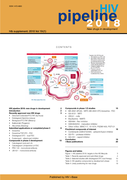
htb supplement: 2018 Vol 19:(1)
New drugs in development
July 2018
www.i-Base.info
Consolidated guidelines on the use of antiretroviral drugs for treating and preventing HIV infection
Accessed: 26.02.2020
Historically, the discovery of the sulfa drugs in the 1930s and the subsequent development of penicillin during World War II ushered in a new era in the treatment of infectious diseases. Infections that
...
In emergency or humanitarian settings, mobile clinics are used to bring essential lifesaving health care to communities affected by crises. Though there are standard emergency benefit packages for health services during emergencies, there are howeve
...
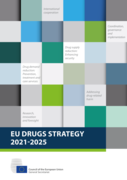
The Strategy aims to protect and improve the well-being
of society and of the individual, to protect and promote
public health, to offer a high level of security and well-being
for the general public and to increase health literacy. The
Strategy takes an evidence-based, integrated, balanced and
...
Self-care interventions are evidence-based, quality drugs, devices, diagnostics and/or digital products which can be provided fully or partially outside of formal health services and can be used with or without the direct supervision of health care
...
The ERF provides WHO staff with essential guidance on how the Organization manages the assessment, grading and response to public health events and emergencies with health consequences, in support of Member States and affected communities. The ERF a
...
The handbook on supply chain management for HIV/AIDS commodities was written to assist program managers to plan and implement day–to-day management of all drugs and medical supplies for an HIV/AIDS program. Many of the suggest
...
The USAID | DELIVER PROJECT, Task Order 4, developed this guide for quantifying health commodities; it will assist technical advisors, program managers, warehouse managers, procurement officers, and service providers in (1) estimating the total commodity needs and costs for successful implementation
...
Formularies are lists of antibiotics that are suggested for certain healthcare settings. In developing a recommended formulary, countries should consider the needs of patients and facilities where they receive care. For example, clinicians in rural or primary health centers may need wide access to f
...
The aim of the pandemic preparedness checklist is primarily to provide an outline of the essential minimum elements of preparedness, as well as elements of preparedness that are considered desirable. It is recommended that responsible authorities or
...
The National Health Plan (NHP) aims to strengthen the country’s health system and pave the way towards Universal Health Coverage (UHC),choosing a path that is explicitly pro-poor. The main goal of NHP 2017-2021 is to extend access to a Basic Essential
...
10 years after the UN general assembly special session on drugs
Supplement to the 2016 consolidated Guidelines on the use of antiretroviral drugs for Treating and Preventing HIV infection
HIV Treatment
Co-trimoxazole is a fixed-dose combination of two antimicrobial drugs (sulfamethoxazole and trimethoprim) that covers a variety of bacterial, fungal and protozoan infections. Co-trimoxazole preventive therapy is a feasible, well tolerated and inexpe
...
This section provides general information on HCW and key elements of management procedures that are essential to know before developing a HCWM plan.
Access to medical personal protective equipment (PPE) is essential for routine healthcare delivery, and a critical tool for containing outbreaks, as well as preventing and responding to pandemics. It is one of our most effective tools against COVID-
...
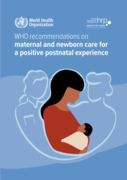
This guideline aims to improve the quality of essential, routine postnatal care for women and newborns with the ultimate goal of improving maternal and newborn health and well-being. It recognizes a “positive postnatal experience” as a significa
...
One of the principles underpinning the delivery of all essential services and coordination of those services is the “survivor-centered approach”, which places the human rights, needs, and wishes of women and girl survivors at the centre of servi
...
In preparing this paper, the Pharmacovigilance Group of the Pan American Health Organization’s Pan American Network for Drug Regulatory Harmonization (PANDRH) adopted the perspective of PAHO/WHO, which considers Pharmacovigilance, an essential com
...
At least half of the world’s population does not have full coverage of essential health services. Health expenses push more than 100 million people into extreme poverty each and every year, forcing them into terrible choices that no one should eve
...
Africa Centers for Disease Control and Prevention (Africa CDC) is aware of the media releases of the preliminary results of a large randomized clinical trial conducted in the United Kingdom, which included dexamethasone, a corticosteroid, as one of the dru
...
Providing quality, stigma-free services is essential to equitable health care for all and achieving global HIV goals and broader Sustainable Development Goals related to health. Every person has the right to the highest attainable standard of physic
...

The main goal of the National Health Plan (NHP) 2017-2021 is to extend access to a basic Essential Package of Health Services (EPHS) to the entire population while increasing financial protection. In order to extend service delivery to all communiti
...

In Vietnam, most of the examination and treatment facilities are facing with of spread of bacteria resistant to many antibiotics. The level and speed of drug resistance are increasing, at alarming level. The burden of drug resistance is increasing due to the increasing cost of treatment, prolonged t
...
This report provides an update on the key facets of HIV treatment access, including the latest HIV treatment guidelines from World Health Organization (WHO), an overview on pricing for first-line, second-line, and salvage regimens, and a summary of the opportunities for – and threats to – expand
...
These guidelines – an update to the World Health Organization’s 2015 publication Consolidated strategic information guidelines – present a set of essential aggregate indicators and guidance on choosing, collecting and systematically analysing
...
This resource consists of technical guidelines for District Medical Officers, counselors and laboratory technicians for second-line antiretroviral therapy drugs, operational guidelines for pilot roll-out in two centres and laboratory guidelines for
...
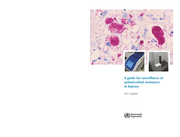
In case of resistance to rifampicin, fluoroquinolones become the preferred category of second-line drugs. Unfortunately, quinolone-resistant strains of Mycobacterium leprae have also been reported in several countries, probably due to the extensive
...
The HIV drug resistance report 2021 summarizes findings from 38 countries that had finalized the surveys by the time of this report and shared data with WHO.
Pretreatment HIVDR to non-nucleoside reverse-transcriptase inhibitors (NNRTI) can affect more than 10% of adults starting therapy and is fo
...

The National Health Plan (NHP) aims to strengthen the country’s health system and pave the way towards Universal Health Coverage (UHC),choosing a path that is explicitly pro-poor. The main goal of NHP 2017-2021 is to extend access to a Basic Essential
...
Seizures constitute the most common neurological problem in children and the majority of epilepsy has its onset in childhood. Appropriate diagnosis and management of childhood epilepsy is essential to improve quality of life in these children. Evide
...
Q3: For behavioural and psychological symptoms in people with dementia, do following drugs, when compared to placebo/comparator, produce benefits/harm in the specified outcomes?
Scientists have known for more than half a century that patients could develop resistance to the drugs used to treat them. Alexander Fleming, who is credited with creating the first antibiotic, penicillin, in 1928, cautioned of the impending crisis
...

Antibiotics and other antimicrobial agents are invaluable life savers, particularly in resource-limited countries where infectious diseases are abundant. Both uncomplicated and severe infections are potentially curable as long as the aetiological agents are susceptible to the
...
Improving the quality of hospital antibiotic use is a major goal of WHO’s global action plan to combat antimicrobial resistance. The WHO Essential Medicines List Access, Watch, and Reserve (AWaRe) classification could facilitate simple stewardship
...
Prevention, early diagnosis, and effective treatment are essential for the control and elimination of Neisseria gonorrhoeae as a public health problem. Currently, in Latin America and the Caribbean, treatment for gonorrhea infection is largely empir
...
These include taking proactive measures to ensure that people, particularly people in vulnerable groups, can access HIV treatment and prevention services, designating and supporting essential workers, including community-led organizations, and imple
...
This manual summarizes key issues related to the safety of NTD medicines and their administration, with a focus on essential medicines used in mass drug administration (MDA), also called preventive chemotherapy. It can be used as a standalone refere
...
RESULTS: Between 76 and 97% of the PHCS offered RMCAH services before the lockdown. Except in antenatal, delivery and adolescent care, there was a decline of between 2 and 6% in all the services during the lockdown and up to 10% decline after the lockdown with variation across and within States. Dur
...
For 50 patients requiring surgical care in emergency situations assuming 2 operations per patient (100 interventions)
WHO trauma and emergency surgery kit (TESK) aims to provide materials and drugs to meet the needs of 50 patients requiring surgi
...
Technical information note. Ensuring an uninterrupted supply of quality-assured, affordable anti-TB
drugs and diagnostics to the world

The Strategy to respond to antimalarial drug resistance in Africa is a technical and advocacy document, grounded in the best available evidence to date and aimed at minimizing the threat and impact of antimalarial drug resistance of Plasmodium falciparum parasites in Africa. Its objectives are to: i
...
Arsenical monotherapies were previously very successful for treating human African trypanosomiasis (HAT).
Melarsoprol resistance emerged as early as the 1970s and was widespread by the late 1990s.
Melarsoprol resistance represents the only example of widespread drug resistance in HAT patients wher
...
The publication of the of the Antimicrobial Treatment Guidelines represents the
culmination of the efforts of the Antimicrobial Stewardship Program of ICMR to publish treatment guidelines for common syndromes in India. These guidelines are targeted for the health care settings. It aims to rationali
...
A manual intended for medical and other personnel responsible for humanitarian activities in armed conflicts. It covers the following topics: setting up a health-care system that meets the essential needs of war victims, particularly of displaced pe
...
Full eHandbook under: http://www.msh.org/resources/health-systems-in-action-an-ehandbook-for-leaders-and-managers
Effective supply management has the potential to make a powerful contribution to the reliable availability of essential medicines, whi
...
Antibiotics have been a critical public health tool since the discovery of Penicillin in 1928, saving the lives of millions of people around the world. In developing country like ours, where the burden of treatable disease is very high and access to health facilities and laboratories is difficult, a
...
In Kenya, the bacterial infections that contribute most to human disease are often those in which re-‐sistance is most evident. Examples are multidrug-‐resistant enteric bacterial pathogens such as typhoid,
...
Pocket book of hospital care for children
recommended
Guidelines for the Management of common childhood Illness. 2nd edition
These guidelines focus on the management of the major causes of childhood mortality in most developing countries, such as newborn problems, pneumonia, diarrhoea, malaria, meningitis, septicaemia, measles and related conditions,
...
The key updates include: content update in various sections based on new evidence; design changes for enhanced usability; a streamlined and simplified clinical assessment that includes an algorithm for follow-up; inclusion of two new modules
- Essential
...
