
Filter
4684
Text search:
disease
therapy
Featured
451
1159
Language
4356
112
108
106
40
35
30
26
11
6
6
5
5
5
4
4
3
2
2
2
2
2
2
2
2
2
2
1
1
1
1
1
1
1
1
1
1
1
1
1
1
1
1
1
Document type
2905
669
634
194
87
81
53
21
14
9
7
5
1
1
Countries
290
166
135
117
93
91
90
87
81
75
74
72
69
68
61
59
53
51
50
47
46
43
41
40
39
37
37
35
31
29
27
27
24
22
21
21
20
20
19
17
15
14
13
12
11
11
11
11
11
10
10
9
9
9
8
8
8
8
8
8
7
7
7
7
7
7
7
6
6
6
6
5
5
5
5
5
5
5
4
4
4
4
4
4
4
4
4
3
3
3
3
3
3
3
2
2
2
2
2
2
2
2
2
2
2
2
2
1
1
1
1
1
1
1
1
1
1
1
1
1
1
1
1
1
1
1
1
1
1
1
1
1
1
1
Authors & Publishers
538
304
294
144
139
98
77
73
72
65
35
32
31
27
24
23
23
23
23
22
21
20
20
20
19
18
17
17
17
17
16
16
16
16
16
16
16
15
15
15
15
15
15
15
14
13
13
13
12
12
12
11
11
11
10
10
10
10
10
10
10
10
10
9
9
9
9
9
8
8
8
8
8
8
8
8
8
8
8
8
8
7
7
7
7
7
7
7
7
7
7
6
6
6
6
6
6
6
6
6
6
6
6
6
6
6
6
6
6
6
5
5
5
5
5
5
5
5
5
5
5
5
5
5
5
5
5
5
5
5
5
5
5
5
5
5
5
5
5
5
5
5
5
5
5
5
5
5
5
5
4
4
4
4
4
4
4
4
4
4
4
4
4
4
4
4
4
4
4
4
4
4
4
4
4
4
4
4
4
4
4
4
4
4
4
4
4
4
4
4
4
4
4
4
4
4
4
4
4
4
4
4
4
4
4
4
4
4
4
4
4
3
3
3
3
3
3
3
3
3
3
3
3
3
3
3
3
3
3
3
3
3
3
3
3
3
3
3
3
3
3
3
3
3
3
3
3
3
3
3
3
3
3
3
3
3
3
3
3
3
3
3
3
3
3
3
3
3
3
3
3
3
3
3
3
3
3
3
3
3
3
3
3
3
3
3
3
3
3
3
3
3
3
3
3
3
3
3
3
3
3
3
3
3
3
3
3
3
3
3
3
3
3
3
3
3
3
3
3
3
3
3
3
3
3
3
3
2
2
2
2
2
2
2
2
2
2
2
2
2
2
2
2
2
2
2
2
2
2
2
2
2
2
2
2
2
2
2
2
2
2
2
2
2
2
2
2
2
2
2
2
2
2
2
2
2
2
2
2
2
2
2
2
2
2
2
2
2
2
2
2
2
2
2
2
2
2
2
2
2
2
2
2
2
2
2
2
2
2
2
2
2
2
2
2
2
2
2
2
2
2
2
2
2
2
2
2
2
2
2
2
2
2
2
2
2
2
2
2
2
2
2
2
2
2
2
2
2
2
2
2
2
2
2
2
2
2
2
2
2
2
2
2
2
2
2
2
2
2
2
2
2
2
2
2
2
2
2
2
2
2
2
2
2
2
2
2
2
2
2
2
2
2
2
2
2
2
2
2
2
2
2
2
2
2
2
2
2
2
2
2
2
2
2
2
2
2
2
2
2
2
2
2
2
2
2
2
2
2
2
2
2
2
2
2
2
2
2
2
2
2
2
2
2
2
2
2
2
2
2
2
2
2
2
2
2
2
2
2
2
2
2
2
2
2
2
2
2
2
2
2
2
2
2
2
2
2
2
2
2
2
2
2
2
2
2
2
2
2
2
2
2
2
2
2
2
2
2
2
2
2
2
2
2
2
2
2
2
2
2
2
2
2
2
2
2
2
2
2
2
2
2
2
2
2
2
2
2
2
2
2
2
2
2
2
2
2
2
2
2
2
2
2
2
2
2
2
2
2
2
1
1
1
1
1
1
1
1
1
1
1
1
1
1
1
1
1
1
1
1
1
1
1
1
1
1
1
1
1
1
1
1
1
1
1
1
1
1
1
1
1
1
1
1
1
1
1
1
1
1
1
1
1
1
1
1
1
1
1
1
1
1
1
1
1
1
1
1
1
1
1
1
1
1
1
1
1
1
1
1
1
1
1
1
1
1
1
1
1
1
1
1
1
1
1
1
1
1
1
1
1
1
1
1
1
1
1
1
1
1
1
1
1
1
1
1
1
1
1
1
1
1
1
1
1
1
1
1
1
1
1
1
1
1
1
1
1
1
1
1
1
1
1
1
1
1
1
1
1
1
1
1
1
1
1
1
1
1
1
1
1
1
1
1
1
1
1
1
1
1
1
1
1
1
1
1
1
1
1
1
1
1
1
1
1
1
1
1
1
1
1
1
1
1
1
1
1
1
1
1
1
1
1
1
1
1
1
1
1
1
1
1
1
1
1
1
1
1
1
1
1
1
1
1
1
1
1
1
1
1
1
1
1
1
1
1
1
1
1
1
1
1
1
1
1
1
1
1
1
1
1
1
1
1
1
1
1
1
1
1
1
1
1
1
1
1
1
1
1
1
1
1
1
1
1
1
1
1
1
1
1
1
1
1
1
1
1
1
1
1
1
1
1
1
1
1
1
1
1
1
1
1
1
1
1
1
1
1
1
1
1
1
1
1
1
1
1
1
1
1
1
1
1
1
1
1
1
1
1
1
1
1
1
1
1
1
1
1
1
1
1
1
1
1
1
1
1
1
1
1
1
1
1
1
1
1
1
1
1
1
1
1
1
1
1
1
1
1
1
1
1
1
1
1
1
1
1
1
1
1
1
1
1
1
1
1
1
1
1
1
1
1
1
1
1
1
1
1
1
1
1
1
1
1
1
1
1
1
1
1
1
1
1
1
1
1
1
1
1
1
1
1
1
1
1
1
1
1
1
1
1
1
1
1
1
1
1
1
1
1
1
1
1
1
1
1
1
1
1
1
1
1
1
1
1
1
1
1
1
1
1
1
1
1
1
1
1
1
1
1
1
1
1
1
1
1
1
1
1
1
1
1
1
1
1
1
1
1
1
1
1
1
1
1
1
1
1
1
1
1
1
1
1
1
1
1
1
1
1
1
1
1
1
1
1
1
1
1
1
1
1
1
1
1
1
1
1
1
1
1
1
1
1
1
1
1
1
1
1
1
1
1
1
1
1
1
1
1
1
1
1
1
1
1
1
1
1
1
1
1
1
1
1
1
1
1
1
1
1
1
1
1
1
1
1
1
1
1
1
1
1
1
1
1
1
1
1
1
1
1
1
1
1
1
1
1
1
1
1
1
1
1
1
1
1
1
1
1
1
1
1
1
1
1
1
1
1
1
1
1
1
1
1
1
1
1
1
1
1
1
1
1
1
1
1
1
1
1
1
1
1
1
1
1
1
1
1
1
1
1
1
1
1
1
1
1
1
1
1
1
1
1
1
1
1
1
1
1
1
1
1
1
1
1
1
1
1
1
1
1
1
1
1
1
1
1
1
1
1
1
1
1
1
1
1
1
1
1
1
1
1
1
1
1
1
1
1
1
1
1
1
1
1
1
1
1
1
1
1
1
1
1
1
1
1
1
1
1
1
1
1
1
1
1
1
1
1
1
1
1
1
1
1
1
1
1
1
1
1
1
1
1
1
1
1
1
1
1
1
1
1
1
1
1
1
1
1
1
1
1
1
1
1
1
1
1
1
1
1
1
1
1
1
1
1
1
1
1
1
1
1
1
1
1
1
1
1
1
1
1
1
1
1
1
1
1
1
1
1
1
1
1
1
1
1
1
1
1
1
1
1
1
1
1
1
1
1
1
1
1
1
1
1
1
1
1
1
1
1
1
1
1
1
1
1
1
1
1
1
1
1
1
1
1
1
1
1
1
1
1
1
1
1
1
1
1
1
1
1
1
1
1
1
1
1
1
1
1
1
1
1
1
1
1
1
1
1
1
1
1
1
1
1
1
1
1
1
1
1
1
1
1
1
1
1
1
1
1
1
1
1
1
1
1
1
1
1
1
1
1
1
1
1
1
1
1
1
1
1
1
1
1
1
1
1
1
1
1
1
1
1
1
1
1
1
1
1
1
1
1
1
1
1
1
1
1
1
1
1
1
1
1
1
1
1
1
1
1
1
1
1
1
1
1
1
1
1
1
1
1
1
1
1
1
1
1
1
1
1
1
1
1
1
1
1
1
1
1
1
1
1
1
1
1
1
1
1
1
1
1
1
1
1
1
1
1
1
1
1
1
1
1
1
1
1
1
1
1
1
1
1
1
1
1
1
1
1
1
1
1
1
1
1
1
1
1
1
1
1
1
1
1
1
1
1
1
1
1
1
1
1
1
1
1
1
1
1
1
1
1
1
1
1
1
1
1
1
1
1
1
1
1
1
1
1
1
1
1
1
1
1
1
1
1
1
1
1
1
1
1
1
1
1
1
1
1
1
1
1
1
1
1
1
1
1
1
1
1
1
1
1
1
1
1
1
1
1
1
1
1
1
1
1
1
1
1
1
1
1
1
1
1
1
1
1
1
1
1
1
1
1
1
1
1
1
1
1
1
1
1
1
1
1
1
1
1
1
1
1
1
1
1
1
1
1
1
1
1
1
1
1
1
1
1
1
1
1
1
1
1
1
1
1
1
1
1
1
1
1
1
1
1
1
1
1
1
1
1
1
1
1
1
1
1
1
1
1
1
1
1
1
1
1
1
1
1
1
1
1
1
1
1
1
1
1
1
1
1
1
1
1
1
1
1
1
1
1
1
1
1
1
1
1
1
1
1
1
1
1
1
1
1
1
1
1
1
1
1
1
1
1
1
1
1
1
1
1
1
1
1
1
1
1
1
1
1
1
1
1
1
1
1
1
1
1
1
1
1
1
1
1
1
1
1
1
1
1
1
1
1
1
1
1
1
1
1
1
1
1
1
1
1
1
1
1
1
1
1
1
1
1
1
1
1
1
1
1
1
1
1
1
1
1
1
1
1
1
1
1
1
1
1
1
1
1
1
1
1
1
1
1
1
1
1
1
1
1
1
1
1
1
1
1
1
1
1
1
1
1
1
1
1
1
1
1
1
1
1
1
1
1
1
1
1
1
1
1
1
1
1
1
1
1
1
1
1
1
1
1
1
1
1
1
1
1
1
1
1
1
1
1
1
1
1
1
1
1
1
1
1
1
1
1
1
1
1
1
1
1
1
1
1
1
1
1
1
1
1
1
1
1
1
1
1
1
1
1
1
1
1
1
1
1
1
1
1
1
1
1
1
1
1
1
1
1
1
1
1
1
1
1
1
1
1
1
1
1
1
1
1
1
1
1
1
1
1
1
1
1
1
1
1
1
1
1
1
1
1
1
1
1
1
1
1
1
1
1
1
1
1
1
1
1
1
1
1
1
1
1
1
1
1
1
1
1
1
1
1
1
1
1
1
1
1
1
1
1
1
1
1
1
1
1
1
1
1
1
1
1
1
1
1
1
1
1
1
1
1
1
1
1
1
1
1
1
1
1
1
1
1
1
1
1
1
1
1
1
1
1
1
1
1
1
1
1
1
1
1
1
1
1
1
1
1
1
1
1
1
1
1
1
1
1
1
1
1
1
1
1
1
1
1
1
1
1
1
1
1
1
1
1
1
1
1
1
1
1
1
1
1
1
1
1
1
1
1
1
1
1
1
1
1
1
1
1
1
1
1
1
1
1
1
1
1
1
1
1
1
1
1
1
1
1
1
1
1
1
1
1
1
1
1
1
1
1
1
1
1
1
1
1
1
1
1
1
1
1
1
1
1
1
1
1
1
1
1
1
1
1
1
1
1
1
1
1
1
1
1
1
1
1
1
1
1
1
1
1
1
1
1
1
1
1
1
1
1
1
1
1
1
1
1
1
1
1
1
1
1
1
1
1
1
1
1
1
1
1
1
1
1
1
1
1
1
1
1
1
1
1
1
1
1
1
1
1
1
1
1
1
1
1
1
1
1
1
1
1
1
1
1
1
1
1
1
1
1
1
1
1
1
1
1
1
1
1
1
1
1
1
1
1
1
1
1
1
1
1
1
1
1
1
1
1
1
1
1
1
1
1
1
1
1
1
1
1
1
1
1
1
1
1
1
1
1
1
1
1
1
1
1
1
1
1
1
1
1
1
1
1
1
1
1
1
1
1
1
1
1
1
1
1
1
1
1
1
1
1
1
1
1
1
1
1
1
1
1
1
1
1
1
1
1
1
1
1
1
1
1
1
1
1
1
1
1
1
1
1
1
1
1
1
1
1
1
1
1
1
1
1
1
1
1
1
1
1
1
1
1
1
1
1
1
1
1
1
1
1
1
1
1
1
1
1
1
1
1
1
1
1
1
1
1
1
1
1
1
1
1
1
1
1
1
1
1
1
1
1
1
1
1
1
1
1
1
1
1
1
1
1
1
1
1
1
1
1
1
1
1
1
1
1
1
1
1
1
1
1
1
1
1
1
1
1
1
1
1
1
1
1
1
1
1
1
1
1
1
1
1
1
1
1
1
1
1
1
1
1
1
1
1
1
1
1
1
1
1
1
1
1
1
1
1
1
1
1
1
1
1
1
1
1
1
1
1
1
1
1
1
1
1
1
1
1
1
1
1
1
1
1
1
1
1
1
1
1
1
1
1
1
1
1
1
1
1
1
1
1
1
1
1
1
1
1
1
1
1
1
1
1
1
1
1
1
1
1
1
1
1
1
1
1
1
1
1
1
1
1
1
1
1
1
1
1
1
1
1
1
1
1
1
1
1
1
1
1
1
1
1
1
1
1
1
1
1
1
1
1
1
1
1
1
1
1
1
1
1
1
1
1
1
1
1
1
1
1
1
1
1
1
1
1
1
1
1
1
1
1
1
1
1
1
1
1
1
1
1
1
1
1
1
1
1
1
1
1
1
1
1
1
1
1
1
1
1
1
1
1
1
1
1
1
1
1
1
1
1
1
1
1
1
1
1
1
1
1
1
1
1
1
1
1
1
1
1
1
1
1
1
1
1
1
1
1
1
1
1
1
1
1
1
1
1
1
1
1
1
1
1
1
1
1
1
1
1
1
1
1
1
1
1
1
1
1
1
1
1
1
1
1
1
1
1
1
1
1
1
1
1
1
1
1
1
1
1
1
1
1
1
1
1
1
1
1
1
1
1
1
1
1
1
1
1
1
1
1
1
1
1
1
1
1
1
1
1
1
1
1
1
1
1
1
1
1
1
1
1
1
1
1
1
1
1
1
1
1
1
1
1
1
1
1
1
1
1
1
1
1
1
1
1
1
1
1
1
1
1
1
1
1
1
1
1
1
1
1
1
1
1
1
1
1
1
1
1
1
1
1
1
1
1
1
1
1
1
1
1
1
1
1
1
1
1
1
1
1
1
1
1
1
1
1
1
1
1
1
1
1
1
1
1
1
1
1
1
1
1
1
1
1
1
1
1
1
1
1
1
1
1
1
1
1
1
1
1
1
1
1
1
1
1
1
1
1
1
1
1
1
1
1
1
1
1
1
1
1
1
1
1
1
1
1
1
1
1
1
1
1
1
1
1
1
1
1
1
1
1
1
1
1
1
1
1
1
1
1
1
1
1
1
1
1
1
1
1
1
1
1
1
1
1
1
1
1
1
1
1
1
1
1
1
1
1
1
1
1
1
1
1
1
1
1
1
1
1
1
1
1
1
1
1
1
1
1
1
1
1
1
1
1
1
1
1
1
1
1
1
1
1
1
1
1
1
1
1
1
1
1
1
1
1
1
1
1
1
1
1
1
1
1
1
1
1
1
1
1
1
1
1
1
1
1
1
1
1
1
1
1
1
1
1
1
1
1
1
1
1
1
1
1
1
1
1
1
1
1
1
1
1
1
1
1
1
1
1
1
1
1
1
1
1
1
1
1
1
1
1
1
1
1
1
1
1
1
1
1
1
1
1
1
1
1
1
1
1
1
1
1
1
1
1
1
1
1
1
1
1
1
1
1
1
1
1
1
1
1
1
1
1
1
1
1
1
1
1
1
1
1
1
1
1
1
1
1
1
1
1
1
1
1
1
1
1
1
1
1
1
1
1
1
1
1
1
1
1
1
1
1
1
1
1
1
1
1
1
1
1
1
1
1
1
1
1
1
1
1
1
1
1
1
1
1
1
1
1
1
1
1
1
1
1
1
1
1
1
1
1
1
1
1
1
1
1
1
1
1
1
1
1
1
1
1
1
1
1
1
1
1
1
1
1
1
1
1
1
1
1
1
1
1
1
1
1
1
1
1
1
1
1
1
1
1
1
1
1
1
1
1
1
1
1
1
1
1
1
1
1
1
1
1
1
1
1
1
1
1
1
1
1
1
1
1
1
1
1
1
1
1
1
1
1
1
1
1
1
1
1
1
1
1
1
1
1
1
1
1
1
1
1
1
1
1
1
1
1
1
1
1
1
1
1
1
1
1
1
1
1
1
1
1
1
1
1
1
1
1
1
1
1
1
1
1
1
1
1
1
1
1
1
1
1
1
1
1
1
1
1
1
1
1
1
1
1
1
1
1
1
1
1
1
1
1
1
1
1
1
1
1
1
1
1
1
1
1
1
1
1
1
1
1
1
1
1
1
1
1
1
1
1
1
1
1
1
1
1
1
1
1
1
1
1
1
1
1
1
1
1
1
1
1
1
1
1
1
1
1
1
1
1
1
1
1
1
1
1
1
1
1
1
1
1
1
1
1
1
1
1
1
1
1
1
1
1
1
1
1
1
1
1
1
1
1
1
1
1
1
1
1
1
1
1
1
1
1
1
1
1
1
1
1
1
1
1
1
1
1
1
1
1
1
1
1
1
1
1
1
1
1
1
1
1
1
1
1
1
1
1
1
1
1
1
1
1
1
1
1
1
1
1
1
1
1
1
1
1
1
1
1
1
1
1
1
1
1
1
1
1
1
1
1
1
1
1
1
1
1
1
1
1
1
1
1
1
1
1
1
1
1
1
1
1
1
1
1
1
1
1
1
1
1
1
1
1
1
1
1
1
1
1
1
1
1
1
1
1
1
1
1
1
1
1
1
1
1
1
1
1
1
1
1
1
1
1
1
1
1
1
1
1
1
1
1
1
1
1
1
1
1
1
1
1
1
1
1
1
1
1
1
1
1
1
1
1
1
1
1
1
1
1
1
1
1
1
1
1
1
1
1
1
1
1
1
1
1
1
1
1
1
1
1
1
1
1
1
1
1
1
1
1
1
1
1
1
1
1
1
1
1
1
1
1
1
1
1
1
1
1
1
1
1
1
1
1
1
1
1
1
1
1
1
1
1
1
1
1
1
1
1
1
1
1
1
1
1
1
1
1
1
1
1
1
1
1
1
1
1
1
1
1
1
1
1
1
1
1
1
1
1
1
1
1
1
1
1
1
1
1
1
1
1
1
1
1
1
1
1
1
1
1
1
1
1
1
1
1
1
1
1
1
1
1
1
1
1
1
1
1
1
1
1
1
1
1
1
1
1
1
1
1
1
1
1
1
1
1
1
1
1
1
1
1
1
1
1
1
1
1
1
1
1
1
1
1
1
1
1
1
1
1
1
1
1
1
1
1
1
1
1
1
1
1
1
1
1
1
1
1
1
1
1
1
1
1
1
1
1
1
1
1
1
1
1
1
1
1
1
1
1
1
1
1
1
1
1
1
1
1
1
1
1
1
1
1
1
1
1
1
1
1
1
1
1
1
1
1
1
1
1
1
1
1
1
1
1
1
1
1
1
1
1
1
1
1
1
1
1
1
1
1
1
1
1
1
1
1
1
1
1
1
1
1
1
1
1
1
1
1
1
1
1
1
1
1
1
1
1
1
1
1
1
1
1
1
1
1
1
1
1
1
1
1
1
1
1
1
1
1
1
1
1
1
1
1
1
1
1
1
1
1
1
1
1
1
1
1
1
1
1
1
1
1
1
1
1
1
1
1
1
1
1
1
1
1
1
1
1
1
1
1
1
1
1
1
1
1
1
1
1
1
1
1
1
1
1
1
1
1
1
1
1
1
1
1
1
1
1
1
1
1
1
1
1
1
1
1
1
1
1
1
1
1
1
1
1
1
1
1
1
1
1
1
1
1
1
1
1
1
1
1
1
1
1
1
1
1
1
1
1
1
1
1
1
1
1
1
1
1
1
1
1
1
1
1
1
1
1
1
1
1
1
1
1
1
1
1
1
1
1
1
1
1
1
1
1
1
1
1
1
1
1
1
1
1
1
1
1
1
1
1
1
1
1
1
1
1
1
1
1
1
1
1
1
1
1
1
1
1
1
1
1
1
1
1
1
1
1
1
1
1
1
1
1
1
1
1
1
1
1
1
1
1
1
1
1
1
1
1
Publication Years
976
3163
520
22
2
1
Category
1721
541
282
190
70
58
47
2
1
1
Toolboxes
629
482
406
265
168
163
149
114
109
98
83
76
51
47
38
30
29
20
20
18
17
14
8
Co-trimoxazole is a fixed-dose combination of two antimicrobial drugs (sulfamethoxazole and trimethoprim) that covers a variety of bacterial, fungal and protozoan infections. Co-trimoxazole preventive therapy is a feasible, well tolerated and inexpe
...
nsive intervention for people living with HIV to reduce HIV-related morbidity and mortality. Further, co-trimoxazole is an off-patent drug and widely available in resource-limited settings.
more
Quick guide to video-supported treatment of tuberculosis (2020).
Despite being a curable and preventable disease, tuberculosis (TB) remains as one of the major challenges for health systems, globally. Every year, TB affects more than 10 million pe
...
ople and kills more than 1.4 million people. WHO’s Digital Health for the End TB Strategy – an Agenda for Action outlines a conceptual framework in which advantageously positioned digital health solutions are matched to the most urgent needs of TB programmes. Video-supported treatment is a component of one of the four core functions of this framework, the Patient Care domain, and primarily supports the first pillar of the End TB Strategy. This quick guide provides information on the solutions available for asynchronous modes of video communication and how these can be of use to TB programmes.
more
Результаты исследования «Изучение распространенности коронавирусной инфекции COVID-19 среди инфицированных ВИЧ пациентов вРоссии ивлияния эпидемии коронавирусной
...
инфекции COVID-19 на оказание медицинской помощипри ВИЧ-инфекции»
This study shows the negative impact that the COVID-19 pandemic is having on access to HIV care in the Russian Federation and shows that people living with HIV in the country are more susceptible to COVID-19 but less likely to seek testing or treatment.
More than a third of people living with HIV who were surveyed reported some impact on HIV services, including about 4% who reported that they had missed taking antiretroviral therapy because they could not get the medicine and nearly 9% who reported that they had missed taking medicine for tuberculosis prevention. However, the majority of respondents (about 70% of people living with HIV) did not experience problems obtaining antiretroviral therapy and about 22% reported that antiretroviral medicines were delivered to their home. More than 900 respondents from 68 regions of the Russian Federation, including people living with HIV and those who are not, were reached by the study.
more

Noncommunicable diseases (NCDs) such as cancer, cardiovascular disease, diabetes and chronic respiratory diseases and their risk factors are an increasing public health and development challenge in Kazakhstan. This report provides evidence through t
...
hree analyses that NCDs reduce economic output and discusses potential options in response, outlining details of their relative returns on investment. An economic burden analysis shows that economic losses from NCDs (direct and indirect costs) comprise 2.3 trillion tenge, equivalent to 4.5% of gross domestic product in 2017. An intervention costing analysis provides an estimate of the funding required to implement a set of policy interventions for prevention and clinical interventions. A cost–benefit analysis compares these implementation costs with the estimated health gains and identifies which policy packages would give the greatest returns on investment. For example, the salt policy package achieved a benefit-to-cost ratio of 118.4 over 15 years, a return of more than 118 tenge for every 1 tenge invested.
more
Poor sanitary conditions in disaster-stricken areas result in higher risk for diarrheal illness in vulnerable populations, especially children. This disease negatively impacts the nutritional status of affected children and cause
...
s significant morbidity and mortality. Early diagnosis and treatment are thus essential to reduce the impact of diarrheal diseases on people affected by disasters. Early identification of cases allows the implementation of measures needed to prevent or lessen outbreaks that can occur in displaced populations in this context. The use of primary care management tools, such as the Integrated Management of Childhood Illness (IMCI) strategy is highly important.This module will first discuss diarrheal diseases and their management, and dehydration and its treatments.
more
Each year more than one million women are diagnosed with breast cancer worldwide over half of whom will die from the disease. Breast cancer is the most common cancer and the leading cause of cancer death for women
Current Tropical Medicine Reports (2018) 5:247–256 https://doi.org/10.1007/s40475-018-0166-2 .Purpose of the Review Buruli ulcer (BU) is a necrotizing and disabling cutaneous disease caused by Mycobacterium ulcerans, one of the skin-related neglec
...
ted tropical diseases (skin NTDs). This article aims to review the current knowledge of this disease and challenges ahead.
more
Rabies is fatal, vaccine-preventable disease responsible for an estimated 59,000 human deaths each year. Most cases are transmitted by dogs, and most deaths occur in underserved populations in Africa and Asia. Approximately 40% of deaths occur in ch
...
ildren.
more
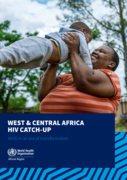
The Transformation Agenda (TA) ushered in an ambitious reform process intended to transform the World Health Organization (WHO) into an organization that is proactive, results-driven, accountable and which meets stakeholder expectations, towards transforming and improving public health services in t
...
he African Region. It aimed to achieve a WHO that is pro-results, which optimally and creatively targets technical work as well as make operations more responsive, with greater effectiveness in both communications and partnerships. The Africa Region has been the epicentre of the human immunodeficiency virus (HIV) epidemic and it’s one of the leading causes of disease and death on the continent. The WHO, with partners, has worked tirelessly for many years to control the threat and reduce the negative impact of the disease. Since the early 2000s, significant progress has been made in the global fight against the scourge of HIV. However, the WCA subregion was falling concerningly behind ESA on several key indicators of progress. In 2016, the WHO joined UNAIDS, UNICEF and other partners in a call for a strong and urgent response to support WCA countries to develop catch-up plans to triple and fast-track ART coverage, to enable the region to catch up with ESA by the end of 2020. Implementation of a widespread test-and-treat strategy, coupled with the scale-up of differentiated service delivery (DSD) and mobilization of requisite funding, accelerated WCA’s progress towards this goal. The HIV treatment catch-up and fast-track plan has achieved its target of seeing the West and Central African region (WCA) catch up with the Eastern and Southern African region’s (ESA) antiretroviral coverage rate of 78% in 2021, albeit later than the 2020 target time frame. A 33% improvement was achieved in WCA, against 21% in ESA, between 2015–2020. WCA achieved a significant 42% increase, compared to ESA’s 23%, between 2015 and 2021, to see WCA draw level with ESA at 78%. In the Democratic Republic of the Congo (DRC) alone, progress of up to 47% was observed between 2015 and 2020, for example. In addition, 1.6 million more People Living with HIV (PLHIV) were enrolled on antiretroviral treatment (ART) between 2015 and 2020.
more
The World Heart Federation (WHF) commenced a Roadmap initiative in 2015 to reduce the global burden of cardiovascular disease and resultant burgeoning of healthcare costs. Roadmaps provide a blueprint for implementation of priority solutions for the
...
principal cardiovascular diseases leading to death and disability. Atrial fibrillation (AF) is one of these conditions and is an increasing problem due to ageing of the world’s population and an increase in cardiovascular risk factors that predispose to AF. The goal of the AF roadmap was to provide guidance on priority interventions that are feasible in multiple countries, and to identify roadblocks and potential strategies to overcome them.
more
Factors to take into account when choosing, reviewing and changing medicines.
Rescue therapy:
For symptomatic hyperglycaemia, consider insulin or a sulfonylurea and review when blood glucose control has been achieved.
Diet and lifestyle advice:
...
At each point reinforce advice about diet and lifestyle.
more
The document "Chronic Respiratory Diseases: A Handbook for Pharmacists" outlines the significant role pharmacists play in managing asthma and COPD, emphasizing patient education, disease prevention, medication management, and promoting healthy lifes
...
tyles. It highlights the importance of pharmacists in supporting early detection, adherence to treatment, smoking cessation, and interprofessional collaboration to enhance respiratory care and outcomes.
more
The global prevalence, morbidity and mortality related to childhood asthma among children has increased significantly over the last 40 years. Although asthma is recognized as the most common chronic disease in children, issues of underdiagnosis and
...
undertreatment persist. There are substantial global variations in the prevalence of asthma symptoms in children, with up to 13-fold differences between countries. The rising number of hospital admissions for asthma may reflect an increase in asthma severity, poor disease management and/or the effect of poverty. The financial burden of asthma is relatively high within developed countries (those for which data is available) spending 1 to 2% of their healthcare budget on this condition. Established in 1989, the Global Initiative for Asthma (GINA) attempts to raise awareness about the increasing prevalence of asthma, improve management and reduce the burden of asthma worldwide. Despite global efforts, GINA has not achieved its goal, even among developed nations. There are multiple barriers to reducing the global burden of asthma, including limited access to care and/or medications, and lack of prioritization as a public healthcare priority. In addition, the diversity of healthcare systems worldwide and large differences in access to care require that asthma management guidelines be tailored to local needs.
more
Over the past 20 years, the Global Initiative for Asthma (GINA) has regularly published and annually updated a global strategy for asthma management and prevention that has formed the basis for many national guidelines. However, uptake of existing guidelines is poor. A major revision of the GINA r
...
eport was published in 2014, and updated in 2015, reflecting an evolving understanding of heterogeneous airways disease, a broader evidence base, increasing interest in targeted treatment, and evidence about effective implementation approaches. During development of the report, the clinical utility of recommendations and strategies for their practical implementation were considered in parallel with the scientific evidence.
more
Multidrug-resistant tuberculosis (MDR-TB) and extensively drug-resistant
tuberculosis (XDR-TB) increasingly occur in resource-constrained settings.
In the context of a national response to MDR- and XDR-TB, health workers in
TB clinics (in district hospitals and some accredited health centres) wil
...
l need
to diagnose MDR-TB, initiate second-line anti-TB drugs, and monitor MDRTB
treatment.
Management of MDR-TB: a field guide was created to help health workers
carry out these tasks. It is a job aid that medical officers and TB nurses
are meant use frequently during the day for quick reference. This module
is closely related to other clinical guideline modules in the Integrated
Management of Adolescent and Adult Illness (IMAI) series. In particular, the
approach to chronic disease management is taken from General principles
of good chronic care in the IMAI series.
more
What are the local beliefs and practices around illnesses and death, the transmission of disease and spirituality, which affect decision-making (around health-seeking behaviour, caring for relatives and nature of burials) and can inform effective be
...
haviour change interventions for preventing Ebola in Sierra Leone?
more
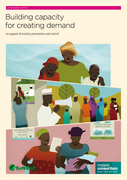
In the context of the Support to National Malaria Control Programme (SuNMaP), demand creation is the strategic combination of advocacy, communication and mobilisation approaches that seek to achieve increased community awareness of, and demand for, effective malaria prevention and treatment services
...
. For malaria treatment, demand creation focuses on promoting improved testing, prompt and proper use of artemisinin combination therapy (ACT) treatment for individual cases of malaria, and effective home management of fever, together with referrals of severe cases to a higher-level health facility.
more
Guidance on temporary malaria control measures in Ebola-affected countries
World Health Organization
(2014)
Malaria is a prevalent cause of febrile illnesses in areas with high transmission, and its clinical presentation overlaps with initial signs of Ebola disease. For this reason, the effectiveness of the Ebola response in Guinea, Liberia and Sierra Leo
...
ne can be optimized through the deployment of targeted measures to reduce the number of fever cases due to malaria
WHO recommends specific adaptations in the diagnosis of malaria and in LLIN distribution in countries heavily affected by the Ebola outbreak and mass drug administration using artemisinin-based combination therapies (ACTs) in areas where transmission of both Ebola and malaria is high and access to malaria treatment is very low.
more
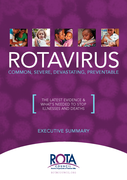
Diarrhea is one of the world’s leading causes of child illness and death, and rotavirus is the most common cause of severe diarrhea. Yet it can be prevented and treated. There is a vaccine. And while hundreds of thousands of children in India will gain access to rotavirus vaccines -part of a natio
...
nal introduction marking Asia’s largest so far -millions of children globally still lack access. This new report from the Rota Council summarizes the latest evidence on rotavirus disease and vaccines and identifies 21 recommendations for stakeholders to scale up coverage and prevent hundreds of thousands of child deaths annually.
more

Advances have been made through expanded interventions delivered through five public health approaches: innovative and intensified disease management; preventive chemotherapy; vector ecology and management; veterinary public health services; and the
...
provision of safe water, sanitation and hygiene. In 2015 alone nearly one billion people were treated for at least one disease and significant gains were achieved in relieving the symptoms and consequences of diseases for which effective tools are scarce; important reductions were achieved in the number of new cases of sleeping sickness, of visceral leishmaniasis in South-East Asia and also of Buruli ulcer.
The report also considers vector control strategies and discusses the importance of the draft WHO Global Vector Control Response 2017–2030. more
The report also considers vector control strategies and discusses the importance of the draft WHO Global Vector Control Response 2017–2030. more
