Filter
2272
Text search:
crises
Featured
205
533
Language
1797
425
88
66
57
40
18
16
8
6
5
5
5
5
4
4
4
4
4
4
4
3
3
3
3
3
3
3
3
3
2
2
2
2
2
2
2
2
2
2
2
2
1
1
1
1
1
1
1
1
1
1
1
1
Document type
1026
576
223
159
147
45
38
31
10
7
6
1
1
1
1
Countries
171
81
72
45
44
42
41
40
39
38
37
36
34
33
32
30
29
28
28
28
27
27
27
26
24
24
24
22
21
18
17
16
15
14
14
13
13
13
13
12
12
11
11
11
11
11
11
10
10
10
8
8
8
8
8
8
7
7
7
6
6
6
5
5
5
5
5
4
4
4
4
4
3
3
3
3
3
3
3
3
3
3
2
2
2
2
2
2
2
2
2
2
2
2
2
2
2
1
1
1
1
1
1
1
1
1
1
1
1
1
1
1
1
1
1
1
1
1
1
1
1
1
1
1
1
1
1
1
1
1
Authors & Publishers
195
80
65
62
60
52
48
35
29
27
24
23
22
21
20
20
20
19
19
19
18
17
15
14
14
13
13
12
11
11
10
10
10
10
9
9
9
8
8
8
7
7
7
7
7
7
6
6
6
6
6
6
6
6
6
6
6
6
6
5
5
5
5
5
5
5
5
5
5
5
5
5
5
5
4
4
4
4
4
4
4
4
4
4
4
4
4
4
4
4
4
4
4
4
4
4
4
4
4
4
4
3
3
3
3
3
3
3
3
3
3
3
3
3
3
3
3
3
3
3
3
3
3
3
3
3
3
3
3
3
3
3
3
3
3
3
3
3
3
3
3
3
3
3
3
3
3
3
3
3
3
3
2
2
2
2
2
2
2
2
2
2
2
2
2
2
2
2
2
2
2
2
2
2
2
2
2
2
2
2
2
2
2
2
2
2
2
2
2
2
2
2
2
2
2
2
2
2
2
2
2
2
2
2
2
2
2
2
2
2
2
2
2
2
2
2
2
2
2
2
2
2
2
2
2
2
2
2
2
2
2
2
2
2
2
2
2
2
2
2
2
2
2
2
2
2
2
2
2
2
2
2
2
2
2
2
2
2
2
2
2
2
2
2
2
2
2
2
2
2
2
2
2
2
2
2
2
2
2
2
2
2
2
2
2
2
2
2
2
2
2
2
2
2
2
2
2
2
1
1
1
1
1
1
1
1
1
1
1
1
1
1
1
1
1
1
1
1
1
1
1
1
1
1
1
1
1
1
1
1
1
1
1
1
1
1
1
1
1
1
1
1
1
1
1
1
1
1
1
1
1
1
1
1
1
1
1
1
1
1
1
1
1
1
1
1
1
1
1
1
1
1
1
1
1
1
1
1
1
1
1
1
1
1
1
1
1
1
1
1
1
1
1
1
1
1
1
1
1
1
1
1
1
1
1
1
1
1
1
1
1
1
1
1
1
1
1
1
1
1
1
1
1
1
1
1
1
1
1
1
1
1
1
1
1
1
1
1
1
1
1
1
1
1
1
1
1
1
1
1
1
1
1
1
1
1
1
1
1
1
1
1
1
1
1
1
1
1
1
1
1
1
1
1
1
1
1
1
1
1
1
1
1
1
1
1
1
1
1
1
1
1
1
1
1
1
1
1
1
1
1
1
1
1
1
1
1
1
1
1
1
1
1
1
1
1
1
1
1
1
1
1
1
1
1
1
1
1
1
1
1
1
1
1
1
1
1
1
1
1
1
1
1
1
1
1
1
1
1
1
1
1
1
1
1
1
1
1
1
1
1
1
1
1
1
1
1
1
1
1
1
1
1
1
1
1
1
1
1
1
1
1
1
1
1
1
1
1
1
1
1
1
1
1
1
1
1
1
1
1
1
1
1
1
1
1
1
1
1
1
1
1
1
1
1
1
1
1
1
1
1
1
1
1
1
1
1
1
1
1
1
1
1
1
1
1
1
1
1
1
1
1
1
1
1
1
1
1
1
1
1
1
1
1
1
1
1
1
1
1
1
1
1
1
1
1
1
1
1
1
1
1
1
1
1
1
1
1
1
1
1
1
1
1
1
1
1
1
1
1
1
1
1
1
1
1
1
1
1
1
1
1
1
1
1
1
1
1
1
1
1
1
1
1
1
1
1
1
1
1
1
1
1
1
1
1
1
1
1
1
1
1
1
1
1
1
1
1
1
1
1
1
1
1
1
1
1
1
1
1
1
1
1
1
1
1
1
1
1
1
1
1
1
1
1
1
1
1
1
1
1
1
1
1
1
1
1
1
1
1
1
1
1
1
1
1
1
1
1
1
1
1
1
1
1
1
1
1
1
1
1
1
1
1
1
1
1
1
1
1
1
1
1
1
1
1
1
1
1
1
1
1
1
1
1
1
1
1
1
1
1
1
1
1
1
1
1
1
1
1
1
1
1
1
1
1
1
1
1
1
1
1
1
1
1
1
1
1
1
1
1
1
1
1
1
1
1
1
1
1
1
1
1
1
1
1
1
1
1
1
1
1
1
1
1
1
1
1
1
1
1
1
1
1
1
1
1
1
1
1
1
1
1
1
1
1
1
1
1
1
1
1
1
1
1
1
1
1
1
1
1
1
1
1
1
1
1
1
1
1
1
1
1
1
1
1
1
1
1
1
1
1
1
1
1
1
1
1
1
1
1
1
1
1
1
1
1
1
1
1
1
1
1
1
1
1
1
1
1
1
1
1
1
1
1
1
1
1
1
1
1
1
1
1
1
1
1
1
1
1
1
1
1
1
1
1
1
1
1
1
1
1
1
1
1
1
1
1
1
1
1
1
1
1
1
1
1
1
1
1
1
1
1
1
1
1
1
1
1
1
1
1
1
1
1
1
1
1
1
1
1
1
1
1
1
1
1
1
1
1
1
1
1
1
1
1
1
1
1
1
1
1
1
1
1
1
1
1
1
1
1
1
1
1
1
1
1
1
1
1
1
1
1
1
1
1
1
1
1
1
1
1
1
1
1
1
1
1
1
1
1
1
1
1
1
1
1
1
1
1
1
1
1
1
1
1
1
1
1
1
1
1
1
1
1
1
1
1
1
1
1
1
1
1
1
1
1
1
1
1
1
1
1
1
1
1
1
1
1
1
1
1
1
1
1
1
1
1
1
1
1
1
1
1
1
1
1
1
1
1
1
1
1
1
1
1
1
1
1
1
1
1
1
1
1
1
1
1
1
1
1
1
1
1
1
1
1
1
1
1
1
1
1
1
1
1
1
1
1
1
1
1
1
1
1
1
1
1
1
1
1
1
1
1
1
1
1
1
1
1
1
1
1
1
1
1
1
1
1
1
1
1
1
1
1
1
1
1
1
1
1
1
1
1
1
1
1
1
1
1
1
1
1
1
1
1
1
1
1
1
1
1
1
1
1
1
1
1
1
1
1
1
1
1
1
1
1
1
1
1
1
1
1
1
1
1
1
1
1
1
1
1
1
1
1
1
1
1
1
1
1
1
1
1
1
1
1
1
1
1
1
1
1
1
1
1
1
1
1
1
1
1
1
1
1
1
1
1
1
1
1
1
1
1
1
1
1
1
1
1
1
1
1
1
1
1
1
1
1
1
1
1
1
1
1
1
1
1
1
1
1
1
1
1
1
1
1
1
1
1
1
1
1
1
1
1
1
1
1
1
1
1
1
1
1
1
1
1
1
1
1
1
1
1
1
1
1
1
1
1
1
1
1
1
1
1
1
1
1
1
1
1
1
1
1
1
1
1
1
1
1
1
1
1
1
1
1
1
1
1
1
1
1
1
1
1
1
1
1
1
1
1
1
1
1
1
1
1
1
1
1
1
1
1
1
1
1
1
1
1
1
1
1
1
1
1
1
1
1
1
1
1
1
1
1
1
1
1
1
1
1
1
1
1
1
1
1
1
1
1
1
1
1
1
1
1
1
1
1
1
1
1
1
1
1
1
1
1
1
1
1
1
1
1
1
1
1
1
1
1
1
1
1
1
1
1
1
1
1
1
1
1
1
1
1
1
1
1
1
1
1
1
1
1
1
1
1
1
1
1
1
1
1
1
1
1
1
1
1
1
1
1
1
1
1
1
1
1
1
1
1
1
1
1
1
1
1
1
1
1
1
1
1
1
1
1
1
1
1
1
1
1
1
1
1
1
1
1
1
1
1
1
1
1
1
1
1
1
1
1
1
1
1
1
1
1
1
1
1
1
1
1
1
1
1
1
1
1
1
1
1
1
1
1
1
1
1
1
1
1
1
1
1
1
1
1
1
1
1
1
1
1
1
1
1
1
1
1
1
1
1
1
1
1
1
1
1
1
1
1
1
1
1
1
1
1
1
1
1
1
1
1
1
1
1
1
1
1
1
1
1
1
1
1
1
1
1
1
1
1
1
1
1
1
1
1
1
1
1
1
1
1
1
1
1
1
1
1
1
1
1
1
1
1
1
1
1
1
1
1
1
1
1
1
1
1
1
1
1
1
1
1
1
1
1
1
1
1
1
1
1
1
1
1
1
1
1
1
1
1
1
1
1
1
1
1
1
1
1
1
1
1
1
1
1
1
1
1
1
1
1
1
1
1
1
1
1
1
1
1
1
1
1
1
1
1
1
1
1
1
1
1
1
1
1
1
1
1
1
1
1
1
1
1
1
1
1
1
1
1
1
Publication Years
1
968
1161
137
4
1
Category
732
151
140
100
85
37
7
3
1
Toolboxes
366
209
180
150
104
96
87
75
68
64
53
43
41
29
25
18
17
17
15
14
8
4
3
2
2
2

Novel coronavirus will disproportionately impact world’s 70 million displaced people
Report recommends stopping asylum seeker deportations, prioritising hygiene and refugee camp decongestion, better communication
Displaced people must be included in prevention, mitigation efforts - for s
...
ake of everyone’s health
more
The United Nations Environment Programme (UNEP) is stepping up its work on mapping zoonotic threat and protecting the environment to reduce the risk of future pandemics, such as the COVID-19 crisis currently sweeping the globe.
This note provides information and practical guidance to support gender-based violence (GBV) practitioners to integrate attention to disability into GBV prevention, risk mitigation and response efforts during the COVID-19 pandemic. This document complements other resources relating to GBV and COVID-
...
19 and assumes that the user is already familiar with common GBV prevention, risk mitigation and response approaches.
more
This guidance note identifies strategic action for policy-makers and managers at the national, subnational and facility level to address these different challenges.
The spread of COVID-19 poses a challenge for emerging markets such as those in Africa and Latin America. While governments around the world are suffering from a shortage of ventilators, hospital beds, and personal protective equipment, availability of these items is already extremely limited in some
...
countries. In Africa, countries including Mali, Liberia, and Burkina Faso have only a few ventilators available to aid their populations, and there is also a lack of reliable oxygen supplies, ICUs, and healthcare workers to treat the sick. Additionally, many countries in Africa are already suffering from food insecurity and weak economies, which will worsen the long-term effects of coronavirus.
Keeping these factors in mind, GeoPoll conducted a remote study in 12 countries in sub-Saharan Africa on the effects coronavirus is already having on people throughout the region.
more
In the context of health, stigma is the negative association between a person or group of people who share certain characteristics and a specific disease. In an outbreak, this may mean people are labeled, stereotyped, discriminated against, treated separately, and/or experience loss of status becaus
...
e of a perceived link with a disease.
more
Five months after the beginning of the desert locust upsurge in the Greater Horn of Africa and Yemen, and four months since the launch of the response plan (24 January 2020) a total of USD 130 million have been mobilized in the region.
As described in the recently published Food and Agriculture Org
...
anization of the United Nations (FAO) quarterly report (January to April 2020), a lot has been achieved already, thanks to generous contributions from resource partners and affected governments.
But bringing a desert locust upsurge under control and mitigating its impact on livelihoods and food security requires a prolonged effort and numerous factors could influence the duration and magnitude of the problem, including the widespread presence of COVID-19.
more
Recent forecasts by the Food and Agriculture Organization of the United Nations (FAO) have indicated a risk of locust invasion in West Africa from June 2020. From East Africa, some swarms could reach the eastern part of the Sahel and continue westwards from Chad to Mauritania.
Surveillance and co
...
ntrol teams will be mobilized across the region with a focus on Burkina Faso, Chad, Mali, Mauritania, and the Niger, and extended to Senegal. Countries such as Cameroon, the Gambia and Nigeria are also on watch in the event that desert locust spreads to these highly acute food-insecure countries. Since the region could be threatened in the coming months, FAO is strongly encouraging no regret investments in preparedness and anticipatory action to control swarms and safeguard livelihoods, given already high levels of acute food insecurity. Therefore, cost estimates for preparedness, anticipatory action and rapid response have been assessed.
more
La stratégie de la FAO vise à renforcer la résilience des populations vulnérables face à la covid-19 et repose sur quatre priorités stratégiques: la prévention de la propagation de la maladie à travers les campagnes d’information et de sensibilisation sur les mesures de prévention; la f
...
ourniture de données probantes pour la programmation et la prise de décision; le renforcement de la disponibilité et de l’accessibilité aux produits alimentaires; et une approche de développement territorial des chaînes de valuer.
more
La pandémie du COVID-19 nous fait tous souffrir. Mais ses effets les plus dévastateurs et les plus déstabilisants se feront ressentir dans les pays les plus pauvres du monde. Nous sommes confrontés au plus important ralentissement économique que nous ayons connu de mémoire d’homme. Le systè
...
me humanitaire se prépare à une forte hausse des conflits, de l’insécurité alimentaire et de la pauvreté avec la contraction de l’économie et la disparition des recettes d’exportation, des envois de fonds et du tourisme. Les confinements et la récession économique pourraient impliquer une pandémie de la faim pour des millions de personnes.
more
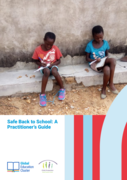
The global COVID-19 pandemic has led to unprecedented levels of disruption to education, impacting over 90% of the world’s student population: 1.54 billion children, including 743 million girls. School closures and the wider socio-economic impacts of COVID-19 on communities and society also disrup
...
t children’s and young people’s normal support systems, leaving them more vulnerable to illnesses and child protection risks such as physical and humiliating punishment, sexual and gender-based violence, child marriage, child labour, child trafficking and recruitment and use in armed conflict. Girls and other marginalised groups, particularly those in displaced settings, are particularly affected.
more
It is too early to know the full impact of COVID-19 on Africa. To date the experience has been varied. There are causes for concern, but also reasons for hope. Early estimates were pessimistic regarding the pandemic’s impact on the continent. But the relatively low numbers of COVID-19 cases report
...
ed thus far have raised hopes that African countries may be spared the worst of the pandemic. While the virus is present in all African countries, most countries have recorded fewer than 1,000 cases. The African Union acted swiftly, endorsing a joint continental strategy in February, and complementing efforts by Member States and Regional Economic Communities by providing a public health platform.
more
This guidance note is meant to assist humanitarian actors, youth-led organizations, and young people themselves across sectors, working at local, country, regional, and global levels in their response to the novel coronavirus pandemic. It begins diagnostically, exploring the impacts of coronavirus d
...
isease (COVID-19) on young people. It then proposes a series of actions that practitioners and young people can take to ensure that COVID-19 preparedness, response plans and actions, are youth-inclusive and youth-focused – with and for young people. Recommendations are structured around the five key actions of the Compact for Young People in Humanitarian Action: services, participation, capacity, resources, and data. Where available, the recommended actions are accompanied by resources and concrete examples, which can inform approaches and support implementation
more
Esta é uma versão das orientações técnicas do INEE para apoiar a educação durante a pandemia da COVID-19. Foi elaborado para servir como um documento vivo que será actualizado em resposta às mudanças nas necessidades de aprendizagem e bem-estar das crianças, adolescentes, jovens, professo
...
res, prestadores de cuidados e outro pessoal educativo afectado pela COVID-19.
more
A recent article published by NPR reporting how trusted faith leaders, in this case nuns, have a workable system to transmit health messages in local languages in Zambia. They have broadcast information on maternal & child health and COVID-19 on a Catholic radio station
Policy Brief 2 June 2020
The COVID-19 pandemic is a health and human crisis threatening the food security and nutrition of millions of people around the world. Hundreds of millions of people were already suffering from hunger and malnutrition before the virus hit and, unless immediate action is tak
...
en, we could see a global food emergency. In the longer term, the combined effects of COVID-19 itself, as well as corresponding mitigation measures and the emerging global recession could, without large-scale coordinated action, disrupt the functioning of food systems. Such disruption can result in consequences for health and nutrition of a severity and scale unseen for more than half a century.
more
The processes and procedures that are applied upon the entry into Germany of unaccompanied
minors, do not always follow any one precisely prescribed model that remains
consistent throughout Germany. Apart from the asylum procedure and some aspects of
border control, the reception of UNAMs is a re
...
sponsibility of the 16 German Länder, which,
on their part, delegate certain duties to districts (Landkreise), cities and local communities.
Depending on the Federal State in which an unaccompanied minor is apprehended, procedures
can therefore differ substantially in relation.
more
This report addresses the future of basic education, ICT use in deprived locations, and the use of ICTs in primary school learning in 2020 and 2025, especially in deprived contexts. It draws on research evidence from the literature, the authors’ experiences of ICT use in education initiatives, int
...
erviews with practitioners and academics, a workshop, and consultations with Save the Children staff from many different countries, mostly conducted in August 2017
more