
Filter
1778
Text search:
Emerging
Infectious
Diseases
Featured
191
404
Language
1663
67
48
35
35
20
18
12
3
3
2
2
2
1
1
1
1
1
1
1
1
1
1
1
1
1
1
1
1
1
1
1
1
1
1
1
1
1
Document type
800
409
313
106
71
31
21
19
4
2
1
1
Countries
100
53
43
40
40
37
37
36
32
30
25
25
24
23
21
21
19
18
17
17
17
15
14
14
14
13
12
12
11
11
11
11
11
10
10
9
9
8
8
8
8
7
7
6
6
6
5
5
5
5
5
5
4
4
4
3
3
3
3
3
3
3
2
2
2
2
2
2
2
2
2
2
2
2
2
2
2
1
1
1
1
1
1
1
1
1
1
1
1
1
1
1
1
1
1
1
1
1
1
1
1
1
1
1
1
1
Authors & Publishers
341
93
64
59
58
25
21
19
17
17
15
14
12
11
11
10
10
10
9
9
9
9
8
7
7
7
6
6
6
6
5
5
5
5
5
5
5
5
5
5
5
5
5
5
5
4
4
4
4
4
4
4
4
4
4
4
4
4
4
4
3
3
3
3
3
3
3
3
3
3
3
3
3
3
3
3
3
3
3
3
3
3
3
3
3
3
3
3
3
3
3
3
3
3
3
3
3
3
2
2
2
2
2
2
2
2
2
2
2
2
2
2
2
2
2
2
2
2
2
2
2
2
2
2
2
2
2
2
2
2
2
2
2
2
2
2
2
2
2
2
2
2
2
2
2
2
2
2
2
2
2
2
2
2
2
2
2
2
2
2
2
2
2
2
2
2
2
2
2
2
2
2
2
2
2
2
2
2
2
2
1
1
1
1
1
1
1
1
1
1
1
1
1
1
1
1
1
1
1
1
1
1
1
1
1
1
1
1
1
1
1
1
1
1
1
1
1
1
1
1
1
1
1
1
1
1
1
1
1
1
1
1
1
1
1
1
1
1
1
1
1
1
1
1
1
1
1
1
1
1
1
1
1
1
1
1
1
1
1
1
1
1
1
1
1
1
1
1
1
1
1
1
1
1
1
1
1
1
1
1
1
1
1
1
1
1
1
1
1
1
1
1
1
1
1
1
1
1
1
1
1
1
1
1
1
1
1
1
1
1
1
1
1
1
1
1
1
1
1
1
1
1
1
1
1
1
1
1
1
1
1
1
1
1
1
1
1
1
1
1
1
1
1
1
1
1
1
1
1
1
1
1
1
1
1
1
1
1
1
1
1
1
1
1
1
1
1
1
1
1
1
1
1
1
1
1
1
1
1
1
1
1
1
1
1
1
1
1
1
1
1
1
1
1
1
1
1
1
1
1
1
1
1
1
1
1
1
1
1
1
1
1
1
1
1
1
1
1
1
1
1
1
1
1
1
1
1
1
1
1
1
1
1
1
1
1
1
1
1
1
1
1
1
1
1
1
1
1
1
1
1
1
1
1
1
1
1
1
1
1
1
1
1
1
1
1
1
1
1
1
1
1
1
1
1
1
1
1
1
1
1
1
1
1
1
1
1
1
1
1
1
1
1
1
1
1
1
1
1
1
1
1
1
1
1
1
1
1
1
1
1
1
1
1
1
1
1
1
1
1
1
1
1
1
1
1
1
1
1
1
1
1
1
1
1
1
1
1
1
1
1
1
1
1
1
1
1
1
1
1
1
1
1
1
1
1
1
1
1
1
1
1
1
1
1
1
1
1
1
1
1
1
1
1
1
1
1
1
1
1
1
1
1
1
1
1
1
1
1
1
1
1
1
1
1
1
1
1
1
1
1
1
1
1
1
1
1
1
1
1
1
1
1
1
1
1
1
1
1
1
1
1
1
1
1
1
1
1
1
1
1
1
1
1
1
1
1
1
1
1
1
1
1
1
1
1
1
1
1
1
1
1
1
1
1
1
1
1
1
1
1
1
1
1
1
1
1
1
1
1
1
1
1
1
1
1
1
1
1
1
1
1
1
1
1
1
1
1
1
1
1
1
1
1
1
1
1
1
1
1
1
1
1
1
1
1
1
1
1
1
1
1
1
1
1
1
1
1
1
1
1
1
1
1
1
1
1
1
1
1
1
1
1
1
1
1
1
1
1
1
1
1
1
1
1
1
1
1
1
1
1
1
1
1
1
1
1
1
1
1
1
1
1
1
1
1
1
1
1
1
1
1
1
1
1
1
1
1
1
1
1
1
1
1
1
1
1
1
1
1
1
1
1
1
1
1
1
1
1
1
1
1
1
1
1
1
1
1
1
1
1
1
1
1
1
1
1
1
1
1
1
1
1
1
1
1
1
1
1
1
1
1
1
1
1
1
1
1
1
1
1
1
1
1
1
1
1
1
1
1
1
1
1
1
1
1
1
1
1
1
1
1
1
1
1
1
1
1
1
1
1
1
1
1
1
1
1
1
1
1
1
1
1
1
1
1
1
1
1
1
1
1
1
1
1
1
1
1
1
1
1
1
1
1
1
1
1
1
1
1
1
1
1
1
1
1
1
1
1
1
1
1
1
1
1
1
1
1
1
1
1
1
1
1
1
1
1
1
1
1
1
1
1
1
1
1
1
1
1
1
1
1
1
1
1
1
1
1
1
1
1
1
1
1
1
1
1
1
1
1
1
1
1
1
1
1
1
1
1
1
1
1
1
1
1
1
1
1
1
1
1
1
1
1
1
1
1
1
1
1
1
1
1
1
1
1
1
1
1
1
1
1
1
1
1
1
1
1
1
1
1
1
1
1
1
1
1
1
1
1
1
1
1
1
1
1
1
1
1
1
1
1
1
1
1
1
1
1
1
1
1
1
1
1
1
1
1
1
1
1
1
1
1
1
1
1
1
1
1
1
1
1
1
1
1
1
1
1
1
1
1
1
1
1
1
1
1
1
1
1
1
1
1
1
1
1
1
1
1
1
1
1
1
1
1
1
1
1
1
1
1
1
1
1
1
1
1
1
1
1
1
1
1
1
1
1
1
1
1
1
1
1
1
1
1
1
1
1
1
1
1
1
1
1
1
1
1
1
1
1
1
1
1
1
1
1
1
1
1
1
1
1
1
1
1
1
1
1
1
1
1
1
1
1
1
1
1
1
1
1
1
1
1
1
1
1
1
1
1
1
1
1
1
1
1
1
1
1
1
1
1
1
1
1
1
1
1
1
1
1
1
1
1
1
1
1
1
1
1
1
1
1
1
1
1
1
1
1
1
1
1
1
1
1
1
1
1
1
1
1
1
1
1
1
1
1
1
1
1
1
1
1
1
1
1
1
1
1
1
1
1
1
1
1
1
1
1
1
1
1
1
1
1
1
1
1
1
1
1
1
1
1
1
1
1
1
1
1
1
1
1
1
1
1
1
1
1
1
1
1
1
1
1
1
1
1
1
1
1
1
1
1
1
1
1
1
1
1
1
1
1
1
1
1
1
1
1
1
1
1
1
1
1
1
1
1
1
1
1
1
1
1
1
1
1
1
1
1
1
1
1
1
1
1
1
1
1
1
1
1
1
1
1
1
1
1
1
1
1
1
1
1
1
1
1
1
1
1
1
1
1
1
1
1
1
1
1
1
1
1
1
1
1
1
1
1
1
1
1
1
1
1
1
1
1
1
1
1
1
1
1
1
1
1
1
1
1
1
1
1
1
1
1
1
1
1
1
1
1
1
1
1
1
1
1
1
1
1
1
1
1
1
1
1
1
1
1
1
1
1
1
1
1
1
1
1
1
1
1
1
1
1
1
1
1
1
1
1
1
1
1
1
1
1
1
1
1
1
1
1
1
1
1
1
1
1
1
1
1
1
1
1
1
1
1
1
1
1
1
1
1
1
1
1
1
1
1
1
1
1
1
1
1
1
1
1
1
1
1
1
1
1
1
1
1
1
1
1
1
1
1
1
1
1
1
1
1
1
1
1
1
1
1
1
1
1
1
1
1
1
1
1
1
1
1
1
1
1
1
1
1
1
1
1
1
1
1
1
1
1
1
1
1
1
1
1
1
1
1
1
1
1
1
Publication Years
632
1005
131
9
1
Category
525
152
113
69
42
29
21
2
1
Toolboxes
242
163
142
138
110
90
86
65
57
55
37
32
30
30
25
24
17
16
15
15
11
7
2
1
1
These Guidelines on prudent use of antimicrobials in human health are based on a technical report prepared by the European Centre for Disease Prevention and Control (ECDC) with input from EU Member States experts and stakeholders, which should be referred to for details of the methodology used in cr
...
eating the guidelines as well as for additional references
more

In concordance with the global and WHO activities on ARC, the Ministry of Health and Family Welfare (MoHFW) in Bangladesh has come forward and initiative was taken to conduct program for containment of antimicrobial resistance in Bangladesh. Director, Disease Control and Line Director, Communicable
...
Disease Control, DGHS was selected as a national focal point to coordinate the national program. Since AMR is a multi-faceted problem, conduction of activities in well-coordinated manner through One Health approach is very important.
more
The National Action Plan for Combating Antibiotic-Resistant Bacteria (CARB), 2020-2025, presents
coordinated, strategic actions that the United States Government will take in the next five years to improve the health and wellbeing of all Americans by changing the course of antibiotic resistance.
T
...
his Plan is based on the U.S. Government’s 2014 National Strategy for CARB, and builds on the first National Action Plan released in 2015 by expanding evidence-based activities that have already been shown to reduce antibiotic resistance, such as optimizing the use of antibiotics in human and animal health settings.
more
Responding to community spread of COVID-19
recommended
Interim Guidance 7 March 2020
This document provides technical guidance for government authorities, health workers, and other key stakeholders to guide response to community spread. It will be updated as new information or technical guidance become available. For countries that are already preparin
...
g or responding, this document can also serve as a checklist to identify any remaining gaps.
more

Antimicrobials have been a critical public health tool since the discovery of penicillin in 1928, saving the lives of millions of people around the world. Today, however, the emergence of drug resistance is reversing the miracles of the past eighty years, with drug choices for the treatment of many
...
infections becoming increasingly limited, expensive, and, in some cases, non-existent.
Conscious of the public health threats of AMR to both humans, animals and the environment, the ministries of health and sanitation, agriculture forestry and food security and the environmental protection agency put together a national multi-sectoral coordinating group tasked with the responsibility of establishing mechanisms to integrate all initiatives into a single concerted action and development of the national AMR strategic plan (2018-2022). The National Strategic Plan on Antimicrobial Resistance is the first approach which addresses AMR specifically.
more
The goals and objectives of the Sudan National Action Plan on AMR can only be achieved through implementing strategic interventions and activities with all concerned ministries and departments joining hands with other stakeholders to collaboratively tackle these challenges.
Научная справка
8 апреля 2020 г.
В ответ на растущую пандемию COVID-19 и нехватку ресурсов и реагентов для молекулярного тестирования, многие производители диагностичÐ
...
µских тестов разработали и начали продавать простые в использовании экспресс-системы, позволяющие выполнять тестирование вне лабораторий. Эти простые тестовые наборы основаны либо на обнаружении белков вируса COVID-19 в респираторных образцах (например, мокроте, мазке из зева), либо на обнаружении в крови или сыворотке человека антител, образующихся в ответ на инфекцию.
more
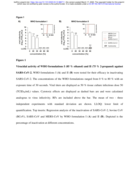
Emerg Infect Dis. 2020 Jul [date cited]. https://doi.org/10.3201/eid2607.200915
Infection control instructions call for use of alcohol-based hand rub solutions to inactivate severe acute respiratory syndrome coronavirus 2. We determined the virucidal activity of World Health Organization–recommen
...
ded hand rub formulations, at full strength and multiple dilutions, and of the active ingredients. All disinfectants demonstrated efficient virus inactivation.
more
19 April 2020
To contain the spread of COVID-19 and to keep infections at a manageable level, many countries have instituted lockdowns and social distancing. In India, a nationwide 21-day lockdown was announced with effect from 25 March 2020. This lockdown is expected to avert a sudden and large in
...
crease in the number of infections in the short term. Additionally, interventions such as social distancing and isolation of infected individuals over several months could reduce peak infections. Interventions such as frequent handwashing, reduced mass gatherings, contact tracing, and quarantines could slow transmission and reduce overall infections.
more
21 August 2020
This guidance provides specific considerations for the use of non-medical masks, also known as fabric masks, by children as a means for source control in the context of the current COVID-19 pandemic. It also advises on the use of medical masks for children under certain conditions.
The micronutrient powders will be distributed at the health facilities where instructions on use will be provided by Health Care Providers. Community Health Volunteers will educate, counsel, and mobilize caregivers at the community level to visit health facilities for nutrition assessment and provis
...
ion of the micronutrient powders.
more
BMC Public Health (2021) 21:299 https://doi.org/10.1186/s12889-021-10296-9
Nature | Vol 600 | 2 December 2021 |

Some observers have described the coronavirus pandemic as an 'Anthropocene disease,' thereby highlighting its connection with this new ecological era that is characterised by the considerable pressure human activities are exerting on ecosystems and the consequences on public health, society and the
...
environment. This article focuses on the recent emergence of the 'Planetary Health' paradigm. Launched by the Rockefeller Foundation and the medical journal The Lancet, Planetary Health is one of the most ambitious attempts in recent years to systematize global health in the Anthropocene. While recognising the interest and necessity of reflecting on human health and the health of the planet, this article aims to show, however, that the Planetary Health paradigm is problematic and aporetic for two reasons. First, because it is based on a scientistic and depoliticised conception of the Anthropocene, which obscures capitalism's responsibility for the contemporary global and, especially, ecological crisis. Second, because this conception leads to a promotion of solutions that are essentially based on the financialization and technoscientific management of the living world - precisely the underlying cause of the degradation of ecosystems and living conditions that created the Anthropocene in the first place. A different kind of 'planetary health' remains possible and desirable.
more

The Lancet Volume 397, ISSUE 10269, P129-170, January 09, 2021
The Strategy provides a high-level unifying framework to leverage existing capacities, address barriers and strengthen the use of genomic surveillance in the detection, monitoring and response to public health threats. Genomic surveillance is part of the broader surveillance and laboratory system, a
...
nd its implementation should reinforce end-to-end capacities including sample collection, diagnostics, data sharing and analysis. The strategy aims to facilitate the connectivity between different disease control programs and surveillance networks. This interoperability will strengthen the cross-cutting essential public health laboratory functions underpinning genomics holistically. The strategy articulates the overarching goal, objectives and strategic actions needed. These are dependent on commitments from countries, partners and WHO for their implementation.
more
To examine how health aid is spent and channelled, including the distribution of resources across countries and between
subsectors. Our aim was to complement the many qualitative critiques of health aid with a quantitative review and to provide insights on the level of development assistance availa
...
ble to recipient countries to address their health and health development needs.
more
