
Filter
5835
Text search:
delivery
systems
Featured
492
1692
Language
5685
123
97
86
70
40
36
17
6
6
5
5
5
5
5
4
4
4
4
4
3
2
2
2
2
2
2
2
2
2
2
2
2
2
2
2
2
2
2
2
1
1
1
1
1
1
1
1
1
1
1
1
1
1
1
1
1
Document type
3403
950
660
297
279
79
72
51
14
13
7
6
1
1
Countries
241
221
219
145
143
138
132
123
122
113
110
108
105
103
98
87
87
86
86
84
65
61
56
52
46
45
45
44
41
41
40
35
35
34
32
32
31
30
30
28
25
24
23
22
22
17
17
17
16
15
15
14
13
13
12
12
11
11
10
10
10
10
9
9
9
8
8
8
8
7
7
7
7
6
6
6
5
5
5
5
4
4
4
4
4
4
4
4
4
3
3
3
3
3
3
3
3
3
3
3
3
3
3
3
3
2
2
2
2
2
2
2
2
2
2
2
2
2
2
2
2
2
2
2
2
2
2
1
1
1
1
1
1
1
1
1
1
1
1
1
1
1
1
Authors & Publishers
762
271
264
203
178
137
128
120
98
52
47
32
31
31
30
30
30
30
27
24
24
22
22
22
22
21
21
19
18
18
18
18
18
18
17
17
17
17
16
16
16
16
16
16
16
15
15
14
14
13
13
13
13
13
13
13
12
12
12
12
12
12
11
11
11
11
11
11
11
11
10
10
10
10
10
10
10
10
10
9
9
9
9
9
9
9
9
9
9
9
8
8
8
8
8
8
8
8
7
7
7
7
7
7
7
7
7
7
7
7
7
7
7
7
7
7
7
7
6
6
6
6
6
6
6
6
6
6
6
6
6
6
6
6
6
6
6
6
6
6
6
6
5
5
5
5
5
5
5
5
5
5
5
5
5
5
5
5
5
5
5
5
5
5
5
5
5
5
5
5
5
5
5
5
5
5
5
5
5
5
5
5
5
5
5
5
5
5
5
5
5
5
5
5
5
5
5
5
5
5
5
4
4
4
4
4
4
4
4
4
4
4
4
4
4
4
4
4
4
4
4
4
4
4
4
4
4
4
4
4
4
4
4
4
4
4
4
4
4
4
4
4
4
4
4
4
4
4
4
4
4
4
4
4
4
4
4
4
3
3
3
3
3
3
3
3
3
3
3
3
3
3
3
3
3
3
3
3
3
3
3
3
3
3
3
3
3
3
3
3
3
3
3
3
3
3
3
3
3
3
3
3
3
3
3
3
3
3
3
3
3
3
3
3
3
3
3
3
3
3
3
3
3
3
3
3
3
3
3
3
3
3
3
3
3
3
3
3
3
3
3
3
3
3
3
3
3
3
3
3
3
3
3
3
3
3
3
3
3
3
3
3
3
3
3
3
3
3
3
2
2
2
2
2
2
2
2
2
2
2
2
2
2
2
2
2
2
2
2
2
2
2
2
2
2
2
2
2
2
2
2
2
2
2
2
2
2
2
2
2
2
2
2
2
2
2
2
2
2
2
2
2
2
2
2
2
2
2
2
2
2
2
2
2
2
2
2
2
2
2
2
2
2
2
2
2
2
2
2
2
2
2
2
2
2
2
2
2
2
2
2
2
2
2
2
2
2
2
2
2
2
2
2
2
2
2
2
2
2
2
2
2
2
2
2
2
2
2
2
2
2
2
2
2
2
2
2
2
2
2
2
2
2
2
2
2
2
2
2
2
2
2
2
2
2
2
2
2
2
2
2
2
2
2
2
2
2
2
2
2
2
2
2
2
2
2
2
2
2
2
2
2
2
2
2
2
2
2
2
2
2
2
2
2
2
2
2
2
2
2
2
2
2
2
2
2
2
2
2
2
2
2
2
2
2
2
2
2
2
2
2
2
2
2
2
2
2
2
2
2
2
2
2
2
2
2
2
2
2
2
2
2
2
2
2
2
2
2
2
2
2
2
2
2
2
2
2
2
2
2
2
2
2
2
2
2
2
2
2
2
2
2
2
2
2
2
2
2
2
2
2
2
2
2
2
2
2
2
2
2
2
2
2
2
2
2
2
2
2
2
2
2
2
2
2
2
2
2
2
2
2
2
2
2
2
2
2
2
2
2
2
2
2
2
2
2
2
2
2
1
1
1
1
1
1
1
1
1
1
1
1
1
1
1
1
1
1
1
1
1
1
1
1
1
1
1
1
1
1
1
1
1
1
1
1
1
1
1
1
1
1
1
1
1
1
1
1
1
1
1
1
1
1
1
1
1
1
1
1
1
1
1
1
1
1
1
1
1
1
1
1
1
1
1
1
1
1
1
1
1
1
1
1
1
1
1
1
1
1
1
1
1
1
1
1
1
1
1
1
1
1
1
1
1
1
1
1
1
1
1
1
1
1
1
1
1
1
1
1
1
1
1
1
1
1
1
1
1
1
1
1
1
1
1
1
1
1
1
1
1
1
1
1
1
1
1
1
1
1
1
1
1
1
1
1
1
1
1
1
1
1
1
1
1
1
1
1
1
1
1
1
1
1
1
1
1
1
1
1
1
1
1
1
1
1
1
1
1
1
1
1
1
1
1
1
1
1
1
1
1
1
1
1
1
1
1
1
1
1
1
1
1
1
1
1
1
1
1
1
1
1
1
1
1
1
1
1
1
1
1
1
1
1
1
1
1
1
1
1
1
1
1
1
1
1
1
1
1
1
1
1
1
1
1
1
1
1
1
1
1
1
1
1
1
1
1
1
1
1
1
1
1
1
1
1
1
1
1
1
1
1
1
1
1
1
1
1
1
1
1
1
1
1
1
1
1
1
1
1
1
1
1
1
1
1
1
1
1
1
1
1
1
1
1
1
1
1
1
1
1
1
1
1
1
1
1
1
1
1
1
1
1
1
1
1
1
1
1
1
1
1
1
1
1
1
1
1
1
1
1
1
1
1
1
1
1
1
1
1
1
1
1
1
1
1
1
1
1
1
1
1
1
1
1
1
1
1
1
1
1
1
1
1
1
1
1
1
1
1
1
1
1
1
1
1
1
1
1
1
1
1
1
1
1
1
1
1
1
1
1
1
1
1
1
1
1
1
1
1
1
1
1
1
1
1
1
1
1
1
1
1
1
1
1
1
1
1
1
1
1
1
1
1
1
1
1
1
1
1
1
1
1
1
1
1
1
1
1
1
1
1
1
1
1
1
1
1
1
1
1
1
1
1
1
1
1
1
1
1
1
1
1
1
1
1
1
1
1
1
1
1
1
1
1
1
1
1
1
1
1
1
1
1
1
1
1
1
1
1
1
1
1
1
1
1
1
1
1
1
1
1
1
1
1
1
1
1
1
1
1
1
1
1
1
1
1
1
1
1
1
1
1
1
1
1
1
1
1
1
1
1
1
1
1
1
1
1
1
1
1
1
1
1
1
1
1
1
1
1
1
1
1
1
1
1
1
1
1
1
1
1
1
1
1
1
1
1
1
1
1
1
1
1
1
1
1
1
1
1
1
1
1
1
1
1
1
1
1
1
1
1
1
1
1
1
1
1
1
1
1
1
1
1
1
1
1
1
1
1
1
1
1
1
1
1
1
1
1
1
1
1
1
1
1
1
1
1
1
1
1
1
1
1
1
1
1
1
1
1
1
1
1
1
1
1
1
1
1
1
1
1
1
1
1
1
1
1
1
1
1
1
1
1
1
1
1
1
1
1
1
1
1
1
1
1
1
1
1
1
1
1
1
1
1
1
1
1
1
1
1
1
1
1
1
1
1
1
1
1
1
1
1
1
1
1
1
1
1
1
1
1
1
1
1
1
1
1
1
1
1
1
1
1
1
1
1
1
1
1
1
1
1
1
1
1
1
1
1
1
1
1
1
1
1
1
1
1
1
1
1
1
1
1
1
1
1
1
1
1
1
1
1
1
1
1
1
1
1
1
1
1
1
1
1
1
1
1
1
1
1
1
1
1
1
1
1
1
1
1
1
1
1
1
1
1
1
1
1
1
1
1
1
1
1
1
1
1
1
1
1
1
1
1
1
1
1
1
1
1
1
1
1
1
1
1
1
1
1
1
1
1
1
1
1
1
1
1
1
1
1
1
1
1
1
1
1
1
1
1
1
1
1
1
1
1
1
1
1
1
1
1
1
1
1
1
1
1
1
1
1
1
1
1
1
1
1
1
1
1
1
1
1
1
1
1
1
1
1
1
1
1
1
1
1
1
1
1
1
1
1
1
1
1
1
1
1
1
1
1
1
1
1
1
1
1
1
1
1
1
1
1
1
1
1
1
1
1
1
1
1
1
1
1
1
1
1
1
1
1
1
1
1
1
1
1
1
1
1
1
1
1
1
1
1
1
1
1
1
1
1
1
1
1
1
1
1
1
1
1
1
1
1
1
1
1
1
1
1
1
1
1
1
1
1
1
1
1
1
1
1
1
1
1
1
1
1
1
1
1
1
1
1
1
1
1
1
1
1
1
1
1
1
1
1
1
1
1
1
1
1
1
1
1
1
1
1
1
1
1
1
1
1
1
1
1
1
1
1
1
1
1
1
1
1
1
1
1
1
1
1
1
1
1
1
1
1
1
1
1
1
1
1
1
1
1
1
1
1
1
1
1
1
1
1
1
1
1
1
1
1
1
1
1
1
1
1
1
1
1
1
1
1
1
1
1
1
1
1
1
1
1
1
1
1
1
1
1
1
1
1
1
1
1
1
1
1
1
1
1
1
1
1
1
1
1
1
1
1
1
1
1
1
1
1
1
1
1
1
1
1
1
1
1
1
1
1
1
1
1
1
1
1
1
1
1
1
1
1
1
1
1
1
1
1
1
1
1
1
1
1
1
1
1
1
1
1
1
1
1
1
1
1
1
1
1
1
1
1
1
1
1
1
1
1
1
1
1
1
1
1
1
1
1
1
1
1
1
1
1
1
1
1
1
1
1
1
1
1
1
1
1
1
1
1
1
1
1
1
1
1
1
1
1
1
1
1
1
1
1
1
1
1
1
1
1
1
1
1
1
1
1
1
1
1
1
1
1
1
1
1
1
1
1
1
1
1
1
1
1
1
1
1
1
1
1
1
1
1
1
1
1
1
1
1
1
1
1
1
1
1
1
1
1
1
1
1
1
1
1
1
1
1
1
1
1
1
1
1
1
1
1
1
1
1
1
1
1
1
1
1
1
1
1
1
1
1
1
1
1
1
1
1
1
1
1
1
1
1
1
1
1
1
1
1
1
1
1
1
1
1
1
1
1
1
1
1
1
1
1
1
1
1
1
1
1
1
1
1
1
1
1
1
1
1
1
1
1
1
1
1
1
1
1
1
1
1
1
1
1
1
1
1
1
1
1
1
1
1
1
1
1
1
1
1
1
1
1
1
1
1
1
1
1
1
1
1
1
1
1
1
1
1
1
1
1
1
1
1
1
1
1
1
1
1
1
1
1
1
1
1
1
1
1
1
1
1
1
1
1
1
1
1
1
1
1
1
1
1
1
1
1
1
1
1
1
1
1
1
1
1
1
1
1
1
1
1
1
1
1
1
1
1
1
1
1
1
1
1
1
1
1
1
1
1
1
1
1
1
1
1
1
1
1
1
1
1
1
1
1
1
1
1
1
1
1
1
1
1
1
1
1
1
1
1
1
1
1
1
1
1
1
1
1
1
1
1
1
1
1
1
1
1
1
1
1
1
1
1
1
1
1
1
1
1
1
1
1
1
1
1
1
1
1
1
1
1
1
1
1
1
1
1
1
1
1
1
1
1
1
1
1
1
1
1
1
1
1
1
1
1
1
1
1
1
1
1
1
1
1
1
1
1
1
1
1
1
1
1
1
1
1
1
1
1
1
1
1
1
1
1
1
1
1
1
1
1
1
1
1
1
1
1
1
1
1
1
1
1
1
1
1
1
1
1
1
1
1
1
1
1
1
1
1
1
1
1
1
1
1
1
1
1
1
1
1
1
1
1
1
1
1
1
1
1
1
1
1
1
1
1
1
1
1
1
1
1
1
1
1
1
1
1
1
1
1
1
1
1
1
1
1
1
1
1
1
1
1
1
1
1
1
1
1
1
1
1
1
1
1
1
1
1
1
1
1
1
1
1
1
1
1
1
1
1
1
1
1
1
1
1
1
1
1
1
1
1
1
1
1
1
1
1
1
1
1
1
1
1
1
1
1
1
1
1
1
1
1
1
1
1
1
1
1
1
1
1
1
1
1
1
1
1
1
1
1
1
1
1
1
1
1
1
1
1
1
1
1
1
1
1
1
1
1
1
1
1
1
1
1
1
1
1
1
1
1
1
1
1
1
1
1
1
1
1
1
1
1
1
1
1
1
1
1
1
1
1
1
1
1
1
1
1
1
1
1
1
1
1
1
1
1
1
1
1
1
1
1
1
1
1
1
1
1
1
1
1
1
1
1
1
1
1
1
1
1
1
1
1
1
1
1
1
1
1
1
1
1
1
1
1
1
1
1
1
1
1
1
1
1
1
1
1
1
1
1
1
1
1
1
1
1
1
1
1
1
1
1
1
1
1
1
1
1
1
1
1
1
1
1
1
1
1
1
1
1
1
1
1
1
1
1
1
1
1
1
1
1
1
1
1
1
1
1
1
1
1
1
1
1
1
1
1
1
1
1
1
1
1
1
1
1
1
1
1
1
1
1
1
1
1
1
1
1
1
1
1
1
1
1
1
1
1
1
1
1
1
1
1
1
1
1
1
1
1
1
1
1
1
1
1
1
1
1
1
1
1
1
1
1
1
1
1
1
1
1
1
1
1
1
1
1
1
1
1
1
1
1
1
1
1
1
1
1
1
1
1
1
1
1
1
1
1
1
1
1
1
1
1
1
1
1
1
1
1
1
1
1
1
1
1
1
1
1
1
1
1
1
1
1
1
1
1
1
1
1
1
1
1
1
1
1
1
1
1
1
1
1
1
1
1
1
1
1
1
1
1
1
1
1
1
1
1
1
1
1
1
1
1
1
1
1
1
1
1
1
1
1
1
1
1
1
1
1
1
1
1
1
1
1
1
1
1
1
1
1
1
1
1
1
1
1
1
1
1
1
1
1
1
1
1
1
1
1
1
1
1
1
1
1
1
1
1
1
1
1
1
1
1
1
1
1
1
1
1
1
1
1
1
1
1
1
1
1
1
1
1
1
1
1
1
1
1
1
1
1
1
1
1
1
1
1
1
1
1
1
1
1
1
1
1
1
1
1
1
1
1
1
1
1
1
1
1
1
1
1
1
1
1
1
1
1
1
1
1
1
1
1
1
1
1
1
1
1
1
1
1
1
1
1
1
1
1
1
1
1
1
1
1
1
1
1
1
1
1
1
1
1
1
1
1
1
1
1
1
1
1
1
1
1
1
1
1
1
1
1
1
1
1
1
1
1
1
1
1
1
1
1
1
1
1
1
1
1
1
1
1
1
1
1
1
1
1
1
1
1
1
1
1
1
1
1
1
1
1
1
1
1
1
1
1
1
1
1
1
1
1
1
1
1
1
1
1
1
1
1
1
1
1
1
1
1
1
1
1
1
1
1
1
1
1
1
1
1
1
1
1
1
1
1
1
1
1
1
1
1
1
1
1
1
1
1
1
1
1
1
1
1
1
1
1
1
1
1
1
1
1
1
1
1
1
1
1
1
1
1
1
1
1
1
1
1
1
1
1
1
1
1
1
1
1
1
1
1
1
1
1
1
1
1
1
1
1
1
1
1
1
1
1
1
1
1
1
1
1
1
1
1
1
1
1
1
1
1
1
1
1
1
1
1
1
1
1
1
1
1
1
1
1
1
1
1
1
1
1
1
1
1
1
1
1
1
1
1
1
1
1
1
1
1
1
1
1
1
1
1
1
1
1
1
1
1
1
1
1
1
1
1
1
1
1
1
1
1
1
1
1
1
1
1
1
1
1
1
1
1
1
1
1
1
1
1
1
1
1
1
1
1
1
1
1
1
1
1
1
1
1
1
1
1
1
1
1
1
1
1
1
1
1
1
1
1
1
1
1
1
1
1
1
1
1
1
1
1
1
1
1
1
1
1
1
1
1
1
1
1
1
1
1
1
1
1
1
1
1
1
1
1
1
1
1
1
1
1
1
1
1
1
1
1
1
1
1
1
1
1
1
1
1
1
1
1
1
1
1
1
1
1
1
1
1
1
1
1
1
1
1
1
1
1
1
1
1
1
1
1
1
1
1
1
1
1
1
1
1
1
1
1
1
1
1
1
1
1
1
1
1
1
1
1
1
1
1
1
1
1
1
1
1
1
1
1
1
1
1
1
1
1
1
1
1
1
1
1
1
1
1
1
1
1
1
1
1
1
1
1
1
1
1
1
1
1
1
1
1
1
1
1
1
1
1
1
1
1
1
1
1
1
1
1
1
1
1
1
1
1
1
1
1
1
1
1
1
1
1
1
1
1
1
1
1
1
1
1
1
1
1
1
1
1
1
1
1
1
1
1
1
1
1
1
1
1
1
1
1
1
1
1
1
1
1
1
1
1
1
1
1
1
1
1
1
1
1
1
1
1
1
1
1
1
1
1
1
1
1
1
1
1
1
1
1
1
1
1
1
1
1
1
1
1
1
1
1
1
1
1
1
1
1
1
1
1
1
1
1
1
1
1
1
1
1
1
1
1
1
1
1
1
1
1
1
1
1
1
1
1
1
1
1
1
1
1
1
1
1
1
1
1
1
1
1
1
1
1
1
1
1
1
1
1
1
1
1
1
1
1
1
1
1
1
1
1
1
1
1
1
1
1
1
1
1
1
1
1
1
1
1
1
1
1
1
1
1
1
1
1
1
1
1
1
1
1
1
1
1
1
1
1
1
1
1
1
1
1
1
1
1
1
1
1
1
1
1
1
1
1
1
1
1
1
1
1
1
1
1
1
1
1
1
1
1
1
1
1
1
1
1
1
1
1
1
1
1
1
1
1
1
1
1
1
1
1
1
1
1
1
1
1
1
1
1
1
1
1
1
1
1
1
1
1
1
1
1
1
1
1
1
1
1
1
1
1
1
1
1
1
1
1
1
1
1
1
1
1
1
1
1
1
1
1
1
1
1
1
1
1
1
1
1
1
1
1
1
1
1
1
1
1
1
1
1
1
1
1
1
1
1
1
1
1
1
1
1
1
1
1
1
1
1
1
1
1
1
1
1
1
1
1
1
1
1
1
1
1
1
1
1
1
1
1
1
1
1
1
1
1
1
1
1
1
1
1
1
1
1
1
1
1
1
1
1
1
1
1
1
1
1
1
1
1
1
1
1
1
1
1
1
1
1
1
1
1
1
1
1
1
1
1
1
1
1
1
1
1
1
1
1
1
1
1
1
1
1
1
1
1
1
1
1
1
1
1
1
1
1
1
1
1
1
1
1
1
1
1
1
1
1
1
1
1
1
1
1
1
1
1
1
1
1
1
1
1
1
1
1
1
1
1
1
1
1
1
1
1
1
1
1
1
1
1
1
1
1
1
1
1
1
1
1
1
1
1
1
1
1
1
1
1
1
1
1
1
1
1
1
1
1
1
1
1
1
1
1
1
1
1
1
1
1
1
1
1
1
1
1
1
1
1
1
1
1
1
1
1
1
1
1
1
1
1
1
1
1
1
1
1
1
1
1
1
1
1
1
1
1
1
1
1
1
1
1
1
1
1
1
1
1
1
1
1
1
1
1
1
1
1
1
1
1
1
1
1
1
1
1
1
1
1
1
1
1
1
1
1
1
1
1
1
1
1
1
1
1
1
1
1
1
1
1
1
1
1
1
1
1
1
1
1
1
1
1
1
1
1
1
1
1
1
1
1
1
1
1
1
1
1
1
1
1
1
1
1
1
1
1
1
1
1
1
1
1
1
1
1
1
1
1
1
1
1
1
1
1
1
1
1
1
1
1
1
1
1
1
1
1
1
1
1
1
1
1
1
1
1
1
1
1
1
1
1
1
1
1
1
1
1
1
1
1
1
1
1
1
1
1
1
1
1
1
1
1
1
1
1
1
1
1
1
1
1
1
1
1
1
1
1
1
1
1
1
1
1
1
1
1
1
1
1
1
1
1
1
1
1
1
1
1
1
1
1
1
1
1
1
1
1
1
1
1
1
1
1
1
1
1
1
1
1
1
1
1
1
1
1
1
1
1
1
1
1
1
1
1
1
1
1
1
1
1
1
1
1
1
1
1
1
1
1
1
1
1
1
1
1
1
1
1
1
1
1
1
1
1
1
1
1
1
1
1
1
1
1
1
1
1
1
1
1
1
1
1
1
1
1
1
1
1
1
1
1
1
1
1
1
1
1
1
1
1
1
1
1
1
1
1
1
1
1
1
1
1
1
1
1
1
1
1
1
1
1
1
1
1
1
1
1
1
1
1
1
1
1
1
1
1
1
1
1
1
1
1
1
1
1
1
1
1
1
1
1
1
1
1
1
1
1
1
1
1
1
1
1
1
1
1
1
1
1
1
1
1
1
1
1
1
1
1
1
1
1
1
1
1
1
1
1
1
1
1
1
1
1
1
1
1
1
1
1
1
1
1
1
1
1
1
1
1
1
1
1
1
1
1
1
1
1
1
1
1
1
1
1
1
1
1
1
1
1
1
1
1
1
1
1
1
1
1
1
1
1
1
1
1
1
1
1
1
1
1
1
1
1
1
1
1
1
1
1
1
1
1
1
1
1
1
1
1
1
1
1
1
1
1
1
1
1
1
1
1
1
1
1
1
1
1
1
1
1
1
1
1
1
1
1
1
1
1
1
1
1
1
1
1
1
1
1
1
1
1
1
1
1
1
1
1
1
1
1
1
1
1
1
1
1
1
1
1
1
1
1
1
1
1
1
1
1
1
1
1
1
1
1
1
1
1
1
1
1
1
1
1
1
1
1
1
1
1
1
1
1
1
Publication Years
1575
3725
512
20
2
1
Category
2338
414
357
346
265
108
51
7
3
1
Toolboxes
500
475
352
266
215
207
200
187
135
132
116
103
103
97
91
84
81
77
34
29
26
25
16
6
3
1
Front Chem. 2021; 9: 622286.
Published online 2021 Mar 12. doi: 10.3389/fchem.2021.622286
Trachoma, caused by particular serovars of Chlamydia trachomatis, is the leading
infectious cause of blindness. Infection is transmitted within ocular and nasal secretions that are passed from person to person on fingers, fomites (such as clothing) and eye-seeking flies (particularly Musca sorbens)
...
.
Ophthalmic infection is associated with an inflammatory conjunctivitis known as “active trachoma”. Repeated episodes of active trachoma can scar the eyelids. In some individuals this leads to trachomatous trichiasis (TT), in which one or more eyelashes on the upper
eyelid touch the eye. TT is extremely painful. It can be corrected surgically, but, if left untreated, may lead to corneal opacification, resulting in vision impairment and blindness.
more
The WHO estimates that 19 million children aged 15 years or younger are visually impaired. Of these, 1.4 million are irreversibly blind and need visual rehabilitation interventions for full psychological and personal development. The remainder have visual problems that could be prevented or treated.
...
Identifying children with visual problems early in life so that they can benefit from medical and optical interventions remains a key challenge for most child eye health programmes. Reports from various low-and middle-income countries indicate that the age of children undergoing operation for cataract is frequently too high to achieve maximum benefit.
more

WHO needs US$2.54 billion to provide life-saving assistance to millions of people around the world facing health emergencies. WHO’s Health Emergency Appeal is a consolidation of WHO’s priorities and financial requirements for 2023 to carry out health interventions in emergency and humanitarian r
...
esponses. The number of people in need of humanitarian relief has increased by almost a quarter compared to 2022, to a record 339 million. WHO is responding to an unprecedented number of intersecting health emergencies: climate change-related disasters such as flooding in Pakistan and food insecurity across the Sahel in the greater Horn of Africa; the war in Ukraine; and the health impact of conflict in Yemen, Afghanistan, Syria and north eastern Ethiopia – all of these emergencies overlapping with the health system disruptions caused by the COVID-19 pandemic and outbreaks of measles, cholera, and other killers. Contributions to the appeal can be fully flexible, flexible across a region, or flexible within a country appeal.
more
In 2005, the World Health Organization (WHO) recognized Chagas disease (CD; Trypanosoma cruzi infection) as a neglected tropical disease (NTD) [1] and included it into the global plan to combat NTDs [2]. The Target 3.3 of the United Nations Sustainable Development Goals (UN/SDG) aims at ending the e
...
pidemics of NTDs by 2030 [3]. Mother-to-child (congenital/connatal) transmission is currently the main mode of transmission of T. cruzi over blood transfusions and organ transplantations in vector-free areas within and outside Latin America (LA). Based on recent demonstrations that congenital transmission can be prevented [4–7], WHO has shifted its objective, in 2018, from control to elimination of congenital CD (cCD).
more
Lymphatic filariasis (LF) infection if untreated results in fluid accumulation in the limbs or breasts (lymphedema) or genitalia (hydrocele) that is painful and causes great discomfort. Morbidity management and disability prevention (MMDP) strategies such as surgery for hydrocele, treatment of acute
...
attacks and management of lymphedema are necessary for the management of the advanced stages of LF. However, very few countries including Zambia, have adequate information on the health beliefs and health seeking behavior of communities living in endemic areas towards MMDP services for LF. This study sought to explore community and health provider perspectives towards MMDP services for LF in a highly endemic region, Luangwa District, Zambia, between February and April 2019.
more
Prevalence of Schistosoma Haematobium Measured by a Mobile Health System in an Unexplored Endemic Region in the Subprefecture of Torrock, Chad
Layaye, D.; E de Bruijn, M.; de Jong, T.; et al.
JMIR Publication Advancing Digital Health and Open Science
(2019)
CC
Schistosoma haematobium is a parasitic digenetic trematode responsible for schistosomiasis (also known as bilharzia). The disease is caused by penetration of the skin by the parasite, spread by intermediate host molluscs in stagnant waters, and can be treated by administration of praziquantel. Schis
...
tosomiasis is considered to be an important but neglected tropical disease.
more
The Return Counselling Toolkit is a capacity-building instrument aimed at providing a harmonized and coherent approach to return counselling, based on key migrant-centred principles while protecting migrants’ rights. Mindful of the specific needs and rights pertaining to children, this additional
...
module on counselling children and families further complements the first five modules of the Return Counselling Toolkit. It provides specialized guidance on how to prepare and deliver return counselling to accompanied, unaccompanied and separated children while upholding child rights and safeguards.
more
This thematic brief accompanies the Working for Health 2022–2030 Action Plan, serving as a background and rationale to the related actions of the Working for Health progression model (see Annex). The brief aims to inform Member States, nonstate actors and other users of the Action Plan on the con
...
text of health and care workforce education and employment, including the relevant policy landscape, key challenges and future directions.
In doing so, it provides an expanded exploration of the themes beyond what is provided in the Action Plan itself and reflects the topical issues and considerations that shaped its design, including those issues identified in the Seventy-fourth World Health Assembly Resolution WHA74.14 to protect, safeguard and invest in the health and care workforce. The importance of these themes was again emphasized at the Seventy-fifth World Health Assembly, when Resolution WHA75.17: Human resources for health was co-sponsored by over 100 Member States, calling for the adoption and implementation of the Working for Health 2022–2030 Action Plan and utilization of the related Global Health and Care Worker Compact.
more
Arsenical monotherapies were previously very successful for treating human African trypanosomiasis (HAT).
Melarsoprol resistance emerged as early as the 1970s and was widespread by the late 1990s.
Melarsoprol resistance represents the only example of widespread drug resistance in HAT patients wher
...
e the genetic mechanism has been established.
The current goal of elimination of HAT as a public health problem by 2020 may be undermined by the emergence and spread of resistance to current or new drugs.
Insights into potential resistance mechanisms for current and new drugs will facilitate predictions of the likelihood of resistance and will also facilitate rational approaches to minimizing, monitoring, and tackling the future emergence of resistance.
more
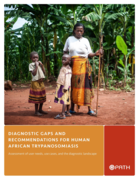
In support of the London Declaration goals, PATH aims to catalyze engagement of the diagnostics industry and product development efforts. As part of this work, PATH conducted a diagnostic landscape analysis to identify gaps and evaluated current and nascent HAT diagnostics that may provide solutions
...
.
We conducted literature reviews and interviews with key stakeholders to identify use cases for HAT diagnostics, understand current practices, and analyze progress toward more robust diagnostics across
different biomarkers.
more
Cholera which disproportionally impacts poor countries and the most vulnerable continues to affect at least 47 countries across the globe, resulting in an estimated 1.3 – 4 million cases, and 21,000 - 143,000 deaths per year worldwide. In Ethiopia, despite major improvements seen in the increasing
...
access to healthcare, clean water, and improvement in maternal and child health, the country continues to be significantly affected by cholera outbreaks. From 2015 – 2021 for example, several outbreaks of cholera have occurred in multiple parts of the country resulting in over 105,000 cases and thousands of deaths. Some of the risk factors associated with cholera in Ethiopia include inadequate access to clean water, practice of open defecation, poor household and environmental sanitation, unhygienic latrine and weak sanitation practise among communities.
more

This handbook is intended primarily for front-line health care providers who are likely to see children (among other clients) in their day-to-day practice. These may include general practitioners, nurses, midwives, gynaecologists,
paediatricians, mental health professionals, first responders and st
...
aff in emergency care.
Other professionals who may find it useful include social workers, those working in social welfare institutions, providers of psychosocial support, and those working in child care facilities and the education system.
Further, the content will benefit the work of policy-makers and managers to enable and support provision of clinical care to children experiencing, or who have experienced, child maltreatment.
more
Since 2000, concerted efforts by national programmes, supported by public–private partnerships, nongovernmental organizations, donors and academia under the auspices and coordination of the World Health Organization (WHO), have produced important achievements in the control of human African trypan
...
osomiasis (HAT). As a consequence, the disease was targeted for elimination as a public health problem by 2020. The Sixty-sixth World Health Assembly endorsed this goal in resolution WHA66.12 on neglected tropical diseases, adopted in 2013.
National sleeping sickness control programmes (NSSCPs) are core to progressing control of the disease and in adapting to the different epidemiological situations. The involvement of different partners, as well as the support and trust of long-term donors, has been crucial for the achievements.
more
In our fourth year of producing The State of Open Humanitarian Data, we can report the highest levels yet for data availability across priority humanitarian operations. These gains can be attributed to the commitment of organizations to sharing and maintaining their data publicly. There was also str
...
ong demand for data about the world's largest humanitarian crises, from the war in Ukraine to drought and food insecurity in the Horn of Africa.
more

Research and Reports in Tropical Medicine 2022:13 25–40.
Chagas disease (CD) is caused by the parasite Trypanosoma cruzi, and it is endemic in Central, South America, Mexico and the South of the United States. It is an important cause of early mortality and morbidity, and it is associated with po
...
verty and stigma. A third of the cases evolve into chronic cardiomyopathy and gastrointestinal disease. This review proposes strategies to address challenges faced by non-endemic countries
more
Every day in 2020, approximately 800 women died from preventable causes related to pregnancy and childbirth - meaning that a woman dies around every two minutes.
Sustainable Development Goal (SDG) target 3.1 is to reduce maternal mortality to less than 70 maternal deaths per 100 000 live births by
...
2030.
The United Nations Maternal Mortality Estimation Inter-Agency Group (MMEIG) – comprising WHO, the United Nations Children’s Fund (UNICEF), the United Nations Population Fund (UNFPA), the World Bank Group and the United Nations Department of Economic and Social Affairs, Population Division (UNDESA/Population Division) has collaborated with external technical experts on a new round of estimates covering 2000 to 2020. The estimates represent the most up to date, internationally-comparable MMEIG estimates of maternal mortality, using refined input data and methods from previous rounds.
The report presents internationally comparable global, regional and country-level estimates and trends for maternal mortality between 2000 and 2020.
more
An interregional meeting on leishmaniasis among neighbouring endemic
countries in the Eastern Mediterranean, African and European regions was organized by the World Health Organization (WHO) Regional Office for the Eastern
Mediterranean in Amman, Jordan, from 23 to 25 September 2018. The meeting w
...
as attended by representatives from the health ministries of Albania, Georgia, Greece, Iran (Islamic Republic of), Iraq, Jordan, Lebanon, Morocco, Pakistan, Saudi Arabia, Sudan, Syrian Arab Republic and Tunisia. Representatives from Afghanistan, Algeria and Libya were unable to attend. The Secretariat comprised staff from WHO headquarters, WHO regional offices in the Eastern Mediterranean, Africa and Europe, WHO country offices in Iraq, Pakistan, Syrian Arab Republic and Yemen, and WHO temporary advisors from Spain and Tunisia.
more
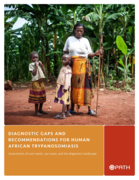
This analysis focused on the chronic form of HAT caused by T. b. gambiense, as it contributes to the majority of disease burden. Information from the literature review,
product development landscape, and stakeholder interviews was compiled to:
- Identify use cases and understand current diagnosti
...
c practices and tools associated with each use case.
- Analyze progress toward robust diagnostics for HAT across different biomarkers.
- Develop recommendations for steps to improve the availability, access, and adoption of HAT diagnostic tools.
more
The objectives of the meeting were:
1. To update the current status of the disease transmission, country capacities and plans for tackling the disease.
2. To understand the epidemiology including disease distribution and risk, the models
for estimating under-detection, the geographical variati
...
ons of in clinical presentation,
the roles of domestic and wild animal reservoirs and the subsequent different
transmission patterns and control approaches, including vector control.
3. To update current research and development efforts for improving diagnostic and
treatment tools.
4. To define the goals for achieving the control of r-HAT, the need for a multisectoral
approach and to discuss the strategy for controlling r-HAT and the coordination
mechanisms.
more
