
Filter
903
Text search:
regional
refugee
response
plan
Featured
93
268
Language
Document type
466
185
80
60
59
25
17
8
1
1
1
Countries
65
38
36
32
28
28
26
24
24
20
20
19
17
17
14
13
12
11
11
11
10
10
10
10
9
9
8
7
7
7
7
7
6
6
6
6
6
6
6
5
5
5
5
5
5
5
5
5
5
4
4
4
4
4
4
3
3
3
3
2
2
2
2
2
2
2
2
2
2
2
2
2
2
2
2
2
2
1
1
1
1
1
1
1
1
1
1
1
1
1
1
1
1
1
1
1
1
1
1
1
1
1
1
1
1
1
1
1
Authors & Publishers
Publication Years
Category
294
58
58
35
34
24
2
2
1
Toolboxes
145
110
91
63
46
40
38
30
25
20
18
14
11
11
10
6
4
3
2
2
1
1
1
Sphere for Monitoring and Evaluation
recommended
Sphere Unpacked
Working Document, September 2017
A Handbook for country programmes
Advance copy.
The report reviews progress with the task of planning and implementing measures necessary to secure a completely polio-free world. It also examines actions aimed at ensuring successful transfer of polio assets, innovations developed and lessons learned to countries’ public health programmes and ot
...

10–11 May 2016, Catania, Italy

A survey of prevention, testing and treatment policies and practices
Professional Standards for Protection Work
recommended
Carried out by humanitarian and human rights actors in armed conflict and other situations of violence
This guideline (third edition) constitutes a set of minimum but essential standards aimed at ensuring that protection work is safe and effective. The standards reflect shared thinking and common
...
The recruitment and use of children violates their rights and causes them physical, developmental, emotional, mental, and spiritual harm. The impact on their mental and physical well-being breaches the most fundamental human rights and represents a grave threat to durable peace and sustainable deve
...
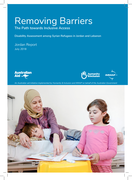
22.9% of surveyed Syrian refugees aged 2 years and above had disabilities (1,374 persons out of 6,003 persons): 13.8% in Azraq camp, 23.5% in Irbid and 30.5% in Zaatari camp. Understanding disability as the level of difficulties a person is facing when performing basic activities that could put him/
...
SDG target 3.3: by 2030, end the epidemics of AIDS, tuberculosis, malaria and neglected tropical diseases and combat hepatitis, waterborne diseases and other communicable diseases.
Inter-Agency Task Team on HIV and Young People
Guidance Brief
Accessed: 09.11.2019
