Filter
1442
Text search:
key
demographic
figures
Featured
91
556
Language
Document type
953
276
80
55
44
11
11
5
2
2
Countries
68
65
58
55
54
49
49
47
46
46
43
40
37
32
30
29
28
26
23
22
21
19
18
17
17
16
15
14
13
13
11
11
11
9
8
8
7
7
7
7
7
7
7
6
6
6
6
5
5
5
5
4
4
4
4
4
4
4
4
3
3
3
3
3
3
3
3
2
2
2
2
2
2
2
2
2
2
2
2
2
1
1
1
1
1
1
1
1
1
1
1
1
1
1
1
1
1
1
1
1
1
1
1
1
1
1
1
1
1
1
1
1
1
1
Authors & Publishers
Publication Years
Category
841
82
77
66
42
12
7
3
Toolboxes
89
74
57
54
47
39
38
33
28
27
21
18
17
16
16
13
12
6
5
3
3
1
1
1
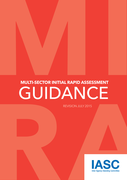
The Multi-Cluster/Sector Initial Rapid Assessment (MIRA) is a joint needs assessment tool that can be used in sudden onset emergencies, including IASC System-Wide Level 3 Emergency Responses (L3 Responses).
The purpose of this Strategy is to set out the way to meet the needs of the rural populations for improved domestic water supply services, access to and use of improved sanitation with elimination of open defecation, and improved hygiene behaviour by the Year 2030. It also addresses water, sanitatio
...
Health Economics Review, 2016 6:7 -Published: 11 February 2016
Standard Treatment Guideline
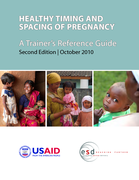
The Extending Service Delivery (ESD) project has developed Healthy Timing and Spacing of
Pregnancy: A Trainer’s Reference Guide as a resource for trainers in developing in-service training
for facility-based healthcare providers and community health workers (chws) who already have
some basic ex
...