
Filter
4570
Text search:
Healthcare
workers
Featured
504
1092
Language
4351
110
100
89
54
47
24
22
11
9
6
6
5
5
5
5
5
5
5
5
4
4
3
3
3
3
3
3
3
3
3
2
2
2
2
2
2
2
2
2
2
2
2
2
2
2
2
2
2
1
1
1
1
1
1
1
1
1
1
1
1
1
1
1
1
1
Document type
2118
840
739
280
213
127
90
71
27
21
15
11
10
3
Countries
178
178
168
163
129
116
106
105
91
76
75
73
70
66
64
63
63
62
61
60
59
52
46
44
43
37
35
33
33
31
31
29
29
28
28
25
25
23
23
23
22
22
20
20
20
18
17
17
16
15
15
14
14
13
13
12
12
11
10
10
10
10
10
9
8
8
8
8
8
8
8
7
7
7
7
7
7
6
6
6
6
5
5
5
5
4
4
4
4
4
4
4
4
4
3
3
3
3
3
3
3
3
3
3
3
3
2
2
2
2
2
2
2
2
2
2
1
1
1
1
1
1
1
1
1
1
1
1
1
1
1
1
1
1
1
1
1
1
1
1
1
Authors & Publishers
658
207
169
127
122
87
73
69
58
38
36
35
33
30
30
26
26
25
23
22
22
21
20
20
18
18
18
16
16
16
15
14
14
14
14
14
14
13
13
12
12
12
12
12
12
12
12
12
11
11
11
11
11
10
10
10
10
10
10
10
10
9
9
9
9
9
9
9
9
8
8
8
8
8
8
8
8
8
8
8
8
8
7
7
7
7
7
7
7
6
6
6
6
6
6
6
6
6
6
6
6
6
6
6
6
6
6
6
6
6
6
6
6
6
6
6
6
6
5
5
5
5
5
5
5
5
5
5
5
5
5
5
5
5
5
5
5
5
5
5
5
5
5
5
5
5
5
5
5
5
5
5
5
5
4
4
4
4
4
4
4
4
4
4
4
4
4
4
4
4
4
4
4
4
4
4
4
4
4
4
4
4
4
4
4
4
4
4
4
4
4
4
4
4
4
3
3
3
3
3
3
3
3
3
3
3
3
3
3
3
3
3
3
3
3
3
3
3
3
3
3
3
3
3
3
3
3
3
3
3
3
3
3
3
3
3
3
3
3
3
3
3
3
3
3
3
3
3
3
3
3
3
3
3
3
3
3
3
3
3
3
3
3
3
3
3
3
3
3
3
3
3
3
3
3
3
3
3
3
3
3
3
3
3
3
3
3
3
3
3
3
3
3
3
3
3
3
3
3
3
2
2
2
2
2
2
2
2
2
2
2
2
2
2
2
2
2
2
2
2
2
2
2
2
2
2
2
2
2
2
2
2
2
2
2
2
2
2
2
2
2
2
2
2
2
2
2
2
2
2
2
2
2
2
2
2
2
2
2
2
2
2
2
2
2
2
2
2
2
2
2
2
2
2
2
2
2
2
2
2
2
2
2
2
2
2
2
2
2
2
2
2
2
2
2
2
2
2
2
2
2
2
2
2
2
2
2
2
2
2
2
2
2
2
2
2
2
2
2
2
2
2
2
2
2
2
2
2
2
2
2
2
2
2
2
2
2
2
2
2
2
2
2
2
2
2
2
2
2
2
2
2
2
2
2
2
2
2
2
2
2
2
2
2
2
2
2
2
2
2
2
2
2
2
2
2
2
2
2
2
2
2
2
2
2
2
2
2
2
2
2
2
2
2
2
2
2
2
2
2
2
2
2
2
2
2
2
2
2
2
2
2
2
2
2
2
2
2
2
2
2
2
2
2
2
2
2
2
2
2
2
2
2
2
2
2
2
2
2
2
2
2
2
2
2
2
2
2
2
2
2
2
2
2
2
2
2
2
2
2
2
2
2
2
2
2
2
2
2
2
2
2
2
2
2
2
2
2
2
2
1
1
1
1
1
1
1
1
1
1
1
1
1
1
1
1
1
1
1
1
1
1
1
1
1
1
1
1
1
1
1
1
1
1
1
1
1
1
1
1
1
1
1
1
1
1
1
1
1
1
1
1
1
1
1
1
1
1
1
1
1
1
1
1
1
1
1
1
1
1
1
1
1
1
1
1
1
1
1
1
1
1
1
1
1
1
1
1
1
1
1
1
1
1
1
1
1
1
1
1
1
1
1
1
1
1
1
1
1
1
1
1
1
1
1
1
1
1
1
1
1
1
1
1
1
1
1
1
1
1
1
1
1
1
1
1
1
1
1
1
1
1
1
1
1
1
1
1
1
1
1
1
1
1
1
1
1
1
1
1
1
1
1
1
1
1
1
1
1
1
1
1
1
1
1
1
1
1
1
1
1
1
1
1
1
1
1
1
1
1
1
1
1
1
1
1
1
1
1
1
1
1
1
1
1
1
1
1
1
1
1
1
1
1
1
1
1
1
1
1
1
1
1
1
1
1
1
1
1
1
1
1
1
1
1
1
1
1
1
1
1
1
1
1
1
1
1
1
1
1
1
1
1
1
1
1
1
1
1
1
1
1
1
1
1
1
1
1
1
1
1
1
1
1
1
1
1
1
1
1
1
1
1
1
1
1
1
1
1
1
1
1
1
1
1
1
1
1
1
1
1
1
1
1
1
1
1
1
1
1
1
1
1
1
1
1
1
1
1
1
1
1
1
1
1
1
1
1
1
1
1
1
1
1
1
1
1
1
1
1
1
1
1
1
1
1
1
1
1
1
1
1
1
1
1
1
1
1
1
1
1
1
1
1
1
1
1
1
1
1
1
1
1
1
1
1
1
1
1
1
1
1
1
1
1
1
1
1
1
1
1
1
1
1
1
1
1
1
1
1
1
1
1
1
1
1
1
1
1
1
1
1
1
1
1
1
1
1
1
1
1
1
1
1
1
1
1
1
1
1
1
1
1
1
1
1
1
1
1
1
1
1
1
1
1
1
1
1
1
1
1
1
1
1
1
1
1
1
1
1
1
1
1
1
1
1
1
1
1
1
1
1
1
1
1
1
1
1
1
1
1
1
1
1
1
1
1
1
1
1
1
1
1
1
1
1
1
1
1
1
1
1
1
1
1
1
1
1
1
1
1
1
1
1
1
1
1
1
1
1
1
1
1
1
1
1
1
1
1
1
1
1
1
1
1
1
1
1
1
1
1
1
1
1
1
1
1
1
1
1
1
1
1
1
1
1
1
1
1
1
1
1
1
1
1
1
1
1
1
1
1
1
1
1
1
1
1
1
1
1
1
1
1
1
1
1
1
1
1
1
1
1
1
1
1
1
1
1
1
1
1
1
1
1
1
1
1
1
1
1
1
1
1
1
1
1
1
1
1
1
1
1
1
1
1
1
1
1
1
1
1
1
1
1
1
1
1
1
1
1
1
1
1
1
1
1
1
1
1
1
1
1
1
1
1
1
1
1
1
1
1
1
1
1
1
1
1
1
1
1
1
1
1
1
1
1
1
1
1
1
1
1
1
1
1
1
1
1
1
1
1
1
1
1
1
1
1
1
1
1
1
1
1
1
1
1
1
1
1
1
1
1
1
1
1
1
1
1
1
1
1
1
1
1
1
1
1
1
1
1
1
1
1
1
1
1
1
1
1
1
1
1
1
1
1
1
1
1
1
1
1
1
1
1
1
1
1
1
1
1
1
1
1
1
1
1
1
1
1
1
1
1
1
1
1
1
1
1
1
1
1
1
1
1
1
1
1
1
1
1
1
1
1
1
1
1
1
1
1
1
1
1
1
1
1
1
1
1
1
1
1
1
1
1
1
1
1
1
1
1
1
1
1
1
1
1
1
1
1
1
1
1
1
1
1
1
1
1
1
1
1
1
1
1
1
1
1
1
1
1
1
1
1
1
1
1
1
1
1
1
1
1
1
1
1
1
1
1
1
1
1
1
1
1
1
1
1
1
1
1
1
1
1
1
1
1
1
1
1
1
1
1
1
1
1
1
1
1
1
1
1
1
1
1
1
1
1
1
1
1
1
1
1
1
1
1
1
1
1
1
1
1
1
1
1
1
1
1
1
1
1
1
1
1
1
1
1
1
1
1
1
1
1
1
1
1
1
1
1
1
1
1
1
1
1
1
1
1
1
1
1
1
1
1
1
1
1
1
1
1
1
1
1
1
1
1
1
1
1
1
1
1
1
1
1
1
1
1
1
1
1
1
1
1
1
1
1
1
1
1
1
1
1
1
1
1
1
1
1
1
1
1
1
1
1
1
1
1
1
1
1
1
1
1
1
1
1
1
1
1
1
1
1
1
1
1
1
1
1
1
1
1
1
1
1
1
1
1
1
1
1
1
1
1
1
1
1
1
1
1
1
1
1
1
1
1
1
1
1
1
1
1
1
1
1
1
1
1
1
1
1
1
1
1
1
1
1
1
1
1
1
1
1
1
1
1
1
1
1
1
1
1
1
1
1
1
1
1
1
1
1
1
1
1
1
1
1
1
1
1
1
1
1
1
1
1
1
1
1
1
1
1
1
1
1
1
1
1
1
1
1
1
1
1
1
1
1
1
1
1
1
1
1
1
1
1
1
1
1
1
1
1
1
1
1
1
1
1
1
1
1
1
1
1
1
1
1
1
1
1
1
1
1
1
1
1
1
1
1
1
1
1
1
1
1
1
1
1
1
1
1
1
1
1
1
1
1
1
1
1
1
1
1
1
1
1
1
1
1
1
1
1
1
1
1
1
1
1
1
1
1
1
1
1
1
1
1
1
1
1
1
1
1
1
1
1
1
1
1
1
1
1
1
1
1
1
1
1
1
1
1
1
1
1
1
1
1
1
1
1
1
1
1
1
1
1
1
1
1
1
1
1
1
1
1
1
1
1
1
1
1
1
1
1
1
1
1
1
1
1
1
1
1
1
1
1
1
1
1
1
1
1
1
1
1
1
1
1
1
1
1
1
1
1
1
1
1
1
1
1
1
1
1
1
1
1
1
1
1
1
1
1
1
1
1
1
1
1
1
1
1
1
1
1
1
1
1
1
1
1
1
1
1
1
1
1
1
1
1
1
1
1
1
1
1
1
1
1
1
1
1
1
1
1
1
1
1
1
1
1
1
1
1
1
1
1
1
1
1
1
1
1
1
1
1
1
1
1
1
1
1
1
1
1
1
1
1
1
1
1
1
1
1
1
1
1
1
1
1
1
1
1
1
1
1
1
1
1
1
1
1
1
1
1
1
1
1
1
1
1
1
1
1
1
1
1
1
1
1
1
1
1
1
1
1
1
1
1
1
1
1
1
1
1
1
1
1
1
1
1
1
1
1
1
1
1
1
1
1
1
1
1
1
1
1
1
1
1
1
1
1
1
1
1
1
1
1
1
1
1
1
1
1
1
1
1
1
1
1
1
1
1
1
1
1
1
1
1
1
1
1
1
1
1
1
1
1
1
1
1
1
1
1
1
1
1
1
1
1
1
1
1
1
1
1
1
1
1
1
1
1
1
1
1
1
1
1
1
1
1
1
1
1
1
1
1
1
1
1
1
1
1
1
1
1
1
1
1
1
1
1
1
1
1
1
1
1
1
1
1
1
1
1
1
1
1
1
1
1
1
1
1
1
1
1
1
1
1
1
1
1
1
1
1
1
1
1
1
1
1
1
1
1
1
1
1
1
1
1
1
1
1
1
1
1
1
1
1
1
1
1
1
1
1
1
1
1
1
1
1
1
1
1
1
1
1
1
1
1
1
1
1
1
1
1
1
1
1
1
1
1
1
1
1
1
1
1
1
1
1
1
1
1
1
1
1
1
1
1
1
1
1
1
1
1
1
1
1
1
1
1
1
1
1
1
1
1
1
1
1
1
1
1
1
1
1
1
1
1
1
1
1
1
1
1
1
1
1
1
1
1
1
1
1
1
1
1
1
1
1
1
1
1
1
1
1
1
1
1
1
1
1
1
1
1
1
1
1
1
1
1
1
1
1
1
1
1
1
1
1
1
1
1
1
1
1
1
1
1
1
1
1
1
1
1
1
1
1
1
1
1
1
1
1
1
1
1
1
1
1
1
1
1
1
1
1
1
1
1
1
1
1
1
1
1
1
1
1
1
1
1
1
1
1
1
1
1
1
1
1
1
1
1
1
1
1
1
1
1
1
1
1
1
1
1
1
1
1
1
1
1
1
1
1
1
1
1
1
1
1
1
1
1
1
1
1
1
1
1
1
1
1
1
1
1
1
1
1
1
1
1
1
1
1
1
1
1
1
1
1
1
1
1
1
1
1
1
1
1
1
1
1
1
1
1
1
1
1
1
1
1
1
1
1
1
1
1
1
1
1
1
1
1
1
1
1
1
1
1
1
1
1
1
1
1
1
1
1
1
1
1
1
1
1
1
1
1
1
1
1
1
1
1
1
1
1
1
1
1
1
1
1
1
1
1
1
1
1
1
1
1
1
1
1
1
1
1
1
1
1
1
1
1
1
1
1
1
1
1
1
1
1
1
1
1
1
1
1
1
1
1
1
1
1
1
1
1
1
1
1
1
1
1
1
1
1
1
1
1
1
1
1
1
1
1
1
1
1
1
1
1
1
1
1
1
1
1
1
1
1
1
1
1
1
1
1
1
1
1
1
1
1
1
1
1
1
1
1
1
1
1
1
1
1
1
1
1
1
1
1
1
1
1
1
1
1
1
1
1
1
1
1
1
1
1
1
1
1
1
1
1
1
1
1
1
1
1
1
1
1
1
1
1
1
1
1
1
1
1
1
1
1
1
1
1
1
1
1
1
1
1
1
1
1
1
1
1
1
1
1
1
1
1
1
1
1
1
1
1
1
1
1
1
1
1
1
1
1
1
1
1
1
1
1
1
1
1
1
1
1
1
1
1
1
1
1
1
1
1
1
1
1
1
1
1
1
1
1
1
1
1
1
1
1
1
1
1
1
1
1
1
1
1
1
1
1
1
1
1
1
1
1
1
1
1
1
1
1
1
1
1
1
1
1
1
1
1
1
1
1
1
1
1
1
1
1
1
1
1
1
1
1
1
1
1
1
1
1
1
1
1
1
1
1
1
1
1
1
1
1
1
1
1
1
1
1
1
1
1
1
1
1
1
1
1
1
1
1
1
1
1
1
1
1
1
1
1
1
1
1
1
1
1
1
1
1
1
1
1
1
1
1
1
1
1
1
1
1
1
1
1
1
1
1
1
1
1
1
1
1
1
1
1
1
1
1
1
1
1
1
1
1
1
1
1
1
1
1
1
1
1
1
1
1
1
1
1
1
1
1
1
1
1
1
1
1
1
1
1
1
1
1
1
1
1
1
1
1
1
1
1
1
1
1
1
1
1
1
1
1
1
1
1
1
1
1
1
1
1
1
1
1
1
1
1
1
1
1
1
1
1
1
1
1
1
1
1
1
1
1
1
1
1
1
1
1
1
1
1
1
1
1
1
1
1
1
1
1
1
1
1
1
1
1
1
1
1
1
1
1
1
1
1
1
1
1
1
1
1
1
1
1
1
1
1
1
1
1
1
1
1
1
1
1
1
1
1
1
1
1
1
1
1
1
1
1
1
1
1
1
1
1
1
1
1
1
1
1
1
1
1
1
1
1
1
1
1
1
1
1
1
1
1
1
1
1
1
1
1
1
1
1
1
1
1
1
1
1
1
1
1
1
1
1
1
1
1
1
1
1
1
1
1
1
1
1
1
1
1
1
1
1
1
1
1
1
1
1
1
1
1
1
1
1
1
1
1
1
1
1
1
1
1
1
1
1
1
1
1
1
1
1
1
1
1
1
1
1
1
1
1
1
1
1
1
1
1
1
1
1
1
1
1
1
1
1
1
1
1
1
1
1
1
1
1
1
1
1
1
1
1
1
1
1
1
1
1
1
1
1
1
1
1
1
1
1
1
1
1
1
1
1
1
1
1
1
1
1
1
1
1
1
1
1
1
1
1
1
1
1
1
1
1
1
1
1
1
1
1
1
1
1
1
1
1
1
1
1
1
1
1
1
1
1
1
1
1
1
1
1
1
1
1
1
1
1
1
1
1
1
1
1
1
1
1
1
1
1
1
1
1
1
1
1
1
1
1
1
1
1
1
1
1
1
1
1
1
1
1
1
1
1
1
1
1
1
1
1
1
1
1
1
1
1
1
1
1
1
1
1
1
1
1
1
1
1
1
1
1
1
1
1
1
1
1
1
1
1
1
1
1
1
1
1
1
1
1
1
1
1
1
1
1
1
1
1
1
1
1
1
1
1
1
1
1
1
1
1
1
1
1
1
1
1
1
1
1
1
1
1
1
1
1
1
1
1
1
1
1
1
1
1
1
1
1
1
1
1
1
1
1
1
1
1
1
1
1
1
1
1
1
1
1
1
1
1
1
1
1
1
1
1
1
1
1
1
1
1
1
1
1
1
1
1
1
1
1
1
1
1
1
1
1
1
1
1
1
1
1
1
1
1
1
1
1
1
1
1
1
1
1
1
1
1
1
1
1
1
1
1
1
1
1
1
1
1
1
1
1
1
1
1
1
1
1
1
1
1
1
1
1
1
1
1
1
1
1
1
1
1
1
1
1
1
1
1
1
1
1
1
1
1
1
1
1
1
1
1
1
1
1
1
1
1
1
1
1
1
1
1
1
1
1
1
1
1
1
1
1
1
1
1
1
1
1
1
1
1
1
1
1
1
1
1
1
1
1
1
1
1
1
1
1
1
1
1
1
1
1
1
1
1
1
1
1
1
1
1
1
1
1
1
1
1
1
1
1
1
1
1
1
1
1
1
1
1
1
1
1
1
1
1
1
1
1
1
1
1
1
1
1
1
1
1
1
1
1
1
1
1
1
1
1
1
1
1
1
1
1
1
1
1
1
1
1
1
1
1
1
1
1
1
1
1
1
1
1
1
1
1
1
1
1
1
1
1
1
1
1
1
1
1
1
1
1
1
1
1
1
1
1
1
1
1
1
1
1
1
1
1
1
1
1
1
1
1
1
1
1
1
1
1
1
1
1
1
1
1
1
1
1
1
1
1
1
1
1
1
1
1
1
1
1
1
1
1
1
1
1
1
1
1
1
1
1
1
1
1
1
1
1
1
1
1
1
1
1
1
1
1
1
1
1
1
1
1
1
1
1
1
1
1
1
1
1
1
1
1
1
1
1
1
1
1
1
1
1
1
1
1
1
1
Publication Years
1
1698
2614
247
8
1
1
Category
1797
276
249
223
174
73
34
3
2
2
Toolboxes
740
374
268
264
220
215
140
138
136
104
92
91
86
78
68
64
39
29
27
27
22
21
20
1
Addressing comorbidities and risk factors for TB is a crucial component of Pillar one of the End TB Strategy, which focuses on integrated patient-centred care and prevention, including action on TB and comorbidities. The Framework for collaborative action on TB and comorbidities aims to support coun
...
tries in the evidence-informed introduction and scale-up of holistic people-centred services for TB, comorbidities and health-related risk factors, with the goal of comprehensively addressing TB and other co-existing health conditions. It should be used in conjunction with relevant WHO guidelines. The Framework is intended for use by people working in ministries of health, other relevant line-ministries, policymakers, international technical and funding organizations, researchers, nongovernmental and civil society organizations, as well as primary care workers, specialist health practitioners, and community health workers who support the response to TB and comorbidities in both the public and private sectors.
more

In Control: A Practical Handbook for Professionals Working in Health Emergencies Internationally RKI
The greatest risk to persons engaging in international medical emergency response is poor preparation.
The In Control handbook hopes to provide a remedy.
At the time of writing, we are living through the Coronavirus (COVID-19) pandemic, a health emergency that disregards physical borders, brin
...
gs into focus social inequalities and affects people on every continent. This shared challenge requires unprecedented measures and the collaboration of the brightest minds to support global health protection through this crisis and beyond. Healthcare infrastructures have to be strengthened, public health capacities and processes upgraded, medical countermeasures and vaccinations found and psychosocial side-effects treated.
Solidarity is the normative order of the day and the human species has to collaborate to face this invisible threat. Hiding and living in fear is not an option in this interconnected world. We have both a responsibility and an opportunity to make substantial contributions to a safer, healthier and more sustainable future for us all.
The existence of this handbook is an impressive example of solidarity. Over 50 authors from more than 15 institutes and organisations have come together voluntarily within a very short time to make their expertise available and enable cross-sectoral thinking. Knowledge is bundled, resources are combined, information gaps are filled. The In Control handbook is not a theoretical treatise of possible dangers, but a collection of subject-matter expertise, written by experts and practitioners who have shaped health topics over the past 20 years in the most diverse corners of the world.
The Centre for International Health Protection at the Robert Koch Institute (RKI) is collaborating with its partners and investing heavily in the build-up of operational know-how and capacity to support health crisis response abroad. This is done by preparing and enabling professionals to deploy safely across the world to assist those in need. In Control addresses the multi-faceted challenges of an international deployment. Readers will find not only technical medical information, but also insights into, for example, the fragility of our environment, the cultural differences that influence risk communication or the dilemmas arising from social distancing. Legal principles are highlighted, along with ethical guidance to ensure that our actions and decisions correspond to the highest moral standards.
more

The Infection prevention and control in the context of coronavirus disease 2019 (COVID-19): a living guideline consolidates technical guidance developed and published during the COVID-19 pandemic into evidence-informed recommendations for infection prevention and control (IPC). This living guideline
...
is available both online and PDF.
**This version of the living guideline (version 5.0) **includes the following seven revised statements for the prevention, identification and management of SARS-CoV-2 infections among health and care workers:
a good practice statement on national and subnational testing strategies;
a good practice statement on passive syndromic surveillance of health and care workers;
a good practice statement on prioritizing health and care workers for SARS-CoV-2 testing;
a good practice statement on protocols for reporting and managing health and care worker exposures;
a good practice statement to limit in-person work of health and care workers with active SARS-CoV-2 infections;
a statement on high-risk exposures and quarantine; and,
a conditional recommendation on the duration of isolation for health and care workers.
Understanding the updated section
Prevention of infections in the health care setting includes a multi-pronged and multi-factorial approach that includes IPC and occupational health and safety measures and adherence to Public Health and Social Measures in the community by the health workforce. The underlying infection prevention and control strategy of this section is the notion that early identification of symptomatic cases, testing and quarantining/isolating health and care workers decreases the risk of nosocomial infection to patients and to other health and care workers.
more
Asthma is the most common chronic condition in children worldwide. It affects daytime activities, sleep and school attendance and causes anxiety to parents, families and other carers. The quality of asthma diagnosis and management globally still needs substantial improvement. From infancy to the tee
...
nage years, there are age-specific challenges, including both underdiagnosis and overdiagnosis with stigma-related barriers to treatment in some cultures and in adolescents. The Paediatric Asthma Project Plan has been initiated to strengthen diagnosis and management of asthma. This encompasses a vision for the next 10–15 years, building on the knowledge and experience from previous educational projects. It will take into account the educational needs of patients, carers and healthcare professionals as well as the accessibility and affordability of medication, particularly in low and middle-income countries where the prevalence of asthma is rising more rapidly. This overview presents a first step for those involved in the diagnosis and management of childhood asthma to strengthen care for children globally.
more
Family planning: a global handbook for providers
recommended
4th edition 2022 of the Handbook includes new WHO recommendations that expand contraceptive choices. Also, guidance on starting ongoing contraception following emergency contraception is provided.
Drawing on lessons from recent outbreaks, this new edition details tangible me
...
asures for frontline health workers to protect access to family planning services during emergencies, such as wider access to self-administered contraceptives and the use of digital technologies by providers. It also expands guidance for women and young people at high risk of HIV.
more
The primary audience for this guideline includes health-care professionals who are responsible for developing national and local health-care protocols and policies, as well as managers of maternal and child health programmes and policy-makers in all settings. The guideline will also be useful to tho
...
se directly providing care to pregnant women and preterm infants, such as obstetricians, paediatricians, midwives, nurses and general practitioners. The information in this guideline will be useful for developing job aids and tools for pre- and in-service training of health workers to enhance their delivery of maternal and neonatal care relating to preterm birth.
more
This Guide contains information, guidelines, diagrams and other materials addressed to medical practitioners who are engaged in the treatment of casualties of chemical weapons. It is made available to the public for information purposes, but is not intended to be used by the public. All decisions re
...
garding patient care must be made with a healthcare provider and consider the unique characteristics of each patient.
more
This handbook is for health care providers involved in the care of girls and women who have been subjected to any form of female genital mutilation (FGM). This includes obstetricians and gynaecologists, surgeons, general medical practitioners, midwives, nurses and other country-specific health profe
...
ssionals. Health-care professionals providing mental health care, and educational and psychosocial support – such as psychiatrists, psychologists, social workers and health educators – will also find this handbook helpful.
more
The guidance notes describe key actions that policy-makers at national and subnational levels can take in relation to: diagnostic testing for COVID-19, clinical management of COVID-19, meeting targets for vaccination against COVID-19, maintaining infection control measures for COVID-19 in health-car
...
e settings, building confidence through risk communication and community involvement, and ensuring that all health-care workers are aware of the risks of COVID-19.
This guidance note focuses on the following areas: COVID-19 diagnostic testing, clinical management of COVID-19, achieving COVID-19 vaccination targets, maintaining COVID-19 infection control measures in health-care settings, building confidence through risk communication and community engagement, and managing COVID-19 infodemia. This guidance note focuses on risk communication and community engagement in the context of COVID-19.
more
The Covid-19 pandemic has so far infected more than 30 million people in the world, having major impact on global health with collateral damage. In Mozambique, a public state of emergency was declared at the end of March 2020. This has limited people's movements and reduced public services, leading
...
to a decrease in the number of people accessing health care facilities. An implementation research project, The Alert Community for a Prepared Hospital, has been promoting access to maternal and child health care, in Natikiri, Nampula, for the last four years. Nampula has the second highest incidence of Covid-19. The purpose of this study is to assess the impact of Covid-19 pandemic Government restrictions on access to maternal and child healthcare services. We compared health centres in Nampula city with healthcare centres in our research catchment area. We wanted to see if our previous research interventions have led to a more resilient response from the community.
METHODS: Mixed-methods research, descriptive, cross-sectional, retrospective, using a review of patient visit documentation. We compared maternal and child health care unit statistical indicators from March-May 2019 to the same time-period in 2020. We tested for significant changes in access to maternal and child health services, using KrushKall Wallis, One-way Anova and mean and standard deviation tests. We compared interviews with health professionals, traditional birth attendants and patients in the two areas. We gathered data from a comparable city health centre and the main city referral hospital. The Marrere health centre and Marrere General Hospital were the two Alert Community for a Prepared Hospital intervention sites.
RESULTS: Comparing 2019 quantitative maternal health services access indicators with those from 2020, showed decreases in most important indicators: family planning visits and elective C-sections dropped 28%; first antenatal visit occurring in the first trimester dropped 26%; hospital deliveries dropped a statistically significant 4% (p = 0.046), while home deliveries rose 74%; children vaccinated down 20%.
CONCLUSION: Our results demonstrated the negative collateral effects of Covid-19 pandemic Government restrictions, on access to maternal and child healthcare services, and highlighted the need to improve the health information system in Mozambique.
more

This publication provides guidance to governments, civil society organizations (nongovernmental organizations and community-based organizations) and other partners implementing HIV prevention, care and treatment programs with key populations. This guide is designed to assist these programs in the de
...
velopment of monitoring systems for frontline workers (such as peer outreach workers, staff outreach supervisors and program managers) to understand performance. It includes comprehensive tools and forms that various levels of staff can use to collect and analyze data to manage and improve a program.
more

The Sphere Handbook. Humanitarian Charter and Minimum Standards in Humanitarian Response. New Edition
recommended
Humanitarian Charter and Minimum Standards in Humanitarian Response.
The 2018 Sphere Handbook builds on the latest developments and learning in the humanitarian sector. Among the improvements of the new edition, readers will find a stronger focus on the role of local authorities and communities as
...
actors of their own recovery. Guidance on context analysis to apply the standards has also been strengthened. New standards have also been developed, informed by recent practice and learning, such as WASH and healthcare settings in disease outbreaks, security of tenure in shelter and settlement, and palliative care in health. Different ways to deliver or enable assistance, including cash-based assistance, are also integrated into the Handbook.
more
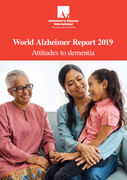
Some of the key findings of the report include:
Almost 80% of the general public are concerned about developing dementia at some point and 1 in 4 people think that there is nothing we can do to prevent dementia
35% of carers across the world said that they have hidden the diagnosis of de
...
mentia of a family member
Over 50% of carers globally say their health has suffered as a result of their caring responsibilities even whilst expressing positive sentiments about their role
Almost 62% of healthcare providers worldwide think that dementia is part of normal ageing
40% of the general public think doctors and nurses ignore people with dementia
more
Haiti, one of the poorest countries in the world, was devastated by an earthquake in 2010. The disaster uncovered the realities of a non-existent mental health care system with only ten psychiatrists nationwide. Attempts were made to assess the increased prevalence of mental illness, likely due to t
...
he trauma to which many were exposed. Several interventions were carried out with aims to integrate mental health into primary health care services. The interplay between socio-cultural beliefs and health (both mental and physical) in Haiti has been widely commented upon by both foreign aid and local caregivers. Observations frequently highlight barriers to the willingness of patients to seek care and to their acceptance of biomedicine over traditional Vodou beliefs. The perception of Haitian beliefs as barriers to the availability and acceptance of mental health care has intensified the difficulty in providing effective recommendations and interventions both before and after the earthquake. Argued in this review is the importance of considering the interactions between socio-cultural beliefs and mental health when developing models for the prevention, screening, classification and management of mental illness in Haiti. These interactions, especially relevant in mental health care and post-disaster contexts, need to be acknowledged in any healthcare setting. The successes and failures of Haiti’s situation provide an example for global consideration.
more
Q7. SCOPING QUESTION: In adults with moderate-severe depressive disorder, what is the effectiveness and safety of antidepressant medication (ADM) in comparison with psychological treatment?
The WHO mhGAP programme’s existing guidelines recommend that either structured brief psychological treatm
...
ents (e.g., interpersonal psychotherapy or cognitive behavioural therapy, including behavioural activation) or antidepressant medication (e.g., SSRIsi and tricyclic antidepressants) be considered in adults with moderate-severe depression. Health care workers need to know whether these treatments have different effects, including side-effects, in treating depressive disorder in the short and long term, in order to improve clinical decision-making.
more
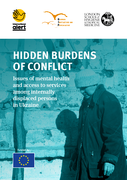
Some 32% of internally displaced persons (IDPs) in Ukraine suffer from post-traumatic stress disorder (PTSD) as a result of the conflict in the east.
Among the 2,203 respondents surveyed across Ukraine, the study also found a high prevalence of mental disorders such as depression (22%) and anxiety
...
(17%), particularly among women. This has a significant effect on family and community relations, the ability to work or even do basic tasks such as walking.
Moreover, the study noted that 74% of respondents in need of psychiatric care do not receive it, mainly due to a high cost of mental healthcare and medicine.
more
Updated 17 April 2020
Improving care for women during pregnancy and around the time of childbirth to prevent and treat pre-eclampsia and eclampsia is a necessary step towards the achievement of the health targets of the Sustainable Development Goals (SDGs). Efforts to prevent and reduce morbidity a
...
nd mortality due to these conditions can help address the profound inequities in maternal and perinatal health globally. To achieve this, healthcare providers, health managers, policy makers and other stakeholders need up-to-date and evidence-informed recommendations to guide clinical policies and practices.
more
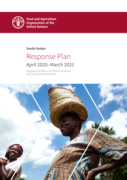
Previous crises, such as the Ebola virus disease (EVD) in West Africa in 2014, indicate the direct impact movement restrictions and disease containment efforts have on food availability, access, utilization and violence – particularly gender-based violence (GBV). The importance of maintaining and
...
upscaling food security interventions for the most vulnerable populations, alongside the health sector’s efforts to avert disease spread, is therefore undeniable. The COVID-19 outbreak in South Sudan threatens to paralyze an already fragile food system and negatively impact more than 6.5 million people in South Sudan who remain vulnerable. At the same time, the core national capacities for prevention, preparedness and response for public health events is limited, and the healthcare system has been weakened by years of conflict, poor governance and low investments.
more
This book provides significantly expanded content and experience in relation to a broader stewardship context- for example, stewardship in specific populations, different countries as well as the role of different professions in stewardship to political and media engagement. We hope this book has so
...
mething to offer everyone practicing in this area. Therefore, The British Society for Antimicrobial Chemotherapy [BSAC] in collaboration with ESGAP are very pleased to present this e-book on Global Antimicrobial Stewardship that is relevant to health care professions working in preventing and managing infection across the healthcare communities and health care facilities. It aims to support health care professionals, or teams, or policy makers interested in learning about bringing the principles of stewardship to the bed side
more

Supporting the continuity of health and nutrition services in the context of COVID-19 in refugee settings
recommended
The 2014–2015 Ebola outbreak was catastrophic in West Africa but the indirect impact of increasing the mortality rates of other conditions was also substantial. The increased number of deaths caused by malaria, HIV/AIDS, and tuberculosis attributable to health system failures exceeded deaths from
...
Ebola.
With a relatively limited COVID-19 caseload, health systems may have the capacity to maintain routine service delivery in addition to managing COVID-19 cases. When caseloads are high, and/or health workers are directly affected, strategic adaptations are required to ensure that increasingly limited resources provide maximum benefit for the refugees and surrounding host population. The following are key considerations for UNHCR operations on prioritized health care services in the event of a COVID-19 outbreak. These are based on WHO Guidance for Maintaining Essential Health Services and UNHCR guidance for operations and where relevant operation or site level outbreak preparedness and response plans.
more
