Filter
1618
Text search:
General
Ethical
Issues
Featured
119
418
Language
1563
38
36
29
17
11
10
3
3
3
3
2
2
2
2
2
2
2
2
2
2
2
1
1
1
1
1
1
1
1
1
1
1
1
1
1
1
1
1
1
1
1
1
Document type
1006
209
193
110
47
29
12
6
3
2
1
Countries
73
53
43
40
38
35
35
34
31
31
29
26
26
26
24
22
20
19
19
18
16
16
13
12
11
11
10
10
9
8
8
8
8
7
7
7
6
6
6
6
6
5
5
5
5
5
5
4
4
4
3
3
3
3
3
3
2
2
2
2
2
2
2
2
2
2
2
2
1
1
1
1
1
1
1
1
1
1
1
1
1
1
1
1
1
1
1
1
1
1
1
1
1
1
1
1
1
1
1
Authors & Publishers
195
106
94
45
35
30
28
20
20
20
18
17
13
12
12
10
10
10
9
9
8
8
8
7
7
7
7
7
6
6
6
6
6
6
5
5
5
5
5
5
5
4
4
4
4
4
4
4
4
4
4
4
4
4
4
4
4
4
4
3
3
3
3
3
3
3
3
3
3
3
3
3
3
3
3
3
3
3
3
3
3
3
3
3
3
3
3
3
3
3
3
3
3
3
3
3
3
3
3
2
2
2
2
2
2
2
2
2
2
2
2
2
2
2
2
2
2
2
2
2
2
2
2
2
2
2
2
2
2
2
2
2
2
2
2
2
2
2
2
2
2
2
2
2
2
2
2
2
2
2
2
2
2
2
2
2
2
2
2
2
2
2
2
2
2
2
2
2
2
2
2
2
2
2
2
2
2
2
2
2
2
2
2
2
2
2
2
2
2
2
2
2
2
2
2
2
2
2
2
2
2
2
2
2
2
2
2
2
2
2
2
1
1
1
1
1
1
1
1
1
1
1
1
1
1
1
1
1
1
1
1
1
1
1
1
1
1
1
1
1
1
1
1
1
1
1
1
1
1
1
1
1
1
1
1
1
1
1
1
1
1
1
1
1
1
1
1
1
1
1
1
1
1
1
1
1
1
1
1
1
1
1
1
1
1
1
1
1
1
1
1
1
1
1
1
1
1
1
1
1
1
1
1
1
1
1
1
1
1
1
1
1
1
1
1
1
1
1
1
1
1
1
1
1
1
1
1
1
1
1
1
1
1
1
1
1
1
1
1
1
1
1
1
1
1
1
1
1
1
1
1
1
1
1
1
1
1
1
1
1
1
1
1
1
1
1
1
1
1
1
1
1
1
1
1
1
1
1
1
1
1
1
1
1
1
1
1
1
1
1
1
1
1
1
1
1
1
1
1
1
1
1
1
1
1
1
1
1
1
1
1
1
1
1
1
1
1
1
1
1
1
1
1
1
1
1
1
1
1
1
1
1
1
1
1
1
1
1
1
1
1
1
1
1
1
1
1
1
1
1
1
1
1
1
1
1
1
1
1
1
1
1
1
1
1
1
1
1
1
1
1
1
1
1
1
1
1
1
1
1
1
1
1
1
1
1
1
1
1
1
1
1
1
1
1
1
1
1
1
1
1
1
1
1
1
1
1
1
1
1
1
1
1
1
1
1
1
1
1
1
1
1
1
1
1
1
1
1
1
1
1
1
1
1
1
1
1
1
1
1
1
1
1
1
1
1
1
1
1
1
1
1
1
1
1
1
1
1
1
1
1
1
1
1
1
1
1
1
1
1
1
1
1
1
1
1
1
1
1
1
1
1
1
1
1
1
1
1
1
1
1
1
1
1
1
1
1
1
1
1
1
1
1
1
1
1
1
1
1
1
1
1
1
1
1
1
1
1
1
1
1
1
1
1
1
1
1
1
1
1
1
1
1
1
1
1
1
1
1
1
1
1
1
1
1
1
1
1
1
1
1
1
1
1
1
1
1
1
1
1
1
1
1
1
1
1
1
1
1
1
1
1
1
1
1
1
1
1
1
1
1
1
1
1
1
1
1
1
1
1
1
1
1
1
1
1
1
1
1
1
1
1
1
1
1
1
1
1
1
1
1
1
1
1
1
1
1
1
1
1
1
1
1
1
1
1
1
1
1
1
1
1
1
1
1
1
1
1
1
1
1
1
1
1
1
1
1
1
1
1
1
1
1
1
1
1
1
1
1
1
1
1
1
1
1
1
1
1
1
1
1
1
1
1
1
1
1
1
1
1
1
1
1
1
1
1
1
1
1
1
1
1
1
1
1
1
1
1
1
1
1
1
1
1
1
1
1
1
1
1
1
1
1
1
1
1
1
1
1
1
1
1
1
1
1
1
1
1
1
1
1
1
1
1
1
1
1
1
1
1
1
1
1
1
1
1
1
1
1
1
1
1
1
1
1
1
1
1
1
1
1
1
1
1
1
1
1
1
1
1
1
1
1
1
1
1
1
1
1
1
1
1
1
1
1
1
1
1
1
1
1
1
1
1
1
1
1
1
1
1
1
1
1
1
1
1
1
1
1
1
1
1
1
1
1
1
1
1
1
1
1
1
1
1
1
1
1
1
1
1
1
1
1
1
1
1
1
1
1
1
1
1
1
1
1
1
1
1
1
1
1
1
1
1
1
1
1
1
1
1
1
1
1
1
1
1
1
1
1
1
1
1
1
1
1
1
1
1
1
1
1
1
1
1
1
1
1
1
1
1
1
1
1
1
1
1
1
1
1
1
1
1
1
1
1
1
1
1
1
1
1
1
1
1
1
1
1
1
1
1
1
1
1
1
1
1
1
1
1
1
1
1
1
1
1
1
1
1
1
1
1
1
1
1
1
1
1
1
1
1
1
1
1
1
1
1
1
1
1
1
1
1
1
1
1
1
1
1
1
1
1
1
1
1
1
1
1
1
1
1
1
1
1
1
1
1
1
1
1
1
1
1
1
1
1
1
1
1
1
1
1
1
1
1
1
1
1
1
1
1
1
1
1
1
1
1
1
1
1
1
1
1
1
1
1
1
1
1
1
1
1
1
1
1
1
1
1
1
1
1
1
1
1
1
1
1
1
1
1
1
1
1
1
1
1
1
1
1
1
1
1
1
1
1
1
1
1
1
1
1
1
1
1
1
1
1
1
1
1
1
1
1
1
1
1
1
1
1
1
1
1
1
1
1
1
1
1
1
1
1
1
1
1
1
1
1
1
1
1
1
1
1
1
1
1
1
1
1
1
1
1
1
1
1
1
1
1
1
1
1
1
1
1
1
1
1
1
1
1
1
1
1
1
1
1
1
1
1
1
1
1
1
1
1
1
1
1
1
1
1
1
1
1
1
1
1
1
1
1
1
1
1
1
1
1
1
1
1
1
1
1
1
1
1
1
1
1
1
1
1
1
1
1
1
1
1
1
1
1
1
1
1
1
1
1
1
1
1
1
1
1
1
1
1
1
1
1
1
1
1
1
1
1
1
1
1
1
1
1
1
1
1
1
1
1
1
1
1
1
1
1
1
1
1
1
1
1
1
1
1
1
1
1
1
1
1
1
1
1
1
1
1
1
1
1
1
1
1
1
1
1
1
1
1
1
1
1
1
1
1
1
1
1
1
1
1
1
1
1
1
1
1
1
1
1
1
1
1
1
1
1
1
1
1
1
1
1
1
1
1
1
1
1
1
1
1
1
1
1
1
1
1
1
1
1
1
1
1
1
1
1
1
1
1
1
1
1
1
1
1
1
1
1
1
1
1
1
1
1
1
1
1
1
1
1
1
1
1
1
1
1
1
1
1
1
1
1
1
1
1
1
1
1
1
1
1
1
1
1
1
1
1
1
1
1
1
1
1
1
1
1
1
1
1
1
1
1
1
1
1
1
1
1
1
1
1
1
1
1
1
1
1
1
1
1
1
1
1
1
1
1
1
1
1
1
1
1
1
1
1
1
1
1
1
1
1
1
1
1
1
1
1
1
1
1
1
1
1
1
1
1
1
1
1
1
1
1
1
1
1
1
1
1
1
1
1
1
1
1
1
1
1
1
1
1
1
1
1
1
1
1
1
1
1
1
1
1
1
1
1
1
1
1
1
1
1
1
1
1
1
1
1
1
1
1
1
1
1
1
1
1
1
1
1
1
1
1
1
1
1
1
1
1
1
1
1
1
1
1
1
1
1
1
1
1
1
1
1
1
1
1
1
1
1
1
1
1
1
1
1
1
1
1
1
1
1
1
1
1
1
1
1
1
1
1
1
1
1
1
1
1
1
1
1
1
1
1
1
1
1
1
1
1
1
1
1
1
1
1
1
1
1
1
1
1
1
1
1
1
1
1
1
1
1
1
1
1
1
1
1
1
1
1
1
1
1
1
1
1
1
1
1
1
1
1
1
1
1
1
1
1
1
1
1
1
1
1
1
1
1
1
1
1
1
1
1
1
1
1
1
1
1
1
1
1
1
1
1
1
Publication Years
336
1090
182
8
1
1
Category
579
105
82
79
62
27
11
1
1
Toolboxes
158
143
102
73
67
65
50
49
43
41
38
38
33
28
24
17
16
9
8
7
6
5
4
1
Стандарты для сокращения риска бедствий
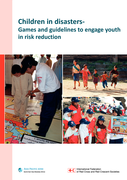
This guideline consists of two main parts:
i.) Guidelines for Red Cross and Red Crescent national societies on how to start up and engage with other stakeholders in country in rolling out disaster risk reduction (DRR) education and awareness activities for children - not only in school, but also ... in the community;
ii.) Games and activities to engage children with key lessons and messages to carry away. With a focus on Southeast Asia, cases from Viet Nam and Indonesia are highlighted. more
i.) Guidelines for Red Cross and Red Crescent national societies on how to start up and engage with other stakeholders in country in rolling out disaster risk reduction (DRR) education and awareness activities for children - not only in school, but also ... in the community;
ii.) Games and activities to engage children with key lessons and messages to carry away. With a focus on Southeast Asia, cases from Viet Nam and Indonesia are highlighted. more

Rohingya Refugee Response Gender Analysis: Recognizing and responding to gender inequalities
Toma, Iulia; Chowdhury, Mita; Laiju, Mushfika; Gora, Nina; Padamada, Nicola
Oxfam, Action Against Hunger, Save the Children
(2018)
C1
This gender analysis was conducted to understand the different risks and vulnerabilities but also opportunities and skills for Rohingya and host community women, men, boys and girls. Data collection was conducted over three weeks from 8 April to 29 April 2018. The work aimed to identify the differen
...
t needs, concerns, risks and vulnerabilities of women, girls, boys and men in both Rohingya refugee communities and host communities in the Cox’s Bazar district of Bangladesh. The analysis shows various gaps in the humanitarian response for both communities, especially in terms of accountability, communication with affected communities and disaster preparedness, but also in equitable access to services, in particular for women and girls, and especially for the Rohingya community. The key findings are presented below, along with recommendations for action.
more
The Look Back Study (LBS) focuses on the water and sanitation and hygiene (WASH) component of the project but some additional information was collected along side the WASH data. This data has been compared to the baseline survey data that was reported at start of the project (see tables in annex D t
...
o this report).
more
This revised trainer's guide contains a prototype training schedule for four days. Teaching and learning strategies are highly interactive, using participatory and experiential approach. Training outcomes include developing skills in assessment of clients for risk factors; conduct basic screening pr
...
ocedures and interpreting the results; holding health education sessions on risk factor modification; promoting healthy lifestyle; and mobilizing communities. The manual is divided into six modules.
more
The Sphere Handbook. Humanitarian Charter and Minimum Standards in Humanitarian Response. New Edition
recommended
Humanitarian Charter and Minimum Standards in Humanitarian Response.
The 2018 Sphere Handbook builds on the latest developments and learning in the humanitarian sector. Among the improvements of the new edition, readers will find a stronger focus on the role of local authorities and communities as
...
actors of their own recovery. Guidance on context analysis to apply the standards has also been strengthened. New standards have also been developed, informed by recent practice and learning, such as WASH and healthcare settings in disease outbreaks, security of tenure in shelter and settlement, and palliative care in health. Different ways to deliver or enable assistance, including cash-based assistance, are also integrated into the Handbook.
more

The Community Action Research on Disability (CARD) programme in Uganda embraced and modified the EDR approach, recognising the need for including people with disability in the research process from concept to outcome, and nurturing participation and collaboration between all the stakeholders in achi
...
eving action-based research. T
more
The report offers 20 top recommendations for getting ahead of future outbreaks in Yemen and similarly complex humanitarian settings.
In 2015, Yemen was declared a Level 3 emergency by the UN, kicking into gear the highest level of humanitarian support. A massive cholera outbreak followed, leading t
...
o 1 million suspected cases in 2 waves from September 2016-July 2018.
“We largely know ‘what to do’ to control cholera, but context-specific practices on ‘how to do it’ in order to surmount challenges to coordination, logistics, insecurity, access and politics remain needed,” the report states.
While the response improved between the 2 waves, there were gaps. For one, Yemen’s history of cholera should have triggered a heavy focus on pre-planning for an epidemic, such as stockpiling supplies and doubling down on community-based surveillance, the report fou
more
EVALUATION REPORT. This report is a synthesis of the evaluation of UNICEF's response to the 2004 Indian Ocean tsunami in Indonesia that was undertaken in August 2008 to July 2009. The evaluation assessed UNICEF's response in four sectors where it had major involvement: child protection; basic educat
...
ion; water, sanitation and hygiene; and child and maternal health and nutrition.
more
Department of Behavioural Medicine, Lagos State University College of Medicine Ikeja, Lagos Nigeria
Global Mental Health (2015), 2, e5, page 1 of 12. doi:10.1017/gmh.2015.8;
Received 29 January 2015; Revised 8 April 2015; Accepted 15 April 2015
Int J Ment Health Syst. 2013 Jan 9;7(1):2. doi: 10.1186/1752-4458-7-2.

Despite growing evidence on the impact of psychosocial support interventions, there is an urgent need for a stronger evidence base on approaches that effectively support children affected by armed conflict. To contribute to this evidence base, and building on a pilot study conducted in Uganda in 200
...
9, War Child conducted an exploratory outcome evaluation of its psychosocial support intervention ‘I DEAL’ in South Sudan and Colombia in 2012. The objective of the evaluation was to explore the outcomes that I DEAL achieves for children and the factors that influence the achievement of those outcomes to further inform and strengthen the intervention
more
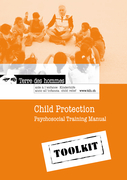
Child protection psychosocial training manual
recommended
The Terre des hommes Child Protection Psychosocial Training Manual has been developed for use in the field
in order to train animators who work with children and other child protection programme staff. It has
been written in response to the needs which exist in Terre des hommes child protection pr
...
ogrammes,
and should be used as a practical tool alongside the Child Protection: Manual for Intervention in Humanitarian
Crisis, previously produced by Terre des hommes.
The modules in this manual have been grouped according to the following categories:
• Level 1: Facilitating a training
• Level 2: Basic concepts for intervention
• Level 3: Animator’s competencies
Each module is laid out under the following headings:
• What is it?
• Why is it useful?
• How can I use it?
more
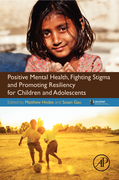
The International Association for Child and Adolescent Psychiatry and
Allied Professions (IACAPAP) aims to promote the mental health and
development of children and adolescents worldwide. It seeks to achieve
this by contributing to the training and professional development of the
child and adole
...
scent mental health professionals by disseminating up-todate
and high-quality information through its publications, organization
of biennial international congresses, and study groups. IACAPAP has a
long tradition of publishing monographs released to coincide with the
congresses, with the first one published in 1970.
more
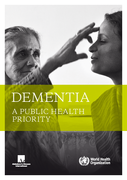
The report “Dementia: a public health priority” has been jointly developed by WHO and Alzheimer's Disease International. The purpose of this report is to raise awareness of dementia as a public health priority, to articulate a public health approach and to advocate for action at international a
...
nd national levels.
Dementia is a syndrome that affects memory, thinking, behaviour and ability to perform everyday activities. The number of people living with dementia worldwide is currently estimated at 35.6 million. This number will double by 2030 and more than triple by 2050. Dementia is overwhelming not only for the people who have it, but also for their caregivers and families. There is lack of awareness and understanding of dementia in most countries, resulting in stigmatization, barriers to diagnosis and care, and impacting caregivers, families and societies physically, psychologically and economically.
Available Languages: Chinese, English, Japanese, Russian and Spanish
more