
Filter
4299
Text search:
global
mental
health
Featured
392
836
Language
3694
335
252
145
92
88
61
46
41
20
10
8
7
6
6
5
5
5
4
4
4
4
4
4
4
3
3
3
3
3
2
2
2
2
2
2
2
2
2
2
2
2
2
1
1
1
1
1
1
1
1
1
1
1
1
1
Document type
2291
816
476
243
187
87
84
45
27
20
13
5
1
1
1
Countries
278
116
116
98
88
80
78
69
68
67
59
55
55
53
53
49
48
45
41
41
40
39
38
38
36
35
34
33
33
33
28
26
25
23
23
22
18
18
18
18
17
17
17
17
17
17
16
15
15
15
14
13
13
12
12
12
11
11
11
11
10
10
10
10
10
9
9
8
8
8
7
7
7
6
6
6
5
5
5
5
5
4
4
4
4
4
4
4
4
4
4
4
4
4
4
3
3
3
3
2
2
2
2
2
2
2
2
2
2
2
2
2
2
2
2
1
1
1
1
1
1
1
1
1
1
1
1
1
1
1
1
1
1
1
1
1
1
1
1
1
1
Authors & Publishers
544
228
214
157
144
106
84
81
64
63
45
42
40
35
30
28
27
26
24
21
21
19
18
18
18
17
16
15
15
15
14
14
14
14
14
14
14
13
13
13
12
12
11
11
11
11
11
11
10
10
10
10
10
10
10
10
10
10
9
9
9
9
9
9
9
9
8
8
8
8
8
8
8
7
7
7
7
7
7
7
7
7
7
6
6
6
6
6
6
6
6
6
6
6
6
6
6
6
6
6
5
5
5
5
5
5
5
5
5
5
5
5
5
5
5
5
5
5
5
5
5
5
5
5
5
5
5
5
5
5
5
5
5
5
4
4
4
4
4
4
4
4
4
4
4
4
4
4
4
4
4
4
4
4
4
4
4
4
4
4
4
4
4
4
4
4
4
4
4
4
4
4
4
4
4
3
3
3
3
3
3
3
3
3
3
3
3
3
3
3
3
3
3
3
3
3
3
3
3
3
3
3
3
3
3
3
3
3
3
3
3
3
3
3
3
3
3
3
3
3
3
3
3
3
3
3
3
3
3
3
3
3
3
3
3
3
3
3
3
3
3
3
3
3
3
3
3
3
3
3
3
3
3
3
3
3
3
3
3
3
3
3
3
3
3
3
3
3
3
3
3
3
3
3
3
3
3
3
3
3
3
3
3
3
3
3
3
2
2
2
2
2
2
2
2
2
2
2
2
2
2
2
2
2
2
2
2
2
2
2
2
2
2
2
2
2
2
2
2
2
2
2
2
2
2
2
2
2
2
2
2
2
2
2
2
2
2
2
2
2
2
2
2
2
2
2
2
2
2
2
2
2
2
2
2
2
2
2
2
2
2
2
2
2
2
2
2
2
2
2
2
2
2
2
2
2
2
2
2
2
2
2
2
2
2
2
2
2
2
2
2
2
2
2
2
2
2
2
2
2
2
2
2
2
2
2
2
2
2
2
2
2
2
2
2
2
2
2
2
2
2
2
2
2
2
2
2
2
2
2
2
2
2
2
2
2
2
2
2
2
2
2
2
2
2
2
2
2
2
2
2
2
2
2
2
2
2
2
2
2
2
2
2
2
2
2
2
2
2
2
2
2
2
2
2
2
2
2
2
2
2
2
2
2
2
2
2
2
2
2
2
2
2
2
2
2
2
2
2
2
2
2
2
2
2
2
2
2
2
2
2
2
2
2
2
2
2
2
2
2
2
2
2
2
2
2
2
2
2
2
2
2
2
2
2
2
2
2
2
2
2
2
2
2
2
2
2
2
2
2
2
2
2
2
2
2
2
2
2
2
1
1
1
1
1
1
1
1
1
1
1
1
1
1
1
1
1
1
1
1
1
1
1
1
1
1
1
1
1
1
1
1
1
1
1
1
1
1
1
1
1
1
1
1
1
1
1
1
1
1
1
1
1
1
1
1
1
1
1
1
1
1
1
1
1
1
1
1
1
1
1
1
1
1
1
1
1
1
1
1
1
1
1
1
1
1
1
1
1
1
1
1
1
1
1
1
1
1
1
1
1
1
1
1
1
1
1
1
1
1
1
1
1
1
1
1
1
1
1
1
1
1
1
1
1
1
1
1
1
1
1
1
1
1
1
1
1
1
1
1
1
1
1
1
1
1
1
1
1
1
1
1
1
1
1
1
1
1
1
1
1
1
1
1
1
1
1
1
1
1
1
1
1
1
1
1
1
1
1
1
1
1
1
1
1
1
1
1
1
1
1
1
1
1
1
1
1
1
1
1
1
1
1
1
1
1
1
1
1
1
1
1
1
1
1
1
1
1
1
1
1
1
1
1
1
1
1
1
1
1
1
1
1
1
1
1
1
1
1
1
1
1
1
1
1
1
1
1
1
1
1
1
1
1
1
1
1
1
1
1
1
1
1
1
1
1
1
1
1
1
1
1
1
1
1
1
1
1
1
1
1
1
1
1
1
1
1
1
1
1
1
1
1
1
1
1
1
1
1
1
1
1
1
1
1
1
1
1
1
1
1
1
1
1
1
1
1
1
1
1
1
1
1
1
1
1
1
1
1
1
1
1
1
1
1
1
1
1
1
1
1
1
1
1
1
1
1
1
1
1
1
1
1
1
1
1
1
1
1
1
1
1
1
1
1
1
1
1
1
1
1
1
1
1
1
1
1
1
1
1
1
1
1
1
1
1
1
1
1
1
1
1
1
1
1
1
1
1
1
1
1
1
1
1
1
1
1
1
1
1
1
1
1
1
1
1
1
1
1
1
1
1
1
1
1
1
1
1
1
1
1
1
1
1
1
1
1
1
1
1
1
1
1
1
1
1
1
1
1
1
1
1
1
1
1
1
1
1
1
1
1
1
1
1
1
1
1
1
1
1
1
1
1
1
1
1
1
1
1
1
1
1
1
1
1
1
1
1
1
1
1
1
1
1
1
1
1
1
1
1
1
1
1
1
1
1
1
1
1
1
1
1
1
1
1
1
1
1
1
1
1
1
1
1
1
1
1
1
1
1
1
1
1
1
1
1
1
1
1
1
1
1
1
1
1
1
1
1
1
1
1
1
1
1
1
1
1
1
1
1
1
1
1
1
1
1
1
1
1
1
1
1
1
1
1
1
1
1
1
1
1
1
1
1
1
1
1
1
1
1
1
1
1
1
1
1
1
1
1
1
1
1
1
1
1
1
1
1
1
1
1
1
1
1
1
1
1
1
1
1
1
1
1
1
1
1
1
1
1
1
1
1
1
1
1
1
1
1
1
1
1
1
1
1
1
1
1
1
1
1
1
1
1
1
1
1
1
1
1
1
1
1
1
1
1
1
1
1
1
1
1
1
1
1
1
1
1
1
1
1
1
1
1
1
1
1
1
1
1
1
1
1
1
1
1
1
1
1
1
1
1
1
1
1
1
1
1
1
1
1
1
1
1
1
1
1
1
1
1
1
1
1
1
1
1
1
1
1
1
1
1
1
1
1
1
1
1
1
1
1
1
1
1
1
1
1
1
1
1
1
1
1
1
1
1
1
1
1
1
1
1
1
1
1
1
1
1
1
1
1
1
1
1
1
1
1
1
1
1
1
1
1
1
1
1
1
1
1
1
1
1
1
1
1
1
1
1
1
1
1
1
1
1
1
1
1
1
1
1
1
1
1
1
1
1
1
1
1
1
1
1
1
1
1
1
1
1
1
1
1
1
1
1
1
1
1
1
1
1
1
1
1
1
1
1
1
1
1
1
1
1
1
1
1
1
1
1
1
1
1
1
1
1
1
1
1
1
1
1
1
1
1
1
1
1
1
1
1
1
1
1
1
1
1
1
1
1
1
1
1
1
1
1
1
1
1
1
1
1
1
1
1
1
1
1
1
1
1
1
1
1
1
1
1
1
1
1
1
1
1
1
1
1
1
1
1
1
1
1
1
1
1
1
1
1
1
1
1
1
1
1
1
1
1
1
1
1
1
1
1
1
1
1
1
1
1
1
1
1
1
1
1
1
1
1
1
1
1
1
1
1
1
1
1
1
1
1
1
1
1
1
1
1
1
1
1
1
1
1
1
1
1
1
1
1
1
1
1
1
1
1
1
1
1
1
1
1
1
1
1
1
1
1
1
1
1
1
1
1
1
1
1
1
1
1
1
1
1
1
1
1
1
1
1
1
1
1
1
1
1
1
1
1
1
1
1
1
1
1
1
1
1
1
1
1
1
1
1
1
1
1
1
1
1
1
1
1
1
1
1
1
1
1
1
1
1
1
1
1
1
1
1
1
1
1
1
1
1
1
1
1
1
1
1
1
1
1
1
1
1
1
1
1
1
1
1
1
1
1
1
1
1
1
1
1
1
1
1
1
1
1
1
1
1
1
1
1
1
1
1
1
1
1
1
1
1
1
1
1
1
1
1
1
1
1
1
1
1
1
1
1
1
1
1
1
1
1
1
1
1
1
1
1
1
1
1
1
1
1
1
1
1
1
1
1
1
1
1
1
1
1
1
1
1
1
1
1
1
1
1
1
1
1
1
1
1
1
1
1
1
1
1
1
1
1
1
1
1
1
1
1
1
1
1
1
1
1
1
1
1
1
1
1
1
1
1
1
1
1
1
1
1
1
1
1
1
1
1
1
1
1
1
1
1
1
1
1
1
1
1
1
1
1
1
1
1
1
1
1
1
1
1
1
1
1
1
1
1
1
1
1
1
1
1
1
1
1
1
1
1
1
1
1
1
1
1
1
1
1
1
1
1
1
1
1
1
1
1
1
1
1
1
1
1
1
1
1
1
1
1
1
1
1
1
1
1
1
1
1
1
1
1
1
1
1
1
1
1
1
1
1
1
1
1
1
1
1
1
1
1
1
1
1
1
1
1
1
1
1
1
1
1
1
1
1
1
1
1
1
1
1
1
1
1
1
1
1
1
1
1
1
1
1
1
1
1
1
1
1
1
1
1
1
1
1
1
1
1
1
1
1
1
1
1
1
1
1
1
1
1
1
1
1
1
1
1
1
1
1
1
1
1
1
1
1
1
1
1
1
1
1
1
1
1
1
1
1
1
1
1
1
1
1
1
1
1
1
1
1
1
1
1
1
1
1
1
1
1
1
1
1
1
1
1
1
1
1
1
1
1
1
1
1
1
1
1
1
1
1
1
1
1
1
1
1
1
1
1
1
1
1
1
1
1
1
1
1
1
1
1
1
1
1
1
1
1
1
1
1
1
1
1
1
1
1
1
1
1
1
1
1
1
1
1
1
1
1
1
1
1
1
1
1
1
1
1
1
1
1
1
1
1
1
1
1
1
1
1
1
1
1
1
1
1
1
1
1
1
1
1
1
1
1
1
1
1
1
1
1
1
1
1
1
1
1
1
1
1
1
1
1
1
1
1
1
1
1
1
1
1
1
1
1
1
1
1
1
1
1
1
1
1
1
1
1
1
1
1
1
1
1
1
1
1
1
1
1
1
1
1
1
1
1
1
1
1
1
1
1
1
1
1
1
1
1
1
1
1
1
1
1
1
1
1
1
1
1
1
1
1
1
1
1
1
1
1
1
1
1
1
1
1
1
1
1
1
1
1
1
1
1
1
1
1
1
1
1
1
1
1
1
1
1
1
1
1
1
1
1
1
1
1
1
1
1
1
1
1
1
1
1
1
1
1
1
1
1
1
1
1
1
1
1
1
1
1
1
1
1
1
1
1
1
1
1
1
1
1
1
1
1
1
1
1
1
1
1
1
1
1
1
1
1
1
1
1
1
1
1
1
1
1
1
1
1
1
1
1
1
1
1
1
1
1
1
1
1
1
1
1
1
1
1
1
1
1
1
1
1
1
1
1
1
1
1
1
1
1
1
1
1
1
1
1
1
1
1
1
1
1
1
1
1
1
1
1
1
1
1
1
1
1
1
1
1
1
1
1
1
1
1
1
1
1
1
1
1
1
1
1
1
1
1
1
1
1
1
1
1
1
1
1
1
1
1
1
1
1
1
1
1
1
1
1
1
1
1
1
1
1
1
1
1
1
1
1
1
1
1
1
1
1
1
1
1
1
1
1
1
1
1
1
1
1
1
1
1
1
1
1
1
1
1
1
1
1
1
1
1
1
1
1
1
1
1
1
1
1
1
1
1
1
1
1
1
1
1
1
1
1
1
1
1
1
1
1
1
1
1
1
1
1
1
1
1
1
1
1
1
1
1
1
1
1
1
1
1
1
1
1
1
1
1
1
1
1
1
1
1
1
1
1
1
1
1
1
1
1
1
1
1
1
1
1
1
1
1
1
1
1
1
1
1
1
1
1
1
1
1
1
1
1
1
1
1
1
1
1
1
1
1
1
1
1
1
1
1
1
1
1
1
1
1
1
1
1
1
1
1
1
1
1
1
1
1
1
1
1
1
1
1
1
1
1
1
1
1
1
1
1
1
1
1
1
1
1
1
1
1
1
1
1
1
1
1
1
1
1
1
1
1
1
1
1
1
1
1
1
1
1
1
1
1
1
1
1
1
1
1
1
1
1
1
1
1
1
1
1
1
1
1
1
1
1
1
1
1
1
1
1
1
1
1
1
1
1
1
1
1
1
1
1
1
1
1
1
1
1
1
1
1
1
1
1
1
1
1
1
1
1
1
1
1
1
1
1
1
1
1
1
1
1
1
1
1
1
1
1
1
1
1
1
1
1
1
1
1
1
1
1
1
1
1
1
1
1
1
1
1
1
1
1
1
1
1
1
1
1
1
1
1
1
1
1
1
1
1
1
1
1
1
1
1
1
1
1
1
1
1
1
1
1
1
1
1
1
1
1
1
1
1
1
1
1
1
1
1
1
1
1
1
1
1
1
1
1
1
1
1
1
1
1
1
1
1
1
1
1
1
1
1
1
1
1
1
1
1
1
1
1
1
1
1
1
1
1
1
1
1
1
1
1
1
1
1
1
1
1
1
1
1
1
1
1
1
1
1
1
1
1
1
1
1
1
1
1
1
1
1
1
1
1
1
1
1
1
1
1
1
1
1
1
1
1
1
1
1
1
1
1
1
1
1
1
1
1
1
1
1
1
1
1
1
1
1
1
1
1
1
1
1
1
1
1
1
1
1
1
1
1
1
1
1
1
1
1
1
1
1
1
1
1
1
1
1
1
1
1
1
1
1
1
1
1
1
1
1
1
1
1
1
1
1
1
1
1
1
1
1
1
1
1
1
1
1
1
1
1
1
1
1
1
1
1
1
1
1
1
1
1
1
1
1
1
1
1
1
1
1
1
1
1
1
1
1
1
1
1
1
1
1
1
1
1
1
1
1
1
1
1
1
1
1
1
1
1
1
1
1
1
1
1
1
1
1
1
1
1
1
1
1
1
1
1
1
1
1
1
1
1
1
1
1
1
1
1
1
1
1
1
1
1
1
1
1
1
1
1
1
1
1
1
1
1
1
1
1
1
1
1
1
1
1
1
1
1
1
1
1
1
1
1
1
1
1
1
1
1
1
1
1
1
1
1
1
1
1
1
1
1
1
1
1
1
1
1
1
1
1
1
1
1
1
1
1
1
1
1
1
1
1
1
1
1
1
1
1
1
1
1
1
1
1
1
1
1
1
1
1
1
1
1
1
1
1
1
1
1
1
1
1
1
1
1
1
1
1
1
1
1
1
1
1
1
1
1
1
1
1
1
1
1
1
1
1
1
1
1
1
1
1
1
1
1
1
1
1
1
1
1
1
1
1
1
1
1
1
1
1
1
1
1
1
1
1
1
1
1
1
1
1
1
1
1
1
1
1
1
1
1
1
1
1
1
1
1
1
1
1
1
1
1
1
1
1
1
1
1
1
1
1
1
1
1
1
1
1
1
1
1
1
1
1
1
1
1
1
1
1
1
1
1
1
1
1
1
1
1
1
1
1
1
1
1
1
1
1
1
1
1
1
1
1
1
1
1
1
1
1
1
1
1
1
1
1
1
1
1
1
1
1
1
1
1
1
1
1
1
1
1
1
1
1
1
1
1
1
1
1
1
1
1
1
1
1
1
1
1
1
1
1
1
1
1
1
1
1
1
1
1
1
1
1
1
1
1
1
1
1
1
1
1
1
1
1
1
1
1
1
1
1
1
1
1
1
1
1
1
1
1
1
1
1
1
1
1
1
1
1
1
1
1
1
1
1
1
1
1
1
1
1
1
1
1
1
1
1
1
1
1
1
1
1
1
1
1
1
1
1
1
1
1
1
1
1
1
1
1
1
1
1
1
1
1
1
1
1
1
1
1
1
1
1
1
1
1
1
1
1
1
1
1
1
1
1
1
1
1
1
1
1
1
1
1
1
1
1
1
1
1
1
1
1
1
1
1
1
1
1
1
1
1
1
1
1
1
1
1
1
1
1
1
1
1
1
1
1
1
1
1
1
1
1
1
1
1
1
1
1
1
1
1
1
1
1
1
1
1
1
1
1
1
1
1
1
1
1
1
1
1
1
1
1
1
1
1
1
1
1
1
1
1
1
1
1
1
1
1
1
1
1
1
1
1
1
1
1
1
1
1
1
1
1
1
1
1
1
1
1
1
1
1
1
1
1
1
1
1
1
1
1
1
1
1
1
1
1
1
1
1
1
1
1
Publication Years
1464
2507
314
12
1
1
Category
1391
288
257
213
122
83
13
4
3
1
Toolboxes
804
492
307
287
199
174
117
117
116
109
105
62
55
51
50
33
28
18
17
16
11
7
6
2
1
Diagnostic profiles and predictors of treatment outcome among children and adolescents attending a national psychiatric hospital in Botswana
A. A. Olashore; B. Frank‐Hatitchki: O. Ogunwobi
BioMed Central; Child and Adolescent Psychiatry and Mental Health
(2017)
CC
Olashore et al.
Child Adolesc Psychiatry Ment Health (2017) 11:8 DOI 10.1186/s13034-017-0144-9
The Practical Approach to Care Kit (PACK) is a health systems improvement programme designed to support the work of primary care health workers in underserved communities (like doctors, nurses, midw
...
ives, health officers, community health practitioners), strengthen the health services in which they work and thereby achieve the best possible patient outcomes
You can register for free and get the PACK Global Adult Guide for free
more
In this era, grand challenges lies in biodiversity loss, climate change, and global noncommunicable diseases signify that planet and humanity are in crisis. Scholarly evidence from human and animal kingdom suggest that there is an optimism in planet
...
ary health which can provide a unique and novel concept where efforts toward survival and remediation can be made. With accurate navigation, the current challenges can be mitigated leading to a new reality, one in which the core value is the well‐being of all. This paper discusses the drivers of planetary health and the role of community health workers (CHWs) in making health‐care system more resilient that can produce multiple benefits to community and overall planetary health. A web‐based international database such as Google, Google Scholar, SCOPUS/MEDLINE/PubMed, and JSTOR was searched relevant to a planetary health framework. The study findings suggest that CHWs can offer health care interventions through environmental health cobenefits across the spectrum of health effects of climate change cause and effects. These actions have been divided into four major categories (i. health care promotion and prevention, ii. health care strengthening, iii. advocacy, and iv. education and research) that CHWs perform through a variety of roles and functions they are engaged in protecting planetary health. CHWs contribute toward achieving sustainable development goals such as planetary health and focus on environment sustainability and well‐being of entire mankind.
more
Job satisfaction among healthcare workers in Ghana and Kenya during the COVID-19 pandemic: Role of perceived preparedness, stress, and burnout
Afulani PA, Nutor JJ, Agbadi P, Gyamerah AO, Musana J, Aborigo RA, et al.
PLOS Global Public Health
(2021)
CC
The COVID-19 pandemic has affected job satisfaction among healthcare workers; yet this has not been empirically examined in sub-Saharan Africa (SSA). We addressed this gap by examining job satisfaction and associated factors among healthcare workers in Ghana and Kenya during the COVID-19 pandemic. W
...
e conducted a cross-sectional study with healthcare workers (N = 1012). The two phased data collection included: (1) survey data collected in Ghana from April 17 to May 31, 2020, and (2) survey data collected in Ghana and Kenya from November 9, 2020, to March 8, 2021. We utilized a quantitative measure of job satisfaction, as well as validated psychosocial measures of perceived preparedness, stress, and burnout; and conducted descriptive, bivariable, and multivariable analysis using ordered logistic regression. We found high levels of job dissatisfaction (38.1%), low perceived preparedness (62.2%), stress (70.5%), and burnout (69.4%) among providers. High perceived preparedness was positively associated with higher job satisfaction (adjusted proportional odds ratio (APOR) = 2.83, CI [1.66,4.84]); while high stress and burnout were associated with lower job satisfaction (APOR = 0.18, CI [0.09,0.37] and APOR = 0.38, CI [0.252,0.583] for high stress and burnout respectively). Other factors positively associated with job satisfaction included prior job satisfaction, perceived appreciation from management, and perceived communication from management. Fear of infection was negatively associated with job satisfaction. The COVID-19 pandemic has negatively impacted job satisfaction among healthcare workers. Inadequate preparedness, stress, and burnout are significant contributing factors. Given the already strained healthcare system and low morale among healthcare workers in SSA, efforts are needed to increase preparedness, better manage stress and burnout, and improve job satisfaction, especially during the pandemic.
more

Int. J. Environ. Res. Public Health 2018, 15(12), 2626; https://doi.org/10.3390/ijerph15122626
Climate change is increasing risks to human health and to the
...
health systems that seek to protect the safety and well-being of populations. Health authorities require information about current associations between health outcomes and weather or climate, vulnerable populations, projections of future risks and adaptation opportunities in order to reduce exposures, empower individuals to take needed protective actions and build climate-resilient health systems. An increasing number of health authorities from local to national levels seek this information by conducting climate change and health vulnerability and adaptation assessments. While assessments can provide valuable information to plan for climate change impacts, the results of many studies are not helping to build the global evidence-base of knowledge in this area. They are also often not integrated into adaptation decision making, sometimes because the health sector is not involved in climate change policy making processes at the national level. Significant barriers related to data accessibility, a limited number of climate and health models, uncertainty in climate projections, and a lack of funding and expertise, particularly in developing countries, challenge health authority efforts to conduct rigorous assessments and apply the findings. This paper examines the evolution of climate change and health vulnerability and adaptation assessments, including guidance developed for such projects, the number of assessments that have been conducted globally and implementation of the findings to support health adaptation action. Greater capacity building that facilitates assessments from local to national scales will support collaborative efforts to protect health from current climate hazards and future climate change. Health sector officials will benefit from additional resources and partnership opportunities to ensure that evidence about climate change impacts on health is effectively translated into needed actions to build health resilience.
more
This document puts forward the joint position and vision of an expert, global, multistakeholder working group on implementing Kangaroo Mother Care (KMC) for all preterm or low birth weight (LBW) infants as the foundation for small and/or sick newbor
...
n care within maternal, newborn, and child health programmes, and spur collaborative global action. The document summarizes the background information, evidence, and rationale for making KMC available to every preterm or LBW newborn and seeks to galvanize the international maternal, newborn, and child health community and families to come together to support the implementation of KMC for all preterm or LBW infants to improve their and their mothers and families health and well-being.
This position paper is intended to be used by policy-makers (i.e. those responsible for national policy, guideline development and budget allocation), development partners, programme managers, health workforce leadership, practising clinicians, civil society leadership (e.g. parent and professional organizations) and researchers/research organizations involved in KMC implementation research.
more
This document presents the World Health Organization Operational framework for building climate resilient and low carbon health systems*. ***The framework's goal is to increase the climate resilienc
...
e of health systems to protect and improve the health of communities in an unstable and changing climate, while optimizing the use of resources and implementing strategies to reduce GHG emissions. It aims to contribute to the design of transformative health systems that can provide safe and quality care in a changing climate.
Implementation of the framework's ten components would help health organizations, authorities, and programmes to be better able to anticipate, prevent, prepare for, and manage climate-related health risks and therefore decrease the burden of associated climate-sensitive health outcomes. Implementing low carbon health practices would contribute to climate change mitigation while also improving health outcomes. Achieving these aims is an important contribution to universal health coverage (UHC), global health security, and specific targets within the Sustainable Development Goals (SDGs). The document is a useful resource for decision-makers in health systems, including public health agencies, and other specialized institutions, and for decision-makers in health-determining sectors.
more
The Lancet Global Health, Vol. 6, No. 10 Published: August 29, 2018

Community-based strategies play a significant role in many health systems in low- and middle-income countries, especially in light of critical shortages in the health workforce. The term community
...
health worker has been used to refer to volunteers and salaried, professional or lay health workers with a wide range of training, experience, scope of practice and integration in health systems. In the context of this study, we use the term community-based practitioner (CBPs) to reflect the diverse nature of these cadres of health workers.
CBPs provide preventive, promotive, curative and palliative services across a range of areas, including reproductive, maternal, newborn and child health, HIV, tuberculosis, malaria, control of other endemic diseases, and noncommunicable diseases. Significant evidence has emerged over the past two decades on their effectiveness, which has triggered interest in the potential to use their services to expand access to care, in particular in rural and underserved areas where deployment and retention of more qualified health workers is problematic. Calls have been made to integrate CBP programmes in human resources and health strategies, and to scale up rapidly the extent and coverage of CBP initiatives.
more
This report summarizes the latest scientific knowledge on the links between exposure to air pollution and adverse health effects in children. It is intended to inform and motivate individual and collective action by
...
health care professionals to prevent damage to children’s health from exposure to air pollution.
Air pollution is a major environmental health threat. Exposure to fine particles in both the ambient environment and in the household causes about seven million premature deaths each year. Ambient air pollution alone imposes enormous costs on the global economy, amounting to more than US$ 5 trillion in total welfare losses in 2013.
This public health crisis is receiving more attention, but one critical aspect is often overlooked: how air pollution affects children in uniquely damaging ways. Recent data released by the World Health Organization (WHO) show that air pollution has a vast and terrible impact on child health and survival. Globally, 93% of all children live in environments with air pollution levels above the WHO guidelines (see the full report, Air pollution and child health: prescribing clean air. More than one in every four deaths of children under 5 years of age is directly or indirectly related to environmental risks. Both ambient air pollution and household air pollution contribute to respiratory tract infections that resulted in 543 000 deaths in children under the age of 5 years in 2016.
more
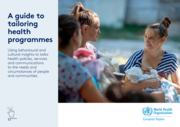
WHO/Europe has launched a new guide, providing support to countries on how to apply behavioural and cultural insights (BCI) for health. It presents a simple step-wise approach, complemented by a rich collection of detailed considerations, tools and
...
exercises. The guide is the first of its kind, specifically developed for use by public health professionals developing policies, services and communications informed by BCI across health topics.
Some of the most persistent public health challenges involve human behaviour. Using a BCI lens means that health policies, services and communications can be tailored to the needs and circumstances of people and communities, and thereby help combat these challenges. The new Tailoring Health Programmes (THP) guide describes how this can be done.
Building on several topic-specific guides that focused on applying BCI to routine and influenza vaccination and tackling antimicrobial resistance, as well as external evaluations and a rigorous peer-review process, this guide is the result of over a decade of work by WHO/Europe. The THP approach has already been adopted in over 20 countries and has received positive feedback from public health agencies.
“This guide is the culmination of a decade of work involving many colleagues at country, regional and global levels. The guide is our “BCI bible”, guiding our work with and in countries to help tackle persistent health challenges,” said Katrine Bach Habersaat, Regional Advisor for BCI at WHO/Europe.
Karina Godoy, Senior Analyst and National Focal Point for Behavioural Insights at the Public Health Agency of Sweden, who is employing the approach described in the guide across several health projects, comments: “The THP guide is easy to use and at the same time provides detailed guidance and inspiration where needed. We have decided to translate the document into Swedish and use the approach widely”.
more
A Global Campaign Against Epilepsy Demonstration Project

This manual is a guide to psychosocial interventions to help people cope with the emotional effects of disasters. Some are direct responses to the trauma of disasters, while others are longer-term responses. Even more than the physical effects of disasters, the emotional effects cause long-lasting s
...
uffering, disability and loss of income
more
www.jogh.org • doi: 10.7189/jogh.02.020405 ~ December 2012 • Vol. 2 No. 2 • 020405
Overview
Learning objectives
• Understand the mental health treatment gap in low-, middle- and high-income countries.
• Understand the principles and aims of the
...
Mental Health Gap Action Programme.
• Acquire an introduction to mhGAP Intervention Guide (mhGAP-IG).
• Learn about mhGAP ToHP training methodology and what to expect from mhGAP ToHP
training.
• Prepare group training ground rules.
• Know the common presentations of mental, neurological and substance abuse (MNS)
conditions.
more
Overview
Learning objectives
• Understand the mental health treatment gap in low-, middle- and high-income countries.
• Understand the principles and aims of the
...
Mental Health Gap Action Programme.
• Acquire an introduction to mhGAP Intervention Guide (mhGAP-IG).
• Learn about mhGAP ToHP training methodology and what to expect from mhGAP ToHP
training.
• Prepare group training ground rules.
• Know the common presentations of mental, neurological and substance abuse (MNS)
conditions.
more
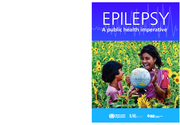
Epilepsy: a public health imperative
recommended
This is the first global report on epilepsy summarizing the available evidence on the burden of epilepsy and the public health response required at global
...
, regional and national levels.
The reports highlights major gaps in awareness, diagnosis, treatment, and health policies through a series of appalling numbers. With around 50 million people affected worldwide, epilepsy is one of the most common and serious brain disorders. Nearly 80% of people with epilepsy live in low-income and middle-income countries
more
Scaling Up Mental Health Care In Rural India
Lancet Public health 2022 January 6, 2022 https://doi.org/10.1016/ S2468-2667(21)00249-8
Growth in the number of individuals living with dementia underscores the need for public health planning eff
...
orts and policy to address the needs of this group. Country-level estimates can be used to inform national planning efforts and decisions. Multifaceted approaches, including scaling up interventions to address modifiable risk factors and investing in research on biological mechanisms, will be key in addressing the expected increases in the number of individuals affected by dementia.
more
Una de las muchas desigualdades de género en el personal sanitario y asistencial que COVID-19 ha puesto de manifiesto es la relativa al ajuste y el diseño de los equipos de protección individual (EPP). La rápida aparición y la escala de COVID-19 condujeron a la escasez de EPP en la mayoría de
...
los países, causando infecciones y mortalidad prevenibles entre los trabajadores de la salud y otros en primera línea. A pesar de que la mayoría de los trabajadores sanitarios son mujeres, las especificaciones de fabricación de los EPI médicos suelen estar elaboradas en función del cuerpo masculino y se han registrado muchos casos de EPI no diseñados para el cuerpo de las mujeres. El WGH emprendió un proyecto de investigación global para documentar los retos a los que se enfrentan las trabajadoras sanitarias.
more
