Filter
2403
Text search:
Health
Republic
of
South
Africa
Featured
185
608
Language
2326
52
35
21
21
10
9
4
3
2
2
2
2
1
1
1
1
1
1
1
1
1
1
Document type
1359
563
210
93
88
31
27
19
9
3
1
Countries / Regions
145
144
81
68
65
65
63
61
61
49
47
44
40
38
33
32
30
29
28
25
25
24
23
22
22
20
19
18
18
17
17
16
15
14
14
14
12
12
11
11
11
10
10
9
9
8
8
7
7
7
7
6
6
6
6
6
6
5
5
5
5
4
4
4
4
4
4
4
4
3
3
3
3
3
3
3
3
3
3
2
2
2
2
2
2
2
2
2
2
2
2
1
1
1
1
1
1
1
1
1
1
1
1
1
1
1
1
1
1
1
1
1
1
1
1
1
1
1
1
Authors & Publishers
339
170
123
96
93
89
58
55
24
22
17
16
15
15
14
13
12
12
11
11
11
11
11
10
10
10
10
9
9
9
9
8
8
8
8
8
8
8
8
7
7
7
7
7
7
7
7
7
6
6
6
6
6
6
6
6
6
5
5
5
5
5
5
5
5
5
5
5
5
5
5
5
4
4
4
4
4
4
4
4
4
4
4
4
4
4
4
4
4
4
4
3
3
3
3
3
3
3
3
3
3
3
3
3
3
3
3
3
3
3
3
3
3
3
3
3
3
3
3
3
3
3
3
3
3
3
3
3
3
3
3
3
3
3
3
3
2
2
2
2
2
2
2
2
2
2
2
2
2
2
2
2
2
2
2
2
2
2
2
2
2
2
2
2
2
2
2
2
2
2
2
2
2
2
2
2
2
2
2
2
2
2
2
2
2
2
2
2
2
2
2
2
2
2
2
2
2
2
2
2
2
2
2
2
2
2
2
2
2
2
2
2
2
2
2
2
2
2
2
2
2
2
2
2
2
2
2
2
2
2
2
2
2
2
2
2
2
2
2
2
2
2
2
2
2
2
2
2
2
2
2
2
2
2
2
2
2
2
2
2
2
2
2
2
2
2
2
2
2
2
2
2
2
2
2
2
2
2
2
2
2
2
2
2
2
2
2
2
2
2
2
2
2
2
2
2
2
1
1
1
1
1
1
1
1
1
1
1
1
1
1
1
1
1
1
1
1
1
1
1
1
1
1
1
1
1
1
1
1
1
1
1
1
1
1
1
1
1
1
1
1
1
1
1
1
1
1
1
1
1
1
1
1
1
1
1
1
1
1
1
1
1
1
1
1
1
1
1
1
1
1
1
1
1
1
1
1
1
1
1
1
1
1
1
1
1
1
1
1
1
1
1
1
1
1
1
1
1
1
1
1
1
1
1
1
1
1
1
1
1
1
1
1
1
1
1
1
1
1
1
1
1
1
1
1
1
1
1
1
1
1
1
1
1
1
1
1
1
1
1
1
1
1
1
1
1
1
1
1
1
1
1
1
1
1
1
1
1
1
1
1
1
1
1
1
1
1
1
1
1
1
1
1
1
1
1
1
1
1
1
1
1
1
1
1
1
1
1
1
1
1
1
1
1
1
1
1
1
1
1
1
1
1
1
1
1
1
1
1
1
1
1
1
1
1
1
1
1
1
1
1
1
1
1
1
1
1
1
1
1
1
1
1
1
1
1
1
1
1
1
1
1
1
1
1
1
1
1
1
1
1
1
1
1
1
1
1
1
1
1
1
1
1
1
1
1
1
1
1
1
1
1
1
1
1
1
1
1
1
1
1
1
1
1
1
1
1
1
1
1
1
1
1
1
1
1
1
1
1
1
1
1
1
1
1
1
1
1
1
1
1
1
1
1
1
1
1
1
1
1
1
1
1
1
1
1
1
1
1
1
1
1
1
1
1
1
1
1
1
1
1
1
1
1
1
1
1
1
1
1
1
1
1
1
1
1
1
1
1
1
1
1
1
1
1
1
1
1
1
1
1
1
1
1
1
1
1
1
1
1
1
1
1
1
1
1
1
1
1
1
1
1
1
1
1
1
1
1
1
1
1
1
1
1
1
1
1
1
1
1
1
1
1
1
1
1
1
1
1
1
1
1
1
1
1
1
1
1
1
1
1
1
1
1
1
1
1
1
1
1
1
1
1
1
1
1
1
1
1
1
1
1
1
1
1
1
1
1
1
1
1
1
1
1
1
1
1
1
1
1
1
1
1
1
1
1
1
1
1
1
1
1
1
1
1
1
1
1
1
1
1
1
1
1
1
1
1
1
1
1
1
1
1
1
1
1
1
1
1
1
1
1
1
1
1
1
1
1
1
1
1
1
1
1
1
1
1
1
1
1
1
1
1
1
1
1
1
1
1
1
1
1
1
1
1
1
1
1
1
1
1
1
1
1
1
1
1
1
1
1
1
1
1
1
1
1
1
1
1
1
1
1
1
1
1
1
1
1
1
1
1
1
1
1
1
1
1
1
1
1
1
1
1
1
1
1
1
1
1
1
1
1
1
1
1
1
1
1
1
1
1
1
1
1
1
1
1
1
1
1
1
1
1
1
1
1
1
1
1
1
1
1
1
1
1
1
1
1
1
1
1
1
1
1
1
1
1
1
1
1
1
1
1
1
1
1
1
1
1
1
1
1
1
1
1
1
1
1
1
1
1
1
1
1
1
1
1
1
1
1
1
1
1
1
1
1
1
1
1
1
1
1
1
1
1
1
1
1
1
1
1
1
1
1
1
1
1
1
1
1
1
1
1
1
1
1
1
1
1
1
1
1
1
1
1
1
1
1
1
1
1
1
1
1
1
1
1
1
1
1
1
1
1
1
1
1
1
1
1
1
1
1
1
1
1
1
1
1
1
1
1
1
1
1
1
1
1
1
1
1
1
1
1
1
1
1
1
1
1
1
1
1
1
1
1
1
1
1
1
1
1
1
1
1
1
1
1
1
1
1
1
1
1
1
1
1
1
1
1
1
1
1
1
1
1
1
1
1
1
1
1
1
1
1
1
1
1
1
1
1
1
1
1
1
1
1
1
1
1
1
1
1
1
1
1
1
1
1
1
1
1
1
1
1
1
1
1
1
1
1
1
1
1
1
1
1
1
1
1
1
1
1
1
1
1
1
1
1
1
1
1
1
1
1
1
1
1
1
1
1
1
1
1
1
1
1
1
1
1
1
1
1
1
1
1
1
1
1
1
1
1
1
1
1
1
1
1
1
1
1
1
1
1
1
1
1
1
1
1
1
1
1
1
1
1
1
1
1
1
1
1
1
1
1
1
1
1
1
1
1
1
1
1
1
1
1
1
1
1
1
1
1
1
1
1
1
1
1
1
1
1
1
1
1
1
1
1
1
1
1
1
1
1
1
1
1
1
1
1
1
1
1
1
1
1
1
1
1
1
1
1
1
1
1
1
1
1
1
1
1
1
1
1
1
1
1
1
1
1
1
1
1
1
1
1
1
1
1
1
1
1
1
1
1
1
1
1
1
1
1
1
1
1
1
1
1
1
1
1
1
1
1
1
1
1
1
1
1
1
1
1
1
1
1
1
1
1
1
1
1
1
1
1
1
1
1
1
1
1
1
1
1
1
1
1
1
1
1
1
1
1
1
1
1
1
1
1
1
1
1
1
1
1
1
1
1
1
1
1
1
1
1
1
1
1
1
1
1
1
1
1
1
1
1
1
1
1
1
1
1
1
1
1
1
1
1
1
1
1
1
1
1
1
1
1
1
1
1
1
1
1
1
1
1
1
1
1
1
1
1
1
1
1
1
1
1
1
1
1
1
1
1
1
1
1
1
1
1
1
1
1
1
1
1
1
1
1
1
1
1
1
1
1
1
1
1
1
1
1
1
1
1
1
1
1
1
1
1
1
1
1
1
1
1
1
1
1
1
1
1
1
1
1
1
1
1
1
1
1
1
1
1
1
1
1
1
1
1
1
1
1
1
1
1
1
1
1
1
1
1
1
1
1
1
1
1
1
1
1
1
1
1
1
1
1
1
1
1
1
1
1
1
1
1
1
1
1
1
1
1
1
1
1
1
1
1
1
1
1
1
1
1
1
1
1
1
1
1
1
1
1
1
1
1
1
1
1
1
1
1
1
1
1
1
1
1
1
1
1
1
1
1
1
1
1
1
1
1
1
1
1
1
1
1
1
1
1
1
1
1
1
1
1
1
1
1
1
1
1
1
1
1
1
1
1
1
1
1
1
1
1
1
1
1
1
1
1
1
1
1
1
1
1
1
1
1
1
1
1
1
1
1
1
1
1
1
1
1
1
1
1
1
1
1
1
1
1
1
1
1
1
1
1
1
1
1
1
1
1
1
1
1
1
1
1
1
1
1
1
1
1
1
1
1
1
1
1
1
1
1
1
1
1
1
1
1
1
1
1
1
1
1
1
1
1
1
1
1
1
1
1
1
1
1
1
1
1
1
1
1
1
1
1
1
1
1
1
1
1
1
1
1
1
1
1
1
1
1
1
1
1
1
1
1
1
1
1
1
1
1
1
1
1
1
1
1
1
1
1
1
1
1
1
1
1
1
1
1
1
1
1
1
1
1
1
1
1
1
1
1
1
1
1
1
1
1
1
1
1
1
1
1
1
1
1
1
1
1
1
1
1
1
1
1
1
1
1
1
1
1
1
1
1
1
1
1
1
1
1
1
1
1
1
1
1
1
1
1
1
1
1
1
1
1
1
1
1
1
1
1
1
1
1
1
1
1
1
1
1
1
1
1
1
1
1
1
1
1
1
1
1
1
1
1
1
1
1
1
1
1
1
1
1
1
1
1
1
1
1
1
1
1
1
1
1
1
1
1
1
1
1
1
1
1
1
1
1
1
1
1
1
1
1
1
1
1
1
1
1
1
1
1
1
1
1
1
1
1
1
1
1
1
1
1
1
1
1
1
1
1
1
1
1
1
1
1
1
1
1
1
1
1
1
1
1
1
1
1
1
1
1
1
1
1
1
1
1
1
1
1
1
1
1
1
1
1
1
1
1
1
1
1
1
1
1
1
1
1
1
1
1
1
1
1
1
1
1
1
1
1
1
1
1
1
1
1
1
1
1
1
1
1
1
1
1
1
1
1
1
1
1
1
1
1
1
1
1
1
1
1
1
1
1
1
1
1
1
1
1
1
1
1
1
1
1
1
1
1
1
1
1
1
1
1
1
1
1
1
1
1
1
1
1
1
Publication Years
696
1528
171
7
1
Category
781
189
150
149
84
34
25
1
1
Toolboxes
282
186
176
134
105
95
94
88
75
73
61
50
46
45
40
33
31
25
23
17
16
5
4
2
1

This paper reviews the effects of vertical responses to COVID-19 on health systems, services, and people’s access to and use of them in LMICs, wh
...
ere historic and ongoing under-investments heighten vulnerability to a multiplicity of health threats. We use the term ‘vertical response’ to describe decisions, measures and actions taken solely with the purpose of preventing and containing COVID-19, often without adequate consideration of how this affects the wider health system and pre-existing resource constraints.
more
RESULTS: Between 76 and 97% of the PHCS offered RMCAH services before the lockdown. Except in antenatal, delivery and adolescent care, there was a decline of between 2 and 6% in all the services dur
...
ing the lockdown and up to 10% decline after the lockdown with variation across and within States. During the lockdown. Full-service delivery was reported by 75.2% whereas 24.8% delivered partial services. There was a significant reduction in clients' utilization of the services during the lockdown, and the difference between States before the pandemic, during, and after the lockdown. Reported difficulties during the lockdown included stock-out of drugs (25.7%), stock-out of contraceptives (25.1%), harassment by the law enforcement agents (76.9%), and transportation difficulties (55.8%). Only 2% of the PHCs reported the availability of gowns, 18% had gloves, 90.1% had hand sanitizers, and a temperature checker was available in 94.1%. Slightly above 10% identified clients with symptoms of COVID-19.
CONCLUSIONS: The large proportion of PHCs who provided RMCAH services despite the lockdown demonstrates resilience. Considering the several difficulties reported, and the limited provision of primary protective equipment more effort by the government and non-governmental agencies is recommended to strengthen delivery of sexual and reproductive health in primary health centres in Nigeria during the pandemic.
more
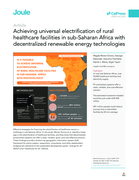
Joule 5, 2687–2714 October 20, 2021 Cell Press
Securing a minimum of financial resources permitting to bring the full range of critical health services to all people constitutes a fundamental hu
...
man right and an indispensable condition for human dignity. The model outlined here demonstrates that it is within our reach to close the financing gap even for the poorest countries by 2020 if all governments, from the privileged and underprivileged parts of the world alike, just fulfil the commitments and recommendations for financing human development and health that already were agreed many years ago.
more
[Preface]. For more than forty years Primary Health Care (PHC) has been recognized as the cornerstone of an effective and responsive health system.
...
The Alma-Ata Declaration of 1978 reaffirmed the right to the highest attainable level of health, with equity, solidarity and the right to health as its core values. It stressed the need for comprehensive health services, not only curative but services that addressed needs in terms of health promotion, prevention, rehabilitation and treatment of common conditions. A strong resolutive first level of care is the basis for health system development [...] The Pan American Health Organization/World Health Organization (PAHO/WHO) has supported the countries in the establishment of interprofessional PHC teams, in the transformation of health education and in building capacity in the strategic planning, and management of human resources for health. Nursing can play a critical role in advancing PHC. New profiles such as the advanced practice nurses, as discussed in this document, can be fundamental in this effort, and in particular, in health promotion, disease prevention and care, especially in rural and underserved areas.
more
This report considers how to integrate health into urban planning, investments, and policy decisions, so as to support the implementation and achievement of the goals and objectives
...
of the New Urban Agenda.
more
Lancet 2022; 399: 1155–200 Published Online March 15, 2022 https://doi.org/10.1016/
S0140-6736(21)02488-0
This study of Adolescent Boys and Young Men highlights the importance of engaging adolescent boys and young men in sexual and reproductive health a
...
nd rights (srhr) and gender equality. This paper establishes a conceptual framework for engaging adolescent boys and young men. It reviews current research on boys’ and young men’s specific risks and realities in relation to their general health status, violence, sexuality and sexual and reproductive health, media violence, sexual exploitation, and other vulnerabilities.
more
Handbook on Monitoring and Evaluation of Human Resources for Health with special applications for low- and middle-income countries
Mario R Dal Poz, Neeru Gupta, Estelle Quain and Agnes LB Soucat
World Health Organization (WHO); USAID; The World Bank
(2009)

Integrating the prevention and control of noncommunicable diseases in HIV/AIDS, tuberculosis, and sexual and reproductive health programmes: implementation guidance
The WHO document "Integrating the prevention and control of noncommunicable diseases in HIV/AIDS, tuberculosis, and sexual and reproductive health programmes: implementation guidance" provides a fra
...
mework for integrating noncommunicable diseases (NCDs) into existing health programs for HIV/AIDS, tuberculosis (TB), and sexual and reproductive health (SRH). It emphasizes the importance of a people-centered approach to enhance healthcare accessibility and efficiency, especially in low-resource settings. The document outlines strategies for strengthening policy, financing, capacity building, and health system infrastructure. It offers actionable steps, tools, and case studies to support countries in reducing the burden of NCDs through integrated, holistic care within primary health services.
more
Unchecked inequality and failure to protect the rights of poorest women could undermine peace and world’s development goals, new UNFPA report warns:
- Only about half of the world’s women hold
...
paid jobs
- Globally, women earn 77 per cent of what men get
- Three in five women worldwide lack maternity leave, many pay "motherhood penalty"
The report is also available in French: https://www.unfpa.org/sites/default/files/sowp/downloads/UNFPA_PUB_2017_FR_swop_Etat_de_la_population_mondiale.pdf; in Spanish: https://www.unfpa.org/sites/default/files/sowp/downloads/UNFPA_PUB_2017_ES_SWOP_Estado_de_la_Poblacion_Mundial.pdf; in Russian: https://www.unfpa.org/sites/default/files/sowp/downloads/UNFPA_PUB_2017_RU_SWOP_NARODONASELENIE_MIRA_V_2017_GODU.pdf and in Arabic: https://www.unfpa.org/sites/default/files/sowp/downloads/UNFPA_PUB_2017_AR_SWOP_Hl_skn_llm_.pdf
more
This training and guidance module addresses the use of coercive and violent practices in mental health and related services with a particular focus on seclusion and restraint. It aims to promote a g
...
reater understanding of why these practices are used and build practical skills to help end these practices. While the module itself focuses on ending these practices in the health care setting, much of the content can also be applied in other settings where seclusion and restraint occur, for example in the home and in the wider community.
more
Int J Environ Res Public Health. 2018 Jun; 15(6): 1279.
Published online 2018 Jun 16. doi: 10.3390/ijerph15061279
This document presents an evidence-informed Checklist for implementing rural pathways to train and support the rural
health workforce in low and middle income countries (LMIC). Rural areas are the most underserviced around the world.