
Filter
2868
Text search:
Refugees
Featured
314
815
Language
2368
357
219
202
131
129
77
69
46
44
42
40
38
36
35
33
33
33
32
31
30
29
29
28
19
17
17
16
10
9
9
9
8
8
7
6
6
6
6
6
6
5
5
5
5
4
4
4
4
4
3
3
3
3
3
3
2
2
2
2
1
1
1
1
1
1
1
1
1
1
Document type
1512
538
235
141
127
94
77
46
40
26
16
6
4
3
2
Countries
328
145
117
91
85
80
77
75
62
52
50
45
41
39
38
32
32
30
27
26
24
24
22
21
20
20
20
19
19
18
18
17
17
16
16
16
15
14
14
12
12
11
10
10
10
10
9
9
8
8
8
8
7
7
7
7
6
6
6
6
6
6
6
5
5
5
5
5
4
4
4
4
4
4
4
4
4
4
3
3
3
3
3
3
2
2
2
2
2
2
2
2
2
2
2
2
2
2
2
2
2
2
2
1
1
1
1
1
1
1
1
1
1
1
1
1
1
1
1
1
1
1
1
1
1
1
1
1
1
1
1
Authors & Publishers
206
84
75
65
63
57
53
50
45
37
31
29
25
23
22
22
21
21
20
20
20
18
18
18
17
15
14
14
14
12
12
11
11
11
11
11
11
10
10
10
10
10
10
9
9
9
9
9
9
9
8
8
8
8
8
8
8
8
8
7
7
7
7
7
7
7
7
7
7
6
6
6
6
6
6
6
6
6
6
6
6
6
6
6
6
6
6
6
5
5
5
5
5
5
5
5
5
5
5
5
5
5
5
5
5
5
5
5
5
5
4
4
4
4
4
4
4
4
4
4
4
4
4
4
4
4
4
4
4
4
4
4
4
4
4
4
4
4
4
4
4
4
4
4
4
4
4
4
4
4
4
4
4
4
3
3
3
3
3
3
3
3
3
3
3
3
3
3
3
3
3
3
3
3
3
3
3
3
3
3
3
3
3
3
3
3
3
3
3
3
3
3
3
3
3
3
3
3
3
3
3
3
3
3
3
3
3
3
3
3
3
3
3
3
3
3
3
3
3
3
3
3
3
2
2
2
2
2
2
2
2
2
2
2
2
2
2
2
2
2
2
2
2
2
2
2
2
2
2
2
2
2
2
2
2
2
2
2
2
2
2
2
2
2
2
2
2
2
2
2
2
2
2
2
2
2
2
2
2
2
2
2
2
2
2
2
2
2
2
2
2
2
2
2
2
2
2
2
2
2
2
2
2
2
2
2
2
2
2
2
2
2
2
2
2
2
2
2
2
2
2
2
2
2
2
2
2
2
2
2
2
2
2
2
2
2
2
2
2
2
2
2
2
2
2
2
2
2
2
2
2
2
2
2
2
2
2
2
2
2
2
2
2
2
2
2
2
2
2
2
2
2
2
2
2
2
2
2
2
2
2
2
2
2
2
2
2
2
2
2
2
2
2
2
2
2
2
2
2
2
1
1
1
1
1
1
1
1
1
1
1
1
1
1
1
1
1
1
1
1
1
1
1
1
1
1
1
1
1
1
1
1
1
1
1
1
1
1
1
1
1
1
1
1
1
1
1
1
1
1
1
1
1
1
1
1
1
1
1
1
1
1
1
1
1
1
1
1
1
1
1
1
1
1
1
1
1
1
1
1
1
1
1
1
1
1
1
1
1
1
1
1
1
1
1
1
1
1
1
1
1
1
1
1
1
1
1
1
1
1
1
1
1
1
1
1
1
1
1
1
1
1
1
1
1
1
1
1
1
1
1
1
1
1
1
1
1
1
1
1
1
1
1
1
1
1
1
1
1
1
1
1
1
1
1
1
1
1
1
1
1
1
1
1
1
1
1
1
1
1
1
1
1
1
1
1
1
1
1
1
1
1
1
1
1
1
1
1
1
1
1
1
1
1
1
1
1
1
1
1
1
1
1
1
1
1
1
1
1
1
1
1
1
1
1
1
1
1
1
1
1
1
1
1
1
1
1
1
1
1
1
1
1
1
1
1
1
1
1
1
1
1
1
1
1
1
1
1
1
1
1
1
1
1
1
1
1
1
1
1
1
1
1
1
1
1
1
1
1
1
1
1
1
1
1
1
1
1
1
1
1
1
1
1
1
1
1
1
1
1
1
1
1
1
1
1
1
1
1
1
1
1
1
1
1
1
1
1
1
1
1
1
1
1
1
1
1
1
1
1
1
1
1
1
1
1
1
1
1
1
1
1
1
1
1
1
1
1
1
1
1
1
1
1
1
1
1
1
1
1
1
1
1
1
1
1
1
1
1
1
1
1
1
1
1
1
1
1
1
1
1
1
1
1
1
1
1
1
1
1
1
1
1
1
1
1
1
1
1
1
1
1
1
1
1
1
1
1
1
1
1
1
1
1
1
1
1
1
1
1
1
1
1
1
1
1
1
1
1
1
1
1
1
1
1
1
1
1
1
1
1
1
1
1
1
1
1
1
1
1
1
1
1
1
1
1
1
1
1
1
1
1
1
1
1
1
1
1
1
1
1
1
1
1
1
1
1
1
1
1
1
1
1
1
1
1
1
1
1
1
1
1
1
1
1
1
1
1
1
1
1
1
1
1
1
1
1
1
1
1
1
1
1
1
1
1
1
1
1
1
1
1
1
1
1
1
1
1
1
1
1
1
1
1
1
1
1
1
1
1
1
1
1
1
1
1
1
1
1
1
1
1
1
1
1
1
1
1
1
1
1
1
1
1
1
1
1
1
1
1
1
1
1
1
1
1
1
1
1
1
1
1
1
1
1
1
1
1
1
1
1
1
1
1
1
1
1
1
1
1
1
1
1
1
1
1
1
1
1
1
1
1
1
1
1
1
1
1
1
1
1
1
1
1
1
1
1
1
1
1
1
1
1
1
1
1
1
1
1
1
1
1
1
1
1
1
1
1
1
1
1
1
1
1
1
1
1
1
1
1
1
1
1
1
1
1
1
1
1
1
1
1
1
1
1
1
1
1
1
1
1
1
1
1
1
1
1
1
1
1
1
1
1
1
1
1
1
1
1
1
1
1
1
1
1
1
1
1
1
1
1
1
1
1
1
1
1
1
1
1
1
1
1
1
1
1
1
1
1
1
1
1
1
1
1
1
1
1
1
1
1
1
1
1
1
1
1
1
1
1
1
1
1
1
1
1
1
1
1
1
1
1
1
1
1
1
1
1
1
1
1
1
1
1
1
1
1
1
1
1
1
1
1
1
1
1
1
1
1
1
1
1
1
1
1
1
1
1
1
1
1
1
1
1
1
1
1
1
1
1
1
1
1
1
1
1
1
1
1
1
1
1
1
1
1
1
1
1
1
1
1
1
1
1
1
1
1
1
1
1
1
1
1
1
1
1
1
1
1
1
1
1
1
1
1
1
1
1
1
1
1
1
1
1
1
1
1
1
1
1
1
1
1
1
1
1
1
1
1
1
1
1
1
1
1
1
1
1
1
1
1
1
1
1
1
1
1
1
1
1
1
1
1
1
1
1
1
1
1
1
1
1
1
1
1
1
1
1
1
1
1
1
1
1
1
1
1
1
1
1
1
1
1
1
1
1
1
1
1
1
1
1
1
1
1
1
1
1
1
1
1
1
1
1
1
1
1
1
1
1
1
1
1
1
1
1
1
1
1
1
1
1
1
1
1
1
1
1
1
1
1
1
1
1
1
1
1
1
1
1
1
1
1
1
1
1
1
1
1
1
1
1
1
1
1
1
1
1
1
1
1
1
1
1
1
1
1
1
1
1
1
1
1
1
1
1
1
1
1
1
1
1
1
1
1
1
1
1
1
1
1
1
1
1
1
1
1
1
1
1
1
1
1
1
1
1
1
1
1
1
1
1
1
1
1
1
1
1
1
1
1
1
1
1
1
1
1
1
1
1
1
1
1
1
1
1
1
1
1
1
1
1
1
1
1
1
1
1
1
1
1
1
1
1
1
1
1
1
1
1
1
1
1
1
1
1
1
1
1
1
1
1
1
1
1
1
1
1
1
1
1
1
1
1
1
1
1
1
1
1
1
1
1
1
1
1
1
1
1
1
1
1
1
1
1
1
1
1
1
1
1
1
1
1
1
1
1
1
1
1
1
1
1
1
1
1
1
1
1
1
1
1
1
1
1
1
1
1
1
1
1
1
1
1
1
1
1
1
1
1
1
1
1
1
1
1
1
1
1
1
1
1
1
1
1
1
1
1
1
1
1
1
1
1
1
1
1
1
1
1
1
1
1
1
1
1
1
1
1
1
1
1
1
1
1
1
1
1
1
1
1
1
1
1
1
1
1
1
1
1
1
1
1
1
1
1
1
1
1
1
1
1
1
1
1
1
1
1
1
1
1
1
1
1
1
1
1
1
1
1
1
1
1
1
1
1
1
1
1
1
1
1
1
1
1
1
1
1
1
1
1
1
1
1
1
1
1
1
1
1
1
1
1
1
1
1
1
1
1
1
1
1
1
1
1
1
1
1
1
1
1
1
1
1
1
1
1
1
1
1
1
1
1
1
1
1
1
1
1
1
1
1
1
1
1
1
1
1
1
1
1
1
1
1
1
1
1
1
1
1
1
1
1
1
1
1
1
1
1
1
1
1
1
1
1
1
1
1
1
1
1
1
1
1
1
1
1
1
1
1
1
1
1
1
1
1
1
1
1
1
1
1
1
1
1
1
1
1
1
1
1
1
1
1
1
1
1
1
1
1
1
1
1
1
1
1
1
1
1
1
1
1
1
1
1
1
1
1
1
1
1
1
1
1
1
1
1
1
1
1
1
1
1
1
1
1
1
1
1
1
1
1
1
1
1
1
1
1
1
1
1
1
1
1
1
1
1
1
1
1
1
1
1
1
1
1
1
1
1
1
1
1
1
1
1
1
1
1
1
1
1
1
1
1
1
1
1
1
1
1
1
1
1
1
1
1
1
1
1
1
1
1
1
1
1
1
1
1
1
1
1
1
1
1
1
1
1
1
1
1
1
1
1
1
1
1
1
1
1
1
1
1
1
1
1
1
1
1
1
1
1
1
1
1
1
1
1
1
1
1
1
1
1
1
1
1
1
1
1
1
1
1
1
1
1
1
1
1
1
1
1
1
1
1
1
1
1
1
1
1
1
1
1
1
1
1
1
1
1
1
1
1
1
1
1
1
1
1
1
1
1
1
1
1
1
1
1
1
1
1
1
1
1
1
1
1
1
1
1
1
1
1
1
1
1
1
1
1
1
1
1
1
1
1
1
1
1
1
1
1
1
1
1
1
1
1
1
1
1
1
1
1
1
1
1
1
1
1
1
1
1
1
1
1
1
1
1
1
1
1
1
1
1
1
1
1
1
1
1
1
1
1
1
1
1
1
1
1
1
1
1
1
1
1
1
1
1
1
1
1
1
1
1
1
1
1
1
1
1
1
1
1
1
1
1
1
1
1
1
1
1
1
1
1
1
1
1
1
1
1
1
1
1
1
1
1
1
1
1
1
1
1
1
1
1
1
1
1
1
1
1
1
1
1
Publication Years
1
973
1674
193
22
1
1
3
Category
746
131
124
84
82
52
4
4
2
1
Toolboxes
706
368
332
261
113
110
80
72
53
49
48
43
29
21
18
18
18
17
11
10
8
6
3
3
1
In 2021, the Covid-19 pandemic continued to overlay other pre-existing and emerging crisis risks, driving need and complicating response. Following the rapid rise in demand for humanitarian assistance in 2020, needs remained at historically high levels in 2021. Growth in the volume of total internat
...
ional humanitarian assistance has stalled, with only slightly more provided in 2021 than in 2018.with the global economy under significant strain and donor governments facing increasing domestic costs, global aid is projected to decline further and faster.
more
Germany’s overall response to COVID-19 has been evaluated as reasoned and sound. Nonetheless, it has exposed weaknesses and blindspots in the German healthcare system regarding the inclusion of migrant groups. For instance, marginalised groups such as labour migrants and asylum-seekers are not con
...
sidered for tailored measures in the government’s response to COVID-19. On the other hand, certain efforts to include migrant groups, such as the provision of information in numerous languages, are unprecedented in the German context. They may point to increasing accommodation for diversity.
more

La movilidad humana en Colombia incluye una combinación de migración interna e internacional, tanto de personas colombianas como originarios de otros países. Históricamente, el principal movimiento migratorio internacional en Colombia ha sido la emigración. Las razones son variad
...
as, muchas han estado relacionadas con el conflicto armado, la inestabilidad política y económica, unidas a la falta de oportunidades de algunos grupos de la población, lo que generó para muchas generaciones la salida del país en pro de una mejor calidad de vida. Un segundo movimiento masivo es el de las personas desplazadas internas por el conflicto armado. Más recientemente, a estos dos movimientos se ha sumado el de las personas venezolanas que ingresan a Colombia, ya sea con la intención de continuar hacia otros países de la región o para permanecer en este país. En este documento, abordamos los posibles impactos de la pandemia de COVID-19 en consideración de estas tres movilidades en Colombia.
more
The COVID-19 pandemic poses an additional and critical challenge in a fragile humanitarian context, where the population is already highly vulnerable and lives in often overcrowded settlements where distancing is impossible, and with limited access to basic health services and hygiene. Further sprea
...
d of COVID-19 in the EHoA region will burden the already complex humanitarian situation with devastating consequences.
more
The World Health Organization (WHO)6, the Civil Society Action Committee and the Lancet Migration global collaboration are amongst many organisations that have advised governments against returning irregular migrants during the Coronavirus disease 2019 (COVID-19) pandemic. The expulsion of i
...
rregular migrants to under-prepared countries puts migrants and communities at risk, and is against the principles of solidarity and public health that should inspire action during these challenging times. It also puts at risk the staff who implement these policies. Detention, overcrowded conditions and lack of hygiene all render irregular migrants more vulnerable to the impact of COVID-19. Irregular laborers, agricultura land food workers, cleaners and caregivers are all essential in the response to the pandemic, there fore the temporary or longer term regularisation of migrants to facilitate their access to health, social services and employment should be considered as a humane, practical and self-interested alternative to forcible return.
more
Protecting Migrants or Reversing Migration? COVID-19 and the risks of a protracted crisis in Latin America
The Russian Federation continues to be a major destination country for Central Asianlabour migrants. There were nearly million Central Asians living in the Russian Federation in 2019, mainly coming from Kyrgyzstan, Tajikistan, and Uzbekistan in order to seek employment opportunities. Men continue to
...
make up the majority of Central Asian migrants in Russia, but the number of women is increasing
more
In Israel, as in other countries, the COVID-19 outbreak highlights existing structural inequities,which compromise the health of some migrant groups. The Israeli case also demonstrate show strong NGOs successfully advocate for the protection of migrants‘health amidst the crisis, madepossible bya c
...
ertain level ofcooperation withthe Israeli Ministry of Health.Hence,measures for COVID-19preparedness in Israel‘s marginalized migrant communities mostly result from pressure from civil society, against thebackdrop of a generally exclusionary approach toward migrants.4Over time, the Israeli Ministry of Health thus shifted from acknowledging the need to include migrants in preparedness measures toward the realization that particular needs and circumstances amongmigrant communities in some instances require special responses. Givena legacy of neglect and exclusion, this creates challenges for both the authorities and the migrant communities.
more
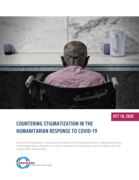
In most contexts, the social stigma surrounding mental health issues exists because of cultural norms and a lack of understanding of mental health’s complexities and realities, resulting in isolation, increased vulnerability, and lack of support for people with mental health problems.
This stig
...
ma has been exacerbated during COVID-19, as more people may need mental health or psycho-social support but cannot access it due to the cessation of in-person services and limited remote care option
more

Dieser vom Lesben- und Schwulenverband in Deutschland (LSVD) veröffentlichte Praxisleitfaden soll Unterbringungseinrichtungen und Beratungsstellen mit klaren und handfesten Handlungsempfehlungen dabei unterstützen, die im Annex 1 der „Mindeststandards zum Schutz von geflüchteten Menschen in F
...
lüchtlingsunterkünften“ festgelegten Leitlinien zur schutzbedarfsgerechten Unterbringung LSBTI*-Geflüchteter umzusetzen. Checklisten fassen die empfohlenen Maßnahmen übersichtlich zusammen. Weiterführendes Material und Kontakte zu spezialisierten Anlaufstellen ermöglichen eine Vertiefung der Arbeit zum Schutz LSBTI*-Geflüchteter.
more
A new report released today documents an “invisible wall” which has blocked migrants from accessing basic services since the start of the COVID-19 pandemic, and is now preventing them from accessing vaccines.
The second edition of the “A Region on the Move” report provides an overview of population movement trends in West and Central Africa in 2021. It aims to provide a comprehensive overview of mobility in the region and showcase the versatility, multidimensionality and nuances of regional mobility
...
in West and Central Africa.
more

l Plan de Participación de Partes Interesadas (en adelante PPPI) se formula en cumplimiento de las directrices y requisitos que se expresan en el Estándar Ambiental y Social 10 “Participación de las partes interesadas y divulgación de la información” del Banco Mundial (en adelante EAS 10).
...
Este estándar brinda los referentes para que, en los proyectos que financia el Banco Mundial, se constituyan tres (3) tipos de mecanismos que garanticen el involucramiento de las partes interesadas en los asuntos que les conciernen y son de su interés: de participación, de divulgación de información y de atención a quejas y reclamos.
more
11 April 2022

This document provides guidance to host States on the vetting and registration of volunteers and volunteer organisations.
It also provides guidance to UN, NGO and other civil society actors on how they can support and complement State ef-forts through operational activities.
Guidelines for Medicine Donations
recommended
This 3rd edition of Guidelines for medicine donations has been developed by the World Health Organization (WHO) in cooperation with major international agencies active in humanitarian relief and development assistance. The guidelines are intended to improve the quality of medicine donations in inter
...
national development assistance and emergency aid. Good medicine donation practice is of interest to both donors and recipients...
more
