
Filter
1169
Filtered Results: 1169
Text search:
UNHCR,
WHO
Featured
Recommendations
127
New Publications
353
Language
Document type
No document type
611
Studies & Reports
228
Guidelines
100
Manuals
67
Strategic & Response Plan
67
Situation Updates
41
Fact sheets
39
Training Material
8
Resource Platforms
3
Brochures
2
Online Courses
2
Infographics
1
Countries / Regions
Syria
99
Ukraine
52
Myanmar / Burma
51
Bangladesh
45
South Sudan
43
Global
37
Western and Central Europe
33
Venezuela
28
Uganda
24
Congo, Democratic Republic of
23
Jordan
22
Yemen
21
Lebanon
20
Liberia
16
Ethiopia
16
Central African Republic
16
Germany
14
Kenya
14
Sierra Leone
13
Latin America and the Carribbean
12
Zambia
11
Rwanda
11
Mozambique
11
Colombia
11
Africa
11
Nigeria
10
Sudan
10
Nepal
9
Turkey
8
Greece
8
Iraq
7
South Africa
7
Malawi
7
Libya
7
Eastern Europe and Central Asia
7
Haiti
6
Philippines
6
Afghanistan
6
Brazil
6
Russia
6
Burkina Faso
5
Niger
5
Tanzania
5
East and Southern Africa
5
Middle East and North Africa
5
Romania
5
Moldova
5
Senegal
4
Ghana
4
Zimbabwe
4
Pakistan
4
Indonesia
4
West and Central Africa
4
Poland
4
Cameroon
3
India
3
Namibia
3
Hungary
3
Croatia
3
Burundi
3
South–East Asia Region
3
Palestine
3
Italy
3
Vietnam
3
Guinea
2
Mali
2
Somalia
2
Egypt
2
Thailand
2
Argentina
2
Serbia
2
Botswana
2
Western Pacific Region
2
Asia
2
Eastern Europe
2
Bulgaria
2
Iran
2
Togo
1
Cambodia
1
China
1
Ecuador
1
Madagascar
1
Mexico
1
Laos
1
Timor Leste/ East Timor
1
Slovakia
1
Uzbekistan
1
Kyrgyzstan
1
Turkmenistan
1
Japan
1
Mauritius
1
Tunisia
1
Portugal
1
Spain
1
Azerbaijan
1
Belarus
1
Bosnia and Herzegovina
1
Authors & Publishers
Publication Years
Category
Countries
383
Women & Child Health
97
Key Resources
94
Clinical Guidelines
32
Public Health
27
Capacity Building
19
Pharmacy & Technologies
1
Toolboxes
Conflict
216
COVID-19
149
Refugee
146
Mental Health
91
Disability
55
HIV
44
Natural Hazards
36
Planetary Health
24
Rapid Response
22
Ebola
20
TB
18
Global Health Education
11
Health Financing Toolbox
8
Zika
5
Caregiver
4
Cholera
3
Pharmacy
3
Polio
2
Specific Hazards
2
NTDs
2
South Sudan
1
Typhoon
1
AMR
1
NCDs
1
A review of policy and practice; zero Hunger Phase 1
Harmonising proven strategies beyond the emergency phase. Zero Hunger Phase 2
The INEE Minimum Standards Handbook is the only global tool that articulates the minimum level of educational quality and access in emergencies through to recovery. The Minimum Standards express a commitment that all individuals—children, youth and adults—have a right to education.
There are...
Lessons from a decade of Progress
The intended purpose of this compendium is to provide program managers, organizations, and policy makers with a menu of indicators to better “know their HIV epidemic/know their response” from a gender perspective. The indicators in the compendium are all either part of existing indicators used i...
Findings from this report reveal that, rates of early marriage are high, a significant percentage of children contribute to the household’s income or are its main source of income, and restrictions on the mobility of women and girls constrain their participation in social and economic activities a...
Needs assessment is essential for programme planning, monitoring and evaluation, and accountability, however needs assessment is still a critical weakness of humanitarian response. Organisations need to improve how they do assessments. The Assessment Capacities Project (ACAPS) and the Emergency Capa...
This paper examines how diaspora and local organisations have responded to the crisis in Syria, how they evolved and the challenges that they face - and how international aid organisations and disapora and local groups can better work together in a new aid model.
USD$ 28 million allocated from UN Central Emergency Fund to assist people affected by Boko Haram’s insurgency.
Boko Haram, insecurity exert misery in Cameroon’s Far North Region.
Millions of people in Ebola-affected countries risk serious food shortages during the June-August lean ...
The new guide provides practical, first-line management recommendations for mental, neurological and substance use conditions. Contents include modules on assessing and managing conditions such as acute stress, grief, moderate-severe depressive disorder, post-traumatic stress disorder, epilepsy, and...
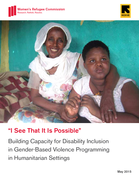
Women and girls with mental and intellectual disabilities were perceived to be most at risk of sexual violence, and family and service providers may only become aware of sexual violence against them when they become pregnant.
Discrimination by GBV service providers, family and community members was...

front cover © Hannah Maule-Ffinch/Save the Children
front cover © Jonathan Hyams/Save the Children

in Tackling the Migration Crisis under the safe third country and first country of asylum concept. Accessed at 5 April 2016
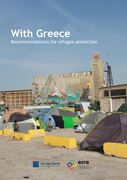
The information in this report is up-to-date as of June 2016.
The report, which follows a field visit to the country between 28 May and 6 June, also emphasises the need for international organisations to be mindful of the long present efforts of Greek lawyers and NGOs in the field, and recommends...
The transformation of the humanitarian landscape has already made a significant impact on the operational security of INGOs and other humanitarian actors. This report serves to inform strategic policy priorities and approaches to security planning and coordination, and addresses three main questions...
