
Filter
1779
Text search:
Malawi
Featured
108
395
Language
1546
146
57
32
20
19
14
9
6
3
3
2
2
2
2
1
1
1
1
1
1
1
1
1
1
1
1
1
1
1
1
1
1
1
Document type
1043
402
143
62
45
24
20
15
13
6
2
1
1
1
1
Countries
256
91
81
52
49
39
38
33
31
30
28
24
22
20
19
18
18
18
17
16
16
16
14
13
13
13
12
10
10
9
8
8
7
7
6
6
5
5
5
5
5
5
5
4
4
4
4
4
4
4
3
3
3
3
3
3
3
3
3
3
3
2
2
2
2
2
2
2
2
2
2
2
2
2
2
1
1
1
1
1
1
1
1
1
1
1
1
1
1
1
1
1
1
1
1
1
1
1
1
1
1
1
1
1
1
1
1
1
1
1
Authors & Publishers
159
137
125
88
73
62
60
44
43
29
25
20
18
16
16
13
12
12
11
11
11
9
9
8
8
8
7
7
7
7
6
6
6
6
6
6
6
6
6
5
5
5
5
5
5
5
5
5
5
5
5
5
5
5
4
4
4
4
4
4
4
4
4
4
4
4
4
4
4
4
4
4
4
4
4
3
3
3
3
3
3
3
3
3
3
3
3
3
3
3
3
3
3
3
3
3
3
3
3
3
3
3
3
3
3
3
3
3
3
3
3
3
3
3
3
2
2
2
2
2
2
2
2
2
2
2
2
2
2
2
2
2
2
2
2
2
2
2
2
2
2
2
2
2
2
2
2
2
2
2
2
2
2
2
2
2
2
2
2
2
2
2
2
2
2
2
2
2
2
2
2
2
2
2
2
2
2
2
2
2
2
2
2
2
2
2
2
2
2
2
2
2
2
2
2
2
2
2
2
2
2
2
2
2
2
2
2
2
2
2
2
2
2
2
2
2
2
2
2
2
2
2
2
2
2
2
2
2
2
2
2
2
2
2
2
2
2
2
2
2
2
2
2
2
2
2
2
2
2
2
2
2
2
2
2
2
2
1
1
1
1
1
1
1
1
1
1
1
1
1
1
1
1
1
1
1
1
1
1
1
1
1
1
1
1
1
1
1
1
1
1
1
1
1
1
1
1
1
1
1
1
1
1
1
1
1
1
1
1
1
1
1
1
1
1
1
1
1
1
1
1
1
1
1
1
1
1
1
1
1
1
1
1
1
1
1
1
1
1
1
1
1
1
1
1
1
1
1
1
1
1
1
1
1
1
1
1
1
1
1
1
1
1
1
1
1
1
1
1
1
1
1
1
1
1
1
1
1
1
1
1
1
1
1
1
1
1
1
1
1
1
1
1
1
1
1
1
1
1
1
1
1
1
1
1
1
1
1
1
1
1
1
1
1
1
1
1
1
1
1
1
1
1
1
1
1
1
1
1
1
1
1
1
1
1
1
1
1
1
1
1
1
1
1
1
1
1
1
1
1
1
1
1
1
1
1
1
1
1
1
1
1
1
1
1
1
1
1
1
1
1
1
1
1
1
1
1
1
1
1
1
1
1
1
1
1
1
1
1
1
1
1
1
1
1
1
1
1
1
1
1
1
1
1
1
1
1
1
1
1
1
1
1
1
1
1
1
1
1
1
1
1
1
1
1
1
1
1
1
1
1
1
1
1
1
1
1
1
1
1
1
1
1
1
1
1
1
1
1
1
1
1
1
1
1
1
1
1
1
1
1
1
1
1
1
1
1
1
1
1
1
1
1
1
1
1
1
1
1
1
1
1
1
1
1
1
1
1
1
1
1
1
1
1
1
1
1
1
1
1
1
1
1
1
1
1
1
1
1
1
1
1
1
1
1
1
1
1
1
1
1
1
1
1
1
1
1
1
1
1
1
1
1
1
1
1
1
1
1
1
1
1
1
1
1
1
1
1
1
1
1
1
1
1
1
1
1
1
1
1
1
1
1
1
1
1
1
1
1
1
1
1
1
1
1
1
1
1
1
1
1
1
1
1
1
1
1
1
1
1
1
1
1
1
1
1
1
1
1
1
1
1
1
1
1
1
1
1
1
1
1
1
1
1
1
1
1
1
1
1
1
1
1
1
1
1
1
1
1
1
1
1
1
1
1
1
1
1
1
1
1
1
1
1
1
1
1
1
1
1
1
1
1
1
1
1
1
1
1
1
1
1
1
1
1
1
1
1
1
1
1
1
1
1
1
1
1
1
1
1
1
1
1
1
1
1
1
1
1
1
1
1
1
1
1
1
1
1
1
1
1
1
1
1
1
1
1
1
1
1
1
1
1
1
1
1
1
1
1
1
1
1
1
1
1
1
1
1
1
1
1
1
1
1
1
1
1
1
1
1
1
1
1
1
1
1
1
1
1
1
1
1
1
1
1
1
1
1
1
1
1
1
1
1
1
1
1
1
1
1
1
1
1
1
1
1
1
1
1
1
1
1
1
1
1
1
1
1
1
1
1
1
1
1
1
1
1
1
1
1
1
1
1
1
1
1
1
1
1
1
1
1
1
1
1
1
1
1
1
1
1
1
1
1
1
1
1
1
1
1
1
1
1
1
1
1
1
1
1
1
1
1
1
1
1
1
1
1
1
1
1
1
1
1
1
1
1
1
1
1
1
1
1
1
1
1
1
1
1
1
1
1
1
1
1
1
1
1
1
1
1
1
1
1
1
1
1
1
1
1
1
1
1
1
1
1
1
1
1
1
1
1
1
1
1
1
1
1
1
1
1
1
1
1
1
1
1
1
1
1
1
1
1
1
1
1
1
1
1
1
1
1
1
1
1
1
1
1
1
1
1
1
1
1
1
1
1
1
1
1
1
1
1
1
1
1
1
1
1
1
1
1
1
1
1
1
1
1
1
1
1
1
1
1
1
1
1
1
1
1
1
1
1
1
1
1
1
1
1
1
1
1
1
1
1
1
1
1
1
1
1
1
1
1
1
1
1
1
1
1
1
1
1
1
1
1
1
1
1
1
1
1
1
1
1
1
1
1
1
1
1
1
1
1
1
1
1
1
1
1
1
1
1
1
1
1
1
1
1
1
1
1
1
1
1
1
1
1
1
1
1
1
1
1
1
1
1
1
1
1
1
1
1
1
1
1
1
1
1
1
1
1
1
1
1
1
1
1
1
1
1
1
1
1
1
1
1
1
1
1
1
1
1
1
1
1
1
1
1
1
1
1
1
1
1
1
1
1
1
1
1
1
1
1
1
1
1
1
1
1
1
1
1
1
1
1
1
1
1
1
1
1
1
1
1
1
1
1
1
1
1
1
1
1
1
1
1
1
1
1
1
1
1
1
1
1
1
1
1
1
1
1
1
1
1
1
1
1
1
1
1
1
1
1
1
1
1
1
1
1
1
1
1
1
1
1
1
1
1
1
1
1
1
1
1
1
1
1
1
1
1
1
1
1
1
1
1
1
1
1
1
1
1
1
1
1
1
1
1
1
1
1
1
1
1
1
1
1
1
1
1
1
1
1
1
1
1
1
1
1
1
1
1
1
1
1
1
1
1
1
1
1
1
1
1
1
1
1
1
1
1
1
1
1
1
1
1
1
1
1
1
1
1
1
1
1
1
1
1
1
1
1
1
1
1
1
1
1
1
1
1
1
1
1
1
1
1
1
1
1
1
1
1
1
1
1
1
1
1
1
1
1
1
1
1
1
1
1
1
1
1
1
1
1
1
1
1
1
1
1
1
1
1
1
1
1
1
1
1
1
1
1
1
1
1
1
1
1
1
1
1
1
1
1
1
1
1
1
1
1
1
1
1
1
1
1
1
1
1
1
1
1
1
1
1
1
1
1
1
1
1
1
1
1
1
1
1
1
1
1
1
1
1
1
1
1
1
1
1
1
1
1
1
1
1
1
1
1
1
1
1
1
1
1
1
1
1
1
1
1
1
1
1
1
1
1
1
1
1
1
1
1
1
1
1
1
1
1
1
1
1
1
1
1
1
1
1
1
1
1
1
1
1
1
1
1
1
1
1
1
1
1
1
1
1
1
1
1
1
1
1
1
1
1
1
1
1
1
1
1
1
1
1
1
1
1
1
1
1
1
1
1
1
1
1
1
1
1
1
1
1
1
1
1
1
1
1
1
1
1
1
1
1
1
1
1
1
1
1
1
1
1
1
1
1
1
1
1
1
1
1
1
1
1
1
1
1
1
1
1
1
1
1
1
1
1
1
1
1
1
1
1
1
1
1
1
1
1
1
1
1
1
1
1
1
1
1
1
1
1
1
1
1
1
1
1
1
1
1
1
1
1
1
1
1
1
1
1
1
1
1
1
1
1
1
1
1
1
1
1
1
1
1
1
1
1
1
1
1
1
1
1
1
1
1
1
1
1
1
1
1
1
1
1
1
1
1
1
1
1
1
1
1
1
1
1
1
1
1
1
1
1
1
1
1
1
1
1
1
1
1
1
1
1
1
1
1
1
1
1
1
1
1
1
1
1
1
1
1
1
1
1
1
1
1
1
1
1
1
1
1
1
1
1
1
1
1
1
1
1
1
1
1
1
1
1
1
1
1
1
1
1
1
1
1
1
1
1
1
1
1
1
1
1
1
1
1
Publication Years
460
1185
125
7
1
1
Category
618
159
145
109
58
25
14
Toolboxes
343
131
119
90
63
61
55
50
49
36
34
26
26
25
23
18
17
16
9
6
6
2
2
1

The Strategic Framework for Emergency Preparedness is a unifying framework which identifies the principles and elements of effective country health emergency preparedness. It adopts the major lessons of previous initiatives and lays out the planning and implementation process by which countries can
...
determine their priorities and develop or strengthen their operational capacities. The framework capitalizes on the strengths of current initiatives and pushes for more integrated action at a time when there is both increased political will and increased funding available to support preparedness efforts.
more
The Pocket Guide to Managing Contraceptive Supplies addresses one of
the most important components of any program that provides family
planning services—the logistics system that manages the delivery,
quality, and storage of contraceptive supplies. These supplies are
essential; without them, f
...
amily planning services cannot be provided.
This guide is for the staff of family planning or health clinics who
manage contraceptive supplies and for the supervisor who oversees
these logistics activities. This booklet is not a complete logistics text;
its purpose is to be a quick reference for logistics formulas and
principles to help you manage your supplies (both contraceptives and
other commodities) correctly and efficiently.
more
The document presents briefly Mozambique's profile on neglected tropical diseases, as well as recommendations on how to control them.
O presente perfil do país apresenta uma panorâmica do progresso de Moçambique em termos de cobertura das pessoas que necessitam de tratamento em massa das DTN, com base em dados de 2016.
Cet outil peut être utilisé pour améliorer la qualité du programme ASC. Pour identifier et combler les lacunes dans la conception et la mise en œuvre du programme ASC, veuillez compléter les informations ci-dessous
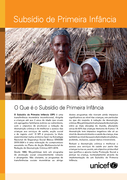
O Subsídio de Primeira Infância (SPI) é uma transferência monetária incondicional, dirigida a crianças até aos 2 anos de idade que vivam em agregados familiares pobres ou vulneráveis, com o objectivo de promover a redução da desnutrição crónica e de melhorar o acesso das crianças aos s
...
erviços de saúde, acção social e de registo civil.
more

Conclusion: To ensure that people with disabilities can successfully access the necessary health services, the barriers on the demand side (the individuals requiring healthcare) as well as the barriers that are part of the healthcare system, should be attended to.
Guide de réadaptation à base communautaire (RBC)
En 2003, une Consultation internationale consacrée à l’examen de la réadaptation à base communautaire organisée à Helsinki a émis un certain nombre de recommandations essentielles. Par la suite, la RBC a été redéfinie, dans un document
...
d’orientation conjoint de l’OIT, l’UNESCO et l’OMS, comme une stratégie faisant partie intégrante du développement communautaire général qui vise à assurer la réadaptation, l’égalité des chances et l’intégration sociale des personnes handicapées.
more
WHO QualityRights is an initiative which aims to improve the quality of care in mental health and related services and to promote the human rights of people with psychosocial, intellectual and cognitive disabilities, throughout the world.
This document has been developed to support countries to develop and strengthen peer support groups in mental health and related areas. It addresses the provision of peer support groups in the context of health services and the wider community.
This document has been developed to support countries develop and strengthen individualized peer support services in mental health and related areas. It addresses the provision of individualized peer support in the context of health services and the wider community.
This handbook and teaching guide on recovery has been designed to complement the QualityRights training module on Promoting Recovery in Mental Health and Related Services. The handbook and teaching guide covers much of the same material, but also contains additional text and exercises. It can be giv
...
en to participants at the end of the training sessions so that they are able to review the concepts and material learned during the training.
Alternatively, it can be used independently as a standalone document to deliver training on recovery over 4-5 training days. The handbook/ teaching guide does not rely on PowerPoint presentations to deliver the training. Instead all participants should have a copy of the handbook/ teaching guide and work through the text and exercises either in plenary or in groups based on the discretion of the facilitator for the training.
more
This training and guidance module addresses the use of coercive and violent practices in mental health and related services with a particular focus on seclusion and restraint. It aims to promote a greater understanding of why these practices are used and build practical skills to help end these prac
...
tices. While the module itself focuses on ending these practices in the health care setting, much of the content can also be applied in other settings where seclusion and restraint occur, for example in the home and in the wider community.
more
This training and guidance has been developed to provide an in-depth understanding on what it means to respect legal capacity in mental health and related areas as well as concrete strategies to ensure that people are able to exercise their right to legal capacity in all areas of their life. In this
...
context a wide range of scenarios are used to describe how different models of supported decision making can be applied in practice.
more
This module has been developed to provide training and guidance to improve the quality of care and human rights conditions in inpatient, outpatient and community based mental health and related services, following the conduct of a comprehensive assessment using the WHO QualityRights assessment toolk
...
it.
more
This document provides training and guidance on the reasons for, and the impact of, violence, coercion and abuse within mental health and related settings. It also provides guidance on how to implement strategies to end the use of coercion, violence and abuse in these settings.
This document provides training and guidance on legal capacity and how supported decision making, recovery plans and advance plans help to avoid involuntary detention and treatment and ensure people are able to exercise their right to legal capacity.
This document provides training and guidance on the key standards related to the physical and social environment within mental health and related services that need to be met to promote good outcomes, independent living and community inclusion.
This document has been developed to provide training and guidance on how to integrate a human rights approach in mental health and related areas, based on international human rights instruments, in particular the UN Convention on the Rights of Persons with Disabilities (CRPD).
