
Filter
2408
Text search:
reference
manual
Featured
289
666
Language
2217
86
78
54
32
29
14
10
4
4
2
2
2
2
2
2
2
1
1
1
1
1
1
1
1
1
1
1
1
Document type
1445
400
199
195
81
52
12
10
5
4
2
2
Countries
143
64
63
63
52
51
50
44
42
42
40
39
39
36
34
33
32
30
27
25
20
18
18
16
15
14
12
11
11
10
10
9
9
8
8
7
7
7
6
6
6
6
6
6
6
6
6
6
6
6
5
5
5
4
4
4
4
4
4
4
4
4
4
3
3
3
3
3
3
3
3
3
3
2
2
2
2
2
2
2
2
2
2
2
2
2
2
1
1
1
1
1
1
1
1
1
1
1
1
1
1
1
1
1
1
1
1
1
1
1
Authors & Publishers
353
146
95
78
69
61
50
45
24
19
18
18
17
17
16
16
15
14
14
11
11
11
11
11
10
10
10
9
9
9
9
9
9
8
8
8
8
8
8
8
8
8
8
8
7
7
7
7
7
7
6
6
6
6
6
6
6
6
6
6
6
6
6
6
6
5
5
5
5
5
5
5
5
5
5
5
5
5
5
5
5
4
4
4
4
4
4
4
4
4
4
4
4
4
4
4
4
4
4
4
4
4
4
4
4
4
4
4
4
4
4
3
3
3
3
3
3
3
3
3
3
3
3
3
3
3
3
3
3
3
3
3
3
3
3
3
3
3
3
3
3
3
3
3
3
3
3
3
3
3
3
3
3
3
3
3
2
2
2
2
2
2
2
2
2
2
2
2
2
2
2
2
2
2
2
2
2
2
2
2
2
2
2
2
2
2
2
2
2
2
2
2
2
2
2
2
2
2
2
2
2
2
2
2
2
2
2
2
2
2
2
2
2
2
2
2
2
2
2
2
2
2
2
2
2
2
2
2
2
2
2
2
2
2
2
2
2
2
2
2
2
2
2
2
2
2
2
2
2
2
2
2
2
2
2
2
2
2
2
2
2
2
2
2
2
2
2
2
2
2
2
2
2
2
2
2
2
2
2
2
2
2
2
2
2
2
2
2
2
2
2
2
2
2
2
2
2
2
2
2
2
2
2
2
2
2
2
2
2
2
2
2
2
1
1
1
1
1
1
1
1
1
1
1
1
1
1
1
1
1
1
1
1
1
1
1
1
1
1
1
1
1
1
1
1
1
1
1
1
1
1
1
1
1
1
1
1
1
1
1
1
1
1
1
1
1
1
1
1
1
1
1
1
1
1
1
1
1
1
1
1
1
1
1
1
1
1
1
1
1
1
1
1
1
1
1
1
1
1
1
1
1
1
1
1
1
1
1
1
1
1
1
1
1
1
1
1
1
1
1
1
1
1
1
1
1
1
1
1
1
1
1
1
1
1
1
1
1
1
1
1
1
1
1
1
1
1
1
1
1
1
1
1
1
1
1
1
1
1
1
1
1
1
1
1
1
1
1
1
1
1
1
1
1
1
1
1
1
1
1
1
1
1
1
1
1
1
1
1
1
1
1
1
1
1
1
1
1
1
1
1
1
1
1
1
1
1
1
1
1
1
1
1
1
1
1
1
1
1
1
1
1
1
1
1
1
1
1
1
1
1
1
1
1
1
1
1
1
1
1
1
1
1
1
1
1
1
1
1
1
1
1
1
1
1
1
1
1
1
1
1
1
1
1
1
1
1
1
1
1
1
1
1
1
1
1
1
1
1
1
1
1
1
1
1
1
1
1
1
1
1
1
1
1
1
1
1
1
1
1
1
1
1
1
1
1
1
1
1
1
1
1
1
1
1
1
1
1
1
1
1
1
1
1
1
1
1
1
1
1
1
1
1
1
1
1
1
1
1
1
1
1
1
1
1
1
1
1
1
1
1
1
1
1
1
1
1
1
1
1
1
1
1
1
1
1
1
1
1
1
1
1
1
1
1
1
1
1
1
1
1
1
1
1
1
1
1
1
1
1
1
1
1
1
1
1
1
1
1
1
1
1
1
1
1
1
1
1
1
1
1
1
1
1
1
1
1
1
1
1
1
1
1
1
1
1
1
1
1
1
1
1
1
1
1
1
1
1
1
1
1
1
1
1
1
1
1
1
1
1
1
1
1
1
1
1
1
1
1
1
1
1
1
1
1
1
1
1
1
1
1
1
1
1
1
1
1
1
1
1
1
1
1
1
1
1
1
1
1
1
1
1
1
1
1
1
1
1
1
1
1
1
1
1
1
1
1
1
1
1
1
1
1
1
1
1
1
1
1
1
1
1
1
1
1
1
1
1
1
1
1
1
1
1
1
1
1
1
1
1
1
1
1
1
1
1
1
1
1
1
1
1
1
1
1
1
1
1
1
1
1
1
1
1
1
1
1
1
1
1
1
1
1
1
1
1
1
1
1
1
1
1
1
1
1
1
1
1
1
1
1
1
1
1
1
1
1
1
1
1
1
1
1
1
1
1
1
1
1
1
1
1
1
1
1
1
1
1
1
1
1
1
1
1
1
1
1
1
1
1
1
1
1
1
1
1
1
1
1
1
1
1
1
1
1
1
1
1
1
1
1
1
1
1
1
1
1
1
1
1
1
1
1
1
1
1
1
1
1
1
1
1
1
1
1
1
1
1
1
1
1
1
1
1
1
1
1
1
1
1
1
1
1
1
1
1
1
1
1
1
1
1
1
1
1
1
1
1
1
1
1
1
1
1
1
1
1
1
1
1
1
1
1
1
1
1
1
1
1
1
1
1
1
1
1
1
1
1
1
1
1
1
1
1
1
1
1
1
1
1
1
1
1
1
1
1
1
1
1
1
1
1
1
1
1
1
1
1
1
1
1
1
1
1
1
1
1
1
1
1
1
1
1
1
1
1
1
1
1
1
1
1
1
1
1
1
1
1
1
1
1
1
1
1
1
1
1
1
1
1
1
1
1
1
1
1
1
1
1
1
1
1
1
1
1
1
1
1
1
1
1
1
1
1
1
1
1
1
1
1
1
1
1
1
1
1
1
1
1
1
1
1
1
1
1
1
1
1
1
1
1
1
1
1
1
1
1
1
1
1
1
1
1
1
1
1
1
1
1
1
1
1
1
1
1
1
1
1
1
1
1
1
1
1
1
1
1
1
1
1
1
1
1
1
1
1
1
1
1
1
1
1
1
1
1
1
1
1
1
1
1
1
1
1
1
1
1
1
1
1
1
1
1
1
1
1
1
1
1
1
1
1
1
1
1
1
1
1
1
1
1
1
1
1
1
1
1
1
1
1
1
1
1
1
1
1
1
1
1
1
1
1
1
1
1
1
1
1
1
1
1
1
1
1
1
1
1
1
1
1
1
1
1
1
1
1
1
1
1
1
1
1
1
1
1
1
1
1
1
1
1
1
1
1
1
1
1
1
1
1
1
1
1
1
1
1
1
1
1
1
1
1
1
1
1
1
1
1
1
1
1
1
1
1
1
1
1
1
1
1
1
1
1
1
1
1
1
1
1
1
1
1
1
1
1
1
1
1
1
1
1
1
1
1
1
1
1
1
1
1
1
1
1
1
1
1
1
1
1
1
1
1
1
1
1
1
1
1
1
1
1
1
1
1
1
1
1
1
1
1
1
1
1
1
1
1
1
1
1
1
1
1
1
1
1
1
1
1
1
1
1
1
1
1
1
1
1
1
1
1
1
1
1
1
1
1
1
1
1
1
1
1
1
1
1
1
1
1
1
1
1
1
1
1
1
1
1
1
1
1
1
1
1
1
1
1
1
1
1
1
1
1
1
1
1
1
1
1
1
1
1
1
1
1
1
1
1
1
1
1
1
1
1
1
1
1
1
1
1
1
1
1
1
1
1
1
1
1
1
1
1
1
1
1
1
1
1
1
1
1
1
1
1
1
1
1
1
1
1
1
1
1
1
1
1
1
1
1
1
1
1
1
1
1
1
1
1
1
1
1
1
1
1
1
1
1
1
1
1
1
1
1
1
1
1
1
1
1
1
1
1
1
1
1
1
1
1
1
1
1
1
1
1
1
1
1
1
1
1
1
1
1
1
1
1
1
1
1
1
1
1
1
1
1
1
1
1
1
1
1
1
1
1
1
1
1
1
1
1
1
1
1
1
1
1
1
1
1
1
1
1
1
1
1
1
1
1
1
1
1
1
1
1
1
1
1
1
1
1
1
1
1
1
1
1
1
1
1
1
1
1
1
1
1
1
1
1
1
1
1
1
1
1
1
1
1
1
1
1
1
1
1
1
1
1
1
1
1
1
1
1
1
1
1
1
1
1
1
1
1
1
1
1
1
1
1
1
1
1
1
1
1
1
1
1
1
1
1
1
1
1
1
1
1
1
1
1
1
1
1
1
1
1
1
1
1
1
1
1
1
1
1
1
1
1
1
1
1
1
1
1
1
1
1
1
1
1
1
1
1
1
1
1
1
1
1
1
1
1
1
1
1
1
1
1
1
1
1
1
1
1
1
1
1
1
1
1
1
1
1
1
1
1
1
1
1
1
1
1
1
1
1
1
1
1
1
1
1
1
1
1
1
1
1
1
1
1
1
1
1
1
1
1
1
1
1
1
1
1
1
1
1
1
1
1
1
1
1
1
1
1
1
1
1
1
1
1
1
1
1
1
1
1
1
1
1
1
1
1
1
1
1
1
1
1
1
1
1
1
1
1
1
1
1
1
1
1
1
1
1
1
1
1
1
1
1
1
1
1
1
1
1
1
1
1
1
1
1
1
1
1
1
1
1
1
1
1
1
1
1
1
1
1
1
1
1
1
1
1
1
1
1
1
1
Publication Years
1
492
1523
361
31
Category
890
217
192
155
139
136
54
3
3
Toolboxes
160
151
137
117
110
101
94
92
85
51
50
47
45
40
29
24
19
15
15
11
5
5
5
2
Trastornos del ánimo
Capítulo E.2
Editores: Matías Irarrázaval & Andres Martin Traductores:
Traducción: Fernanda Prieto-Tagle & Ester Mora
The Democratic Republic of Timor-Leste has the highest TB incidence rate in the South East Asian Region - 498 per 100,000, which is the seventh highest in the world. In Timor-Leste TB is the eighth most common cause of death.
The salient observations are as follows:
In 2018, 487 (12.5%) of the
...
3906 notified TB patients were tested for RR-TB and only 12 lab confirmed RR-TB patients were initiated on standard MDR-TB treatment of 20-months duration, (a 3-fold increase in RR-TB detection compared with 2017). This amounts to treatment coverage of only 17% of 72 estimated MDR/RR-TB among notified TB patients (3906) and 5% of 240 estimated incident MDR-TB patients as compared to 62% treatment coverage of 6300 incident drug sensitive TB patients estimated in TLS. The treatment success in the 2016 annual cohort of 6 MDR-TB patients has been reported at 83%. 80% of TB patients know their HIV Status with around 1% TB-HIV co-infection, 37/ 77 (48%) TB-HIV Co-infection Detected. Of the 387 PLHIV currently alive on ART, exact status on TB screening and testing is unknown. % of PLHIV newly enrolled in HIV care who received IPT is not known.
In 2018, the mortality rate for TB was 94 deaths per 100,000 people (1200 per annum) in TL with an increasing mortality trend (Figure 1), despite TB services being available for nearly two decades.
A survey of catastrophic costs due to TB (2016) highlights that 83% of TB patients are reported to be facing catastrophic costs due to the disease. This is the highest rate in the world.
more
Guidance for health workers
23 February 2021
This document describes the medical devices required for the clinical management of COVID-19, selected and prioritized according to the latest available evidence and interim guidelines. This includes: oxygen therapy, pulse oximeters, patient monitors, thermometers, infusion and suc
...
tion pumps, X-ray, ultrasound and CT scanners as well as personal protective equipment. In order to facilitate access to quality assured priority medical devices, the document also includes technical and performance characteristics, related standards, accessories and consumables. It is intended for policy-makers and planning officers in Ministries of Health, procurement and regulatory agencies, intergovernmental and international agencies as well as the medical device industry.
This document is an update to the List of priority medical devices for COVID-19 case management and Technical specifications for invasive and non-invasive ventilators for COVID-19.
This document complements the Technical specifications of personal protective equipment for COVID-19.
more
Health Bulletin No.3
Оценка потребностей и ресурсов в области охраны психического здоровья и психосоциальной поддержки
recommended
Данный документ предназначен в первую очередь для работников здравоохранения. Поскольку социальные детерминанты нарушений психического здоровья и психосоциальÐ
...
½ых проблем относятся ко многим различным секторам, каждый второй инструмент из предложенного набора охватывает вопросы оценки ОПЗПП, актуальные не только для здравоохранения, но и для других секторов. Настоящий документ призван помочь вам в сборе необходимой информации для того, чтобы оказывать более действенную поддержку людям, пострадавшим от гуманитарных кризисов.
Assessing mental health and psychosocial needs and resources: toolkit for humanitarian setting
more
WHO published guidance for clinicians and health care decision-makers on the use of corticosteroids in patients with COVID-19.
We recommend systemic corticosteroids for the treatment of patients with severe and critical COVID-19. We suggest not to use corticosteroids in the treatment of patients
...
with non-severe COVID-19 as the treatment brought no benefits, and could even prove harmful. Treatment should be under supervision of a clinician.
Corticosteroids are listed in the WHO model list of essential medicines, readily available globally at a low cost. WHO encourages countries to maintain sufficient stocks of corticosteroids to treat COVID-19 and the other disease for which they are effective, while not maintaining excessive stocks which could deny other countries access.
more
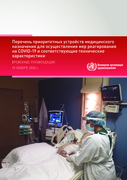
23 February 2021
This document describes the medical devices required for the clinical management of COVID-19, selected and prioritized according to the latest available evidence and interim guidelines. This includes: oxygen therapy, pulse oximeters, patient monitors, thermometers, infusion and suc
...
tion pumps, X-ray, ultrasound and CT scanners as well as personal protective equipment. In order to facilitate access to quality assured priority medical devices, the document also includes technical and performance characteristics, related standards, accessories and consumables. It is intended for policy-makers and planning officers in Ministries of Health, procurement and regulatory agencies, intergovernmental and international agencies as well as the medical device industry.
This document is an update to the List of priority medical devices for COVID-19 case management and Technical specifications for invasive and non-invasive ventilators for COVID-19.
This document complements the Technical specifications of personal protective equipment for COVID-19.
more
Food Security And Nutrition In Emergency
recommended
Chapter 9: Public health guide for emergencies
Option B+
Briefing note on addressing mental health and psychosocial aspects of COVID-19 Outbreak- Version 1.1
recommended
This briefing note summarises key mental health and psychosocial support (MHPSS) considerations in relation to the 2019 novel coronavirus (COVID-19) outbreak.
Technical Note
Recently, the approach to hazardous events has undergone a considerable shift, away from reactive activities focused on managing and responding to events and towards a more proactive process of emergency and disaster risk management (DRM). The ultimate goal of this shift in focus is
...
to prevent new and reduce existing disaster risks, a process known as disaster risk reduction (DRR), while strengthening individual, community, societal and global resilience.
more
STANDARD OPERATING PROCEDURES
PARTICIPANT GUIDE
This Participant Guide has been designed to assist health facilities and community based non-clinicians to develop skills to provide linkage to care, adherence and retention in care services for chronic conditions
Fully functioning water, sanitation, hygiene (WASH) and health care waste management services are a critical aspect of infection prevention and control (IPC) practices, and ensuring patient safety and quality of care. Such services are also essential for creating an environment that supports the dig
...
nity and human rights of all care seekers, especially mothers, newborns, children and care providers.
WASH and waste services are also critical for preventing and effectively responding to disease outbreaks. The COVID-19 pandemic has exposed gaps in these basic services (Box 1). These gaps threaten the safety of patients and caregivers, and have environmental consequences, especially as a result of large increases in plastic health care waste. In short, WASH is a critical foundation for improving quality across the health system (1).
Many facilities lack plans and budgets for WASH, which has impacts on IPC. This lack of services, and of systems to improve them, compromises the ability to provide safe and quality care, and places health care providers and those seeking care at substantial risk of infection and loss of dignity. Unhygienic health care facilities without drinking water or functional toilets are also a disincentive to seeking care and undermine staff morale – these factors can have a critical impact on controlling infectious disease outbreaks.
Climate change and its impacts on WASH and health services, gender-specific needs, and equity in service provision and management all require rigorous attention, adaptable tools and regular monitoring.
more

Building communication and counseling skills

FP Counseling in Practice
