
Filter
4481
Text search:
priority
diseases
Featured
424
1267
Language
4390
91
74
57
46
31
26
13
5
4
3
3
2
2
2
2
2
2
2
2
2
2
2
2
1
1
1
1
1
1
1
1
1
1
1
1
1
1
1
1
1
1
1
1
1
1
1
1
1
1
1
1
1
Document type
2433
826
557
257
229
53
51
48
11
7
6
1
Countries
215
159
151
117
106
101
97
94
91
85
82
77
75
74
71
65
63
62
61
55
51
50
37
36
35
34
34
34
33
28
28
27
27
25
25
23
23
23
23
22
22
20
18
14
14
14
14
14
13
13
12
12
11
11
10
9
9
8
8
8
7
7
7
7
7
7
7
6
6
6
6
6
5
5
5
5
4
4
4
4
4
4
4
4
4
4
3
3
3
3
3
3
3
3
2
2
2
2
2
2
2
2
2
2
2
2
2
2
2
2
1
1
1
1
1
1
1
1
1
1
1
1
1
1
1
1
1
1
1
1
1
1
1
1
1
1
1
Authors & Publishers
704
264
182
182
161
76
73
71
58
37
33
31
24
21
20
20
20
19
19
18
18
18
17
17
16
16
15
15
14
14
14
14
14
13
13
13
12
12
12
12
12
12
12
12
12
11
11
11
11
11
10
10
10
10
10
10
10
10
10
10
9
9
9
9
9
9
9
9
8
8
8
8
8
8
8
8
8
8
8
8
8
8
7
7
7
7
7
7
7
7
7
7
7
7
7
6
6
6
6
6
6
6
6
6
6
6
6
6
6
6
6
5
5
5
5
5
5
5
5
5
5
5
5
5
5
5
5
5
5
5
5
5
5
5
5
5
4
4
4
4
4
4
4
4
4
4
4
4
4
4
4
4
4
4
4
4
4
4
4
4
4
4
4
4
4
4
4
4
4
4
4
4
4
4
4
3
3
3
3
3
3
3
3
3
3
3
3
3
3
3
3
3
3
3
3
3
3
3
3
3
3
3
3
3
3
3
3
3
3
3
3
3
3
3
3
3
3
3
3
3
3
3
3
3
3
3
3
3
3
3
3
3
3
3
3
3
3
3
3
3
3
3
3
3
3
3
3
3
3
3
3
3
3
3
3
3
3
3
3
3
2
2
2
2
2
2
2
2
2
2
2
2
2
2
2
2
2
2
2
2
2
2
2
2
2
2
2
2
2
2
2
2
2
2
2
2
2
2
2
2
2
2
2
2
2
2
2
2
2
2
2
2
2
2
2
2
2
2
2
2
2
2
2
2
2
2
2
2
2
2
2
2
2
2
2
2
2
2
2
2
2
2
2
2
2
2
2
2
2
2
2
2
2
2
2
2
2
2
2
2
2
2
2
2
2
2
2
2
2
2
2
2
2
2
2
2
2
2
2
2
2
2
2
2
2
2
2
2
2
2
2
2
2
2
2
2
2
2
2
2
2
2
2
2
2
2
2
2
2
2
2
2
2
2
2
2
2
2
2
2
2
2
2
2
2
2
2
2
2
2
2
2
2
2
2
2
2
2
2
2
2
2
2
2
2
2
2
2
2
2
2
2
2
2
2
2
2
2
2
2
2
2
2
2
2
2
2
2
2
2
2
2
2
2
2
2
2
2
2
2
2
2
2
2
2
2
2
2
2
2
2
2
2
2
1
1
1
1
1
1
1
1
1
1
1
1
1
1
1
1
1
1
1
1
1
1
1
1
1
1
1
1
1
1
1
1
1
1
1
1
1
1
1
1
1
1
1
1
1
1
1
1
1
1
1
1
1
1
1
1
1
1
1
1
1
1
1
1
1
1
1
1
1
1
1
1
1
1
1
1
1
1
1
1
1
1
1
1
1
1
1
1
1
1
1
1
1
1
1
1
1
1
1
1
1
1
1
1
1
1
1
1
1
1
1
1
1
1
1
1
1
1
1
1
1
1
1
1
1
1
1
1
1
1
1
1
1
1
1
1
1
1
1
1
1
1
1
1
1
1
1
1
1
1
1
1
1
1
1
1
1
1
1
1
1
1
1
1
1
1
1
1
1
1
1
1
1
1
1
1
1
1
1
1
1
1
1
1
1
1
1
1
1
1
1
1
1
1
1
1
1
1
1
1
1
1
1
1
1
1
1
1
1
1
1
1
1
1
1
1
1
1
1
1
1
1
1
1
1
1
1
1
1
1
1
1
1
1
1
1
1
1
1
1
1
1
1
1
1
1
1
1
1
1
1
1
1
1
1
1
1
1
1
1
1
1
1
1
1
1
1
1
1
1
1
1
1
1
1
1
1
1
1
1
1
1
1
1
1
1
1
1
1
1
1
1
1
1
1
1
1
1
1
1
1
1
1
1
1
1
1
1
1
1
1
1
1
1
1
1
1
1
1
1
1
1
1
1
1
1
1
1
1
1
1
1
1
1
1
1
1
1
1
1
1
1
1
1
1
1
1
1
1
1
1
1
1
1
1
1
1
1
1
1
1
1
1
1
1
1
1
1
1
1
1
1
1
1
1
1
1
1
1
1
1
1
1
1
1
1
1
1
1
1
1
1
1
1
1
1
1
1
1
1
1
1
1
1
1
1
1
1
1
1
1
1
1
1
1
1
1
1
1
1
1
1
1
1
1
1
1
1
1
1
1
1
1
1
1
1
1
1
1
1
1
1
1
1
1
1
1
1
1
1
1
1
1
1
1
1
1
1
1
1
1
1
1
1
1
1
1
1
1
1
1
1
1
1
1
1
1
1
1
1
1
1
1
1
1
1
1
1
1
1
1
1
1
1
1
1
1
1
1
1
1
1
1
1
1
1
1
1
1
1
1
1
1
1
1
1
1
1
1
1
1
1
1
1
1
1
1
1
1
1
1
1
1
1
1
1
1
1
1
1
1
1
1
1
1
1
1
1
1
1
1
1
1
1
1
1
1
1
1
1
1
1
1
1
1
1
1
1
1
1
1
1
1
1
1
1
1
1
1
1
1
1
1
1
1
1
1
1
1
1
1
1
1
1
1
1
1
1
1
1
1
1
1
1
1
1
1
1
1
1
1
1
1
1
1
1
1
1
1
1
1
1
1
1
1
1
1
1
1
1
1
1
1
1
1
1
1
1
1
1
1
1
1
1
1
1
1
1
1
1
1
1
1
1
1
1
1
1
1
1
1
1
1
1
1
1
1
1
1
1
1
1
1
1
1
1
1
1
1
1
1
1
1
1
1
1
1
1
1
1
1
1
1
1
1
1
1
1
1
1
1
1
1
1
1
1
1
1
1
1
1
1
1
1
1
1
1
1
1
1
1
1
1
1
1
1
1
1
1
1
1
1
1
1
1
1
1
1
1
1
1
1
1
1
1
1
1
1
1
1
1
1
1
1
1
1
1
1
1
1
1
1
1
1
1
1
1
1
1
1
1
1
1
1
1
1
1
1
1
1
1
1
1
1
1
1
1
1
1
1
1
1
1
1
1
1
1
1
1
1
1
1
1
1
1
1
1
1
1
1
1
1
1
1
1
1
1
1
1
1
1
1
1
1
1
1
1
1
1
1
1
1
1
1
1
1
1
1
1
1
1
1
1
1
1
1
1
1
1
1
1
1
1
1
1
1
1
1
1
1
1
1
1
1
1
1
1
1
1
1
1
1
1
1
1
1
1
1
1
1
1
1
1
1
1
1
1
1
1
1
1
1
1
1
1
1
1
1
1
1
1
1
1
1
1
1
1
1
1
1
1
1
1
1
1
1
1
1
1
1
1
1
1
1
1
1
1
1
1
1
1
1
1
1
1
1
1
1
1
1
1
1
1
1
1
1
1
1
1
1
1
1
1
1
1
1
1
1
1
1
1
1
1
1
1
1
1
1
1
1
1
1
1
1
1
1
1
1
1
1
1
1
1
1
1
1
1
1
1
1
1
1
1
1
1
1
1
1
1
1
1
1
1
1
1
1
1
1
1
1
1
1
1
1
1
1
1
1
1
1
1
1
1
1
1
1
1
1
1
1
1
1
1
1
1
1
1
1
1
1
1
1
1
1
1
1
1
1
1
1
1
1
1
1
1
1
1
1
1
1
1
1
1
1
1
1
1
1
1
1
1
1
1
1
1
1
1
1
1
1
1
1
1
1
1
1
1
1
1
1
1
1
1
1
1
1
1
1
1
1
1
1
1
1
1
1
1
1
1
1
1
1
1
1
1
1
1
1
1
1
1
1
1
1
1
1
1
1
1
1
1
1
1
1
1
1
1
1
1
1
1
1
1
1
1
1
1
1
1
1
1
1
1
1
1
1
1
1
1
1
1
1
1
1
1
1
1
1
1
1
1
1
1
1
1
1
1
1
1
1
1
1
1
1
1
1
1
1
1
1
1
1
1
1
1
1
1
1
1
1
1
1
1
1
1
1
1
1
1
1
1
1
1
1
1
1
1
1
1
1
1
1
1
1
1
1
1
1
1
1
1
1
1
1
1
1
1
1
1
1
1
1
1
1
1
1
1
1
1
1
1
1
1
1
1
1
1
1
1
1
1
1
1
1
1
1
1
1
1
1
1
1
1
1
1
1
1
1
1
1
1
1
1
1
1
1
1
1
1
1
1
1
1
1
1
1
1
1
1
1
1
1
1
1
1
1
1
1
1
1
1
1
1
1
1
1
1
1
1
1
1
1
1
1
1
1
1
1
1
1
1
1
1
1
1
1
1
1
1
1
1
1
1
1
1
1
1
1
1
1
1
1
1
1
1
1
1
1
1
1
1
1
1
1
1
1
1
1
1
1
1
1
1
1
1
1
1
1
1
1
1
1
1
1
1
1
1
1
1
1
1
1
1
1
1
1
1
1
1
1
1
1
1
1
1
1
1
1
1
1
1
1
1
1
1
1
1
1
1
1
1
1
1
1
1
1
1
1
1
1
1
1
1
1
1
1
1
1
1
1
1
1
1
1
1
1
1
1
1
1
1
1
1
1
1
1
1
1
1
1
1
1
1
1
1
1
1
1
1
1
1
1
1
1
1
1
1
1
1
1
1
1
1
1
1
1
1
1
1
1
1
1
1
1
1
1
1
1
1
1
1
1
1
1
1
1
1
1
1
1
1
1
1
1
1
1
1
1
1
1
1
1
1
1
1
1
1
1
1
1
1
1
1
1
1
1
1
1
1
1
1
1
1
1
1
1
1
1
1
1
1
1
1
1
1
1
1
1
1
1
1
1
1
1
1
1
1
1
1
1
1
1
1
1
1
1
1
1
1
1
1
1
1
1
1
1
1
1
1
1
1
1
1
1
1
1
1
1
1
1
1
1
1
1
1
1
1
1
1
1
1
1
1
1
1
1
1
1
1
1
1
1
1
1
1
1
1
1
1
1
1
1
1
1
1
1
1
1
1
1
1
1
1
1
1
1
1
1
1
1
1
1
1
1
1
1
1
1
1
1
1
1
1
1
1
1
1
1
1
1
1
1
1
1
1
1
1
1
1
1
1
1
1
1
1
1
1
1
1
1
1
1
1
1
1
1
1
1
1
1
1
1
1
1
1
1
1
1
1
1
1
1
1
1
1
1
1
1
1
1
1
1
1
1
1
1
1
1
1
1
1
1
1
1
1
1
1
1
1
1
1
1
1
1
1
1
1
1
1
1
1
1
1
1
1
1
1
1
1
1
1
1
1
1
1
1
1
1
1
1
1
1
1
1
1
1
1
1
1
1
1
1
1
1
1
1
1
1
1
1
1
1
1
1
1
1
1
1
1
1
1
1
1
1
1
1
1
1
1
1
1
1
1
1
1
1
1
1
1
1
1
1
1
1
1
1
1
1
1
1
1
1
1
1
1
1
1
1
1
1
1
1
1
1
1
1
1
1
1
1
1
1
1
1
1
1
1
1
1
1
1
1
1
1
1
1
1
1
1
1
1
1
1
1
1
1
1
1
1
1
1
1
1
1
1
1
1
1
1
1
1
1
1
1
1
1
1
1
1
1
1
1
1
1
1
1
1
1
1
1
1
1
1
1
1
1
1
1
1
1
1
1
1
1
1
1
1
1
1
1
1
1
1
1
1
1
1
1
1
1
1
1
1
1
1
1
1
1
1
1
1
1
1
1
1
1
1
1
1
1
1
1
1
1
1
1
1
1
1
1
1
1
1
1
1
1
1
1
1
1
1
1
1
1
1
1
1
1
1
1
1
1
1
1
1
1
1
1
1
1
1
1
1
1
1
1
1
1
1
1
1
1
1
1
1
1
1
1
1
1
1
1
1
1
1
1
1
1
1
1
1
1
1
1
1
1
1
1
1
1
1
1
1
1
1
1
1
1
1
1
1
1
1
1
1
1
1
1
1
1
1
1
1
1
1
1
1
1
1
1
1
1
1
1
1
1
1
1
1
1
1
1
1
1
1
1
1
1
1
1
1
1
1
1
1
1
1
1
1
1
1
1
1
1
1
1
1
1
1
1
1
1
1
1
1
1
1
1
1
1
1
1
1
1
1
1
1
1
1
1
1
1
1
1
1
1
1
1
1
1
1
1
1
1
1
1
1
1
1
1
1
1
1
1
1
1
1
1
1
1
1
1
1
1
1
1
1
1
1
1
1
1
1
1
1
1
1
1
1
1
1
1
1
1
1
1
1
1
1
1
1
1
1
1
1
1
1
1
1
1
1
1
1
1
1
1
1
1
1
1
1
1
1
1
1
1
1
1
1
1
1
1
1
1
1
1
1
1
1
1
1
1
1
1
1
1
1
1
1
1
1
1
1
1
1
1
1
1
1
1
1
1
1
1
1
1
1
1
1
1
1
1
1
1
1
1
1
1
1
1
1
1
1
1
1
1
1
1
1
1
1
1
1
1
1
1
1
1
1
1
1
1
1
1
1
1
1
1
1
1
1
1
1
1
1
1
1
1
1
1
1
1
1
1
1
1
1
1
1
1
1
1
1
1
1
1
1
1
1
1
1
1
1
1
1
1
1
1
1
1
1
1
1
1
1
1
1
1
1
1
1
1
1
1
1
1
1
1
1
1
1
1
1
1
1
1
1
1
1
1
1
1
1
1
1
1
1
1
1
1
1
1
1
1
1
1
1
1
1
1
1
1
1
1
1
1
1
1
1
1
1
1
1
1
1
1
1
1
1
1
1
1
1
1
1
1
1
1
1
1
1
1
1
1
1
1
1
1
1
1
1
1
1
1
1
1
1
1
1
1
1
1
1
1
1
1
1
1
1
1
1
1
1
1
1
1
1
1
1
1
1
1
1
1
1
1
1
1
1
1
1
1
1
1
1
1
1
1
1
1
1
1
1
1
1
1
1
1
1
1
1
1
1
1
1
1
1
1
1
1
1
1
1
1
1
1
1
1
1
1
1
1
1
1
1
1
1
1
1
1
1
1
1
1
1
1
1
1
1
1
1
1
1
1
1
1
1
1
1
1
1
1
1
1
1
1
1
1
1
1
1
1
1
1
1
1
1
1
1
1
1
1
1
1
1
1
1
1
1
1
1
1
1
1
1
1
1
1
1
1
1
1
1
1
1
1
1
1
1
1
1
1
1
1
1
1
1
1
1
1
1
1
1
1
1
1
1
1
1
1
1
1
1
1
1
1
1
1
1
1
1
1
1
1
1
1
1
1
1
1
1
1
1
1
1
1
1
1
1
1
1
1
1
1
1
1
1
1
1
1
1
1
1
1
1
1
1
1
1
1
1
1
1
1
1
1
1
1
1
1
1
1
1
1
1
1
1
1
1
1
1
1
1
1
1
1
1
1
1
1
1
1
1
1
1
1
1
1
1
1
1
1
1
1
1
1
1
1
1
1
1
1
1
1
1
1
1
1
1
1
1
1
1
1
1
1
1
1
1
1
1
1
1
1
1
1
1
1
1
1
1
1
1
1
1
1
1
1
1
1
1
1
1
1
1
1
1
1
1
1
1
1
1
1
1
1
1
1
1
1
1
1
1
1
1
1
1
1
1
1
1
1
1
1
1
1
1
1
1
1
1
1
1
1
1
1
1
1
1
1
1
1
1
1
1
1
1
1
1
1
1
1
1
1
1
1
1
1
1
1
1
1
1
1
1
1
1
1
1
1
1
1
1
1
1
1
1
1
1
1
1
1
1
1
1
1
1
1
1
1
1
1
1
1
1
1
1
1
1
1
1
1
1
1
1
1
1
1
1
1
1
1
1
1
1
1
1
1
1
1
1
1
1
1
1
1
1
1
1
1
1
1
1
1
1
1
1
1
1
1
1
1
1
1
1
1
1
1
1
1
1
1
1
1
1
1
1
1
1
1
1
1
1
1
1
1
1
1
1
1
1
1
1
1
1
1
1
1
1
1
1
1
1
1
1
1
1
1
1
1
1
1
1
1
1
1
Publication Years
1270
2756
426
26
2
1
Category
1731
349
338
201
191
70
46
3
2
1
Toolboxes
361
321
252
248
205
173
154
135
114
113
106
105
105
97
84
75
60
58
33
27
23
14
9
4
2
1
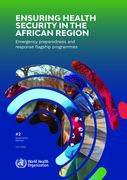
The World Health Organization Regional Office for Africa (WHO AFRO), in accordance with recommendations from various WHO committees, has developed three flagship programmes to support Member States in the African region to prepare for, detect and respond to public health emergencies. They are the re
...
sult of extensive consultations with more than 30 African government ministers, technical actors, partners across the continent as well as regional institutions such as the Africa Centres for Disease Control and Prevention (Africa CDC), whose contributions have shaped the priority activities. This report provides the second quarterly summary of progress in implementing the flagship programmes.
more
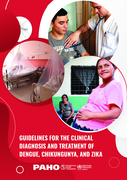
Evidence-based guidelines are one of the most useful tools for improving public health and clinical practice. Their purpose is to formulate interventions based on strong evidence of efficacy, avoid unnecessary risks, use resources efficiently, reduce clinical variability and, in essence, improve hea
...
lth and ensure quality care, which is the purpose of health systems and services. These guidelines were developed following the GRADE methodology, with the support of a panel of clinical experts from different countries, all convened by the Pan American Health Organization. By responding to twelve key questions about the clinical diagnosis and treatment of dengue, chikungunya, and Zika, evidence-based recommendations were formulated for pediatric, youth, adult, older adult, and pregnant patients who are exposed to these diseases or have a suspected or confirmed diagnosis of infection. The purpose of the guidelines is to prevent progression to severe forms of these diseases and the fatal events they may cause. The recommendations are intended for health professionals, including general, resident, and specialist physicians, nursing professionals, and medical and nursing students, who participate in caring for patients with suspected dengue, chikungunya, or Zika. They are also intended for health unit managers and the executive teams of national arboviral disease prevention and control programs, who are responsible for facilitating the process of implementing these guidelines.
more
Atlas of African Health Statistics 2022: Health situation analysis of the WHO African Region
Since 2019, we have been implementing Phase 2 of the regional Transformation Agenda, which informs and aligns with the global WHO Transformation, to ensure WHO is accountable, driven by re- sults and provid
...
ing value for money in the pursuit of better health. Our global priority in this period is to contribute to delivering on the triple billion targets of expanding universal health coverage, protecting people from emergencies, and promoting health and well-being for people across the Region.
This year’s Atlas of African Health Statistics is being produced in the context of the COVID-19 pandemic that we have been expe- riencing for over two years. The ongoing coronavirus pandemic, together with other health emergencies in the WHO African Re- gion, is yet again testing the strength and resilience of our health systems. Indeed, the impact of COVID-19 is visible in the disruption of services. The report also presents the latest data for more than 50 health-related indicators of the Sustainable Development Goals and WHO’s “triple billion” targets and provides comprehensive country-level statistics using the results chain of the AFRO frame- work of actions for strengthening health systems to achieve UHC and the health-related SDGs.
more

These country profiles present progress on implementation of policy recommendations of the Global Action Plan on Physical Activity (GAPPA) 2018-2030 in each country. They also present an estimate of the cost to health systems of not taking action to improve physical activity levels and reinforce th
...
e urgency to position physical activity as a shared, whole-of-government priority, and to strengthen coordination and partnerships to promote physical activity.
more

In the last decade, Timor-Leste has made remarkable progress in strengthening its health system and improving the health status of its population. This has resulted in an increased life expectancy, and the achievement of Millennium Development Goals such as a reduction in infant and under-five morta
...
lity, an improvement in maternal and child health outcomes, and an increase in immunization coverage. Further, the country has successfully eliminated infectious diseases such as polio, measles, and maternal and neonatal tetanus. There is full political commitment to reducing the incidence of tuberculosis (TB) by 80% and the number of deaths due to TB by 90% by 2030. The country has made great progress in the context of the pandemic, having established numerous quarantine facilities/isolation centres; trained health-care workers; streamlined the procurement and supply of medicines, consumables, personal protective equipment and other equipment; and strengthened the capacity in critical care across secondary and tertiary health care, to better respond to future pandemics and other disaster situations.
more
Traditional food markets play important economic, cultural, and social role and are sources of livelihood for millions of people in urban and rural areas. The manual Five keys for safer traditional food markets: risk mitigation in traditional food markets in the Asia-Pacific Region aims to support a
...
nd guide local authorities, market community, and consumers to transform these markets into safer and healthier places through practical risk mitigation measures and community engagement strategies. The manual provides guidance on the implementation of five keys to promote public health and safety, particularly, in the context of food safety, zoonoses diseases, and infectious respiratory diseases.
more
his publication provides an overview of social inequalities in several indicators related to the health of women, children, and adolescents in a region deemed as one with high levels of inequality: Latin America and the Caribbean (LAC). In order for it to serve as a baseline for the 2030 Agenda, emp
...
hasis is placed on examining these inequalities around the year 2014. The analysis suggests that reducing within-country disparities is a priority, as widespread social inequalities in health are identified among LAC countries.
more
Developmental disabilities are common. Yet, children with developmental disabilities have been neglected in health systems planning and policy provisions for health and continue to experience stigmatization, institutionalization, barriers to access health care and inequalities in health and educatio
...
n outcomes.
Using findings from research and practice and guided by the tenets of international human rights conventions, this WHO-UNICEF Global Report on children with developmental disabilities provides principles and approaches to intentionally include the needs and aspirations of children and young people with developmental disabilities in policy, programming and public health monitoring. It makes the case for greater accountability and proposes 10 priority actions to accelerate changes towards inclusive environments and responsive multisectoral care systems for children with developmental disabilities.
more

The World Health Organization (WHO) is releasing the second edition of its Global Accelerated Action for the Health of Adolescents (AA-HA!) guidance. The document aims to equip governments to respond to the health and well-being challenges, opportunities and needs of adolescents.
The guidance pro
...
vides the latest available data on adolescent health and well-being. It also outlines an updated list of core indicators that data should be collected on. Globally, road injury was the top cause of death for adolescent males in 2019. Among female adolescents, the leading causes of death were diarrhoeal diseases among the younger group (10-14 years) and tuberculosis (TB) in the older group (15-19 years).
Over the last 20 years, mortality rates have declined among adolescents globally, with the largest decline in older (15–19 years) adolescent girls. For non-fatal diseases, the burden has not improved over the past two decades, with the main causes of ill health in this category being: mental health conditions (depressive and anxiety disorders, childhood behavioural disorders), iron deficiency anaemia, skin diseases and migraine.
Adolescent well-being depends on a range of factors, including healthy food, education, life skills and employability, connectedness, feeling valued by society, safe and supportive environments, resilience, and the freedom to make choices. To take an appropriately holistic approach, the guidance outlines how to take crosscutting action to support adolescent health and well-being, with mutually reinforcing interventions across sectors, such as health, education, social protection, and telecommunications. Targeted efforts are also required to engage adolescents, as they trust health systems less than adults do and are especially vulnerable to modern-day trends, like online bullying and gaming.
more

Benchmarking is a strategic process often used by businesses and institutes to standardize performance in relation to the best practices of their sector. The World Health Organization (WHO) and partners have developed a tool with a list of benchmarks and corresponding suggested actions that can be a
...
pplied to implement the International Health Regulations 2005 (IHR) and strengthen health emergency prevention, preparedness, response and resilience capacities.
The first edition of the benchmarks was published in 2019 to support countries in developing, implementing and documenting progress of national IHR or health security plans (e.g. national action plan for health security (NAPHS), national action plan for emerging infectious diseases, public health emergencies and health security and other country level plans for health emergencies). The tool has been updated to incorporate lessons from COVID-19 and other health emergencies, to align with the updated IHR monitoring & evaluation framework (IHR MEF) tools and the health systems for health security framework, and to support strengthening health emergency prevention, preparedness, response and resilience (HEPR) capacities and the Preparedness and Resilience for Emerging Threats (PRET) initiative.
more
For thousands of years, humans have been using wildlife for commercial and subsistence purposes. Wildlife trade takes place at local, national and international levels, with different forms of wildlife, such as live animals, partly processed products and finished products. Wildlife is a vital source
...
of safe and nutritious food, clothing, medicine, and other products, in addition to having religious and cultural value. Wildlife trade also contributes to livelihoods, income generation and overall economic development.
However, wildlife trade can have detrimental effects on species conservation, depleting natural resources, impoverishing biodiversity and degrading ecosystems (Morton et al., 2021). Wildlife trade, whether legal or illegal, regulated or unregulated, can pose threats to animal health and welfare. It also presents opportunities for zoonotic pathogens to spill over between wildlife and domestic animals, and for diseases to emerge with serious consequences for public or animal health and profound economic impacts (IPBES, 2020; Swift et al., 2007; Smith et al., 2009; Gortazar et al., 2014; Stephen, 2021; Stephen et al., 2022; FAO, 2020). The risk of pathogen spillover and disease emergence is amplified with increased interaction between humans, wildlife and domestic animals. The risk of pathogen spillover has also been exacerbated by climate change, intensified agriculture and livestock production, deforestation, and other land-use changes. Wildlife trade is also a risk to ecosystem biodiversity via the introduction of invasive species (Wikramanayake et al., 2021). Therefore, increased effort must be put into understanding the potential consequences of the wildlife trade, mapping and analysing the adjacent risks, and implementing strategies to manage those risks. Reducing wildlife-trade risks not only helps to limit disease but also minimises the negative effects of invasive species. Between 1960 and 2021, invasive alien species caused estimated cumulative damage of around 116 billion euros across 39 countries in the European Union alone, despite strict import regulations (Haubrock et al., 2021). The effect of invasive species is extremely apparent.
more
The global prevalence, morbidity and mortality related to childhood asthma among children has increased significantly over the last 40 years. Although asthma is recognized as the most common chronic disease in children, issues of underdiagnosis and undertreatment persist. There are substantial globa
...
l variations in the prevalence of asthma symptoms in children, with up to 13-fold differences between countries. The rising number of hospital admissions for asthma may reflect an increase in asthma severity, poor disease management and/or the effect of poverty. The financial burden of asthma is relatively high within developed countries (those for which data is available) spending 1 to 2% of their healthcare budget on this condition. Established in 1989, the Global Initiative for Asthma (GINA) attempts to raise awareness about the increasing prevalence of asthma, improve management and reduce the burden of asthma worldwide. Despite global efforts, GINA has not achieved its goal, even among developed nations. There are multiple barriers to reducing the global burden of asthma, including limited access to care and/or medications, and lack of prioritization as a public healthcare priority. In addition, the diversity of healthcare systems worldwide and large differences in access to care require that asthma management guidelines be tailored to local needs.
more
The key to a lasting world free of all forms of poliovirus lies in rapidly interrupting all remaining endemic transmission of WPV in the endemic areas of Pakistan and Afghanistan. This is the only way to ensure that such strains do not re-emerge globally through international spread. It lays the cor
...
nerstone for the eventual cessation of all oral polio vaccine use, in order to eliminate the long-term risks associated with variant poliovirus strains, which is the GPEI’s top operational priority. The target for certifying the
world free of all WPV remains end-2026.
more
Climate change, increasing population densities, and intensified globalisation in trade, travel and migration are among the most important factors shaping the 21st century. Each impacts upon population health and the risk of infectious disease, particularly those originating at the human-animal-envi
...
ronmental interface. The recognition that many risk drivers of infectious disease fall outside of the typical domain of the health sector creates the challenge of identifying and pursuing priorities for cross-sectoral action aimed at strengthening global health security. In response, the One Health concept has emerged, as have related initiatives addressing Planetary Health and Biodiversity and Human Health. From a public health perspective and operationally speaking, the One Health approach offers great potential, emphasising as it does cooperation and coordination between multiple sectors. Yet despite having been a focal point for discussion for over a decade, numerous challenges facing the implementation of One Health preparedness strategies remain. While some are technical, related to the requirement for innovative early warning systems or new vaccines, for example, others are institutional and cultural in nature, given the transdisciplinary nature of the topic. There have thus been calls to address One Health from multiple perspectives, from ecology to the social sciences. In order to further explore this issue and to identify priority areas for action for strengthening One Health preparedness in Europe, ECDC convened an expert consultation on 11–12 December 2017.
more
These consolidated guidelines on HIV testing services (HTS) bring together existing and new guidance on HTS across different settings and populations.
The World Health Organization (WHO) first released consolidated guidelines on HTS in 2015, in response to requests from Member States, national pr
...
ogramme managers and health workers for support to achieve the United Nations (UN) 90–90–90 global HIV targets – and specifically the first target of diagnosing 90% of all people with HIV. In 2016, based on new evidence, WHO released a supplement to address important new HIV testing approaches – HIV self-testing (HIVST) and provider-assisted referral.
Since the release of 2015 and 2016 HTS guidelines, new issues and more evidence have emerged. To address this, WHO has updated guidance on HIV testing services. In this guideline, WHO updates recommendation on HIVST and provides new recommendations on social network-based HIV testing approaches and western blotting (see box, next page). This guideline seeks to provide support to Member States, programme managers, health workers and other stakeholders seeking to achieve national and international goals to end the HIV epidemic as a public health threat by 2030.
These guidelines also provide operational guidance on HTS demand creation and messaging; implementation considerations for priority populations; HIV testing strategies for diagnosis HIV; optimizing the use of dual HIV/syphilis rapid diagnostic tests; and considerations for strategic planning and rationalizing resources such as optimal time points for maternal retesting
more
In 1989, the Republic of Benin was facing a great social and
economical crisis. Civil servants of all the sectors in public
administration were on strike. People did not know where to
go for their health care. Salaries were not paid for more than
six months and life for the general population wa
...
s very dificult.
The country was about to degenerate into civil war as a
result of the civil unrest in the country.
Thanks to the assistance from the French, and Canadian
and American Mennonite missionaries, the Bethesda Health
Centre was started in 1990 with US$ 1,000 granted by theses
partners. Today, the Health Centre of Bethesda has expanded
and has become a large Hospital in Cotonou. It hosts each
year about 100,000 patients and has developed the department
of paediatrics, ophthalmology, stomatology, cardiology,
obstetrical gynaecology, X-rays, etc. The Hospital has also
put in place an AIDS service which has been promoted by the
government to the status of an AIDS Treatment Centre.
In an integrated vision, Bethesda has established other departments.
In 1993, the Sanitation department was established
to implement sanitation and environmentally-friendly
projects aimed at reducing the high incidence of some diseases
frequently treated at the hospital. In 1996, the decision
was made to establish a micro-inance department called
PEBCo. This initiative, which currently has 10,000 clients,
uses community savings to promote income-generating activities.
Since many women were obliged to use the loans for
family needs (health care, children schooling, etc.), they were
unable to reimburse them as planned. Hence the Bethesda
non-government organization (NGO) recently began an initiative
to provide a community-based health insurance option
for the population in 2006. There are now 12,000 members.
This paper focuses on the presentation of Benin and the program,
but also describes how the project could be better improved
and what were its beneits and impacts.
Field Actions Science Reports
The journal of field actions
Vol. 4 | 2010
Vol. 4
more
The WHO End TB Strategy aims to end the global TB epidemic by 2030, in alignment with Goal 3 of the United Nations (UN) Sustainable Development Goals (SDGs). Member States of the World Health Organization (WHO) and the UN committed to ending the TB epidemic through adoption of WHO’s End TB Strateg
...
y and the UN SDGs in 2014 and 2015, respectivel
Almost half of the deaths worldwide caused by TB in 2019 occurred in the WHO South-East Asia Region, home to around a quarter of the global population. Maintaining robust progress in this Region is therefore essential if the global goal of ending the TB epidemic is to be realized. Despite substantial gains made in the Region, the threat to
health worldwide posed by the COVID-19 pandemic has the potential to reverse these gains and eclipse the focus on the global TB emergency.
While continuing to tackle COVID-19-related challenges, countries will need to rapidly and urgently deploy supplementary measures to address the large numbers of missed cases, poor treatment outcomes and, potentially, a higher TB burden.
The Regional Strategic Plan towards Ending TB in the Region 2021–2025 clearly articulates priority interventions, analyses the challenges, bottlenecks and opportunities, and focuses on implementation considerations in the Region.
more
The chapter Dementia in Latin America and the Caribbean: Prevalence, Incidence, Impact, and Trends over Time, is part of the publication series titled “Decade of Healthy Aging: situation and challenges”. This document aims to provide an outline of the current situation in Latin America and the C
...
aribbean in respect of the prevalence and incidence of dementia and its impact on the health status of older people. As dementia is a significant global health problem which also has social and economic impacts this document highlights the importance of monitoring dementia in the region. The document evidences that dementia is one of the main contributors to dependence and disability in older people in Latin America and the Caribbean and, although its prevalence and incidence increase exponentially with age, it is not part of normal aging. Alzheimer’s disease is the most common dementia, and there is no cure for this condition, but with timely diagnosis is possible to ameliorate symptoms. It is important to assess what are the needs of people leaving with dementia and their families and to integrate dementia risk reduction strategies in pre-existing strategies for other non-communicable diseases. As shown in the report, despite the huge burden dementia is still underdiagnosed, and it is fundamental to better monitor its prevalence, incidence and the different societal impact that dementia can have. For that, it is crucial to promote the use of harmonized methodologies to address this information in a broader number of studies and countries in the region. This can contribute to the generation of direct actions to decrease dementia risk and lead to healthier lives for people with dementia and their families.
more
The risk of emergence and re-emergence of arboviruses with pandemic potential has increased as a global public health threat and will continue to do so in the years to come. The Global Arbovirus Initiative outlines an integrated approach across these viruses and disciplines that will enable optimal
...
use of limited resources to achieve the greatest impact, particularly in areas with the heaviest arboviral burden and in areas that are at risk of emergence of arboviruses. Following a series of global consultations and review by the Technical Advisory Group on Arbovirus (TAG-Arbovirus), the Global Arbovirus Initiative and its 6 constituent pillars, each with strategic objectives and priority activities, are consolidated in this reference document.
more
We reviewed the evidence on community-based interventions for the prevention and control of cutaneous leishmaniasis (CL). Community initiatives tailored towards awareness and mobilisation are regarded as a priority area in the Neglected Tropical Dis
...
ease Roadmap 2021–2030 by the World Health Organization. We searched nine electronic databases for intervention-based
studies. Two independent reviewers screened and assessed the articles for methodological quality using predefined criteria. We conducted a meta-analysis using a random effects model, along with narrative synthesis. Thirteen articles were eligible for inclusion, of which 12 were quantitative studies (quasi-experimental with control group and pre-post interventions) and one qualitative
study. All articles reported on health education interventions aimed at changing people’s knowledge, attitudes, and practices (KAP) in relation to CL. Participant groups included students, mothers, housewives, volunteer health workers, and residents in general. An increased score was recorded for all outcomes across all interventions: knowledge (SMD: 1.85, 95% CI: 1.23, 2.47), attitudes (SMD:
1.36, 95% CI: 0.56, 2.15), and practices (SMD: 1.73, 95% CI: 0.99, 2.47). Whilst our findings show that educational interventions improved people’s knowledge, attitudes, and practices about CL, we argue that this approach is not sufficient for the prevention and control of this disease. Knowledge does not always translate into action, particularly where other structural barriers exist. Therefore,
we recommend the design of more innovative community-based interventions with a broader focus (e.g., stigma, financial barriers, and healthcare access).
more
