
Filter
2534
Text search:
nigeria
Featured
178
689
Language
2235
219
113
50
38
38
16
14
12
6
5
4
4
3
3
3
3
3
3
3
2
2
2
2
2
2
2
2
1
1
1
1
1
1
1
1
1
1
1
1
1
1
1
1
1
1
1
1
Document type
1410
626
172
87
81
60
32
25
15
8
8
5
4
1
Countries
418
151
150
145
119
78
70
68
66
61
58
58
57
49
49
47
40
40
36
35
31
30
29
28
28
26
23
23
23
21
19
18
18
17
17
16
16
15
15
13
13
13
12
11
11
10
10
10
10
8
8
8
8
7
7
7
7
5
5
5
4
4
4
4
4
4
4
4
3
3
3
3
3
3
3
3
2
2
2
2
2
2
2
2
2
2
2
2
1
1
1
1
1
1
1
1
1
1
1
1
1
1
1
1
1
1
1
1
1
1
1
1
1
1
Authors & Publishers
299
157
133
88
83
80
60
52
41
31
27
22
20
19
18
18
17
17
16
16
15
13
12
12
11
11
11
11
10
9
9
9
9
9
9
9
9
9
8
8
8
8
7
7
7
7
7
7
7
6
6
6
6
6
6
6
6
5
5
5
5
5
5
5
5
4
4
4
4
4
4
4
4
4
4
4
4
4
4
4
4
4
4
4
4
3
3
3
3
3
3
3
3
3
3
3
3
3
3
3
3
3
3
3
3
3
3
3
3
3
3
3
3
3
3
3
3
3
3
3
3
3
3
3
3
3
3
3
3
3
3
3
3
3
3
3
3
3
3
3
3
3
3
3
3
3
3
3
3
3
3
3
3
3
3
3
3
3
2
2
2
2
2
2
2
2
2
2
2
2
2
2
2
2
2
2
2
2
2
2
2
2
2
2
2
2
2
2
2
2
2
2
2
2
2
2
2
2
2
2
2
2
2
2
2
2
2
2
2
2
2
2
2
2
2
2
2
2
2
2
2
2
2
2
2
2
2
2
2
2
2
2
2
2
2
2
2
2
2
2
2
2
2
2
2
2
2
2
2
2
2
2
2
2
2
2
2
2
2
2
2
2
2
2
2
2
2
2
2
2
2
2
2
2
2
2
2
2
2
2
2
2
2
2
2
2
2
2
2
2
2
2
2
2
2
2
2
2
2
2
2
2
2
2
2
2
2
2
2
2
2
2
2
2
2
2
2
1
1
1
1
1
1
1
1
1
1
1
1
1
1
1
1
1
1
1
1
1
1
1
1
1
1
1
1
1
1
1
1
1
1
1
1
1
1
1
1
1
1
1
1
1
1
1
1
1
1
1
1
1
1
1
1
1
1
1
1
1
1
1
1
1
1
1
1
1
1
1
1
1
1
1
1
1
1
1
1
1
1
1
1
1
1
1
1
1
1
1
1
1
1
1
1
1
1
1
1
1
1
1
1
1
1
1
1
1
1
1
1
1
1
1
1
1
1
1
1
1
1
1
1
1
1
1
1
1
1
1
1
1
1
1
1
1
1
1
1
1
1
1
1
1
1
1
1
1
1
1
1
1
1
1
1
1
1
1
1
1
1
1
1
1
1
1
1
1
1
1
1
1
1
1
1
1
1
1
1
1
1
1
1
1
1
1
1
1
1
1
1
1
1
1
1
1
1
1
1
1
1
1
1
1
1
1
1
1
1
1
1
1
1
1
1
1
1
1
1
1
1
1
1
1
1
1
1
1
1
1
1
1
1
1
1
1
1
1
1
1
1
1
1
1
1
1
1
1
1
1
1
1
1
1
1
1
1
1
1
1
1
1
1
1
1
1
1
1
1
1
1
1
1
1
1
1
1
1
1
1
1
1
1
1
1
1
1
1
1
1
1
1
1
1
1
1
1
1
1
1
1
1
1
1
1
1
1
1
1
1
1
1
1
1
1
1
1
1
1
1
1
1
1
1
1
1
1
1
1
1
1
1
1
1
1
1
1
1
1
1
1
1
1
1
1
1
1
1
1
1
1
1
1
1
1
1
1
1
1
1
1
1
1
1
1
1
1
1
1
1
1
1
1
1
1
1
1
1
1
1
1
1
1
1
1
1
1
1
1
1
1
1
1
1
1
1
1
1
1
1
1
1
1
1
1
1
1
1
1
1
1
1
1
1
1
1
1
1
1
1
1
1
1
1
1
1
1
1
1
1
1
1
1
1
1
1
1
1
1
1
1
1
1
1
1
1
1
1
1
1
1
1
1
1
1
1
1
1
1
1
1
1
1
1
1
1
1
1
1
1
1
1
1
1
1
1
1
1
1
1
1
1
1
1
1
1
1
1
1
1
1
1
1
1
1
1
1
1
1
1
1
1
1
1
1
1
1
1
1
1
1
1
1
1
1
1
1
1
1
1
1
1
1
1
1
1
1
1
1
1
1
1
1
1
1
1
1
1
1
1
1
1
1
1
1
1
1
1
1
1
1
1
1
1
1
1
1
1
1
1
1
1
1
1
1
1
1
1
1
1
1
1
1
1
1
1
1
1
1
1
1
1
1
1
1
1
1
1
1
1
1
1
1
1
1
1
1
1
1
1
1
1
1
1
1
1
1
1
1
1
1
1
1
1
1
1
1
1
1
1
1
1
1
1
1
1
1
1
1
1
1
1
1
1
1
1
1
1
1
1
1
1
1
1
1
1
1
1
1
1
1
1
1
1
1
1
1
1
1
1
1
1
1
1
1
1
1
1
1
1
1
1
1
1
1
1
1
1
1
1
1
1
1
1
1
1
1
1
1
1
1
1
1
1
1
1
1
1
1
1
1
1
1
1
1
1
1
1
1
1
1
1
1
1
1
1
1
1
1
1
1
1
1
1
1
1
1
1
1
1
1
1
1
1
1
1
1
1
1
1
1
1
1
1
1
1
1
1
1
1
1
1
1
1
1
1
1
1
1
1
1
1
1
1
1
1
1
1
1
1
1
1
1
1
1
1
1
1
1
1
1
1
1
1
1
1
1
1
1
1
1
1
1
1
1
1
1
1
1
1
1
1
1
1
1
1
1
1
1
1
1
1
1
1
1
1
1
1
1
1
1
1
1
1
1
1
1
1
1
1
1
1
1
1
1
1
1
1
1
1
1
1
1
1
1
1
1
1
1
1
1
1
1
1
1
1
1
1
1
1
1
1
1
1
1
1
1
1
1
1
1
1
1
1
1
1
1
1
1
1
1
1
1
1
1
1
1
1
1
1
1
1
1
1
1
1
1
1
1
1
1
1
1
1
1
1
1
1
1
1
1
1
1
1
1
1
1
1
1
1
1
1
1
1
1
1
1
1
1
1
1
1
1
1
1
1
1
1
1
1
1
1
1
1
1
1
1
1
1
1
1
1
1
1
1
1
1
1
1
1
1
1
1
1
1
1
1
1
1
1
1
1
1
1
1
1
1
1
1
1
1
1
1
1
1
1
1
1
1
1
1
1
1
1
1
1
1
1
1
1
1
1
1
1
1
1
1
1
1
1
1
1
1
1
1
1
1
1
1
1
1
1
1
1
1
1
1
1
1
1
1
1
1
1
1
1
1
1
1
1
1
1
1
1
1
1
1
1
1
1
1
1
1
1
1
1
1
1
1
1
1
1
1
1
1
1
1
1
1
1
1
1
1
1
1
1
1
1
1
1
1
1
1
1
1
1
1
1
1
1
1
1
1
1
1
1
1
1
1
1
1
1
1
1
1
1
1
1
1
1
1
1
1
1
1
1
1
1
1
1
1
1
1
1
1
1
1
1
1
1
1
1
1
1
1
1
1
1
1
1
1
1
1
1
1
1
1
1
1
1
1
1
1
1
1
1
1
1
1
1
1
1
1
1
1
1
1
1
1
1
1
1
1
1
1
1
1
1
1
1
1
1
1
1
1
1
1
1
1
1
1
1
1
1
1
1
1
1
1
1
1
1
1
1
1
1
1
1
1
1
1
1
1
1
1
1
1
1
1
1
1
1
1
1
1
1
1
1
1
1
1
1
1
1
1
1
1
1
1
1
1
1
1
1
1
1
1
1
1
1
1
1
1
1
1
1
1
1
1
1
1
1
1
1
1
1
1
1
1
1
1
1
1
1
1
1
1
1
1
1
1
1
1
1
1
1
1
1
1
1
1
1
1
1
1
1
1
1
1
1
1
1
1
1
1
1
1
1
1
1
1
1
1
1
1
1
1
1
1
1
1
1
1
1
1
1
1
1
1
1
1
1
1
1
1
1
1
1
1
1
1
1
1
1
1
1
1
1
1
1
1
1
1
1
1
1
1
1
1
1
1
1
1
1
1
1
1
1
1
1
1
1
1
1
1
1
1
1
1
1
1
1
1
1
1
1
1
1
1
1
1
1
1
1
1
1
1
1
1
1
1
1
1
1
1
1
1
1
1
1
1
1
1
1
1
1
1
1
1
1
1
1
1
1
1
1
1
1
1
1
1
1
1
1
1
1
1
1
1
1
1
1
1
1
1
1
1
1
1
1
1
1
1
1
1
1
1
1
1
1
1
1
1
1
1
1
1
1
1
1
1
1
1
1
1
1
1
1
1
1
1
1
1
1
1
1
1
1
1
1
1
1
1
1
1
1
1
1
1
1
1
1
1
1
1
1
1
1
1
1
1
1
1
1
1
1
1
1
1
1
1
1
1
1
1
1
1
1
1
1
1
1
1
1
1
1
1
1
1
1
1
1
1
1
1
1
1
1
1
1
1
1
1
1
1
1
1
1
1
1
1
1
1
1
1
1
1
1
1
1
1
1
1
1
1
1
1
1
1
1
1
1
1
1
1
1
1
1
1
1
1
1
1
1
1
1
1
1
1
1
1
1
1
1
1
1
1
1
1
1
1
1
1
1
1
1
1
1
1
1
1
1
1
1
1
1
1
1
1
1
1
1
1
1
1
1
1
1
1
1
1
1
1
1
1
1
1
1
1
1
1
1
1
1
1
1
1
1
1
1
1
1
1
1
1
1
1
1
1
1
1
1
1
1
1
1
1
1
1
1
1
1
1
1
1
1
1
1
1
1
1
1
1
1
1
1
1
1
1
1
1
1
1
1
1
1
1
1
1
1
1
1
1
1
1
1
1
1
1
1
1
1
1
1
1
1
1
1
1
1
1
1
1
1
1
1
1
1
1
1
1
1
1
1
1
1
1
1
1
1
1
1
1
1
1
1
1
1
1
1
1
1
1
1
1
1
1
1
1
1
1
1
1
1
1
1
1
1
1
1
1
1
1
1
1
1
1
1
1
1
1
1
1
1
1
1
1
1
1
1
1
1
1
1
1
1
1
1
1
1
1
1
1
1
1
1
1
1
1
1
1
1
1
1
1
1
1
1
1
1
1
1
1
1
1
1
1
1
1
1
1
1
1
1
1
1
1
1
1
1
1
1
1
1
1
1
1
1
1
1
1
1
1
1
1
1
1
1
1
1
1
1
1
1
1
1
1
1
1
1
1
1
1
1
1
1
1
1
1
1
1
1
1
1
1
1
1
1
1
1
1
1
1
1
1
1
1
1
1
1
1
1
1
1
1
1
1
1
1
1
1
1
1
1
1
1
1
1
1
1
1
1
1
1
1
1
1
1
1
1
1
1
1
1
1
1
1
1
1
1
1
1
1
1
1
1
1
1
1
1
1
1
1
1
1
1
1
1
1
1
1
1
1
1
1
1
1
1
1
1
1
1
1
1
1
1
1
1
1
1
1
1
1
1
1
1
1
1
1
1
1
1
1
1
1
1
1
1
1
1
1
1
1
1
1
1
1
1
1
1
1
1
1
1
1
1
1
1
1
1
1
1
1
1
1
1
1
1
1
1
1
1
1
1
1
1
1
1
1
1
1
1
1
1
Publication Years
750
1630
144
9
1
Category
751
202
172
121
86
53
17
1
Toolboxes
221
221
197
195
128
95
94
80
80
68
67
66
61
48
46
43
43
35
16
15
10
9
7
1
Rapid Advice Guideline
Policy Brief | April 2015 | This brief accompanies the data sheet, Addressing Risk Factors for Noncommunicable Diseases Among Young People in Africa: Key to Prevention and Sustainable Development, and its data appendix, which provide all available country-specific data on four key NCD risk factors a
...
mong young people in Africa since 2004. These publications extend an earlier publication, Noncommunicable Disease Risk Factors Among Young People in Africa: Data Availability and Sources. All are available at www.prb.org/Publications/Datasheets/2015/ncd-risk-youth-africa.aspx.
more
DHS Analytical Studies No. 39
Decision-makers and frontline responders will find a set of resources on Ebola virus disease here. These resources can be used as refreshers for experienced personnel or as an introduction to the topic for everyone else. Most of the materials are available in English and French, and can be downloade
...
d for offline use. A version in Lingala is also available.
more

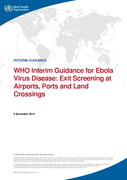
This document provides information to assist countries in developing exit screening plans and Standard Operating Procedures (SOP). This includes the method, tools, and sequence of screening; determining resource needs; communication messages; and the legal considerations of screening.
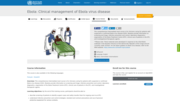
This comprehensive intermediate level course is for clinicians caring for patients with suspected or confirmed Ebola virus disease (EVD). Modules provide information on screening and triage, infection prevention and control, laboratory diagnostics, organization of the Ebola Treatment Centre (ETC), c
...
linical care of patients in the ETC, and investigational therapeutic agents.
This training course provides clinicians with access to downloadable presentations and posters to facilitate their management of Ebola virus disease (EVD). Under this section, please find a Congolese Swahili translation of all modules with their presentation.
more
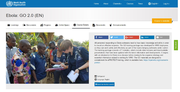
All personnel responding to Ebola outbreaks need to have basic knowledge and skills in order to mount an effective response. The GO training package was developed for WHO deployees so they can work safely and effectively as part of the teams bringing outbreaks under control. The learning package con
...
sists of 7 modules, which include video lectures and downloadable presentations that have been updated with the latest information and developments. It begins with an introduction to Ebola virus disease before moving to the response strategy and essential information related to working for WHO. The GO materials are designed to complement the ePROTECT training, which is available here: https://openwho.org/courses/e-protect.
more
AVADAR is a mobile sms-based software application designed to improve the quality and sensitivity of Acute Flaccid Paralysis (AFP) surveillance by health workers and key informants within hospital facilities and local communities.
The idea is simple: Health workers visit remote villages to check if
...
local inhabitants have any symptoms of a range of life-threatening infectious diseases, including polio and measles. Then, with the mobile app, they quickly and easily alert WHO.
The AFP video component was developed by World Health Organization (WHO) and eHA, and the software design component was handled by Novel-T. To date, eHA has translated the app into 17 languages.
Informant Selection & Capacity Building
The selection of informants (including health workers) was led by the WHO and each country’s Ministry of Health team. Once selected, screening and training was jointly conducted by WHO, the Ministries of Health, and eHealth Africa team.
In several countries, “special informants” with limited literacy participate in the project via a simplified version of the app that only requires a “yes” or “no” response to having seen a child with AFP symptoms
more
The course consist of one module, which provides information on the history of the Ebola virus, diagnosis and treatment. In addition the module covers topics such as transmission pathways and vaccines.
All healthcare workers have free online access to this course.
The module is written to unders
...
tand more about the Ebola virus: How it spreads, how it can be controlled, the clinical symptoms and current and potential treatment.
Ebola[e]Education is a free available course. Register to gain access to the free courses.
more
The spread of COVID-19 poses a challenge for emerging markets such as those in Africa and Latin America. While governments around the world are suffering from a shortage of ventilators, hospital beds, and personal protective equipment, availability of these items is already extremely limited in some
...
countries. In Africa, countries including Mali, Liberia, and Burkina Faso have only a few ventilators available to aid their populations, and there is also a lack of reliable oxygen supplies, ICUs, and healthcare workers to treat the sick. Additionally, many countries in Africa are already suffering from food insecurity and weak economies, which will worsen the long-term effects of coronavirus.
Keeping these factors in mind, GeoPoll conducted a remote study in 12 countries in sub-Saharan Africa on the effects coronavirus is already having on people throughout the region.
more
These statistical profiles present the latest available data on female genital mutilation (FGM) for 31 countries where FGM is concentrated. They provide figures on how widespread the practice of FGM is, when and how it is performed, and what women and men think about the practice. Trends in prevale
...
nce and attitudes are also presented.
more
How to make your messages on tuberculosis count
WHO/HTM/STB/2009.57

The International Rescue Committee (IRC) is a leading humanitarian agency dedicated to helping people whose lives have been shattered by conflict and disaster to survive, recover, and gain control of their future. Health comprises nearly half of IRC’s program portfolio globally and encompasses thr
...
ee sectors: 1) Primary Health (including child health, sexual and reproductive health and rights, and mental health); 2) Nutrition; and 3) Environmental Health. IRC health programming across its portfolio, in terms of the size and breadth, responds to significant needs in crisis affected settings, improving health and wellbeing while reducing causes of ill-health.
This five-year Health Strategy sharpens our focus on where we can have the most impact. It guides our efforts in planning, technical assistance, business development, advocacy, and internal and external collaboration. Through this strategy, we will invest and grow in areas that will help us achieve high impact at scale for our clients. For the next five years these priorities will include: Nutrition; Immunization: Infectious Disease Prevention and Control; Last Mile Delivery of Primary Health Care: Clean Water.
Our strategy aligns with Strategy 100 (S100) and Strategy Action Plans (SAPs). It lays out how IRC, through health, nutrition, and Environmental Health (EH) programming, will advance the IRC’s S100 ambitions, respond to global trends, and capitalize on our value add. The strategy will be complemented by delivery plans that detail investments, actions, and roles and responsibilities to advance our priorities. At the end of FY24, we will take stock of the implementation of the strategy, measure progress towards achieving our goals, and review if it continues to be fit for purpose.
more
Bulletin of the World Health Organization Volume 91, Number 4, April 2013, 237-312
In the context of the Support to National Malaria Control Programme (SuNMaP), demand creation is the strategic combination of advocacy, communication and mobilisation approaches that seek to achieve increased community awareness of, and demand for, effective malaria prevention and treatment services
...
. For malaria treatment, demand creation focuses on promoting improved testing, prompt and proper use of artemisinin combination therapy (ACT) treatment for individual cases of malaria, and effective home management of fever, together with referrals of severe cases to a higher-level health facility.
more
