Filter
502
Text search:
management
of
seizures
Featured
89
115
Language
Document type
319
101
39
21
9
5
5
1
1
1
Countries
39
18
15
14
13
10
8
8
7
7
6
6
5
5
5
5
5
4
4
4
4
3
3
3
3
3
3
2
2
2
2
2
2
2
2
2
2
1
1
1
1
1
1
1
1
1
1
1
1
1
1
1
1
1
1
1
1
1
1
Authors & Publishers
Publication Years
Category
153
92
41
23
18
5
2
Toolboxes
109
27
21
21
20
20
17
17
14
13
10
6
6
6
5
5
4
3
1
1
What you can do
Presentation is current through November 21, 2014 and will be updated every Friday by 5pm. For the most up-to-date information, please visit www.cdc.gov/ebola.
*Presentation contains materials from CDC, MSF, and WHO
The new WHO guidelines provide recommended steps for safe phlebotomy and reiterate accepted principles for drawing, collecting blood and transporting blood to laboratories/blood banks.
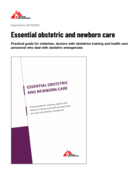
Essential obstetric and newborn care
recommended
Essential obstetric and newborn care is designed as a tool to help protect mothers and their children in adverse environments. It is intended for midwives, doctors with obstetrics training, and health care personnel who deal with obstetric emergencies.
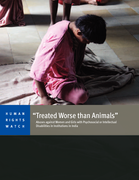
Abuses against Women and Girls with Psychosocial or Intellectual Disabilities in institutions in India

Expert Consensus Report for Emergency Centres in
Western Cape
WHO Technical Series 971
Global Campaign Against Epilepsy
A job aid for non-specialist health professionals

Arq Neuropsiquiatr 2011;69(2-B):342-348
World Drug Report 2018
-5-
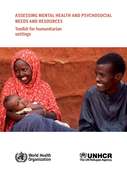
Assessing Mental Health and Psychosocial Needs and Resources Toolkit For Humanitarian Settings
recommended
Available in different languages: English, French, Arabic, Russian
Available in: English, French, Chinese, Spanish, Russian, Arabic, Thai, Korean, Tajik, Vietnamese, Uzbek
http://www.who.int/disabilities/cbr/guidelines/en/