
Filter
2965
Text search:
incidence
of
HIV
Featured
268
844
Language
2788
101
58
43
18
15
12
11
6
3
2
2
2
2
2
2
1
1
1
1
1
1
1
1
1
1
1
Document type
2015
361
302
90
72
51
28
24
16
3
2
1
Countries
102
100
83
79
74
71
70
67
58
57
54
52
52
51
51
46
43
42
42
39
39
38
36
34
30
29
28
26
26
23
22
21
18
17
17
16
15
13
11
11
10
9
8
8
8
8
7
7
7
7
6
6
6
6
5
5
5
5
5
5
5
4
4
4
4
4
4
4
4
4
4
4
4
4
3
3
3
3
3
3
2
2
2
2
2
2
2
2
2
2
2
2
2
2
2
1
1
1
1
1
1
1
1
1
1
1
1
1
1
1
1
1
1
1
1
1
1
1
1
1
1
1
1
1
Authors & Publishers
308
200
178
171
129
58
57
50
46
30
25
24
24
22
22
21
20
18
18
17
17
16
16
16
15
15
15
15
15
14
14
13
13
13
12
11
10
9
9
8
8
8
8
8
8
7
7
7
7
7
7
7
7
7
7
7
7
6
6
6
6
6
6
6
6
6
6
6
6
6
6
6
6
5
5
5
5
5
5
5
5
5
5
5
5
5
5
5
5
5
5
5
5
5
4
4
4
4
4
4
4
4
4
4
4
4
4
4
4
4
4
4
4
4
4
4
4
4
4
4
4
4
4
4
4
4
4
4
4
4
4
4
4
3
3
3
3
3
3
3
3
3
3
3
3
3
3
3
3
3
3
3
3
3
3
3
3
3
3
3
3
3
3
3
3
3
3
3
3
3
3
3
3
3
3
3
3
3
3
3
3
3
3
3
3
3
3
3
3
3
3
3
3
3
3
3
3
3
3
3
3
3
3
3
3
3
3
3
3
3
3
3
3
2
2
2
2
2
2
2
2
2
2
2
2
2
2
2
2
2
2
2
2
2
2
2
2
2
2
2
2
2
2
2
2
2
2
2
2
2
2
2
2
2
2
2
2
2
2
2
2
2
2
2
2
2
2
2
2
2
2
2
2
2
2
2
2
2
2
2
2
2
2
2
2
2
2
2
2
2
2
2
2
2
2
2
2
2
2
2
2
2
2
2
2
2
2
2
2
2
2
2
2
2
2
2
2
2
2
2
2
2
2
2
2
2
2
2
2
2
2
2
2
2
2
2
2
2
2
2
2
2
2
2
2
2
2
2
2
2
2
2
2
2
2
2
2
2
2
2
2
2
2
2
2
2
2
2
2
2
2
2
2
2
2
2
2
2
2
2
2
2
2
2
2
2
2
2
2
2
2
2
2
2
2
2
2
2
2
2
2
2
1
1
1
1
1
1
1
1
1
1
1
1
1
1
1
1
1
1
1
1
1
1
1
1
1
1
1
1
1
1
1
1
1
1
1
1
1
1
1
1
1
1
1
1
1
1
1
1
1
1
1
1
1
1
1
1
1
1
1
1
1
1
1
1
1
1
1
1
1
1
1
1
1
1
1
1
1
1
1
1
1
1
1
1
1
1
1
1
1
1
1
1
1
1
1
1
1
1
1
1
1
1
1
1
1
1
1
1
1
1
1
1
1
1
1
1
1
1
1
1
1
1
1
1
1
1
1
1
1
1
1
1
1
1
1
1
1
1
1
1
1
1
1
1
1
1
1
1
1
1
1
1
1
1
1
1
1
1
1
1
1
1
1
1
1
1
1
1
1
1
1
1
1
1
1
1
1
1
1
1
1
1
1
1
1
1
1
1
1
1
1
1
1
1
1
1
1
1
1
1
1
1
1
1
1
1
1
1
1
1
1
1
1
1
1
1
1
1
1
1
1
1
1
1
1
1
1
1
1
1
1
1
1
1
1
1
1
1
1
1
1
1
1
1
1
1
1
1
1
1
1
1
1
1
1
1
1
1
1
1
1
1
1
1
1
1
1
1
1
1
1
1
1
1
1
1
1
1
1
1
1
1
1
1
1
1
1
1
1
1
1
1
1
1
1
1
1
1
1
1
1
1
1
1
1
1
1
1
1
1
1
1
1
1
1
1
1
1
1
1
1
1
1
1
1
1
1
1
1
1
1
1
1
1
1
1
1
1
1
1
1
1
1
1
1
1
1
1
1
1
1
1
1
1
1
1
1
1
1
1
1
1
1
1
1
1
1
1
1
1
1
1
1
1
1
1
1
1
1
1
1
1
1
1
1
1
1
1
1
1
1
1
1
1
1
1
1
1
1
1
1
1
1
1
1
1
1
1
1
1
1
1
1
1
1
1
1
1
1
1
1
1
1
1
1
1
1
1
1
1
1
1
1
1
1
1
1
1
1
1
1
1
1
1
1
1
1
1
1
1
1
1
1
1
1
1
1
1
1
1
1
1
1
1
1
1
1
1
1
1
1
1
1
1
1
1
1
1
1
1
1
1
1
1
1
1
1
1
1
1
1
1
1
1
1
1
1
1
1
1
1
1
1
1
1
1
1
1
1
1
1
1
1
1
1
1
1
1
1
1
1
1
1
1
1
1
1
1
1
1
1
1
1
1
1
1
1
1
1
1
1
1
1
1
1
1
1
1
1
1
1
1
1
1
1
1
1
1
1
1
1
1
1
1
1
1
1
1
1
1
1
1
1
1
1
1
1
1
1
1
1
1
1
1
1
1
1
1
1
1
1
1
1
1
1
1
1
1
1
1
1
1
1
1
1
1
1
1
1
1
1
1
1
1
1
1
1
1
1
1
1
1
1
1
1
1
1
1
1
1
1
1
1
1
1
1
1
1
1
1
1
1
1
1
1
1
1
1
1
1
1
1
1
1
1
1
1
1
1
1
1
1
1
1
1
1
1
1
1
1
1
1
1
1
1
1
1
1
1
1
1
1
1
1
1
1
1
1
1
1
1
1
1
1
1
1
1
1
1
1
1
1
1
1
1
1
1
1
1
1
1
1
1
1
1
1
1
1
1
1
1
1
1
1
1
1
1
1
1
1
1
1
1
1
1
1
1
1
1
1
1
1
1
1
1
1
1
1
1
1
1
1
1
1
1
1
1
1
1
1
1
1
1
1
1
1
1
1
1
1
1
1
1
1
1
1
1
1
1
1
1
1
1
1
1
1
1
1
1
1
1
1
1
1
1
1
1
1
1
1
1
1
1
1
1
1
1
1
1
1
1
1
1
1
1
1
1
1
1
1
1
1
1
1
1
1
1
1
1
1
1
1
1
1
1
1
1
1
1
1
1
1
1
1
1
1
1
1
1
1
1
1
1
1
1
1
1
1
1
1
1
1
1
1
1
1
1
1
1
1
1
1
1
1
1
1
1
1
1
1
1
1
1
1
1
1
1
1
1
1
1
1
1
1
1
1
1
1
1
1
1
1
1
1
1
1
1
1
1
1
1
1
1
1
1
1
1
1
1
1
1
1
1
1
1
1
1
1
1
1
1
1
1
1
1
1
1
1
1
1
1
1
1
1
1
1
1
1
1
1
1
1
1
1
1
1
1
1
1
1
1
1
1
1
1
1
1
1
1
1
1
1
1
1
1
1
1
1
1
1
1
1
1
1
1
1
1
1
1
1
1
1
1
1
1
1
1
1
1
1
1
1
1
1
1
1
1
1
1
1
1
1
1
1
1
1
1
1
1
1
1
1
1
1
1
1
1
1
1
1
1
1
1
1
1
1
1
1
1
1
1
1
1
1
1
1
1
1
1
1
1
1
1
1
1
1
1
1
1
1
1
1
1
1
1
1
1
1
1
1
1
1
1
1
1
1
1
1
1
1
1
1
1
1
1
1
1
1
1
1
1
1
1
1
1
1
1
1
1
1
1
1
1
1
1
1
1
1
1
1
1
1
1
1
1
1
1
1
1
1
1
1
1
1
1
1
1
1
1
1
1
1
1
1
1
1
1
1
1
1
1
1
1
1
1
1
1
1
1
1
1
1
1
1
1
1
1
1
1
1
1
1
1
1
1
1
1
1
1
1
1
1
1
1
1
1
1
1
1
1
1
1
1
1
1
1
1
1
1
1
1
1
1
1
1
1
1
1
1
1
1
1
1
1
1
1
1
1
1
1
1
1
1
1
1
1
1
1
1
1
1
1
1
1
1
1
1
1
1
1
1
1
1
1
1
1
1
1
1
1
1
1
1
1
1
1
1
1
1
1
1
1
1
1
1
1
1
1
1
1
1
1
1
1
1
1
1
1
1
1
1
1
1
1
1
1
1
1
1
1
1
1
1
1
1
1
1
1
1
1
1
1
1
1
1
1
1
1
1
1
1
1
1
1
1
1
1
1
1
1
1
1
1
1
1
1
1
1
1
1
1
1
1
1
1
1
1
1
1
1
1
1
1
1
1
1
1
1
1
1
1
1
1
1
1
1
1
1
1
1
1
1
1
1
1
1
1
1
1
1
1
1
1
1
1
1
1
1
1
1
1
1
1
1
1
1
1
1
1
1
1
1
1
1
1
1
1
1
1
1
1
1
1
1
1
1
1
1
1
1
1
1
1
1
1
1
1
1
1
1
1
1
1
1
1
1
1
1
1
1
1
1
1
1
1
1
1
1
1
1
1
1
1
1
1
1
1
1
1
1
1
1
1
1
1
1
1
1
1
1
1
1
1
1
1
1
1
1
1
1
1
1
1
1
1
1
1
1
1
1
1
1
1
1
1
1
1
1
1
1
1
1
1
1
1
1
1
1
1
1
1
1
1
1
1
1
1
1
1
1
1
1
1
1
1
1
1
1
1
1
1
1
1
1
1
1
1
1
1
1
1
1
1
1
1
1
1
1
1
1
1
1
1
1
1
1
1
1
1
1
1
1
1
1
1
1
1
1
1
1
1
1
1
1
1
1
1
1
1
1
1
1
1
1
1
1
1
1
1
1
1
1
1
1
1
1
1
1
1
1
1
1
1
1
1
1
1
1
1
1
1
1
1
1
1
1
1
1
1
1
1
1
1
1
1
1
1
1
1
1
1
1
1
1
1
1
1
1
1
1
1
1
1
1
1
1
1
1
1
1
1
1
1
1
1
1
1
1
1
1
1
1
1
1
1
1
1
1
1
1
1
1
1
1
1
1
1
1
1
1
1
1
1
1
1
1
1
1
1
1
1
1
1
1
1
1
1
1
1
1
1
1
1
1
1
1
1
1
1
1
1
1
1
1
1
1
1
1
1
1
1
1
1
1
1
1
1
1
1
1
1
1
1
1
1
1
1
1
1
1
1
1
1
1
1
1
1
1
1
1
1
1
1
1
1
1
1
1
1
1
1
1
1
1
1
1
1
1
1
1
1
1
1
1
1
1
1
1
1
1
1
1
1
1
1
1
1
1
1
1
1
1
1
1
1
1
1
1
1
1
1
1
1
1
1
1
1
1
1
1
1
1
1
1
1
1
1
1
1
1
1
1
1
1
1
1
1
1
1
1
1
1
1
1
1
1
1
1
1
1
1
1
1
1
1
1
1
1
1
1
1
1
1
1
1
1
1
1
1
1
1
1
1
1
1
1
1
1
1
1
1
1
1
1
1
1
1
1
1
1
1
1
1
1
1
1
1
1
1
1
1
1
1
1
1
1
1
1
1
1
1
1
1
1
1
1
1
1
1
1
1
1
1
1
1
1
1
1
1
1
1
1
1
1
1
1
1
1
1
1
1
1
1
1
1
1
1
1
1
1
1
1
1
1
1
1
1
1
1
1
1
1
1
1
1
1
1
1
1
1
1
1
1
1
1
1
1
1
1
1
1
1
1
1
1
1
1
1
1
1
1
1
1
1
1
1
1
1
1
1
1
1
1
1
1
1
1
1
1
1
1
1
1
1
1
1
1
1
1
1
1
1
1
1
1
1
1
1
1
1
1
1
1
1
1
1
1
1
1
1
1
1
1
1
1
1
1
1
1
1
1
1
1
1
1
1
1
1
1
1
1
1
1
1
1
1
1
1
1
1
1
1
1
1
1
1
1
1
1
1
1
1
1
1
1
1
1
1
1
1
1
1
1
1
1
1
1
1
1
1
1
1
1
1
1
1
1
1
1
1
1
1
1
1
1
1
1
1
1
1
1
1
1
1
1
1
1
1
1
1
1
1
1
1
1
1
1
1
1
1
1
1
1
1
1
1
1
1
1
1
1
1
1
1
1
1
1
1
1
1
1
1
1
1
1
1
1
1
1
1
1
1
1
1
1
1
1
1
1
1
1
1
1
1
1
1
1
1
1
1
1
1
1
1
1
1
1
1
1
1
1
1
1
1
1
1
1
1
1
1
1
1
1
1
1
1
1
1
1
1
1
1
1
1
1
1
1
1
1
1
1
1
1
1
1
1
1
1
1
1
1
1
1
1
1
1
1
1
1
1
1
1
1
1
1
1
1
1
1
1
1
1
1
1
1
1
1
1
1
1
1
1
1
1
1
1
1
1
1
1
1
1
1
1
1
1
1
1
1
1
1
Publication Years
530
2144
276
15
Category
1227
287
136
115
60
30
23
Toolboxes
547
424
95
86
85
50
49
47
45
44
40
40
34
31
29
28
23
19
18
14
13
2
1
1
1
Global update on HIV treatment 2013: Results, impact and opportunities
World Health Organization; UNICEF; UNAIDS
(2013)
Chapter 1 provides new data on the latest developments in the global treatment effort, highlighting positive trends as well as aspects that require improvement. Chapter 2 summarizes the impact of the scale-up in reducing AIDS-related mortality and n
...
ew HIV infections. Chapter 3 examines the sequence of steps in the continuum of care from HIV diagnosis to successful provision of ART services and outlines key supportive innovations. Chapter 4 discusses the implications and anticipated impact of the new "Consolidated guidelines on the use of ARV drugs for treating and preventing HIV infection
more
ECDC Technical Report
In line with ECDC’s recommendations provided in the ’Risk Assessment of HTLV-1/2 transmission by tissue/cell transplantation’ dated 14 March 2012, this Directive replaces the term ‘ ... incidence’ with ‘prevalence’ in the description of endemic areas of HTLV-1/2 infection. According to the new requirements ‘HTLV-1 antibody testing must be performed for donors living in, or originating from high-prevalence areas or with sexual partners originating from those areas or where the donor’s parents originate from those areas’ and this applies to both donors of non-reproductive tissues and cells and reproductive cells.
ECDC contracted experts from the Institut Pasteur in Paris to systematically review the published evidence on the distribution of HTLV-1 infection prevalence throughout the world and to identify high-prevalence countries and areas. more
In line with ECDC’s recommendations provided in the ’Risk Assessment of HTLV-1/2 transmission by tissue/cell transplantation’ dated 14 March 2012, this Directive replaces the term ‘ ... incidence’ with ‘prevalence’ in the description of endemic areas of HTLV-1/2 infection. According to the new requirements ‘HTLV-1 antibody testing must be performed for donors living in, or originating from high-prevalence areas or with sexual partners originating from those areas or where the donor’s parents originate from those areas’ and this applies to both donors of non-reproductive tissues and cells and reproductive cells.
ECDC contracted experts from the Institut Pasteur in Paris to systematically review the published evidence on the distribution of HTLV-1 infection prevalence throughout the world and to identify high-prevalence countries and areas. more

The toolkit is a collection of assessment tools and checklists that describe the key considerations to be taken into account when transitioning to Option B/B+. The toolkit provides a roadmap to support the planning and implementation
...
of Option B/B+, and to help countries scale up more effective interventions and programs to achieve the goals of the Global Plan Towards the Elimination of New HIV Infections among Children by 2015 and Keeping their Mothers Alive.
more
The USAID | DELIVER PROJECT, Task Order 4, developed this guide for quantifying health commodities; it will assist technical advisors, program managers, warehouse managers, procurement officers, and service providers in (1) estimating the total commodity needs and costs for successful implementation
...
of national health program strategies and goals, (2) identifying the funding needs and gaps for procuring the required commodities, and (3) planning procurements and shipment delivery schedules to ensure a sustained and effective supply of health commodities.
The step-by-step approach to quantification presented in this guide is complemented by a set of product-specific companion pieces that include detailed instructions for forecasting consumption of antiretroviral drugs, HIV test kits, antimalarial drugs, and laboratory supplies.
more
The impact of transition from global fund support to governmental funding on the sustainability of harm reduction programs
S. Ibisevic; G. Shaw; Dr. S. Godinjak; Dr. Z. Cardaklija; et al.
Eurasian Harm Reduction Network; ICASO
(2016)
C2
A case study from Bosnia and Herzegovina Eurasian Harm Reduction Network
The case study was prepared by Samir Ibisevic, President of PROI between March and June 2016 and edited by Graham Shaw.
EHRN is grateful to all who contributed to this doc
...
ument, especially: Dr. Serifa Godinjak, Chairperson of Country Coordinating Mechanism; Dr. Zlatko Cardaklija, HIV Coordinator for the Federation of Bosnia and Herzegovina (BiH); Dr. Nesad Seremet, Head of the HIV program, United Nations Development Program in Bosnia and Herzegovina; Ms. Gyongyver Jakab, Fund Portfolio Manager, Eastern Europe and Central Asia and Ms. Natalya Bogach, Program Officer, The Global Fund to Fight AIDS, Tuberculosis and Malaria; Dr. Nermana Mehic–Basara, Director of the Institute for Addiction Diseases of Sarajevo Canton; Mr. Denis Dedajic, Director of the Association Margina from the Federation of BiH; Mr. Srdjan Kukolj, Director of Action Against AIDS from the Republic of Srpska.
more
WHO recommends that pre-exposure prophylaxis (PrEP) be offered as an additional prevention choice for HIV-negative individuals at substantial risk of HIV
...
infection as part of combination prevention approaches.
HIV drug resistance has been rarely reported among PrEP users who tested HIV positive in randomized controlled trials or open-label studies. However, PrEP-selected HIV drug resistance could potentially negatively impact the effectiveness of treatment options among PrEP users who acquire HIV, since there is a potential for overlapping resistance profiles between antiretroviral drugs used for both PrEP and first-line antiretroviral therapy.
more
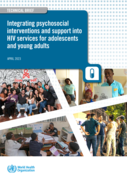
Adolescence, defined as the period between 10 and 19 years of age, is a developmental stage during which many psychosocial and mental health challenges emerge. There is a well-established link between mental health and
...
HIV outcomes. Adolescents and young adults living with HIV typically have additional mental health needs linked to their experiences of living with and managing a chronic illness, along with prevailing stigma and discrimination. Mental health promotion and prevention is thus a critical priority for this group.
more

Financing Global Health 2017: Funding Universal Health Coverage and the Unfinished HIV/AIDS Agenda
Institute for Health Metrics and Evaluation (IHME)
Institute for Health Metrics and Evaluation (IHME)
(2018)
C2
In 2017, $37.4 billion of development assistance was provided to low- and middleincome countries to maintain or improve health. This amount is down slightly compared to 2016, and since 2010, development assistance for health (DAH) has grown at an an
...
nualized rate of 1.0%. While global development assistance for health has seemingly leveled off, global health spending continues to climb, outpacing economic growth in many countries. Total health spending for 2015, the most recent year for which data are available, was estimated to be $9.7 trillion (95% uncertainty interval: 9.7–9.8)*, up 4.7% (3.9–5.6) from the prior year, and accounted for 10% of the world’s total economy. With some sources of health spending growing and other types remaining steady, and with major variations in spending from country to country, it is more important than ever to understand where resources for health come from, where they go, and how they align with health needs. This information is critical for planning and is a necessary catalyst for change as we aim to close the gap on the unfinished agenda of the Millennium Development Goals (MDGs) and move forward toward universal health coverage (UHC) in the Sustainable Development Goals (SDGs) era.
more
This Guidance was developed in response to the increase in HIV-related human rights crises and the shrinking civic space for rights-related responses to HIV in recent years across the world. This do
...
cument builds upon existing guidance documents, offering updated guidance for country-based United Nations staff (United Nations Country Teams) and partners to use their respective mandates to coordinate effective responses to human rights-related crises within the framework of the Resident Coordinator system, the 2030 Agenda for Sustainable Development, global HIV and human rights strategies and frameworks.
more
These consolidated guidelines on HIV testing services (HTS) bring together existing and new guidance on HTS across different settings and populations.
The World Health Organization (WHO) first released consolidated guidelines on HTS in 2015, in r
...
esponse to requests from Member States, national programme managers and health workers for support to achieve the United Nations (UN) 90–90–90 global HIV targets – and specifically the first target of diagnosing 90% of all people with HIV. In 2016, based on new evidence, WHO released a supplement to address important new HIV testing approaches – HIV self-testing (HIVST) and provider-assisted referral.
Since the release of 2015 and 2016 HTS guidelines, new issues and more evidence have emerged. To address this, WHO has updated guidance on HIV testing services. In this guideline, WHO updates recommendation on HIVST and provides new recommendations on social network-based HIV testing approaches and western blotting (see box, next page). This guideline seeks to provide support to Member States, programme managers, health workers and other stakeholders seeking to achieve national and international goals to end the HIV epidemic as a public health threat by 2030.
These guidelines also provide operational guidance on HTS demand creation and messaging; implementation considerations for priority populations; HIV testing strategies for diagnosis HIV; optimizing the use of dual HIV/syphilis rapid diagnostic tests; and considerations for strategic planning and rationalizing resources such as optimal time points for maternal retesting
more
Curr HIV/AIDS Rep. 2022; 19(1): 37–45.
Published online 2022 Jan 29. doi: 10.1007/s11904-021-00589-4.
COVID-19 has had an unprecedented impact on the cascade-of-care among PLWH in LAC. There is
...
a need for
longitudinal studies that assess clinic implication of these pandemic interactions in LAC.
more
Human Papilloma Virus (HPV) is the most common sexually transmitted infection, and two types of HPV (16 and 18) cause nearly 50% of high-grade cervical pre-cancers.
...
HIV and cervical cancer are inextricably linked. Women living with HIV are six times more likely to develop cervical cancer, which is one of the AIDS-defining illnesses and the most common cancer among women living with HIV globally. Cervical cancer is a preventable, curable disease and can be eliminated as a public health problem with primary and secondary prevention, treatment, and care of cervical cancer, in combination with addressing social, health and other inequalities and integrated approaches.
more

State of Health in the WHO African Region
recommended
This report is not a country scorecard. Rather, its purpose is to act as a compass to guide progress towards health in the SDGs.
There has been a significant improvement in the state of health in the region with healthy life expectancy - time spen
...
t in full health - in the region increasing from 50.9 years to 53.8 between 2012 and 2015 - the most marked increase of any region in the world.
What is making Africans sick is changing. The top killers are still lower respiratory infections, HIV and diarrhoeal disease and countries have routinely focused on preventing and treating this trio, often through specialized programmes. The payoff has been significant declines in deaths due to these diseases. There has been a 50% reduction in the burden of disease caused by what have been the top 10 killers since 2000 and death rates have dropped from 87.7 to 51.1 deaths per 100,000 persons between 2000 and 2015...
Chronic diseases like heart disease and cancer are now claiming more lives with a person aged 30 to 70 in the region having a one in five chance of dying from a noncommunicable disease (NCDs).
Countries are specifically failing to provide essential services to two critical age groups – adolescents and the elderly...
more

The indicators and questions in this document are designed for use by national AIDS programmes and partners to assess the state of a country’s HIV and AIDS response, and to measure progress toward
...
s achieving national HIV targets. Countries are encouraged to integrate these indicators and questions into their ongoing monitoring efforts and to report comprehensive national data through the Global AIDS Monitoring (GAM) process. In this way they will contribute to improving understanding of the global response to the HIV epidemic, including progress that has been made towards achieving the commitments and global targets set out in the new United Nations Political Declaration on HIV and AIDS: Ending Inequalities and Getting on Track to End AIDS by 2030, adopted in June 2021, and the linked Sustainable Development Goals.
more
Vol 5 No 27 | ISSN 2039-2117 (online) | ISSN 2039-9340 (print) | The rate of sexual victimization of mentally retarded children is alarming and it goes unnoticed because the perpetrators could be pa
...
rents, step- parents, relatives, well-respected individuals by family members, neighbours and educators. Drawing from labelling theory that the mentally retarded have low IQ, majority of perpetrators tend not to get arrested because of lack of evidence. Research indicates that educators struggle to identify the psychological, behavioural and physical symptoms of sexual abuse owing to their limited training. Having employed systematic review as methodology, this research study found that mentally retarded children are prone to HIV/AIDS, PTSD and feelings of helplessness owing to uninvolvement of parents, dysfunctional communities, poverty and their inability to differentiate between abuse and affection. Based on the findings, the recommendations are that: (1) extensive training for professionals, families and community members be executed to protect children with intellectual disability. Furthermore, the rights of the mentally retarded children must be respected in the court of law when reporting sexual abuse.
more

Urogenital schistosomiasis is a common neglected tropical disease in many rural communities in African countries, with patches of infection in the Eastern Mediterranean Region. Globally, an estimated 239 million people are currently infected, with b
...
urden estimated at more than 3.5 million disability-adjusted life years (DALYs). In many endemic areas, severely infected individuals may suffer fibrosis of the bladder, kidney damage, bladder cancer, and death if untreated. This, however, depends on several factors such as host-parasite genetics, degree and length of exposure, intensity of infection, host immune response to the parasites, and coinfections with other tropical diseases such as malaria and HIV-1.
more
This guideline provides global, evidence-informed recommendations on a number of specific issues related to the management of severe acute malnutrition in infants and children, including in the cont
...
ext of HIV.
more
This report presents the findings of the Estimating the Size of Populations through a Household Survey (ESPHS) study that took place in 2011. The study utilized a single household survey to estimate
...
the size of several key populations, including sex workers, men who have sex with men (MSM), injecting drug users (IDU), and clients of sex workers. These populations include several groups outlined in the National Strategic Plan for HIV and AIDS as most at risk for HIV infection, specifically sex workers and MSM.
more

This article examines the activities of national and international actors in Pharmaceutical Services (PS) in Mozambique from 2007 to 2012, focusing on the public provision of
...
HIV/Aids, malaria and tuberculosis medicines. It describes how PS functions in the country, what actors are involved in this area and the relations among them, pursuing salient issues in the modus operandi of partners in cooperation.
more

Women and Health Initiative Working Paper No. 1. Women and Health Initiative
Improving maternal health in the context of the sub-Saharan African HIV epidemic requires greater understanding ... of the relationships between HIV disease and maternal morbidity and mortality, integrated and effective responses by the health system, and a social context which promotes quality care and encourages use of MCH and HIV services. Advancing the proposed research agenda will make an invaluable contribution by generating needed evidence for policy and practice that improves the maternal health of women who are living with HIV, as well as those who are not. Bringing together maternal health and HIV researchers, policy-makers and program implementers to reduce HIV-related maternal morbidity and mortality and improve the HIV response for women represents an opportunity and a challenge. more
Improving maternal health in the context of the sub-Saharan African HIV epidemic requires greater understanding ... of the relationships between HIV disease and maternal morbidity and mortality, integrated and effective responses by the health system, and a social context which promotes quality care and encourages use of MCH and HIV services. Advancing the proposed research agenda will make an invaluable contribution by generating needed evidence for policy and practice that improves the maternal health of women who are living with HIV, as well as those who are not. Bringing together maternal health and HIV researchers, policy-makers and program implementers to reduce HIV-related maternal morbidity and mortality and improve the HIV response for women represents an opportunity and a challenge. more
