
Filter
491
Text search:
World
Health
Organization
(WHO),
Country
Office
for
Myanmar
Featured
Recommendations
46
New Publications
186
Language
Document type
No document type
309
Studies & Reports
88
Guidelines
45
Manuals
27
Strategic & Response Plan
12
Situation Updates
3
Infographics
2
Fact sheets
2
Training Material
1
Brochures
1
Online Courses
1
Countries / Regions
Myanmar / Burma
88
South–East Asia Region
31
Asia
30
Global
30
Bangladesh
26
India
11
Indonesia
8
Thailand
6
Nepal
5
Syria
5
Philippines
4
Yemen
4
Western and Central Europe
4
Africa
4
Nigeria
3
Congo, Democratic Republic of
3
Ethiopia
3
Kenya
3
Cambodia
3
Ukraine
3
Laos
3
Burkina Faso
2
Somalia
2
Pakistan
2
South Sudan
2
Afghanistan
2
Malaysia
2
Malawi
2
Mozambique
2
Central African Republic
2
Sri Lanka
2
Vietnam
2
Sierra Leone
1
Liberia
1
Mali
1
Cameroon
1
Uganda
1
Haiti
1
Jordan
1
Tanzania
1
South Africa
1
Sudan
1
Colombia
1
Ecuador
1
Libya
1
Madagascar
1
Mexico
1
Western Pacific Region
1
Latin America and the Carribbean
1
Other region
1
Bhutan
1
Venezuela
1
Palestine
1
North Korea
1
Armenia
1
Timor Leste/ East Timor
1
Tajikistan
1
Turkmenistan
1
Authors & Publishers
Publication Years
Category
Countries
147
Clinical Guidelines
42
Public Health
28
Key Resources
28
Women & Child Health
27
Pharmacy & Technologies
6
Capacity Building
5
Protection & Security
1
Toolboxes
HIV
74
Mental Health
45
TB
40
COVID-19
24
Conflict
19
Planetary Health
17
Rapid Response
15
Disability
14
Global Health Education
14
NTDs
12
Refugee
11
AMR
10
Natural Hazards
9
Pharmacy
4
Polio
3
NCDs
3
Typhoon
2
Specific Hazards
2
Health Financing Toolbox
2
Ebola
1
Zika
1
Caregiver
1
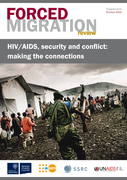
Supplement October 2010
HIV/AIDS, security and conflict: making the connections
The CDAC Network commissioned a practice guide to draw both on their experiences and many others’ in order to document approaches, practices and tools to working with rumors. It is aimed primarily at humanitarian programme managers and field staff to provide them with practical tips on how to work
...
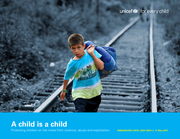
Protecting children on the move from violence, abuse and exploitation
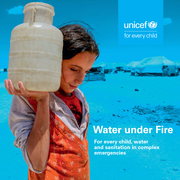
UNICEF trucks water to the camps where people displaced by the conflict have temporarily settled. UNICEF also installed latrines, showers and water storage tanks in the camps and distributed family hygiene kits to protect children against waterborne diseases.
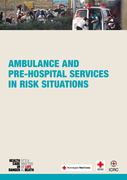
This report sets out ways to make pre-hospital care and ambulance services operating in areas of armed violence safer. Written by the Norwegian Red Cross with support from the ICRC and the Mexican Red Cross, the report summarizes field experience in over 20 countries.
1 July 2021; Report shows big COVID-19-related HIV prevention programme service disruptions, but highlights that HIV service innovations and adaptations are possible.
A synthesis report on programme disruptions and adaptations during the COVID-19 pandemic in 2020
Asia-Pacific Human Development Report
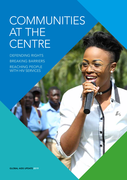
Defending Rights
Breaking Barriers
Reaching People with HIV Services
Global Aids Update 2019

Progress report of the Human Rights Council Advisory Committee (A/HRC/33/53) (Advance edited version)
