
Filter
776
Text search:
Action
against
hunger
Featured
Recommendations
52
New Publications
251
Language
Document type
No document type
447
Studies & Reports
181
Guidelines
43
Strategic & Response Plan
42
Manuals
25
Training Material
18
Situation Updates
10
Fact sheets
8
Resource Platforms
1
Infographics
1
Countries / Regions
Global
45
Kenya
35
Nepal
22
Ethiopia
18
Myanmar / Burma
18
Sierra Leone
17
Syria
17
South Sudan
16
Uganda
15
India
15
South Africa
15
Bangladesh
13
Yemen
13
Liberia
12
Rwanda
12
Nigeria
11
Namibia
10
Latin America and the Carribbean
10
Philippines
9
Mozambique
9
Western and Central Europe
9
Venezuela
9
Ghana
8
Haiti
8
Africa
8
Malawi
7
Ukraine
7
Congo, Democratic Republic of
6
Jordan
6
Zambia
6
Madagascar
6
Asia
6
Tanzania
5
Indonesia
5
Lebanon
4
South–East Asia Region
4
Vietnam
4
Guinea
3
Burkina Faso
3
Afghanistan
3
Cambodia
3
Eswatini/ Swaziland
3
East and Southern Africa
3
West and Central Africa
3
Senegal
2
Cameroon
2
Zimbabwe
2
Pakistan
2
Germany
2
Thailand
2
Sudan
2
Central African Republic
2
Brazil
2
Colombia
2
Libya
2
Laos
2
Timor Leste/ East Timor
2
Iran
2
Mali
1
Côte d’Ivoire / Ivory Coast
1
Niger
1
Somalia
1
Iraq
1
Turkey
1
China
1
Benin
1
Hungary
1
Botswana
1
Greece
1
Guatemala
1
Lesotho
1
Mexico
1
Middle East and North Africa
1
Western Pacific Region
1
Eastern Europe and Central Asia
1
Poland
1
Eastern Europe
1
Palestine
1
Italy
1
Southern Africa
1
Congo-Brazzaville
1
Canada
1
Tajikistan
1
Romania
1
Moldova
1
Authors & Publishers
Publication Years
Category
Countries
291
Key Resources
61
Women & Child Health
51
Public Health
42
Clinical Guidelines
25
Capacity Building
14
General Guidelines
2
Annual Report MEDBOX
1
Pharmacy & Technologies
1
Toolboxes
Planetary Health
80
COVID-19
72
Conflict
57
Global Health Education
49
Mental Health
40
HIV
35
Disability
32
Refugee
19
Caregiver
19
Natural Hazards
16
Rapid Response
15
TB
12
AMR
12
Social Ethics
12
NCDs
11
Ebola
10
Health Financing Toolbox
10
NTDs
9
Cholera
3
Specific Hazards
3
Polio
2
South Sudan
2
Pharmacy
2
Zika
1
Policy
July 2012
Working Paper No. 3
Policy Brief
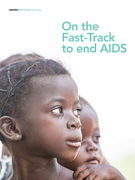
UNAIDS | 2016–2021 Strategy
Accessed: 20.11.2019
This short paper aims to identify key evidence gaps in our knowledge of livestock- and fisheries-linked antimicrobial resistance in the developing world, and to document on-going or planned research initiatives on this topic by key stakeholders.
The antimicrobial resistant (AMR) infections in anima
...
It is too early to know the full impact of COVID-19 on Africa. To date the experience has been varied. There are causes for concern, but also reasons for hope. Early estimates were pessimistic regarding the pandemic’s impact on the continent. But the relatively low numbers of COVID-19 cases report
...

This policy paper underscores that, although children do not represent a high-risk group for direct COVID-19 fatality, the pandemic posts far-reaching secondary impacts that heighten risks to African children’s rights and wellbeing.

The first case of COVID-19 was reported in Mozambique on 22 March 2020. As of 26 May, Mozambique had 194 confirmed cases of COVID-19, of which 168 were locally transmitted. The country’s capital, Maputo, and the province of Cabo Delgado are currently the epicentres of the outbreak in Mozambique, w
...
This document summarizes preparedness and response activities to address the coronavirus disease (COVID-19) outbreak in South Sudan through the end of 2020. The addendum includes the activities and financial requirements of the updated National COVID-19 Response Plan. Originally issued in March prio
...
Children expressed the need for organisations to
support in the delivery of services such as health and
sanitation. The children also emphasized that schools
and the child-friendly spaces (CFSs) were effective
and important spaces to provide them with what they
need.
Millions of children in Yemen could be pushed to ‘the brink of starvation’ due to huge shortfalls in humanitarian aid funding amid the COVID-19 pandemic – according to a new UNICEF report marking more than five years since conflict escalated in the country.
2020 is a critical year for our Joint Programme as we collectively define the path to getting back on track to ending the AIDS epidemic by 2030. Our revised timelines for adoption of the next strategy are highly ambitious. We need the full support of all the tremendously dedicated people in UNAIDS-w
...
The COVID-19 pandemic has been a formative experience for all humanity and a health emergency of global proportions, presenting a huge challenge to national leaders, health systems, and citizens. The findings of a new report by the OSCE Office for Democratic Institutions and Human Rights (ODIHR) sho
...
The Guidelines on promotive and preventive mental health interventions for adolescents - Helping Adolescents thrive (HAT), provide evidence-informed recommendations on psychosocial interventions to promote mental health, prevent mental disorders, and reduce self-harm and other risk behaviours among
...
Conflict, climate crisis and COVID-19 pose great threats to the health of women and children.
Conflict, in its active or latent forms, is everywhere. The COVID-19 pandemic has demonstrated that public health emergencies can strike any country at any time. Given the universality of and interconnections between conflict, humanitarian crises, and public health emergencies, practitioners trained
...
The WHO SAGE values framework for the allocation and prioritization of COVID-19 vaccination is intended to offer guidance on the prioritization of groups for vaccination when vaccine supply is limited. It provides a values foundation for the objectives of COVID-19 vaccination programmes and links t
...
In Control. A Practical Handbook for Professionals Working in Health Emergencies Internationally
recommended
In Control imparts knowledge, provokes reflection and triggers curiosity. The first half of the book provides an overview of the organisations, principles, frameworks and themes that every professional deploying to health emergencies should be aware of. The second half of the book provides practical
...
Healthy maternal nutrition, exclusive breastfeeding, and optimal infant and young child nutrition are critical for appropriate growth and development, as well as reducing the risk of developing noncommunicable diseases (NCDs), for both mothers and children. On 7–8 November 2018 the WHO Regional Of
...
