
Filter
1318
Text search:
pharmaceutical
policies
Featured
119
373
Language
Document type
683
280
178
73
55
15
12
12
6
3
1
Countries
64
56
52
42
35
34
32
30
24
21
21
21
21
19
19
18
18
18
18
16
15
14
13
13
12
12
11
11
10
10
9
8
7
7
7
6
6
5
5
5
5
4
4
4
4
4
4
4
4
3
3
3
3
3
3
2
2
2
2
2
2
2
2
2
2
2
1
1
1
1
1
1
1
1
1
1
1
1
1
1
1
1
1
1
1
1
1
1
1
1
1
1
Authors & Publishers
Publication Years
Category
579
74
65
39
30
21
10
Toolboxes
160
105
104
72
70
61
40
35
31
25
22
21
21
18
10
9
7
5
4
3
3
2
1
1
Guidelines for Handling Temperature Sensitive Vaccines and Pharmaceuticals
Towards ending tuberculosis and multidrug-resistant tuberculosis.


(Health Systems in Transition, Vol. 4, No. 3, 2014)
In 2017, 3.6 million of the estimated 10 million people with TB worldwide were “missed” by national TB programmes (NTPs). Two thirds of them are thought to access TB treatment of questionable quality from public and private providers who are not engaged by the NTP. The quality of care provided i
...
Progress towards targets of the Global action plan on dementia
В этом дискуссионном документе излагаются факты, касающиеся передозировки опиоидов, мер, которые могут быть приняты в целях предупреждения и лечения (коррекции) пÐ
...
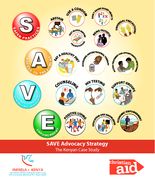
Accessed: 17.11.2019
UNAIDS 2017 / Reference
Generating evidence for policy and action on HIV and social protection
Technical Note on Antimicrobial Resistance
This document reflects UNICEF’s response to the growing global threat of AMR to child survival, growth and development. It identifies UNICEF’s AMR-specific and AMR-sensitive actions in reducing infections, promoting access to and optimal use of antimic
...

This is the first NAP on the Prevention and Containment of AMR in Kenya. It has been developed based on the National Policy on Prevention and Containment of AMR and the recommendations of the situation analysis on AMR conducted in 2011 and updated in 2016. This strategy provides a regulatory and imp
...

The escalating antimicrobial resistance (AMR) pandemic is a global public health threat with extensive health, economic and societal implications. Resistance emerges because of selection pressure from rational and indiscriminate antimicrobial use in human health as well as in the veterinary, agricul
...

Antibiotics and other antimicrobial agents are invaluable life savers, particularly in resource-limited countries where infectious diseases are abundant. Both uncomplicated and severe infections are potentially curable as long as the aetiological agents are susceptible to the
...
