
Filter
1581
Text search:
pediatric
Featured
136
376
Language
1319
116
74
54
32
22
12
6
5
4
3
3
3
2
1
1
1
1
1
1
Document type
996
215
183
87
29
27
23
7
6
4
2
1
1
Countries
101
48
47
37
36
29
28
27
27
24
23
22
21
20
19
18
15
15
15
14
14
14
14
13
13
12
12
12
11
10
9
9
9
8
7
7
7
7
6
6
6
5
5
5
5
5
5
5
4
4
4
4
3
3
3
3
3
3
3
3
3
3
3
3
2
2
2
2
2
2
2
2
1
1
1
1
1
1
1
1
1
1
1
1
1
1
1
1
1
1
1
1
1
1
1
1
1
Authors & Publishers
152
127
81
79
41
40
37
30
29
27
25
23
22
21
20
18
15
11
11
10
10
9
9
8
8
8
8
8
7
7
7
6
6
6
6
6
6
5
5
5
5
5
5
5
5
5
5
5
5
5
4
4
4
4
4
4
4
4
4
4
4
4
4
4
4
4
4
4
4
4
4
4
4
4
4
4
3
3
3
3
3
3
3
3
3
3
3
3
3
3
3
3
3
3
3
3
3
3
3
3
3
3
3
3
3
3
3
3
3
3
3
3
3
3
3
3
3
3
3
3
3
3
3
2
2
2
2
2
2
2
2
2
2
2
2
2
2
2
2
2
2
2
2
2
2
2
2
2
2
2
2
2
2
2
2
2
2
2
2
2
2
2
2
2
2
2
2
2
2
2
2
2
2
2
2
2
2
2
2
2
2
2
2
2
2
2
2
2
2
2
2
2
2
2
2
2
2
2
2
2
2
2
2
2
2
2
2
2
2
2
2
2
2
2
2
2
2
2
2
2
2
2
2
2
2
2
2
2
2
2
2
2
2
2
2
2
2
2
2
2
2
2
2
2
2
2
2
2
2
2
2
2
2
2
2
2
2
2
2
2
2
2
2
2
2
2
2
2
2
2
2
2
2
2
2
2
2
2
2
2
2
2
2
2
2
2
2
2
2
2
2
2
2
2
1
1
1
1
1
1
1
1
1
1
1
1
1
1
1
1
1
1
1
1
1
1
1
1
1
1
1
1
1
1
1
1
1
1
1
1
1
1
1
1
1
1
1
1
1
1
1
1
1
1
1
1
1
1
1
1
1
1
1
1
1
1
1
1
1
1
1
1
1
1
1
1
1
1
1
1
1
1
1
1
1
1
1
1
1
1
1
1
1
1
1
1
1
1
1
1
1
1
1
1
1
1
1
1
1
1
1
1
1
1
1
1
1
1
1
1
1
1
1
1
1
1
1
1
1
1
1
1
1
1
1
1
1
1
1
1
1
1
1
1
1
1
1
1
1
1
1
1
1
1
1
1
1
1
1
1
1
1
1
1
1
1
1
1
1
1
1
1
1
1
1
1
1
1
1
1
1
1
1
1
1
1
1
1
1
1
1
1
1
1
1
1
1
1
1
1
1
1
1
1
1
1
1
1
1
1
1
1
1
1
1
1
1
1
1
1
1
1
1
1
1
1
1
1
1
1
1
1
1
1
1
1
1
1
1
1
1
1
1
1
1
1
1
1
1
1
1
1
1
1
1
1
1
1
1
1
1
1
1
1
1
1
1
1
1
1
1
1
1
1
1
1
1
1
1
1
1
1
1
1
1
1
1
1
1
1
1
1
1
1
1
1
1
1
1
1
1
1
1
1
1
1
1
1
1
1
1
1
1
1
1
1
1
1
1
1
1
1
1
1
1
1
1
1
1
1
1
1
1
1
1
1
1
1
1
1
1
1
1
1
1
1
1
1
1
1
1
1
1
1
1
1
1
1
1
1
1
1
1
1
1
1
1
1
1
1
1
1
1
1
1
1
1
1
1
1
1
1
1
1
1
1
1
1
1
1
1
1
1
1
1
1
1
1
1
1
1
1
1
1
1
1
1
1
1
1
1
1
1
1
1
1
1
1
1
1
1
1
1
1
1
1
1
1
1
1
1
1
1
1
1
1
1
1
1
1
1
1
1
1
1
1
1
1
1
1
1
1
1
1
1
1
1
1
1
1
1
1
1
1
1
1
1
1
1
1
1
1
1
1
1
1
1
1
1
1
1
1
1
1
1
1
1
1
1
1
1
1
1
1
1
1
1
1
1
1
1
1
1
1
1
1
1
1
1
1
1
1
1
1
1
1
1
1
1
1
1
1
1
1
1
1
1
1
1
1
1
1
1
1
1
1
1
1
1
1
1
1
1
1
1
1
1
1
1
1
1
1
1
1
1
1
1
1
1
1
1
1
1
1
1
1
1
1
1
1
1
1
1
1
1
1
1
1
1
1
1
1
1
1
1
1
1
1
1
1
1
1
1
1
1
1
1
1
1
1
1
1
1
1
1
1
1
1
1
1
1
1
1
1
1
1
1
1
1
1
1
1
1
1
1
1
1
1
1
1
1
1
1
1
1
1
1
1
1
1
1
1
1
1
1
1
1
1
1
1
1
1
1
1
1
1
1
1
1
1
1
1
1
1
1
1
1
1
1
1
1
1
1
1
1
1
1
1
1
1
1
1
1
1
1
1
1
1
1
1
1
1
1
1
1
1
1
1
1
1
1
1
1
1
1
1
1
1
1
1
1
1
1
1
1
1
1
1
1
1
1
1
1
1
1
1
1
1
1
1
1
1
1
1
1
1
1
1
1
1
1
1
1
1
1
1
1
1
1
1
1
1
1
1
1
1
1
1
1
1
1
1
1
1
1
1
1
1
1
1
1
1
1
1
1
1
1
1
1
1
1
1
1
1
1
1
1
1
1
1
1
1
1
1
1
1
1
1
1
1
1
1
1
1
1
1
1
1
1
1
1
1
1
1
1
1
1
1
1
1
1
1
1
1
1
1
1
1
1
1
1
1
1
1
1
1
1
1
1
1
1
1
1
1
1
1
1
1
1
1
1
1
1
1
1
1
1
1
1
1
1
1
1
1
1
1
1
1
1
1
1
1
1
1
1
1
1
1
1
1
1
1
1
1
1
1
1
1
1
1
1
1
1
1
1
1
1
1
1
1
1
1
1
1
1
1
1
1
1
1
1
1
1
1
1
1
1
1
1
1
1
1
1
1
1
1
1
1
1
1
1
1
1
1
1
1
1
1
1
1
1
1
1
1
1
1
1
1
1
1
1
1
1
1
1
1
1
1
1
1
1
1
1
1
1
1
1
1
1
1
1
1
1
1
1
1
1
1
1
1
1
1
1
1
1
1
1
1
1
1
1
1
1
1
1
1
1
1
1
1
1
1
1
1
1
1
1
1
1
1
1
1
1
1
1
1
1
1
1
1
1
1
1
1
1
1
1
1
1
1
1
1
1
1
1
1
1
1
1
1
1
1
1
1
1
1
1
1
1
1
1
1
1
1
1
1
1
1
1
1
1
1
1
1
1
1
1
1
1
1
1
1
1
1
1
1
1
1
1
1
1
1
1
1
1
1
1
1
1
1
1
1
1
1
1
1
1
1
1
1
1
1
1
1
1
1
1
1
1
1
1
1
1
1
1
1
1
1
1
1
1
1
1
1
1
1
1
1
1
1
1
1
1
1
1
1
1
1
1
1
1
1
1
1
1
1
1
1
1
1
1
1
1
1
1
1
1
1
1
1
1
1
1
1
1
1
1
1
1
1
1
1
1
1
1
1
1
1
1
1
1
1
1
1
1
1
1
1
1
1
1
1
1
1
1
1
1
1
1
1
1
1
1
1
1
1
1
1
1
1
1
1
1
1
1
1
1
1
1
1
1
1
1
1
1
1
1
1
1
1
1
1
1
1
1
1
1
1
1
1
1
1
1
1
1
1
1
1
1
1
1
1
1
1
1
1
1
1
1
1
1
1
1
1
1
1
1
1
1
1
1
1
1
1
1
1
1
1
1
1
1
1
1
1
1
1
1
1
1
1
1
1
1
1
1
1
1
1
1
1
1
1
1
1
1
1
1
1
1
1
1
1
1
1
1
1
1
1
1
1
1
1
1
1
1
1
1
1
1
1
1
1
1
1
1
1
1
1
1
1
1
1
1
1
1
1
1
1
1
1
1
1
1
1
1
1
1
1
1
1
1
1
1
1
1
1
1
1
1
1
1
1
1
1
1
1
1
1
1
1
1
1
1
1
1
1
1
1
1
1
1
1
1
1
1
1
1
1
1
1
1
1
1
1
1
1
1
1
1
Publication Years
343
1100
131
7
Category
596
199
104
61
53
15
3
1
Toolboxes
189
169
128
128
62
49
47
41
23
21
21
19
19
17
16
15
10
8
5
4
4
3
1
SARS-CoV-2 infections among children and adolescents cause less severe illness and fewer deaths compared to adults. While a less severe course of infection is a positive outcome, there are concerns that mild symptoms may have led to less testing, resulting in fewer identified cases of COVID-19 in ch
...
ildren. If children with mild or no symptoms transmit the disease, they may act as drivers of transmission within their communities. Understanding symptoms, infectivity and patterns of SARS-CoV-2 transmission in children and adolescents is essential for developing, adapting and improving control measures for COVID-19 across all ages. This is a summary of the current knowledge around SARS-CoV-2 infection acquisition and transmission and COVID-19 disease symptoms in children and adolescents. It aims to inform decisions, based on local contexts, on how to best keep schools, kindergarten and day-care facilities open and what advice to apply to intergenerational mixing.
more
Guidelines for the production of extemporaenous formulations and hospital based sterile preparations
In order to streamline and effectively control compounding of medicinal products in hospitals and pharmacies, these Guidelines for Production of Extemporaneous and Hospital Based Sterile Preparations has been crafted. The purpose of these guidelines therefore is to assist pharmacists in
...
discharging their legal and professional obligations to patients in the area of extemporaneous dispensing. This guidance will help to assure the safe and appropriate preparation and supply of extemporaneously prepared medicinal products to patients, where
the supply of such products is necessary.
Extemporaneous and hospital based sterile preparations are critical for patients whose clinical needs cannot be met by registered medicinal products. The guidelines outline the principles and application of the concepts of Good Manufacturing Practice (GMP) requirements for premises, equipment, personnel, storage, quality management system, quality control, compounding processes as well as documentation.
more
African Antibiotic Treatment Guidelines for Common Bacterial Infections and Syndromes – Final Report
Africa Centres for Disease Control and Prevention Center for Disease Dynamics, Economics & Policy
Africa Centres for Disease Control and Prevention Center for Disease Dynamics, Economics & Policy
(2021)
CC
Milestones in the treatment, care and support, Dec 2021
Cochrane Database of Systematic Reviews 2021, Issue 2. Art. No.: CD009593. DOI: 10.1002/14651858.CD009593.pub5.
Primary Surgery Vol. One: Non-Trauma
recommended
Cotton, M., et al.
Global Healp; Deutsche Gesellschaft für Tropenchirurgie; International Coll. Essential Surgery
(2016)
CC
This comprehensive book has established itself as the most useful text for the medical practitioner in poor-resource settings who is obliged to manage surgical cases. It is particularly adapted for those whose surgical experience is basic or minimal. Importantly, it has extensive advice about pitfal
...
ls to avoid, and what to do if things go wrong. It is written in simple style, particularly for those whose mother tongue is not English. It is not a text which discusses the latest up-to-date technology, but it is not out-of-date being a synthesis of the best advice from a myriad of surgeons practicing for many years in low- and middle-income countries.
more

Guidelines on Management of COVID-19 in Kenya
recommended
It has been over a year since Kenya identified the first case of COVID-19 in the country. The Government formed the National COVID-19 task force, which supported the country's response through multi-sectoral technical working groups on testing, case management, risk communication and community engag
...
ement among others. An earlier version of the COVID case management guideline was released in April 2020 and capacity building of health care workers on diagnosis and treatment of COVID-19 was quickly carried out, even as counties prepared themselves by setting up isolation centres and supplies
more

WHO operational handbook on tuberculosis Module 5: Management of tuberculosis in children and adolescents
recommended
The practical guidance in the operational handbook aims to inform the development or revision of national policies and related implementation guidance on the management of TB in children and adolescents under programmatic circumstances and at different levels of the health system. The operational ha
...
ndbook can also help countries adequately plan for the uptake of interventions to better address the specific needs of children and adolescents with or at risk of TB. It can contribute to national efforts to build capacity among national and subnational programme managers and among health workers at all levels of the health care system.
more
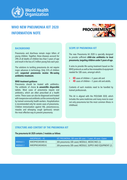
For 100 cases among which 60 cases of children ≥ 5 years old and 40 cases of children < 5 years old and adults.
The new Pneumonia kit 2020 is specially designed to provide sufficient child-size antibiotics to treat pneumonia, targeting children under 5 years of age. It aims to provide life-saving treatment based o
...
n the WHO protocols WHO treatment guidance Pneumonia should be treated with antibiotics.
The antibiotic of choice is amoxicillin dispersible tablets. Most cases of pneumonia require oral antibiotics, which are often prescribed at a health centre.
more
This guideline aims to improve the quality of essential, routine postnatal care for women and newborns with the ultimate goal of improving maternal and newborn health and well-being. It recognizes a “positive postnatal experience” as a significant end point for all women giving birth and their n
...
ewborns, laying the platform for improved short- and long-term health and well-being. A positive postnatal experience is defined as one in which women, newborns, partners, parents, caregivers and families receive information, reassurance and support in a consistent manner from motivated health workers; where a resourced and flexible health system recognizes the needs of women and babies, and respects their cultural context.
This is a consolidated guideline of new and existing recommendations on routine postnatal care for women and newborns receiving facility- or community-based postnatal care in any resource setting.
more
This facilitators’ guide is part of a five-part Caregiver skills training for families of children with developmental delays or disabilities (CST) package providing guidance on caregiver skills training for families of children aged 2–9 years with developmental delays or disabilities.
This fa
...
cilitators’ guide provides information for leading group sessions 1–9. It is a reference manual to be used in conjunction with specific training and under supervision.
more
This participants’ guide is part of a five-part Caregiver skills training for families of children with developmental delays or disabilities (CST) package providing guidance on caregiver skills training for families of children aged 2–9 years with developmental delays or disabilities.
This pa
...
rticipants’ guide is meant to be used by caregivers who are participating in WHO’s caregiver skills training. The guide provides content that will be used during each of the caregiver skills training core group sessions (sessions 1–9). It includes illustrated descriptions of the key messages and tips (skills and strategies) taught in each session as well as goal-setting activities.
more

This guide is part of a five-part Caregiver skills training for families of children with developmental delays or disabilities (CST) package providing guidance on caregiver skills training for families of children aged 2–9 years with developmental delays or disabilities.
This guide for facilita
...
tors provides information for leading the three home visits. It is a reference manual to be used in conjunction with specific training in caregiver skills training and under supervision. The guide includes detailed descriptions of the objectives and activities for each home visit. Goal setting information and forms are also included, along with information for trouble shooting and problem solving.
more

This adaptation and implementation guide is part of a five-part Caregiver skills training for families of children with developmental delays or disabilities (CST) package providing guidance on caregiver skills training for families of children aged 2–9 years with developmental delays or disabiliti
...
es.
This adaptation and implementation guide provides information on how to adapt caregiver skills training materials and delivery strategies to the local context. It includes guidance on development and implementation of contextual and cultural adaptation plans.
more
Continuidad de la Atención Primaria de Salud, para niños y niñas en el contexto de Pandemia COVID-19
Este documento realiza recomendaciones para la Supervisión de Salud Infantil en Atención Primaria de Salud, de manera de reorganizar y apoyar la eficiencia en la gestión de la oferta programática presencial ampliando la respuesta de acuerdo con la evolución de la pandemia. De esta forma, comple
...
menta las acciones señaladas en el documento “Orientación para la continuidad de la atención en APS en contexto de pandemia COVID-19” Ordinario N° 3991, diciembre 2020.
more
2nd edition. These guidelines include several notable changes from the first edition. For cutaneous leishmaniasis, ketoconazole has been removed from the list of treatment options; the number of Leishmania species for which there is strong evidence for the efficacy of miltefosine has increased from
...
two to four; and the recommendation for intralesional antimonials is now strong. For mucosal leishmaniasis there is now a strong recommendation for use of pentavalent antimonials with or without oral pentoxifylline. For visceral leishmaniasis, the strong recommendations for use of pentavalent antimonials and amphotericin B deoxycholate are now conditional.
more
Following the 2014 Euromaidan Revolution, Ukraine embarked on a national reform program to reduce widespread corruption within government. In the health sector, the government introduced several complementary reforms that aimed to improve the health outcomes of Ukrainian citizens, but designed in su
...
ch a way that they would also reduce corruption. The reforms included reconfiguring primary care financing and essential medicines reimbursement under the newly formed National Health Service of Ukraine; raising the remuneration of health professionals; introducing a transparent, merit-based, process for medical university admissions; and initiating development of an eHealth digital records system.
more
Management of critical COVID-19: Acute hypoxaemic respiratory failure and COVID-19: Recognize ARDS
recommended
WHO recommends prompt recognition of progressive acute hypoxaemic respiratory failure when a patient with respiratory distress is failing to respond to standard oxygen therapy and adequate preparation to provide advanced oxygen/ventilatory support.
Hypoxaemic respiratory failure in ARDS commonly
...
results from intrapulmonary ventilation-perfusion mismatch or shunt and usually requires mechanical ventilation.
At any time, if there are urgent or emergent indications for intubation, do not delay.
We recommend prompt recognition of progressive acute hypoxaemic respiratory failure when a patient with respiratory distress is failing to respond to standard oxygen therapy and adequate preparation to provide advanced oxygen/ventilatory support.
WHO suggests that patients with severe or critical COVID-19 with acute hypoxaemic respiratory failure that do not require emergent intubation be treated with HFNO, or CPAP or NIV (BiPAP) over standard oxygen therapy.
more
