Filter
1546
Text search:
chronic
malnutrition
Featured
160
518
Language
Document type
984
243
139
64
61
27
15
11
1
1
Countries
89
59
57
47
34
34
32
32
32
31
31
31
29
28
26
25
23
23
20
19
19
18
18
17
16
15
15
14
13
12
12
12
10
9
8
8
8
8
8
7
7
7
6
5
5
4
4
4
4
4
4
3
3
3
3
3
3
3
3
2
2
2
2
2
2
2
2
2
2
2
2
2
1
1
1
1
1
1
1
1
1
1
1
1
1
1
1
1
1
1
1
1
1
1
1
1
1
1
Authors & Publishers
Publication Years
Category
751
121
117
90
83
34
5
1
Toolboxes
106
88
73
71
66
53
53
48
32
31
31
29
21
21
21
14
12
9
8
3
1
1
A guide to Primary Health Care Facility Supervision
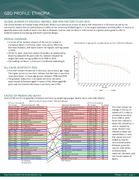
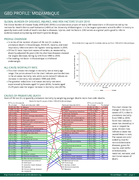
J Infect Dis. (2012) 206 (suppl. 1): S61-S67
Influenza data gaps in sub-Saharan Africa include incidence, case fatality, seasonal patterns, and associations with prevalent disorders. The authors found that the burden of influenza was small during 2007–2010 in this paediatric hospital in Kenya. In
...
The new Global Strategy aims to achieve the highest attainable standard of health for all women, children and adolescents, transform the future and ensure that every newborn, mother and child not only survives, but thrives.
This document provides an overview of the evidence of nutrition gains that can be achieved with improved WASH, a description of key WASH practices, and practical knowledge and guidance on how to integrate WASH into nutrition programmes, including important monitoring and evaluation (M&E) aspects. Th
...
This guideline provides global, evidence-informed recommendations on daily iron supplementation in infants and children, as a public-health intervention for the prevention of anaemia and iron deficiency. It includes recommendations for iron supplementation in countries where malaria is prevalent.
Third edition
Solomon Islands pharmacy staff have developed an essential medicines supplies list. It was a collaborative effort involving a lot of staff taking the pictures and putting it all together. The list was launched as an initiative to improve the availability of medical stock within the country
In this review, the editors will investigate the impact of eight WASH interventions in preventing (reducing the risk of) and controlling outbreaks in LMIC, with particular focus on three diseases of current concern to the response community – cholera, Ebola, and Hepatitis E. Additionally, we will
...