
Filter
889
Text search:
UNFPA,
et
al.
Featured
Recommendations
66
New Publications
282
Language
Document type
No document type
584
Studies & Reports
128
Guidelines
95
Manuals
26
Strategic & Response Plan
17
Training Material
16
Fact sheets
10
Infographics
6
Situation Updates
5
Resource Platforms
1
Online Courses
1
Countries / Regions
Ethiopia
27
Nepal
26
Nigeria
25
Kenya
25
Sierra Leone
24
Myanmar / Burma
21
Senegal
20
Liberia
19
Malawi
19
Zambia
18
Global
18
Bangladesh
15
Latin America and the Carribbean
15
Uganda
13
Haiti
13
Congo, Democratic Republic of
12
Tanzania
12
Venezuela
12
Rwanda
10
Benin
10
Ghana
8
Zimbabwe
8
Syria
8
Colombia
8
India
7
South–East Asia Region
7
Asia
7
Cambodia
6
South Africa
6
Namibia
6
Brazil
6
Paraguay
5
Africa
5
Albania
5
Russia
5
Guinea
4
Cameroon
4
Philippines
4
Somalia
4
Indonesia
4
Ukraine
4
Lesotho
4
Western and Central Europe
4
Eastern Europe
4
Burkina Faso
3
Pakistan
3
South Sudan
3
Central African Republic
3
Yemen
3
West and Central Africa
3
Middle East and North Africa
3
Afghanistan
2
Lebanon
2
Thailand
2
Papua New Guinea
2
Peru
2
Eswatini/ Swaziland
2
Madagascar
2
Mexico
2
East and Southern Africa
2
Western Pacific Region
2
Laos
2
Iraq
1
Jordan
1
Germany
1
Turkey
1
China
1
Malaysia
1
Mozambique
1
Argentina
1
Dominican Republic
1
Hungary
1
Botswana
1
Bolivia
1
Guatemala
1
Sri Lanka
1
Eastern Europe and Central Asia
1
Poland
1
Palestine
1
Southern Africa
1
Timor Leste/ East Timor
1
Romania
1
Moldova
1
Slovakia
1
Uzbekistan
1
Georgia
1
Vietnam
1
Turkmenistan
1
Japan
1
Authors & Publishers
Publication Years
Category
Countries
408
Women & Child Health
165
Clinical Guidelines
54
Key Resources
22
Public Health
19
Capacity Building
16
Pharmacy & Technologies
3
Toolboxes
HIV
136
COVID-19
48
Caregiver
31
Mental Health
30
Conflict
18
Global Health Education
16
Disability
15
Ebola
15
Health Financing Toolbox
13
Refugee
12
Planetary Health
11
Zika
10
TB
7
Pharmacy
6
Natural Hazards
4
Rapid Response
4
AMR
4
Polio
3
NCDs
1

دليل عملي موجه للقابلات والأطباء المدربين في مجال التوليد والعاملين بالرعاية الصحية الذين يتعاملون مع حالات الطوارئ التوليدية
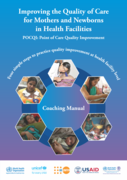
Four simple steps to practice quality improvement at health facility level

Country Progress Report January 2008 - December 2009
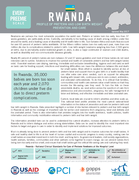
The information provided here can be used to understand the current situation, increase attention to preterm births in Rwanda and to inform dialogue and action among stakeholders. Data can be used to identify the most important risk factors to target and gaps in care in order to identify and impleme
...
The information provided here can be used to understand the current situation, increase attention to preterm births in Rwanda and to inform dialogue and action among stakeholders. Data can be used to identify the most important risk factors to target and gaps in care in order to identify and impleme
...
The information provided here can be used to understand the current situation, increase attention to preterm births in Rwanda and to inform dialogue and action among stakeholders. Data can be used to identify the most important risk factors to target and gaps in care in order to identify and impleme
...
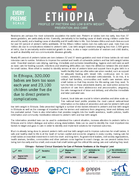
The information provided here can be used to understand the current situation, increase attention to preterm births in Rwanda and to inform dialogue and action among stakeholders. Data can be used to identify the most important risk factors to target and gaps in care in order to identify and impleme
...
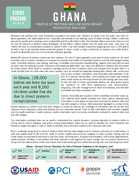
The information provided here can be used to understand the current situation, increase attention to preterm births in Rwanda and to inform dialogue and action among stakeholders. Data can be used to identify the most important risk factors to target and gaps in care in order to identify and impleme
...
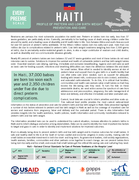
The information provided here can be used to understand the current situation, increase attention to preterm births in Rwanda and to inform dialogue and action among stakeholders. Data can be used to identify the most important risk factors to target and gaps in care in order to identify and impleme
...
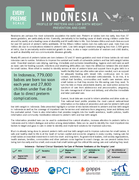
The information provided here can be used to understand the current situation, increase attention to preterm births in Rwanda and to inform dialogue and action among stakeholders. Data can be used to identify the most important risk factors to target and gaps in care in order to identify and impleme
...
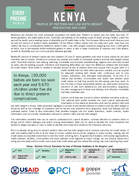
The information provided here can be used to understand the current situation, increase attention to preterm births in Rwanda and to inform dialogue and action among stakeholders. Data can be used to identify the most important risk factors to target and gaps in care in order to identify and impleme
...
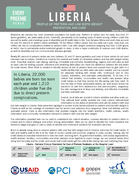
The information provided here can be used to understand the current situation, increase attention to preterm births in Rwanda and to inform dialogue and action among stakeholders. Data can be used to identify the most important risk factors to target and gaps in care in order to identify and impleme
...
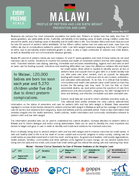
The information provided here can be used to understand the current situation, increase attention to preterm births in Rwanda and to inform dialogue and action among stakeholders. Data can be used to identify the most important risk factors to target and gaps in care in order to identify and impleme
...
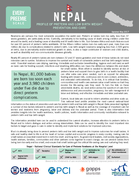
The information provided here can be used to understand the current situation, increase attention to preterm births in Rwanda and to inform dialogue and action among stakeholders. Data can be used to identify the most important risk factors to target and gaps in care in order to identify and impleme
...
The information provided here can be used to understand the current situation, increase attention to preterm births in Rwanda and to inform dialogue and action among stakeholders. Data can be used to identify the most important risk factors to target and gaps in care in order to identify and impleme
...
The information provided here can be used to understand the current situation, increase attention to preterm births in Rwanda and to inform dialogue and action among stakeholders. Data can be used to identify the most important risk factors to target and gaps in care in order to identify and impleme
...
