
Filter
3720
Text search:
Environmental
Health
Policy
Featured
325
974
Language
3570
94
79
65
45
32
25
20
8
7
5
5
4
4
4
4
4
4
3
3
3
3
3
3
3
3
3
2
2
2
2
2
2
2
2
2
2
2
1
1
1
1
1
1
1
1
1
1
1
1
1
1
1
1
1
1
1
Document type
1991
785
419
199
184
53
38
20
11
7
4
3
1
1
Countries
200
122
105
86
80
77
77
76
71
68
65
64
62
62
62
59
55
53
53
49
36
33
31
28
28
27
26
25
24
24
23
23
23
22
20
20
19
19
18
18
15
15
15
14
14
14
13
12
12
12
12
11
11
10
10
9
9
9
9
9
7
7
7
6
6
5
5
5
4
4
4
4
4
4
4
3
3
3
3
3
3
3
3
3
3
3
3
3
3
2
2
2
2
2
2
2
2
2
2
2
2
2
2
2
2
2
2
2
1
1
1
1
1
1
1
1
1
1
1
1
1
1
1
1
1
1
1
1
1
1
1
1
1
1
1
Authors & Publishers
479
135
133
125
117
72
53
51
26
25
25
22
18
18
17
17
16
16
16
15
14
14
14
13
13
13
13
13
12
12
12
12
12
12
11
11
11
11
11
11
10
10
10
9
9
9
9
9
9
9
9
9
9
9
8
7
7
7
7
7
7
7
7
7
7
7
7
7
7
7
6
6
6
6
6
6
6
6
6
6
6
6
6
6
5
5
5
5
5
5
5
5
5
5
5
5
5
5
5
5
5
5
5
5
5
5
4
4
4
4
4
4
4
4
4
4
4
4
4
4
4
4
4
4
4
4
4
4
4
4
4
4
4
4
4
4
4
4
4
4
4
4
4
4
3
3
3
3
3
3
3
3
3
3
3
3
3
3
3
3
3
3
3
3
3
3
3
3
3
3
3
3
3
3
3
3
3
3
3
3
3
3
3
3
3
3
3
3
3
3
3
3
3
3
3
3
3
3
3
3
3
3
3
3
3
3
3
3
3
3
3
3
3
3
3
3
3
3
3
3
3
3
3
3
3
3
3
3
2
2
2
2
2
2
2
2
2
2
2
2
2
2
2
2
2
2
2
2
2
2
2
2
2
2
2
2
2
2
2
2
2
2
2
2
2
2
2
2
2
2
2
2
2
2
2
2
2
2
2
2
2
2
2
2
2
2
2
2
2
2
2
2
2
2
2
2
2
2
2
2
2
2
2
2
2
2
2
2
2
2
2
2
2
2
2
2
2
2
2
2
2
2
2
2
2
2
2
2
2
2
2
2
2
2
2
2
2
2
2
2
2
2
2
2
2
2
2
2
2
2
2
2
2
2
2
2
2
2
2
2
2
2
2
2
2
2
2
2
2
2
2
2
2
2
2
2
2
2
2
2
2
2
2
2
2
2
2
2
2
2
2
2
2
2
2
2
2
2
2
2
2
2
2
2
2
2
2
2
2
2
2
2
2
2
2
2
2
2
2
2
2
2
2
2
2
2
2
2
2
2
2
2
2
2
2
2
2
2
2
2
2
2
2
2
2
2
2
2
2
1
1
1
1
1
1
1
1
1
1
1
1
1
1
1
1
1
1
1
1
1
1
1
1
1
1
1
1
1
1
1
1
1
1
1
1
1
1
1
1
1
1
1
1
1
1
1
1
1
1
1
1
1
1
1
1
1
1
1
1
1
1
1
1
1
1
1
1
1
1
1
1
1
1
1
1
1
1
1
1
1
1
1
1
1
1
1
1
1
1
1
1
1
1
1
1
1
1
1
1
1
1
1
1
1
1
1
1
1
1
1
1
1
1
1
1
1
1
1
1
1
1
1
1
1
1
1
1
1
1
1
1
1
1
1
1
1
1
1
1
1
1
1
1
1
1
1
1
1
1
1
1
1
1
1
1
1
1
1
1
1
1
1
1
1
1
1
1
1
1
1
1
1
1
1
1
1
1
1
1
1
1
1
1
1
1
1
1
1
1
1
1
1
1
1
1
1
1
1
1
1
1
1
1
1
1
1
1
1
1
1
1
1
1
1
1
1
1
1
1
1
1
1
1
1
1
1
1
1
1
1
1
1
1
1
1
1
1
1
1
1
1
1
1
1
1
1
1
1
1
1
1
1
1
1
1
1
1
1
1
1
1
1
1
1
1
1
1
1
1
1
1
1
1
1
1
1
1
1
1
1
1
1
1
1
1
1
1
1
1
1
1
1
1
1
1
1
1
1
1
1
1
1
1
1
1
1
1
1
1
1
1
1
1
1
1
1
1
1
1
1
1
1
1
1
1
1
1
1
1
1
1
1
1
1
1
1
1
1
1
1
1
1
1
1
1
1
1
1
1
1
1
1
1
1
1
1
1
1
1
1
1
1
1
1
1
1
1
1
1
1
1
1
1
1
1
1
1
1
1
1
1
1
1
1
1
1
1
1
1
1
1
1
1
1
1
1
1
1
1
1
1
1
1
1
1
1
1
1
1
1
1
1
1
1
1
1
1
1
1
1
1
1
1
1
1
1
1
1
1
1
1
1
1
1
1
1
1
1
1
1
1
1
1
1
1
1
1
1
1
1
1
1
1
1
1
1
1
1
1
1
1
1
1
1
1
1
1
1
1
1
1
1
1
1
1
1
1
1
1
1
1
1
1
1
1
1
1
1
1
1
1
1
1
1
1
1
1
1
1
1
1
1
1
1
1
1
1
1
1
1
1
1
1
1
1
1
1
1
1
1
1
1
1
1
1
1
1
1
1
1
1
1
1
1
1
1
1
1
1
1
1
1
1
1
1
1
1
1
1
1
1
1
1
1
1
1
1
1
1
1
1
1
1
1
1
1
1
1
1
1
1
1
1
1
1
1
1
1
1
1
1
1
1
1
1
1
1
1
1
1
1
1
1
1
1
1
1
1
1
1
1
1
1
1
1
1
1
1
1
1
1
1
1
1
1
1
1
1
1
1
1
1
1
1
1
1
1
1
1
1
1
1
1
1
1
1
1
1
1
1
1
1
1
1
1
1
1
1
1
1
1
1
1
1
1
1
1
1
1
1
1
1
1
1
1
1
1
1
1
1
1
1
1
1
1
1
1
1
1
1
1
1
1
1
1
1
1
1
1
1
1
1
1
1
1
1
1
1
1
1
1
1
1
1
1
1
1
1
1
1
1
1
1
1
1
1
1
1
1
1
1
1
1
1
1
1
1
1
1
1
1
1
1
1
1
1
1
1
1
1
1
1
1
1
1
1
1
1
1
1
1
1
1
1
1
1
1
1
1
1
1
1
1
1
1
1
1
1
1
1
1
1
1
1
1
1
1
1
1
1
1
1
1
1
1
1
1
1
1
1
1
1
1
1
1
1
1
1
1
1
1
1
1
1
1
1
1
1
1
1
1
1
1
1
1
1
1
1
1
1
1
1
1
1
1
1
1
1
1
1
1
1
1
1
1
1
1
1
1
1
1
1
1
1
1
1
1
1
1
1
1
1
1
1
1
1
1
1
1
1
1
1
1
1
1
1
1
1
1
1
1
1
1
1
1
1
1
1
1
1
1
1
1
1
1
1
1
1
1
1
1
1
1
1
1
1
1
1
1
1
1
1
1
1
1
1
1
1
1
1
1
1
1
1
1
1
1
1
1
1
1
1
1
1
1
1
1
1
1
1
1
1
1
1
1
1
1
1
1
1
1
1
1
1
1
1
1
1
1
1
1
1
1
1
1
1
1
1
1
1
1
1
1
1
1
1
1
1
1
1
1
1
1
1
1
1
1
1
1
1
1
1
1
1
1
1
1
1
1
1
1
1
1
1
1
1
1
1
1
1
1
1
1
1
1
1
1
1
1
1
1
1
1
1
1
1
1
1
1
1
1
1
1
1
1
1
1
1
1
1
1
1
1
1
1
1
1
1
1
1
1
1
1
1
1
1
1
1
1
1
1
1
1
1
1
1
1
1
1
1
1
1
1
1
1
1
1
1
1
1
1
1
1
1
1
1
1
1
1
1
1
1
1
1
1
1
1
1
1
1
1
1
1
1
1
1
1
1
1
1
1
1
1
1
1
1
1
1
1
1
1
1
1
1
1
1
1
1
1
1
1
1
1
1
1
1
1
1
1
1
1
1
1
1
1
1
1
1
1
1
1
1
1
1
1
1
1
1
1
1
1
1
1
1
1
1
1
1
1
1
1
1
1
1
1
1
1
1
1
1
1
1
1
1
1
1
1
1
1
1
1
1
1
1
1
1
1
1
1
1
1
1
1
1
1
1
1
1
1
1
1
1
1
1
1
1
1
1
1
1
1
1
1
1
1
1
1
1
1
1
1
1
1
1
1
1
1
1
1
1
1
1
1
1
1
1
1
1
1
1
1
1
1
1
1
1
1
1
1
1
1
1
1
1
1
1
1
1
1
1
1
1
1
1
1
1
1
1
1
1
1
1
1
1
1
1
1
1
1
1
1
1
1
1
1
1
1
1
1
1
1
1
1
1
1
1
1
1
1
1
1
1
1
1
1
1
1
1
1
1
1
1
1
1
1
1
1
1
1
1
1
1
1
1
1
1
1
1
1
1
1
1
1
1
1
1
1
1
1
1
1
1
1
1
1
1
1
1
1
1
1
1
1
1
1
1
1
1
1
1
1
1
1
1
1
1
1
1
1
1
1
1
1
1
1
1
1
1
1
1
1
1
1
1
1
1
1
1
1
1
1
1
1
1
1
1
1
1
1
1
1
1
1
1
1
1
1
1
1
1
1
1
1
1
1
1
1
1
1
1
1
1
1
1
1
1
1
1
1
1
1
1
1
1
1
1
1
1
1
1
1
1
1
1
1
1
1
1
1
1
1
1
1
1
1
1
1
1
1
1
1
1
1
1
1
1
1
1
1
1
1
1
1
1
1
1
1
1
1
1
1
1
1
1
1
1
1
1
1
1
1
1
1
1
1
1
1
1
1
1
1
1
1
1
1
1
1
1
1
1
1
1
1
1
1
1
1
1
1
1
1
1
1
1
1
1
1
1
1
1
1
1
1
1
1
1
1
1
1
1
1
1
1
1
1
1
1
1
1
1
1
1
1
1
1
1
1
1
1
1
1
1
1
1
1
1
1
1
1
1
1
1
1
1
1
1
1
1
1
1
1
1
1
1
1
1
1
1
1
1
1
1
1
1
1
1
1
1
1
1
1
1
1
1
1
1
1
1
1
1
1
1
1
1
1
1
1
1
1
1
1
1
1
1
1
1
1
1
1
1
1
1
1
1
1
1
1
1
1
1
1
1
1
1
1
1
1
1
1
1
1
1
1
1
1
1
1
1
1
1
1
1
1
1
1
1
1
1
1
1
1
1
1
1
1
1
1
1
1
1
1
1
1
1
1
1
1
1
1
1
1
1
1
1
1
1
1
1
1
1
1
1
1
1
1
1
1
1
1
1
1
1
1
1
1
1
1
1
1
1
1
1
1
1
1
1
1
1
1
1
1
1
1
1
1
1
1
1
1
1
1
1
1
1
1
1
1
1
1
1
1
1
1
1
1
1
1
1
1
1
1
1
1
1
1
1
1
1
1
1
1
1
1
1
1
1
1
1
1
1
1
1
1
1
1
1
1
1
1
1
1
1
1
1
1
1
1
1
1
1
1
1
1
1
1
1
1
1
1
1
1
1
1
1
1
1
1
1
1
1
1
1
1
1
1
1
1
1
1
1
1
1
1
1
1
1
1
1
1
1
1
1
1
1
1
1
1
1
1
1
1
1
1
1
1
1
1
1
1
1
1
1
1
1
1
1
1
1
1
1
1
1
1
1
1
1
1
1
1
1
1
1
1
1
1
1
1
1
1
1
1
1
1
1
1
1
1
1
1
1
1
1
1
1
1
1
1
1
1
1
1
1
1
1
1
1
1
1
1
1
1
1
1
1
1
1
1
1
1
1
1
1
1
1
1
1
1
1
1
1
1
1
1
1
1
1
1
1
1
1
1
1
1
1
1
1
1
1
1
1
1
1
1
1
1
1
1
1
1
1
1
1
1
1
1
1
1
1
1
1
1
1
1
1
1
1
1
1
1
1
1
1
1
1
1
1
1
1
1
1
1
1
1
1
1
1
1
1
1
1
1
1
1
1
1
1
1
1
1
1
1
1
1
1
1
1
1
1
1
1
1
1
1
1
1
1
1
1
1
1
1
1
1
1
1
1
1
1
1
1
1
1
1
1
1
1
1
1
1
1
1
1
1
1
1
1
1
1
1
1
1
1
1
1
1
1
1
1
1
1
1
1
1
1
1
1
1
1
1
1
1
1
1
1
1
1
1
1
1
1
1
1
1
1
1
1
1
1
1
1
1
1
1
1
1
1
1
1
1
1
1
1
1
1
1
1
1
1
1
1
1
1
1
1
1
1
1
1
1
1
1
1
1
1
1
1
1
1
1
1
1
1
1
1
1
1
1
1
1
1
1
1
1
1
1
1
1
1
1
1
1
1
1
1
1
1
1
1
1
1
1
1
1
1
1
1
1
1
1
1
1
1
1
1
1
1
1
1
1
1
1
1
1
1
1
1
1
1
1
1
1
1
1
1
1
1
1
1
1
1
1
1
1
1
1
1
1
1
1
1
1
1
1
1
1
1
1
1
1
1
1
1
1
1
1
1
1
1
1
1
1
1
1
1
1
1
1
1
1
1
1
1
1
1
1
1
1
1
1
1
1
1
1
1
1
1
1
1
1
1
1
1
1
1
1
1
1
1
1
1
1
1
1
1
1
1
1
1
1
1
1
1
1
1
1
1
1
1
1
1
1
1
1
1
1
1
1
1
1
1
1
1
1
1
1
1
1
1
1
1
1
1
1
1
1
1
1
1
1
1
1
1
1
1
1
1
1
1
1
1
1
1
1
1
1
1
1
1
1
1
1
1
1
1
1
1
1
1
1
1
1
1
1
1
1
1
1
1
1
1
1
1
1
1
1
1
1
1
1
1
1
1
1
1
1
1
1
1
1
1
1
1
1
1
1
1
1
1
1
1
1
1
1
1
1
1
1
1
1
1
1
1
1
1
1
1
1
1
1
1
1
1
1
1
1
1
1
1
1
1
1
1
1
1
1
1
1
1
1
1
1
1
1
1
1
1
1
1
1
1
1
1
1
1
1
1
1
1
1
1
1
1
1
1
1
1
1
1
1
1
1
1
1
1
1
1
1
1
1
1
1
1
1
1
1
1
1
1
1
1
1
1
1
1
1
1
1
1
1
1
1
1
1
1
1
1
1
1
1
1
1
1
1
1
1
1
1
1
1
1
1
1
1
1
1
1
1
1
1
1
1
1
1
1
1
1
1
1
1
1
1
1
1
1
1
1
1
1
1
1
1
1
1
1
1
1
1
1
1
1
1
1
1
1
1
1
1
1
1
1
1
1
1
1
1
1
1
1
1
1
1
1
1
1
1
1
1
1
1
1
1
1
1
1
1
1
1
1
1
1
1
1
1
1
1
1
1
1
1
1
1
1
1
1
1
1
1
1
1
1
1
1
1
1
1
1
1
1
1
1
1
1
1
1
1
1
1
1
1
1
1
1
1
1
1
1
1
1
1
1
1
1
1
1
1
1
1
1
1
1
1
1
1
1
1
1
1
1
1
1
1
1
1
1
1
1
1
1
1
1
1
1
1
1
1
1
1
1
1
1
1
1
1
1
1
1
1
1
1
1
1
1
1
1
1
1
1
1
1
1
1
1
Publication Years
1
1
1087
2265
348
16
2
Category
1383
279
226
172
148
52
32
5
1
1
Toolboxes
376
253
236
227
154
144
137
117
113
112
91
82
72
66
65
63
60
36
31
30
17
16
15
2
1
Accessed on 31.03.2023
COUNTDOWN Nigeria has applied a Participatory Action Research (PAR) approach to improve equity of Mass Administration of Medicines (MAM) and inform Neglected Tropical Disease (NTD) policy through an enhanced community enga
...
gement strategy. A situational analysis conducted in 2016 identified community engagement as a
bottleneck to achieving equitable coverage of MAM within different and emerging contexts (border, migrant, rural and urban) of Nigeria, related to programmatic, social, political and environmental changes over time See: (Dean et al., 2019), (Oluwole et al., 2019) and (Adekeye et al., 2019)
more
Global Development: Where Are We Now?
Today, we are facing a vital opportunity to change the profile of cardiovascular disease around the world.
The Millennium Development Goals (MDGs) are due to expire at the end of 2015, placing the cardiovascular heal
...
th community in a unique position to shape the priorities for the next development agenda, and save millions of lives.
Despite its devastating impact on people of all ages, genders and ethnicities, cardiovascular disease was excluded from the Millennium Development Goals (MDGs), which were announced by the United Nations in 2000. That oversight was far-reaching;
for well over a decade, non-communicable diseases were omitted from the global funding agenda and deprioritized by other mechanisms. During that period of muted government action, the prevalence and burden of non-communicable diseases increased in every region of the world.
Fifteen years later, as the successors to the MDGs are being negotiated, we are in a position to call for the prioritization of cardiovascular disease on the forthcoming global development agenda. Once we have ensured that CVD is recognised at the global policy level, our efforts will turn to encouraging governments to honour their commitments on
the prevention and control of CVD.
more
Antimicrobial resistance (AMR) has emerged as a leading cause of death in the African region, surpassing fatalities from malaria, HIV, and TB. In response to this critical threat, the region has adopted the AMR Global Action Plan and the African Union Framework for Antimicrobial Resistance Control 2
...
020 – 2025, which is tailored to meet the specific needs of African nations through a coordinated approach. While most countries in the region have developed and prioritized National Action Plans (NAPs) to tackle AMR, the overall response remains inadequate given the magnitude of the threat, which endangers human, animal, environmental, aquatic, and plant health.
Africa bears a significant burden of infectious diseases, accounting for approximately 95% of malaria deaths, 70% of people living with HIV, and 25% of TB deaths globally. In 2019, AMR was linked to approximately 55,000 deaths from HIV, 30,000 from malaria, and 255,000 overall. Major drivers of AMR in the region include the overuse and misuse of antimicrobials in human and food systems, migration, suboptimal vaccination rates, and environmental contamination from hospital and pharmaceutical effluents. Additionally, there is a lack of access to quality-assured antimicrobials and diagnostics, compounded by inadequate knowledge about AMR. Unlike high-income countries, where indiscriminate antimicrobial use is the primary factor driving AMR, African countries face additional challenges, including a lack of access to clean and safe water, poor Water, Sanitation, and Hygiene (WASH) programs, inadequate infection prevention measures, and suboptimal vaccinations for preventable diseases. One in three hospitals in the region lacks clean, safe running water, and one in eight people defecate openly due to inadequate sanitation. Investments in WASH, infection prevention, and biosecurity could save approximately 700,000 lives annually.
Addressing AMR in Africa requires a comprehensive, multi-sectoral approach involving the entire society. Sustainable access to antimicrobials, including antibiotics, vaccines, and therapeutics, is crucial, as lack of access leads to more morbidity and mortality than AMR itself. Support for the region should focus on preventing infections, strengthening health and food systems, developing human resources, ensuring sustainable access to diagnostics and therapeutics, and investing in laboratory infrastructure to support surveillance and data generation.
more
Drugs and medical supplies are dispensed at the cutting edge level of the interface between the public health system and the people. Availability or lack of it brings either credit or discredit to the public
...
health system. The primary reason for holding stocks of medicines and medical supplies in a proper scientific manner is to ensure continuous and uninterrupted availability to prevent stock-outs, especially of critical items of supply while at the same time ensuring that stocks of medicines do not get expired. An efficient inventory management is a pre-requisite for optimal stock management. It enables the management of health facilities to know the current pattern of consumption of drug trends over a period of time and also variances. The environmental control of the drugs and other medical supplies play an important role to keep the products' efficacy intact. Some medicines and vaccines need special storage temperature, otherwise, there may be wastage. The quality of the medicines can be adversely affected by poor storage, transportation and distribution. Thus, maintaining proper storage condition for health commodities is vital for ensuring their quality. So, by this training, CDMU wants to educate different people dealing with medicines and equip them for the roles they have to perform efficiently so that the wastage does not take place or can be minimized.
more
The Trends and Developments report presents a top-level overview of the drug phenomenon in Europe, covering drug supply, use and public health problems as well as drug policy and responses. Together
...
with the online Statistical Bulletin and 30 Country Drug Reports, it makes up the 2019 European Drug Report package.
Available in different languages: http://www.emcdda.europa.eu/publications/edr/trends-developments/2019_en
more
European Journal of Biomedical and Pharmaceutical Sciences, vol.3 (2016) 1, 192-206
This review shows that if all sub areas of pharmaceutical waste management can efficiently work back to back environmental pollution and dangers to human
...
health can reduce significantly.
more
Snakebite envenoming constitutes a serious medical condition that primarily affects residents of rural communities in Africa, Asia, Latin America, and New Guinea. It is an occupational, environmental, and domestic
...
health hazard that exacerbates the already impoverished state of these communities. Conservative estimates indicate that, worldwide, more than 5 million people suffer snakebite every year, leading to 25,000–125,000 deaths, while an estimated 400,000 people are left with permanent disabilities.
more
This paper is motivated by the global spread of the coronavirus referred to as COVID-19 and its efect on Sub-Saharan African (SSA) economies. The International Monetary Fund (IMF) has alluded to the COVID-19 not only afecting the global health but a
...
lso trade and tourism, commodity prices, and fnancial conditions that calls for an additional policy response to support demand and ensure an adequate supply of credit
more

The development of water, sanitation and hygiene (WASH) in schools guidelines for TimorLeste is a landmark moment in our quest to make every school child-friendly – a place where every child can learn, play and grow with pride and dignity. The overarching goal is to improve
...
health, boost education achievement and promote gender equity in our schools.
The guidelines set clear levels of acceptable standards for water supply, provision of sanitation facilities and hygiene promotion in schools and provide a common framework and policy direction for all sub-sector actors. Therefore, all implementing agencies, managers, planners, architects, water and sanitation technicians, teaching staff, school directors, school boards, district WASH committees, local authorities and other relevant bodies should consult these guidelines, when making implementation plans. more
The guidelines set clear levels of acceptable standards for water supply, provision of sanitation facilities and hygiene promotion in schools and provide a common framework and policy direction for all sub-sector actors. Therefore, all implementing agencies, managers, planners, architects, water and sanitation technicians, teaching staff, school directors, school boards, district WASH committees, local authorities and other relevant bodies should consult these guidelines, when making implementation plans. more
The article "Asthma in South African adolescents: a time trend and risk factor analysis over two decades" investigates the prevalence and risk factors for asthma in Cape Town adolescents from 2002 to 2017. The study finds that while the overall prevalence of asthma remained similar, the severity of
...
the condition increased significantly. Risk factors for asthma and severe cases include smoking, pet exposure, outdoor pollution, and living in informal housing. Despite these trends, underdiagnosis remains a concern, as only one-third of adolescents with current or severe asthma had been formally diagnosed. The article emphasizes the need for better public health strategies to address environmental exposures and improve asthma diagnosis and treatment.
more

The Libyan national action plan has been aligned with WHO five objectives. Analysis of the current situation and addressing the gaps and the needs to reach the main goal “one health” approach involves several national sectors and actors, includi
...
ng human and veterinary health, agriculture and food and drug control center and environmental agencies. Therefore, a large committee of all stakeholders was formed with four technical subcommittees were established to addresses every aspect to contain antimicrobial resistance in the country.
more
A new publication - Waste Management during the COVID-19 Pandemic: from response to recovery - reviews current practices for managing waste from healthcare facilities, households and quarantine locations accommodating people with confirmed or suspected cases of COVID-19. Jointly produced by UNEP, th
...
e Institute for Global Environmental Strategies and the International Environmental Technology Centre, the report considers various approaches, identifies best practices and technologies, and provides recommendations for policy-makers and practitioners to improve waste management, over the long term.
more
Abstract-The paper precisely and briefly explains the socio-economic challenges of persons with disabilities with focus on Ethiopia. The findings of the paper also indicates that, across the countries persons with disabilities have poorer he
...
alth accesses, lower education achievements, less social and economic participation and less rate of income than Persons disabilities experience barriers in accessing services that many of us have long taken for granted, including health, education, employment, transport and information as well as rehabilitation. These difficulties are exacerbated with high level of disability disadvantaged individuals. Based on the findings of this study, major socio-economic remedy directions are recommended which will be included in future policy enactment and implementations.
more
Disability and Related Factors among Road Traffic Accident Victims in Benin: Study from Five Public and Faith-Based Hospitals in Urban and Suburban Areas
Yolaine Glèlè-Ahanhanzo, Alphonse Kpozèhouen, Noël Moussiliou Paraïso, Patrick Makoutodé, Chabi O. Alphonse Biaou, Eric Remacle, Edgard-Marius Ouendo, Alain Levêque
Scientific Research Publishing
(2018)
C2
Open Journal of Epidemiology, 2018, 8, 226-241
Abstract
Introduction: Road traffic accidents (RTAs) are a major public health issue
in developing countries, where roads tend to be built haphazardly and accidents
take a heavy toll on victims—
...
including leaving them disabled. This
study seeks to identify those factors that cause RTA victims to become disabled
as a result of their injuries. Methods: This retrospective community-
based study looked at RTA victims treated in five public and faith-based
hospitals in Benin. Disability was evaluated using the Washington Group on
Disabilities Statistics questionnaire. The independent variables were related to
the victim’s socio-demographic traits, the circumstances of the accident, and
post-crash response mechanisms. The proportions were compared using the
chi-squared test, with a threshold of 5%. Results: The prevalence of disability
among road traffic accident victims is 9.59% (CI 95%: 6.86% - 13.20%). The
occurrence of disability is associated with age (p = 0.002), occupational group
(p = 0.0077), the mode of transport used to transfer the victim (p < 0.001)
and the location of the injuries (p = 0.0035). The study also found that people
fail to make sufficient use of post-crash response mechanisms. Conclusion:
Public policy-makers should therefore focus on stepping up interventions to
get more people using both protective equipment and post-crash response services.
more
In this document, the Inter-American Committee of Cardiovascular Prevention and Rehabilitation, together with the South
American Society of Cardiology, aimed to formulate strategies, measures, and actions for cardiovascular disease prevention
and rehabilitation (CVDPR). In the context of the imple
...
mentation of a regional and national health policy in Latin American
countries, the goal is to promote cardiovascular health and thereby decrease morbidity and mortality. The study group on
Cardiopulmonary and Metabolic Rehabilitation from the Department of Exercise, Ergometry, and Cardiovascular Rehabilitation
of the Brazilian Society of Cardiology has created a committee of experts to review the Portuguese version of the guideline
and adapt it to the national reality.
The mission of this document is to help health professionals to adopt effective measures of CVDPR in the routine
clinical practice. The publication of this document and its broad implementation will contribute to the goal of the World
Health Organization (WHO), which is the reduction of worldwide cardiovascular mortality by 25% until 2025.
more
The Sendai Framework for Disaster Risk Reduction 2015-2030 outlines seven clear targets and four priorities for action to prevent new and reduce existing disaster risks: (i) Understanding disaster risk; (ii) Strengthening disaster risk governance to manage disaster risk; (iii) Investing in disaster
...
reduction for resilience and; (iv) Enhancing disaster preparedness for effective response, and to "Build Back Better" in recovery, rehabilitation and reconstruction.
It aims to achieve the substantial reduction of disaster risk and losses in lives, livelihoods and health and in the economic, physical, social, cultural and environmental assets of persons, businesses, communities and countries over the next 15 years. more
It aims to achieve the substantial reduction of disaster risk and losses in lives, livelihoods and health and in the economic, physical, social, cultural and environmental assets of persons, businesses, communities and countries over the next 15 years. more
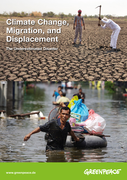
What at first glance appears to be simple causality – climate change leading to more and more migration – has triggered intense academic debate over the past ten years because the circumstances are complex. There is need for a thorough analysis in the ground between denying the problem and asser
...
ting immediate causality. In international relations, migration induced by climate change and environmental degradation is increasingly recognized as a problem, whether in the framework of international climate policy, international migration policy, development cooperation, or international crisis management. But considering the dimension of these major challenges, only small steps have been taken so far. The scope of the problem continues to be underestimated. Climate change is jeopardizing the livelihoods of more and more people. It is a risk multiplier. Although understanding of the connection between climate change and migration has increased, many questions have yet to be answered. We need more knowledge to better support the people affected.
more
This book provides significantly expanded content and experience in relation to a broader stewardship context- for example, stewardship in specific populations, different countries as well as the role of different professions in stewardship to political and media engagement. We hope this book has so
...
mething to offer everyone practicing in this area. Therefore, The British Society for Antimicrobial Chemotherapy [BSAC] in collaboration with ESGAP are very pleased to present this e-book on Global Antimicrobial Stewardship that is relevant to health care professions working in preventing and managing infection across the healthcare communities and health care facilities. It aims to support health care professionals, or teams, or policy makers interested in learning about bringing the principles of stewardship to the bed side
more
In 2015, the United Nations set important targets to reduce premature
cardiovascular disease (CVD) deaths by 33% by 2030. Africa disproportionately
bears the brunt of CVD burden and has one of the highest risks of dying
from non-communicable diseases (NCDs) worldwide. There is currently
an epide
...
miological transition on the continent, where NCDs is projected
to outpace communicable diseases within the current decade. Unchecked
increases in CVD risk factors have contributed to the growing burden of three
major CVDs—hypertension, cardiomyopathies, and atherosclerotic diseasesleading to devastating rates of stroke and heart failure. The highest age
standardized disability-adjusted life years (DALYs) due to hypertensive heart
disease (HHD) were recorded in Africa. The contributory causes of heart failure
are changing—whilst HHD and cardiomyopathies still dominate, ischemic
heart disease is rapidly becoming a significant contributor, whilst rheumatic
heart disease (RHD) has shown a gradual decline. In a continent where health
systems are traditionally geared toward addressing communicable diseases,
several gaps exist to adequately meet the growing demand imposed by CVDs.
Among these, high-quality research to inform interventions, underfunded
health systems with high out-of-pocket costs, limited accessibility and
affordability of essential medicines, CVD preventive services, and skill
shortages. Overall, the African continent progress toward a third reduction
in premature mortality come 2030 is lagging behind. More can be done in
the arena of effective policy implementation for risk factor reduction and
CVD prevention, increasing health financing and focusing on strengthening
primary health care services for prevention and treatment of CVDs, whilst
ensuring availability and affordability of quality medicines. Further, investing
in systematic country data collection and research outputs will improve the accuracy of the burden of disease data and inform policy adoption on
interventions. This review summarizes the current CVD burden, important
gaps in cardiovascular medicine in Africa, and further highlights priority
areas where efforts could be intensified in the next decade with potential
to improve the current rate of progress toward achieving a 33% reduction
in CVD mortality.
more
The Government of Malawi is committed to improving health and livelihoods in Malawi through community health – the
provision of basic health ser
...
vices in rural and urban communities with the participation of people who live there.
Historically, Community Health has significantly contributed to improvements in Malawi’s health outcomes in particular
attainment of MDG4. However, the community health system faces resource constraints and inconsistencies around quality
of service – which negatively affect health outcomes.
more
