
Filter
4865
Text search:
statistics
Featured
204
1590
Language
4474
159
149
87
34
32
31
28
14
13
5
4
4
4
3
3
3
2
2
2
2
2
2
2
2
1
1
1
1
1
1
1
1
1
1
1
1
1
1
1
1
1
1
1
1
1
1
Document type
3193
799
200
168
115
107
104
83
45
31
8
4
3
Countries
183
149
148
147
141
133
124
123
117
106
104
101
98
95
94
93
88
83
82
71
69
68
67
67
66
64
62
58
56
54
53
50
49
44
43
39
38
29
28
28
27
26
26
25
22
22
22
21
19
19
18
18
18
17
17
15
15
14
14
13
13
13
12
12
11
11
11
10
10
9
9
9
9
8
8
8
7
7
7
7
6
6
5
5
4
4
4
4
4
4
4
4
4
4
4
3
3
3
3
3
3
3
3
3
3
3
3
2
2
2
2
2
2
2
2
2
2
2
2
2
2
2
1
1
1
1
1
1
1
1
1
1
1
1
1
1
1
1
1
1
1
1
1
1
1
1
1
Authors & Publishers
401
303
186
180
119
112
105
67
64
45
34
29
26
25
25
23
23
23
21
19
19
18
18
18
17
16
16
16
15
15
14
14
14
14
14
13
13
13
13
13
13
12
12
12
12
12
12
11
11
11
11
11
10
10
10
10
10
10
10
9
9
9
9
9
9
9
9
9
8
8
8
8
8
8
8
8
8
8
8
8
8
8
8
7
7
7
7
7
7
7
7
7
7
7
7
7
6
6
6
6
6
6
6
6
6
6
6
6
6
6
6
6
6
6
6
6
6
6
5
5
5
5
5
5
5
5
5
5
5
5
5
5
5
5
5
5
5
5
5
5
5
5
5
5
5
5
4
4
4
4
4
4
4
4
4
4
4
4
4
4
4
4
4
4
4
4
4
4
4
4
4
4
4
4
4
4
4
4
4
4
4
4
4
4
4
4
4
4
4
4
4
4
4
4
3
3
3
3
3
3
3
3
3
3
3
3
3
3
3
3
3
3
3
3
3
3
3
3
3
3
3
3
3
3
3
3
3
3
3
3
3
3
3
3
3
3
3
3
3
3
3
3
3
3
3
3
3
3
3
3
3
3
3
3
3
3
3
3
3
3
3
3
3
3
3
3
3
3
3
3
3
3
3
3
3
3
3
3
3
3
3
3
3
3
3
3
3
3
3
3
3
3
3
3
3
3
3
3
3
3
3
3
3
2
2
2
2
2
2
2
2
2
2
2
2
2
2
2
2
2
2
2
2
2
2
2
2
2
2
2
2
2
2
2
2
2
2
2
2
2
2
2
2
2
2
2
2
2
2
2
2
2
2
2
2
2
2
2
2
2
2
2
2
2
2
2
2
2
2
2
2
2
2
2
2
2
2
2
2
2
2
2
2
2
2
2
2
2
2
2
2
2
2
2
2
2
2
2
2
2
2
2
2
2
2
2
2
2
2
2
2
2
2
2
2
2
2
2
2
2
2
2
2
2
2
2
2
2
2
2
2
2
2
2
2
2
2
2
2
2
2
2
2
2
2
2
2
2
2
2
2
2
2
2
2
2
2
2
2
2
2
2
2
2
2
2
2
2
2
2
2
2
2
2
2
2
2
2
2
2
2
2
2
2
2
2
2
2
2
2
2
2
2
2
2
2
2
2
2
2
2
2
2
2
2
2
2
2
2
2
2
2
2
2
2
2
2
2
2
2
2
2
2
2
2
2
2
2
2
2
2
2
2
2
2
2
2
2
2
2
2
2
2
2
2
2
2
2
2
2
2
2
2
2
2
2
2
2
2
2
2
2
2
2
2
2
2
2
2
2
2
2
2
2
2
2
2
2
2
2
2
2
2
2
2
2
2
2
2
2
2
2
2
2
2
1
1
1
1
1
1
1
1
1
1
1
1
1
1
1
1
1
1
1
1
1
1
1
1
1
1
1
1
1
1
1
1
1
1
1
1
1
1
1
1
1
1
1
1
1
1
1
1
1
1
1
1
1
1
1
1
1
1
1
1
1
1
1
1
1
1
1
1
1
1
1
1
1
1
1
1
1
1
1
1
1
1
1
1
1
1
1
1
1
1
1
1
1
1
1
1
1
1
1
1
1
1
1
1
1
1
1
1
1
1
1
1
1
1
1
1
1
1
1
1
1
1
1
1
1
1
1
1
1
1
1
1
1
1
1
1
1
1
1
1
1
1
1
1
1
1
1
1
1
1
1
1
1
1
1
1
1
1
1
1
1
1
1
1
1
1
1
1
1
1
1
1
1
1
1
1
1
1
1
1
1
1
1
1
1
1
1
1
1
1
1
1
1
1
1
1
1
1
1
1
1
1
1
1
1
1
1
1
1
1
1
1
1
1
1
1
1
1
1
1
1
1
1
1
1
1
1
1
1
1
1
1
1
1
1
1
1
1
1
1
1
1
1
1
1
1
1
1
1
1
1
1
1
1
1
1
1
1
1
1
1
1
1
1
1
1
1
1
1
1
1
1
1
1
1
1
1
1
1
1
1
1
1
1
1
1
1
1
1
1
1
1
1
1
1
1
1
1
1
1
1
1
1
1
1
1
1
1
1
1
1
1
1
1
1
1
1
1
1
1
1
1
1
1
1
1
1
1
1
1
1
1
1
1
1
1
1
1
1
1
1
1
1
1
1
1
1
1
1
1
1
1
1
1
1
1
1
1
1
1
1
1
1
1
1
1
1
1
1
1
1
1
1
1
1
1
1
1
1
1
1
1
1
1
1
1
1
1
1
1
1
1
1
1
1
1
1
1
1
1
1
1
1
1
1
1
1
1
1
1
1
1
1
1
1
1
1
1
1
1
1
1
1
1
1
1
1
1
1
1
1
1
1
1
1
1
1
1
1
1
1
1
1
1
1
1
1
1
1
1
1
1
1
1
1
1
1
1
1
1
1
1
1
1
1
1
1
1
1
1
1
1
1
1
1
1
1
1
1
1
1
1
1
1
1
1
1
1
1
1
1
1
1
1
1
1
1
1
1
1
1
1
1
1
1
1
1
1
1
1
1
1
1
1
1
1
1
1
1
1
1
1
1
1
1
1
1
1
1
1
1
1
1
1
1
1
1
1
1
1
1
1
1
1
1
1
1
1
1
1
1
1
1
1
1
1
1
1
1
1
1
1
1
1
1
1
1
1
1
1
1
1
1
1
1
1
1
1
1
1
1
1
1
1
1
1
1
1
1
1
1
1
1
1
1
1
1
1
1
1
1
1
1
1
1
1
1
1
1
1
1
1
1
1
1
1
1
1
1
1
1
1
1
1
1
1
1
1
1
1
1
1
1
1
1
1
1
1
1
1
1
1
1
1
1
1
1
1
1
1
1
1
1
1
1
1
1
1
1
1
1
1
1
1
1
1
1
1
1
1
1
1
1
1
1
1
1
1
1
1
1
1
1
1
1
1
1
1
1
1
1
1
1
1
1
1
1
1
1
1
1
1
1
1
1
1
1
1
1
1
1
1
1
1
1
1
1
1
1
1
1
1
1
1
1
1
1
1
1
1
1
1
1
1
1
1
1
1
1
1
1
1
1
1
1
1
1
1
1
1
1
1
1
1
1
1
1
1
1
1
1
1
1
1
1
1
1
1
1
1
1
1
1
1
1
1
1
1
1
1
1
1
1
1
1
1
1
1
1
1
1
1
1
1
1
1
1
1
1
1
1
1
1
1
1
1
1
1
1
1
1
1
1
1
1
1
1
1
1
1
1
1
1
1
1
1
1
1
1
1
1
1
1
1
1
1
1
1
1
1
1
1
1
1
1
1
1
1
1
1
1
1
1
1
1
1
1
1
1
1
1
1
1
1
1
1
1
1
1
1
1
1
1
1
1
1
1
1
1
1
1
1
1
1
1
1
1
1
1
1
1
1
1
1
1
1
1
1
1
1
1
1
1
1
1
1
1
1
1
1
1
1
1
1
1
1
1
1
1
1
1
1
1
1
1
1
1
1
1
1
1
1
1
1
1
1
1
1
1
1
1
1
1
1
1
1
1
1
1
1
1
1
1
1
1
1
1
1
1
1
1
1
1
1
1
1
1
1
1
1
1
1
1
1
1
1
1
1
1
1
1
1
1
1
1
1
1
1
1
1
1
1
1
1
1
1
1
1
1
1
1
1
1
1
1
1
1
1
1
1
1
1
1
1
1
1
1
1
1
1
1
1
1
1
1
1
1
1
1
1
1
1
1
1
1
1
1
1
1
1
1
1
1
1
1
1
1
1
1
1
1
1
1
1
1
1
1
1
1
1
1
1
1
1
1
1
1
1
1
1
1
1
1
1
1
1
1
1
1
1
1
1
1
1
1
1
1
1
1
1
1
1
1
1
1
1
1
1
1
1
1
1
1
1
1
1
1
1
1
1
1
1
1
1
1
1
1
1
1
1
1
1
1
1
1
1
1
1
1
1
1
1
1
1
1
1
1
1
1
1
1
1
1
1
1
1
1
1
1
1
1
1
1
1
1
1
1
1
1
1
1
1
1
1
1
1
1
1
1
1
1
1
1
1
1
1
1
1
1
1
1
1
1
1
1
1
1
1
1
1
1
1
1
1
1
1
1
1
1
1
1
1
1
1
1
1
1
1
1
1
1
1
1
1
1
1
1
1
1
1
1
1
1
1
1
1
1
1
1
1
1
1
1
1
1
1
1
1
1
1
1
1
1
1
1
1
1
1
1
1
1
1
1
1
1
1
1
1
1
1
1
1
1
1
1
1
1
1
1
1
1
1
1
1
1
1
1
1
1
1
1
1
1
1
1
1
1
1
1
1
1
1
1
1
1
1
1
1
1
1
1
1
1
1
1
1
1
1
1
1
1
1
1
1
1
1
1
1
1
1
1
1
1
1
1
1
1
1
1
1
1
1
1
1
1
1
1
1
1
1
1
1
1
1
1
1
1
1
1
1
1
1
1
1
1
1
1
1
1
1
1
1
1
1
1
1
1
1
1
1
1
1
1
1
1
1
1
1
1
1
1
1
1
1
1
1
1
1
1
1
1
1
1
1
1
1
1
1
1
1
1
1
1
1
1
1
1
1
1
1
1
1
1
1
1
1
1
1
1
1
1
1
1
1
1
1
1
1
1
1
1
1
1
1
1
1
1
1
1
1
1
1
1
1
1
1
1
1
1
1
1
1
1
1
1
1
1
1
1
1
1
1
1
1
1
1
1
1
1
1
1
1
1
1
1
1
1
1
1
1
1
1
1
1
1
1
1
1
1
1
1
1
1
1
1
1
1
1
1
1
1
1
1
1
1
1
1
1
1
1
1
1
1
1
1
1
1
1
1
1
1
1
1
1
1
1
1
1
1
1
1
1
1
1
1
1
1
1
1
1
1
1
1
1
1
1
1
1
1
1
1
1
1
1
1
1
1
1
1
1
1
1
1
1
1
1
1
1
1
1
1
1
1
1
1
1
1
1
1
1
1
1
1
1
1
1
1
1
1
1
1
1
1
1
1
1
1
1
1
1
1
1
1
1
1
1
1
1
1
1
1
1
1
1
1
1
1
1
1
1
1
1
1
1
1
1
1
1
1
1
1
1
1
1
1
1
1
1
1
1
1
1
1
1
1
1
1
1
1
1
1
1
1
1
1
1
1
1
1
1
1
1
1
1
1
1
1
1
1
1
1
1
1
1
1
1
1
1
1
1
1
1
1
1
1
1
1
1
1
1
1
1
1
1
1
1
1
1
1
1
1
1
1
1
1
1
1
1
1
1
1
1
1
1
1
1
1
1
1
1
1
1
1
1
1
1
1
1
1
1
1
1
1
1
1
1
1
1
1
1
1
1
1
1
1
1
1
1
1
1
1
1
1
1
1
1
1
1
1
1
1
1
1
1
1
1
1
1
1
1
1
1
1
1
1
1
1
1
1
1
1
1
1
1
1
1
1
1
1
1
1
1
1
1
1
1
1
1
1
1
1
1
1
1
1
1
1
1
1
1
1
1
1
1
1
1
1
1
1
1
1
1
1
1
1
1
1
1
1
1
1
1
1
1
1
1
1
1
1
1
1
1
1
1
1
1
1
1
1
1
1
1
1
1
1
1
1
1
1
1
1
1
1
1
1
1
1
1
1
1
1
1
1
1
1
1
1
1
1
1
1
1
1
1
1
1
1
1
1
1
1
1
1
1
1
1
1
1
1
1
1
1
1
1
1
1
1
1
1
1
1
1
1
1
1
1
1
1
1
1
1
1
1
1
1
1
1
1
1
1
1
1
1
1
1
1
1
1
1
1
1
1
1
1
1
1
1
1
1
1
1
1
1
1
1
1
1
1
1
1
1
1
1
1
1
1
1
1
1
1
1
1
1
1
1
1
1
1
1
1
1
1
1
1
1
1
1
1
1
1
1
1
1
1
1
1
1
1
1
1
1
1
1
1
1
1
1
1
1
1
1
1
1
1
1
1
1
1
1
1
1
1
1
1
1
1
1
1
1
1
1
1
1
1
1
1
1
1
1
1
1
1
1
1
1
1
1
1
1
1
1
1
1
1
1
1
1
1
1
1
1
1
1
1
1
1
1
1
1
1
1
1
1
1
1
1
1
1
1
1
1
1
1
1
1
1
1
1
1
1
1
1
1
1
1
1
1
1
1
1
1
1
1
1
1
1
1
1
1
1
1
1
1
1
1
1
1
1
1
1
1
1
1
1
1
1
1
1
1
1
1
1
1
1
1
1
1
1
1
1
1
1
1
1
1
1
1
1
1
1
1
1
1
1
1
1
1
1
1
1
1
1
1
1
1
1
1
1
1
1
1
1
1
1
1
1
1
1
1
1
1
1
1
1
1
1
1
1
1
1
1
1
1
1
1
1
1
1
1
1
1
1
1
1
1
1
1
1
1
1
1
1
1
1
1
1
1
1
1
1
1
1
1
1
1
1
1
1
1
1
1
1
1
1
1
1
1
1
1
1
1
1
1
1
1
1
1
1
1
1
1
1
1
1
1
1
1
1
1
1
1
1
1
1
1
1
1
1
1
1
1
1
1
1
1
1
1
1
1
1
1
1
1
1
1
1
1
1
1
1
1
1
1
1
1
1
1
1
1
1
1
1
1
1
1
1
1
1
1
1
1
1
1
1
1
1
1
1
1
1
1
1
1
1
1
1
1
1
1
1
1
1
1
1
1
1
1
1
1
1
1
1
1
1
1
1
1
1
1
1
1
1
1
1
1
1
1
1
1
1
1
1
1
1
1
1
1
1
1
1
1
1
1
1
1
1
1
1
1
1
1
1
1
1
1
1
1
1
1
1
1
1
1
1
1
1
1
1
1
1
1
1
1
1
1
1
1
1
1
1
1
1
1
1
1
1
1
1
1
1
1
1
1
1
1
1
1
1
1
1
1
1
1
1
1
1
1
1
1
1
1
1
1
1
1
1
1
1
1
1
1
1
1
1
1
1
1
1
1
1
1
1
1
1
1
1
1
1
1
1
1
1
1
1
1
1
1
1
1
1
1
1
1
1
1
1
1
1
1
1
1
1
1
1
1
1
1
1
1
1
1
1
1
1
1
1
1
1
1
1
1
1
1
1
1
1
1
1
1
1
1
1
1
1
1
1
1
1
1
1
1
1
1
1
1
1
1
1
1
1
1
1
1
1
1
1
1
1
1
1
1
1
1
1
1
1
1
1
1
1
1
1
1
1
1
1
1
1
1
1
1
1
1
1
1
1
1
1
1
1
1
1
1
1
1
1
1
1
1
1
1
1
1
1
1
1
1
1
1
1
1
1
1
1
1
1
1
1
1
1
1
1
1
1
1
1
1
1
1
1
1
1
1
1
1
1
1
1
1
1
1
1
1
1
1
1
1
1
1
1
1
1
1
1
1
1
1
1
1
1
1
1
1
1
1
1
1
1
1
1
1
1
1
1
1
1
1
1
1
1
1
1
1
1
1
1
1
1
1
1
1
1
1
1
1
1
1
1
1
1
1
1
1
1
1
1
1
1
1
1
1
1
1
1
1
1
1
1
1
1
1
1
1
1
1
1
1
1
1
1
1
1
1
1
1
1
1
1
1
1
1
1
1
1
1
1
1
1
1
1
1
1
1
1
1
1
1
1
1
1
1
1
1
1
1
1
1
1
1
1
1
1
1
1
1
1
1
1
1
1
1
1
1
1
1
1
1
1
1
1
1
1
1
1
1
1
1
1
1
1
1
1
1
1
1
1
1
1
1
1
1
1
1
1
1
1
1
1
1
1
1
1
1
1
1
1
1
1
1
1
1
1
1
1
1
1
1
1
1
1
1
1
1
1
1
1
1
1
1
1
1
1
1
1
1
1
1
1
1
1
1
1
1
1
1
1
1
1
1
1
1
1
1
1
1
1
1
1
1
1
1
1
1
1
1
1
1
1
1
1
1
1
1
1
1
1
1
1
1
1
1
1
1
1
1
1
1
1
1
1
1
1
1
1
1
1
1
1
1
1
1
1
1
1
1
1
1
1
1
1
1
1
1
1
1
1
1
1
1
1
1
1
1
1
1
1
1
1
1
1
1
1
1
1
1
1
1
1
1
1
1
1
1
1
1
1
1
1
1
1
1
1
1
1
1
1
1
1
1
1
1
1
1
1
1
1
1
1
1
1
1
1
1
1
1
1
1
1
1
1
1
1
1
1
1
1
1
1
1
1
1
1
1
1
1
1
1
1
1
1
1
1
1
1
1
1
1
1
1
1
1
1
1
1
1
1
1
1
1
1
1
1
1
1
1
1
1
1
1
1
1
1
1
1
1
1
1
1
1
1
1
1
1
1
1
1
1
1
1
1
1
1
1
1
1
1
1
1
1
1
1
1
1
1
1
1
1
1
1
1
1
1
1
1
1
1
1
1
1
1
1
1
1
1
1
1
1
1
1
1
1
1
1
1
1
1
1
1
1
1
1
1
1
1
1
1
1
1
1
1
1
1
1
1
1
1
1
1
1
1
1
1
1
1
1
1
1
1
1
1
1
1
1
1
1
1
1
1
1
1
1
1
1
1
1
1
1
1
1
1
1
1
1
1
1
1
1
1
1
1
1
1
1
1
1
1
1
1
1
1
1
1
1
1
1
1
1
1
1
1
1
1
1
1
1
1
1
1
1
1
1
1
1
1
1
1
1
1
1
1
1
1
1
1
1
1
1
1
1
1
1
1
1
1
1
1
1
1
1
1
1
1
1
1
1
1
1
1
1
1
1
1
1
1
1
1
1
1
1
1
1
1
1
1
1
1
1
1
1
1
1
1
1
1
1
1
1
1
1
1
1
1
1
1
1
1
1
1
1
1
1
1
1
1
1
1
1
1
1
1
1
1
1
1
1
1
1
1
1
1
1
1
1
1
1
1
1
1
1
1
1
1
1
1
1
1
1
1
1
1
1
1
1
1
1
1
1
1
1
1
1
1
1
1
1
1
1
1
1
1
1
1
1
1
1
1
1
1
1
1
1
1
1
1
1
1
1
1
1
1
1
1
1
1
1
1
1
1
1
1
1
1
1
1
1
1
1
1
1
1
1
1
1
1
1
1
1
1
1
1
1
1
1
1
1
1
1
1
1
1
1
1
1
1
1
1
1
1
1
1
1
1
1
1
1
1
1
1
1
1
1
1
1
1
1
1
1
1
Publication Years
1
1104
3375
370
12
2
1
Category
2887
198
184
122
115
57
15
4
Toolboxes
294
263
248
236
227
146
125
96
93
79
78
70
61
60
52
46
43
36
15
12
11
9
8
4
2
1

The development of this Operational Roadmap has been driven by a growing consensus in Ukraine on the need to prioritize activities that are urgently required to address the mental health and psychosocial needs of the country’s population and also the importance of basing the response on existing s
...
tructures, resources and innovations introduced in reforms in past years.
According to this consensus, new resources mobilized by and for Ukraine should complement existing ones, in line with the national vision and with best international standards, and should be planned in a way that further strengthens the country’s mental health system.
The Government of Ukraine is committed to urgently addressing the mental health and psychosocial needs of the population, under the auspices of the First Lady of Ukraine and the leadership of the recently established Intersectoral Coordination Council for Mental Health and Psychological Assistance to Victims of the Armed Aggression of the Russian Federation against Ukraine (referred to in this document as the Intersectoral Coordination Council).
This Roadmap has been developed following a series of consultations with Ukrainian authorities and national and international agencies working in the area of mental health and psychosocial support (MHPSS) and engaged in emergency response in Ukraine. The consultation process was organized by the Ministry of Health of Ukraine (MOH) and supported by WHO Ukraine, under the auspices of the First Lady of Ukraine and in collaboration with the MHPSS Technical Working Group of Ukraine (MHPSS TWG Ukraine) and the IASC MHPSS Reference Group (IASC MHPSS RG), and building on substantial advances in the mental health sector under existing programmes in the country.
The Roadmap is informed by international technical guidance and national policies and plans, including the IASC Guidelines on MHPSS in Emergency Settings, the Minimum Services Package for MHPSS in Emergencies (MHPSS MSP), the IASC Common Monitoring and Evaluation Framework, the World Health Organization (WHO)’s Comprehensive Mental Health Action Plan 2013– 2030, the WHO European Framework for Action on Mental Health, the Concept for Development of Mental Health Care in Ukraine until 2030, the National Mental Health Action Plan for 2021–2023 and the National Recovery and Development Plan.
Informed by the overall goal of MHPSS assistance in Ukraine – to reduce suffering and improve the mental health and psychosocial well-being of the affected population – the Roadmap aims to provide a consolidated overview of envisioned MHPSS priorities, informed by the local context and the vision of the Government of Ukraine together with national and international partners, and with the best available evidence and resources, to all MHPSS stakeholders already engaged in or joining emergency response and recovery efforts in Ukraine.
As well as information on the context in Ukraine, the Roadmap includes:
• a list of evidence-based MHPSS interventions and services contextualized and introduced in Ukraine in recent years (described in Table 1) and
• a set of multisectoral actions to scale up MHPSS services in both the short and longer terms, informed by available evidence, international technical guidance and expert consensus (described in Table 2).
more
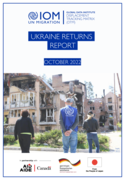
Starting on 24 February 2022, a large-scale armed conflict in Ukraine triggered an unprecedented humanitarian crisis across the country, characterised, among other elements, by the displacement of a significant proportion of the Ukrainian population.
As early as April 2022, the International Organi
...
zation for Migration (IOM) began observing significant return movements. Conditions of return vary widely, as returnees arrive back to areas not directly affected by the war, but which have experienced a significant influx of internally displaced persons (IDPs), as well as to conflict-affected and recently de-occupied areas which have sustained severe damage.
more
The road map 2030 was developed by WHO through an extensive global consultation, with indicators set for measuring progress against targets and milestones. This compendium of indicators provides a comprehensive and standardized listing of recommended indicators, including the 70 core indicators pres
...
ented in the M&E framework. These indicators will also support reporting on strategies described in other road map companion documents to guide action against neglected tropical diseases include the sustainability framework, the global strategy on water, sanitation and hygiene, the One Health approach and the strategic framework for integrated control and elimination of skin-related neglected tropical diseases.
The purpose of this compendium is to guide monitoring and evaluation of programmes and thereby to improve their quality and effectiveness in alignment with the road map goals. It provides a standardized listing of the most widely used indicators relevant to countries, with uniformity in defining indicators to allow comparisons over time and among different programmes. Detailed metadata are provided for each of these indicators to facilitate validity, internal consistency, standardized measurement, estimation methods and comparability of data across countries.
more

The HHFA Comprehensive guide serves as the main reference document for planning and implementing a country HHFA. This guide will promote understanding of:
What the HHFA is and the information it can and cannot provide.
The HHFA modules, questionnaires and CSPro electronic data collection tool.
Th
...
e HHFA indicators, indices and their organization within the HHFA indicator inventory platform.
The HHFA data analysis platform.
The HHFA sampling and data collection methodologies.
The detailed steps involved in planning and implementing an HHFA.
Key concepts in review, interpretation and communication of HHFA findings.
more

This new guidance aims to support programme implementers, coordinators and others in humanitarian settings in their actions to counter suicide and self-harm in humanitarian contexts and to save lives.

Trachoma causes more vision loss and blindness than any other infection in the world. This disease is caused by Chlamydia trachomatis bacteria. Other variants or strains of these bacteria can cause a sexually transmitted infection (chlamydia) and disease in lymph nodes.
This is photomicrograph
...
of a conjunctival smear that revealed the presence of what are known as, intracytoplasmic inclusions Trachoma is easily spread through direct personal contact such as from fingers, through shared towels and clothes, and through flies that have been in contact with the eyes or nose of an infected person. When left untreated, repeated Chlamydia trachomatis infections in the eye can cause severe scarring on the inside of the eyelid. This can cause the eyelashes to scratch the cornea (trichiasis). In addition to causing pain, trichiasis permanently damages the cornea and can lead to irreversible blindness.
Chlamydia trachomatis infections spread in areas that lack access to safely managed drinking water and sanitation systems. Trachoma affects the most resource-limited communities in the world. Globally, almost 1.9 million people have vision loss because of trachoma, and it causes 1.4% of all blindness worldwide.1 In 2021, 136 million people lived in trachoma-endemic areas and were at risk of trachoma blindness.
more
PLoS Neglected Tropical diseases August 16, 2021 https://doi.org/10.1371/journal.pntd.0009697
Chagas disease, also known as American trypanosomiasis, is a neglected tropical disease transmitted by triatomine insects, first identified in 1909. Chagas disease affects approximately 6–7 million peop
...
le globally and is highly prevalent in Latin America where most cases are reported. However, there is increasing evidence that Chagas disease is now an important public health issue outside the “classical” endemic countries due to population migration. Our understanding of Chagas disease, including its pathologies and factors relating to progression, remains to date limited, and is also challenged by lack of diagnosis and highly effective treatment. This systematic review aims to describe studies with Chagas patients receiving antiparasitic treatment. Databases were searched for relevant studies published after 1997, and the results of these searches were screened.
more
À l’ère des évolutions numérique, démocratique, sociétale et politique, la communication est devenue plus que jamais une passerelle d’idées et d’initiatives révolutionnaires, capable de créer des communautés plus fortes, plus informées et plus impliquées que jamais. L’émergence
...
d’un journalisme éthique est devenue centrale dans toutes les rédactions et constitue la pierre angulaire d’un journalisme d’information au service du développement de la société.
Dans la foulée de ces évolutions, la question du genre est indissociable de cette avancée et il ne peut pas y avoir de journalisme éthique tant que la question du genre ne fait partie de son agenda.
more
Conformément aux dispositions de l’article 19 de la Constitution de l’Organisation internationale du Travail (OIT), le Conseil d’administration, à sa 334e session (octobre-novembre 2018), a décidé que l’Étude d’ensemble qui devait être préparée par la Commission d’experts pour lâ
...
€™application des conventions et recommandations (CEACR) en 2020 et présentée à la
Conférence internationale du Travail (la conférence) en 2021 porterait sur quatre instruments relatifs au travail décent pour les travailleurs du soin et des services à la personne dans une économie en évolution: la convention (no 149) et la recommandation (no 157) sur le personnel infirmier, 1977, la convention (no 189) et la recommandation (no 201) sur les travailleuses et
travailleurs domestiques, 20111 . L’Étude d’ensemble examinerait en profondeur la situation en droit et en pratique des travailleurs du soin et des services à la personne au regard des conventions nos 149 et 189.
more
Pharmaceutical News
Evaluation of Saccharide Content of the WHO 2nd International Standard for Haemophilus Influenzae Polysaccharide Polyribosyl Ribitol Phosphate (PRP) by HPAECPAD Analysis Following Acid Hydrolysis
Consultation Documents
Lamivudine and tenofovir disoproxil fumarate tablets (lami
...
vudini et tenofoviri disoproxili fumarati compressi)
Tenofovir disoproxil fumarate tablets (tenofoviri disoproxili fumarati compressi)
ATC/DDD Classification
Temporary
Final
more

BMJ Glob Health 2017;2:e000345. doi:10.1136/bmjgh-2017-000345. WHO's 2020 milestones for Chagas disease include having all endemic Latin American countries certified with no intradomiciliary Trypanosoma cruzi transmission, and infected patients under care. Evaluating the variation in historical expo
...
sure to infection is crucial for assessing progress and for understanding the priorities to achieve these milestones.
more
Mem Inst Oswaldo Cruz, Rio de Janeiro, Vol. 117: e200460, 2022
Integrating the multiple dimensions of the problem into a coherent approach adapted to field realities and needs represents an immense challenge, but the payoff is more effective and sustainable experiences, with higher social awareness
...
, increased case detection and follow-up, improved adherence to care, and integrated participation of various actors from multiple action levels. Information, Education, and Communication (IEC) initiatives have great potential for impact in the implementation of multidimensional programs of prevention and control successfully customised to the diverse and complex contexts where Chagas disease persists.
more
Access to health workers who are fit for purpose, motivated and protected is a fundamental force of health service delivery and the achievement of universal health coverage and the health and health-related Sustainable Development Goals. Data and knowledge of the distribution, skill mix and future d
...
evelopment needs of the health workforce can mean the difference between enabling or impeding health systems performance, inclusive economic growth and global health security preparedness and response
more

Urogenital schistosomiasis is a common neglected tropical disease in many rural communities in African countries, with patches of infection in the Eastern Mediterranean Region. Globally, an estimated 239 million people are currently infected, with burden estimated at more than 3.5 million disability
...
-adjusted life years (DALYs). In many endemic areas, severely infected individuals may suffer fibrosis of the bladder, kidney damage, bladder cancer, and death if untreated. This, however, depends on several factors such as host-parasite genetics, degree and length of exposure, intensity of infection, host immune response to the parasites, and coinfections with other tropical diseases such as malaria and HIV-1.
more
The sub-Saharan African region, carries 90% of the over 250 million cases of schistosomiasis occurring worldwide. In this region, after Nigeria, Tanzania is second country having the highest cases of schistosomiasis and approximately 51.5%0 of the Tanzanian population is either exposed or live in ar
...
eas with high risk of exposure. The country is endemic to both Schistosoma mansoni and Schistosoma haematobium, these infections are common in communities characterised with limited access to water, sanitation, hygienic practices and health services. Schistosoma mansoni infection is associated with hepatosplenic disease characterised with hepatomegaly, splenomegaly, progressive periportal fibrosis (PPF) which can lead to portal hypertension and its related sequelae, mainly ascites, liver surface irregularities, oesophageal varices and haematemesis. The main consequences of S. haematobium infection are haematuria, dysuria, nutritional deficiencies, urinary bladder lesions, hydronephrosis, urinary bladder squamous cell carcinoma and in children, growth retardation. Preventive chemotherapy using mass drug administration (MDA) of praziquantel targeting primary school aged children is the main strategy for controlling schistosomiasis in Tanzania.
more
Schistosomiasis is a neglected tropical disease of global medical and veterinary importance. As efforts to eliminate schistosomiasis as a public health problem and interrupt transmission gather momentum, the potential zoonotic risk posed by livestock Schistosoma species via viable hybridisation in s
...
ub-Saharan Africa have been largely overlooked. We aimed to investigate the prevalence, distribution, and multi-host, multiparasite transmission cycle of Haematobium group schistosomiasis in Senegal, West Africa.
more
Breast cancer is the most common cancer worldwide and the leading cause of cancer deaths among women, disproportionately affecting low- and middle-income countries. The Global Breast Cancer Initiative strives to reduce breast cancer mortality by 2.5 percent per year, which over a 20-year period can
...
save 2.5 million lives. The purpose of this core technical package is to outline a pathway for incremental, sustainable improvements tailored to country-specific needs based on three key strategies and objectives: health promotion for early detection; timely diagnosis; and comprehensive breast cancer management. This document provides a common framework linking policy makers, stakeholders, the clinical community, program managers and civil society to evidence-based systematic approaches that can facilitate health systems strengthening and reduce inequities in women’s health throughout their life cycles
more
Le cancer du sein est le cancer le plus courant dans le monde et la première cause de mortalité imputable cette maladie chez les femmes. Il touche de façon disproportionnée les pays à revenu faible et intermédiaire. L’Initiative mondiale contre le cancer du sein met tout en œuvre pour faire
...
reculer la mortalité due à cette maladie de 2,5 pour cent par an, ce qui, en vingt ans, pourrait sauver 2,5 millions de vies. Cet ensemble de mesures techniques fondamentales a pour objet de définir les grandes lignes d’une voie qui mènerait à des améliorations progressives et pérennes, adaptées aux besoins spécifiques des pays et reposant sur trois stratégies et objectifs clés : promotion de la santé à l’appui d’une détection précoce, diagnostic en temps voulu et prise en charge globale du cancer du sein. Le présent document propose un cadre commun associant les décideurs politiques, les parties prenantes, le milieu hospitalier, les gestionnaires de programmes et la société civile à une démarche systématique fondée sur des données probantes susceptible de faciliter le renforcement des systèmes de santé et de diminuer les inégalités touchant à la santé des femmes tout au long de leur vie.
more
El objetivo de este conjunto de herramientas técnicas básicas es delinear una trayectoria para lograr mejoras acumulativas y sostenibles adaptadas a las necesidades específicas de cada país a partir de tres estrategias y objetivos clave: la promoción de la salud para una detección precoz; el d
...
iagnóstico oportuno; y la gestión integral del cáncer de mama. En este documento se ofrece un marco común que vincula a los responsables de formular políticas, las partes interesadas, la comunidad de atención clínica, los gestores de programas y la sociedad civil con enfoques sistemáticos basados en la evidencia que pueden facilitar el fortalecimiento de los sistemas de salud y reducir las inequidades en la salud de las mujeres a lo largo de su ciclo vital.
more
The introduction of vaccines for coronavirus disease 2019 (COVID-19) added another measure to the existing set of
recommended preventive measures (wearing a mask in public, keeping a distance from other people and regular handwashing). The roll-out of the vaccines, however, raised concerns that vac
...
cination may lead to lower adherence to the existing
preventive measures. The advice from the World Health Organization (WHO) was to continue these public health and
social measures after being vaccinated.1 However, evidence from other epidemics suggests that there is lower adherence to
preventive measures when some level of protection exists (for example, individuals who use human immunodeficiency virus
pre-exposure prophylaxis
more
